Pompeii turns history into streets. This private, guided walk led by Campania-authorized local experts makes the ruins feel readable, not random—and you get the plaster casts in the quieter southern section where the 79 A.D. story lands fast.
I also like seeing everyday life in Lupanare, the brothel with its erotic frescoes, plus major public spaces like the Forum explained in plain, practical ways. You come away with context, not just photos.
One thing to weigh: the experience runs about 2 hours, and the 16 euro site admission ticket isn’t included—so plan for extra cost and a bit of walking time on uneven ground.
In This Review
- Key highlights to watch for
- First steps at Porta Marina: why the start matters
- Pompeii Archaeological Park: Forum, baths, and the big-city grid
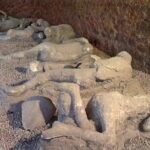
- The uncrowded southern walk and the 79 A.D. plaster casts
- Lupanare and everyday life: houses, art, and hard-to-forget details
- Theaters and the north-side streets: ending with momentum
- Price and what you’re really paying for
- Who should book this Pompeii tour?
- Should you book Pompeii the Buried city?
- FAQ
- Is the Pompeii admission ticket included?
- How long is the guided tour?
- Is this a private tour?
- What places does the guide include inside Pompeii?
- Where do you meet?
- Do I need a physical ticket?
- What fitness level do I need?
Key highlights to watch for
- Campania-authorized local guides: you’re getting professional interpretation, not a free-for-all.
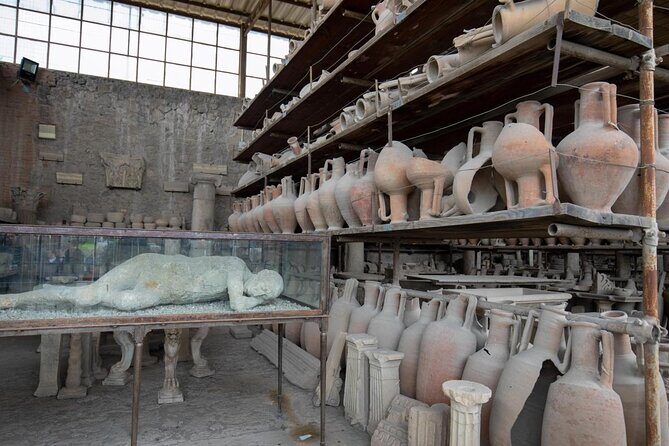
- Plaster casts in the southern ruins: you’ll spend time where the atmosphere feels less crowded.
- Forum + thermal areas + major public buildings: you learn what mattered and why.
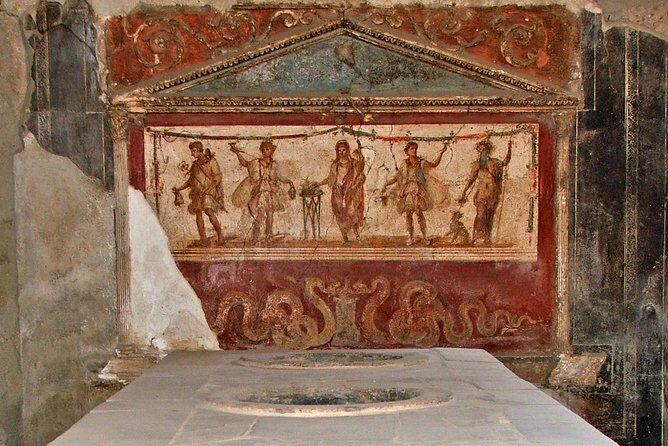
- Lupanare and its erotic frescoes: art and daily life, discussed with context.
- Private group format: it’s only your group, so questions don’t get lost in the shuffle.
First steps at Porta Marina: why the start matters
You meet at Pompei-porta Marina – scavi (80045 Pompei). That location is useful because it sets you up for a structured loop through the park rather than wandering blindly from one far corner to another. The tour also ends back at the meeting point, so you’re not forced into an extra routing puzzle.
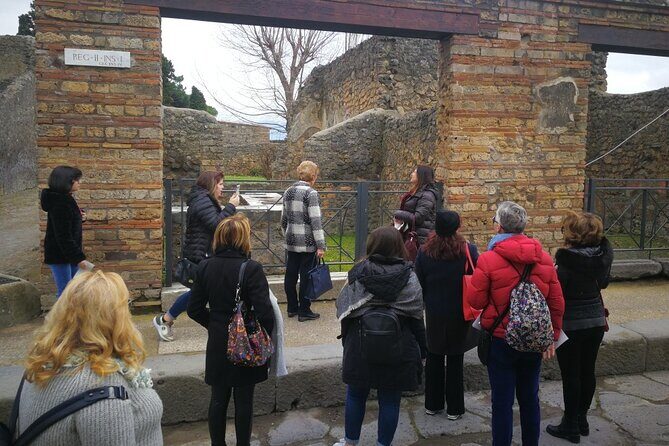
This is a private tour for up to 6 people. That detail matters more than it sounds: you can ask “why did they build it like that?” style questions and actually get answers, instead of waiting your turn while a crowd moves on. The pace is geared to the tour length, not to a marathon, and the focus stays on what you’re looking at in front of you.
The guide’s authority is also a big deal for this kind of place. Pompeii can be fascinating, but it also can be easy to misread. With authorized guides from the Campania Region, you’re more likely to get accurate explanations of how public buildings worked and how the city lived day to day.
Other walking tours of the Pompeii ruins


Pompeii Archaeological Park: Forum, baths, and the big-city grid
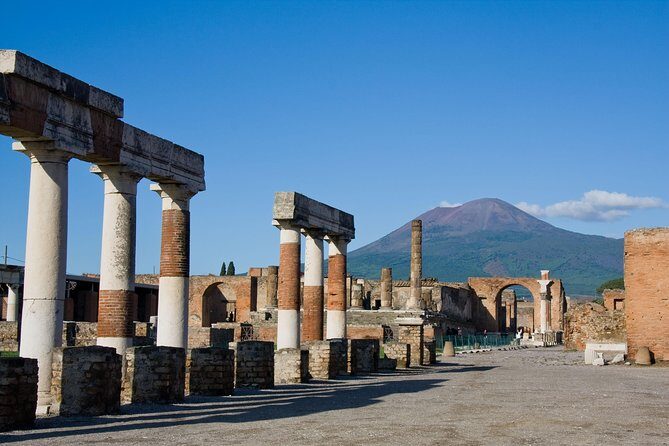
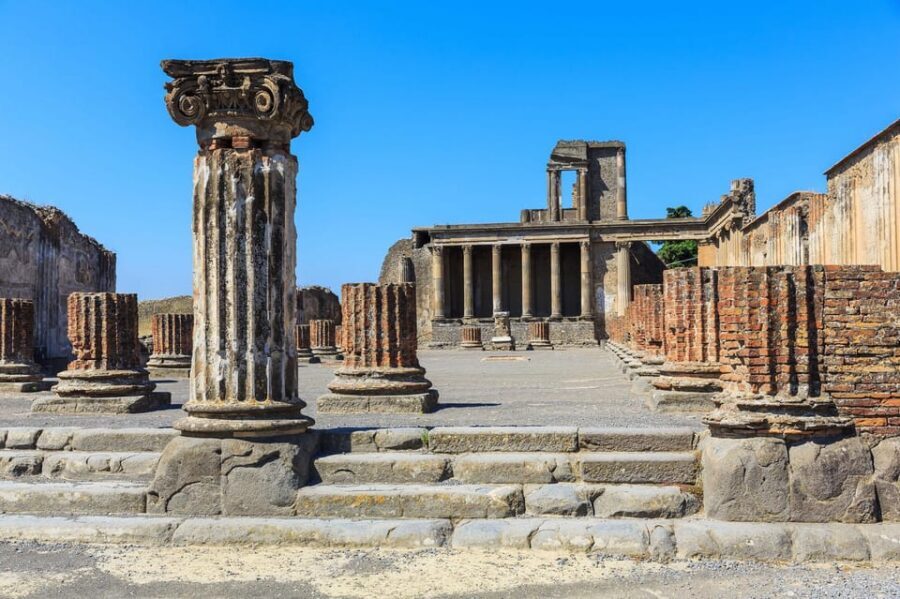
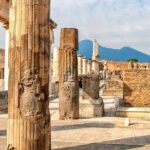
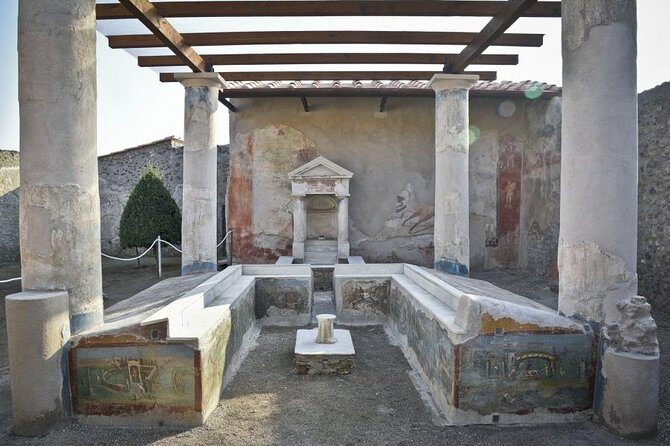
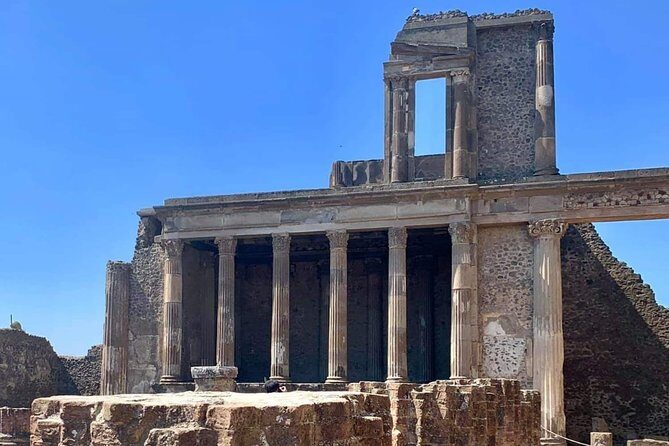
The heart of the visit begins inside the Pompeii Archaeological Park, where you’ll walk through major public and private buildings. Expect time at the Forum, along with the thermal baths and several homes (including Menandro’s House). These aren’t random stops—they’re the kind of landmarks that help you build a mental map quickly.
If you like to understand what you’re seeing, the Forum stop is often where the lightbulb goes on. It’s where civic life happened, where you’d have seen movement, business, announcements—basically the city’s daily stage. With a guide at your shoulder, you’re not just looking at stone walls. You’re learning what those spaces likely meant for people living there.
The thermal baths add a different layer. You see architecture, yes, but you also get the idea that leisure and routine were built into city life. Pompeii isn’t only about tragedy; it’s also about a well-used urban system. When the baths are explained with the right level of detail, the buildings stop feeling like ruins and start feeling like infrastructure.
A practical note: the tour is about 2 hours, so the goal is clarity and selection. You won’t have time to slow down forever at every doorway, but you’ll see enough that your photos make sense later.
The uncrowded southern walk and the 79 A.D. plaster casts
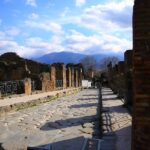
One of the strongest parts of this tour is the push into the southern part of the ruins, which is described as quieter and less crowded. That matters in Pompeii because crowds can make the whole place feel like a photo line. Here, you get the chance to slow your brain down and actually process what you’re seeing.
The tour includes the famous plaster casts—the molded figures that represent people who died during the eruption of Mount Vesuvius in 79 A.D. Even if you’ve seen images before, being there in person changes the feeling. It’s not just a spectacle; it’s a way to grasp scale and human presence inside a city that froze in time.
I like that the route doesn’t jump from one dramatic stop to the next. You’re guided through a sequence that helps you connect buildings, streets, and spaces. In other words, you get a story you can follow rather than a checklist you forget.
Weather can affect how long you can comfortably stay outside, and this experience notes it requires good weather. If conditions are rough, expect the overall experience to feel shorter or more constrained. Still, when it works out, this is the segment that most strongly anchors the meaning of Pompeii.
Lupanare and everyday life: houses, art, and hard-to-forget details
Then you move into the residential and more unusual corners of the park. A key stop is the Lupanare, the brothel known for its erotic frescoes. This is one of those Pompeii topics that people either want explained clearly or try to skate past. In a guided setting, you get context for what the frescoes show and what the space likely functioned as.
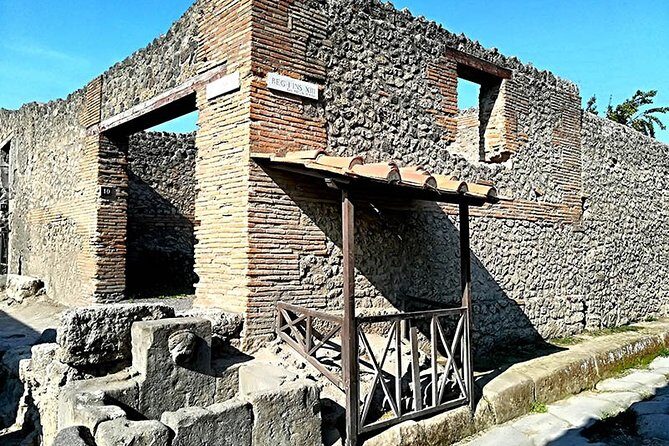
This is also where you’ll see how Pompeii’s private buildings were built for specific social and practical needs. The tour also points you toward major houses like Menandro’s House, which helps you understand that wealth and design weren’t only about public monuments.
Here’s the value for you: without guidance, it’s easy to wander through rooms and miss what mattered. With a pro, you learn to notice the right things—layout, entrances, how rooms connect, and what the art is tied to. You end up with a clearer picture of daily rhythms, even with the tragedy hanging over everything.
One consideration: the Lupanare stop is not subtle. If you’re uncomfortable with sexual imagery, you should go in knowing this is part of the experience. For most people, handled with factual context, it’s still educational and historically grounded.
Theaters and the north-side streets: ending with momentum
After the southern segment and the quieter emotional core, the tour shifts toward the theaters and the streets along Pompeii’s north side. Spending time here helps you see the variety in the city—public entertainment, public gathering, and street life all in one loop.
The theater area is a strong reminder that people didn’t live only for survival. They came together to watch, to perform, to socialize. When your guide connects the theater stop to nearby streets and buildings, you start to see Pompeii as a living city layout instead of isolated ruins.
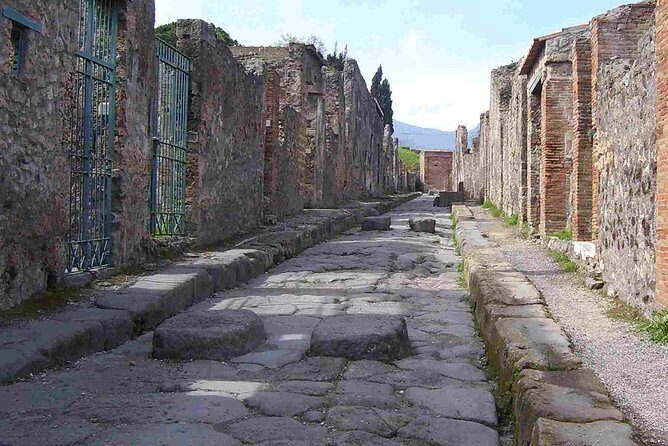
The tour mentions you’ll cross streets along the north side for part of an hour, with a chance to feel like you’re moving through the city as residents once did. That’s exactly what good guidance can do: it helps you read the “bones” of the city so your visit becomes a coherent walk.
At this point, you’ll likely feel the pull to keep going on your own. Pompeii is big. A two-hour guided portion gives you a real foundation, but it doesn’t replace the freedom to return later for your own interests.
Other city tours we've reviewed in Pompeii
Price and what you’re really paying for
The price is $229.28 per group (up to 6), and that private format is the main reason this can feel like good value. If you split it among friends or family, the cost per person can be much lower than buying separate guided tickets. The other big cost is admission.
Admission tickets are 16 euro per person and are not included. Under 18 visitors can enter free with a valid ID document. So the real budget is the tour fee plus the site entry for adults.
Duration is around 2 hours, which is a sweet spot for a guided orientation. It’s ideal if you’re doing Pompeii as one major stop and don’t want to spend a half day lost in decision-making. If you love to linger—especially in museums or at multiple neighborhoods—plan extra time on your own after the guided portion.
Also keep in mind that the experience requires moderate physical fitness. Pompeii’s surfaces can be uneven, and you’ll be walking between sites. Comfortable shoes are not optional here. This is a “see with your feet” kind of place.
Who should book this Pompeii tour?
This tour fits you best if you want a guided visit that builds a quick, accurate understanding of Pompeii. You’ll especially like it if you’re curious about how the city worked—Forum life, thermal routines, house layouts, theaters—and not just the big visual moments.
It’s a strong choice for small groups who prefer real conversation with a guide. It also works well for couples or solo travelers who want a structured plan without joining a giant herd.
You might want a different plan if you want to spend lots of time in one neighborhood or if you’re aiming for a multi-site day that includes other areas around Naples. This tour is tightly focused on the park, and the 2-hour window is designed for selection, not unlimited wandering.
Should you book Pompeii the Buried city?
If you want Pompeii to feel understandable and guided, I’d book it. The combination of a professional, authorized local guide and a route that includes both major landmarks and the plaster casts makes the time feel used well. Add in stops like Lupanare and Menandro’s House, and you’ll come away with more than scenery.
Book it especially if you’ll share the group cost and you’re happy with a two-hour walk. Pass only if you need a long, slow day on your own, or if the sexual imagery at Lupanare is a deal-breaker for you.
FAQ
Is the Pompeii admission ticket included?
No. The Pompeii admission ticket costs 16 euro per person and is not included. Under 18 visitors can enter free with a valid ID document.
How long is the guided tour?
It lasts about 2 hours.
Is this a private tour?
Yes. It’s private and only your group participates.
What places does the guide include inside Pompeii?
The tour covers key public and private buildings such as the Forum, thermal baths, Menandro’s House, the brothel Lupanare with its frescoes, plus theaters and streets along Pompeii’s north side. It also includes time in the southern ruins with the plaster casts.
Where do you meet?
You meet at Pompei-porta Marina – scavi, 80045 Pompei, Metropolitan City of Naples, Italy.
Do I need a physical ticket?
No. The tour provides a mobile ticket.
What fitness level do I need?
You should have moderate physical fitness, since it involves walking through the archaeological site.