REVIEW · POMPEII
Pompeii and Herculaneum Small Group Tour with an Archaeologist
Book on Viator →Operated by Askos Tours · Bookable on Viator
Pompeii and Herculaneum in one guided sweep is the smart move. This small-group tour tackles both sites with an archaeologist guide, plus admission tickets and help getting between the ruins so you can spend more time looking and less time figuring out. It’s built for a day where time and crowds matter.
I love how the tour uses your guide to turn big, confusing ruins into clear stories, from public life in Pompeii to private houses in Herculaneum. Two standouts for me are the chance to understand the Forum and major civic sites at Pompeii, and then to see how Herculaneum’s preservation changes what you think you know about daily Roman life.
The main downside to plan around is pace: you’re seeing the highlights in set stops, so if you want to linger long in Pompeii, this can feel a bit rushed. Also, lunch is on you, and the in-between meal setup can be hit-or-miss depending on your preferences.
In This Review
- Key things I’d pay attention to
- Why Pompeii Plus Herculaneum Works in One Guided Day
- Price and Value: What $77.09 Is Really Covering
- Meet-Up Options and How Transport Changes Your Experience
- Pompeii for 2 Hours: Forum Energy and the Houses That Explain the City
- When the Lunch Break Can Change Your Mood
- The Ride to Herculaneum: Minibus Smooth or Train + Walk
- Herculaneum in About 2 Hours: Private Life, Baths, and Charred Architecture
- Guides, Headsets, and Getting the Most From 6 to 11 Hours
- What to Pack to Avoid a Bad Day in the Ruins
- Should You Book This Pompeii and Herculaneum Tour?
- FAQ
- How long is the Pompeii and Herculaneum small group tour?
- What’s included in the price?
- Is lunch included?
- How do we travel from Pompeii to Herculaneum?
- Where do we meet the archaeologist guide?
- Are ticket lines skipped?
- What group size is used?
- Is the tour suitable for visually impaired guests?
- Is there free cancellation?
Key things I’d pay attention to
- Skip the map work: the guide leads you through the most important areas instead of you hunting for the right street view
- Headsets included: easier listening even in crowds (just note signal can be imperfect when groups get moving quickly)
- Two guided blocks: about 2 hours in Pompeii and about 2 hours in Herculaneum
- Transport between sites is part of the deal: minibus for most departures, train for the Pompeii start option
- Tickets are included: your entry to Pompeii and Herculaneum is covered, not tacked on later
- Very small group size: up to 20 travelers, which helps questions actually get answered
Why Pompeii Plus Herculaneum Works in One Guided Day
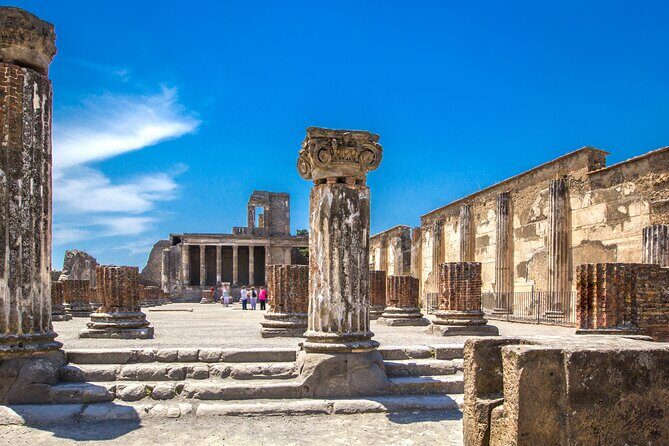
If you’ve ever stared at a site plan and thought, okay, where do I even begin, this format helps. Pompeii is huge and easy to feel lost in. Herculaneum is smaller, but its houses and rooms can make you feel like you’re stepping into a snapshot of everyday life.
This tour’s layout makes that contrast easier: you get a structured Pompeii morning with “this matters because…” explanations, then you move to Herculaneum where the preservation level does a lot of the emotional work. It’s not a slow museum crawl. It’s a focused day designed for first-timers and history fans who want the big ideas without burning your whole vacation on logistics.
Other archaeologist-led tours in Pompeii

Price and Value: What $77.09 Is Really Covering
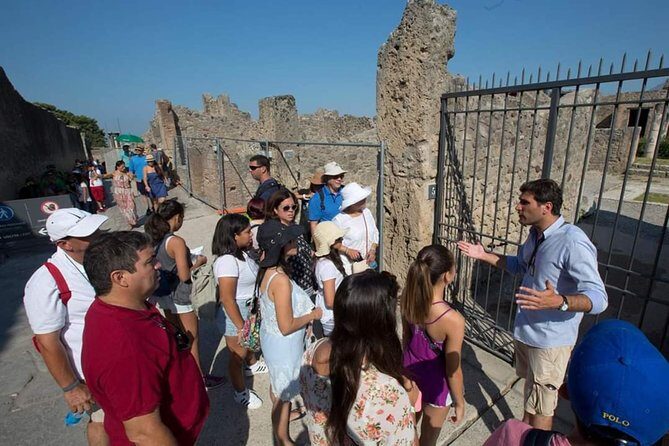
At $77.09 per person, the value depends on what you’d otherwise pay and manage yourself. Here, you’re not just buying a guide. You’re also getting:
- guided visits in both Pompeii and Herculaneum
- headsets for easier listening
- admission tickets included for Pompeii and Herculaneum
- transport between the two sites (route depends on your starting point)
And those ticket costs are meaningful on their own. The provided adult entry prices are 20 euros for Pompeii and 16 euros for Herculaneum (with EU youth reduced). So you’re taking a chunk of the biggest “day cost” off the table before you even consider the guided time, headsets, and inter-site transport.
Is it “cheap”? No. But if you’re weighing the hassle of buying tickets, joining lines, and trying to read your way through a dense archaeological maze, this is one of those options that can feel like paying for your time back.
Meet-Up Options and How Transport Changes Your Experience
This tour is offered in English, and you meet your archaeologist guide at the meeting point tied to your departure option. From Naples and Rome, and also Sorrento, you use a full-day modern minibus. If you start in Pompeii, the plan is different: you get a Circumvesuviana train ticket to reach Herculaneum with the guide, then you walk a short distance.
Why it matters: the ride style affects your energy and timing. A minibus day tends to be smoother and more predictable. The train version is still straightforward, but it adds a small rhythm shift—waiting for trains, then a short walk at the end.
Either way, the tour includes the practical “get you there” piece, which is often the part that turns a dream day into a stressful day. For many people, that’s the real value.
Pompeii for 2 Hours: Forum Energy and the Houses That Explain the City
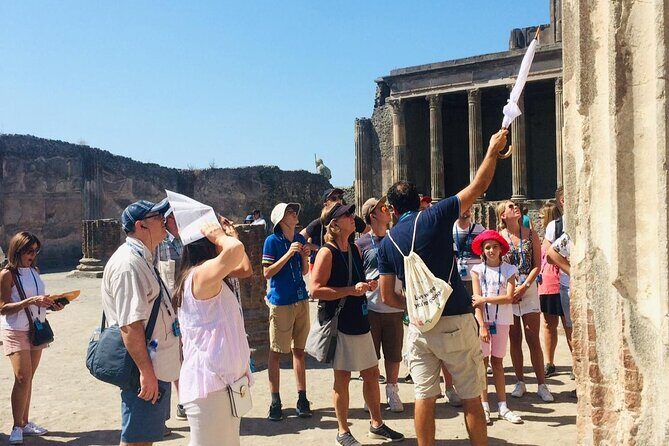
Pompeii is the kind of place where you either feel overwhelmed… or you feel oriented. This tour leans hard toward orientation.
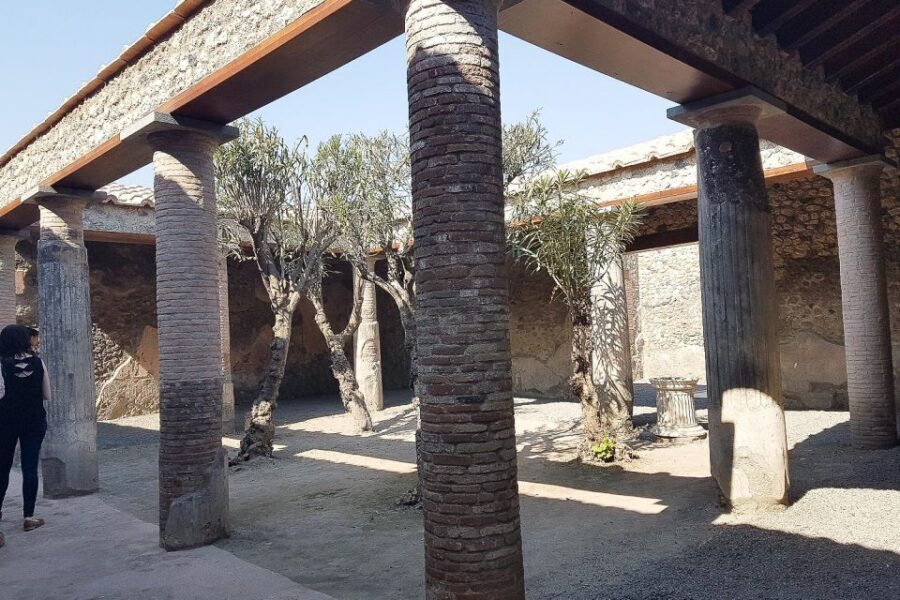
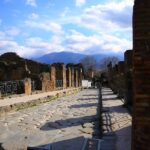
You start with a guide-led visit of major highlights over about two hours, including stops that cover how the city worked—business, religion, public bathing, and elite private life. The walk is broken into short segments, so you get multiple “wow” moments without spending the whole morning wandering.
Here’s how the key stops shape what you learn:
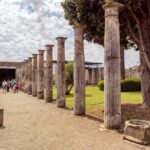
- Basilica (open portico): an architectural anchor for understanding merchant activity and everyday transactions. Even though it sounds abstract, it helps you picture Pompeii as a working town, not a preserved ruin.
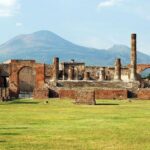
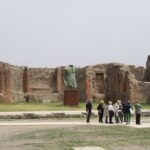
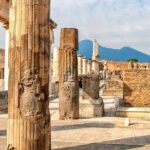
- Forum (main square): this is the civic heartbeat. Seeing it with context makes the space feel like a stage for announcements, gatherings, and local power.
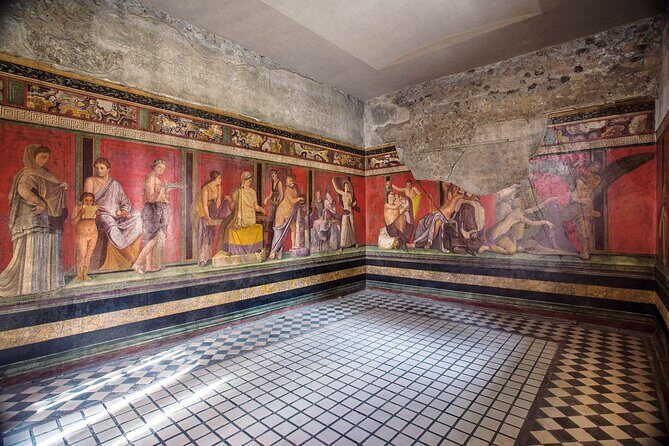
- House of the Menander: one of Pompeii’s richer homes. You’re not just looking at wall art—you’re learning how wealth and decoration signaled status.
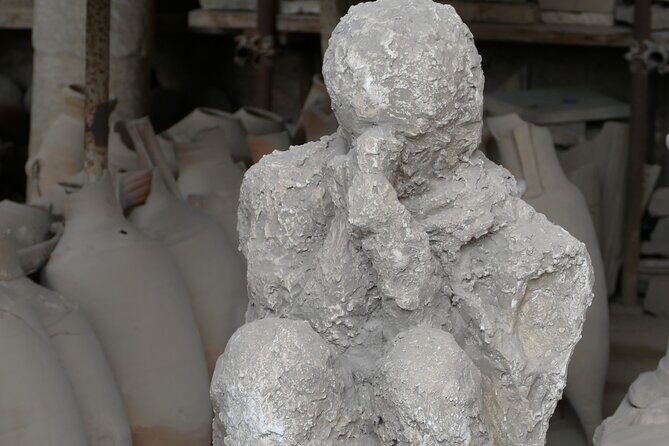
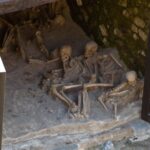
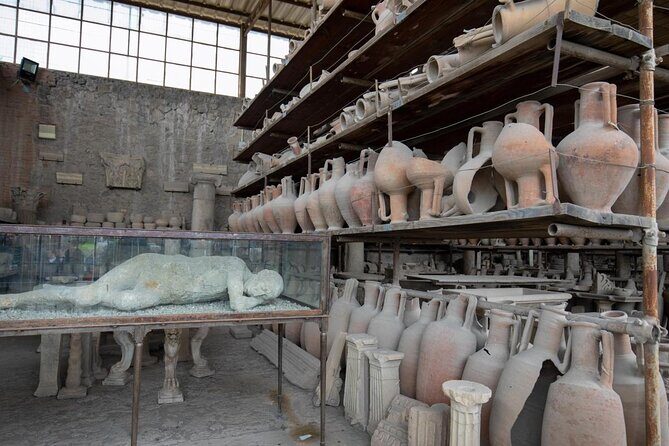
- Granaries of the Forum: the details here matter because they show logistics. Food storage wasn’t glamorous, but it was essential. You’ll also see information tied to casts related to the eruption victims and even a dog and a tree—small details that hit harder once you understand what you’re looking at.
- Stabian Baths (Terme Stabiane): one of the oldest thermal complexes in Pompeii. Baths were social hubs, not just places to get clean. This stop helps you see Pompeians hanging out, not just touring.
- Lupanar: the famous brothel. It’s an eye-opening stop because it forces you to talk about how society worked, including entertainment, commerce, and social rules.
- House of the Faun: a large, impressive private residence. This is where the city’s elite lifestyle becomes visual.
- Odeon / Teatro Piccolo: a smaller theater stop that helps you understand public entertainment beyond the biggest stage.
- Teatro Grande: the main theater. It’s a strong closing note for Pompeii because it ties architecture to public life—how crowds came together.
One more thing I like: in many versions of this day, the schedule pushes you toward the big areas early, so you don’t lose the best moments to late-day fatigue.
When the Lunch Break Can Change Your Mood
Lunch isn’t included, and the timing is built around transferring between sites. The tour provides a break so you can eat before heading to Herculaneum.
Here’s the practical tip: if you strongly prefer a specific kind of meal or you want the atmosphere of ruins without stopping at a generic spot, plan ahead. Some people found the between-sites lunch arrangement less magical than they hoped. If that sounds like you, consider bringing snacks so you can eat quickly and keep your day momentum.
Even a light meal strategy helps. When you’re ready to move, you tend to see more. When you’re hangry, the best fresco or mosaic can feel like background noise.
Other small-group tours we've reviewed in Pompeii



The Ride to Herculaneum: Minibus Smooth or Train + Walk
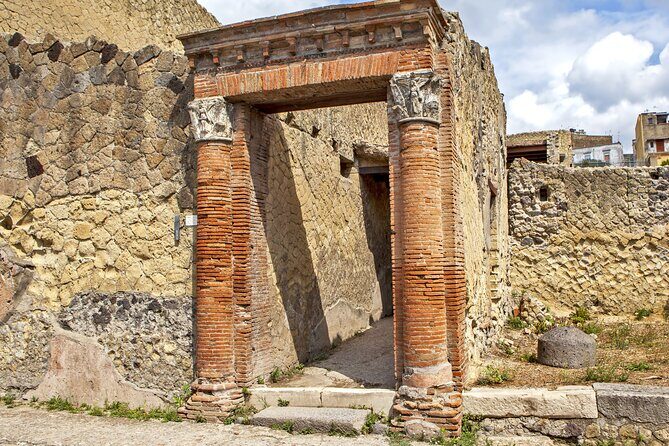
After Pompeii, you transfer to Herculaneum together with your guide.
- If you start from Naples, Rome, or Sorrento, you go by modern minibus directly to the archaeological site.
- If you start from Pompeii, you take the Circumvesuviana train (about 30 minutes), then add a short 10-minute walk to reach Ercolano Scavi.
In both cases, once you arrive, your guide takes you to the ticket office area, and the tour then transitions into the guided ruins visit. This is one of those “less glamorous, more important” parts: fewer confusion points means you get straight to the good stuff.
Herculaneum in About 2 Hours: Private Life, Baths, and Charred Architecture
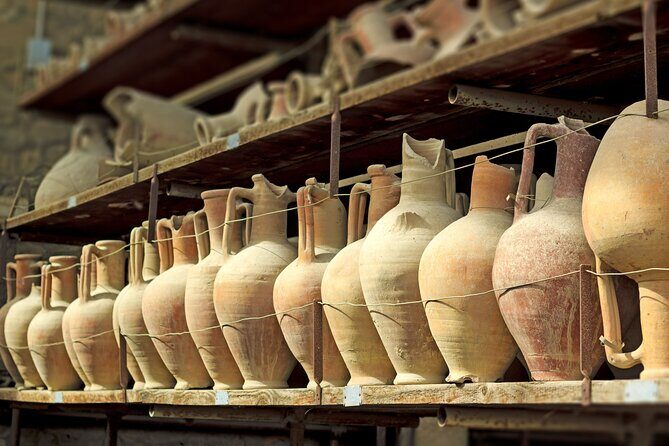
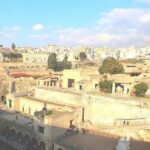
Herculaneum feels different because it’s preserved in a way that makes architecture and rooms easier to read. Pompeii can look like a puzzle; Herculaneum often feels like the puzzle is still lit.
The guide leads you into the ruins and then you spend about two hours exploring key buildings, including houses, baths, and public structures. Here are several stops that shape the experience:
- House of the Deer: named for marble stags/deer statues in the peristyle. This helps you see luxury through small icon details.
- La Terrazza di M. Nonio Balbo: connects to a major benefactor and includes an inscription narrative about his honors after death. It’s a reminder that public projects were tied to social power.
- College of the Augustales: linked to cult activity connected to Augustus and the local organization (the name suggests a religious/political function). This is where you see how empire-era identity showed up in local spaces.
- Casa del Rilievo di Telefo: an unusual layout detail, including private access to the adjoining Suburban Thermae. Even if you don’t catch every architectural term, the idea is clear: elite homes had easy connections to the city’s bathing culture.
- Partem Domus lignea / Casa del Tramezzo di Legno: important for an elegant wooden partition that survived in the archaeological record. This is one of those “wait, how is wood even here?” moments that makes Herculaneum feel so specific.
- House of the Skeleton: named after human remains found in a room. It’s somber, and it lands harder when the surrounding rooms feel so intact.
- Central Thermae: built around the start of the 1st century AD, with baths separated by sex and separate entrances. It’s a practical slice of daily routine.
- House of the Black Salon: known for a more luxurious interior and a monumental entrance that still retains carbonised remains of doorposts and lintel. You’re not just imagining a doorway—you’re seeing the scorched trace of it.
- Casa Sannitica: Samnite-style arrangement, including a splendid atrium with Ionic columns and frescoed rooms. It shows how regional identities influenced local building habits.
- Casa del Bel Cortile: described as original, with a courtyard and a stone balcony instead of an atrium. It’s a good reminder that “Roman house layout” was not one single template.
- House of the Grand Portal: a central domus with multiple environments and charred remains of wooden parts. It’s a strong capstone for those who like architecture as much as decoration.
If Pompeii gives you the city’s public face, Herculaneum shows the private rooms behind it—what people ate, how they met, how they bathed, and how wealth filtered into everyday space.
Guides, Headsets, and Getting the Most From 6 to 11 Hours
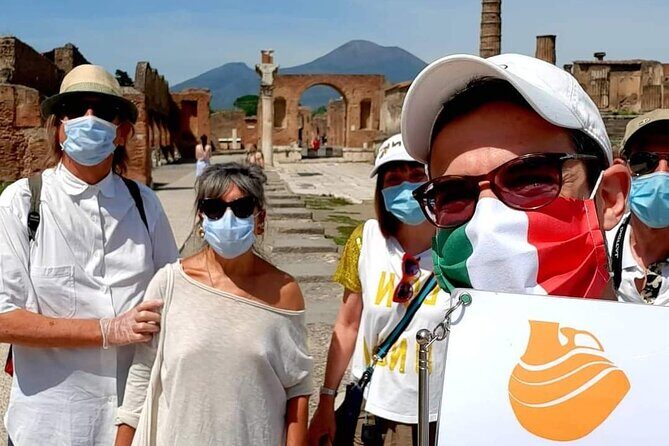
This tour caps at 20 travelers, and you get headsets. That matters because you’ll hear the guide clearly even in open-air crowds and noisy walkways.
The best part of archaeologist-led guiding is the way it turns objects into explanations. The tour’s guide style is often credited for making daily life feel real—one reason names like Michele, Diego, Tomas, Alfredo, Paulo, Antonio, Gianni, and Amadeo show up frequently in positive comments. Different guides bring different flavors, but they share the ability to connect buildings to human routines.
Two practical notes:
- Because the day is packed, the guide moves through stops efficiently. If you want extra questions, ask early, and ask pointed ones.
- Headsets generally help a lot, but a few people mentioned occasional connection problems when the group moved fast. It’s smart to keep your device settings comfortable and your volume reasonable so you don’t miss a key explanation.
What to Pack to Avoid a Bad Day in the Ruins
A lot of the tour experience comes down to basic comfort. Pompeii and Herculaneum involve walking on uneven surfaces, plus stairs and transitions between buildings.
Bring:
- comfortable shoes you can trust for stone and dirt
- a light rain layer or compact umbrella if weather is iffy
- water and small snacks, especially since lunch is own expense
- a small power bank for maps if you want backup orientation later
If you’re sensitive to cold or sun, dress in layers. The day can run from about 6 to 11 hours, depending on option and timing, and you’ll be exposed.
Should You Book This Pompeii and Herculaneum Tour?
Book this tour if:
- it’s your first time seeing both Pompeii and Herculaneum and you want the highlights without map stress
- you care about understanding how the city functioned—public space in Pompeii, private life in Herculaneum
- you value included tickets, headsets, and organized transport between sites
- you like small groups where questions are realistic (up to 20 people)
Skip it (or at least temper expectations) if:
- you want long, slow wandering in Pompeii. This day is designed around major stops, not deep re-visits.
- you’re picky about lunch vibe and don’t want to compromise between sites. Since meals aren’t included, having a backup plan for food helps.
Bottom line: if you want a strong, guide-led day that hits the “you have to see this” moments in both ruins, this is a solid match. It’s not trying to be everything. It’s trying to be the right kind of unforgettable in one shot.
FAQ
How long is the Pompeii and Herculaneum small group tour?
The tour runs about 6 to 11 hours depending on your start option and the day’s timing.
What’s included in the price?
You get a guided tour in Pompeii and Herculaneum, headsets, admission tickets for both sites, and transportation between the two archaeological sites. Your train and/or minibus transport depends on where you start.
Is lunch included?
No. Meals and drinks are not included, and there’s a lunch break between Pompeii and Herculaneum (at your own expense).
How do we travel from Pompeii to Herculaneum?
If you start in Pompeii, you travel by the Circumvesuviana train (about 30 minutes) plus a short 10-minute walk. If you start from Naples, Sorrento, or Rome, you travel by modern minibus with the guide.
Where do we meet the archaeologist guide?
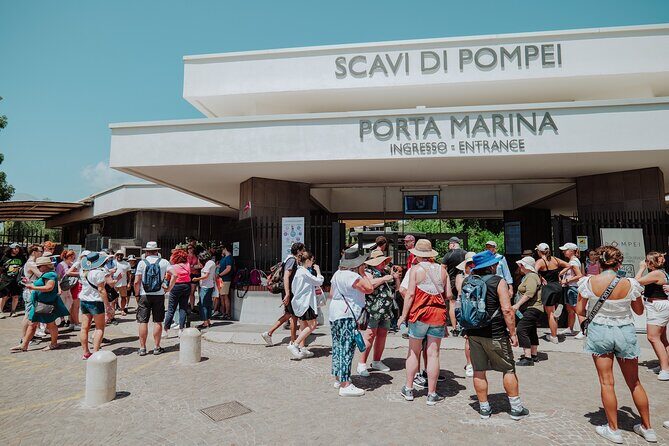
The meeting point depends on your selected option: Porta Marina Superiore for Pompeii, Starhotels Terminus for Naples and Rome, and Piazza Angelina Lauro for Sorrento.
Are ticket lines skipped?
The tour includes Pompeii express entry tickets, and your guide leads the group through the process on arrival in Herculaneum with entry tickets included.
What group size is used?
This tour has a maximum of 20 travelers, which supports a smaller, more guided feel.
Is the tour suitable for visually impaired guests?
It’s not recommended for visually impaired guests unless accompanied by a dedicated personal assistant.
Is there free cancellation?
Yes. You can cancel up to 24 hours in advance for a full refund.
If you tell me which start option you’re using (Pompeii vs Naples vs Rome vs Sorrento) and what kind of pace you like, I can suggest how to plan your day around the tighter time windows.