REVIEW · POMPEII
Pompeii Archaeological Small-Group tour for 15 people
Book on Viator →Operated by Askos Tours · Bookable on Viator
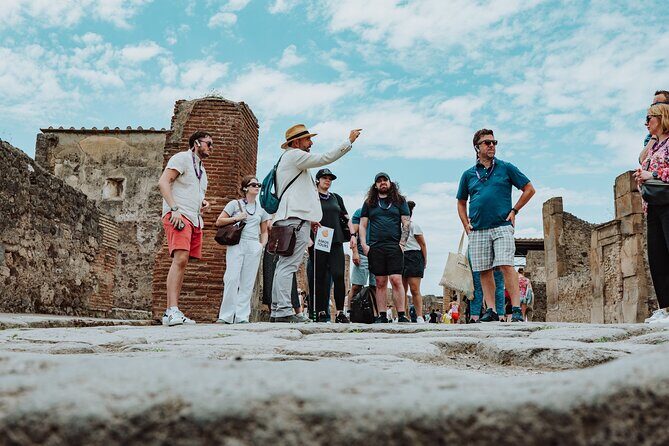
Pompeii, paced right, feels human. This small-group tour keeps you moving through the city’s biggest highlights with a licensed guide and (usually) headsets so you can hear the explanations. I especially like how the stops jump from street life to famous houses, and how the guide connects what you see to what happened in 79 AD. One thing to consider: the timing is tight, so it’s not a slow “wander and ponder” kind of visit.
I also like the practical flow: you start at the main entrance area, get oriented quickly, then get absorbed in the forum and daily life sites before the tour funnels you toward the big set pieces. The route is short per stop, but the included admission means you’re not just looking through gates the whole time. And when you’re done, you still have time to keep going on your own inside the ruins.
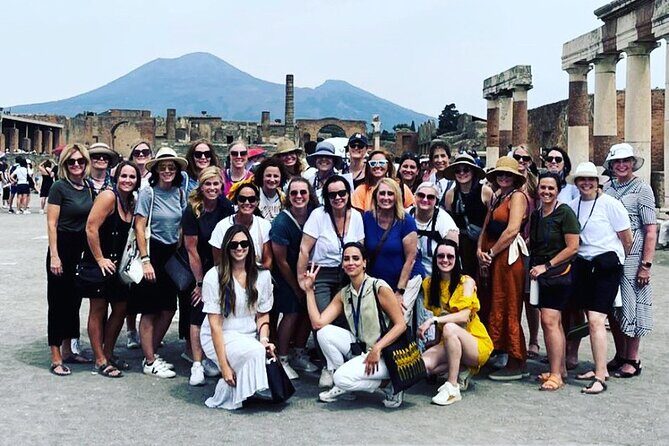
This is for you if you want an efficient first trip, or if Pompeii feels overwhelming when you read maps alone. The group is capped at 15, and the tour is offered in English, so you won’t be stuck translating in your head. Just be ready for a “see a lot” two hours, then your legs take over.
In This Review
- Key things to know before you go
- Meeting at Porta Marina and Getting Oriented Fast
- Two hours, nine stops: the route strategy
- Piazza Porta Marina and Vicolo delle Terme: start with everyday Pompeii
- Foro de Pompeya: the main square that sets the tone
- Granaries of the Forum: marble fixtures and haunting casts
- Walking the main street: connecting the map in your head
- House of Menander: what “wealth” looked like inside
- Stabian Baths: the oldest thermal complex in the city
- Lupanar and the awkward question of what to do with it
- House of the Faun: big scale and “this is a whole world” energy
- Teatro Grande: the main theater that ties public life together
- Price and logistics: is $77.06 good value?
- Guides: what good archaeologist-led storytelling should feel like
- After Piazza Esedra: keep exploring on your own
- Who this Pompeii tour fits best
- Should you book this Pompeii Archaeological Small-Group tour?
- FAQ
- How long is the Pompeii Archaeological Small-Group tour?
- How big is the group?
- Is the tour in English?
- Does the tour include admission tickets?
- Where do I meet the guide?
- What if I need to cancel?
Key things to know before you go
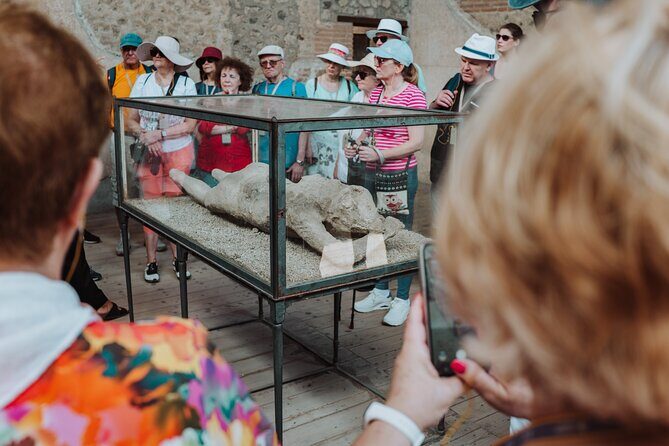
- Max 15 people means you’re not lost in a crowd
- English guidance with an archaeological background
- Headsets for groups of 10 or more (very helpful in busy ruins)
- Pompei Express entrance ticket plus admission included for several major stops
- 2 hours approx with short, focused visits rather than long museum-style pacing
- Ends inside Pompeii at Piazza Esedra, so you can continue exploring after
Meeting at Porta Marina and Getting Oriented Fast
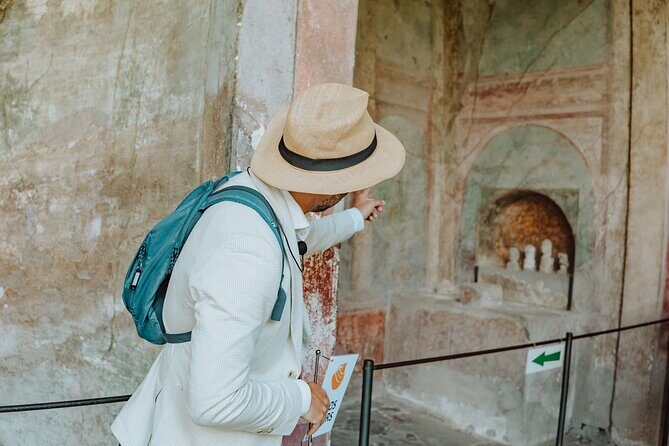
The tour starts at the main entrance of the archaeological site called Porta Marina Superiore. You’ll meet the guide holding an Askos Tours sign in front of the Hortus bar & Restaurant, which makes it easier than guessing which gate is the right one.
Your start address is Via Villa dei Misteri, 2, 80045 Pompei NA, Italy, and it’s also near public transportation. If you’re coming by train/bus, build in a little buffer; even with an easy meeting spot, Pompeii gets busy and lines can shift.
Other walking tours of the Pompeii ruins


Two hours, nine stops: the route strategy
This is built like a sprint through major districts. Expect roughly 2 hours with short time windows at each site, so the guide can hit the essentials: forum space, public buildings, elite homes, bathing complexes, and the theater.
Here’s the rhythm you’ll feel. You begin with an orientation stop near Porta Marina, then move through a series of “learn something specific here” stops. After that comes a walk through Pompeii’s main street, which helps you connect the dots between the big areas you just saw.
The good news is that several stops include admission, so the time doesn’t feel wasted. The tradeoff is that you’re less likely to slow down for tiny details unless you plan to do that after the tour ends.
Piazza Porta Marina and Vicolo delle Terme: start with everyday Pompeii
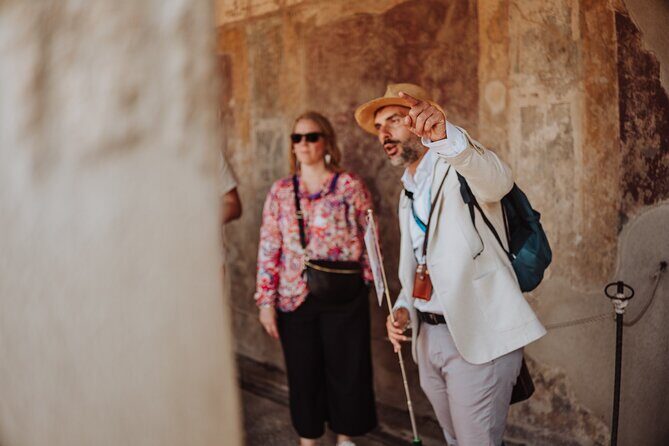
Stop 1 is Piazza Porta Marina, positioned at the main entrance area called Porta Marina Superiore. You’ll get your first orientation right away, which matters because Pompeii can look like a maze until someone gives you a mental map.
Stop 2 is at Vicolo delle Terme, 2, tied to the idea of an open portico that sheltered merchants and other activities. It’s a smart early stop because it reminds you Pompeii wasn’t just stone and tragedy—it was street commerce and daily movement.
Both of these early moments are marked as admission ticket free, so you’re basically using them to get your bearings and your background before the ticketed highlights begin.
Foro de Pompeya: the main square that sets the tone
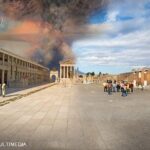
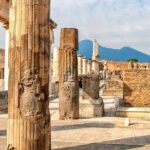
At the Foro de Pompeya, you’ll look at Pompeii’s ancient main square. This is where the city’s public life becomes obvious: this is the place people would notice, gather, and talk about what mattered.
You’ll get about 10 minutes here, and the value is that the guide frames what you’re seeing in plain terms. Even if you’ve read about Pompeii before, the forum tends to make everything click: it explains why the city felt organized, civic, and social rather than random ruins.
This stop includes admission, so you’re not just stopping for photos—you’re working with the space as an actual site you can visit.
Granaries of the Forum: marble fixtures and haunting casts
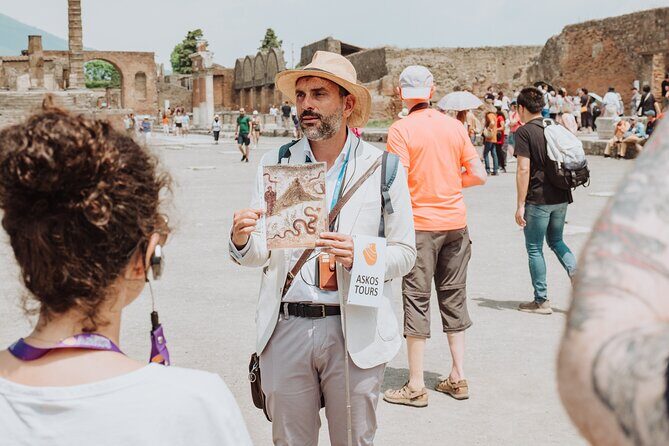
Next up are the Granaries of the Forum, where you’ll see marble tables and baths for fountains that adorned entrances of houses. The details matter here because they show money, taste, and design—not just buildings.
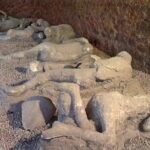
Then comes the part that hits harder: casts of victims of the eruption, as well as casts of a dog and a tree. These aren’t “shock value” objects; they’re part of the story the guide will connect to what people tried to do when disaster struck.
You’ll have about 10 minutes at the granaries, and admission is included. Because the time is short, I recommend keeping your phone ready for quick shots, but listening first—this is one of those stops where the explanation can change how you read the space.
Other small-group tours we've reviewed in Pompeii




Walking the main street: connecting the map in your head
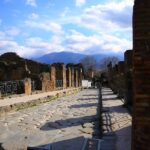
After the granaries, you walk through Pompeii’s main street. This stretch is more useful than it sounds because it links public areas to the neighborhoods and homes you’re about to see.
Even if you’re tempted to rush ahead for the next big photo spot, use this walking time to match what the guide said to the streets you’re actually walking. It’s how the city stops feeling like separate postcards and starts feeling like one place.
House of Menander: what “wealth” looked like inside
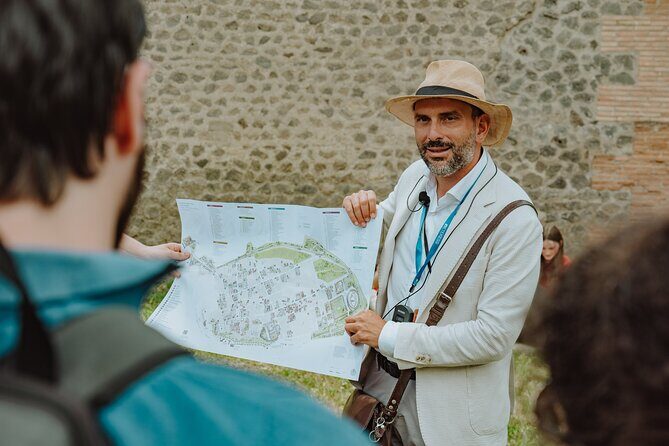
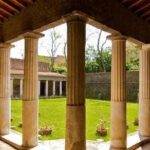
Stop 5 is the House of Menander, one of Pompeii’s richest and most impressive homes in terms of architecture, decoration, and contents. You’ll get around 15 minutes here, which is enough time to notice layout and decoration patterns without turning it into a homework session.
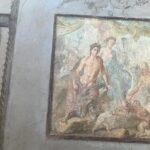
This house is a strong choice for a first visit because it shows how private life worked—how beauty, status, and everyday routines could live under one roof. The guide’s job is to point out what matters in the decoration and where to look so you don’t miss the key details in the chaos of your own excitement.
Admission is included for this stop, so you can take your time inside compared to many quick exterior stops on other tours.
Stabian Baths: the oldest thermal complex in the city
At the Stabian Baths (Terme Stabiane), you’ll visit a vast thermal area between major crossroads and streets. This complex is described as the oldest thermal complex in the city, which gives the stop extra weight: you’re not just looking at a bath, you’re seeing a core institution of Pompeii life.
You’ll spend about 15 minutes here, and admission is included. Baths in Roman cities weren’t only about cleanliness—they were social spaces. Even with limited time, you’ll likely start to understand why people built their evenings (and conversations) around these rooms.
Because the baths are older and spread out, it helps to keep following the guide’s directions for where to stand and what to compare. Otherwise, it’s easy to feel like you’re just walking through corridors.
Lupanar and the awkward question of what to do with it
Next is the Lupanar, the most famous brothel in Pompeii. The stop is about 10 minutes and includes admission.
This is one of those places where your experience depends on your comfort level with the subject matter. If you’re okay with it, the value is that it grounds Pompeii in real human behavior—sexual commerce and power dynamics—rather than only showing you elite houses and public buildings.
If you’re not comfortable with this kind of content, you still might want to go for the historical context the guide provides. But if you’d rather not, plan to spend less time reading and more time listening and moving on when the explanation hits the graphic details.
House of the Faun: big scale and “this is a whole world” energy
Stop 8 is the House of the Faun, one of Pompeii’s largest and most impressive private residences. You’ll get about 15 minutes and admission is included, so you’re inside for a meaningful chunk of time.
What makes this stop worthwhile is scale. Compared to many ruins, the home spaces here can feel like entire neighborhoods. The guide will help you focus on the architecture and the kinds of objects and decorations that signal wealth and taste.
It’s also a good contrast to the Menander home: not just “rich,” but different kinds of rich. That’s why this pairing works so well inside a short tour.
Teatro Grande: the main theater that ties public life together
The final major stop is Teatro Grande, described as the most important theater in Pompeii. You’ll spend around 10 minutes here, and admission is included.
This is a strong closer because it connects back to the forum and public life. A theater isn’t a private luxury; it’s where a city watched, discussed, and shared spectacle. When you walk from houses and baths to the theater, you feel the whole city’s social structure tighten into place.
And since the tour ends inside the ruins at Piazza Esedra, you get a natural “finish line” where it makes sense to keep walking if you want more.
Price and logistics: is $77.06 good value?
At $77.06 per person for about two hours, the value depends on what you’d otherwise spend and how much help you want on your first Pompeii visit.
Here’s what makes the price feel more fair than a basic walking tour:
- Guidance and assistance for the full duration
- A Pompei Express entrance ticket included
- Admission included for multiple major stops (forum-related areas, key houses, baths, brothel, theater)
- Small group size (max 15)
- Headsets for groups of 10 or more
- Licensed guide with an archaeological background
You’re also not paying extra for food, because food and drinks aren’t included. And private transportation isn’t included, so you’ll handle that part yourself.
One practical note: the meeting point is Via Villa dei Misteri, 2, but the listed tour stops don’t include a visit to the Villa of the Mysteries itself. If that villa is a must for you, double-check before you book so you’re not hoping your guide will swap in an unscheduled stop.
Guides: what good archaeologist-led storytelling should feel like
Across guides who have led this tour, you’ll see a common thread: enthusiasm plus clear explanations. Names you might encounter include Mario Celebtano, Rafaelle, Antonella, Camillo Sorrentino, Nicoletta, Hugo, and Teresa—each known for careful, engaging interpretation.
What that usually translates to in real life is better pacing choices. For example, one guide handled heavy crowds by adjusting the flow so the full tour could still feel doable within the time window. That’s the kind of management you want in Pompeii, where “busy day” can quickly become “lost time.”
If you care about connections between stones and stories, this tour is built for that. The short time at each site only works if the guide makes the key points fast—so pay attention to the guide’s signposting and let them decide what you should look at first.
After Piazza Esedra: keep exploring on your own
Once the tour ends inside the ruins at Piazza Esedra, you’re free to wander. This is where you can turn the sprint into a personal visit.
If you want to extend the trip, some guides have directed people toward adding the amphitheater and the necropolis after the tour finishes. Even if you don’t follow that exact plan, asking your guide where to go next can help you avoid aimless zigzagging.
Who this Pompeii tour fits best
This tour suits you best if:
- You’re visiting Pompeii for the first time and want the must-see anchors
- You prefer small groups over large buses and long wait times
- You want context on what you’re seeing, not just location tips
- You like seeing both public spaces and private homes in one go
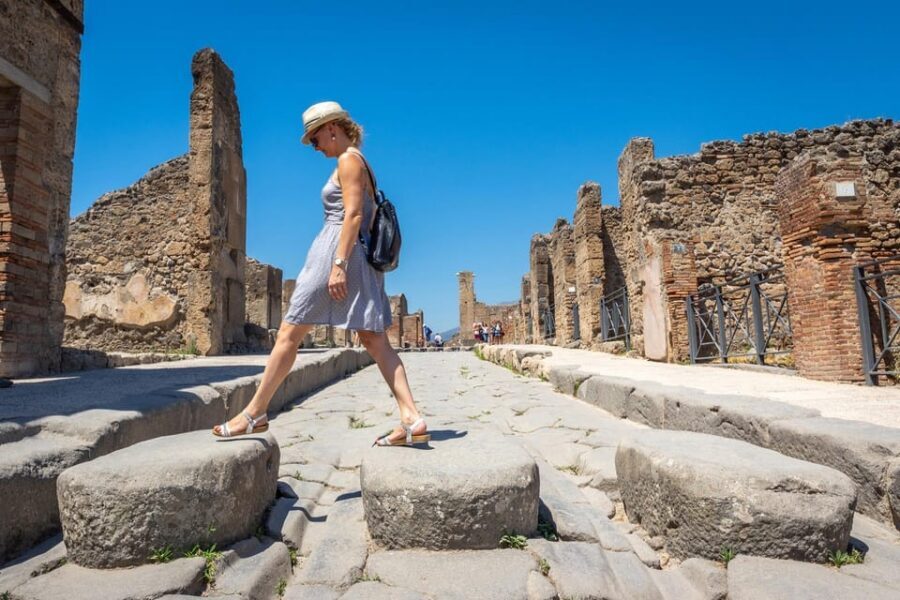
It may feel like a lot if you’re traveling with very young kids, because the pace is structured and the topics can get intense. It also helps to be comfortable walking on uneven stone and moving on when the next stop calls.
Should you book this Pompeii Archaeological Small-Group tour?
If your goal is a strong first Pompeii visit with English guidance, a licensed archaeologist background, and smart pacing through major sites, I think this is an easy yes. The price makes sense because you’re getting included admissions for several key stops, plus headsets and a small-group setup that keeps the experience practical.
I’d only hesitate if you want a slow, picture-by-picture day or if you’re specifically trying to build in extra sites not listed on this route. For most people, the two-hour format plus free time afterward is exactly the right way to see Pompeii without turning it into a marathon.
FAQ
How long is the Pompeii Archaeological Small-Group tour?
It runs for about 2 hours.
How big is the group?
The tour has a maximum of 15 travelers.
Is the tour in English?
Yes, the tour is offered in English.
Does the tour include admission tickets?
You’ll have a Pompei Express entrance ticket included, and admission is included for several key stops on the itinerary (such as the Forum area, granaries, houses, baths, Lupanar, and the theater).
Where do I meet the guide?
Meet at the main entrance of Porta Marina Superiore in front of the Hortus bar & Restaurant. The tour start address is Via Villa dei Misteri, 2, 80045 Pompei NA, Italy.
What if I need to cancel?
Free cancellation is available up to 24 hours in advance for a full refund. If you cancel less than 24 hours before the start time, you won’t get a refund.