REVIEW · NAPLES
Pompeii & Herculaneum Day Trip from Naples with Lunch
Book on Viator →Operated by Napoli City Vision · Bookable on Viator
Two Roman cities, one Vesuvius punch. This day trip links Pompeii and Herculaneum with round-trip coach transport and an included lunch, so your day stays simple instead of turning into a logistics project. I like that the tour is designed for a tight schedule: you’re not stuck figuring out train times, ticket counters, and which site takes longer.
What really works is the mix of formats. You get a guided walk through Pompeii’s key areas, then you switch to an audio-guided visit at Herculaneum, which is easier to manage when you’re juggling crowds, heat, and lots of walking. The main drawback to plan for is time: Pompeii is huge, so the visit is a focused slice rather than a full-on, see-every-street experience.
In This Review
- Key things I’d plan around
- Naples to Pompeii and Herculaneum: the practical value of a coach day trip
- Coach timing and how long you really have at the ruins
- Pompeii Archaeological Park: the guided slice that makes the city make sense
- Herculaneum: smaller footprint, sharper sense of preservation
- Lunch near the ruins: why it’s worth having someone else handle it
- The cameo and coral factory stop: nice if it fits, not a deal-breaker
- Price and total cost: what you’re paying for, and what you’ll still add
- Group size rules and what that means for your experience
- A few good habits for a more comfortable day
- Should you book this Naples Pompeii and Herculaneum day trip?
- FAQ
- How long is the Pompeii & Herculaneum day trip from Naples?
- Is lunch included, and are drinks included?
- Do I need to pay entrance tickets separately for Pompeii and Herculaneum?
- How much time do I get at Pompeii?
- How much time do I get at Herculaneum?
- Is Herculaneum guided, or is it self-guided?
- What happens if there are fewer people in my language group?
- Is this tour suitable for people with walking difficulties?
Key things I’d plan around
- Guided Pompeii plus audio Herculaneum keeps the day moving without making you rush through everything
- Forum and Teatro Grande time helps you understand what Pompeii life centered on
- Lunch is handled for you so you can keep exploring instead of hunting for food near the gates
- Herculaneum’s audio setup is mostly self-guided (handheld/device-style), so consider how you’ll listen
- The cameo/coral factory is only if there’s time so don’t build your whole day around it
- You’ll still pay entrance tickets for Pompeii and Herculaneum on top of the tour price, plus drinks aren’t included
Naples to Pompeii and Herculaneum: the practical value of a coach day trip
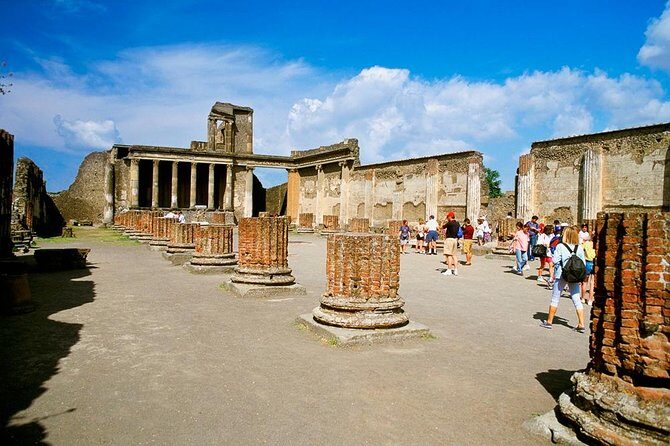
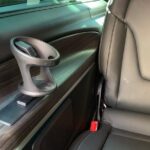
This tour is built for people who want the big two Vesuvius sites without spending half the day planning. Pickup is from select Naples hotels, then you head to Pompeii by modern coach, with onboard commentary to get the story rolling before you even step into the ruins.
At a glance, it looks like a “transport plus tickets” deal. The reason it’s better than a DIY day is the structure: you’re guided through Pompeii’s highlights, and then you’re given an audio tool for Herculaneum so you can explore without needing to constantly read signs.
If you're still narrowing it down, here are other tours in Naples we've reviewed.
Coach timing and how long you really have at the ruins
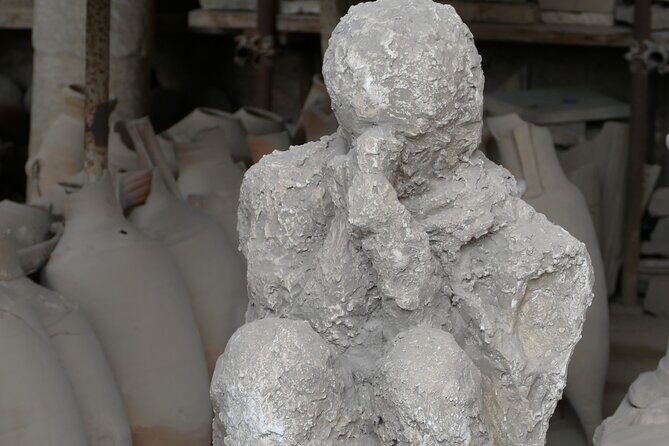
The total day runs about 6 to 7 hours. You’ll drive from central Naples to Pompeii (listed at about 1 hour), then you have roughly 2 hours in Pompeii, an hour for lunch, about 1.5 hours at Herculaneum, and finally the return drive back to Naples.
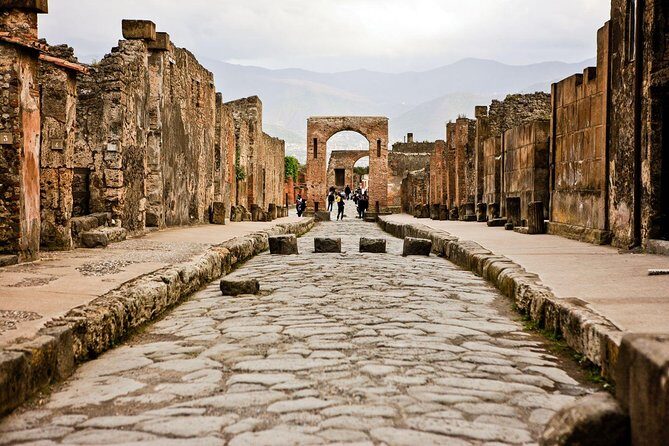
Two hours in Pompeii is enough to see the essentials—but not enough to “finish” the site. Pompeii covers a vast area, and even a well-paced visit won’t capture every street and building. If you’re hoping to wander for hours on your own, you may feel a bit cut short once you realize how spread out everything is.
Also, come ready for walking. This tour requires moderate physical fitness and isn’t suitable for people with walking difficulties. Even if you pace yourself, you’re still on uneven archaeological ground and moving between areas.
Pompeii Archaeological Park: the guided slice that makes the city make sense
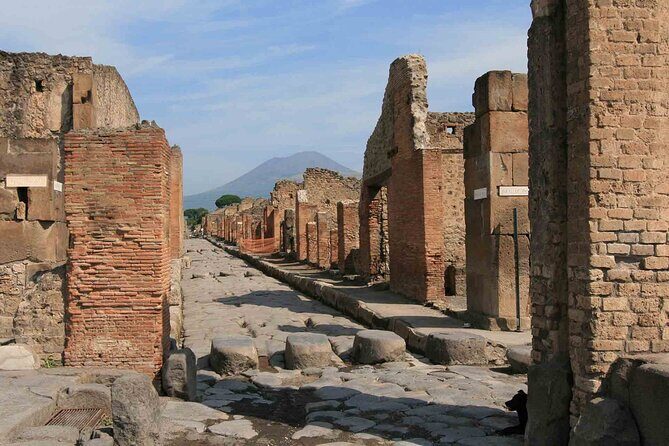
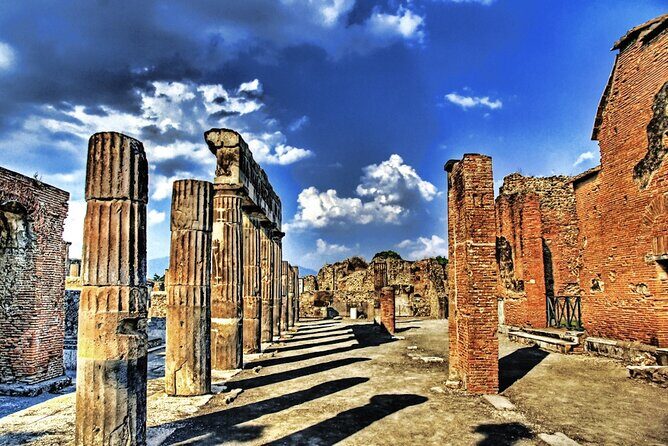
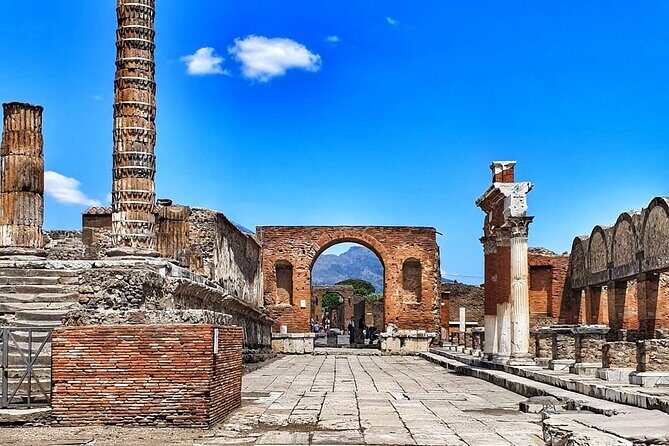
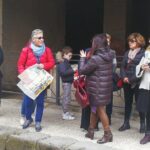
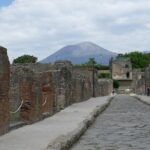
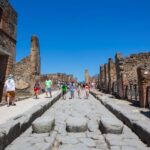
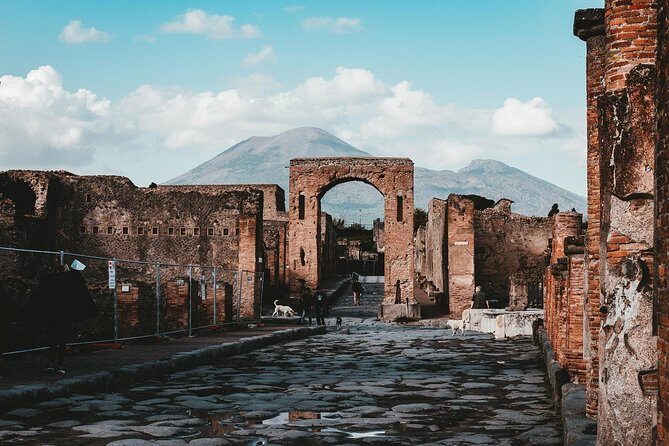
Pompeii is the famous one, but the tour’s strength is that it doesn’t treat it like a random walk through rocks. You follow your guide through major areas, with excavations including the Forum and the Teatro Grande, the theater that once held up to about 5,000 spectators.
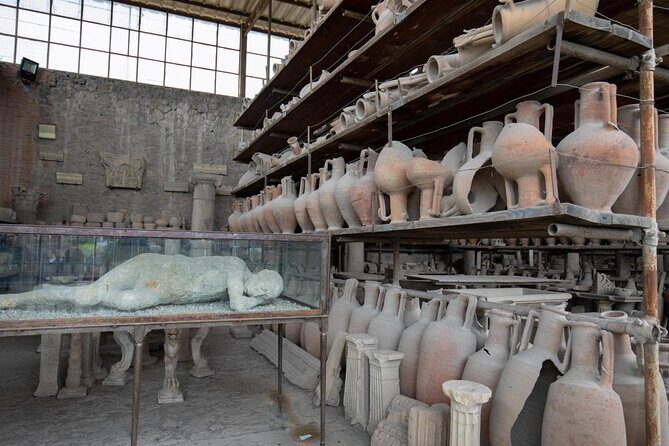
The story you get is also more than “a volcano happened.” You’ll connect the eruption in 79 AD, which buried the city under meters of ash in a matter of hours, to what Pompeii was like before it froze in time. The tour also covers the modern discovery story—excavations began in 1748 under Bourbon rule, and the find helped spark neoclassicism across Europe.
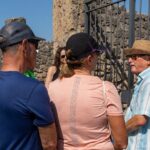
From the way guides are praised in past groups, you should expect the Pompeii side to feel like the more “human” portion of the day. Guides mentioned by name include Erica, Monica, Martina, Maria, and Chris, and people consistently describe Pompeii as the part where the explanations land best—especially when the guide points out what you’re actually looking at, not just where you are.
One more useful reality check: don’t expect a full tour of the entire park. Even in great tours, Pompeii becomes a “highlights” experience simply because you only have about two hours.
Herculaneum: smaller footprint, sharper sense of preservation
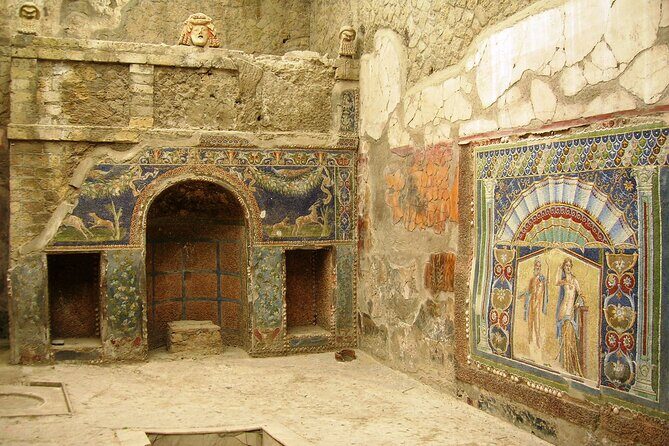
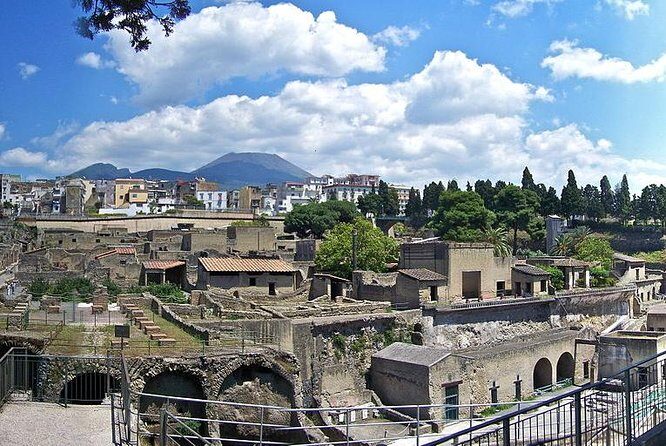
After lunch, you drive toward Herculaneum (Parco Acheologico di Ercolano) for about 1 hour 30 minutes. Herculaneum is less famous, but it can feel easier to understand because so much has survived in clearer form.
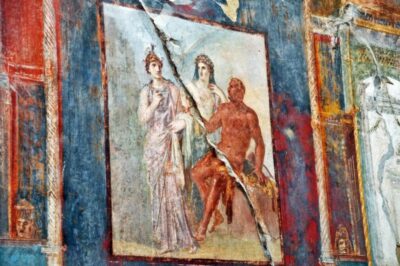
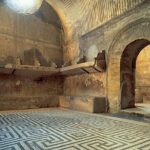
The highlights to look for (and to listen for on the audio) include preserved mosaics and other ancient details, plus the fact that some organic remains are discussed through the lens of fossils and preservation—things that are described as nearly 2,000 years old. You’ll also hear about Herculaneum’s famous Villa dei Papiri, with a library said to include over 1,800 papyruses.
This is where the day’s format switch matters. In Herculaneum, you’re on a self-guided track with audioguides provided. Several people liked the content, but a couple noted the audio device can be a bit awkward to manage. If you prefer hands-free listening, I’d bring your own earbuds just in case your preferred setup isn’t ideal with the provided device.
Some days include an extra element near the end, like a brief stop by a palace area (mentioned by name by one group as a bonus). If it happens, it’s a nice way to stretch the value of your time without needing extra tickets.
Lunch near the ruins: why it’s worth having someone else handle it
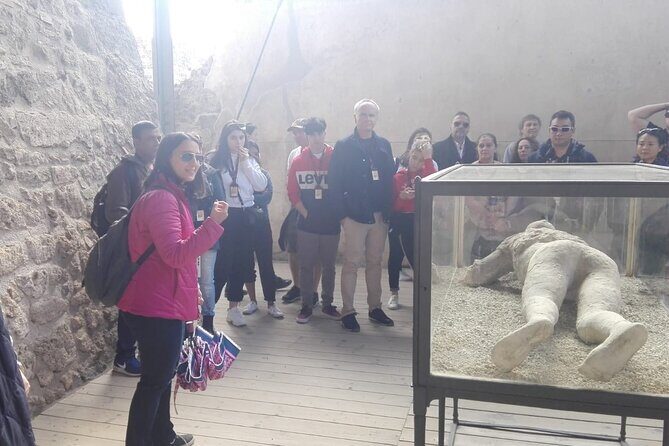
Lunch is included, and that matters more than it sounds. When you’re between Pompeii and Herculaneum, it’s easy to lose time trying to find something decent and not overpriced.
The day’s lunch break is set at about 1 hour, which is usually enough to eat and reset before you head into the afternoon heat. The food is described as an Italian-style restaurant lunch and many people call it delicious or more than expected.
That said, I’d keep expectations realistic. One review mentioned chicken being chewy and that nobody at that table ate it. So, choose the dish that looks easiest and safest, and don’t rely on the lunch being restaurant perfection if you’re picky.
Drinks aren’t included, so plan on spending a bit more for water or something else to cool down—especially in summer.




The cameo and coral factory stop: nice if it fits, not a deal-breaker

There’s a potential add-on after Pompeii: a stop at a coral and cameo factory, where you can admire how jewelry is made by expert artisans. The key phrase here is time. The visit is described as “if time permits,” so it shouldn’t be the reason you book.
When it does happen, it’s a good way to connect the dots between ancient art and modern craft. Pompeii and Herculaneum show how Romans lived with objects—jewelry, decor, and material culture—and the factory stop gives you a living version of that culture.
If the stop doesn’t happen or is limited, the core value remains the ruins. Pompeii and Herculaneum are the main event, and the tour’s design is built around them.
Price and total cost: what you’re paying for, and what you’ll still add
The tour price is $120.68 per person. What’s included: transportation by modern coach, onboard commentary, a guide (with a live guide when group size requirements are met), audioguides in Herculaneum, and lunch.
What’s not included: entrance tickets for Pompeii and Herculaneum, and drinks. Pompeii entrance is listed as €19. Herculaneum is listed in a couple places at €16, and there’s also an €14.00 figure shown—so double-check the exact admission amount at checkout to avoid surprises.
When you price it out, you’re paying for more than “a ride.” You’re paying for someone to manage the day, interpret key sites for you (especially in Pompeii), and get you to both places on one schedule. If you’ve tried to DIY Pompeii and Herculaneum before, you already know that transport and timing are half the battle.
Group size rules and what that means for your experience
Your guide setup depends on headcount by language. The tour runs with a minimum of 6 participants per language for a live local guide. If the group is smaller, you’ll still go, but you’ll likely switch to an audio guide format instead of a full live guided visit for that language group.
This can matter a lot in winter or on weekdays when fewer people book. If you want more back-and-forth explanations (and fewer “press play and hope” moments), try to choose a day when your language group is likely to be larger, and don’t be shy about asking at pickup what format you’ll have.
A few good habits for a more comfortable day
If you’re going in warmer months, the ruins can feel unforgiving. One set of advice was blunt: bring a way to fight heat—an umbrella, hat, fans, and plenty of water.
I also suggest you:
- wear shoes with grip (the ground at archaeological sites isn’t smooth)
- carry a small bottle of water since drinks are extra
- arrive at the pickup point with a buffer (some groups experienced waiting due to timing mismatches)
- keep your expectations aligned with the time blocks—this is a highlights day, not a full dig-through-the-past marathon
Should you book this Naples Pompeii and Herculaneum day trip?
I’d book this if you want a high-value, low-stress day that covers both Pompeii and Herculaneum and still gives you interpretation, especially in Pompeii. It’s a great fit for first-timers who don’t want to wrestle with logistics and ticketing, and it’s also a solid choice if you like having a structured route because the sites are spread out.
I’d think twice if your priority is “see everything.” Pompeii is massive, and the visit time is intentionally short. And if you’re very sensitive to audio-device discomfort or you want a highly interactive live guide experience, pay attention to how the tour handles smaller language groups.
If you go in with the right mindset—plan for walking, expect a focused highlights day, and treat the guided Pompeii portion as the main education—you’ll leave with a clear sense of what Vesuvius froze in time.
FAQ
How long is the Pompeii & Herculaneum day trip from Naples?
It’s listed as about 6 to 7 hours total.
Is lunch included, and are drinks included?
Lunch is included. Drinks are not included.
Do I need to pay entrance tickets separately for Pompeii and Herculaneum?
Yes. Pompeii entrance is listed at €19 per person, and Herculaneum entrance is listed separately (shown at €16, with an additional €14.00 entry fee also shown). You’ll also need to budget for drinks.
How much time do I get at Pompeii?
The Pompeii visit is approximately 2 hours.
How much time do I get at Herculaneum?
The Herculaneum visit is approximately 1 hour 30 minutes.
Is Herculaneum guided, or is it self-guided?
Herculaneum is described as self-guided with audioguides.
What happens if there are fewer people in my language group?
If there are fewer than six people per language, the tour operates with an audio guide instead of a real local guide.
Is this tour suitable for people with walking difficulties?
No, it’s not suitable for passengers with walking difficulties. It requires moderate physical fitness.