REVIEW · POMPEII
2 Hours Private Tour in Pompeii with Archaeologist
Book on Viator →Operated by Napoli e dintorni - Archaeological tour guide · Bookable on Viator
Pompeii clicks fast with a dig insider. In just two hours, you get a private archaeologist-led walk by licensed guide Francesco, built around the parts of Pompeii that help you see the city as a place where people lived. I love how he explains what you’re looking at in plain terms, tying buildings to day-to-day routines instead of just listing dates, and that makes the whole site feel less random.
I also like the tight pacing. You spend about 2 hours moving through seven focused stops, with quick segments at the biggest sights and a longer look where the story turns more human.
The main thing to plan for: entrance tickets aren’t included, so you’ll need to handle the archaeological park admission on your side. Also, if you show up late, your guided time may be shortened.
In This Review
- Key highlights (why this tour works)
- What This Pompeii Archaeologist Tour Gets You in 2 Hours
- Before You Go: Tickets, Weather, and the Via Roma Meet-Up
- Stop 1: Palestra Grande and the Gymnasium That Hints at Daily Life
- Stop 2: Anfiteatro Romano and How People Used It for More Than Shows
- Stop 3: Praedia di Giulia Felice and the Clue That Wealth Had Many Forms
- Stop 4: House of Venus in the Shell and Frescoes You Can Actually Read
- Stop 5: Casa di Ottavio Quartione, Frescoes, and an Outdoor Biclinium
- Stop 6: Orto dei Fuggiaschi and the Human Cost of the Eruption
- Stop 7: Necropoli di Porta Nocera and Pompeii Beyond the Walls
- Price and Value: Is $267.46 for a Private Group a Good Deal?
- Who Should Book This Pompeii Archaeologist Tour
- Should You Book This Pompeii Tour?
- FAQ
- How long is the private Pompeii tour?
- What is included in the price?
- Are entrance fees to the archaeological park included?
- Where do we meet for the tour?
- Is this tour private for just my group?
- What happens if we arrive late?
- Does the tour run in poor weather?
- Are service animals allowed?
Key highlights (why this tour works)
- An archaeologist guide (Francesco) who works the site: you’ll get technical details and practical explanations you won’t get from a quick audio app.
- Fresco stops with context: you’re guided through houses like the House of Venus in the Shell and Casa di Ottavio Quartione, not just pointed at walls.
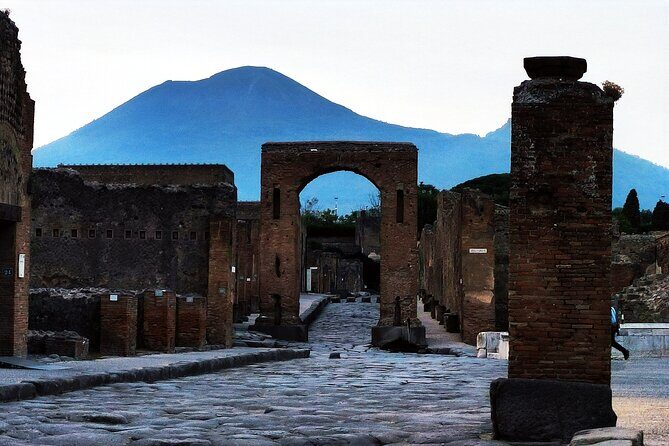
- A route that includes the outer city: the necropolis area at Porta Nocera adds a different angle on Pompeii beyond the usual core sights.
- Private group up to 15: easier for families and groups than trying to herd yourselves through crowds.
- Fast entry when crowds hit: the guide can help you get moving quickly, even if not everyone booked entry in advance.
- Short and focused by design: it’s ideal if you want the best highlights without spending a whole day on your feet.
What This Pompeii Archaeologist Tour Gets You in 2 Hours
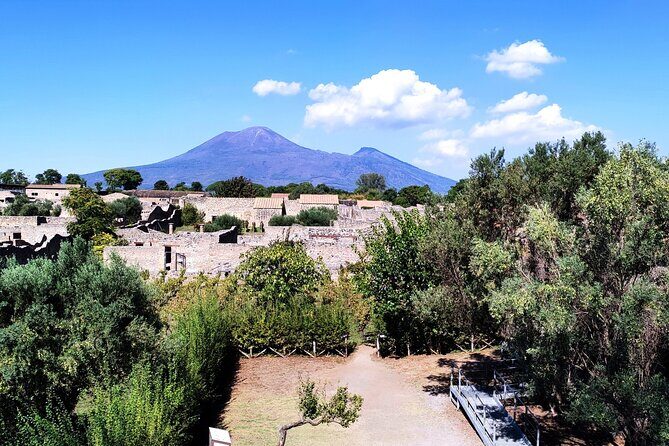
If Pompeii feels huge and confusing on your own, this is the fix. The tour is designed for focus: seven stops, tight timing, and a guide who can answer the real questions that pop up when you stand in a 2,000-year-old street and try to picture regular life.
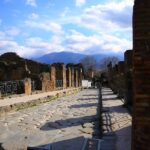
What makes it work is the mix of “big public” and “private daily life.” You start with the Palestra Grande, then hit the Roman Amphitheater, and then shift into houses where frescoes and room layouts help you understand how people dressed, ate, shopped, and relaxed. That change of pace matters. Pompeii can otherwise turn into a checklist of buildings. Here, it becomes a city.
You’ll also notice the guide approach. Francesco isn’t just reading signs; he’s showing you how the space functioned. I like tours where I can look at a wall and instantly understand why it matters. This one keeps that goal front and center, and the feedback in past bookings backs it up: people consistently praise the way he explains things clearly and keeps a large group organized.
Other private Pompeii tours we've reviewed in Pompeii


Before You Go: Tickets, Weather, and the Via Roma Meet-Up
Start with the practical basics. The tour uses a mobile ticket, and the meeting point is Via Roma, 101, 80045 Pompei NA, Italy. It ends back at that same meeting point, which makes it simple to plan the rest of your day—grab gelato, head for lunch, or line up your next stop without a transit puzzle.
Entrance fees are not included. That means you should sort out your archaeological park admission in advance if you can, especially during busy periods. If your group is split on ticket timing, Francesco has experience helping with that, including stepping in to manage lines for people who hadn’t pre-booked entry.
The tour requires good weather. If poor weather cancels it, you’ll be offered another date or a full refund. And there’s a timing rule that’s worth knowing: if you’re late, your guided tour may be reduced in duration. For a place like Pompeii, where crowds and heat can slow you down, I’d plan to arrive early rather than hoping for the best.
One more easy win: the location is near public transportation, and service animals are allowed. So if your group has specific needs, this setup tends to be workable.
Stop 1: Palestra Grande and the Gymnasium That Hints at Daily Life
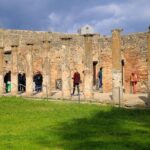
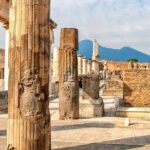
Your first stop is the Palestra Grande, Pompeii’s largest gymnasium. Even if you’ve never cared about ancient sports, a place like this tells you something important: Romans didn’t treat fitness like an optional hobby. They built it into public life, and the architecture shows how people used these spaces.
In about 15 minutes, the archaeologist guides you through what makes this gymnasium significant, and how to read it as more than just “a big room with columns.” It’s a way to orient your eye. Once you understand the purpose of a gymnasium, other public spaces in Pompeii start to click too, like the amphitheater later in the route.
Why it’s valuable: it sets the stage. This is where you start building a mental map of how Pompeii worked—movement, training, gathering, and status.
What to watch for: listen for explanations about the layout and function. These details are exactly the kind of thing you’d miss if you wander in alone and just snap a photo.
Admission ticket not included, so again, have your entry situation handled before you begin.
Stop 2: Anfiteatro Romano and How People Used It for More Than Shows
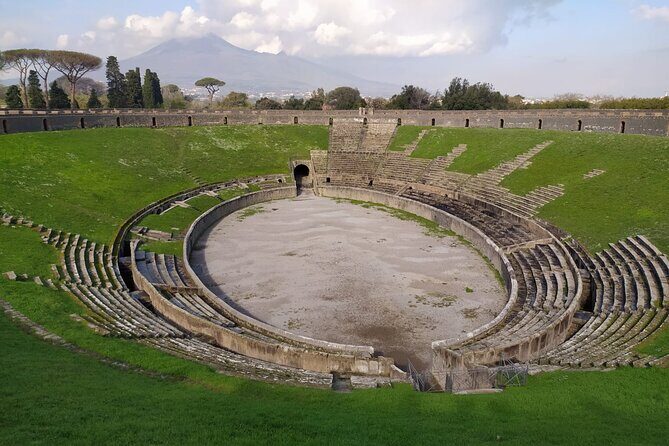
Next comes the Roman Amphitheater (Anfiteatro Romano). It’s one of the best-preserved buildings of its kind and among the oldest in the world, and that matters because it helps you picture crowd flow, sightlines, and the energy of the events held here.
In roughly 15 minutes, your archaeologist guide walks you through what makes this amphitheater special and how it fits into the broader city. This is one of those moments where you stop thinking of Pompeii as a ruin and start thinking of it as infrastructure built for mass gatherings.
The big payoff: the guide’s explanations help you understand what you’re seeing. The amphitheater isn’t just impressive; it’s a tool for social life—where people gathered, watched, and performed shared culture.
A practical note: amphitheaters can feel crowded even when the group is moving well. Keep your eyes on the guide, and don’t worry if you don’t catch every detail on the first pass. Pompeii rewards repeat looks, and this tour is designed to give you the right foundation fast.
Stop 3: Praedia di Giulia Felice and the Clue That Wealth Had Many Forms
The tour then moves to the Praedia di Giulia Felice, one of the larger private holdings in Pompeii. This stop is short—about 15 minutes—but it’s a smart one. The public sites are only half the story. Pompeii also shows how wealth operated at the household level.
The guide helps you see the space as a statement of status and organization, not just a collection of rooms. You’ll learn how private areas connect to the city’s economy and daily rhythm, especially when you compare this stop to what you saw earlier.
Why I like this stop: it bridges the emotional gap between “big spectacle” and “real life.” Once you get a sense that wealthy people had large private properties, you’re better able to interpret the next house stops where frescoes and room use get more personal.
Drawback to consider: because it’s a quick stop, come ready to ask questions. If you want the deeper story, this tour gives you the context, but it’s still timed.
Other archaeologist-led tours in Pompeii





Stop 4: House of Venus in the Shell and Frescoes You Can Actually Read
Now we get into the stuff most visitors remember: frescoes. At the House of Venus in the Shell, the archaeologist leads you through the frescoes in the house, roughly 15 minutes.
This is where the tour style really shows. With the right guidance, you start looking at a wall like a document. The guide’s job is to help you understand what the imagery suggests and how it fits into the house’s identity, rather than treating it as decoration.
What makes it special: you’re not just viewing art—you’re learning how art ties into a space’s function and the household’s self-image.
If you’re the type who likes photos: you’ll likely want a few good shots here. Just remember that the best viewing happens when you pause and let the guide explain first. Pompeii’s small visual cues can be easy to miss when you’re only looking for a perfect frame.
Stop 5: Casa di Ottavio Quartione, Frescoes, and an Outdoor Biclinium
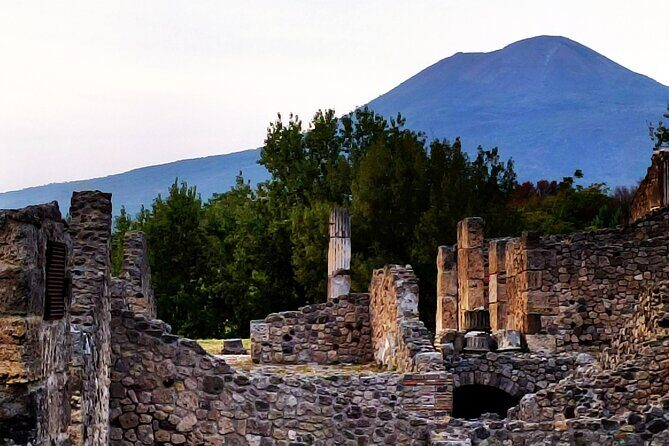
Next is Casa di Ottavio Quartione, another house stop centered on impressive frescoes plus an outdoor biclinium (an eating area set up for meals and social time). Expect about 15 minutes here.
This stop is a big reason I think this tour is worth it. Pompeii can be emotionally flat if you only focus on ruins and never connect them to routine. An outdoor dining setup does the opposite. It makes you picture a day: eating, gathering, and the social rules that came with it.
The guide points out what makes the frescoes stand out and helps you connect room design to how meals likely happened. Even in a short visit, you’ll leave with a clearer sense of what everyday living might have looked like in that part of the city.
Potential drawback: if you’re hoping for a long, slow wander through one house, 15 minutes will feel tight. That’s the trade-off for hitting multiple highlights within two hours.
Stop 6: Orto dei Fuggiaschi and the Human Cost of the Eruption
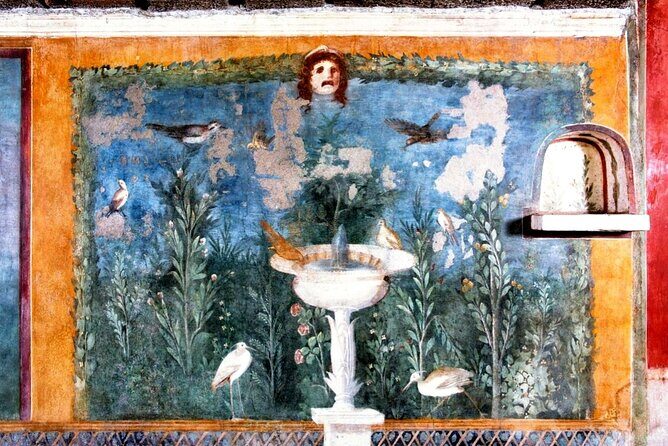
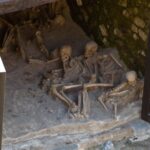
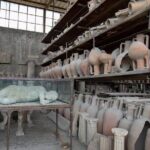
Orto dei Fuggiaschi is the stop that often changes the tone. This is where 13 victims of the eruption were found during excavations. The tour spends about 15 minutes here.
It’s not a “happy” stop, but it’s one of the most important. Without a guide, it’s easy to skate past a site like this as just another plot in an archaeological park. With an archaeologist leading, you’re more likely to understand what makes the findings significant and why this location matters to the overall story of Pompeii.
Why this stop matters: it brings the event into focus from a human angle. And it helps you stop treating Pompeii like only a design museum.
How to get the most out of it: keep your attention on the guide’s explanation rather than letting your mind drift into generic thoughts about catastrophe. The point here is to understand what the evidence tells you.
Stop 7: Necropoli di Porta Nocera and Pompeii Beyond the Walls
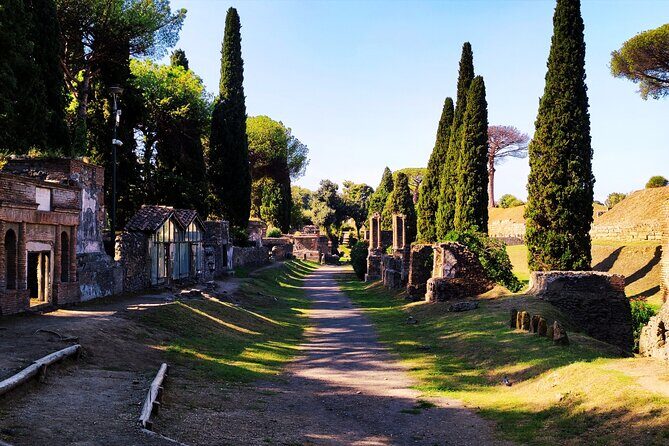
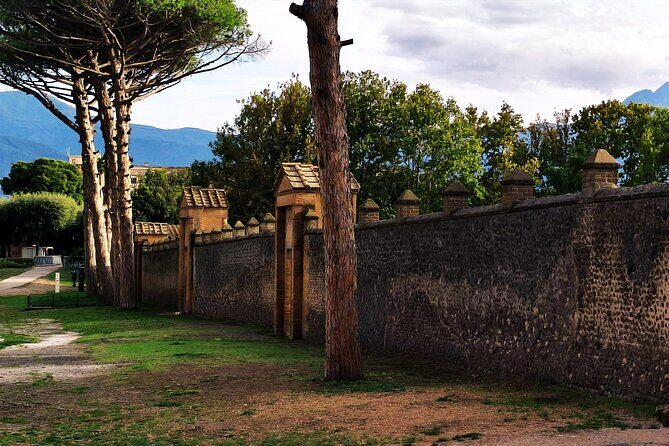
The final stop is the Necropoli di Porta Nocera. Your group crosses the city walls and heads into the outer area, which includes one of the largest cemetery areas of the Roman city. This part lasts about 30 minutes, making it the longest segment after the core sights.
This is a smart ending because it broadens your idea of Pompeii. A lot of visitors concentrate on the city core. The necropolis adds the afterlife dimension and the way Romans marked death and memory in space.
What makes it worth 30 minutes: the extra time helps you slow down. You can take in the setting, and the archaeologist can guide you through how to read the burial area within the city’s layout.
Practical note: outer sites can feel more exposed. If you’re visiting in warmer months, plan for sun and take quick breaks when you can. Food and drink aren’t included, so I recommend bringing water for the day.
Price and Value: Is $267.46 for a Private Group a Good Deal?
The price is $267.46 per group, up to 15 people, for about two hours. That sounds high if you compare it to a single-person ticket, but private tours often work out well when you break it down by group size.
Here’s the practical way to think about value: you’re paying for (1) an archaeologist-specialist guide, (2) a private route across key Pompeii areas, and (3) help handling real-world crowd problems. Some guided tours feel like someone rushes you between spots. This one is different because the guide’s expertise is part of the experience—especially at the fresco houses and the Orto dei Fuggiaschi stop.
Past bookings also highlight a practical kind of value: Francesco has helped large groups keep moving, including stepping in when only some people had admission tickets booked ahead of time. If your group is large (like 10–15), that kind of coordination can save time and stress, which is worth something.
When it’s best value:
- You’re traveling with friends or family and can fill a larger share of the group capacity.
- You want the technical details an ordinary guide might skip.
- You’re short on time and want the highest-impact route in two hours.
Who Should Book This Pompeii Archaeologist Tour
I’d book this if Pompeii is on your list but you also want more than postcard views. This tour fits especially well if:
- You enjoy art and want fresco explanations that actually change how you look.
- Your group includes kids or mixed ages. Francesco has experience keeping larger groups together and fielding questions, which is a lifesaver when everyone’s energy levels vary.
- You want a guided path that avoids the overwhelm. Pompeii can feel like a maze when you’re moving solo, and having a licensed archaeologist guide means you’re not guessing.
It might not be ideal if:
- You want a full-day deep wander. This is a focused highlights route, and some stops are intentionally short.
- Your group is determined to linger at each site for long periods. The structure is timed to fit everything in.
Should You Book This Pompeii Tour?
Yes, if you want Pompeii to make sense fast and you like learning while you walk. The biggest strength is the combination of a private setting and a guide who can interpret what you’re seeing, especially in the fresco houses and the eruption-related site.
I’d book it sooner rather than later. The average booking window is about 46 days in advance, and Pompeii is popular, so earlier planning usually means more date options.
And do yourself a favor: sort out your archaeological park entrance tickets ahead of time when you can, arrive a bit early, and bring water. With those small steps, you get a smooth, high-value two hours that leaves you with Pompeii you can picture, not just Pompeii you visited.
FAQ
How long is the private Pompeii tour?
The tour lasts about 2 hours.
What is included in the price?
You get a licensed tour guide with assistance for the full duration, a private tour, the main Pompeii attractions, and a specialized archaeological guide.
Are entrance fees to the archaeological park included?
No. Entrance fees are not included, so you’ll need to plan for the archaeological park admission.
Where do we meet for the tour?
The tour starts at Via Roma, 101, 80045 Pompei NA, Italy, and it ends back at the same meeting point.
Is this tour private for just my group?
Yes. This is a private tour/activity, and only your group participates.
What happens if we arrive late?
If you’re delayed by the customer, the guided tour may be reduced in duration.
Does the tour run in poor weather?
It requires good weather. If it’s canceled due to poor weather, you’ll be offered a different date or a full refund.
Are service animals allowed?
Yes, service animals are allowed.