REVIEW · POMPEII
Semi – Private Tour of Pompeii with an Archaeologist
Book on Viator →Operated by Around Amalfi coast · Bookable on Viator
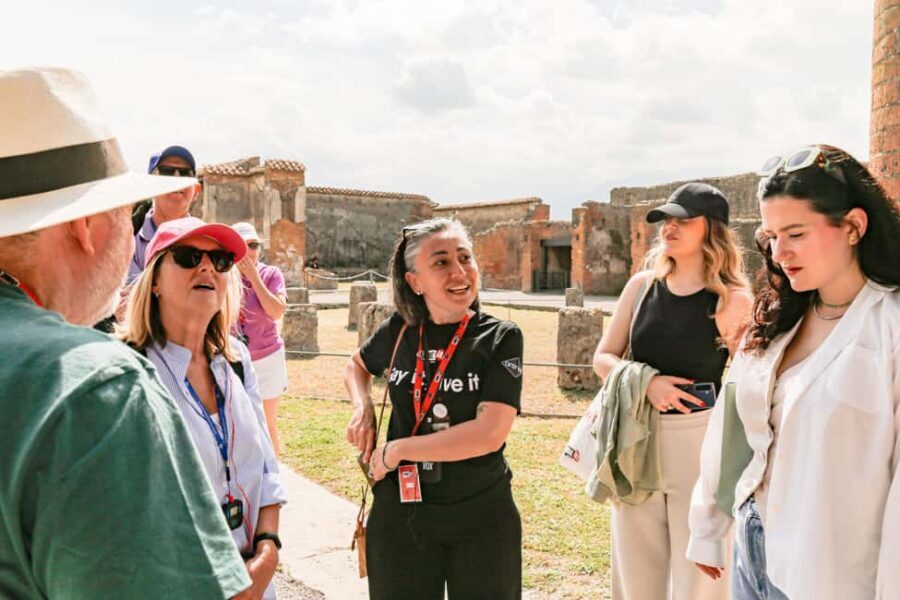
Stepping into Pompeii feels real fast. This small-group walk uses an archaeologist-style guide to turn ruins into daily life—Roman streets, shops, and homes. I especially like how guides such as Lello and Rafaello are praised for making the city readable, not just visible.
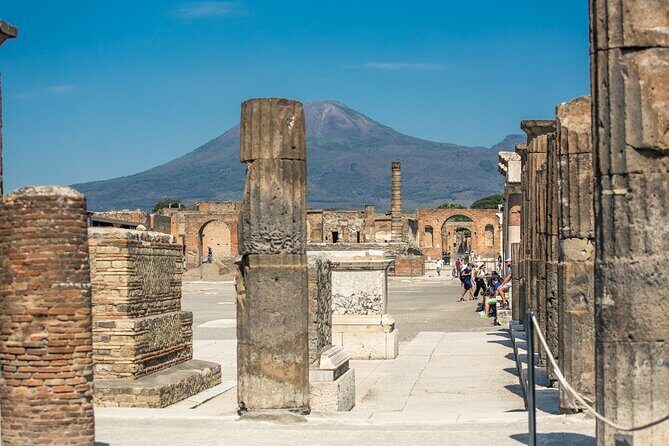
You’ll also get a tight route across the big-name highlights. Think the theatres, the street-level commerce areas, and the monuments that help you understand what Pompeii was for.
One thing to keep in mind: even with a stated max of 15, a few experiences have felt larger in practice. If you’re hoping for a very intimate, question-heavy tour with a true archaeologist leading the way, it’s smart to confirm what kind of expert you’ll have when you book.
In This Review
- Key things that make this Pompeii tour worth your time
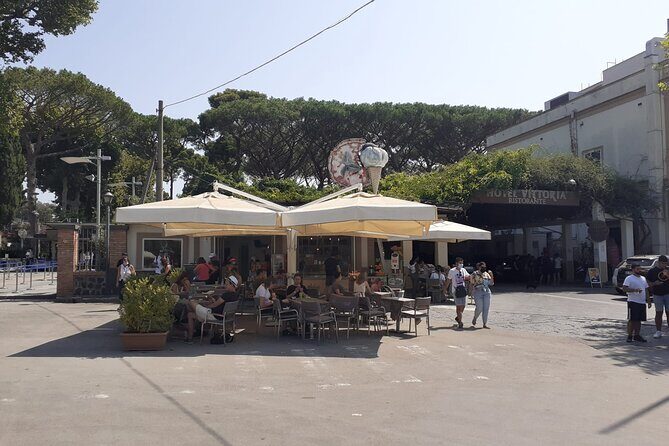
- Where to Meet: Coffee Shop Vittoria and a 10:00 Start in Pompeii
- Price and Tickets: What You Pay Besides the Tour Cost
- A Semi-Private Pompeii Walk With an Archaeologist-Style Lens
- The Roman Streets Plan: Theatres, Shops, and Monuments in About Two Hours
- Houses and Everyday Life: What You’d Miss Wandering Alone
- Guides Who Make Pompeii Click: Lello, Leonardo, Camilla, and Rafaello
- Crowds, Sun, and Walking Pace Over Two Hours
- What to Do After the Tour: Use the Context, Then Wander
- Who Should Book This Pompeii Semi-Private Tour?
- Should You Book This Pompeii Tour With an Archaeologist?
- FAQ
- How long is the Pompeii tour?
- What’s the meeting point for the tour?
- What time does the tour start?
- Is admission to the Pompeii site included?
- What’s included in the price?
- What language is the tour offered in?
- Is there a group size limit?
- Do I need a mobile ticket?
- Are service animals allowed?
- Can I cancel for free?
Key things that make this Pompeii tour worth your time
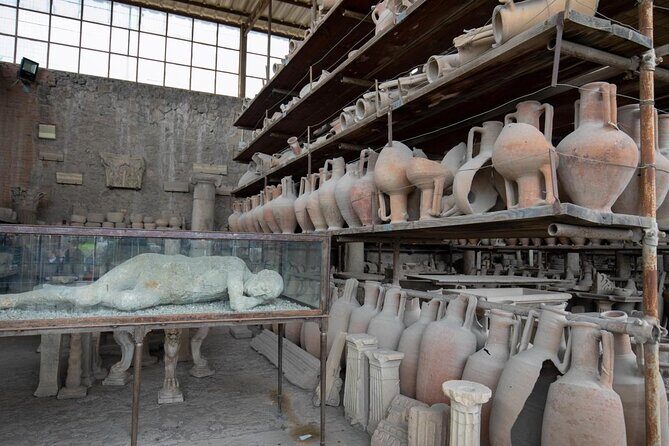
- Small-group format (up to 15) helps you actually hear the guide instead of just tagging along.
- English guide and a private-guide setup means you get real explanations, not just a route.
- A compact 2-hour visit focuses on core sights so first-timers don’t get lost.
- Guides like Lello, Leonardo, Camilla, and Rafaello get repeated praise for storytelling and clarity.
- Most travelers can participate, and guides have handled walking breaks when needed.
- Admission is separate (€18 pp), so you need to plan your total budget.
Where to Meet: Coffee Shop Vittoria and a 10:00 Start in Pompeii
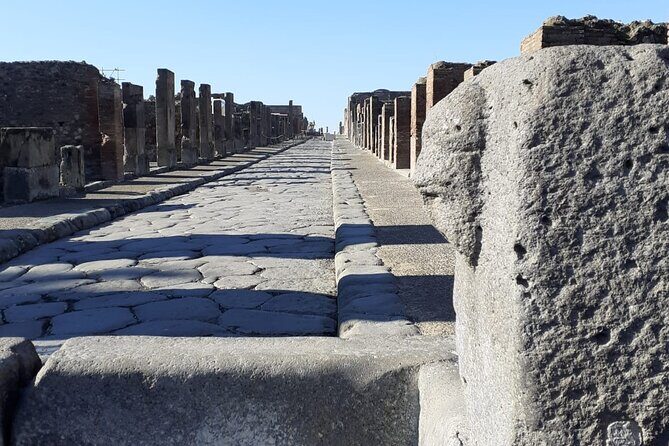
This tour starts at Coffee Shop Vittoria, Via Mare, 80045 Pompei NA, Italy, with a 10:00 am meetup. It ends back at the same place, so you’re not left figuring out a new transit plan after your walk.
Why the exact start time matters: Pompeii can go from manageable to crowded quickly. A guide-led route works best when you’re early enough to get moving while other groups are still gathering. If you’re coming from nearby lodging, I’d build in extra buffer for finding the meeting spot and getting settled.
Other private Pompeii tours we've reviewed in Pompeii


Price and Tickets: What You Pay Besides the Tour Cost
The tour price is $36.28 per person, and the big catch is that site admission isn’t included. You’ll need to add €18.00 per person for entry into the Archaeological Park.
So what’s the value? You’re not just paying for access to ruins—you’re paying for someone to help you read them. Pompeii is huge, and without a guide you can spend a lot of time walking and still miss the connections: why certain streets matter, what the buildings were used for, and how daily life looked before the eruption.
If you’re budgeting, I’d do the math up front:
- Tour: $36.28 pp
- Admission: €18.00 pp
That total is the real comparison point against other Pompeii tours.
A Semi-Private Pompeii Walk With an Archaeologist-Style Lens
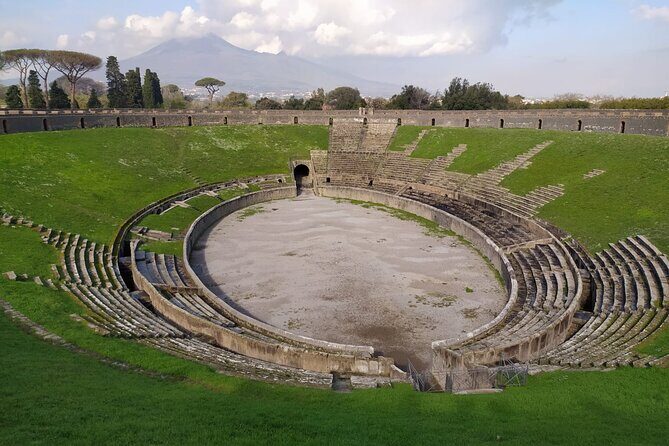
The experience is sold as a semi-private tour with an archaeologist, and it’s offered in English with a mobile ticket. In theory, you’re getting expert context while staying in a smaller group (maximum 15).
Here’s the practical way to think about that: Pompeii isn’t like a quick photo stop. You’re looking at fragments—walls, floors, doorways, street layouts—and a good guide explains how those fragments fit together. Guides in past tours have focused on everyday life elements like shops, street activities, and how people organized their spaces at home.
One consideration: a few experiences have not matched the strict expectation of an archaeologist-led format. If you care deeply about the guide’s exact credentials, ask the operator what background your guide has before you go. That way, you’re buying the experience you think you are.
The Roman Streets Plan: Theatres, Shops, and Monuments in About Two Hours

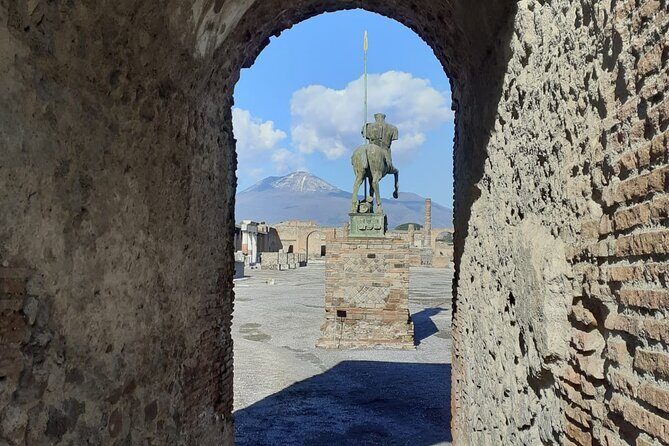
Your main stop is Pompeii’s Archaeological Park, with a route designed to hit core highlights in roughly 2 hours. The emphasis is on a “Roman era” picture: how the city worked, what you’d see in the public areas, and how the monuments reflected the life of Pompeii’s residents.
What you can expect as you move through the highlights:
- Theatres: a chance to understand how entertainment and public gathering shaped daily rhythms.
- Street-level shops and activity zones: where you start seeing Pompeii as a real town, not just a set of ruins.
- Monuments and major public spaces: these give you the bigger civic context, so everything else doesn’t feel random.
The best tours keep a steady pace and explain what you’re looking at as you walk. Many praised guides, including Leonardo and Rafaello, are singled out for thorough storytelling and clear pacing—exactly what you want when your time is limited.
Houses and Everyday Life: What You’d Miss Wandering Alone
Pompeii’s power is that it’s personal. It’s homes. It’s commerce. It’s habits. A guided route is valuable because it helps you interpret the little evidence that would otherwise look like just old stone.
The walk includes houses along with the broader monuments and public areas. That’s where the tour really changes your understanding of the site. A good guide points out how homes were arranged and what daily routines would have looked like—spaces for living, eating, meeting, and going about ordinary work.
You’ll often hear guides bring in concrete examples from Roman life. For instance, one guide (Lello) was praised for using vivid “family” explanations to make visitors feel like they were moving through Pompeii’s day-to-day, including street businesses such as fast-food-style counters and shops.
Depending on the route used by your guide, you may also notice more specialized areas like bathing-related spots mentioned by visitors (for example, an up-town area someone described as having spa-like appeal). Even if you don’t go deep into that specific detail, you’ll still come away understanding how Romans used their spaces—inside and out.
Other archaeologist-led tours in Pompeii






Guides Who Make Pompeii Click: Lello, Leonardo, Camilla, and Rafaello
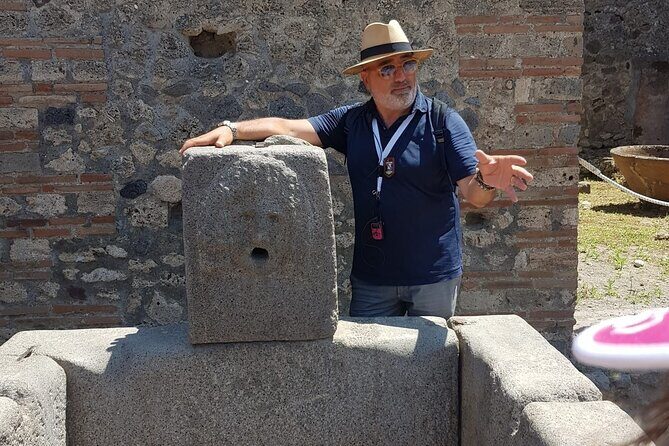
This is where the reviews’ strongest pattern shows up: the guides. Names like Lello, Leonardo, Camilla, Rafaello, Esther, Viktoriya, and Viktoriya appear with consistent praise for keeping people engaged.
What I like about that for your planning:
- You’re not stuck reading plaques.
- You get explanations that connect one place to the next.
- The tone tends to be friendly, funny, and practical rather than academic-only.
Several guides are praised for things that matter on the ground, like guiding people along routes that help manage crowd flow. Some visitors specifically noted quicker entry and better navigation early in the day with guides such as Lello and Leonardo. Even when you can’t control crowding, a good guide can control your experience of it by choosing the best walking order and timing.
Crowds, Sun, and Walking Pace Over Two Hours
Pompeii can be hot and very open. One of the most practical strengths of a small-group format is that you can pause when needed. In past experiences, guides were praised for finding shade stops and keeping the group comfortable enough to stay engaged.
Expect that you’ll do a fair amount of walking. So bring the basics you’d bring anywhere in the ruins: water, comfortable shoes, and a plan for sun exposure. If anyone in your group needs a slower pace, guides have been able to work around walking issues by allowing breaks and regrouping later—so the tour can still feel coordinated instead of rushed.
One more caution: crowd conditions and group size can affect how tight the experience feels. The maximum is stated at 15, but some experiences have felt larger. If you’re sensitive to noise or spacing, ask in advance how the day’s group size usually looks.
What to Do After the Tour: Use the Context, Then Wander

The tour’s real gift is context. Once you understand why you’re seeing a theatre, a street commerce area, or a house, Pompeii stops being a blur of ruins.
After the two-hour visit, you’ll be better equipped to keep exploring on your own. You’ll know what to look for and what questions to ask yourself as you walk—like where social life would have happened, how shops fit into the street grid, and how everyday life shaped the layout of the city.
If you’re short on time overall, this guided sprint is a smart way to get your bearings. If you’re staying longer, it becomes a launchpad: you’ll spot details faster because you already know what they mean.
Who Should Book This Pompeii Semi-Private Tour?
I’d book this if:
- You’re visiting Pompeii for the first time and want highlights without wandering in circles.
- You have limited time and want a structured route that still explains daily life.
- You prefer English-guided storytelling over reading alone.
- You want a smaller group experience that’s set up to keep you connected to the guide.
It also makes sense for families in many cases. Guides were praised for holding kids’ interest, with one family calling the experience a highlight thanks to explanations that kept children engaged.
One more practical fit check: most travelers can participate, and service animals are allowed. That’s helpful for planning around real-world needs.
Should You Book This Pompeii Tour With an Archaeologist?
Yes, if your priority is understanding Pompeii rather than just collecting photos. The combination of a compact two-hour route, English guidance, and a small-group feel (up to 15) is exactly what helps Pompeii land emotionally and intellectually.
Book with extra care if:
- You’re expecting a strictly archaeologist-credentialed leader and want that confirmed.
- You’re very group-size sensitive and want the experience to stay genuinely intimate.
- You want to be certain about total cost, because the €18 admission is on top of the tour price.
Overall, this is a strong value choice for first-timers who want Pompeii explained in plain human terms, with guides that many visitors describe as energetic and story-driven.
FAQ
How long is the Pompeii tour?
The tour lasts about 2 hours.
What’s the meeting point for the tour?
Meet at Coffee Shop Vittoria, Via Mare, 80045 Pompei NA, Italy.
What time does the tour start?
The start time is 10:00 am.
Is admission to the Pompeii site included?
No. Admission fees are not included and are €18.00 per person.
What’s included in the price?
The tour includes a private guide.
What language is the tour offered in?
The tour is offered in English.
Is there a group size limit?
Yes. The experience has a maximum of 15 travelers.
Do I need a mobile ticket?
Yes, you’ll use a mobile ticket.
Are service animals allowed?
Yes, service animals are allowed.
Can I cancel for free?
Yes. Free cancellation is allowed up to 24 hours before the experience starts for a full refund.