REVIEW · POMPEII
Pompeii: guided tour of the ruins and cooking class fresh pasta
Book on Viator →Operated by Giardini Balestrieri · Bookable on Viator
Pompeii plus pasta? Yes, and it works. This private Pompeii ruins tour pairs a guided walk through the stand-out archaeological sights with a hands-on Campania cooking class at Giardini Balestrieri, where you eat what you help make and sip Gragnano wine.
I especially like two things: first, the way the guide’s route moves through the big Pompeii zones—the theaters, Via dell’abbondanza, the baths, the forum, and temples—so you get oriented fast instead of wandering. Second, the cooking portion is built around a real farm-to-table feel, with garden produce and a meal you prepare yourself, then share in a relaxed setting with local wine.
One consideration: the Pompeii entrance ticket is not included (add €20 per person), and the ruins time is scheduled, so you’ll want to plan if you’re hoping to add extra museum-style wandering afterward.
In This Review
- Key Highlights You’ll Care About
- Pompeii, Guided Like a Story (Not a Checklist)
- The Archaeological Route: What Each Stop Really Shows You
- The Timing of Ruins: Great Pace, Limited Flexibility
- Giardini Balestrieri Garden Lunch: Vesuvius Views With Actual Purpose
- The Fresh Pasta Cooking Class: Hands-On, Not Just Watching
- What You Eat: Wine, Appetizers, and Dessert That Finish the Job
- Private Transportation and Small-Group Comfort
- Value and Price: What $300.40 Buys You (and What It Doesn’t)
- Who Should Book This Tour?
- Quick Practical Notes: Meeting Point and What to Expect
- Should You Book This Pompeii Ruins + Fresh Pasta Day?
- FAQ
- What’s included in the Pompeii and pasta experience?
- Is the Pompeii entrance fee included?
- How long is the tour?
- How big is the group?
- Where does the tour start and end?
- Can I cancel for a full refund?
Key Highlights You’ll Care About
- Small-group private vibe with a maximum of 10 travelers, so the pace stays human.
- Ruins route that actually connects the dots, from theaters to the forum and major temples.
- Garden-to-dinner setup with olive and citrus trees and views of Vesuvius and the Lattari Mountains.
- Hands-on pasta cooking, where you make the dish and then eat it immediately.
- Gragnano DOC wine included as 1 glass, plus water, dessert, and lunch.
Pompeii, Guided Like a Story (Not a Checklist)
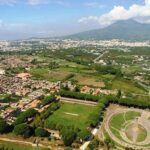
Pompeii is one of those places where the main challenge is not seeing enough—it’s seeing everything in the right order. This tour keeps you moving with a guide who walks you through key public spaces and famous landmarks, so the city starts to make sense as one living place rather than scattered stones.
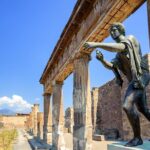
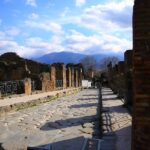
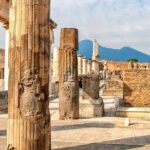
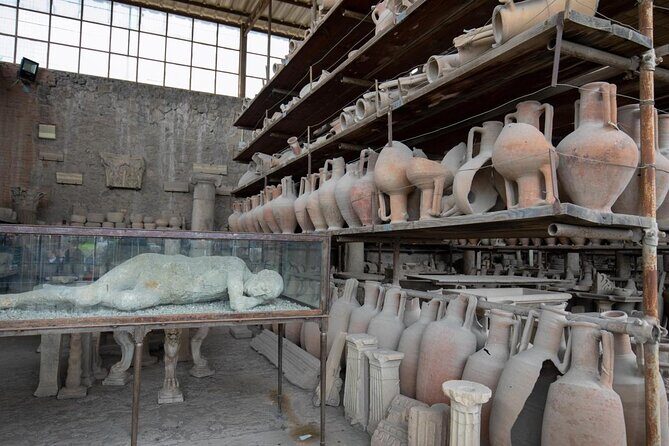
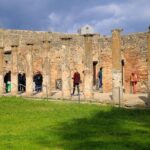
The ruins portion is about 2 hours, and the focus is on variety. You’ll go past the theaters (where entertainment and public life met), then along the shops and workshops on Via dell’abbondanza, which gives you a sense of daily commerce. After that, you’ll hit the thermal baths, one of Pompeii’s best reminders that relaxation and socializing were part of everyday culture.
You also visit some of the sites that usually feel like the hardest to picture from photos. The route includes the brothel (the House of Pleasure), plus the forum with major monuments and the temples of Apollo and Jupiter, along with the Basilica. That mix matters. It helps you understand why Pompeii still feels sharp and recognizable, even though it was frozen in time.
Other Pompeii cooking classes and pasta-making experiences

The Archaeological Route: What Each Stop Really Shows You
The itinerary is built around a thoughtful walk, and it helps to know what each stop is trying to teach.
The theaters show the public face of Pompeii: a city where performances and gatherings were important enough to build major venues. Via dell’abbondanza adds the everyday layer—this is where you see the city’s commercial spine, lined with the kind of space where people worked, sold, and talked. Even if you only spend a short time there, it’s the street that gives you your bearings.
Then comes the thermal baths, which are more than “a cool ruin.” They’re a map of how people used space to socialize, exercise, and reset. Seeing them in person makes it easier to imagine Pompeiians as living people rather than museum figures.
The forum, temples, and Basilica bring the civic and religious core into focus. And yes, the brothel stop might be surprising if you expected only temples and villas, but that’s exactly why it’s powerful. Pompeii wasn’t sanitized for visitors—it included everything from politics to pleasure venues. That’s part of the truth you came for.
The Timing of Ruins: Great Pace, Limited Flexibility
The ruins portion runs about 2 hours with a guide, then you transition to the cooking part. The upside is momentum: you’re not stuck waiting around, and you don’t lose the afternoon to logistical gaps.
The tradeoff is flexibility. Pompeii entrance tickets are not included, and the ruins portion is scheduled within the day. If you want extra time wandering on your own after the guided walk, you’ll need to plan carefully because Pompeii tickets are tied to entry timing and you don’t get a free “come back later” window built into this format.
It’s a workable pace for most people. The key is knowing that this experience is designed as a full-day combination: ruins first, then food and cooking in the countryside. If your #1 goal is hours of slow exploring, you might still love this, but you’ll want to manage your expectations about add-on time.
Giardini Balestrieri Garden Lunch: Vesuvius Views With Actual Purpose
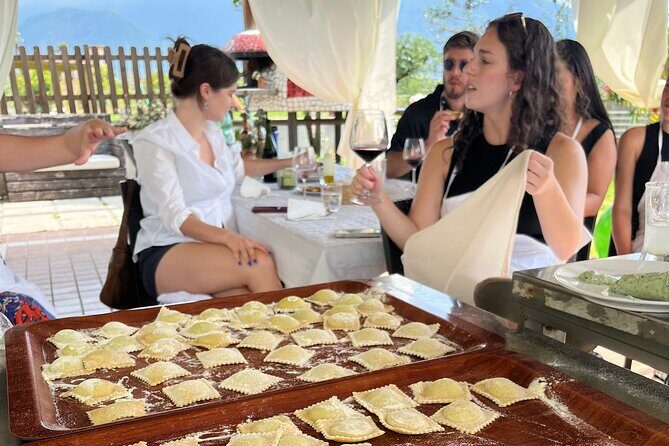
After Pompeii, you’re taken to a garden in the Pompeian countryside with views of Vesuvius and the Lattari Mountains. This is where the day stops being only archaeology and becomes sensory and social.
The setting is practical for the food part: you’re surrounded by olive and citrus trees, and the meal connects back to what you see. You’ll prepare lunch there, and the produce is described as picked by your own hands. That’s not a gimmick detail—it changes how you taste. It’s the difference between eating a dish and learning where flavors come from.
And because it’s a guided experience, the garden time isn’t just scenic breathing. It’s part of the cooking lesson. You get background on the ingredients and then you use them in what you make.
The Fresh Pasta Cooking Class: Hands-On, Not Just Watching
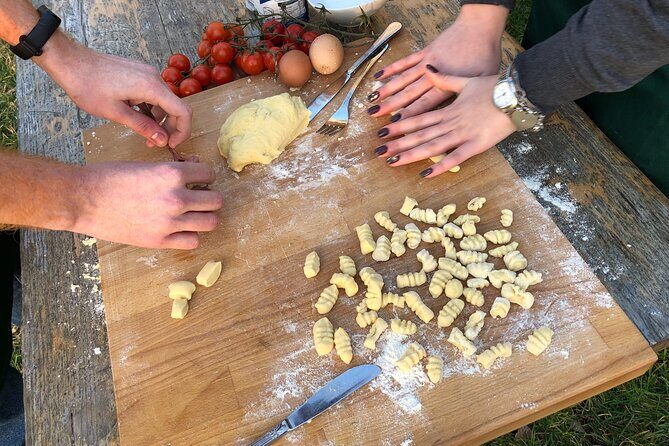
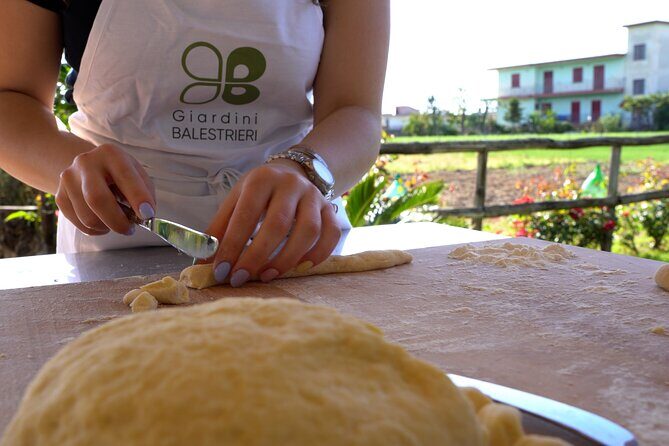
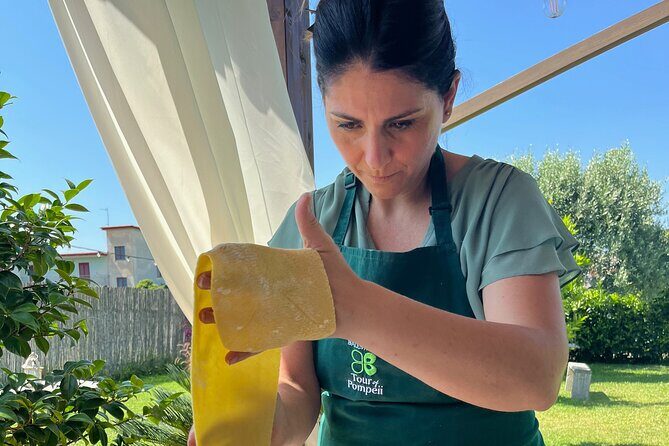
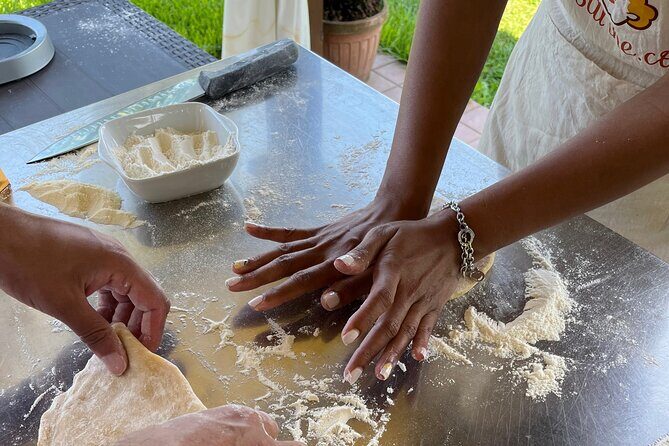
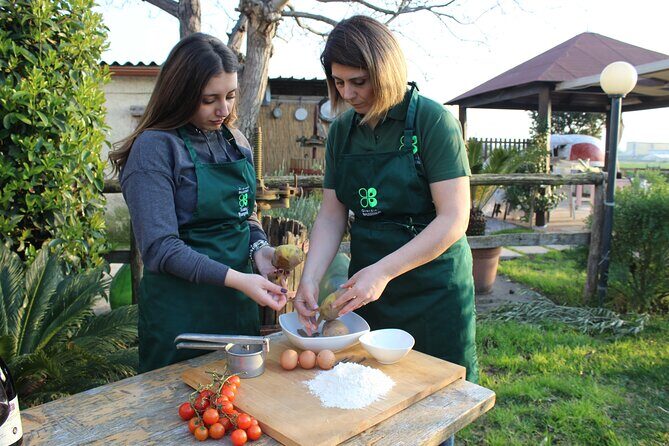
The cooking class is a real activity, not a “watch someone else do it” situation. You’ll prepare your own lunch, and the host teaches you a typical dish from the tradition, using produce from the garden. You’ll also get the tools and ingredients for your pasta and finish the meal together.
Depending on the session, the exact pasta you make can vary. Past guests have described making ravioli and potato gnocchi, and finishing with simple sauces like butter and sage. That variation makes sense for a cooking class tied to season and workflow, so don’t assume the menu is identical every day. But the structure stays the same: you learn the technique, you make it, you eat it.
If you want a “how do they do it?” moment, this is where you get it. You aren’t just tasting; you’re shaping dough, assembling filling, and seeing how the dish comes together from raw ingredients to a finished plate.
Other guided tours in Pompeii


What You Eat: Wine, Appetizers, and Dessert That Finish the Job
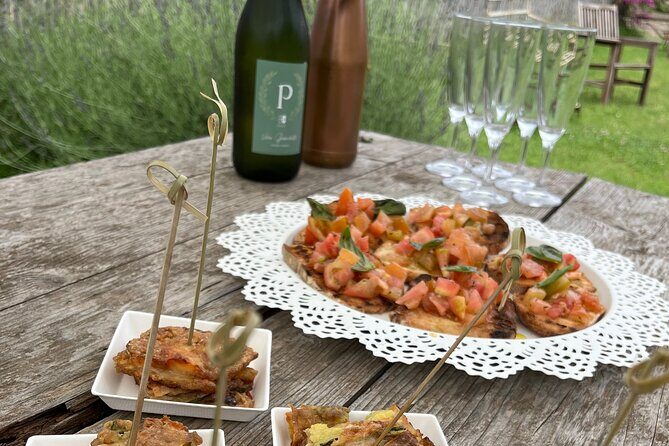
The included meal includes more than pasta. You’ll also get soda/still and sparkling water, dessert, and lunch or dinner depending on the day’s schedule. You also receive 1 glass of Gragnano DOC wine along with the meal.
That wine detail is meaningful because Gragnano is tied to the Campania wine world, and it pairs naturally with the kind of tomato-and-herb, dairy-forward dishes you’ll be learning to make. Even if you only drink a little, it sets the tone: this isn’t a cooking demo. It’s a lunch that feels like a shared table with a local host.
Dessert is included too. Guests have described lemon cake and tiramisu as examples from their days. Again, expect some variation, but you can count on the sweet ending being part of the full experience, not something you have to chase down yourself afterward.
Private Transportation and Small-Group Comfort
Getting between Pompeii and the countryside can be the annoying part of planning your own day. Here, private transportation is included, and you end back at the meeting point.
That matters because it protects the most valuable resource you have on a trip: your time. You don’t want your afternoon cut into by bus schedules or waiting around for taxis with a tired group.
It also helps the flow. You walk the ruins in the morning block, then you shift gears to cooking and eating without turning the day into a series of transfers.
The experience caps at 10 travelers, which is a big quality-of-life factor. A smaller group generally means the guide can answer questions and keep the pace steady without the “everybody rush or nobody moves” feeling that can happen in larger tours.
Value and Price: What $300.40 Buys You (and What It Doesn’t)
Let’s talk real numbers. The price is $300.40 per person, and the Pompeii entrance ticket (€20 per person) is not included. So your total day will cost a bit more once you add that.
What you’re paying for is the combination and the handling:
- a private-format guided walk through major Pompeii zones
- the cooking class with a local host and garden setup
- private transportation between the ruins and countryside
- meals and drinks: water, dessert, lunch or dinner, and 1 glass Gragnano DOC wine
If you’re trying to recreate this on your own—guides for Pompeii, transportation, a cooking class, and the meal setup—it’s usually the logistics that inflate costs. This package handles the hard parts. The group size also helps you get more personal attention than a giant bus tour.
Is it expensive? Yes, because it’s a curated private-style day with food included. But if you care about both Pompeii context and hands-on Campania cooking, the value holds up. If you only want ruins and you’re not interested in the cooking portion, you might feel the price more sharply than someone who’s there for the full experience.
Who Should Book This Tour?
This tour is a strong fit if you want one day that covers two kinds of travel joy: culture on foot and food you make yourself. It also works well for mixed-interest groups, because not everyone has to get the same satisfaction from the same moments.
You’ll likely enjoy it if:
- you want a guided Pompeii route that hits major landmarks efficiently
- you like cooking classes where you actually make the pasta
- you’re happy spending a full half day in ruins and a full half day eating in the countryside
You might want to skip it if:
- you’re planning to spend all day in Pompeii only, with no time for a structured meal and workshop
- your priority is to minimize cost rather than buy convenience and guidance
Quick Practical Notes: Meeting Point and What to Expect
You’ll start at Scavi di Pompei, Viale delle Ginestre, 80045 Pompei NA, Italy. The activity ends back at the meeting point.
The tour runs about 5 to 6 hours. Language is English. The experience uses private transportation, and it’s listed as near public transportation. Service animals are allowed, and it says most travelers can participate.
If you’re traveling with limited time in Pompeii, this is one of the cleaner ways to get key highlights without turning the day into chaos. Just remember that your time in the ruins is scheduled inside that full day plan.
Should You Book This Pompeii Ruins + Fresh Pasta Day?
I’d book it if you want a Pompeii visit that feels guided, purposeful, and then rewarding in a very human way: you eat what you made, with a local host, in a garden setting with views of Vesuvius.
If you’re on the fence, make your decision based on your top priority:
- If your heart says Pompeii plus food, this is a great match for your day.
- If you only care about hours of independent ruins wandering, you may feel boxed in by the schedule.
For the right traveler, the value comes from the combo: major Pompeii sights plus a real cooking class with included lunch and Gragnano wine. That’s a hard combination to beat when you want one trip day that tastes as good as it looks.
FAQ
What’s included in the Pompeii and pasta experience?
Private transportation, still and sparkling water, dessert, lunch or dinner, and alcoholic beverages including 1 glass of Gragnano DOC wine.
Is the Pompeii entrance fee included?
No. The Pompeii entrance ticket is not included and costs €20 per person.
How long is the tour?
It runs about 5 to 6 hours total, with roughly 2 hours at the Pompeii archaeological park and about 3 hours for the garden cooking and meal.
How big is the group?
The experience has a maximum of 10 travelers.
Where does the tour start and end?
It starts at Scavi di Pompei, Viale delle Ginestre, 80045 Pompei NA, Italy, and ends back at the meeting point.
Can I cancel for a full refund?
Yes. You can cancel up to 24 hours in advance for a full refund. If you cancel less than 24 hours before the start time, you won’t get refunded.