REVIEW · POMPEII
Ancient Pompei in the afternoon
Book on Viator →Operated by Glauco Messina · Bookable on Viator
Pompeii is better when the day calms down. This afternoon guided walk lets you see the excavated streets and buildings with far more breathing room than the morning crush. The pace is also more comfortable, since it’s usually cooler later in the day, which matters in open-air ruins.
I especially like two things about this tour. First, the timing after the morning crowds means you can actually look at details instead of simply surviving the flow. Second, the guide, Glauco Messina, is strong at explaining what happened to Pompeii in a way that keeps kids and teens paying attention.
One thing to consider: the tour includes the guide, but tickets are not included, so you’ll need to handle admission separately before you meet up.
In This Review
- Key things that make this Pompeii afternoon tour work
- Pompeii after 3:30 pm: fewer crowds, more comfortable touring
- Meeting at Piazza Immacolata and ending at Porta Marina
- The guide matters: Glauco Messina in a small-group setting
- Gymnasium and Amphitheater: the parts people used every day
- Abundance Road, tavern, and thermopolium: reading street life
- Public Spa and the Forum: how daily life mixed with power
- Price and value: what you pay and what you’re actually buying
- Practical planning tips for a smooth afternoon visit
- Who this Pompeii afternoon tour is best for
- Should you book Ancient Pompei in the afternoon?
- FAQ
- What time does the tour start?
- How long is the Ancient Pompei in the afternoon tour?
- Where does the tour start and where does it end?
- Is admission to Pompeii included in the price?
- What sights are included in the guided route?
- Is the tour offered in English?
- How big is the group?
- What is the price?
- Can I cancel for a full refund?
- Are service animals allowed?
Key things that make this Pompeii afternoon tour work
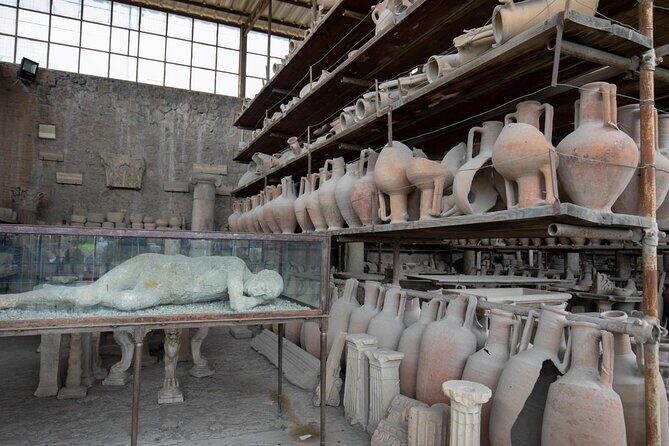
- Afternoon timing for easier viewing after the busiest morning hours
- Small group up to 10 for more direct attention and fewer bottlenecks
- Glauco Messina’s explanations tailored to what your group wants to understand
- A focused route through major areas like the Forum and Public Spa
- English-guided experience for clear, story-driven on-site learning
- A finish near Porta Marina so you’re not stuck doubling back
Pompeii after 3:30 pm: fewer crowds, more comfortable touring
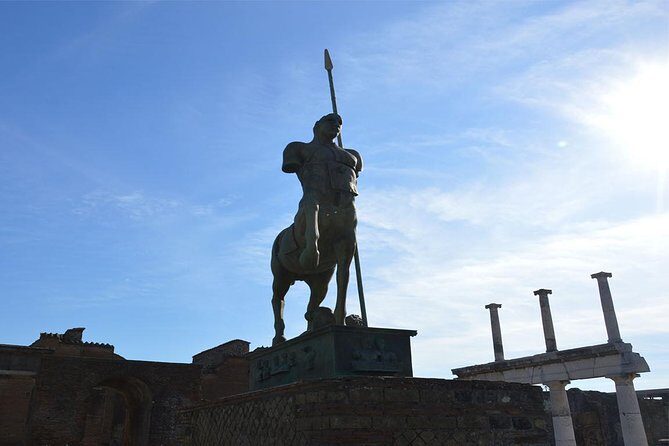
If you’ve ever tried to look at Pompeii while surrounded by shoulder-to-shoulder groups, you’ll appreciate why this time slot is so popular. Starting at 3:30 pm means you’re arriving after the morning tide of visitors has mostly moved on, so you can slow down and actually read the building shapes and street layouts.
Late-day timing also helps with comfort. In the experience feedback, people specifically noted the afternoon was less hot than earlier. That may sound like a small detail, but in Pompeii it changes the whole feeling of the visit. When you’re not overheating, you’ll spend more time noticing how daily life was organized: public spaces, everyday shops, and places people gathered.
And for photos and “wait, how did this work?” moments, less crowding is priceless. You can stand where you want, glance both ways, and follow the guide’s directions without constantly getting swept along by the crowd.
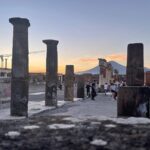
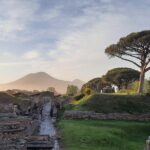
Other sunset and evening tours of Pompeii
Meeting at Piazza Immacolata and ending at Porta Marina
This tour starts at Piazza Immacolata, 80045 Pompei NA, Italy and ends at Piazza Porta Marina, 80045 Pompei NA, Italy. That matters more than it sounds, because Pompeii can be exhausting to navigate if you keep retracing your steps.
You’ll also get a clear ticket redemption point at the same start area: Piazza Immacolata. Since admission tickets aren’t included in the tour price, having a known place to align your day is a real help. If you’re coordinating your own ticket and time, this makes the plan simpler.
The experience is listed as near public transportation, which is useful if you’re coming from Sorrento, Naples, or another local stop and want a practical commute. Service animals are allowed, and most travelers can participate, which tells you the tour is set up for a wide range of visitors without sounding like a hardcore expedition.
The guide matters: Glauco Messina in a small-group setting
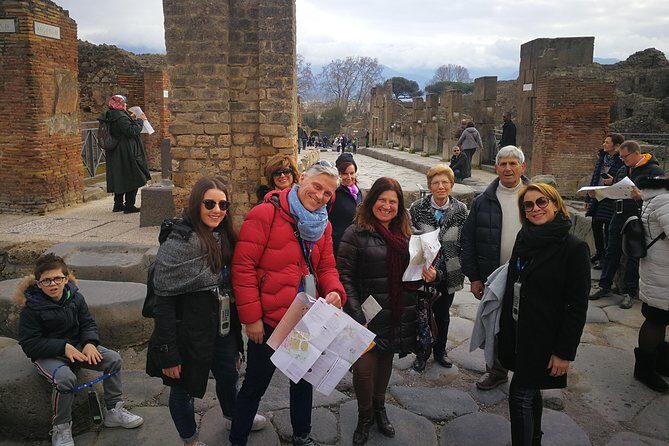
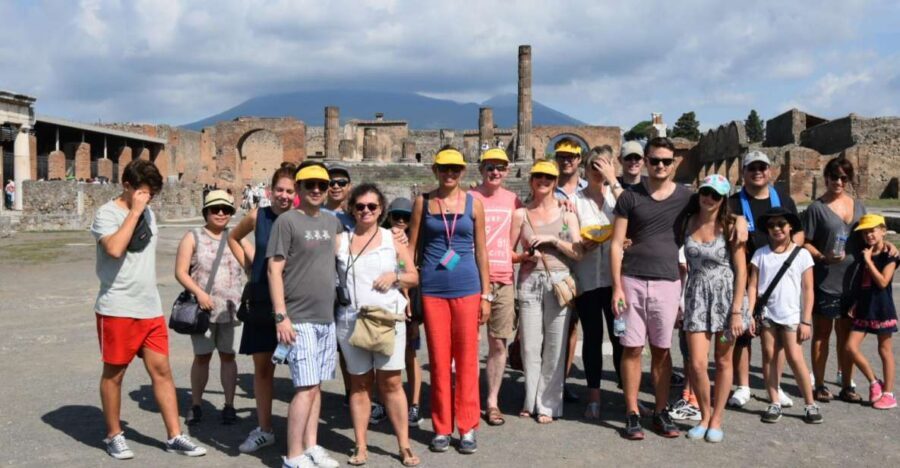
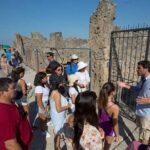
You’re getting a guided tour in English, and the group size is limited to a maximum of 10 travelers. That small size shows up in the way the tour feels: fewer people competing for attention, and more chances to ask questions or get a quick clarification.
The standout theme from the experience is Glauco Messina’s teaching style. People highlight that he keeps teenagers engaged, not just repeating dates and facts. In other words, the tour isn’t only for adults who want architecture and history trivia. It’s built to make the story of Pompeii understandable and interesting for mixed ages.
When you’re learning about a city that vanished in a catastrophe, the “how and why” is everything. A good guide turns ruins into cause-and-effect: what the city was like, what people did day to day, and how the disaster changed everything. With a guide like Glauco, the explanations are more likely to land because they’re shaped for the group you’re actually with.
Also, the booking demand is steady. On average, this gets reserved about 24 days in advance, which is a hint that the late-day slot and small-group format stay popular.
Gymnasium and Amphitheater: the parts people used every day
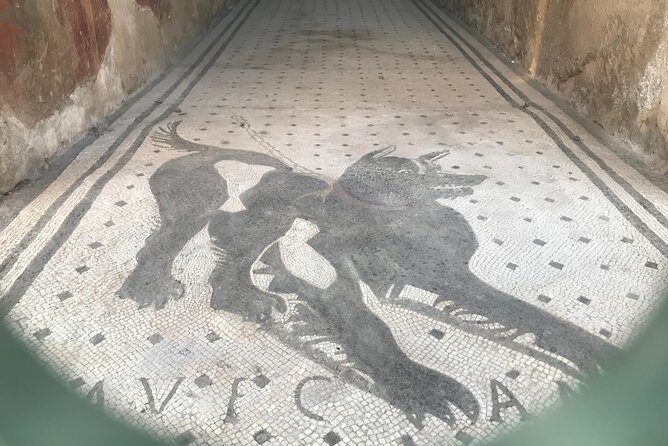
A Pompeii visit can feel uneven if you bounce randomly. This tour is organized to cover key zones in a logical way, starting with major civic and public spaces at Pompeii Archaeological Park.
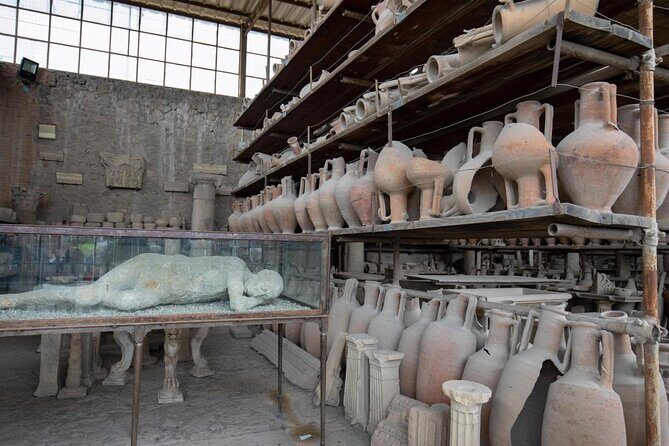
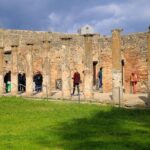
One early stop is the Gymnasium. In a Roman city, a gymnasium wasn’t just a fitness room. It was a social and public area tied to education, training, and community life. When you look at these structures, you start seeing Pompeii as a working city, not just an outdoor museum.
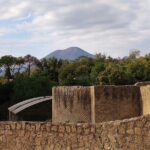
Next up is the Amphitheater. This is where you can connect Pompeii to the broader Roman world of public entertainment and spectacle. It’s a strong anchor point because it reminds you that even though Pompeii’s streets look quiet in ruins, the city was built for crowds and events.
The value here is simple: these two stops help set the scene. Once you understand where people trained and gathered, you’re better prepared to interpret the quieter everyday corners later in the route.
Potential drawback to keep in mind: these are big, public spaces, and they may be physically open and exposed depending on where you stand. If you’re sensitive to sun late in the day, I’d plan your timing accordingly and be ready for the lighting changes as the afternoon moves on.
Abundance Road, tavern, and thermopolium: reading street life
After the public venues, the tour shifts into the everyday parts of Pompeii: movement, commerce, and casual social life.
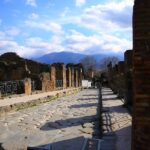
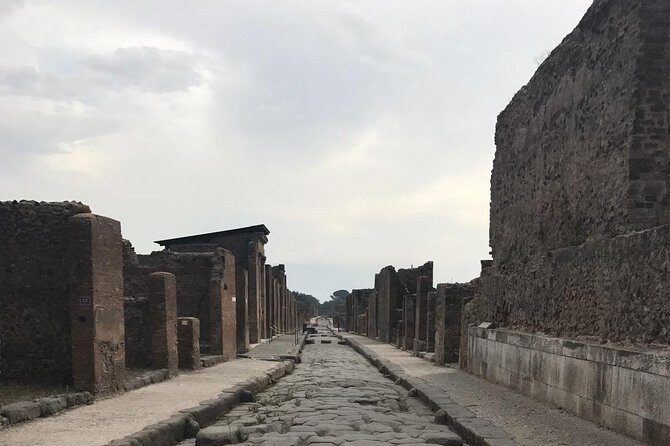
You’ll visit Abundance road (as listed in the route) and then head to places like a Tavern and a Thermopolium. These names are useful because they point you toward the rhythms of the city: where people ate, met, and spent time between errands and civic events.
A thermopolium is essentially a quick-service food counter. In a city like Pompeii, that means meals weren’t only a sit-down affair. It’s the kind of stop that makes the ruins feel human. Instead of just seeing walls and floors, you can imagine the practical choices people made every day.
The tavern connects to that same idea. It’s where you’d expect casual conversation, refreshment, and a familiar social routine. When you’re on-site, these spots help you understand Pompeii as lived-in space, not an abstract archaeological site.
Why this section is especially good for families and mixed groups: it’s easy to follow. Even if someone isn’t focused on architecture, they can still understand the “this is where people ate and hung out” story.
If you want a smoother experience, pace yourself here. Everyday stops can make the tour feel faster because you’re imagining meals and errands. That’s great, but it’s also where you might miss details if you move too quickly.

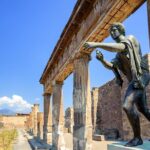

Public Spa and the Forum: how daily life mixed with power
Near the end of the route, you’ll reach two of the most meaningful civic themes: Public Spa and Forum.
The Public Spa is a powerful contrast to the quick-service food areas you saw earlier. It’s about health, routine, and public life that stretched beyond work. A spa-like setting in a Roman city also signals social structure. People weren’t just using facilities; they were interacting within a shared daily schedule.
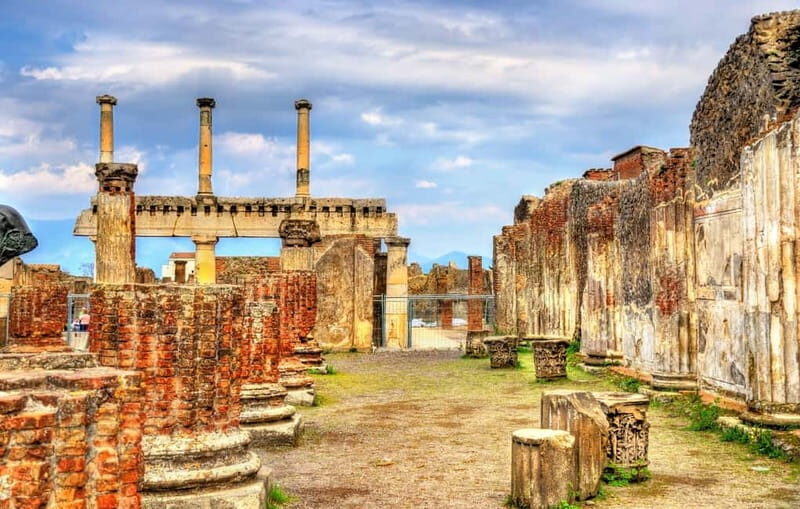
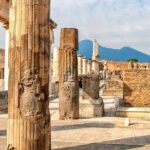
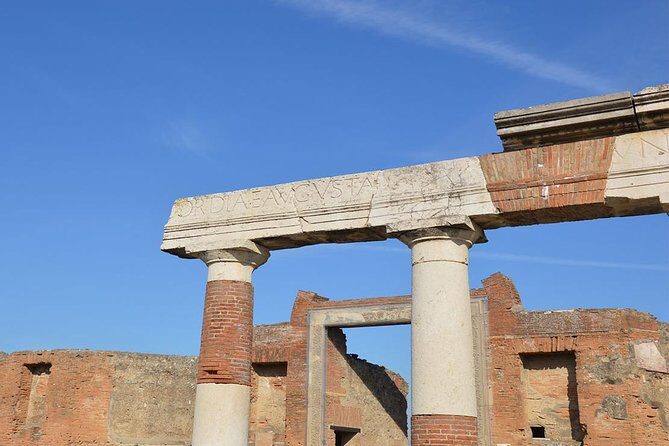
Then the tour moves to the Forum, which is the heart of civic identity. This is where politics, commerce, and public messaging would have blended into one central space. Standing in a Forum area helps you connect the ruins back to how the city governed itself and how people gathered for important moments.
This is also where a good guide earns their keep. The tour’s description highlights learning what happened to Pompeii from your guide. In practice, that kind of explanation tends to land best when you’ve already seen both sides of the city: the daily routines and the public stage. When you reach the Forum after the street-life stops, the story has more weight.
If you’re short on time, this is the section you’ll want to stay present for. It’s easy to treat Pompeii like a checklist, but the Forum is where the city starts feeling like a system.
Price and value: what you pay and what you’re actually buying
The price is $254.07 per group, for up to 8 people. That’s for the guided experience, while admission tickets aren’t included. If you’re comparing to DIY entry, it helps to think of what the guide is providing.
You’re paying for:
- a guided route through key zones (Gymnasium, Amphitheater, Forum, and more)
- interpretation that ties the buildings to human life and the catastrophe that ended it
- a small-group format (maximum of 10), which often means less waiting and fewer navigation headaches
- English commentary that can keep a wide range of ages engaged, including teenagers
Is it expensive? In absolute terms, yes, especially if you’re traveling solo. But as a per-group price shared among friends or family, it can start to look like good value because you’re splitting the cost of guidance and structure.
Also, the timing helps you. Booking something that starts at 3:30 pm and keeps you on a planned path can reduce the wasted time that often happens when you’re trying to figure out Pompeii on the fly. That’s real value in a place where the ground plan can be intimidating.
One more value note: this experience scores 5 out of 5 and is recommended by 100% in the provided rating summary. While ratings aren’t everything, it does suggest the format consistently works for people who want both clarity and a calmer afternoon visit.
Practical planning tips for a smooth afternoon visit
Here are the points I’d focus on, based on the details that matter most for planning:
- Start time is 3:30 pm, so plan your arrival buffer accordingly. Evening light changes fast, and you’ll want to be in place before the guide starts moving the group.
- Admission tickets are not included, so you’ll need to purchase or redeem them separately ahead of time. The ticket redemption point is at Piazza Immacolata.
- The tour duration is listed as about 2 hours. That’s a focused visit, not a full-day immersion. If you want hours and hours of wandering, you might pair this with extra self-guided time.
- The experience is offered in English and is marked as suitable for most travelers, with service animals allowed.
If you’re traveling with a mixed group, this timing and format is especially helpful. The feedback around Glauco engaging teens suggests you won’t be stuck in a slow, overly lecture-heavy pace.
If you’re someone who likes lots of time to sit, sketch, or re-visit areas, you may find the tour length brief. But for a high-quality “see the essentials with context” outing, it fits well.
Who this Pompeii afternoon tour is best for
This tour is a strong match if you want:
- a calmer Pompeii visit after the morning crowds
- a small-group experience instead of a large bus-load feeling
- a guide who can make the story understandable for different ages, including teenagers
- a structured route that covers major highlights without you spending time figuring out where to go next
It’s also a good pick if you’re in Pompeii for only part of a day. The late afternoon start means you can pair it with earlier sightseeing or travel time, depending on your schedule.
And if you’re the type who likes to ask questions, small-group tours typically make it easier to get direct answers without waiting for a crowd to thin out.
Should you book Ancient Pompei in the afternoon?
I’d book this tour if you want a guided Pompeii visit that’s built for comfort and clarity, with a guide like Glauco Messina who can keep attention from slipping, especially with teenagers. The 3:30 pm timing is a big deal here, because it makes Pompeii feel more human and less like a queue.
I wouldn’t choose it if you already know you want a long, self-paced stroll, or if you strongly prefer a fully self-guided visit where you control every turn. Also, factor in that tickets are not included, so your total day cost will be a bit higher than the tour price alone.
Bottom line: for many people, this is a smart way to get the key Pompeii highlights with real explanation, in a smaller group, during a time of day when the site feels easier to enjoy.
FAQ
What time does the tour start?
The tour starts at 3:30 pm.
How long is the Ancient Pompei in the afternoon tour?
It lasts about 2 hours (approx.).
Where does the tour start and where does it end?
It starts at Piazza Immacolata, 80045 Pompei NA, Italy and ends at Piazza Porta Marina, 80045 Pompei NA, Italy.
Is admission to Pompeii included in the price?
No. Tickets are not included, and you’ll need to purchase them separately.
What sights are included in the guided route?
The guided portion covers areas including the Gymnasium, Amphitheater, Abundance road, Tavern, Thermopolium, Public Spa, and the Forum.
Is the tour offered in English?
Yes, it is offered in English.
How big is the group?
The tour has a maximum of 10 travelers.
What is the price?
The price is $254.07 per group (up to 8).
Can I cancel for a full refund?
Yes. You can cancel up to 24 hours in advance for a full refund.
Are service animals allowed?
Yes, service animals are allowed.