REVIEW · POMPEII
Pompeii walking tour (2hrs)
Book on Viator →Operated by Bites of History with Margherita · Bookable on Viator
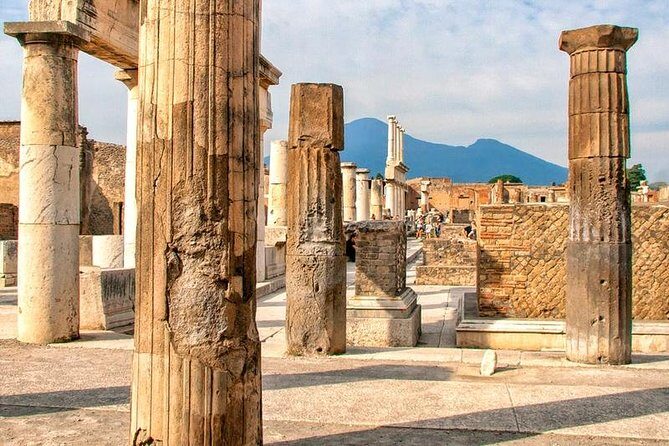
A two-hour Pompeii walk feels personal. Step into the Archaeological Park with a private group and a licensed English guide, moving through the best preserved Roman city from 79 A.D., when Mount Vesuvius destroyed it.
I love how the tour zeroes in on what you can actually see: original theatres, shops, and homes with frescos and marble that make Roman life feel close, not dusty. I also like the human touch—Margherita’s stories include local Neapolitan angles and even practical food pointers for Naples, so the experience keeps going after the ruins.
One thing to consider: the tour price pays for the guide, not the site admission tickets, so you’ll need to budget for those separately, and two hours means you can’t cover everything across this huge park.
In This Review
- Key highlights at a glance
- Why this 2-hour Pompeii walk actually works
- Piazza Esedra meeting point and getting into the park
- What you’ll see inside Pompeii’s best preserved Roman city
- Original theatres, shops, and Roman homes with frescos
- The city’s streets become a story
- How Roman daily life shows up: food, bathing, and routines
- Food and everyday life, not just facts
- Thermal baths and how they worked
- Gladiators’ gym and the entertainment side of Pompeii
- Gladiators’ gym
- How Romans had fun
- The Margherita factor: what makes the experience feel different
- Price and value: $60.08 for a guided walk, plus park admission
- Who should book this Pompeii tour
- Quick practical tips before you go
- Should you book this Pompeii walking tour?
- FAQ
- How long is the Pompeii walking tour?
- Is the Pompeii archaeological site admission included in the price?
- What language is the tour offered in?
- Where do we meet for the tour?
- Is this a private tour?
- When will I get confirmation, and what if the tour can’t run?
Key highlights at a glance
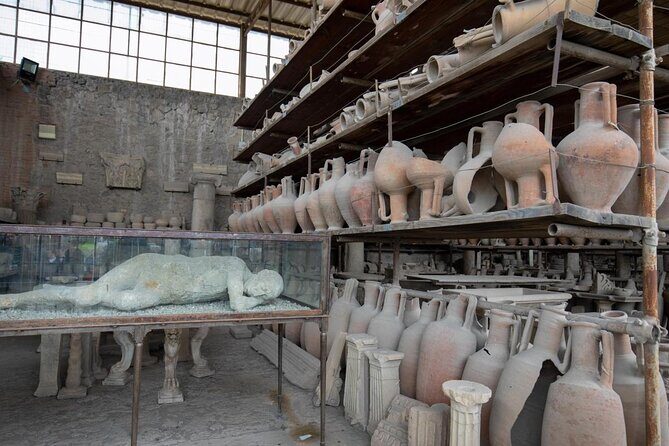
- Private 2-hour format: only your group, so questions don’t get lost in the crowd
- Licensed guide included: you’re walking with a pro for the full time
- Frescos, marble, and interiors: you’ll focus on details that make Pompeii readable
- Thermal baths and gladiators’ gym: Roman routines and training show up in the route
- English tour with mobile ticket: easy-to-handle documents for entry
- Start at Piazza Esedra (ticket office area): you get a clear meeting point inside the right zone
Why this 2-hour Pompeii walk actually works
Pompeii can overwhelm you fast. The park is large, the streets feel endless, and it’s easy to get lost in what’s big versus what’s meaningful. This 2-hour guided structure helps because it’s not about seeing every stone. It’s about seeing the right ones, in the right order, with someone pointing out what you’re looking at and why it mattered.
I like that the tour is private, too. You’re not tuning out because you can’t hear. You can ask a question and get a real answer. That matters in a place like Pompeii, where small details—art on walls, layout choices, and everyday-use spaces—are often the whole story.
The best part is that the tour is built to make Roman life feel normal. You’re not just staring at ruins; you’re learning how people ate, worked, relaxed, bathed, and went about their day. And because the city is known as the best preserved Roman city in the world after the 79 A.D. Vesuvius disaster, you can really connect the dots instead of guessing.
Other walking tours of the Pompeii ruins


Piazza Esedra meeting point and getting into the park
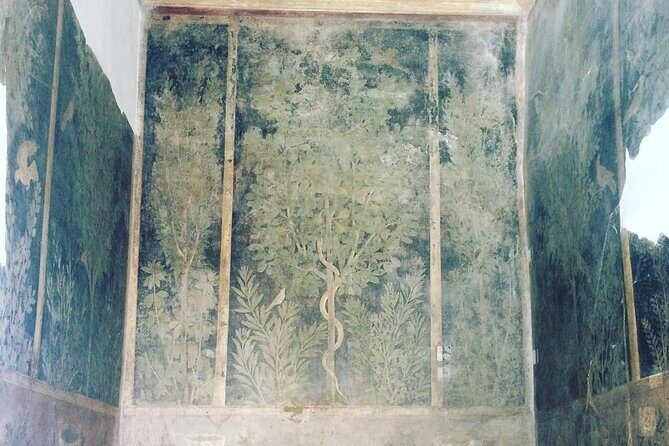
The meeting point is at the Archaeological Park of Pompeii, at the ticket office area in Piazza Esedra (80045 Pompei). You’ll start there and the tour ends back at the meeting point, so you’re not stuck figuring out where to regroup.
A couple practical points that affect your day:
- Your booking includes a mobile ticket, and the tour is offered in English.
- Biglietti d’ingresso (park admission) are not included, so you should plan to buy the site ticket yourself before or at entry.
- The tour is near public transportation, which helps if you’re using trains or buses to reach Pompeii.
In the experience I’m describing, the guide approach matters. Margherita has a reputation for helping people get sorted at the entrance—so even though you still handle admission, you’re not walking in blind. That can save time and reduce stress, especially when you’re trying to beat the feeling of being overwhelmed.
Also, remember this is a good-weather type of tour. If weather is poor, the experience can be canceled and you’ll be offered another date or a refund.
What you’ll see inside Pompeii’s best preserved Roman city
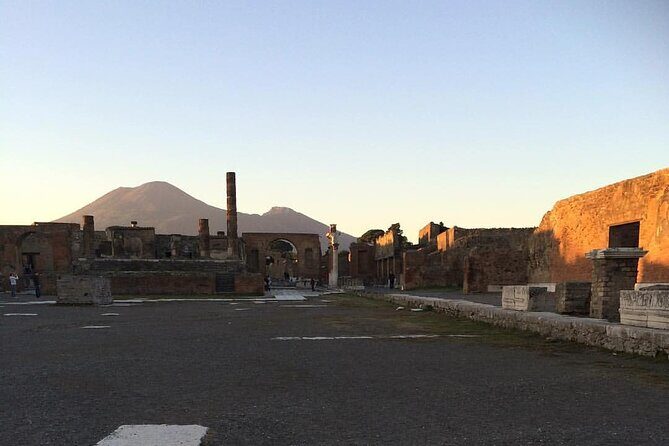
Your walking tour stays inside the Archaeological Park of Pompeii for the full about 2 hours. That means you get one continuous experience instead of bouncing around. The route is designed to cover a set of core Pompeii themes—public life, home life, and the spaces that shaped daily routines.
Original theatres, shops, and Roman homes with frescos
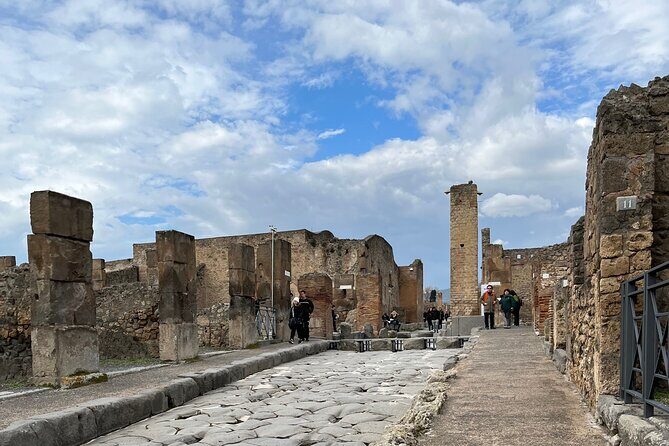
Early on, you focus on the parts of Pompeii that help you visualize everyday city life. The tour includes original theatres, and that’s a big deal because theatres aren’t just architecture—they show how people gathered for entertainment. You also get shops and houses, including areas decorated with frescos and marble.
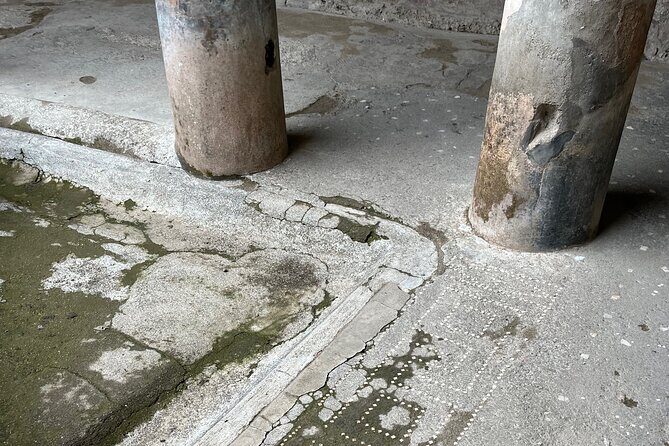
This is where having a guide really matters. Without help, you can walk past decorated surfaces and just register them as old. With a guide, you learn how to read the space: what a room function suggests, how decoration signals status or taste, and how the layout hints at how people moved through their day.
The city’s streets become a story
The tour is set up so Pompeii feels like more than a burial site or a photo backdrop. Instead, the guide connects places to the Roman rhythms you’re learning about. You’ll hear how the city was destroyed in 79 A.D., and then you’ll “switch gears” into what life looked like before that moment—food, baths, recreation, and social entertainment.
Even the fact that Pompeii is described as the best preserved Roman city sets expectations. You’re not looking at fragments. You’re looking at a place that lets you understand what stood where and how it was used.
Other walking tours we've reviewed in Pompeii


How Roman daily life shows up: food, bathing, and routines
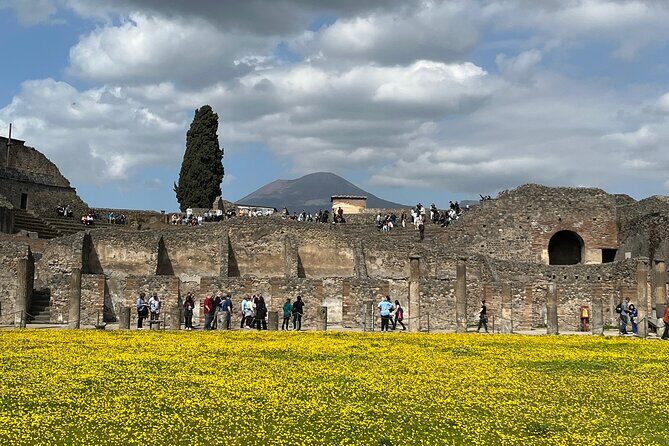
This tour doesn’t treat Pompeii like a museum display. It’s structured around “how did they live?” That’s why the itinerary is built around spaces tied to routine: where people ate, how bathing worked, and where entertainment and exercise fit into the day.
Food and everyday life, not just facts
You’ll learn about what kind of food the Romans had and what that means for daily living. I like this angle because it’s practical. Food connects time periods instantly. When you understand what people ate and how daily life ran, the buildings stop feeling like random stops and start feeling like a functioning neighborhood.
Thermal baths and how they worked
The tour includes the thermal baths. Baths in Pompeii are more than a cool photo opportunity; they’re a social and routine hub. A guided explanation helps you understand the flow of the space—how people used areas and why baths were such a central part of life.
If you’ve ever visited a historic site and thought, I see rooms, but I can’t picture the action—this part helps fix that. The guide’s job is to put you inside the routine, so Pompeii stops being a list of monuments.
Gladiators’ gym and the entertainment side of Pompeii
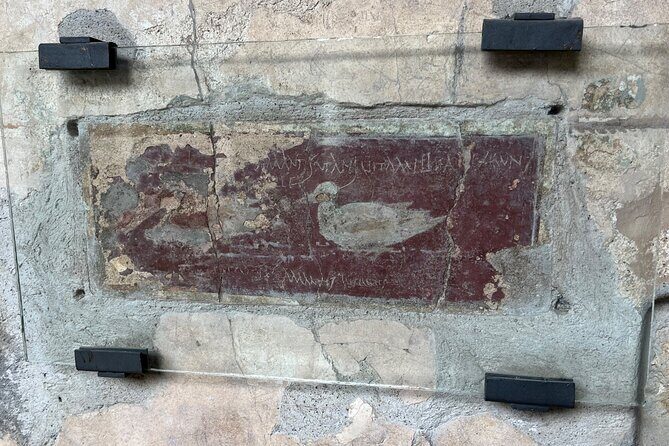
Pompeii isn’t only about work and daily routines. You’ll also look at the parts of town tied to spectacle and fun—because Romans definitely knew how to enjoy themselves.
Gladiators’ gym
The tour highlights the gladiators’ gym. Even if you know the broad idea of gladiators, a Pompeii stop-by-stop explanation is a different level. You’re seeing where training and performance culture intersect with public space, not just hearing a general history of gladiators.
This is the kind of stop that benefits from a guide because the gym setting becomes more meaningful when it’s tied to training, discipline, and the city’s entertainment world.
How Romans had fun
You’ll also explore the Roman idea of fun—how people spent free time and what “entertainment” meant in that environment. The descriptions build a picture of leisure that goes beyond the theatre. That balance is key in only two hours: you want a mix of public amusement, home life, and routine spaces like baths.
The Margherita factor: what makes the experience feel different
This tour is offered by Bites of History with Margherita, and the guide style is the reason people come away impressed. Across the feedback, Margherita is repeatedly described as engaging, funny, professional, and strongly passionate about the work.
Here’s what that translates to for you on the ground:
- You get an explanation that keeps moving, so you’re not stuck listening to long stretches of names and dates.
- You hear anecdotes that feel like they belong to the place, not to a textbook.
- The tour stays interactive, so questions and curiosity aren’t treated as interruptions.
One especially practical detail: Margherita has helped visitors get tickets and get oriented at entry. Since park admission isn’t included, that support matters. It reduces the friction of planning your entry and helps you start the walk without losing momentum.
Margherita also adds Neapolitan context and practical Naples tips. That’s not essential for understanding Pompeii, but it’s genuinely useful if your trip includes time in Naples—because you’ll leave with ideas for what to eat and where to look next.
Price and value: $60.08 for a guided walk, plus park admission
The cost is $60.08 per person for an approximately 2-hour walking tour with a licensed guide. Since this is a private experience, you’re paying for time with a pro, not for a seat on a shared group bus.
The big value trade-off is simple:
- Included: licensed tour guide for the full 2 hours
- Not included: Pompeii park admission tickets
So your real budget is the tour price plus the site entry ticket. If you’re traveling with someone else, the “private” part can feel like better value than a standard group tour, because you’re not splitting attention across many people.
If you’re short on time, the math is also comforting. Two hours is enough to get a meaningful guided overview and come away with a coherent sense of how Pompeii worked as a city.
Who should book this Pompeii tour

This is a great match if:
- you want a guided, focused Pompeii experience without spending all day
- you’re visiting for the first time and want help understanding what you’re seeing
- you like a guide who uses stories and details to make places feel real
- you prefer private pacing and better opportunities to ask questions
You might rethink it if:
- you’re determined to see every major building and want a full-day plan
- you hate the idea of coordinating admission tickets separately
- weather could be a problem for your travel dates (the experience requires good weather)
Quick practical tips before you go
Since this is a walking tour inside a large archaeological park, plan for steady walking and bring what you need to stay comfortable. Also, arrive at the Piazza Esedra ticket office area meeting point, not at a random gate. That small choice prevents a lot of wasted time.
Because the tour needs good weather, check the forecast for your time window. If conditions are poor, you may be offered another date or a refund, so flexibility helps.
Finally, keep your expectations aligned: in two hours, your guide will prioritize the places that build the clearest picture of Roman daily life—theatres, shops, houses with frescos and marble, thermal baths, and the gladiators’ gym.
Should you book this Pompeii walking tour?
If you want Pompeii to feel like a city instead of a checklist, I’d book this. The private 2-hour format is ideal when you want to learn fast, ask questions, and walk away with a real mental map of Roman life—especially with Margherita’s lively, story-driven guiding style.
Just remember the one practical catch: the price covers the guide, so budget for park admission tickets separately. If you handle that, you’ll get a focused, high-value walk through Pompeii’s best preserved Roman streets, not just a stroll with no context.
FAQ
How long is the Pompeii walking tour?
The walking tour lasts about 2 hours.
Is the Pompeii archaeological site admission included in the price?
No. The tour price includes the licensed guide, but the park admission tickets are not included.
What language is the tour offered in?
The tour is offered in English.
Where do we meet for the tour?
You meet in front of the ticket office at the Archaeological Park of Pompeii in Piazza Esedra (80045 Pompei).
Is this a private tour?
Yes. It’s a private tour/activity, and only your group participates.
When will I get confirmation, and what if the tour can’t run?
You should receive confirmation within 48 hours of booking, subject to availability. The experience requires good weather; if it’s canceled due to poor weather, you’ll be offered a different date or a full refund. If a minimum number of travelers isn’t met, you’ll also be offered a different date/experience or a full refund.