REVIEW · POMPEII ARCHAEOLOGICAL SITE
Pompeii Ruins Private Tour with Optional Skip-the-Line Entry
Book on GetYourGuide →Operated by Tempio Travel Pompei Tickets · Bookable on GetYourGuide
Pompeii hits fast. This private tour is built for quick payoff: skip-the-line entry plus a guide who puts real people back into the streets of a city buried in 79 AD. The only catch is time—2 hours means you’ll focus on key highlights, not the entire site.
I especially like that you’re not just looking at ruins. You’ll walk down the Greco-Roman streets and get context for how a provincial Roman town worked—life, laws, daily routines, and the shock of the eruption. It also helps that the tour is private, so your guide can steer you around slow moments and keep the story moving.
One possible drawback to plan around: the pace can feel brisk inside Pompeii, with uneven ground. If you have knee or balance issues, tell the guide early and ask for a slower rhythm.
In This Review
- Key Highlights Worth Pricing For
- Pompeii in 2 Hours: What You’ll Actually Get
- Skip the Line at Porta Marina: Your Fast Track In
- Forum and Main Square: How Roman Civic Life Worked
- Walking Greco-Roman Streets: Seeing a Daily Town, Not a Theme Park
- The Human Side: Plaster Casts and Pets
- How the Guide Changes Everything (Even in Just 2 Hours)
- Pace, Uneven Ground, and a Reality Check
- Timing Tips: When Two Hours Feels Short (and When It Doesn’t)
- Practical Stuff You Should Know Before You Go
- Who This Pompeii Tour Fits Best
- Should You Book This Pompeii Private Tour?
- FAQ
- How long is the Pompeii private tour?
- How many people are in a private group?
- Does the tour include skip-the-line entry?
- What parts of Pompeii does the guide focus on?
- What language options are available for the guide?
- Is luggage allowed inside Pompeii for this tour?
Key Highlights Worth Pricing For
- Skip-the-line time savings so you spend more time in the ruins and less time queueing
- Porta Marina access to one of Pompeii’s original city entrances
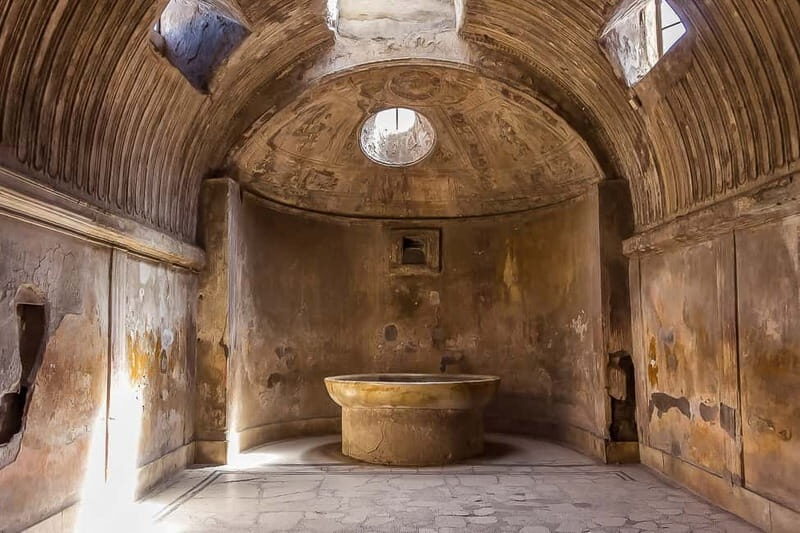
- Forum, temples, porticoes, and law courts for a clear picture of civic life
- A guide who connects the dots between excavation discoveries and everyday Roman living
- Plaster casts and pets that make the tragedy personal, not just educational
- Private group up to 8 for questions, pacing, and a more flexible visit
Pompeii in 2 Hours: What You’ll Actually Get
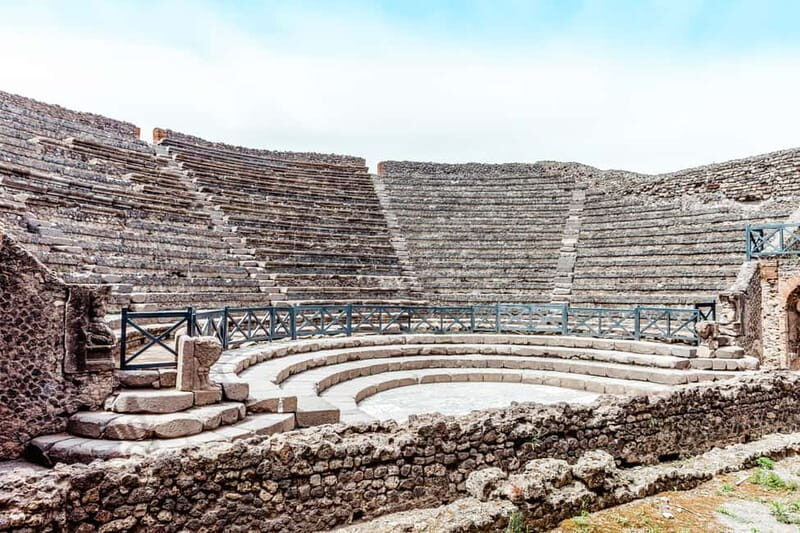
Pompeii is big. Like, big-big. Even if you’re fit and fast, you can’t realistically cover everything in a short window, and that’s exactly why a focused private tour makes sense. In about two hours, you’ll concentrate on the parts that best explain how the city functioned: entrances, public spaces, and the civic center.
Think of this tour as your orientation layer. You’re learning the geography of Pompeii and the rhythm of Roman life—how people moved through streets, what the main square meant, and how public buildings shaped daily routine. Then, if you still have energy after, you can roam on your own with a much better mental map.
If you're still narrowing it down, here are other tours in Pompeii Archaeological Site we've reviewed.
Skip the Line at Porta Marina: Your Fast Track In
The headline value here is the skip-the-line EXPRESS ticket, which depends on the option you choose. That matters because Pompeii’s entry can eat your time, especially during busy hours. When you cut the wait, you get to start your walking earlier—so your two-hour window isn’t chopped up by lines and ticket checks.
You also get access to Porta Marina, one of the city’s original entrances. This is the kind of stop that feels small until your guide explains why it’s important. City gates aren’t just doors in stone; they were where movement happened—people coming in, goods moving through, and the daily flow of a working town.
Practical tip: don’t show up thinking you’ll walk straight into the ruins. The meeting point can vary, and one helpful detail to remember is that you may need to go to the tour office first (outside the ruins) before you head in.
Forum and Main Square: How Roman Civic Life Worked
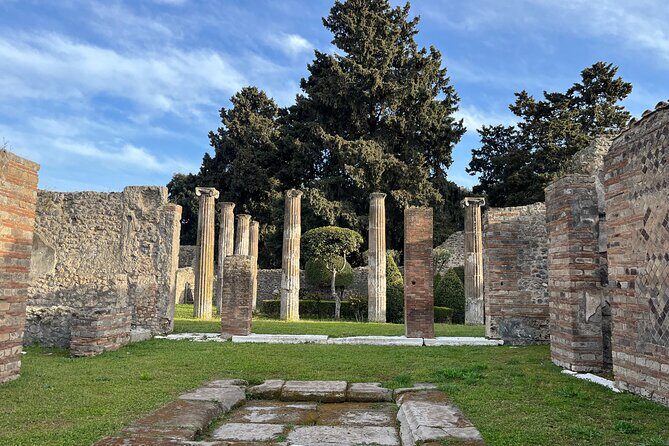
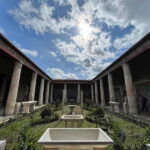
Once you’re in, the tour’s core story centers on Pompeii’s public heart: the Forum, main square, and the surrounding civic buildings. The Forum is where you see how the city organized itself—rules, status, religion, and community decisions all packed into one central zone.
What I like about this stop in a guided format is the way it turns scattered ruins into a working plan. You’re not just looking at stones; you’re learning why the buildings faced the way they did, how porticoes shaped movement and shade, and how law courts fit into public life. The guide can also connect the architecture to the idea of a provincial town acting like a mini version of Rome.
If you like “how society worked” more than “what it looked like,” you’ll get a lot out of this portion—temples, law courts, and the open civic space give you the framework for understanding the city.
Walking Greco-Roman Streets: Seeing a Daily Town, Not a Theme Park
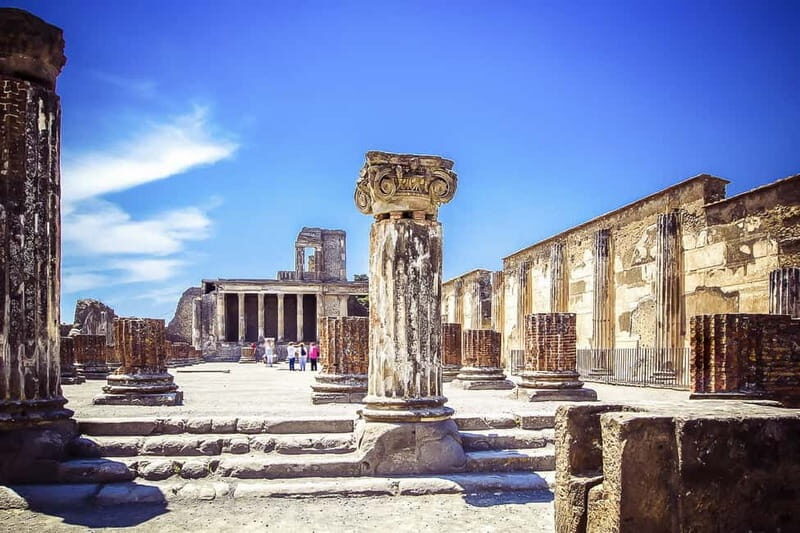
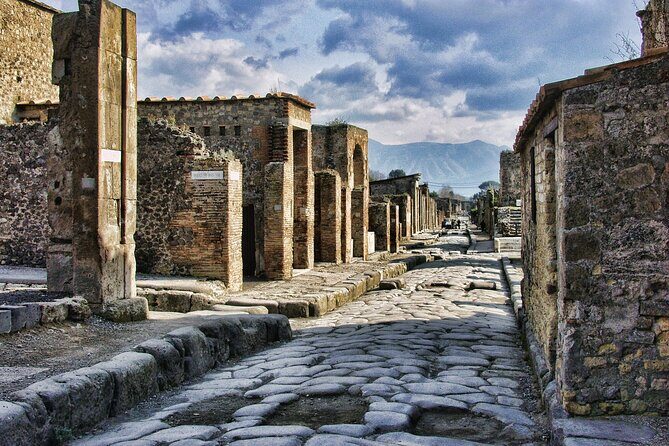
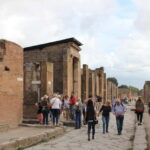
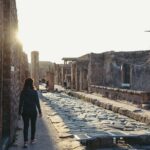
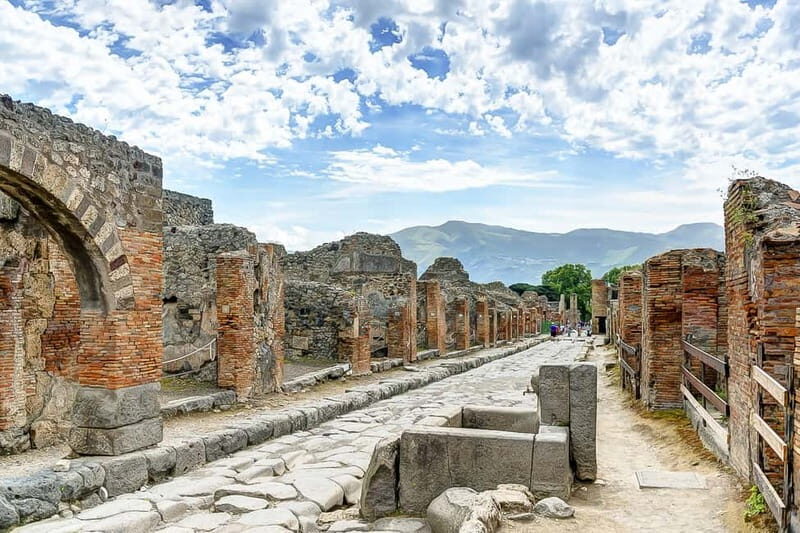
Pompeii stands out because it wasn’t built as a museum. It was an everyday city—full of habits, errands, work, and social life—until the eruption froze it. On this tour, you’ll walk down Greco-Roman streets designed for that kind of routine.
Your guide’s job here is to make the layout and the human scale click. You’ll get explanations for how a provincial Roman town functioned with about 20,000 residents, and how the eruption changed everything. The tour’s key detail is the human math: roughly 2,000 people perished, and the city was buried under around 20 feet of ash and pumice. That helps you understand why Pompeii feels so brutally specific—everyday objects survived in the conditions that preserved them.
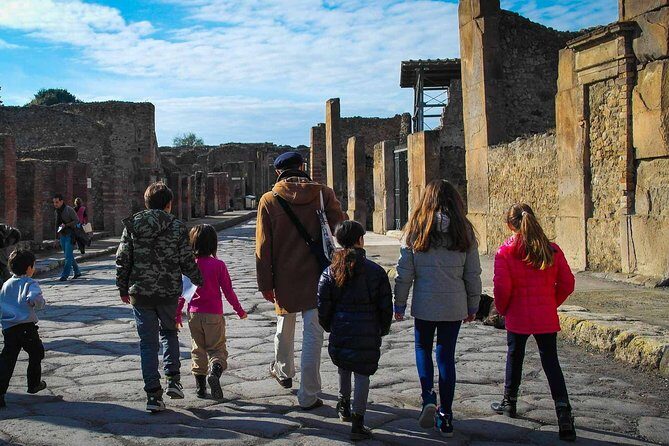
Also, private-guided walking is where you’ll notice the difference between doing Pompeii solo and doing it with a plan. Your guide can point out what’s worth stopping for and what to let slide, so you don’t spend your limited time hunting for meaning.
The Human Side: Plaster Casts and Pets
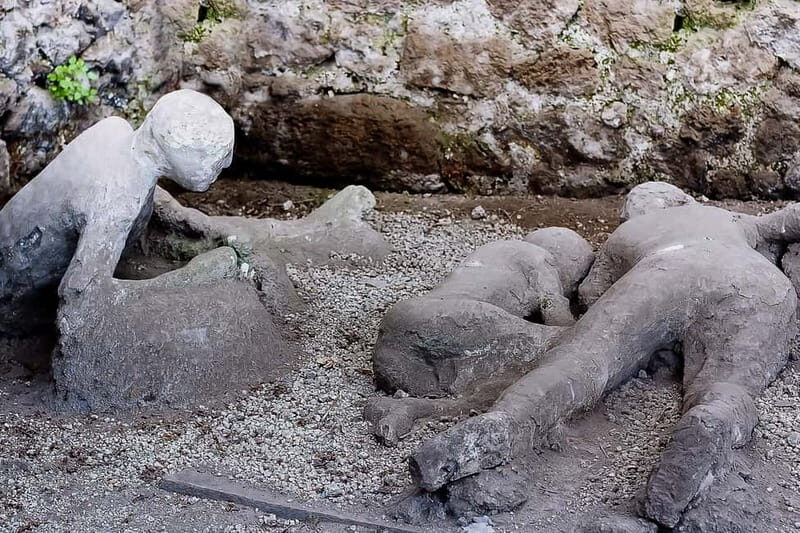
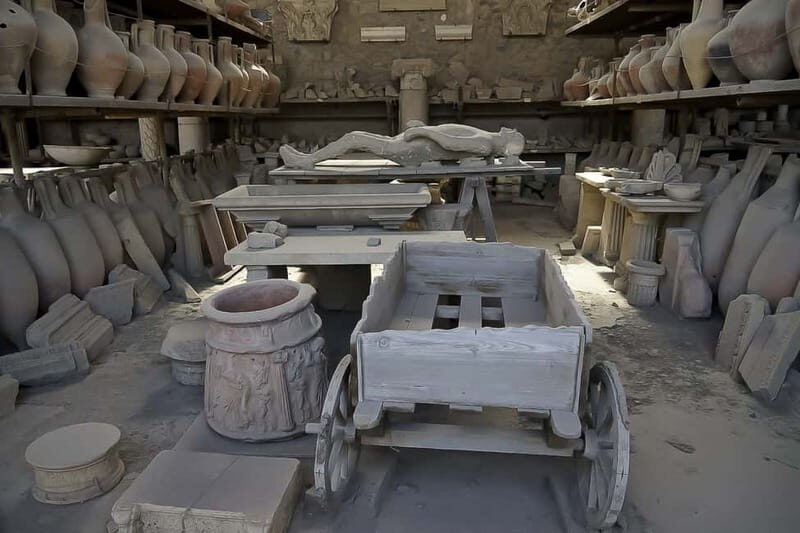
One of Pompeii’s most haunting aspects is what the excavations revealed after all the chaos. This tour includes time for the most poignant impressions of the disaster—especially the plaster cast models created from the remains of Pompeii citizens.
What makes these casts hit hard is that they are specific. You’re not just hearing about tragedy in general terms. You’re seeing the shape of people’s final moments, and yes, even the presence of pets is part of the story.
If you’re the type who gets moved by the emotional weight of history (and not only the big facts), these moments are usually what stays with you after you leave. And because the tour is guided, you’ll understand what you’re looking at instead of just thinking it’s “a weird mold.”

How the Guide Changes Everything (Even in Just 2 Hours)
This is a private group tour, and the guide is a major part of why it earns such strong marks. Names that come up often include Imma, Marina, Daniella, Giulia, Irene, Rossella, Giro, Francesca, Carmen, and Alexandra. While every guide has their own style, the common thread is clear: they focus on turning Pompeii into something you can follow.
In practical terms, that means:
- Your guide can explain Roman life through concrete examples, not just dates.
- They can keep the tour from turning into a fast stampede through rubble.
- You can ask questions on the spot, which helps a lot if you’re traveling with teens or mixed-interest companions.
One bonus detail I like from the experiences shared with the tour: some guides are willing to adjust your day’s flow. For example, there’s mention of guides adapting the end so you can rest before further exploring (like connecting to other Pompeii sites on your own). If you’re aiming for specific extras such as the Villa of Mysteries, you may need a separate ticket (often referred to as a Pompei Plus option).
Pace, Uneven Ground, and a Reality Check
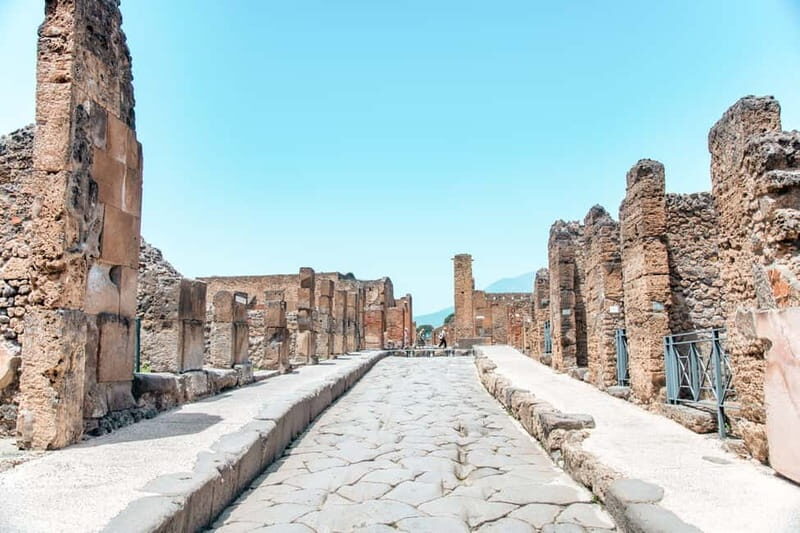
Pompeii is outdoors, and the ground can be uneven. In at least one experience, a guest with a knee issue felt that the pace didn’t match their needs. That doesn’t mean the tour is unsafe or wrong for everyone—but it does mean you should plan for the fact that two hours at Pompeii can feel like a sprint if you’re not used to navigating ruins.
Here’s what I’d do to protect your comfort:
- Tell your guide about any mobility issues before you start.
- Ask for a slower rhythm and for a chance to pause.
- Bring a small first-aid mindset. At least have basics like bandages or any personal meds you rely on.
If you want a smooth day, treat this tour as a guided route with stops for meaning, not a leisurely stroll where every stone gets equal time.
Timing Tips: When Two Hours Feels Short (and When It Doesn’t)
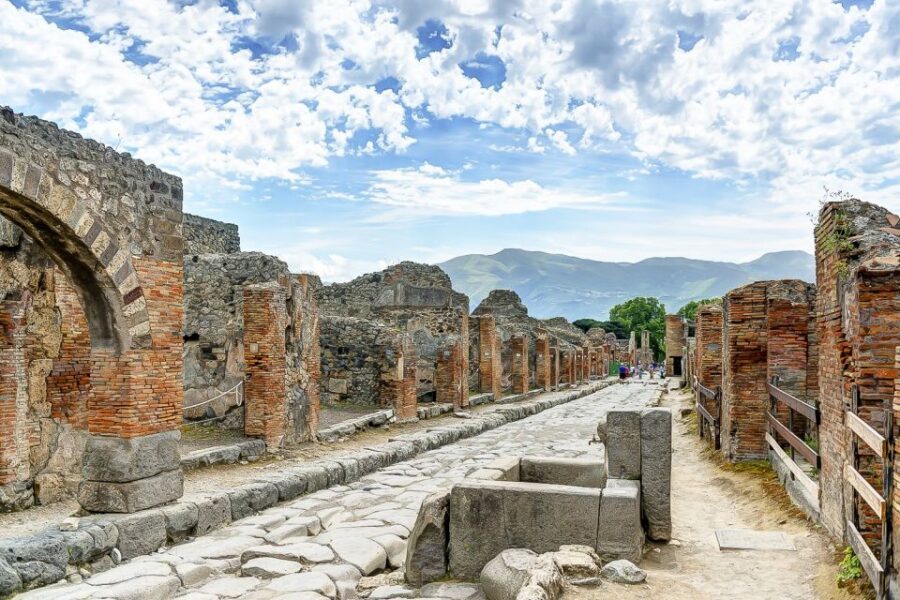
This tour is only two hours, but it’s built to be efficient. You’ll hit major landmarks tied to Pompeii’s daily story: Porta Marina, the Forum, and surrounding civic structures like temples, porticoes, and law courts.
Two hours will feel perfect if:
- You want a guided path through the highlights.
- You’re okay with seeing “the important parts” rather than the entire site.
- You’d rather leave Pompeii with understanding than with a to-do list of what you missed.
Two hours might feel tight if:
- You expect to wander constantly on your own between stops.
- You want deep time in every room and building (Pompeii doesn’t do that in a short visit).
- You’re arriving late or dealing with long gaps before your start.
Practical Stuff You Should Know Before You Go
This tour is private, and the price is set per group up to 8 people. At $254.89 per group, it can be a strong value if you travel with friends or family and split the cost. If you max out the group size, the per-person math gets much easier; if you’re traveling as a duo, it’ll feel more like a “pay for convenience” option.
Access and what to bring:
- Bring passport or ID card.
- No luggage or large bags are allowed.
- You’ll want basics like water, sun protection, and shoes with grip.
- Free parking is included if available, which can help if you’re driving in the Naples/Campania area.
Languages: the live guide can be Spanish, English, French, Italian, or German. If you prefer English (or any listed language), double-check the option when you book.
Special note on entry pricing: on the first Sunday of each month, entrance is free, but tickets can’t be reserved ahead of time, so entry isn’t guaranteed. If your travel date lands on that day, plan as if you might not get the free-entry advantage.
Who This Pompeii Tour Fits Best
This tour fits people who want Pompeii to make sense fast. It’s ideal if you:
- Have limited time and want the highest-impact sights.
- Want a private guide rather than a big group.
- Travel with teens who need stories and context to stay engaged.
- Prefer practical explanations over wandering with no plan.
It can be a little less ideal if you’re the type who wants to stop everywhere, read every sign, and take long breaks with no structure. In that case, Pompeii’s size will win, and you’ll likely feel rushed unless you’re careful about pacing.
Should You Book This Pompeii Private Tour?
If you care about value for time, I’d book it. The combination of private guiding, a 2-hour focused route, and skip-the-line EXPRESS entry is exactly what helps Pompeii feel manageable. You’ll leave knowing where you walked and why it mattered—plus you’ll get the emotional punch of the plaster casts without turning the visit into a confusing scavenger hunt.
Skip booking only if:
- You want to see absolutely everything and have a full day to spare.
- You need a very slow, low-mobility pace and don’t feel comfortable navigating uneven outdoor ruins.
- You’re already planning to spend hours reading on your own and don’t care much for context.
For most visitors, this is a smart way to get Pompeii’s main message in a short visit: an everyday Roman city, frozen in ash, then brought back to life through excavation—and through a guide who can tell the story while you walk it.
FAQ
How long is the Pompeii private tour?
The tour lasts 2 hours. Starting times vary by availability.
How many people are in a private group?
It’s priced per group up to 8 people.
Does the tour include skip-the-line entry?
Yes. You get a skip-the-line EXPRESS ticket, depending on the option chosen (or added in the option with no tickets).
What parts of Pompeii does the guide focus on?
The tour highlights include Porta Marina, the Forum (Main Square), and surrounding temples, porticoes, and law courts.
What language options are available for the guide?
The live tour guide is available in Spanish, English, French, Italian, and German.
Is luggage allowed inside Pompeii for this tour?
No. Luggage or large bags are not allowed. You should plan to travel light.