REVIEW · POMPEII ARCHAEOLOGICAL SITE
2-Hour Private Walking Tour of Pompeii
Book on GetYourGuide →Operated by Leisure Italy · Bookable on GetYourGuide
Pompeii hits you fast. This tour helps you see it clearly. You’ll cover a lot of ground in two hours with skip-the-line entry and a private guide, then walk through key streets and buildings frozen since 79 AD, from the Forum to everyday food spots.
I especially love the details you notice when someone points them out: the original volcanic basalt road and the little white travertine dots that once helped bounce torchlight. I also like how the tour mixes “big monuments” with daily life, including a stop at Pompeii’s bakeries and the Roman equivalent of fast food.
One possible drawback: it’s not a long, slow wander. Two hours moves quickly in a huge site, and the operator notes it’s not suitable for wheelchair users and people with mobility impairments.
In This Review
- Pompeii in Two Hours: The Best Parts You Don’t Want to Miss
- Key Points at a Glance
- Starting at Café Hortus Pompeii and Getting Your Bearings Fast
- Skip-the-line Entry: What It Really Buys You at Pompeii
- The Volcanic Basalt Road: Seeing the Street Before You See the Buildings
- Forum Time: Temple of Apollo, Capitolium, Emperor’s Temple, and the Basilica
- Macellum Market and the Real-World Business of Roman Pompeii
- Bakeries and Roman Fast Food: Carbonized Bread You Can Still Smell Through History
- Pompeii in a Freeze Frame: Human Casts and the Moment the Town Stopped
- The Former Red Light District: Erotic Frescoes and Roman Everyday Attitudes
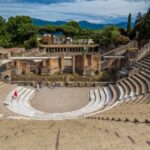
- Theaters Pick: Which One You’ll See and Why It Matters
- Private Guide, Flexible Route: How Tailoring Works in Real Life
- Price and Value: Is $175.22 Worth It for a 2-Hour Private Walk?
- Who Should Book This Pompeii Tour (and Who Might Skip It)
- Should You Book This Private Walking Tour of Pompeii?
- FAQ
- How long is the Pompeii private walking tour?
- What does the skip-the-line ticket cover?
- Where do I meet the guide?
- What’s included in the tour?
- How big is the group?
- What languages are available for the live guide?
- Is the tour wheelchair-friendly?
- Are there any dates when entry is free?
Pompeii in Two Hours: The Best Parts You Don’t Want to Miss
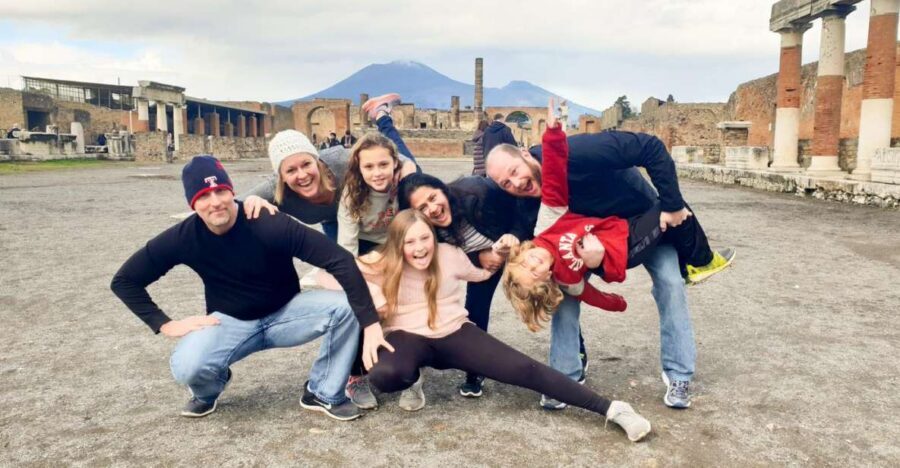
This is a smart choice if you want structure without feeling herded. You’ll start at Café Hortus Pompeii (in front of the entrance at Via Villa dei Misteri 2, Pompeii Archaeological Park). From there, your guide steers you through the city’s core—religion, administration, commerce, entertainment—while keeping the walk within a manageable 2-hour window.
The group stays small (limited to 10 participants). The guide works in Spanish, English, French, or Italian, and the route can flex based on your interests and physical ability. That last part matters at Pompeii, where one person’s “quick stop” might be another person’s “I need a little time.”
Key Points at a Glance
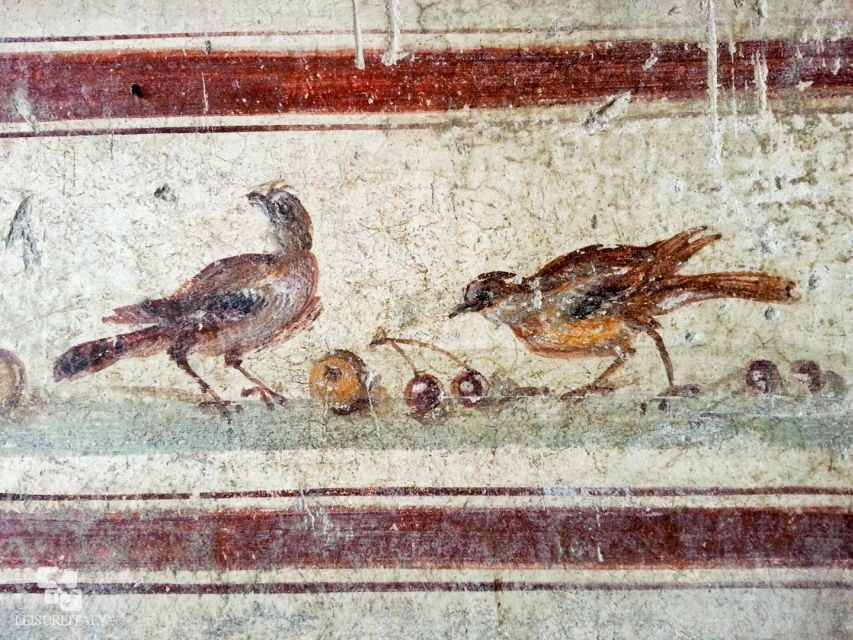
- Skip-the-line tickets help you spend more of your limited time inside the city walls.
- Basalt road + torchlight details turn a simple walk into something you can actually picture.
- Forum focus means you’ll see major religious and civic buildings like the Temple of Apollo and the Basilica.
- Bakeries stop connects ruins to daily routines, including carbonized bread found during excavations.
- Erotic frescoes + theaters give you the full Roman mix: work, entertainment, and private life.
- Human casts show the eruption’s impact in an unforgettable, specific way.
If you're still narrowing it down, here are other tours in Pompeii Archaeological Site we've reviewed.
Starting at Café Hortus Pompeii and Getting Your Bearings Fast
The meeting point is easy to find: Café Hortus Pompeii, right by the entrance at Via Villa dei Misteri 2. I like tours that start like this, because it reduces the “where are we” stress before you even begin walking. You’ll return to the same spot at the end, so you’re not left figuring out transportation or a second pickup.
A two-hour schedule sounds tight, but with the right guide, it becomes a highlight sprint with context. Your guide aims to include at least one example from each type of building—so you don’t end up only seeing temples, or only seeing streets and homes. Even the walking route is part of the story.
Skip-the-line Entry: What It Really Buys You at Pompeii
When time matters at a big site, skip-the-line entry is not just a perk—it’s usually the difference between feeling rushed and actually enjoying what you see. Here, your tickets are described as Pompeii Express skip-the-line passes, and they allow you to visit the areas within the city walls.
That means you’re not wasting the first part of your visit stuck waiting. You can move toward the most memorable parts sooner: the Forum area, the everyday commercial zones, and the entertainment stops like the theaters. For a 2-hour tour, that speed is the point.
The Volcanic Basalt Road: Seeing the Street Before You See the Buildings
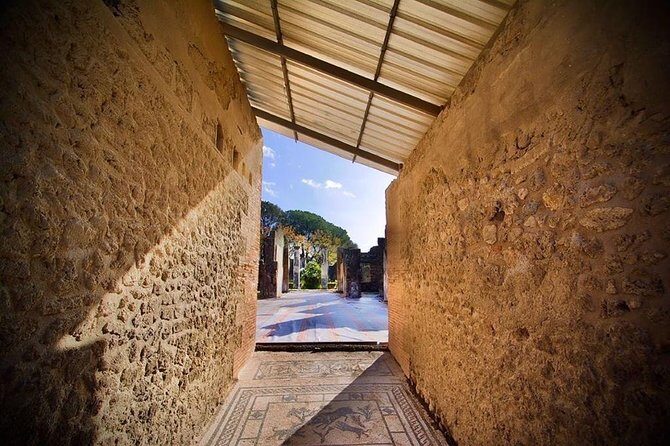
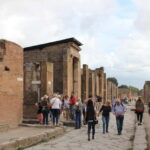
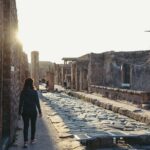
One of the most memorable parts is also one of the simplest: you’ll walk along the original road made of volcanic basalt rock. This isn’t just a nice detail for history buffs. The road design helps you understand how Pompeii worked day to day.
Your guide points out the little white travertine spots that once reflected torch light. Picture someone walking at night—these reflective patches would have made streets feel more usable and safer. You’ll also see big basalt blocks that emerged from the road, used by pedestrians as a kind of impromptu “dry-footing” option when it rained.
The street-level view is where Pompeii stops feeling like a museum model and starts feeling like a living town. And it sets you up to notice the same practical thinking in the buildings you’ll hit next.
Forum Time: Temple of Apollo, Capitolium, Emperor’s Temple, and the Basilica
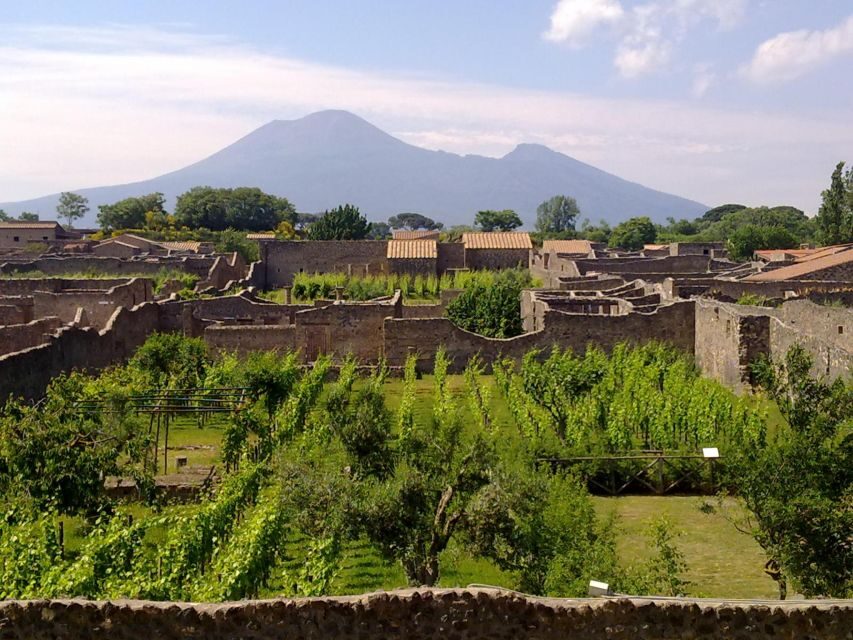
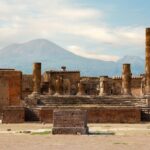
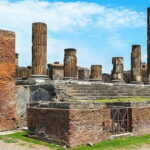
The Forum is the “main character” area for religion, trade, administration, and politics. You’ll walk through the core civic and ceremonial spaces and get a sense of how public life was organized.
Expect to see standouts such as the Temple of Apollo and the Capitolium. You’ll also visit the Temple of the Emperor and the Basilica—key buildings tied to how people gathered, worshipped, and conducted business. These aren’t random monuments. They’re the physical map of authority and community.
A big value of a guided walk here is interpretation. Without context, you can stand in a ruin and think, “Okay, that’s a temple.” With a guide, you start connecting the dots: which structures signaled power, which spaces hosted everyday transactions, and why the layout mattered for a town that ran on routine.

Macellum Market and the Real-World Business of Roman Pompeii
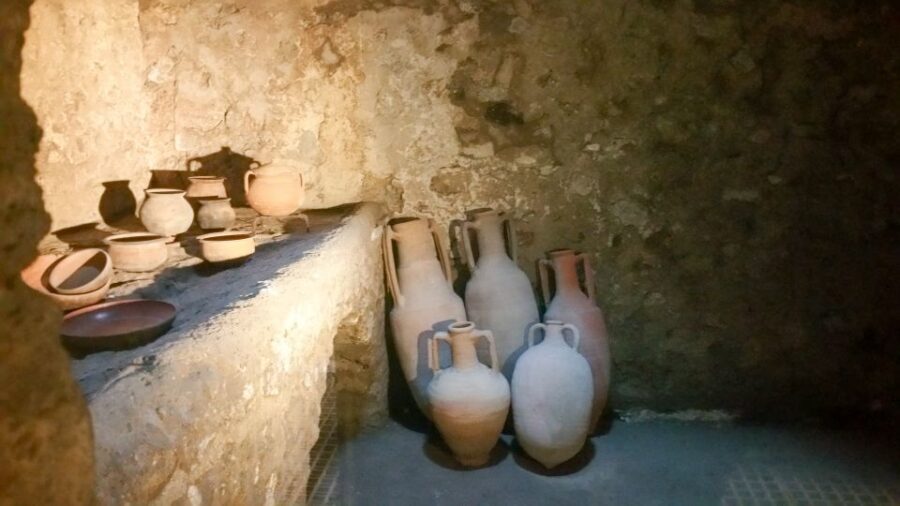
The tour also includes the Macellum, Pompeii’s market area. This is where you shift from the symbolic center of the city to the place where daily needs got met—food, supplies, and the constant exchange that kept a city moving.
The Macellum stop works well because it anchors the “big public” feeling of the Forum to real habits. When you pair civic buildings with market spaces, the town stops being only ceremonial. It becomes practical again—people buying, bargaining, and eating like people in any busy city.
Bakeries and Roman Fast Food: Carbonized Bread You Can Still Smell Through History
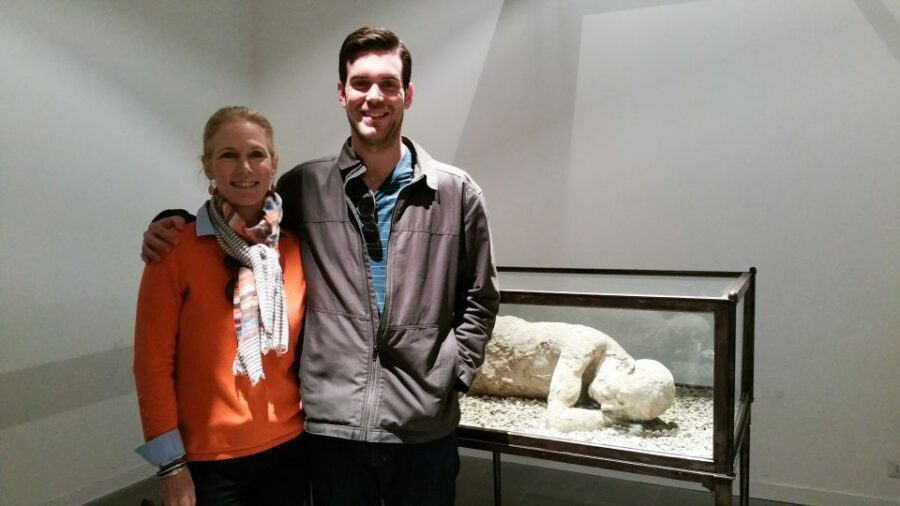
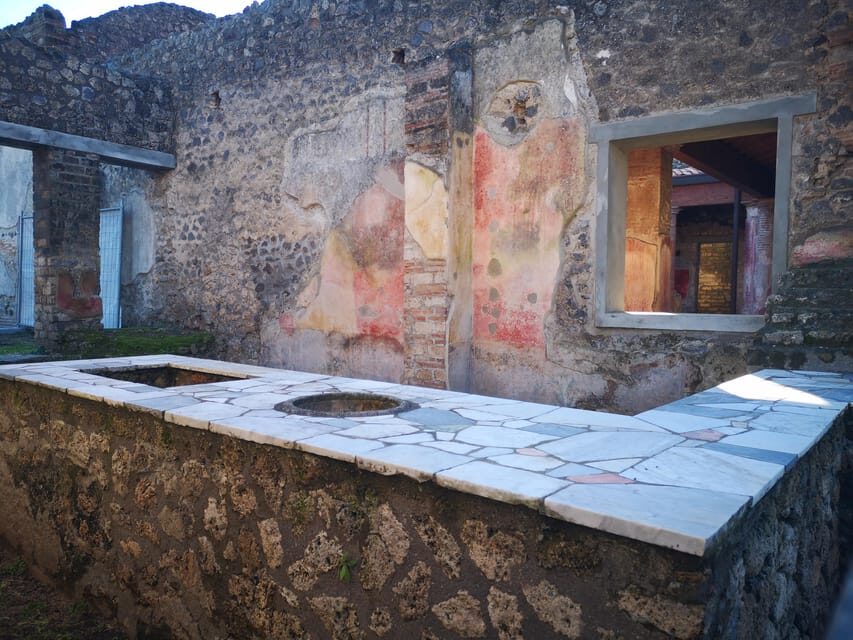
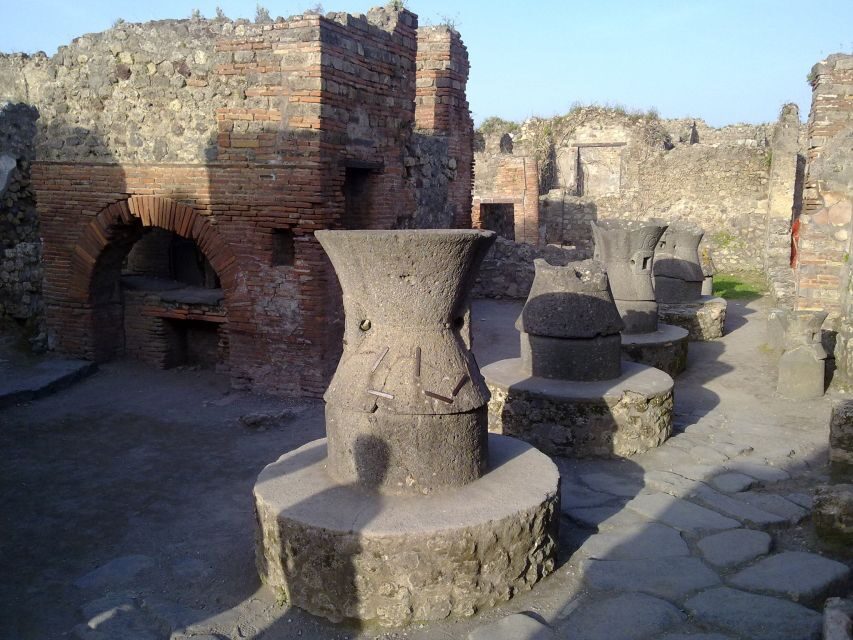
One of the best stops is the bakery experience—because it’s so human. You’ll see one of Pompeii’s bakeries and learn about carbonized loaves of bread found during excavations. Even if you can’t literally smell the old ovens, the idea lands: this was a working food system, not a decorative set piece.
Your guide frames it as the Roman equivalent of fast food. That wording is useful because it helps you imagine how people fit meals into their day. In a two-hour tour, this matters: it gives you a break from only temples and theaters and returns you to the stuff that most people cared about every day—what to eat and where to get it.
Pompeii in a Freeze Frame: Human Casts and the Moment the Town Stopped
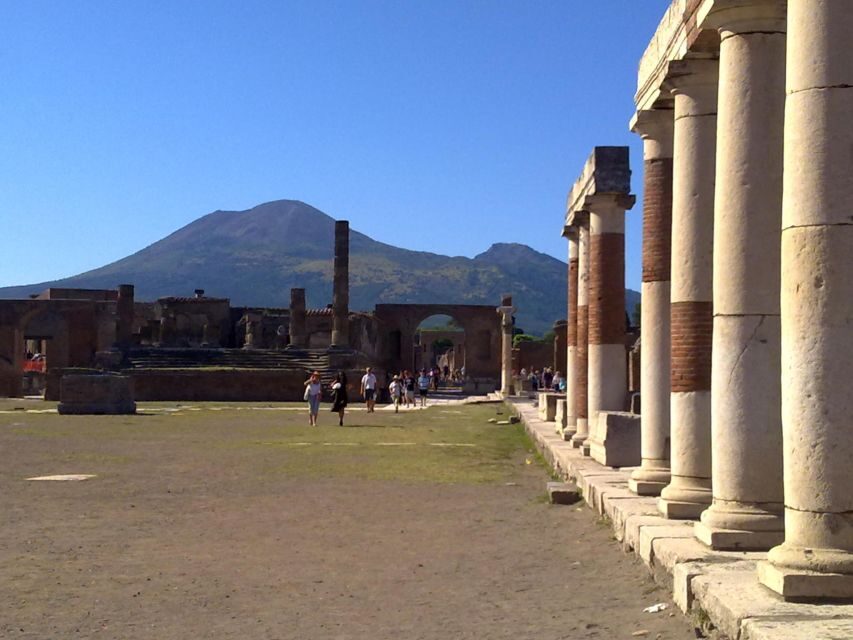
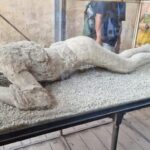
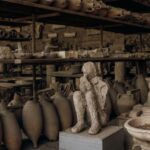
You’ll also see a display of human casts—impressions of Pompeii residents caught by the eruption in the exact poses they died. This is one of those segments that changes the emotional temperature of the walk.
It’s not just dramatic. It’s specific. The value is clarity: you’re not left with a vague story about destruction. You see how the eruption played out in real bodies and real moments. It’s heavy, but it helps your whole visit make sense.
The Former Red Light District: Erotic Frescoes and Roman Everyday Attitudes
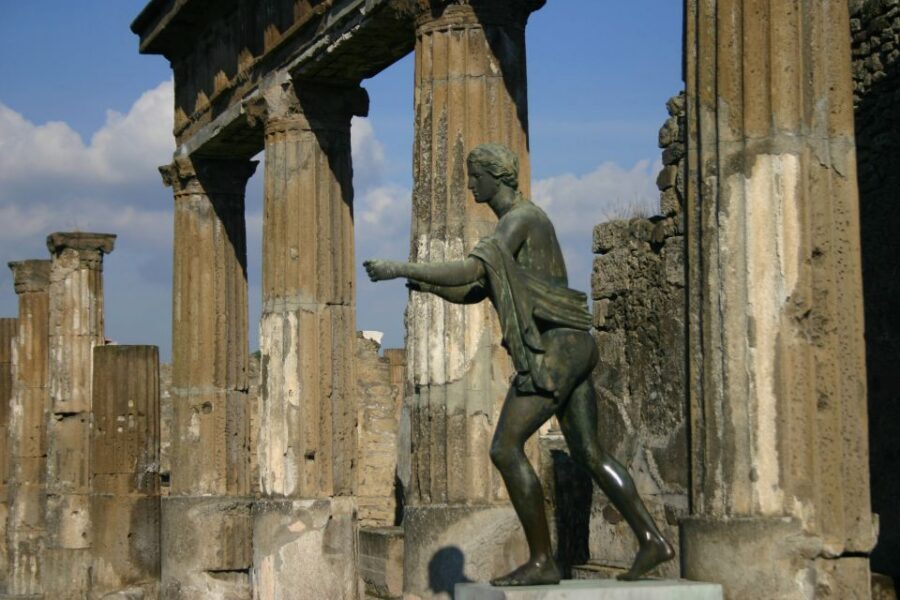
Later, the tour heads toward Pompeii’s former Red Light District. Here you’ll see Roman frescoes of erotic images.
This stop can surprise people—mostly because we tend to treat ancient art like it’s either “serious” or “safe behind glass.” Pompeii reminds you that people also lived with humor, desire, and private culture. In other words: it’s not all politics and bread. There were street-level realities too.
Theaters Pick: Which One You’ll See and Why It Matters
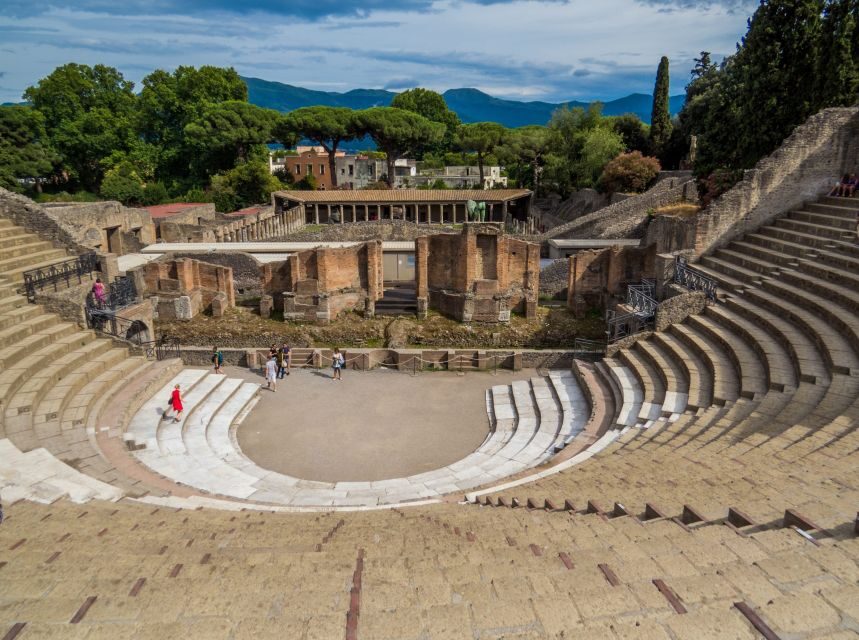
Pompeii has three theaters, and your tour will visit one of them. The key detail is that each theater fits a different kind of performance:
- an outdoor arena for public performances
- an indoor theater for mime and poetry
- an outdoor theater for tragedies and comedies
I like this setup because it prevents the tour from feeling repetitive. Even if you’ve read about Roman theater, seeing the space and hearing what it was used for gives you a better feel for Roman entertainment culture—and how performance was part of daily public life.
Private Guide, Flexible Route: How Tailoring Works in Real Life
Tours promise flexibility, but the real question is whether it actually affects your experience. In this case, it does because the itinerary is described as adjustable based on your interests and physical ability.
You also get the benefit of a guide working with a small group (up to 10 people). That size keeps the conversation moving without feeling like you’re stuck listening to one loud voice in a crowd. If you want more time on the Forum buildings or more time on the daily-life stops, the guide can typically adjust within the two-hour window.
One note to keep your expectations aligned: the operator states it’s not suitable for wheelchair users and for people with mobility impairments. Still, there’s an example of a guide being flexible about pace for someone dealing with longer stretches. That tells me the guide can think on their feet with movement comfort—but it doesn’t change the overall suitability limits. Wear comfortable shoes, and plan on real walking.
Price and Value: Is $175.22 Worth It for a 2-Hour Private Walk?
At $175.22 per person for a 2-hour private walking tour, you’re paying for three things that matter in Pompeii: time, interpretation, and convenience.
First, you’re not just getting a map. You’re getting a guide who can point out specifics—the basalt road, torch-reflecting travertine spots, the logic behind the market and the Forum, and the meaning of the human casts. At Pompeii, details are the difference between “I saw ruins” and “I understood a town.”
Second, skip-the-line entry is a direct time saver. For a two-hour tour, that’s not a luxury. It’s how you actually fit the best parts in.
Third, the ticketing includes access that covers the areas within the city walls. That makes the visit feel more complete in the time you have.
So is it worth it? If you’re the type of traveler who wants context and hates losing an hour to logistics at major sites, I’d say yes. If you’re comfortable reading on your own, and you don’t mind waiting in lines, then the value equation changes. But if you want a guided highlight route with real meaning, this price starts to feel fair.
Who Should Book This Pompeii Tour (and Who Might Skip It)
This is a strong fit if you:
- want a guided overview of religion, markets, entertainment, and daily food
- like specific visual details (street materials, reflective stones, preserved bread evidence)
- prefer a structured 2-hour route instead of getting lost in the size of Pompeii
- want a small group with multilingual guidance (Spanish, English, French, Italian)
You may want to skip it if you:
- need wheelchair access or have mobility limitations that make long walking difficult, since it’s listed as not suitable for wheelchair users and people with mobility impairments
- want an unhurried, museum-style visit lasting far beyond two hours
Also, note the first Sunday of each month is free entry, but tickets can’t be reserved ahead of time, so entry is not guaranteed. If your date lands on that first Sunday, I’d treat it like a bonus rather than a sure plan.
Should You Book This Private Walking Tour of Pompeii?
If your goal is to see Pompeii’s most important areas without spending your visit glued to a guidebook, I’d book it. The tour’s greatest strength is how it connects street-level detail to major civic spaces, then back to everyday life—bakeries, markets, and even the theater and erotic fresco areas. That mix gives you a fuller sense of what Pompeii was like, not just what it looked like after 79 AD.
My final advice is simple: commit if you’re ready for real walking in comfortable shoes, and you want a guided route that fits into a tight schedule. Pass if mobility is an issue or if you want a slow, deep, self-paced day.
FAQ
How long is the Pompeii private walking tour?
It lasts 2 hours.
What does the skip-the-line ticket cover?
The tickets let you visit areas within the city walls, and they are described as Pompeii Express skip-the-line entry.
Where do I meet the guide?
Meet at Café Hortus Pompeii, in front of the entrance at Via Villa dei Misteri 2, Pompeii Archaeological Park.
What’s included in the tour?
You get a private guide plus the Pompeii Express skip-the-line tickets.
How big is the group?
It’s a small group, limited to 10 participants.
What languages are available for the live guide?
The guide is available in Spanish, English, French, and Italian.
Is the tour wheelchair-friendly?
No. It is listed as not suitable for wheelchair users and for people with mobility impairments.
Are there any dates when entry is free?
On the first Sunday of each month, entrance is free of charge, but tickets can’t be reserved ahead of time, so entry is not guaranteed.