REVIEW · POMPEII ARCHAEOLOGICAL SITE
Pompeii: Exclusive Tour with Archaeologist and Entry Tickets
Book on GetYourGuide →Operated by Grand Tour Experience · Bookable on GetYourGuide
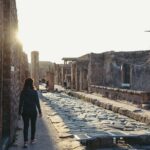
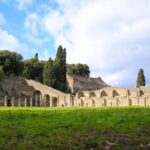
Pompeii hits you fast. One minute you’re by the gates at Porta Marina Superiore, and the next you’re walking a city that stopped on August 79 AD. What makes this tour especially interesting is that it’s built around a real archaeologist-led route, with skip-the-line entry and a tight 2-hour pace that helps you see the core highlights without getting lost in the sheer size of the site.
I especially love two things: the way the guide turns everyday Roman life into something you can picture, and the headset audio that keeps explanations clear even when the site is busy. You’ll also get a sense for both the famous landmarks and quieter spaces, like the Macellum area tied to the plaster casts.
One drawback to keep in mind: Pompeii is huge, and a 2-hour guided loop means you’ll leave wanting more. If you’re the type who needs to linger for a full afternoon, you’ll likely want extra time on your own after the tour ends.
In This Review
- Key things I’d focus on
- A 2-Hour Pompeii Route That Fits Real Life
- Where You Meet: Porta Marina and the Train-Station Shortcut
- Skip-the-Line Tickets: What You Actually Gain
- Porta Marina Superiore: Start at the City’s Real Entrance
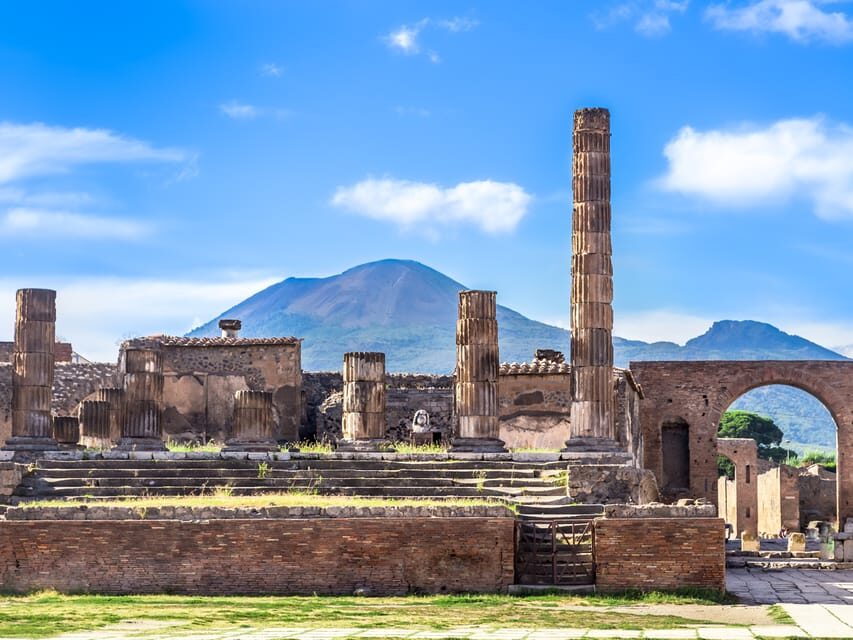
- The Basilica and Forum: Civic Life in 79 AD
- Temples of Jupiter and Apollo: Religion You Can See
- Forum Baths and Big-Picture Pompeii
- The Macellum Market and Plaster Casts
- Houses of the Tragic Poet, Vettii, and Faun: Art Meets Architecture
- Lupanare: A Look at the City’s Harder Edges
- Large Theatre and the Theatre District: Public Entertainment
- Price vs Value: Is $50 Actually a Good Deal?
- What the Best Guides Add (and Why It Shows)
- Who Should Book This Pompeii Archaeologist Tour
- Should You Book This Pompeii VIP Tour?
- FAQ
- How long is the Pompeii tour?
- Where do I meet the guide?
- Are entry tickets included?
- Does the tour include a headset?
- What languages are offered?
- Can I book a private tour or only a group?
- What should I bring for the tour?
- Are there any ID requirements for the ticket?
- Is the tour suitable for wheelchair users?
- Is food included?
Key things I’d focus on
- Skip-the-line entry with admission Express ticket so you lose less time to queues
- Licensed archaeologist guide who connects ruins to real excavation work and human stories
- Headset system so you can actually hear the talk across the site
- A smart highlights route: Forum/Basilica, temples, baths, markets, houses, theatre
- Structured stops with photo time so you don’t feel rushed at the key viewpoints
A 2-Hour Pompeii Route That Fits Real Life
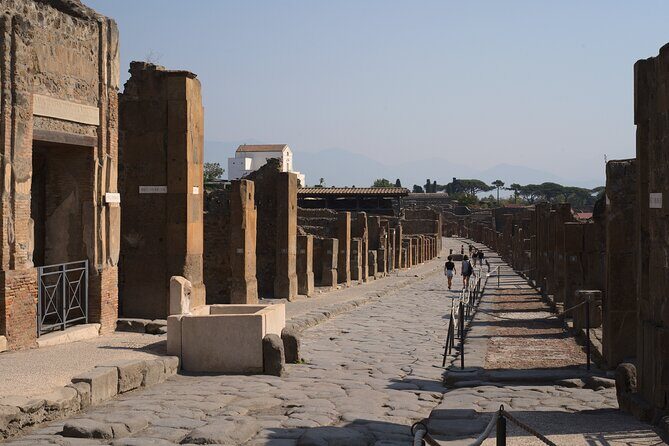
Let’s be honest: Pompeii can overwhelm you. The streets are everywhere, the ruins are dense, and without a plan you can end up zig-zagging like you’re guessing where to go next. This tour’s main value is that it’s timed. Two hours is long enough to get context and hit big signature spots, but short enough that you can still keep your day flexible.
You’ll start near the Porta Marina entrance, then follow a route that covers the “heart and the wow” of Pompeii: the Roman civic center, religious landmarks, everyday spaces, and major houses. The pace is also designed for a small-group feel, which matters here—Pompeii rewards attention, not sprinting.
If you’re deciding between this and a longer, slower visit, I’d treat this as the “orientation tour.” You’ll come away with enough story to make your self-guided wandering later much more satisfying.
If you're still narrowing it down, here are other tours in Pompeii Archaeological Site we've reviewed.
Where You Meet: Porta Marina and the Train-Station Shortcut
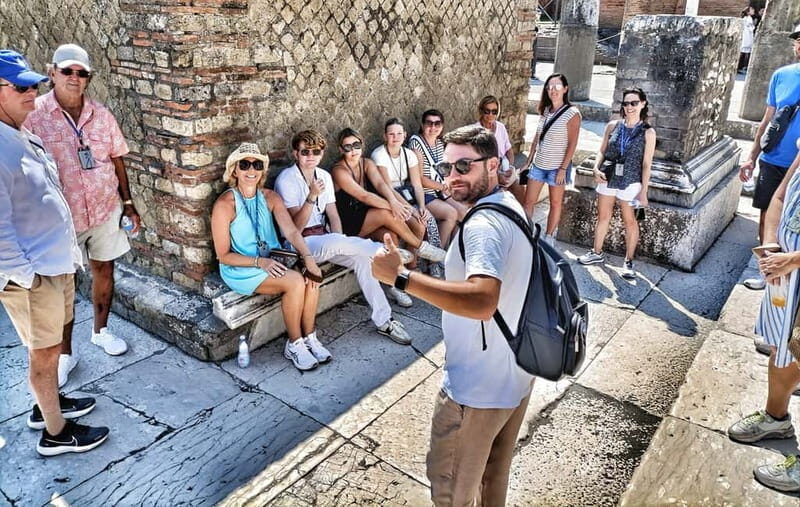
Meeting is outside Porta Marina (the entrance by the ruins). The practical win is that this is right in front of the train station area: Pompei Scavi – Villa dei Misteri (Circumvesuviana). In real terms, it’s one of the easiest ways to line up a Pompeii visit without extra logistics headaches.
Your guide holds a sign reading Pompei VIP, so you’re not doing detective work. Still, I recommend you arrive a few minutes early, especially if you’re matching your location between stations or you’re coming in from Sorrento/Naples by train.
At the end, there’s a drop-off at Piazza Esedra (and also at Pompeii Ruins, depending on how the group is handled). That’s a helpful detail because it can give you a head start if you want to keep exploring after the tour.
Skip-the-Line Tickets: What You Actually Gain

Pompeii isn’t just popular—it’s crowded. The skip-the-line part is more than convenience. It buys you time with the ruins, not time standing still.
This tour includes:
- Skip-the-line entry tickets
- A Pompeii admission Express ticket
So you’re not juggling separate ticket purchases while the clock is ticking. Also, Pompeii’s ticketing rules have been tightened to reduce illegal resales. The tour provides a clear requirement: you must send your full name and surname and the ages of participants via the platform messaging system, and you should bring ID or passport (a photo is fine) for adults and kids.
Practical takeaway: if you’re traveling as a family or in a group, get the participant list ready before you message the operator. It keeps the day smooth.
Porta Marina Superiore: Start at the City’s Real Entrance
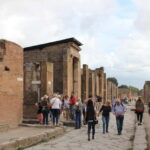
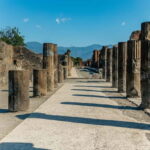
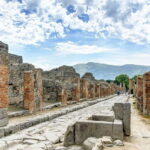
The tour begins at Porta Marina Superiore, the original Roman gate that still stands today. Starting here matters because it frames the whole visit: you’re not beginning in the middle of random ruins. You’re stepping in as a person would have—through a gate that signals arrival.
From there, you transition into the space where everyday Pompeian life would have felt close and immediate: the areas around civic and commercial activity. This early moment sets the tone for the rest of your walk, especially if the guide points out how the city’s layout guided movement and social life.
If you’re sensitive to crowds, don’t panic—Pompeii can get busy—but the structure of a guided route helps you keep your place.
The Basilica and Forum: Civic Life in 79 AD
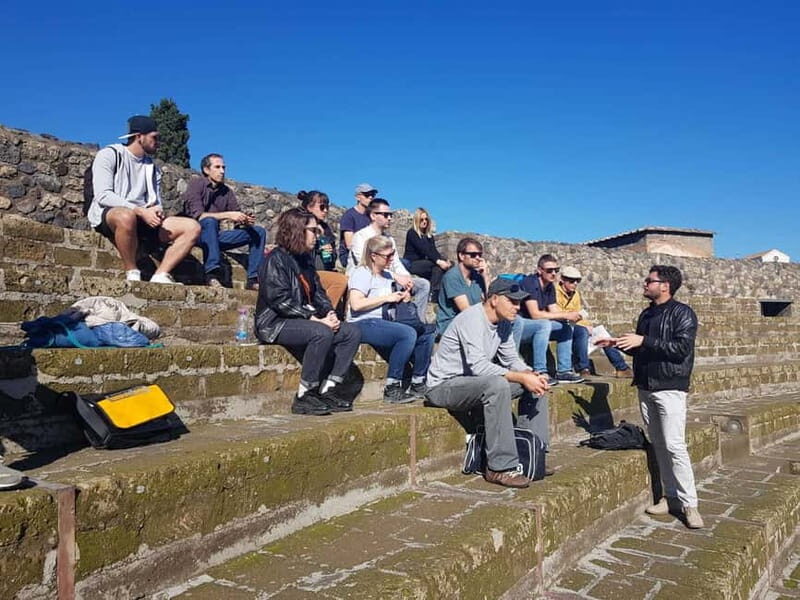
The Roman Forum is where Pompeii becomes more than “pretty ruins.” It’s the beating heart of civic life—politics, public decisions, and the spaces where people mixed for work and debate.
On this tour, you’ll visit the Roman Forum and Basilica, plus the Foro Civile di Pompei area. The big payoff here is how the guide connects physical spaces to social behavior. You get a sense of what people did there and why it mattered, not just what the buildings were named.
Two practical benefits:
- You learn what to look for as you walk, so you don’t miss key architectural cues.
- You get context fast, so later—when you see columns, steps, or courtyards—you understand what your eyes are seeing.
If you’re short on time (or bringing kids), this is the portion I’d prioritize. It’s the best “high signal per minute” segment.

Temples of Jupiter and Apollo: Religion You Can See

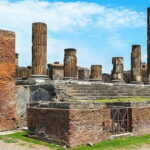
Next come the religious landmarks: the Temple of Jupiter and the Temple of Apollo.
Temples can be visually impressive, but without context they can feel like scenery. A good archaeologist guide changes that. Here, you’ll learn how worship was built into the city’s public rhythm. Pompeii wasn’t only homes and markets—it was a place where religion shaped the calendar and the feeling of community.
One thing to watch for: these areas can be more open, which means more people drifting through photo stops. Stay close to the guide and keep moving—this is one of those moments where timing matters more than stopping to stare.
Forum Baths and Big-Picture Pompeii
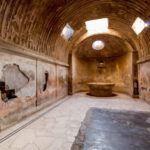
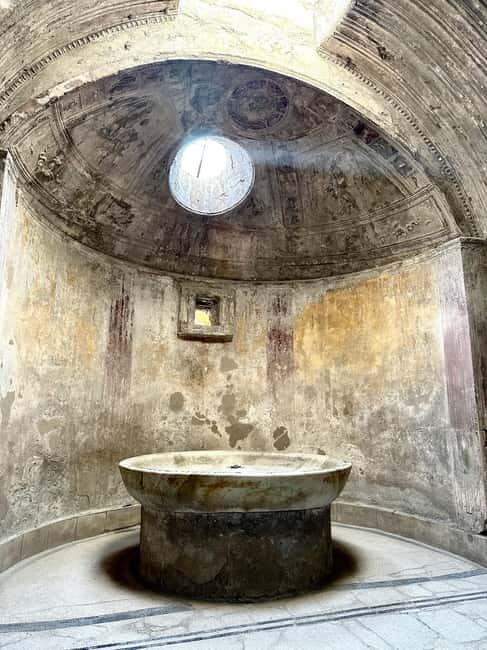
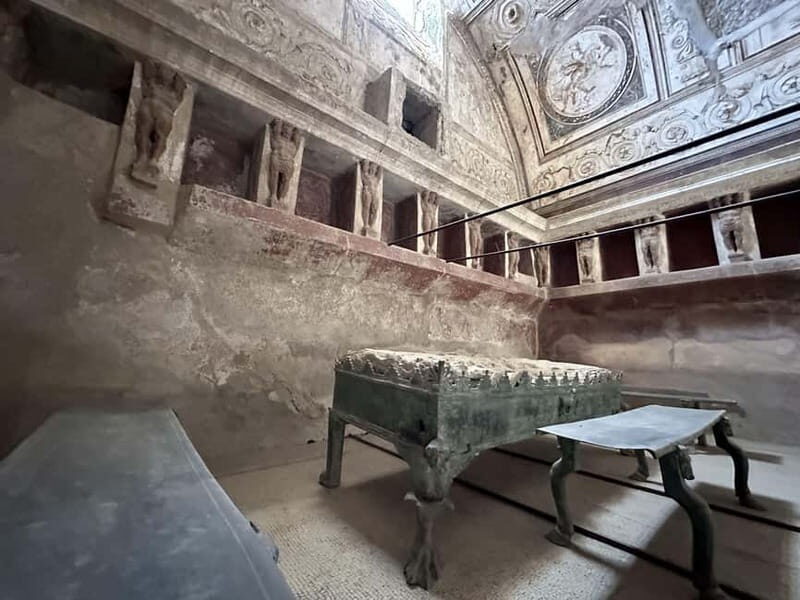
After the Forum and temples, the tour shifts into something more sensory: the Forum Baths. Baths were social spaces, and in Pompeii you can literally read routines into the architecture—where people would gather, how the layout supported daily habits, and why the bath area wasn’t just about washing.
This is also where the tour’s “everyday life” angle starts to feel real. You go from civic and religious spaces into places where people spent actual time. That’s a key reason this tour is popular: it helps you connect the city’s public identity with its daily rhythm.
The Macellum Market and Plaster Casts
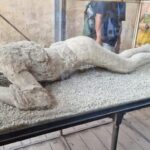
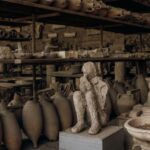
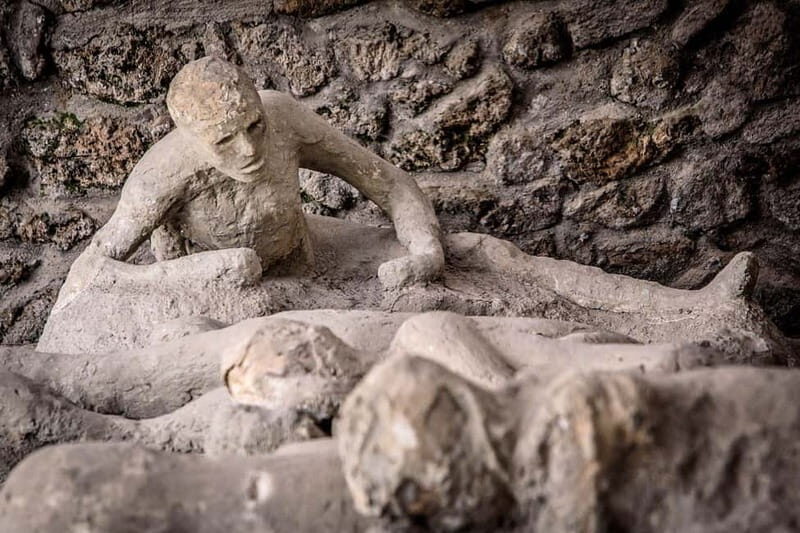
Then you reach one of the most haunting stops: the Macellum (Pompeii’s market area), where you’ll see plaster casts of victims.
This is not a casual sightseeing moment. The reason it sticks is simple: it turns an event (the eruption of Vesuvius in 79 AD) into human scale. The casts don’t let you treat the disaster as a distant fact.
The guide usually makes this easier to process by walking you through what you’re seeing and why it was created. You’ll leave with a much clearer understanding of the event’s impact—on bodies, on movement, and on the suddenness of what changed.
If you’re bringing kids or someone sensitive to heavy stories, check in with the group’s pace. You can stand back for a minute and let the guide explain without forcing anyone to linger in a way that feels too intense.
Houses of the Tragic Poet, Vettii, and Faun: Art Meets Architecture
Pompeii’s houses are where you feel the “how did they live?” question get answered.
On this tour you’ll visit:
- House of the Tragic Poet
- House of the Vettii
- House of the Faun
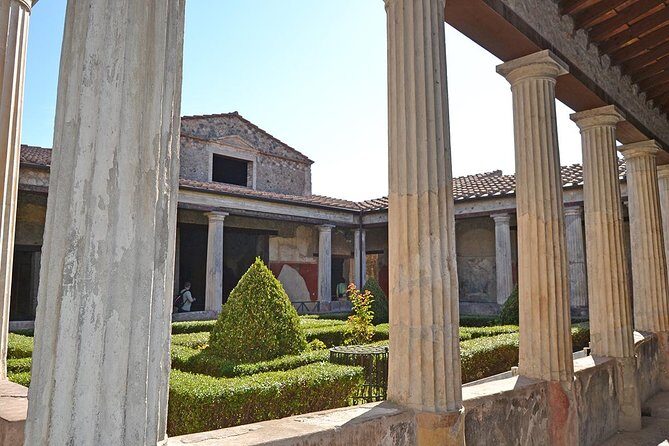
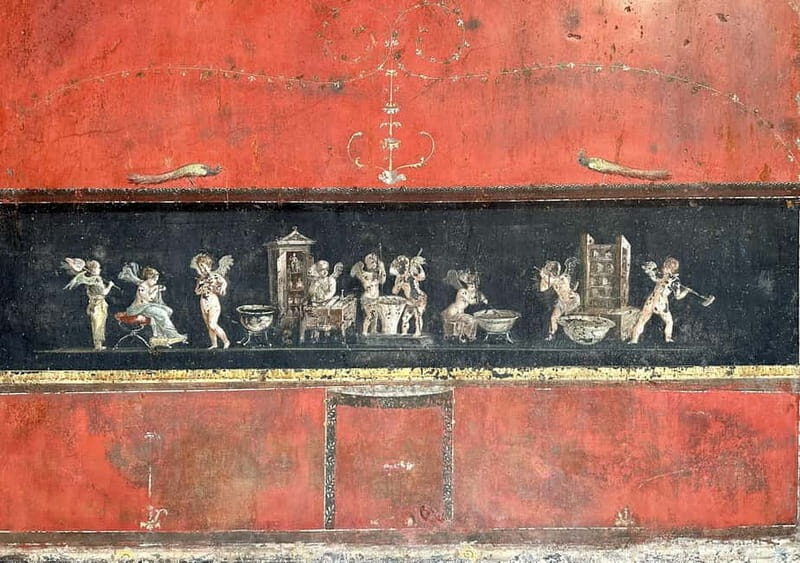
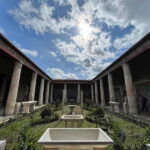
The big draw is the visible artwork: frescoes and mosaics. And it’s not just about beauty. It’s about what art signaled—taste, wealth, identity, and sometimes even marketing to visitors.
Here’s what I’d watch for while you’re walking:
- Focus on how rooms connect (courtyards are key).
- Notice how mosaics and painted walls align with spaces where people would have gathered.
- Look for recurring symbols or scenes the guide names, so you understand what you’re interpreting.
If you’ve ever felt lost in a museum because you don’t know where to look, this is the opposite. The guide helps your eyes land on what matters.
Lupanare: A Look at the City’s Harder Edges
You’ll also stop at the Lupanare. This is one of those locations where Pompeii doesn’t try to be polite. It gives you a more complete view of daily life, including the parts that weren’t written for polite company.
The value of a guide here is context. Without it, you can miss how the space fits into the city’s social and economic reality. With it, you understand why the building existed and what daily function it likely served.
If this stop feels uncomfortable for any reason, you’re still getting value from seeing it as part of the full picture. The goal isn’t shock. It’s understanding.
Large Theatre and the Theatre District: Public Entertainment
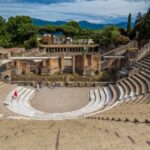
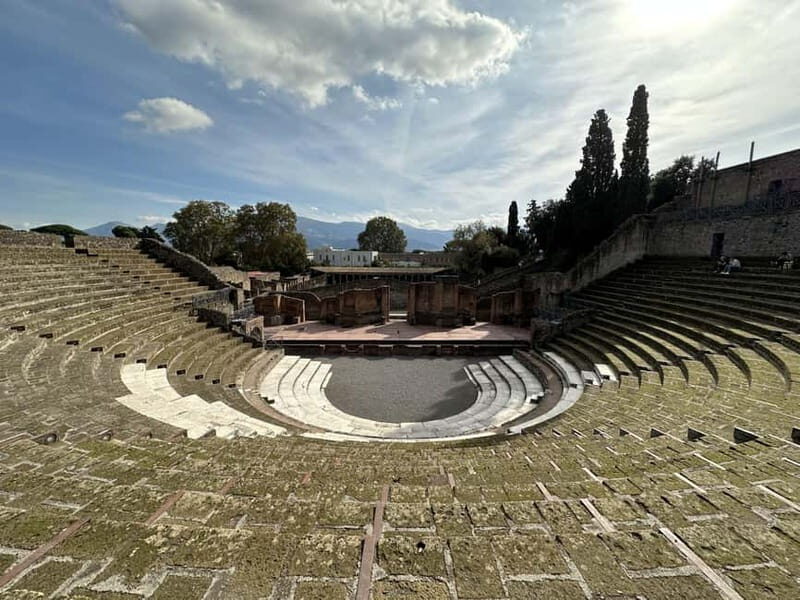
The tour ends with the Large Theatre and time in the theatre district.
Theatre in a Roman city wasn’t just entertainment. It was identity, gathering, and a place where culture got performed in front of real neighbors. When you stand in these spaces, the scale starts to make sense—how a city could hold community events even before modern streets and seating existed.
This is also where photos can work well. You can capture the geometry of the ruins and how the space opens up. Just keep the pace. Pompeii isn’t a place to wander off course if your time is limited.
Price vs Value: Is $50 Actually a Good Deal?
At $50 per person for a 2-hour experience, the value depends on what you want.
This ticket is not only a tour. It includes:
- Skip-the-line entry plus an Express admission ticket
- A licensed archaeologist and guide
- Headset audio
- A small group format (with the option for private)
If you were doing Pompeii on your own, you’d still pay admission and you’d still deal with lines. You’d also lose the structured story—especially around the Forum, baths, market casts, and houses—where the details are easy to miss if you don’t know what you’re looking for.
Also, the time investment matters. Two hours with the right explanations often feels like more than two hours because your brain is linking scenes into a narrative. That’s the biggest value here: you don’t just see buildings. You understand how the city functioned.
What the Best Guides Add (and Why It Shows)
The guide quality is a major reason the experience gets such high marks in the feedback I reviewed. Names that came up repeatedly include Livio, Ivan, Antonio, Ricardo, Raffaello, Rafael, and Loredana.
Across those accounts, the pattern is consistent:
- The guides stay responsive and focused on the right stops.
- They keep the pace fair and make room for questions.
- They explain details in a way that clicks, including daily life and the eruption story.
- They often provide headset audio, which makes the talk feel organized instead of chaotic.
A quick tip for you: bring a couple of questions in advance. If you ask about how people lived, how the city was organized, or what archaeologists look for during excavations, you’ll get more out of those 2 hours.
Who Should Book This Pompeii Archaeologist Tour
This tour is a strong fit if:
- You want a guided highlights route you can trust.
- You care about daily life, not just famous buildings.
- You’d like skipping the ticket line and staying efficient.
- You’re visiting with kids and need a route that doesn’t drag.
It may be a poor fit if:
- You need a slow pace or extended time in one area.
- You have mobility constraints, since the tour is not suitable for wheelchair users and does not allow electric wheelchairs.
If you’re already planning a full day in Pompeii, think of this as your best “start here” move. It helps your self-guided time afterward feel purposeful instead of random.
Should You Book This Pompeii VIP Tour?
If you want the best of Pompeii in a tight window, I’d book it. The combination of skip-the-line entry, headset listening, and a licensed archaeologist guide turns a crowded site into a coherent experience. And because the route covers Forum life, temples, baths, casts, major houses, and the theatre, you’ll leave with a full sense of the city—its beauty and its sudden end.
My only caution is time: Pompeii rewards long lingering. If you can afford it, plan to add extra hours after the tour so you can go back to the places you’ll want to see again.
FAQ
How long is the Pompeii tour?
It runs for 2 hours.
Where do I meet the guide?
Meet outside Pompeii’s Porta Marina entrance, in front of Pompei Scavi – Villa dei Misteri (Circumvesuviana). The guide holds a sign for Pompei VIP.
Are entry tickets included?
Yes. You get skip-the-line entry tickets plus a Pompeii admission Express ticket included in the tour.
Does the tour include a headset?
Yes. You’ll use a headset so you can hear the guide clearly.
What languages are offered?
The live guide is available in English, Italian, French, and Spanish.
Can I book a private tour or only a group?
You can choose either a private group or a sharing small group slot.
What should I bring for the tour?
Bring a passport or ID card, comfortable shoes, and water.
Are there any ID requirements for the ticket?
Yes. You must provide full name and surname for each participant and their ages, and you should bring ID or passport (photo is fine).
Is the tour suitable for wheelchair users?
No. The tour is not suitable for people with mobility impairments and wheelchair users, and electric wheelchairs are not allowed.
Is food included?
No. Food and drinks are not included.