REVIEW · POMPEI CAMPANIA
Pompeii and Herculaneum: Guided Tour with an Archaeologist
Book on GetYourGuide →Operated by Benedetto Tourist Guide · Bookable on GetYourGuide
Two doomed cities, told with real archaeology. On this small-group walk, I love the up-close archaeologist guidance and the chance to see Pompeii and Herculaneum on the same day, side by side—Pompeii for life on the streets, Herculaneum for how well wood, mosaics, and even skeletons survived. One consideration: this is a lot of walking, and a few moments (including plaster casts of victims) land hard.
The pacing is smart. You start at Ristorante Suisse (you’ll meet the guide at the restaurant with a sign showing your name), get a guided run through Pompeii, then take a short train hop to Herculaneum after lunch time.
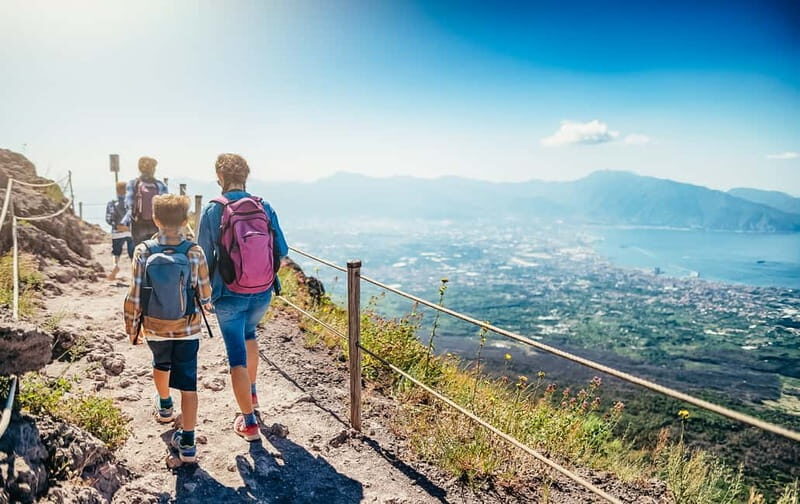
This tour is designed for families and for anyone who wants photos without wandering in circles. Still, it isn’t set up for wheelchair users or people with mobility impairments, so plan for uneven ground and bring a hat and water.
In This Review
- Key things that make this Pompeii + Herculaneum day work
- Meeting at Ristorante Suisse and getting into Pompeii fast
- Pompeii’s route from Porta Marina Inferiore to the Lupanare
- The Forum stop and the eruption aftermath you can’t unsee
- Lunch break, hydrate, and the calm logic of the train hop
- Herculaneum’s preserved residences: mosaics, wood, jewelry, and skeletons
- Why Benedetto’s style makes the stones feel human
- Price and value: what $141.61 covers for this 5-hour combo
- Who should book this, and who should rethink it
- Should you book this Pompeii and Herculaneum tour with Benedetto?
- FAQ
- How long is the tour, and does it include both sites?
- Who leads the tour, and what languages are offered?
- How big is the group, and do we get headsets?
- Where do we meet, and where does the tour end?
- Is lunch included?
- Do I need to bring my ID or passport?
- How do you get from Pompeii to Herculaneum?
- Is this tour suitable for wheelchair users or people with mobility impairments?
Key things that make this Pompeii + Herculaneum day work
- Small group size (up to 10) keeps questions easy and the route calmer
- Benedetto the archaeologist brings humor and real site expertise (including for kids)
- Pompeii’s street-life route hits theatres, houses with frescoes and mosaics, baths, and the Lupanare
- The Forum and victim plaster casts give the eruption of AD 79 real context
- Herculaneum’s preservation differences shine, especially the residences with wood, jewelry, marbles, and mosaics
- Headsets for groups over 8 help you hear the guide clearly without leaning in on crowded paths
Meeting at Ristorante Suisse and getting into Pompeii fast
Your day starts at Ristorante Suisse. The guide waits there for you with a sign that has your name, which makes the first 5 minutes less chaotic than most Pompeii meetups.
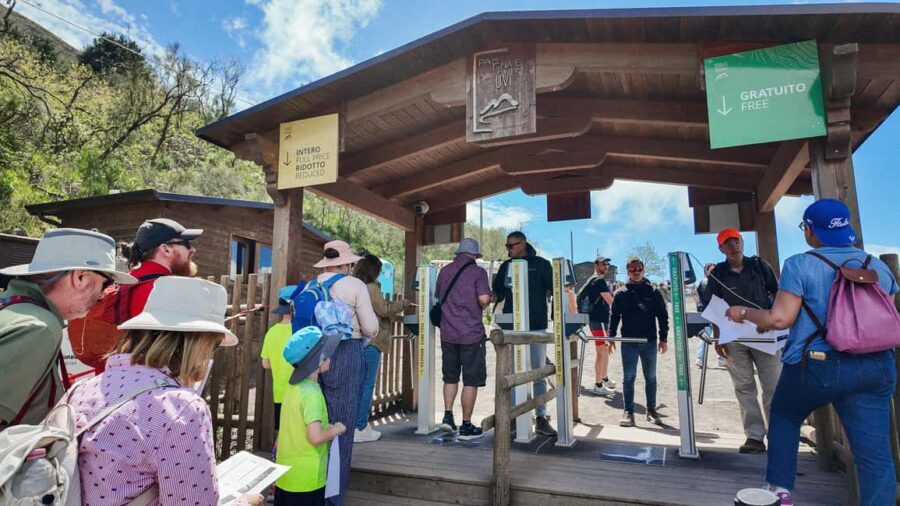
Tickets are part of the deal, and the tour also uses a skip-the-line approach. One detail that matters in Pompeii: your ticket is named, so you’ll need to provide the first and last names of everyone in your group after booking, and you should bring your passport or ID card in original form.
If you're still narrowing it down, here are other tours in Pompei Campania we've reviewed.


Pompeii’s route from Porta Marina Inferiore to the Lupanare
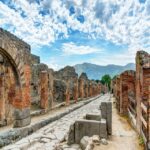
Pompeii can feel like a giant puzzle when you’re on your own. Here, you start through the Porta Marina Inferiore area and move in a logical sequence that links buildings to how people actually lived.
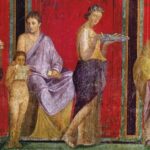
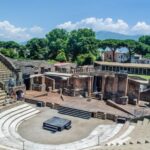
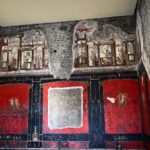
You pass the theatre area, then go into the heart of what makes Pompeii so special: everyday Roman interiors. Expect to see decorated houses with mosaics, frescoes, and marble—plus the kind of details that turn ruins into a lived-in world. The guide keeps connecting what you see to Roman habits, so those painted rooms and carved stones don’t read like random pretty surfaces.
As you walk, you’ll also move through areas linked to daily commerce: shops, old Roman bakeries, and snack-bar style stops. Then the route brings you to the public baths and the famous Lupanare. Even if you’ve heard of it before, having it explained in context makes a difference, because you’re not just looking at a famous spot—you’re learning what it meant in the city’s social rhythm.
This part runs about 2 hours of guided time. That’s a useful length: long enough to get meaning from the buildings, not so long that your attention turns into sightseeing fog.
The Forum stop and the eruption aftermath you can’t unsee
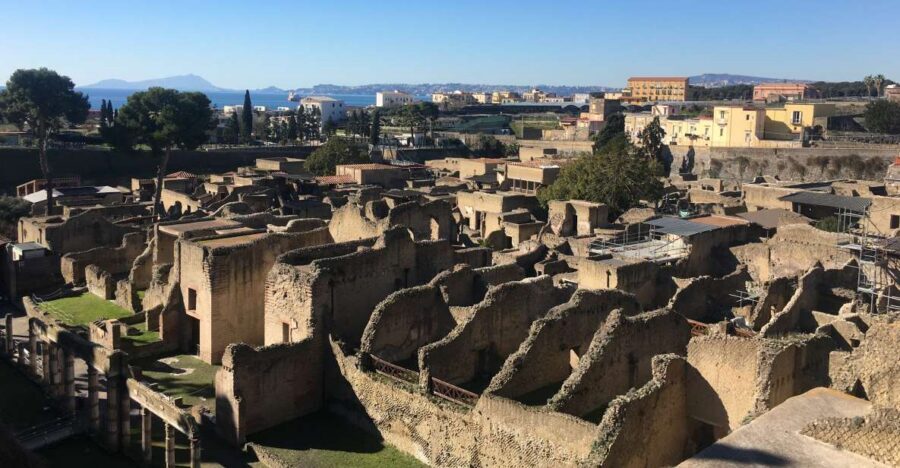
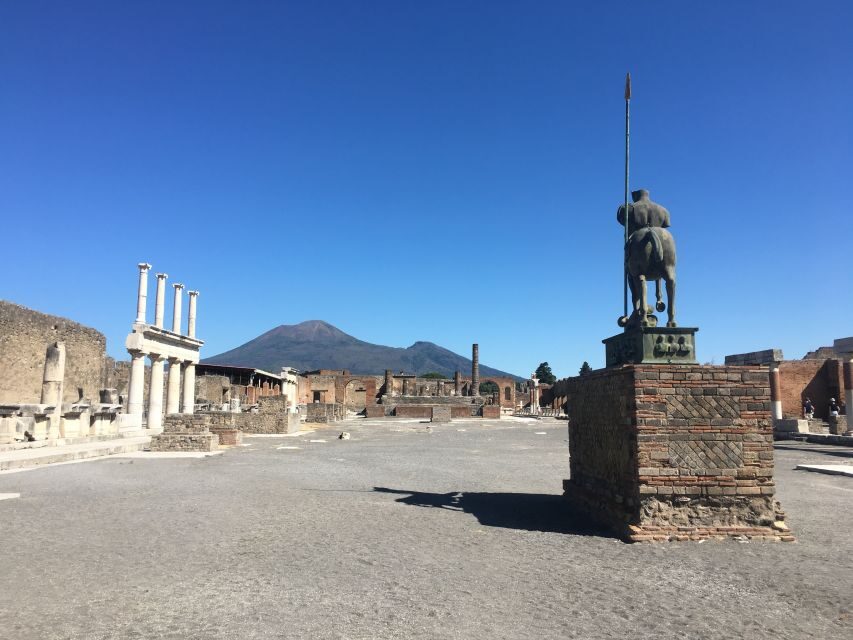
After seeing the city’s daily life, the tour points you toward Pompeii’s civic center: the Forum. This is where public buildings and power show up in stone, and where your understanding of Pompeii shifts from streets to society.
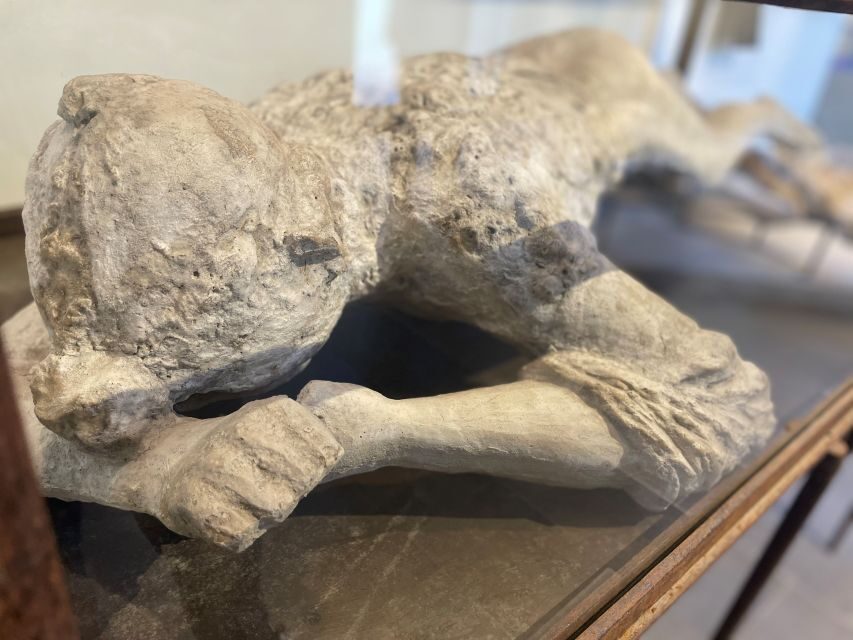
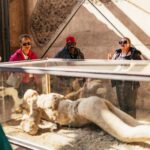
Then come the plaster casts of the victims. This is the emotional weight of the day, and it’s handled as an essential historical piece: how the AD 79 eruption changed everything and why preservation at Pompeii became a kind of hard record. If you’re sensitive to intense scenes, it helps to know this is not a light stop.
The payoff is clarity. With the eruption explained in human terms and with a guide who connects it back to what you saw earlier, the devastation doesn’t feel like a movie scene—it feels like the end of a normal routine.
Lunch break, hydrate, and the calm logic of the train hop
You get a break that’s built into the schedule: about 1 hour for lunch. It’s not included as a meal, but the free time is long enough to eat without rushing.
One smart tip if you want something easy: the Ristorante Suisse is right there at the start area, and it has been described as a reliable place for breakfast and lunch. Also, don’t pay extra just to use the bathroom—there’s a setup there (described by people who visited) that can let you in for free if you follow the small printed instructions on the tables.
When lunch ends, you take the train to Herculaneum. The ride is short—around 20 minutes in the plan—so you don’t lose the day to transit. And because you’ve just seen Pompeii, you’re primed to notice what differs in Herculaneum instead of treating it like a second, unrelated ruin.
Herculaneum’s preserved residences: mosaics, wood, jewelry, and skeletons
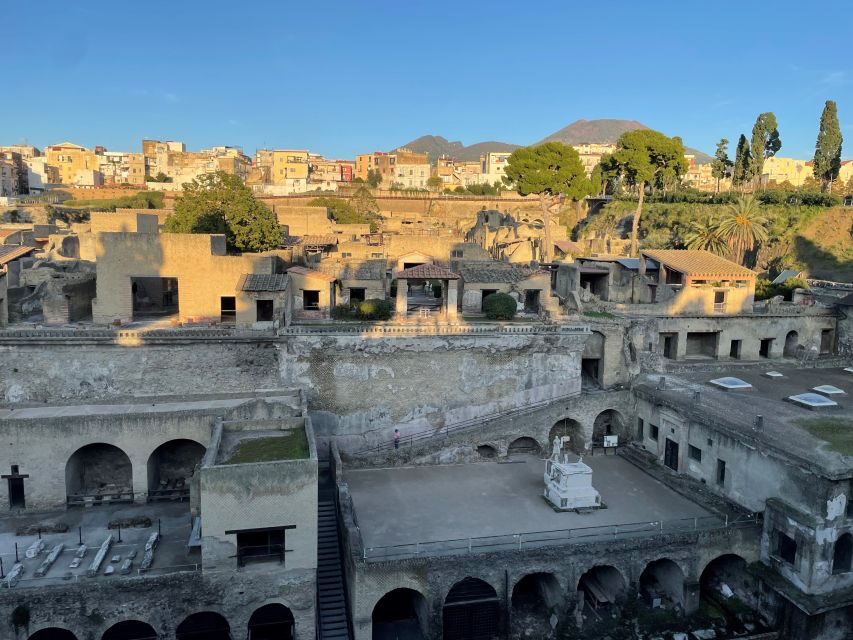
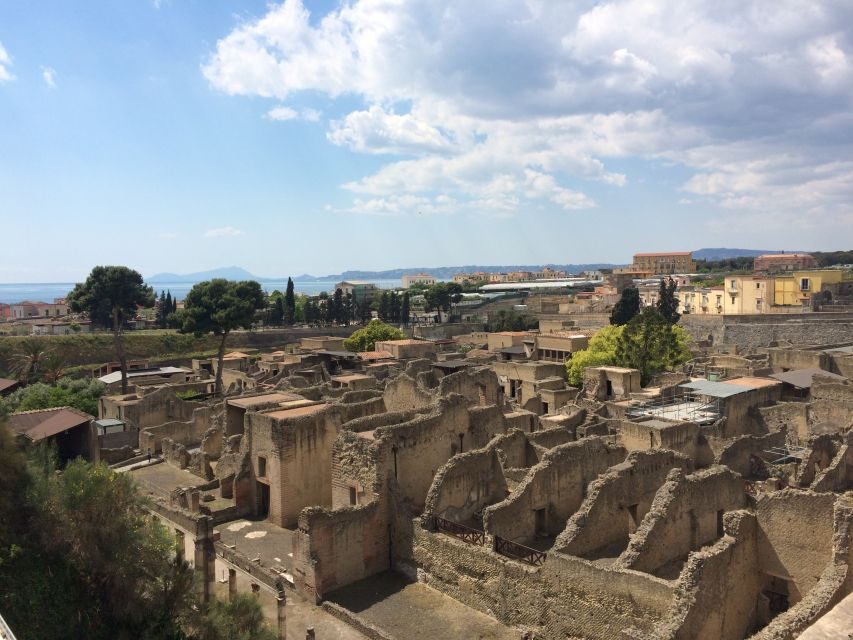
Herculaneum is often talked about like a quieter companion city for a reason. The conservation is different, so what you see feels closer to the moment after burial rather than a collection of weathered fragments.
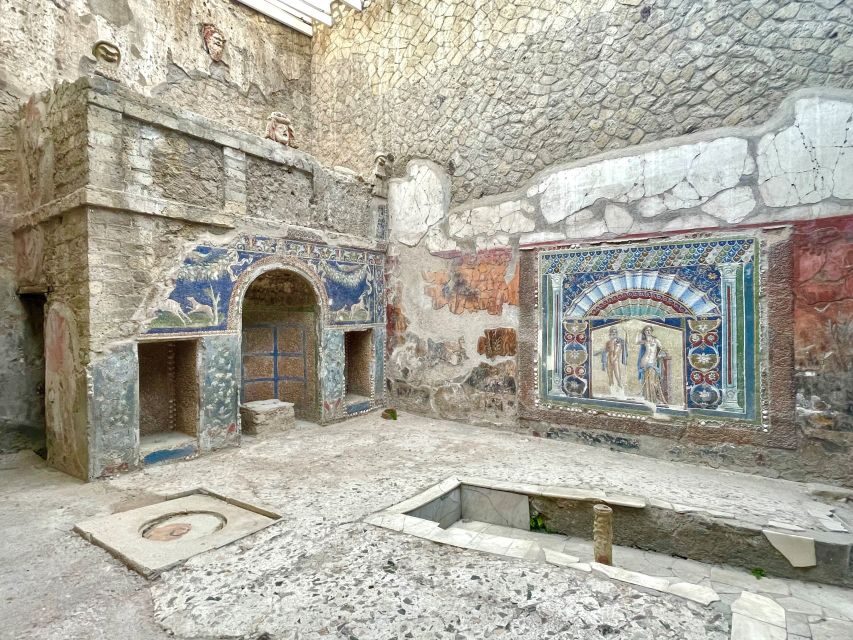
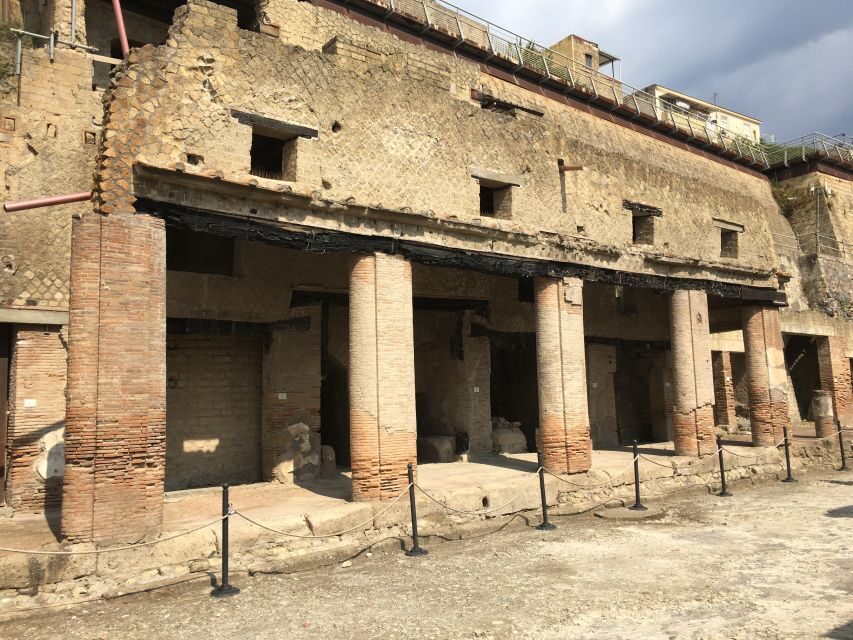
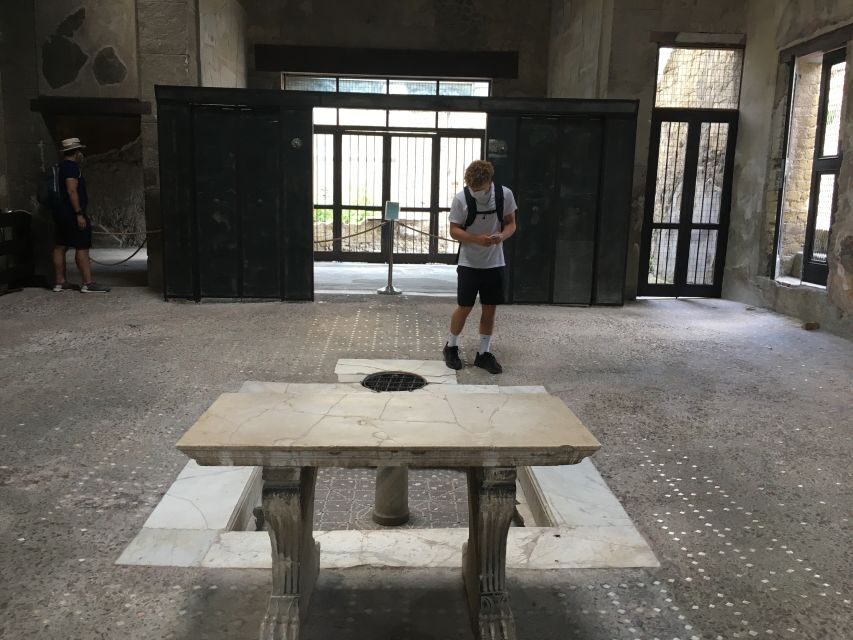
The guided time here runs about 1.5 hours. The tour focuses on splendid residences and decoration—frescoes, marbles, mosaics, and jewelry—plus the human and material evidence that Pompeii doesn’t always show with the same clarity.
One of the most striking contrasts is the exceptionally well-preserved wood. When you see timber surviving in that setting, it changes how you imagine daily life. And yes, you’ll also encounter skeletons as part of the display of remains, which reinforces why the city’s preservation matters so much to archaeologists.
Herculaneum is usually less crowded than Pompeii, and the small-group format helps even more. That combination makes it easier to take photos and to actually read details instead of just walking past them.

Why Benedetto’s style makes the stones feel human
Benedetto’s approach is one of the main reasons this day rates so high. People highlight his humor, his patience, and his ability to answer questions without steamrolling the group. If you like a conversation while you walk, this kind of guiding is a big deal.
There’s also a practical benefit to having an archaeologist working your route. The tour isn’t just a facts list. It’s organized so the buildings you see connect to the Roman world you’re trying to understand—how people ate, shopped, gathered in civic spaces, and lived inside decorated homes.
Another nice touch from the experience is crowd management. With a very small group size and a guide who knows how to move through both sites, you spend less time fighting lines and more time looking at what matters. If weather hits or timing gets weird, the guide has also helped people with alternatives like taxis in at least some situations—so you’re not stuck thinking everything through alone.
And it’s not only adults who benefit. The tour has been described as kid-friendly, including for children around 10, which usually means your guide knows how to explain without turning the day into a lecture.
Price and value: what $141.61 covers for this 5-hour combo
At $141.61 per person, this isn’t a bargain entry price. But it’s also not just “someone walking with you.” You’re paying for a professional archaeologist guide, entry tickets, and a more efficient route through both sites.
Here’s what you’re getting that matters:
- Guided time that totals about 3.5 hours (2 hours Pompeii + 1.5 hours Herculaneum)
- Skip-the-ticket-line access, which saves time and energy
- Headsets for groups larger than 8, so you can hear the guide
- A structured lunch break so the day doesn’t collapse into rushed transit
- Both sites in one day, so you don’t lose the chance to compare preservation and city life
Transportation is listed as not included as a general category, but the plan includes a train hop between the two cities. Practically, that means you should expect to handle that connection as part of the day rather than being chauffeured the whole way.
If you’re the type who wants to see Pompeii and Herculaneum but also wants meaning, this price can feel fair. If you already know the story and don’t care about guided interpretation, you might feel like you’re paying for someone else’s labor. But if you want the ruins explained with human context, the cost becomes easier to justify.
Who should book this, and who should rethink it
You should book this if you:
- Want both Pompeii and Herculaneum in one day
- Care about photos and details like frescoes, mosaics, jewelry, and the preserved wood at Herculaneum
- Like a guide who uses humor and keeps the conversation going
- Travel with kids and want a tour that can handle questions without boring everyone
You should rethink it if you:
- Use a wheelchair or need mobility support, because it’s not suitable for wheelchair users and people with mobility impairments
- Hate long outdoor walks or uneven ground
- Don’t want intense scenes, since the Pompeii victim plaster casts are part of the route
Temperature matters too. One useful bit of real-world guidance: people have recommended going in spring rather than deep summer because it’s hot, though they still found it manageable. Either way, the common-sense fix is the same—hydrate and wear sun protection.
Should you book this Pompeii and Herculaneum tour with Benedetto?
If you’re trying to choose between a self-guided day and a guided one, I’d lean guided here. Pompeii is too big to “figure out later” once you’re inside, and Herculaneum rewards the kind of attention you can’t always sustain on your own.
The best reason to book is simple: you get Pompeii’s street-life story, the Forum’s civic picture, and Herculaneum’s unusually preserved residences in one coordinated day—without turning it into chaos. Add a small group, headsets when needed, and a guide who’s described as funny and patient, and the experience becomes less about surviving a checklist and more about understanding what you’re seeing.
If you have mobility limits, or you know you’ll find the victim displays too much, then skip it. Otherwise, this is a strong choice for first-timers and also for people who have been to Pompeii before but want Herculaneum added with proper context.
FAQ
How long is the tour, and does it include both sites?
The tour is about 5 hours total. It includes a guided visit to Pompeii, a lunch break, time for a train transfer, and a guided visit to Herculaneum.
Who leads the tour, and what languages are offered?
The tour is led by an archaeologist guide (Benedetto Tourist Guide). The tour is available in English, Italian, and French.
How big is the group, and do we get headsets?
The tour runs as a private or small-group experience, with a small group size up to 10 people. Headsets are included for groups larger than 8.
Where do we meet, and where does the tour end?
You meet your guide at Suisse Restaurant. The tour ends back at the meeting point, and the visit portion concludes at the Archaeological Park of Herculaneum.
Is lunch included?
You get free time for lunch as part of the schedule. Food and drink are not included.
Do I need to bring my ID or passport?
Yes. The tour asks you to bring your passport or ID card in original form because the Pompeii ticket is named, and participant names must be provided after booking.
How do you get from Pompeii to Herculaneum?
The plan includes a train connection between the two sites (about 20 minutes by train). Transportation is listed as not included, so you should expect to handle the train as part of the day.
Is this tour suitable for wheelchair users or people with mobility impairments?
No. It is not suitable for wheelchair users or people with mobility impairments.