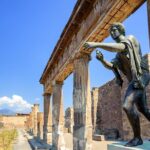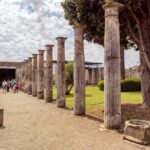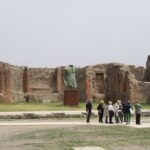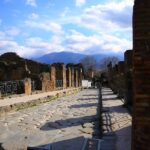
Pompeii and Herculaneum in one guided day. With a private English guide, you’ll connect the dots between two whole Roman towns and learn how daily life changed under Vesuvius’ shadow. I like that the tour is designed to keep the day moving, with a train ticket from Pompeii to Herculaneum already built in.
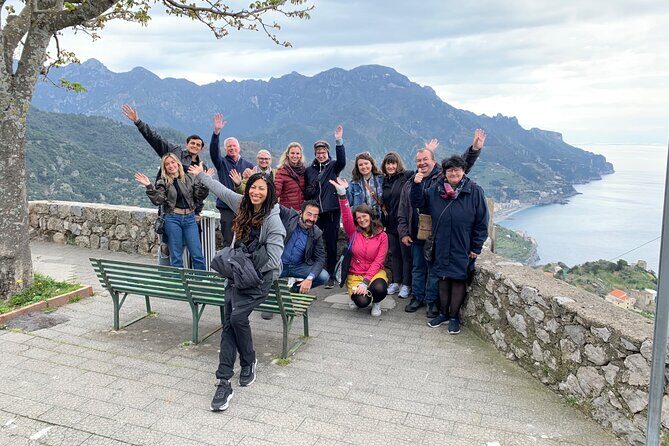
What really makes this work is the human touch. Guides such as Giusy are praised for clear, advance communication (including WhatsApp directions) and for answering questions at a natural pace, not just firing off facts. You also get flexibility to pause if you need a breather between the two sites.
One practical consideration: admission tickets are not included, and you’ll be walking on uneven ground for hours. If you’re heat-sensitive or your feet tire fast, plan your day around comfort and carry essentials.
In This Review
- Key things that make this tour worth your time
- Why Pompeii plus Herculaneum makes such good sense
- Meeting at Pompeii-Porta Marina and getting oriented fast
- Pompeii archaeological park: where the guide turns ruins into lived-in places
- The transition: why the train ticket is a smart inclusion
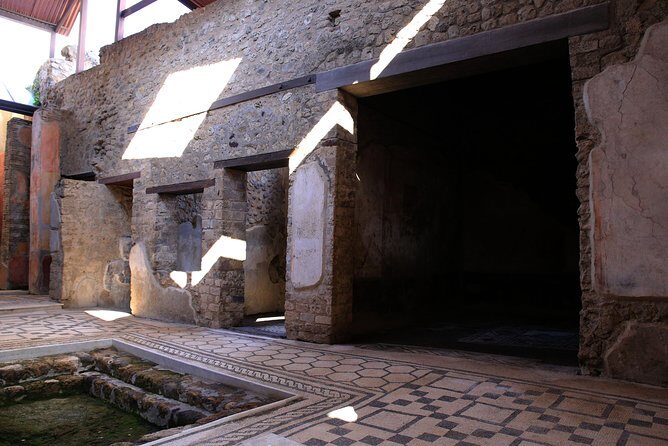
- Herculaneum (Parco Acheologico di Ercolano): smaller scale, stronger connection
- Price and value: what you’re paying for (and what you’re not)
- Who this private tour is best for
- Booking tips that will make your day smoother
- Should you book this private Pompeii and Herculaneum tour?
- FAQ
- How long is the Pompeii and Herculaneum private guided tour?
- Is the tour private?
- What language is the guide?
- What’s included in the price?
- Are admission tickets included?
- Where does the tour start and end?
- Do I need transportation to Pompeii?
- Is there a mobile ticket?
- Are service animals allowed?
- What is the cancellation policy?
Key things that make this tour worth your time
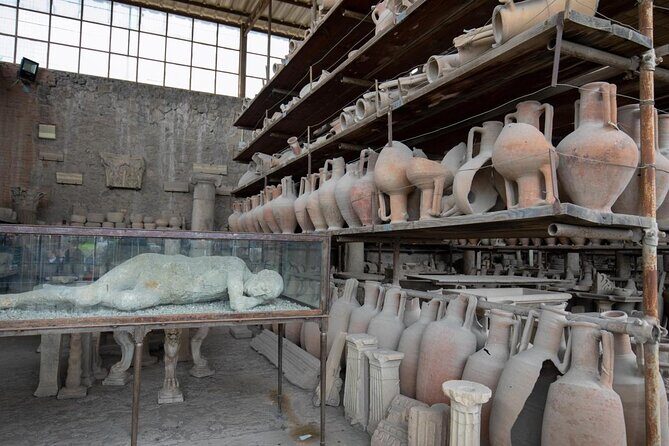
- Two major sites, same day: Pompeii first, then Herculaneum, so you can compare what got preserved differently
- Guide-led navigation: routes and explanations that help you understand what you’re seeing instead of just looking at stones
- Train included between towns: no need to figure out the switch yourself
- Small, private format: only your group, so you can ask questions without feeling rushed
- Real flexibility: the guide can slow down, speed up, or adjust if you need a reset
Why Pompeii plus Herculaneum makes such good sense
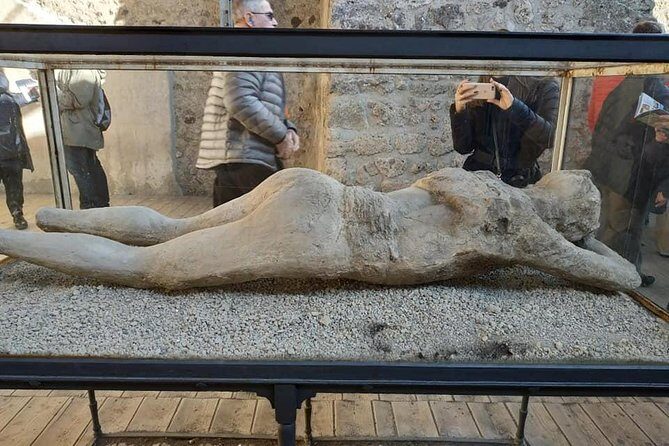
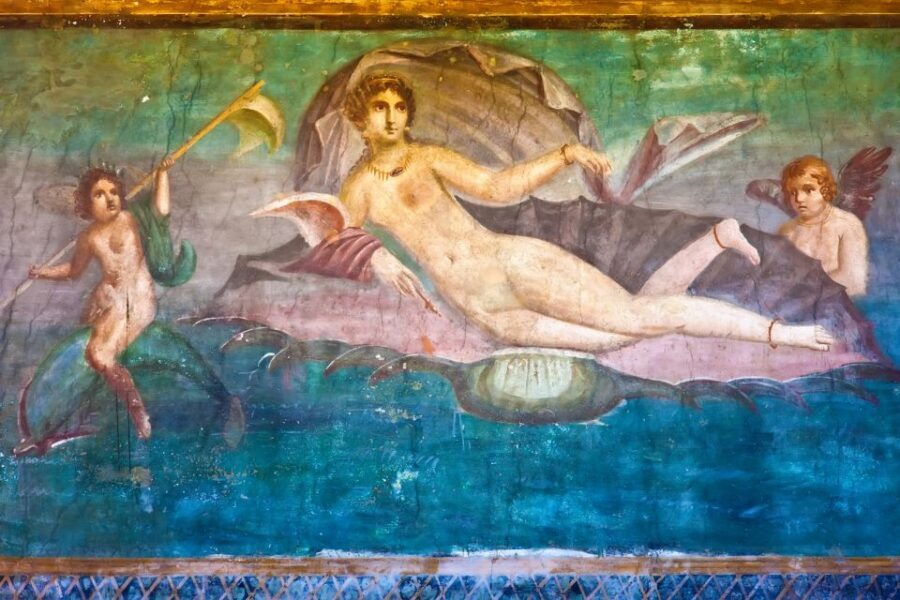
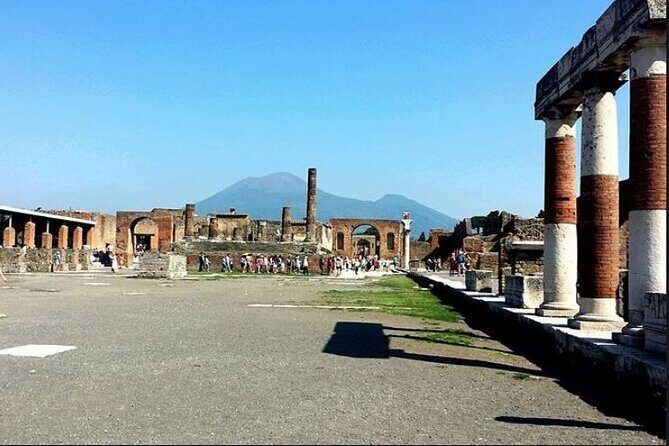
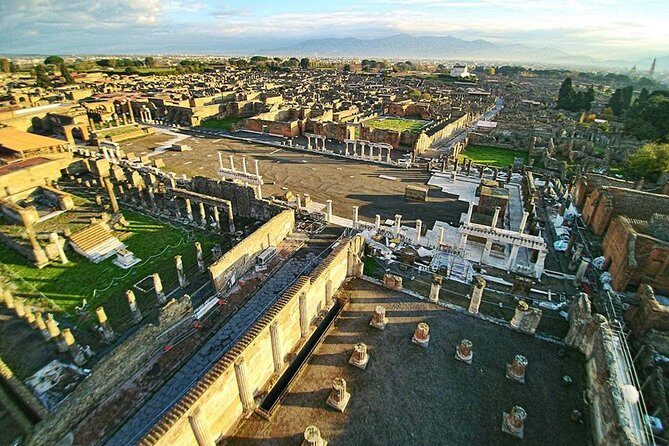
Pompeii is the headline for a reason. It’s huge, visual, and packed with clues: street grids, homes, workshops, and the sudden stillness left behind. Herculaneum is different—more compact, and often feels more intimate because you get a stronger sense of daily rooms and doorways rather than just city scale.
Doing both in one day is the smartest way to understand the region. You can stand in Pompeii and learn what life looked like, then shift to Herculaneum and see what looks similar, what feels different, and what that tells you about the disaster and what survived.
The tour format matters too. You’re not bouncing between places at random; you’re guided through them with explanations that are meant to connect themes—homes, public spaces, engineering, art, and how people lived day-to-day.
Other Pompeii & Herculaneum combo tours in Pompeii

Meeting at Pompeii-Porta Marina and getting oriented fast
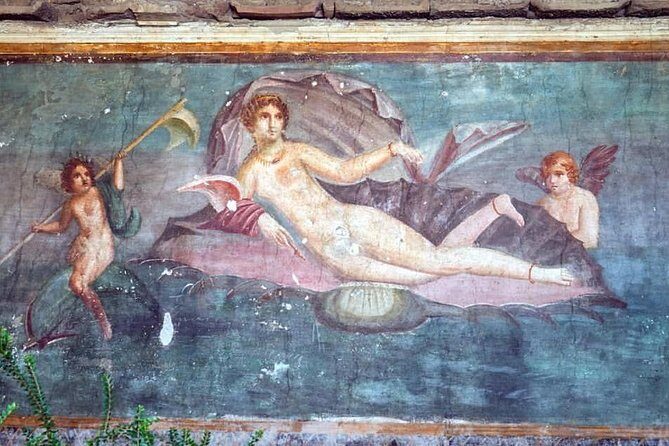
The start point is Pompei-Porta Marina – scavi (80045 Pompei). This matters because Pompeii’s layout can feel like a maze at first, and you don’t want to waste your best hours finding your way.
One reason the private setup gets high marks is how smoothly guides handle the handoff. In particular, Giusy is described as giving clear directions from the day before and meeting people right where they need to be, even for visitors arriving by train. That kind of “meet-with-confidence” approach reduces the stress, especially if you’re traveling with family or you’re not great with Italian transit systems.
When you arrive, focus on two things: wear comfortable shoes and get your bearings early. A good Pompeii guide will help you get oriented quickly so the first hour doesn’t feel like a blur.
Pompeii archaeological park: where the guide turns ruins into lived-in places
Your Pompeii time is about two hours. That’s short for the size of the site, so the value here is not “seeing everything.” It’s seeing the right slices with context: what each area likely was, how people moved through it, and why certain details matter.
A strong Pompeii guide helps you read the place. You start noticing patterns—how buildings relate to streets, how spaces suggest work vs. daily life, and how art and household design reflect status and taste. One guide, Paolo, is specifically praised for explaining how the city functioned—its engineering and “inner workings”—so the ruins don’t stay abstract.
Also, good tours manage the “crowd problem” without making it your job. In the accounts you provided, Paolo is noted for navigating skillfully to avoid the worst congestion when possible. You can’t control crowds, but you can control whether your day feels efficient or painful.
One more thing: the tour is described as flexible. If you need a bathroom stop, a moment to cool down, or a breather before shifting to Herculaneum, your guide should be able to handle it without derailing the whole plan.
The transition: why the train ticket is a smart inclusion
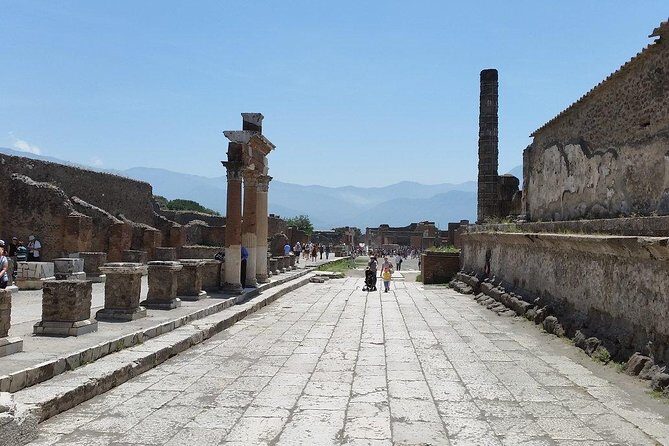
Between the two sites, you’ll use the included train ticket from Pompeii to Herculaneum. This is a big deal for value. It cuts out uncertainty, and it protects your schedule—no hunting for a ride, no last-minute logistics shuffle.
It also changes the feel of the day. The transfer is a breather where you reset before the next site. Even if you’re excited, Pompeii can tire you out mentally because everything is so dense. The train break makes it easier to stay engaged for the next leg.
If you want to time your day well, treat the transfer as part of your pacing plan. Bring water, keep your phone charged for maps (just in case), and use the ride to regroup.
Herculaneum (Parco Acheologico di Ercolano): smaller scale, stronger connection
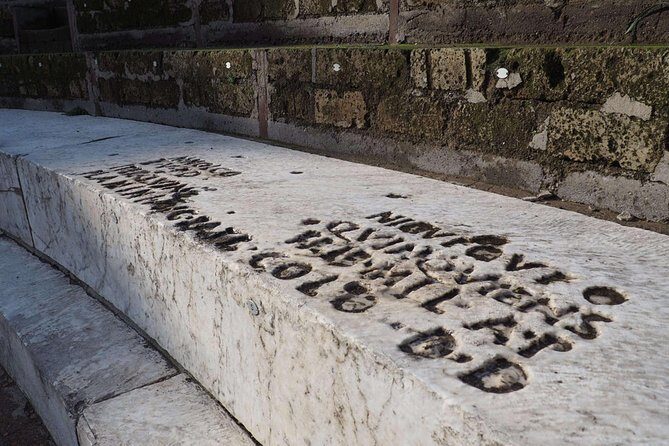
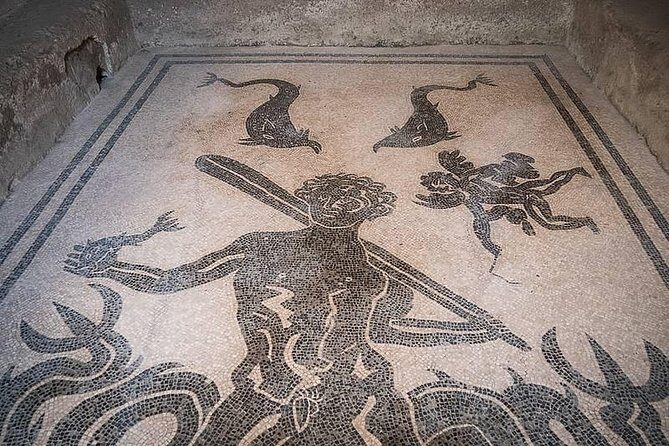
Herculaneum time is also about two hours. Compared with Pompeii, it can feel easier to digest because the site is more focused. That’s good for first-timers, and it’s also great if you already “get” Pompeii and now want comparison.
This is where the guide-led approach pays off again. You’re not just looking at walls; you’re looking at evidence of how rooms were used, how people lived with what was around them, and what the differences between the two sites suggest. Paulo is praised for helping people compare similarities and differences in both places, which is exactly what you want if you’re trying to understand more than surface details.
If your group includes kids or mixed ages, this second site can land better emotionally. One family-friendly review notes that the kids learned a lot, largely because the guide adjusted pacing and communication for everyone. If you like explanations that feel like a story you can follow, Herculaneum often delivers that.
Other guided tours in Pompeii




Price and value: what you’re paying for (and what you’re not)
The price is $216.86 per person for a private guided experience running about 5 to 6 hours. With Pompeii and Herculaneum both included, the key question is: does it feel like “two guides worth” of time, or like a rushed checklist?
For value, I like three things about this setup:
- Guide service is included for the full experience. You’re paying for interpretation, not just access.
- Train from Pompeii to Herculaneum is included, which saves you money and planning time.
- The format is private, so you’re not stuck waiting while another group asks unrelated questions.
What’s not included is also important: admission fees for Pompeii and Herculaneum are extra, and transportation to Pompeii is not included. So your true budget isn’t just the tour price. If you’re planning a day that starts outside Naples or Sorrento, factor in getting to Porta Marina too.
One more detail that hints at demand: this experience is booked on average 120 days in advance. That doesn’t mean you can’t find space, but it does suggest that prime times get filled. If your dates are fixed, I’d lock it in early.
Who this private tour is best for
This is a great fit if you want structure, not chaos. If you’ve ever visited an archaeological site and thought, I love this, but I’m missing what matters, this type of guiding helps you read the place.
It also works well if you’re traveling with people who have different interests. One review highlights a mother and adult daughter and notes that both enjoyed the day, with the guide tailoring explanations and routes to keep the experience satisfying for everyone.
If you’re a first-timer to Pompeii and Herculaneum, you’ll benefit most because the guide can steer you away from the “random walking” trap. If you already know the basics, a good guide can add nuance—engineering, how spaces functioned, and why similarities and differences matter.
Booking tips that will make your day smoother
Here are a few practical moves that match how this tour is described and how it tends to feel in real life:
- Bring comfortable walking shoes. You’ll be on uneven terrain for multiple hours.
- Plan for heat. One guide (Romolo) is specifically praised for being attentive about water on a hot day, which tells me comfort is taken seriously.
- Decide how you want to pace. If you prefer questions and slower looking, tell your guide. If you want a brisk “see-and-learn” flow, that can be accommodated too.
- Use the mobile ticket. It’s included, and it helps with speed once you arrive.
- Aim to arrive early. A couple reviews mention guides nudging people toward an earlier meet-up time to avoid feeling rushed, which is smart when crowds build.
Should you book this private Pompeii and Herculaneum tour?
I’d book it if you want two heavy hitters—Pompeii and Herculaneum—without spending your day solving logistics. The biggest win is the private guide plus the train transfer, which turns a potentially overwhelming day into something you can actually enjoy.
I would hesitate only if your budget is tight once you add admission tickets, or if you strongly dislike walking and uneven ground. In that case, consider whether you can handle a long site day or whether you’d prefer a shorter tour.
If you’re excited by Roman life details—homes, streets, how cities worked, and what changed—this format is a strong match. And if you care about communication, the guide experiences highlighted here (like Giusy’s WhatsApp directions and meeting approach) point to a tour that takes your first hour seriously.
FAQ
How long is the Pompeii and Herculaneum private guided tour?
The tour runs about 5 to 6 hours in total, with roughly 2 hours at Pompeii Archaeological Park and about 2 hours at Parco Acheologico di Ercolano.
Is the tour private?
Yes. It’s a private tour/activity, and only your group participates.
What language is the guide?
The tour is offered in English.
What’s included in the price?
Included items are guide service and a train ticket from Pompeii to Herculaneum.
Are admission tickets included?
No. Admission fees for Pompeii and Herculaneum are not included.
Where does the tour start and end?
It starts at Pompei-Porta Marina – scavi (80045 Pompei) and ends at Ercolano Scavi (80056 Ercolano).
Do I need transportation to Pompeii?
Transportation to Pompeii is not included, so you’ll need to handle getting to the meeting point yourself.
Is there a mobile ticket?
Yes. A mobile ticket is included.
Are service animals allowed?
Service animals are allowed.
What is the cancellation policy?
You can cancel for free up to 24 hours in advance for a full refund. If you cancel less than 24 hours before the start time, the amount paid will not be refunded.