REVIEW · POMPEI CAMPANIA
Pompeii: Entry Ticket and Guided Tour with an Archaeologist
Book on GetYourGuide →Operated by Askos Tours · Bookable on GetYourGuide
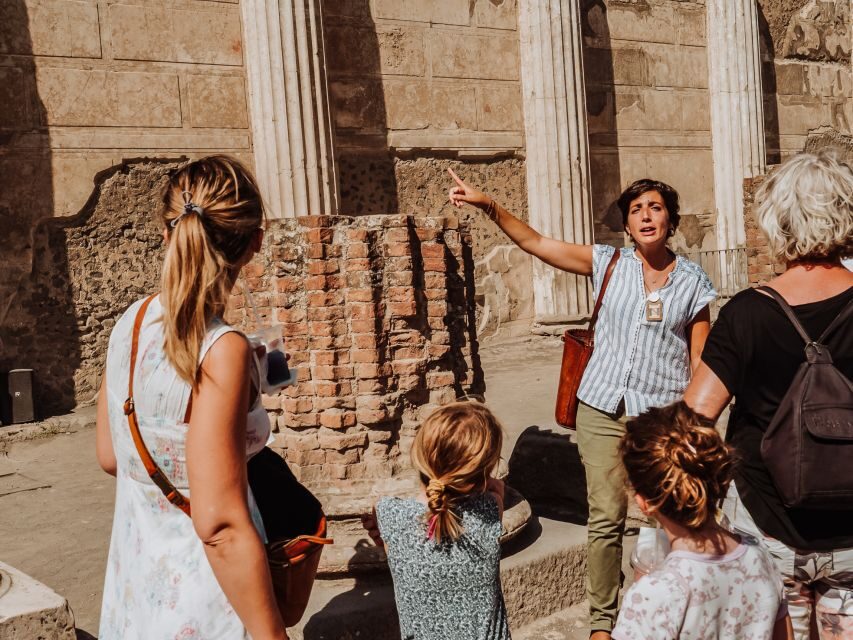
Pompeii feels personal with a real archaeologist. This small-group walk through the buried city helps you connect the ruins to real Roman life, with expert-led stops and skip-the-line entry built in.
I especially like that you stay in a group of up to 20 people. It keeps questions close to the moment you’re standing in front of, and on bigger groups you’ll have headsets to hear the guide clearly.
One thing to plan for: the site involves a lot of walking on uneven ground, including some steps. It is not a good choice if you need a wheelchair or a mobility scooter.
In This Review
- Key takeaways before you go
- Why an archaeologist guide turns Pompeii into a story
- Your 2-hour route: Porta Marina to the Foro Civile
- House of the Faun: why this residence gets the spotlight
- The Lupanar stop: history with context, not just shock
- House of Menander: smaller details, sharper understanding
- Macellum and Forum Baths: food and routines you can visualize
- Skip-the-line entry and small-group pacing that feels human
- Headsets, walking pace, and how to not miss the good stuff
- Guides bring style: how to read the experience no matter who leads
- Pompeii’s 79 AD eruption: the context that makes the ruins hit
- Who this Pompeii tour suits best
- Should you book this Pompeii archaeologist tour
- FAQ
- How long is the Pompeii entry ticket and guided tour with an archaeologist?
- Does the tour include skip-the-line entry?
- What’s included in the price?
- Where does the tour start?
- Which languages are available?
- Is this tour wheelchair accessible?
- Are unaccompanied minors allowed?
- Can I bring a dog?
- Is there free cancellation?
Key takeaways before you go
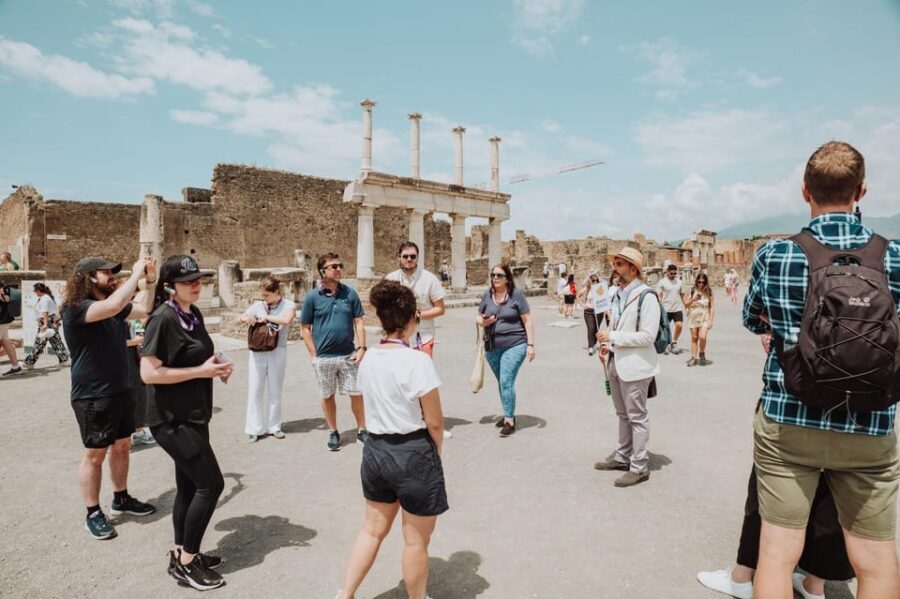
- Archaeologist-led, small group (up to 20 people): you get explanations tied to the exact spots you’re seeing.
- Skip-the-line Pompeii access with your included ticket: less waiting, more time in the ruins.
- Headsets for groups of 10+: easier listening when crowds thicken.
- High-impact stops like the House of the Faun, the Lupanar, and the House of Menander.
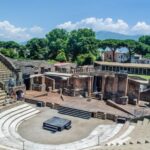
- Everyday Pompeii moments, from public spaces to the plaster casts of victims and theater areas.
Why an archaeologist guide turns Pompeii into a story
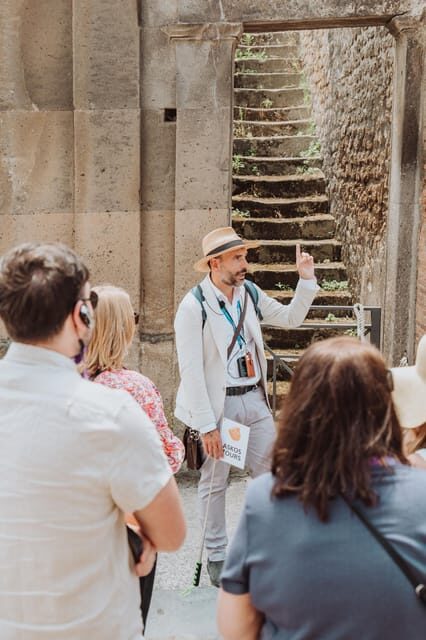
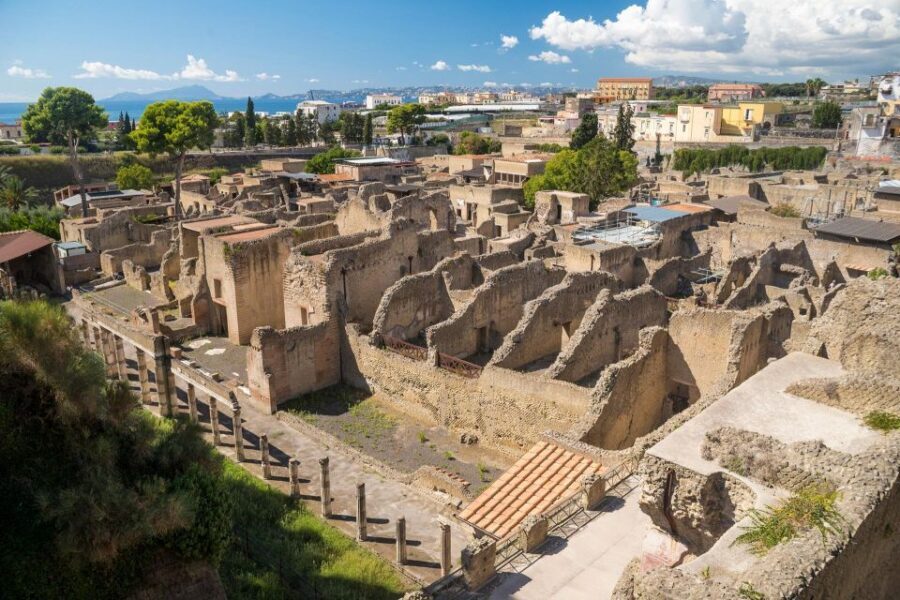
Pompeii is huge, and without context the ruins can blur together. With an archaeologist guide at the front, you’ll learn how the city worked—public spaces, homes, and routines—so the place starts making sense fast.
I like that the guide doesn’t treat Pompeii like a museum hallway. You’re walking and stopping, and you get guided interpretation while you’re still in the street grid and doorway thresholds that shaped daily life.
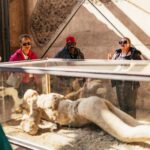
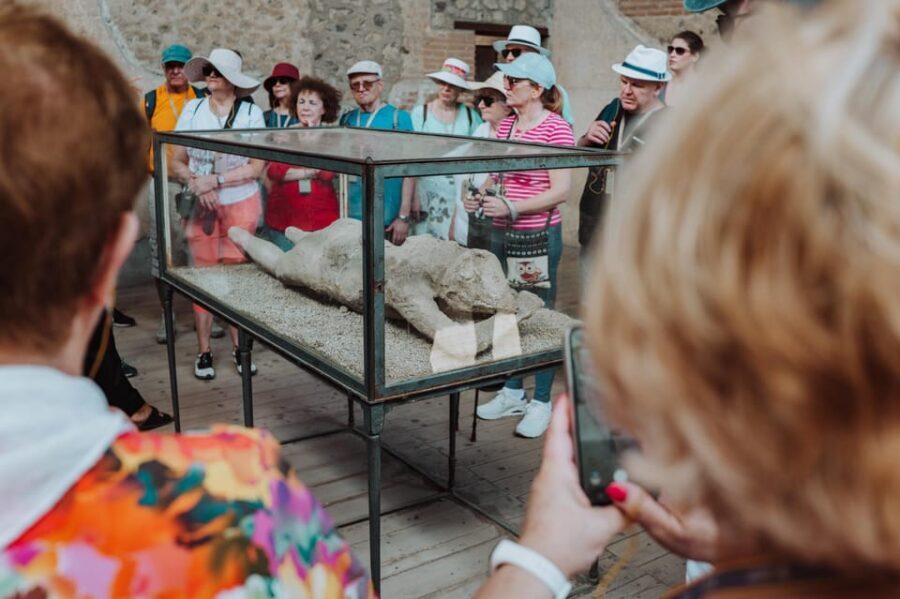
This also helps with the emotional part. Pompeii isn’t only impressive stonework; it’s also tragedy. Seeing the plaster casts of victims in a guided flow, with explanation, can make the history hit harder without turning it into something unclear.
If you're still narrowing it down, here are other tours in Pompei Campania we've reviewed.



Your 2-hour route: Porta Marina to the Foro Civile
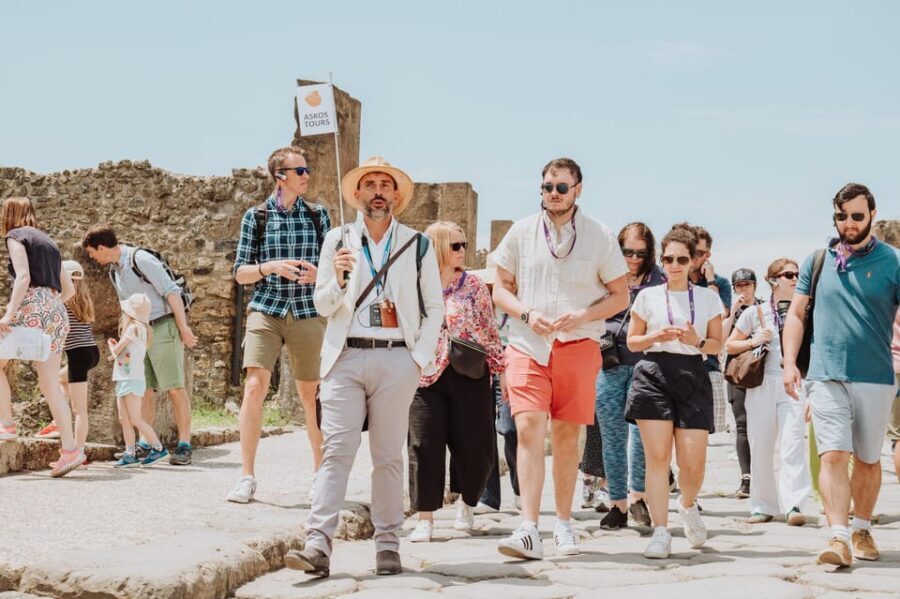
Your tour begins near the entrance areas, with a quick pass by Porta Marina (the Marina Gate area) to get oriented. You’re not just arriving—you’re starting to read Pompeii’s layout from the first moments.
Next, you move along toward the temple zone, including the Temple of Apollo area (as part of the route you’ll be shown). Temple stops are useful early because they help you understand what counted as public importance in a Roman city.
Then comes the big public hub: the Foro Civile di Pompei (Forum area). Even if you’ve seen photos, standing in a forum space is different. You get a sense of how many functions could overlap—politics, commerce, community life—right in the same core.
A practical note: early stops are usually where you’ll want your best focus and photos. Once the houses and smaller spaces begin, the route keeps moving.
House of the Faun: why this residence gets the spotlight

The House of the Faun is one of the headline stops, and it’s easy to see why. A major residence like this helps you shift from streets and civic life to private wealth and household organization.
In your guided time here, expect a walkthrough that points out what makes this kind of home special—how it reads as status, how rooms and layout supported daily routines, and what it says about owners and visitors. The goal isn’t to memorize facts; it’s to learn how to look.
The best value of including a flagship house in a short tour is simple. After 2 hours, you’ll remember at least one or two “anchors.” This is one of them.
The Lupanar stop: history with context, not just shock
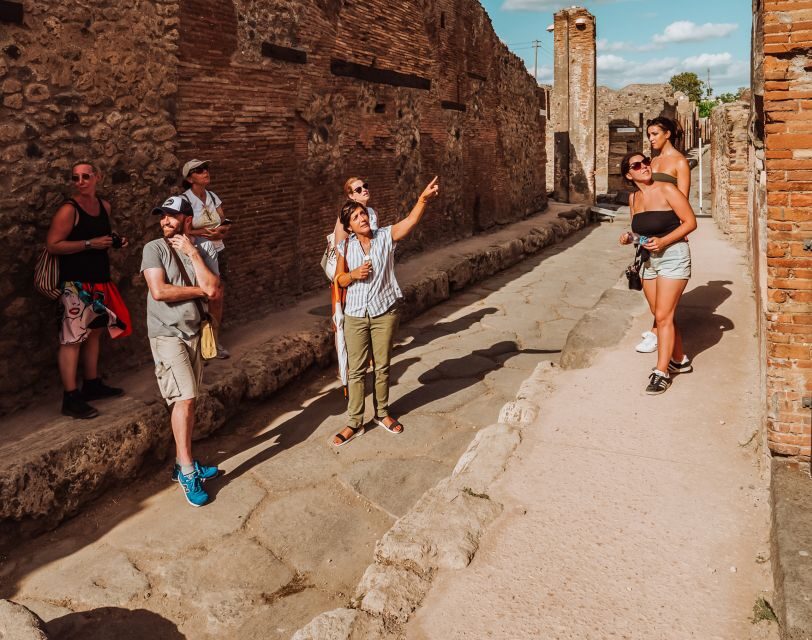
The Lupanar (Pompeii’s brothel) can be the most surprising stop on the route. It’s also one of the most valuable, because it pushes you to look at everyday life beyond temples and elite homes.
Your guided time here matters because brothels are easy to misunderstand if you only bring modern assumptions. With a real archaeologist guide at your side, the conversation tends to stay anchored in what the site shows and what that tells you about the city’s social world.
If you’re worried about this stop being awkward, you’re not alone. The fact that it’s explained as part of a broader city picture—alongside the forum and homes—helps keep it grounded in history rather than sensation.
House of Menander: smaller details, sharper understanding
Next you’ll move to the House of Menander, another major residence stop. Compared with the House of the Faun, this one helps you see that Pompeii’s elite homes weren’t one-size-fits-all.
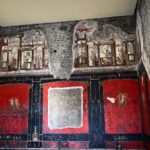
In a guided setting, this is where you learn to compare. You start noticing how houses communicated status, how spaces supported household life, and why Pompeii’s preserved architecture is so useful for understanding Roman habits.
This stop also helps close the loop. After seeing public life and then the Lupanar’s private-commercial world, you’re back in a household context that rounds out what daily life could look like for different people.


Macellum and Forum Baths: food and routines you can visualize
You’ll also get time around the Macellum of Pompeii, the market area. A food and trade stop is smart on a short tour because it gives you something practical: people ate, shopped, and met. That’s the kind of detail that makes the city feel real.
Then comes Forum Baths. Baths are a powerful Pompeii clue because they connect architecture to routine. You’ll understand why bathing wasn’t just hygiene—it fit into social schedules and public life.
I like that these stops broaden the tour’s emotional range. Instead of only elite homes and dramatic death imagery, you also get a sense of how people spent ordinary hours—how they moved through the day and where they gathered.
Skip-the-line entry and small-group pacing that feels human
This experience costs $35 per person for a 2-hour visit that combines an included entrance ticket plus an archaeologist guide. For Pompeii, that’s usually the heart of the value: you’re paying for interpretation and time savings, not just access.
The skip-the-line Pompei Express ticket is a big deal in practice. Pompeii can bottleneck at the entry points, and when that happens, the ruins feel smaller because you lose prime daylight and walking energy before you even start.
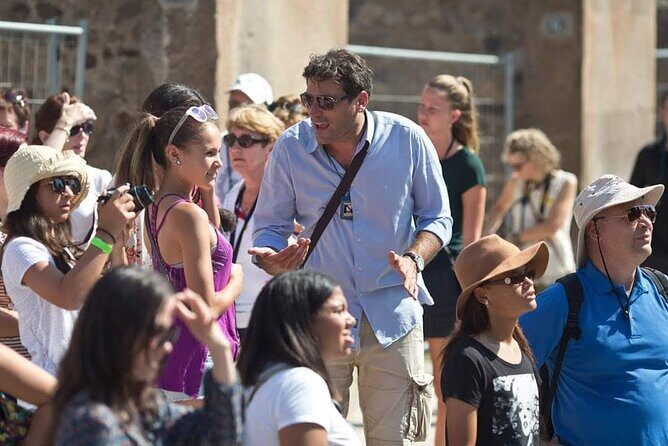
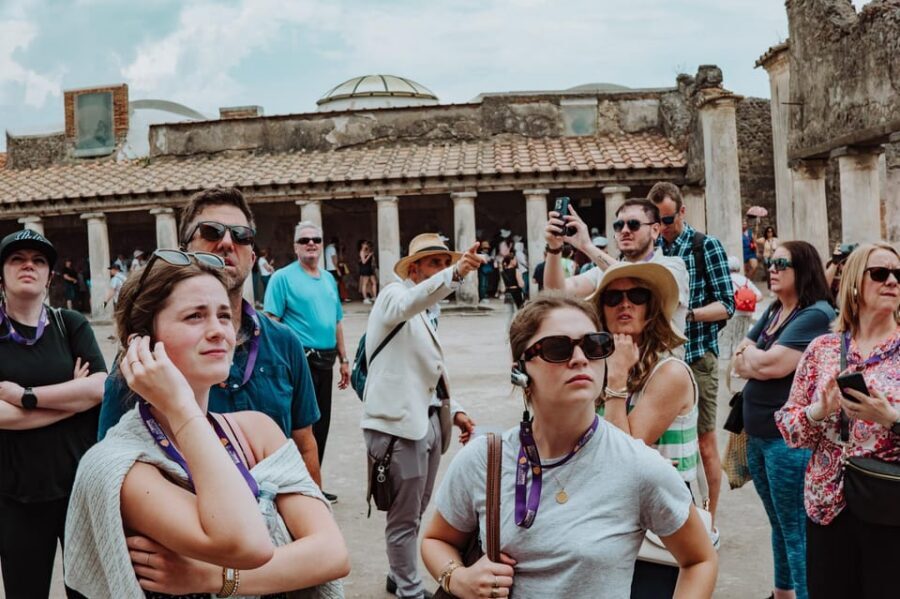
Group size stays limited to up to 20 people. That matters more than you might think. With a bigger crowd, guides end up talking at you instead of around you. Here, you have a better chance to ask questions and get answers tied to what you’re seeing.
Headsets, walking pace, and how to not miss the good stuff
Headsets are included for groups of 10+ people. If you’re in that range, they can save your ears when the route passes dense crowds.
One small consideration: if the headset feels awkward, you may need to adjust how you hold it so you can hear clearly. The good news is that the guide keeps speaking through the walk, so the headset system is designed for moving between stops.
You will walk a fair amount, and the ground can be uneven, with some steps. Bring comfortable shoes you trust on stone, and plan for slow moments when you’re catching up with the group.
And bring water. On longer walks, even a short 2-hour tour can leave you a bit dehydrated—especially if weather is mixed. I’d also pack a light layer if it’s cool or rainy. Some groups do their full tour in bad weather, and you’ll want to stay comfortable enough to keep paying attention.
Guides bring style: how to read the experience no matter who leads
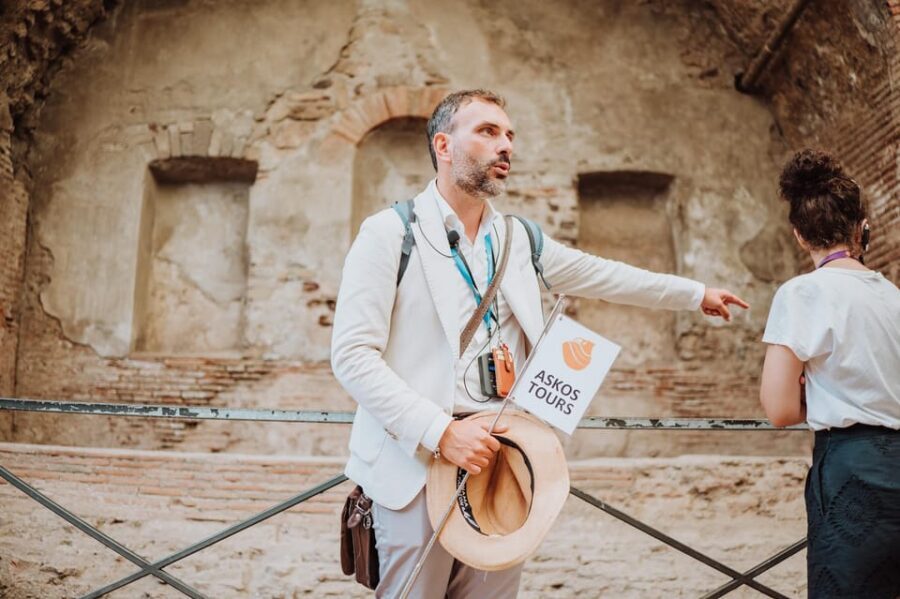
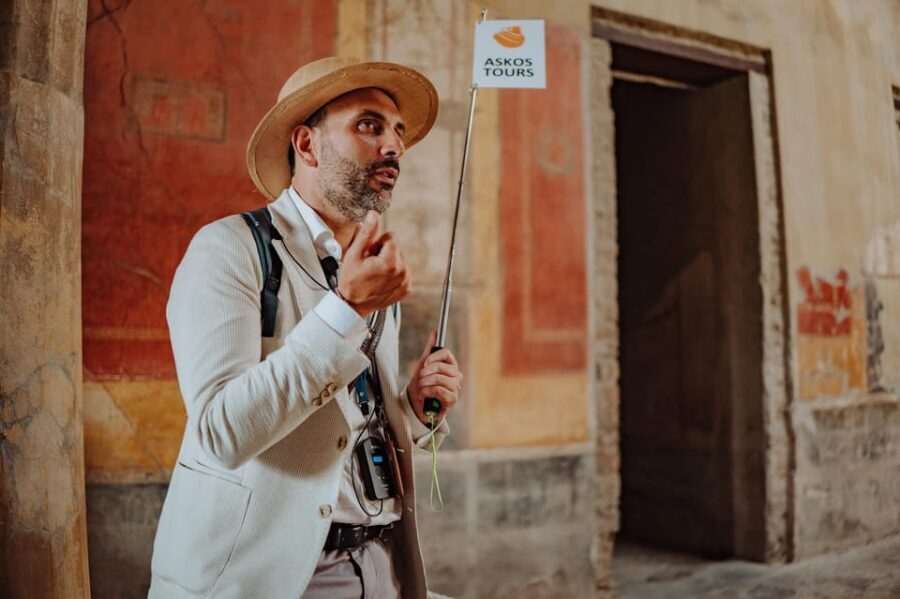
The guide is central here, and the names you might see vary by departure. You may be led by people like Teresa, Anna Sorrento, Giancarlo, Alfredo, Paolo, Mina, Mario, Diego, or Jolanda—each with a different personality.
What stays consistent is the way many guides explain Pompeii as a lived place. You’ll hear connections between architecture and daily routines, plus context about the city right before 79 AD.
That’s why I like this format: it’s not just facts. It’s interpretation, with the human voice doing the heavy lifting.
Pompeii’s 79 AD eruption: the context that makes the ruins hit
The tour frames Pompeii around the city’s fate: the eruption of Mount Vesuvius buried the town in 79 AD. This context isn’t a lecture that happens before you walk—it’s part of the route so you can connect it to what you’re seeing.
The result is that the site feels more than ancient. It becomes a snapshot of a real community stopped mid-motion—streets, houses, public areas, and the preserved plaster casts of victims.
You’ll also hear about how Pompeii functioned day to day, including public spaces like the forum and bath areas. That balance—between awe, routine, and loss—makes the experience more than a photo stop.
Who this Pompeii tour suits best
This works well if you want a guided route through top highlights without spending hours figuring out what you’re looking at. It’s also a good fit for first-timers because you see major homes, public spaces, and the emotionally heavy plaster cast areas in one compact plan.
It’s less suitable if you have mobility challenges. The tour is not suited for wheelchair users, and mobility scooters are not allowed.
Unaccompanied minors are also not allowed, so if you’re traveling with younger people, plan for adult accompaniment. On the pet side, only small dogs are permitted: up to 10 kg and up to 40 cm, on a leash, and held in the arms inside buildings—with mandatory waste collection.
Should you book this Pompeii archaeologist tour
Yes, if you care about learning what the ruins meant and you want help connecting stones to real life. At $35 for a 2-hour guided experience with skip-the-line access and an archaeologist guide, you’re paying for clarity and saved time, not just entry.
Skip it only if walking on uneven ground is a problem for you, or if you require wheelchair accessibility. For everyone else, this is one of the smarter ways to tackle Pompeii fast and still leave with a real understanding—not just a list of buildings you vaguely recognize.
FAQ
How long is the Pompeii entry ticket and guided tour with an archaeologist?
The tour lasts 2 hours.
Does the tour include skip-the-line entry?
Yes. The experience includes a Pompei Express entrance ticket and skip-the-line access.
What’s included in the price?
Included are the entrance ticket, an archaeologist guide, a small group tour, and headsets for groups of 10 people or more.
Where does the tour start?
The meeting point may vary depending on the option booked. One listed starting option is Via Villa dei Misteri, 2.
Which languages are available?
The live guide is offered in English, Spanish, French, Italian, Portuguese, and German.
Is this tour wheelchair accessible?
No. It is not suitable for wheelchair users, and mobility scooters are not allowed.
Are unaccompanied minors allowed?
No. Unaccompanied minors are not allowed.
Can I bring a dog?
Only small dogs are permitted: up to 10 kg and 40 cm maximum height, leashed, held in arms inside buildings, with mandatory waste collection.
Is there free cancellation?
Yes. You can cancel up to 24 hours in advance for a full refund.