REVIEW · NAPLES
Herculaneum: Skip-the-Line Entry Ticket with Audio Guide
Book on GetYourGuide →Operated by Tempio Travel Sorrento · Bookable on GetYourGuide
There’s a quieter kind of shock at Herculaneum. This self-paced visit pairs a skip-the-line entry ticket with an audio guide and map, so you can move through the Roman town at your own rhythm while the narration fills in what you’re actually looking at. I like that it’s small enough to feel personal, and I also like that the audio is designed to help you spot details like wall paintings, doorways, and household layouts—without needing a live guide on every step.
The one thing to watch is wayfinding: some people find the audio’s numbering and phone/app cues don’t always match the site perfectly, so you’ll want to use the provided map early and stay flexible with your listening order.
In This Review
- Key things I’d focus on
- Herculaneum After Vesuvius: what makes it feel so different from Pompeii
- Skip-the-line entry and audio pickup: arriving at the park
- Your audio guide and map: how to stay oriented without GPS
- Walking the ancient market, fountains, and theatre areas
- Villas buried in 79 AD: frescoes, doors, and real household contrasts
- Temples, gods, and civic space: what the audio adds when you slow down
- Museum moments and the sea-side tragedy: where the visit lands
- How long should you plan? Terrain, breaks, and smart timing
- Price and value: is $15 worth it for an audio self-guided day?
- Who should buy this Herculaneum audio ticket?
- Should you book this Herculaneum audio guide ticket?
- FAQ
- Where do I go when I arrive?
- What languages is the audio guide in?
- How long should I plan for?
- Is there a live guide included?
- Do I need to bring ID?
- What should I bring for the visit?
- What if I need to cancel?
Key things I’d focus on
- Well-preserved houses and wall art that can feel more intimate than Pompeii
- Audio guide + site map to help you navigate market, fountains, and theatre areas
- 79 AD Vesuvius context at burial sites, rescue areas, and tragic exhibits
- 3D/360 views in the app for certain objects (when available on the device)
- Terrain that takes effort: cobblestones, steps, and a few climbs
Herculaneum After Vesuvius: what makes it feel so different from Pompeii
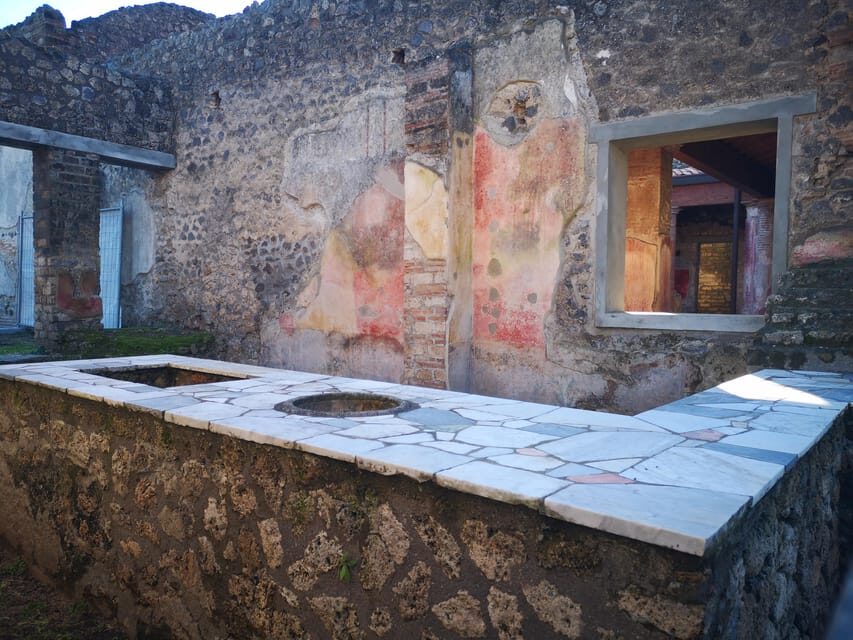
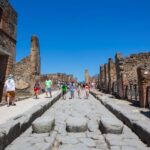
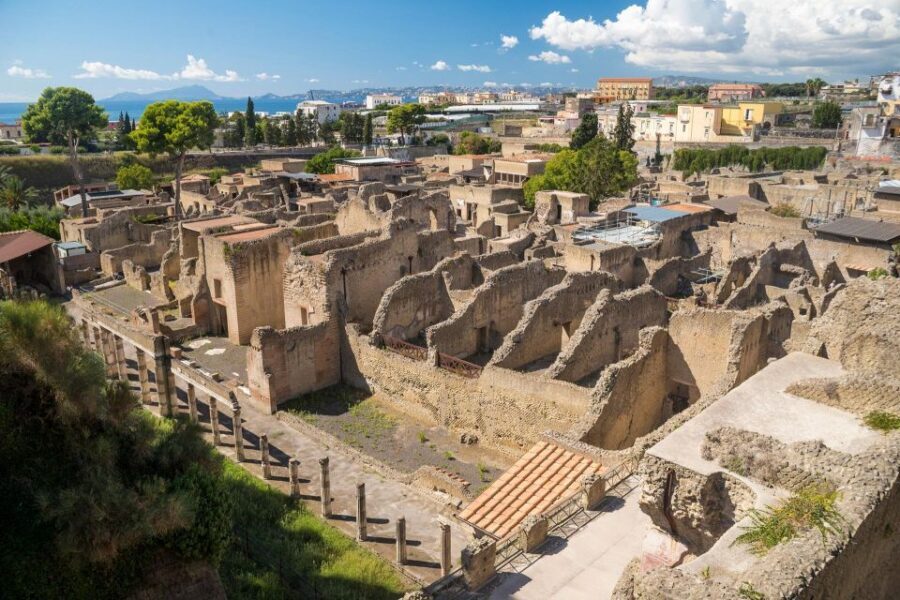
Herculaneum is the Roman neighbor that somehow feels more human. Same disaster—Vesuvius’ 79 AD eruption—yet the town’s condition makes the story hit harder. The volcanic ash preserved structures and surfaces in a way that lets you see household life in a very concrete, physical way: rooms, thresholds, wall decoration, and the contrast between everyday spaces and wealth.
I like the fact that it’s more compact than Pompeii. You can actually finish the main highlights in one good half-day to full-day swing, rather than turning your visit into a marathon. You still get that big scale of tragedy and history, but with fewer crowds and less sprinting between stops.
There’s also a strong emotional arc to the site. You don’t just look at ruins—you follow the logic of how a town functioned, then you end up in the parts that represent what happened to people when escape failed. Even if you’re not a hardcore Roman-history person, you’ll feel that shift.
If you're still narrowing it down, here are other tours in Naples we've reviewed.
Skip-the-line entry and audio pickup: arriving at the park
Your ticket is tied to the Herculaneum ticket office, and that’s where you’ll show your booking to start. The experience is set up for self-guided wandering, so after entry you’ll focus on getting the audio device and settling into your route.
A practical heads-up: some visitors report there can be confusion on how skip-the-line access works, especially if there’s more than one desk involved for different steps (entry vs. audio pickup). If you want the smoothest start, do this:
- Go straight to the ticket office with your booking ready.
- Then immediately ask where to collect the audio guide device, even if signage looks a bit vague.
Audio pickup can involve leaving identification (like a passport or ID card) as security. One review also mentioned the audio guide being a smartphone-based system you hold to your ear with a headset or earbuds. That’s a big reason to have comfortable earbuds you trust, since handheld audio can get fiddly if you’re still figuring out the device.
Your audio guide and map: how to stay oriented without GPS
The audio guide is included, and it’s available in English, French, German, Italian, and Spanish. That’s great if you’re traveling as a mixed-language group, or if you want narration in your strongest language without paying extra.
Here’s what the experience actually depends on: the map and the way the guide cues you. You should expect to use the map to find areas like the ancient market, public fountains, and the theatre zones. The device also provides a way to select numbered stops, which is helpful once it clicks.
Now the honest part: a few reviews say the numbers on the phone/app cues don’t always match what you see on the ground, and sometimes the audio can point you to a place that feels off by a little. One person even noted that you might have to follow cues in any order, because the site may not match the cue numbering exactly.
So I’d plan for this workflow:
- Start by checking the map immediately after you get the audio.
- Pick one main cluster of stops (market + nearby public spaces is a good start).
- If numbering seems weird, follow the physical map area first, then listen when you find the right spot.
Some people also said Bluetooth support isn’t built in, so if you were hoping to connect your own earbuds wirelessly, you may need to use the provided setup or a wired option. On the upside, at least one review mentioned 3D and 360 views for certain objects inside the app, which can be a surprisingly good way to understand what you’re seeing.
Walking the ancient market, fountains, and theatre areas
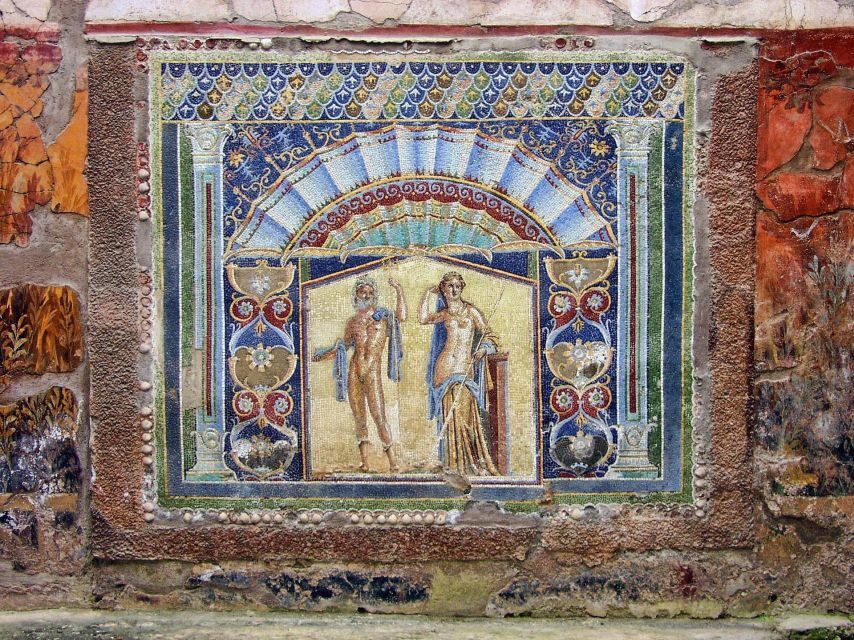
Once you’re in and oriented, your first job is pacing. Herculaneum is not a “see everything in 45 minutes” kind of place. It’s better as a slow walk where you stop, look, then listen to the audio explanation tied to that exact room or street area.
The market section is a strong anchor for understanding daily life. It’s one of those places where ruins stop being abstract. You can connect the space to routine: trading, moving through lanes, and the everyday rhythm of a Roman town. If you enjoy people-and-lifestyle history, this part tends to click fast.
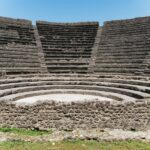
From there, you’ll want to let the map steer you toward public fountains and theatre areas. Even if you’re not a theatre buff, the theatre zone helps you see how civic life worked—how entertainment, gatherings, and public space were built into the city layout.
One thing I appreciate about doing it self-guided: you don’t have to keep tempo with a group. If a specific shopfront ruin or doorway detail catches your eye, you can linger and replay the matching audio stop. The narration is built for that kind of stop-start wandering.
Villas buried in 79 AD: frescoes, doors, and real household contrasts
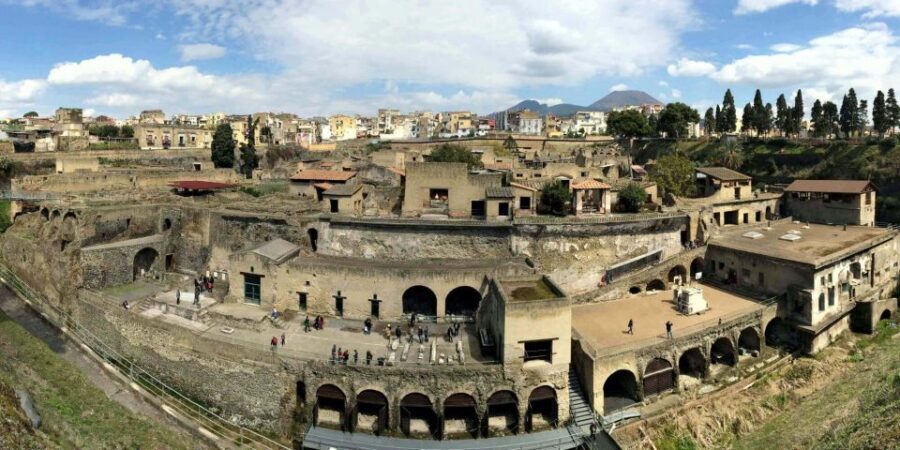
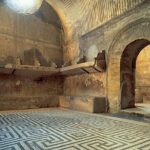
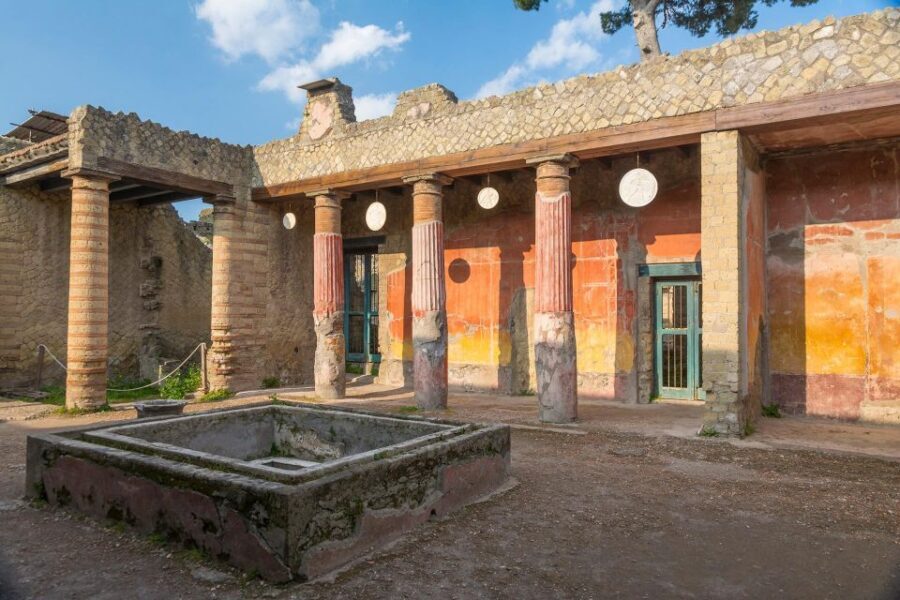
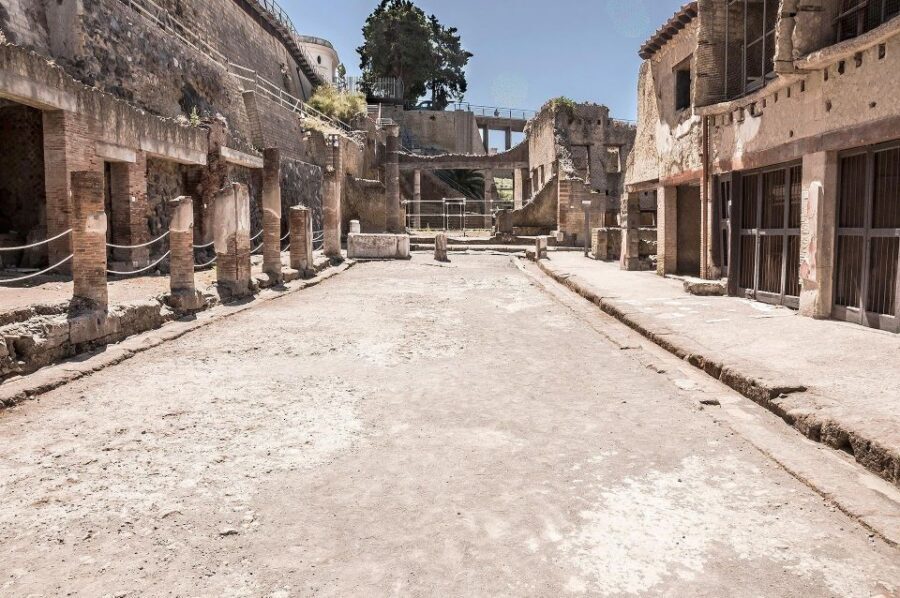
This is where Herculaneum earns its reputation. Volcanic ash sealed villas and interiors in a way that keeps details readable. You get to see things that feel personal rather than monumental—things like decorative wall paintings, structural elements, and doorways that suggest what daily rooms used to look like.
The story gets sharper when the audio helps you connect preservation to tragedy. You’re walking through villas tied to the day Vesuvius erupted in 79 AD, and then you reach areas associated with people who perished while hoping for rescue from the sea. Those moments are heavier than most ruins, so I’d save time to sit when you get there instead of treating it like a quick photo stop.
The site also supports a strong comparison between social classes. One of the highlights mentioned in the description is contrasting slave housing with the more lavish living spaces of wealthy Romans. Even when you’re just reading room scale and layout from a few surviving features, the contrast can land quickly.
Also watch for the small details that visitors seem to love:
- Colorful paintings on walls
- Wooden door and fixture elements where they’ve survived
- Floor plans and room structure that help you picture how people moved through the space
If you’re someone who enjoys learning through objects (rather than through big speeches), these are the stops that make the audio feel worth the effort.





Temples, gods, and civic space: what the audio adds when you slow down
Not every part of Herculaneum is about houses. You’ll also find areas described as temples and spaces tied to depictions of ancient gods. This matters because it expands the visit from “a town’s homes” into “a town’s beliefs and public identity.”
The audio guide is the main tool here. Without narration, it can be easy to walk through a religious or civic space and miss the significance. With the narration, you’ll get the context for symbols and depictions, and you can better understand what role these areas likely played.
One practical consideration: some buildings can be temporarily closed or inaccessible. A couple of reviews mentioned closure impacts, so don’t build your plan around one specific indoor room being open. Keep the flexible mindset: choose clusters, then let what’s open define your final route.
Museum moments and the sea-side tragedy: where the visit lands
You’ll likely spend real time near the museum area and the exhibit spaces connected to the most moving parts of the story. The ruins themselves are unforgettable, but the end-of-visit exhibits are often what people remember most because they tie the architecture to human outcomes.
One review singled out “the skeletons” area as especially poignant, describing a sense of sadness that lingered. Another mentioned finishing with caves areas for a moving conclusion. You don’t need a technical history background to get the emotional message—just give yourself time and don’t rush the final stretch.
Also, note that Herculaneum does have facilities like a café/snack area and toilets. One reviewer called the toilets rough, and another mentioned eating options nearby. Plan food simply: pack a snack or lunch you can eat at the site (or plan a meal break nearby) so you’re not hunting while tired.
And yes—there are cats around the site. They aren’t part of the tour route, but you may see them hanging out as if they own the cobblestones.
How long should you plan? Terrain, breaks, and smart timing
The ticket duration says 1 day, but your real time needs depend on how slow you walk. Reviews commonly describe around 3 to 4 hours for a full wandering loop, especially when you take time with frescoes and museum objects.
Timing can change your whole day. One visitor said going earlier meant fewer crowds and a smoother experience, and another said crowds were reasonable. If you can, pick an early entry time. You’ll have an easier time hearing the audio clearly, reading smaller labels, and enjoying the vistas from quieter spots.
Terrain is another big factor. The site has cobblestones and some steep steps. Even if you’re comfortable walking, you’ll feel the ground under you—so wear comfortable shoes and plan a few slower moments. On the bright side, there are places to sit and take in views, which helps you recover without losing the thread of the story.
If you want the smoothest audio experience, start by learning how the device cues you. Some reviews said it can be confusing at first about where to look, but that it usually gets easier once you orient yourself with the map and numbering system.
Price and value: is $15 worth it for an audio self-guided day?
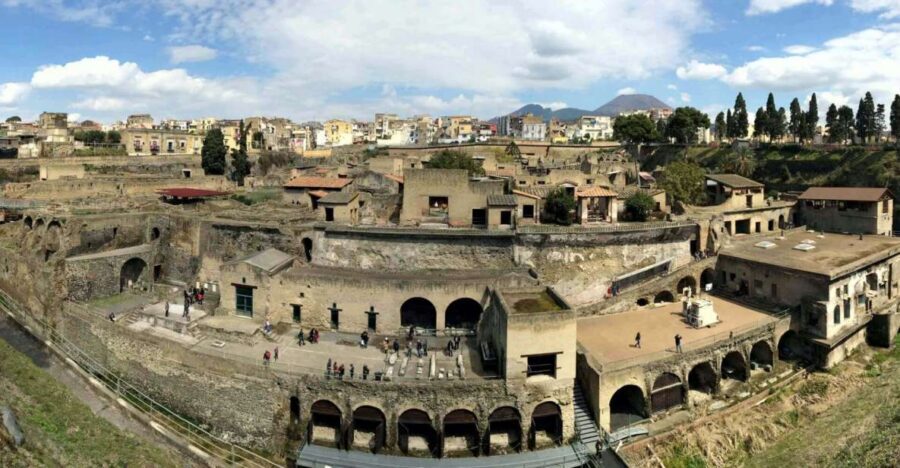
At $15 per person, the value depends on how much you’ll actually use the audio guide. If you’re the kind of visitor who enjoys context—why a room mattered, what a depiction suggests, how daily life worked—then $15 is a bargain compared to hiring a private guide for a long session.
What makes it good value:
- Entry + audio guide + map are included.
- The site is smaller and often feels more manageable than Pompeii, so you can get a full experience without spending your entire day commuting between far-away stops.
- The preservation level is the star. When your surroundings are so intact, the audio makes the details click faster.
Is it perfect value? Mostly, yes—except for two practical issues that show up in reviews:
- The audio cue numbering may not perfectly match physical markers, which can cost a few minutes of mental energy.
- People sometimes report lines at desks for audio and entry steps, meaning the skip-the-line part can be less dramatic than you’d hope in certain moments.
Still, most reviews rate the experience very highly, with many saying there were no long waits and the audio was easy to use. If you’re flexible and use the map early, you’ll likely feel the value quickly.
One more angle: there’s sometimes an option to upgrade to a guided tour. A review mentioned an upgrade for €20 and a guide named Tony who did a brilliant job, and another referenced Fabio delivering an excellent guided walkthrough. If you want more interpretation than audio provides—especially for religion, social class contrasts, and archaeology choices—this upgrade can be worth considering.
And if you’re visiting on the first Sunday of the month, at least one review said entry is free. That’s a great thing to check for your exact dates if you’re chasing the best value.
Who should buy this Herculaneum audio ticket?
This ticket is ideal if you want control. You can stop for details, loop back, and spend extra time where the story grabs you—without paying for a full live guide.
You’ll especially enjoy it if you:
- Like Roman everyday life (markets, houses, civic spaces)
- Want to compare social classes through preserved spaces
- Enjoy audio narration tied to physical locations
- Prefer a quieter alternative to Pompeii
It may feel less ideal if you:
- Need perfectly consistent numbering/cues to navigate
- Hate any uncertainty with wayfinding
- Strongly prefer Bluetooth audio without dealing with the device setup
In that case, still consider it—but go in with a map-first mindset and accept that the route may be slightly adaptive.
Should you book this Herculaneum audio guide ticket?
Yes, if you want a one-day visit that feels both moving and practical. I’d book it because the combination of preserved ruins, an included audio guide in multiple languages, and a map makes it easy to get meaning from what you see—without turning the day into a rushed checklist.
Book it with confidence if you:
- Plan to spend about 3 to 4 hours
- Can handle cobblestones and steps
- Are okay using a map and adjusting when cue numbers feel off
Skip it only if you strongly need a perfectly guided route with zero room for cue mismatch and you’re already set on hiring a full live guide instead. Otherwise, this $15 package is a solid way to see why Herculaneum can hit harder than Pompeii, while keeping your day flexible and your pace in your hands.
FAQ
Where do I go when I arrive?
Show your ticket at the Herculaneum ticket office. That’s your starting point for entry and then collecting the audio guide.
What languages is the audio guide in?
The audio guide is available in English, French, German, Italian, and Spanish.
How long should I plan for?
The activity is listed as 1 day. In practice, many visitors spend a few hours exploring at their own pace.
Is there a live guide included?
No. The listing doesn’t include a guide. It’s a self-guided experience with an audio guide and map.
Do I need to bring ID?
You should bring a passport or ID card. One review noted you may need to leave identification to pick up the audio device.
What should I bring for the visit?
Bring passport or ID card and comfortable shoes, since the site includes cobblestones and steps.
What if I need to cancel?
You can cancel up to 24 hours in advance for a full refund.