REVIEW · POMPEI CAMPANIA
Pompei: Cooking class fresh pasta
Book on GetYourGuide →Operated by Giardini Balestrieri 132 · Bookable on GetYourGuide
Apron on, Pompeii nearby, pasta rising. I love the hands-on fresh pasta part, where you really work the dough, not just watch. I also love the garden-to-table feel—seasonal ingredients, a view toward Vesuvius, and a meal that feels like Sundays in Campania, not a staged performance.
One thing to consider: this is a true cooking experience that lasts about 3 hours, so it’s not ideal if you want something super quick or mostly passive.
In This Review
- Key things to know before you go
- Pompeian Countryside Cooking Class, Right Near Pompeii
- Meet Sabrina the Cesarina: Local Traditions, Practical Teaching
- What You’ll Cook: Bruschetta, Fresh Pasta, and Campania Sunday Flavor
- Dessert in the Pompeian Garden: The Sweet Side of Campania
- Eating the Meal: Gragnano Wine and a Real Local Table
- Your Timing Strategy: Pair Pompeii With a Garden Meal
- Price and Value: Is $91.76 Worth It?
- Who This Class Fits Best (and Who Might Skip It)
- Should You Book Sabrina’s Pompeii Pasta Class?
- FAQ
- How long is the Pompei cooking class?
- What do you include in the menu?
- Is wine included?
- Where do I meet for the class?
- Is the cooking class taught in English?
- Is a transfer included?
- What is the cancellation and payment policy?
Key things to know before you go
- Minutes from Pompeii: You’re close enough to the excavations and sanctuary that you can plan around both.
- Cesarina hospitality: Sabrina’s role is to share local traditions, recipes, and welcoming culture.
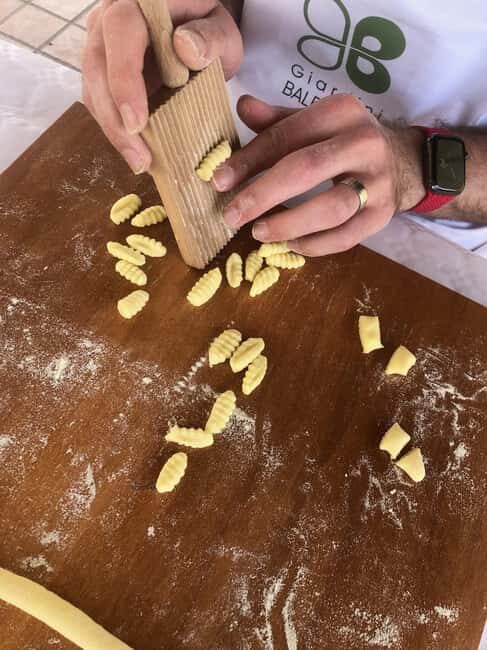
- Hands-on pasta making: You get involved with dough, shaping, and learning as you go.
- Garden produce on the plate: Seasonal veggies for bruschetta and homemade dessert with mostly homegrown ingredients.
- A full meal, not a snack: Bruschetta, fresh pasta, homemade dessert, plus water and gragnano wine.
Pompeian Countryside Cooking Class, Right Near Pompeii
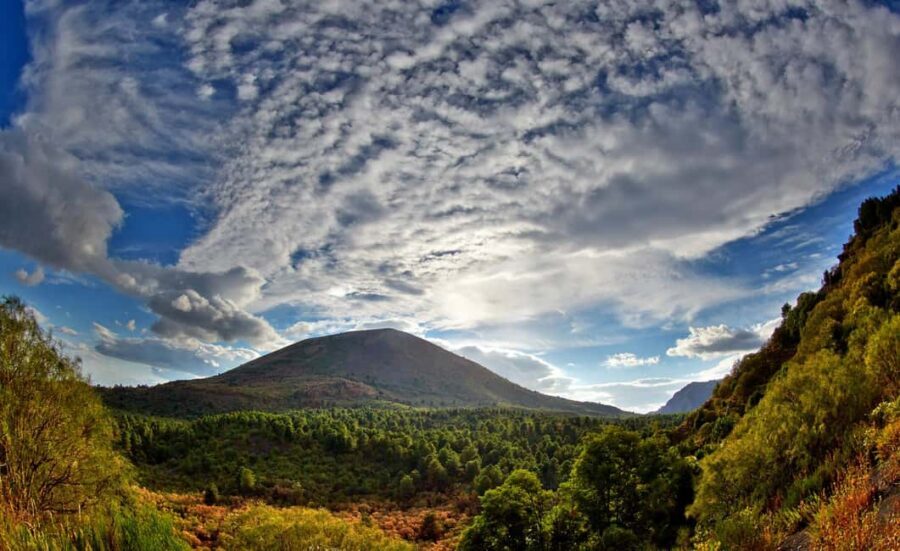
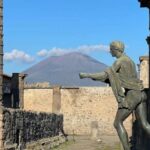
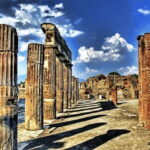
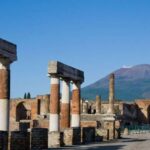
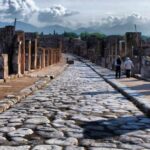
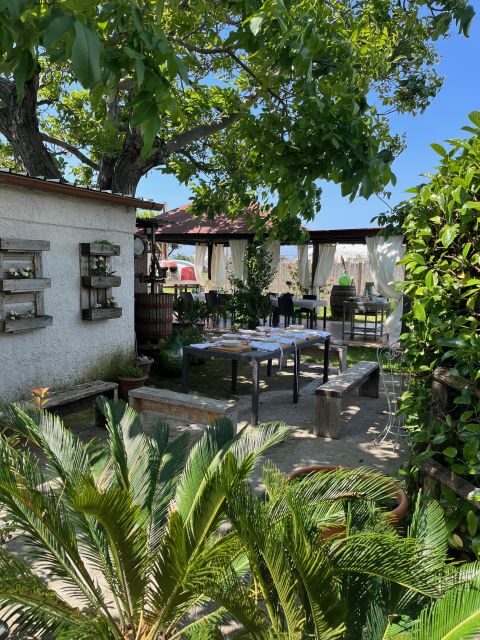
This class takes you just a few minutes from the Pompeii excavations and sanctuary, but the setting feels like you’ve slipped out of the crowds. You start at Giardini Balestrieri—look for the sign that says balestrieri gardens. From there, you’re in the Pompeian countryside with a view toward Vesuvius and the Lattari mountains.
That mix matters. If you’re doing Pompeii, it’s easy for the day to feel like nonstop walking and ticket lines. This gives you the opposite pace: calmer, rural, and focused on food. And because the class includes a proper meal, you don’t end up scrambling for dinner afterward.
The place itself is described as intimate and familiar. The reviews echo that tone—small groups, warm introductions, and a vibe that feels more like you’ve been invited than sold to. It’s exactly the kind of activity that turns a Pompeii day from “see it” into “taste it.”
If you're still narrowing it down, here are other tours in Pompei Campania we've reviewed.


Meet Sabrina the Cesarina: Local Traditions, Practical Teaching
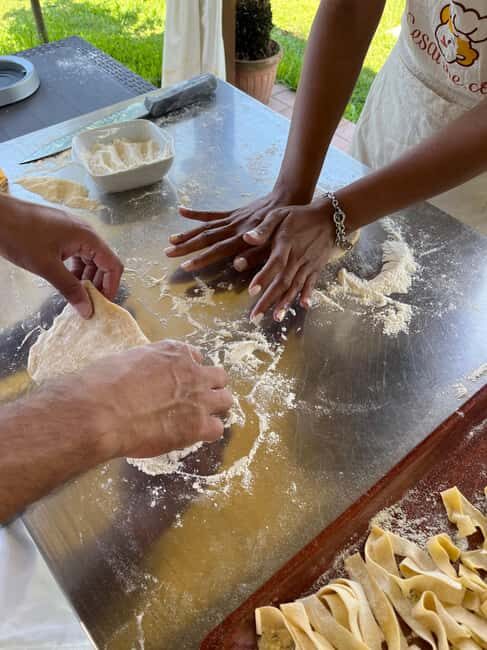
Your host is Sabrina, and she’s a Cesarina—someone dedicated to safeguarding and sharing local traditions, recipes, and hospitality. That doesn’t mean it’s stuffy or lecture-heavy. The experience is built around food and comfort, with teaching that’s patient and hands-on.
The class is taught in English, which is a big deal for this kind of cooking. When you’re working with dough, you want clear steps: what to do, what good looks like, and how to fix small mistakes without stress. From the way the experience is described, Sabrina’s teaching style is calm, friendly, and focused on getting you to the finish line.
There’s also a family-life energy here. You’ll feel like you’re part of the day’s rhythm—less “show and tell,” more “join us.” One reviewer even described it as spending time with family and making new friends. That’s the main reason people return, not because they’re hunting for a photo spot.
What You’ll Cook: Bruschetta, Fresh Pasta, and Campania Sunday Flavor
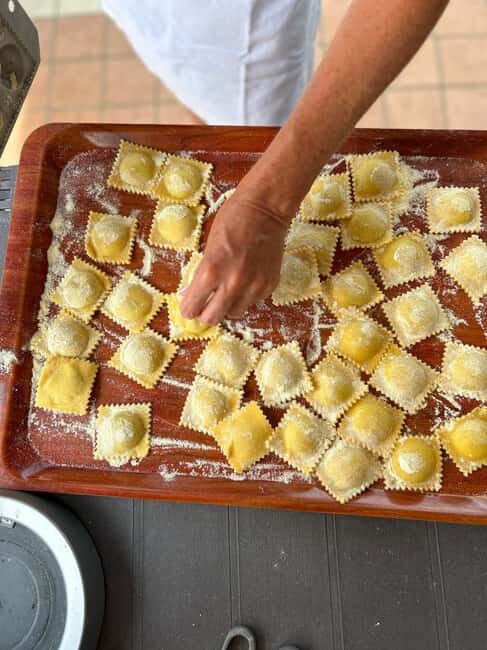
The meal starts with bruschetta with seasonal vegetables. It’s simple in concept—bread plus seasonal produce—but it sets the tone. You’re already thinking like a local cook: use what’s fresh, don’t overcomplicate it, and let flavor lead.
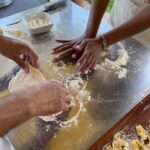
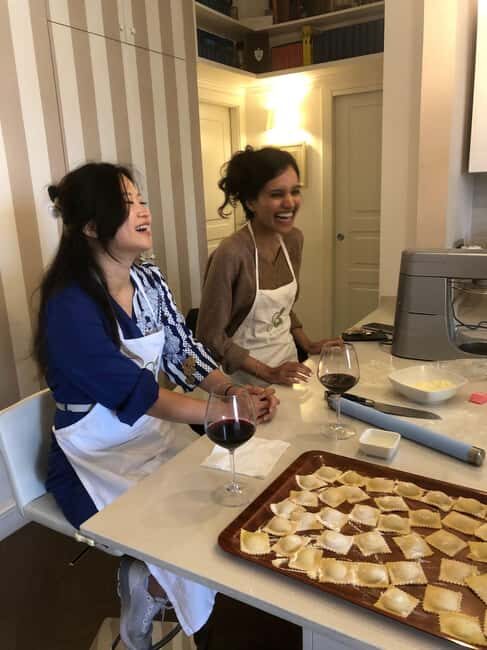
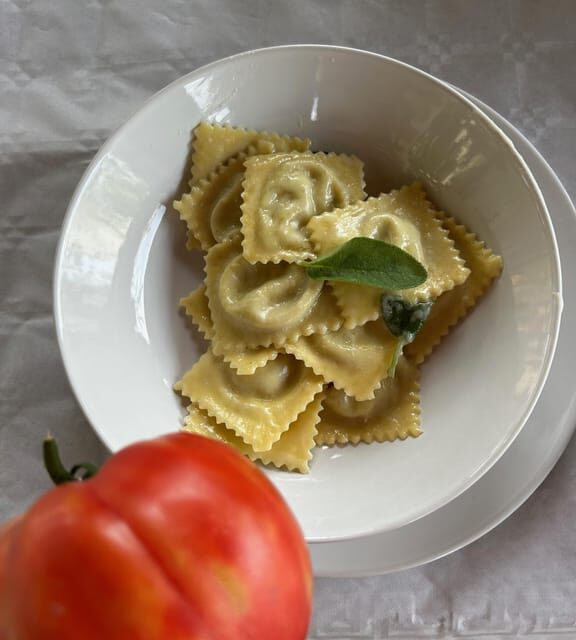
Then comes the centerpiece: fresh pasta. You’ll make the pasta together and, after putting your hands in it, you’ll eat what you prepare. In other words, you’re not just learning a technique—you’re producing the dish that ends up on your plate.
Now, what does that mean in real life? Plan on flour on your hands. Expect to get a little messy. And expect to learn by doing: mixing, working the dough, and handling the texture so it’s workable. If you’ve never made pasta before, this is still doable. The reviews point out that people weren’t trained chefs, yet they still came away feeling proud of what they made.
Also, this is framed as a typical Campania Sunday-style dish. That matters because it keeps the class rooted in local habits rather than an abstract “Italian cooking” theme. You’re learning food shaped by the region’s ingredients and routines—exactly what you want when you’re in Campania and not just passing through.
Dessert in the Pompeian Garden: The Sweet Side of Campania
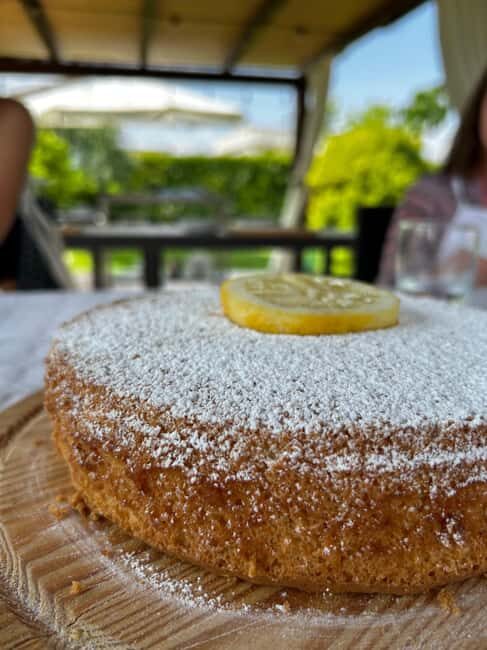
After pasta, the day turns sweet with a homemade dessert. The class description says you’ll make a typical Campania dessert, and the reviews get more specific: one person learned caprese lemon cake with mostly homegrown ingredients.
That detail is helpful. Caprese cake is known for being moist and not overly fussy, and the lemon flavor fits the Campania style—bright, grounded, and food-first. Even if you’re not a “dessert person,” you’ll usually feel like you understand the region a lot more after tasting something made with local inputs.
What I like about the way dessert is handled here is that it doesn’t feel like an add-on. It’s part of the family meal logic. You build savory first, then finish with something that rounds out the flavors you’ve been working with all afternoon.
And yes, you’ll eat it after you cook. That’s the best kind of payoff: you made it, you tasted it, you understood it.
Eating the Meal: Gragnano Wine and a Real Local Table
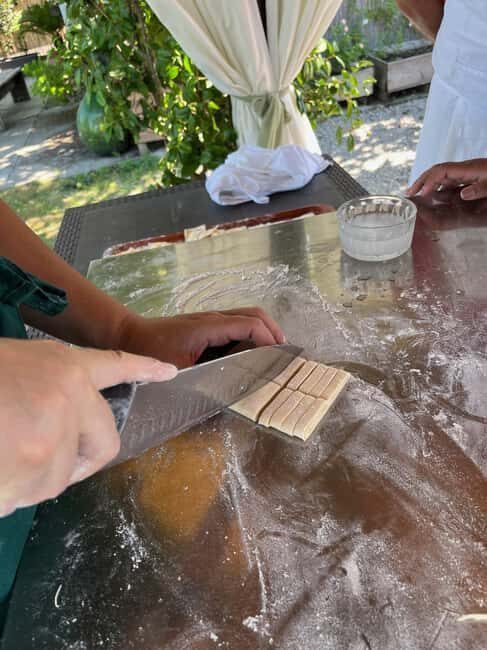
Once the cooking is done, you sit down and eat what you prepared: the bruschetta, the fresh pasta, and the homemade dessert. Water is included, and you’ll also get gragnano wine with the menu.
This is where the experience earns its value. A lot of cooking classes feed you something, but here the meal is clearly part of the point. You’re tasting regional food in the setting where the ingredients are coming from—garden produce grown for daily cooking style, not just display.
Also, adding wine is not a random bonus. Gragnano wine fits the Campania identity and makes the meal feel complete. If you’re visiting Pompeii and thinking about pairing—this gives you a built-in local match without making you do research.
If you prefer not to drink, you should still enjoy the meal. The included essentials are food and water; the wine is an added touch, not the foundation.


Your Timing Strategy: Pair Pompeii With a Garden Meal
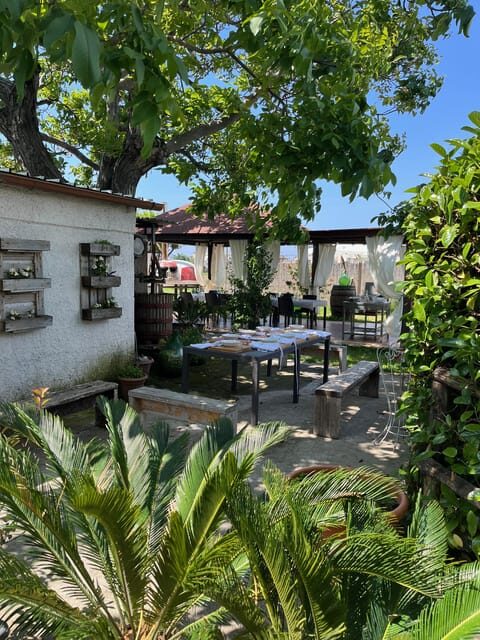
Because the meeting point is a short distance from the excavations and sanctuary, you can plan your day with less stress. Here’s the practical approach I’d use:
- If you want Pompeii first, go to the sites earlier in the day, then come to class for lunch or late afternoon energy (your exact start time depends on availability).
- If you’d rather avoid being exhausted by walking, start with the class and use Pompeii after. You’ll have a rested meal in your body and a calmer headspace.
Either way, think of this as the “why” behind a visit to Pompeii—not just the stones. The class gives you a taste of what life could feel like in this region. Even if your Pompeii visit covers hours of history, your pasta meal turns it into something sensory and personal.
Also, because the activity ends back at the meeting point, you won’t be stuck planning a complicated pickup. You’ll just return to the same base.
Price and Value: Is $91.76 Worth It?
At $91.76 per person, this isn’t the cheapest way to eat in the area—but it’s also not trying to be. The best way to judge value here is by what’s included and what you’re actually doing.
You’re paying for:
- A 3-hour hands-on cooking experience
- Bruschetta with seasonal vegetables
- Fresh pasta that you help make and then eat
- Homemade dessert
- Water
- Gragnano wine
That’s a full, sit-down meal plus instruction and ingredient work. You’re not just buying a taste—you’re making the food and learning a skill you’ll remember. And because the setting is close to Pompeii, you’re also buying convenience and atmosphere, not just a kitchen table.
Is it worth it? For me, yes—especially if you like food that’s tied to place. If you only want a quick snack or you’re hunting for a fast “tick the box” tour, you may feel like it’s a bigger commitment than you want.
But if you enjoy hands-on activities, small-group hospitality, and eating what you make, the price aligns well with the experience.
Who This Class Fits Best (and Who Might Skip It)
This cooking class is a strong match for:
- Couples looking for a memorable, social-but-not-chaotic activity near Pompeii
- Food lovers who want hands-on learning, not a lecture
- People who like the idea of tasting garden-grown ingredients and regional desserts
- Anyone who wants a break from crowds and wants a slower rhythm
One note for planning: the experience has a minimum for two people. If you’re traveling solo, check whether they can still accommodate you in the format you want (the listing specifies the minimum experience for two people).
Also, if you dislike practical activities, if you don’t want to handle dough, or if you’re traveling with tight timing and zero flexibility, this may feel like too much. It’s not a short tasting flight—it’s real cooking time.
Should You Book Sabrina’s Pompeii Pasta Class?
I’d book it if you want something that feels personal, not generic—and you’re happy to spend time making dinner in a garden setting. The best part isn’t just the menu. It’s the combination of Sabrina’s Cesarina hospitality, the small, friendly energy, and the fact that you actually create the pasta and dessert you’ll eat.
It’s also a good antidote to a Pompeii-only day. After you’ve seen the site, you’ll likely want something that uses your senses in a different way. Here, you leave with pasta skills, a sweet dessert memory (like caprese lemon cake), and a meal that tastes like Campania, not like a tour program.
If that sounds like your kind of day, go for it. If you’d rather keep things extremely hands-off or you need a very short stop, you might be happier choosing a lighter food experience instead.
FAQ
How long is the Pompei cooking class?
It lasts 3 hours.
What do you include in the menu?
The included menu is bruschetta with seasonal vegetables, fresh pasta, and homemade dessert, plus water.
Is wine included?
Yes, gragnano wine is included.
Where do I meet for the class?
You meet at the sign that says balestrieri gardens. The experience ends back at the same meeting point.
Is the cooking class taught in English?
Yes, the instructor teaches in English.
Is a transfer included?
Transfers are not included, but you can request a transfer.
What is the cancellation and payment policy?
You can cancel up to 24 hours in advance for a full refund. You can also reserve now & pay later.