REVIEW · POMPEI CAMPANIA
Pompeii: Skip-the-line-Ticket and Guided Tour
Book on GetYourGuide →Operated by TOURISTATION · Bookable on GetYourGuide
Pompeii hits you like a time machine. This skip-the-line, 2-hour guided walk lets you see UNESCO-listed Pompeii with an expert guide and a reserved entrance so you spend less time waiting and more time looking closely. You’ll follow the main spine of the city and get context for what you’re seeing, from everyday rooms to public spaces.
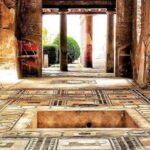
I especially love the close-up frescoes, mosaics, and wall paintings that bring daily life to the surface. I also like the way the tour is organized for hearing and flow, with headsets and a guide who keeps the group moving efficiently.
One thing to consider: it’s a short, high-density route. Pompeii is huge, and 2 hours means you’ll see key highlights rather than every corner, so if you want total freedom to wander, you’ll need extra time after the tour.
In This Review
- Key highlights to know before you go
- Skip-the-line Pompeii: where time savings really matter
- Meeting point at IBT Center/Touristation near Chalet Donna Lucia
- What’s included (and what you’ll handle yourself)
- The tour flow: Porta Marina Superiore to Pompeii’s heart
- Why this order works for first-timers
- Forum + Mount Vesuvius views: connecting place to story
- The big stops: baths, temples, bakery, theater, and brothel
- Art up close: frescoes, mosaics, and what they mean
- Semiprivate option up to 12 people: better hearing, better pacing
- Language options: English, French, Spanish, Italian
- Duration and coverage: what 2 hours can realistically do
- Practical do’s and don’ts inside the ruins
- Price and value: is $64 worth it?
- Should you book this Pompeii skip-the-line guided tour?
- FAQ
- How long is the Pompeii skip-the-line guided tour?
- Where do I meet the guide?
- What’s included in the price?
- Is Villa dei Misteri included?
- What should I bring with me?
- Are there restrictions on what I can bring?
- What languages are available for the live guide?
- Is this tour suitable for wheelchair users or mobility impairments?
- Is the tour refundable?
Key highlights to know before you go
- Skip-the-line entry helps you start fast instead of feeding the line monster.
- Archaeologist-style guidance turns ruins into real places, with stories about daily life.
- Mount Vesuvius viewpoints give you the big geographic picture behind the disaster.
- Frescoes, mosaics, and artworks are presented up close so details actually register.
- Headsets make it easier to hear your guide even when paths get crowded.
Skip-the-line Pompeii: where time savings really matter
Pompeii is popular for a reason, but that popularity creates a practical problem: lines. This tour gives you a skip-the-line ticket and a reserved entrance, which is a big deal in peak seasons when waiting can quietly eat your whole morning.
The other thing I like is that the tour isn’t just about access. You’re paying for an organized route with interpretation. Ruins alone can look like, well, impressive piles of stone. A good guide helps you learn what you’re looking at: what the spaces were for, how people lived, and why the artwork survives in the way it does.
At $64 per person for a 2-hour guided experience with the site ticket, it’s not the cheapest option. But it’s also not trying to be a full-day private expedition. You’re buying focused value: entry + guided time + headsets.
If you're still narrowing it down, here are other tours in Pompei Campania we've reviewed.



Meeting point at IBT Center/Touristation near Chalet Donna Lucia
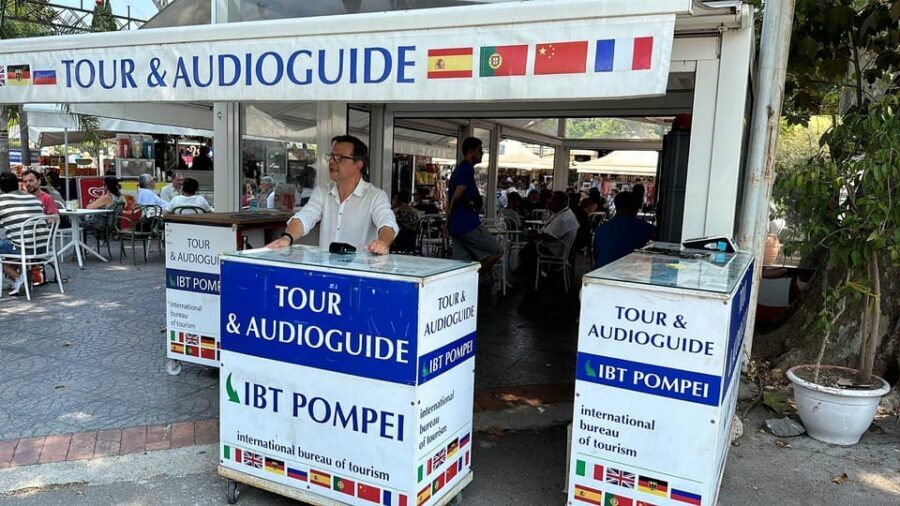
You’ll want to find the meeting spot without stress, because Pompeii tours live and die by timing. The meeting point is the Office IBT Center/Touristation next to Chalet Donna Lucia.
The starting location is listed as Piazza Esedra, 11, so it helps to confirm what’s closest to where you’ll be that morning. If you’re arriving by train or hopping between towns, give yourself buffer time. One travel-day hiccup can make you miss the group, and there’s nothing more annoying than arriving ready to learn history and then having to wait for the next slot.
What’s included (and what you’ll handle yourself)
This tour includes:
- Pompeii skip-the-line archaeological area ticket
- 2-hour guided tour
- Headset (so you can hear the guide clearly)
- City map
- Assistance at the Tourist Office
- Wi-Fi
It does not include entrance to Villa dei Misteri. If you’ve heard about that villa and want to see it, plan to add it separately.
You’ll also handle your own food and drinks. Pompeii can be an all-day place if you let it. This tour is timed, so I recommend you eat before you meet your guide, or plan a snack after you finish.
The tour flow: Porta Marina Superiore to Pompeii’s heart
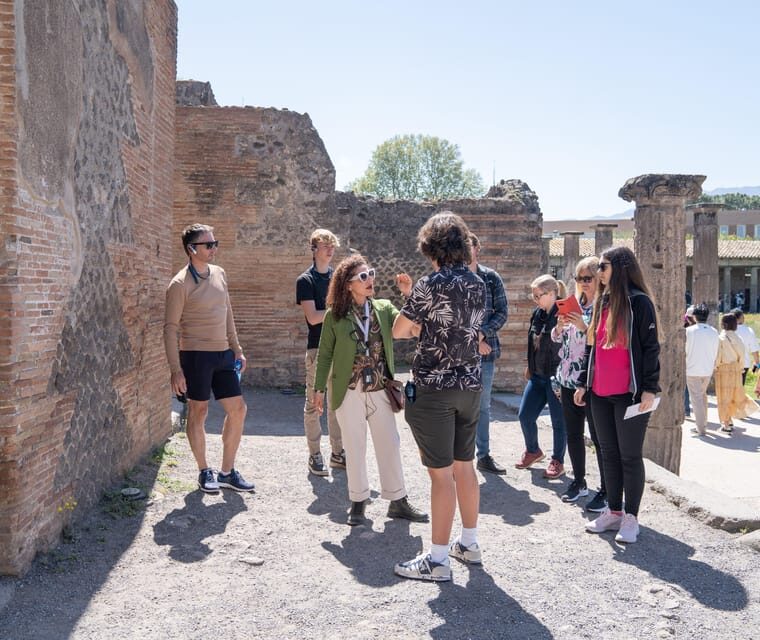
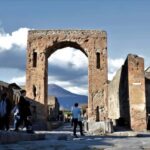
The route begins at Porta Marina Superiore, one of Pompeii’s gates. Starting at a city entrance is smart because it gives you an orientation instantly. You learn where movement entered the city and how the urban layout is structured before you get pulled into the details.
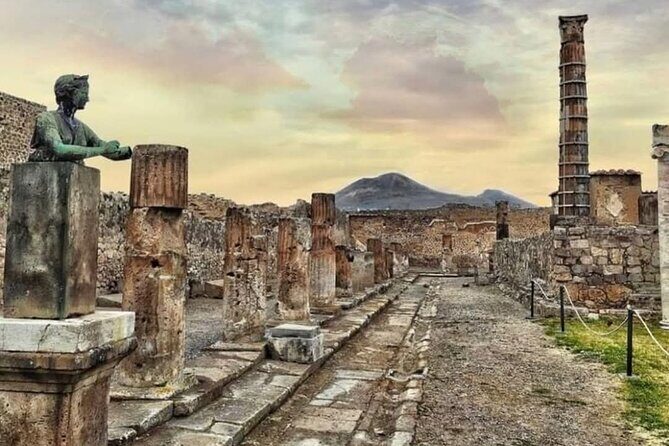
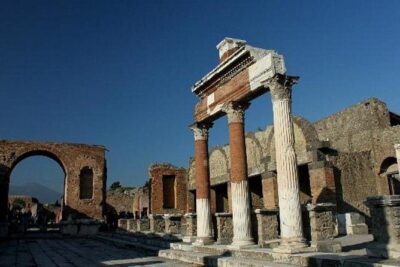
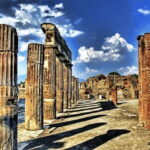
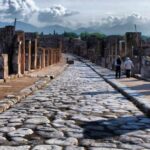
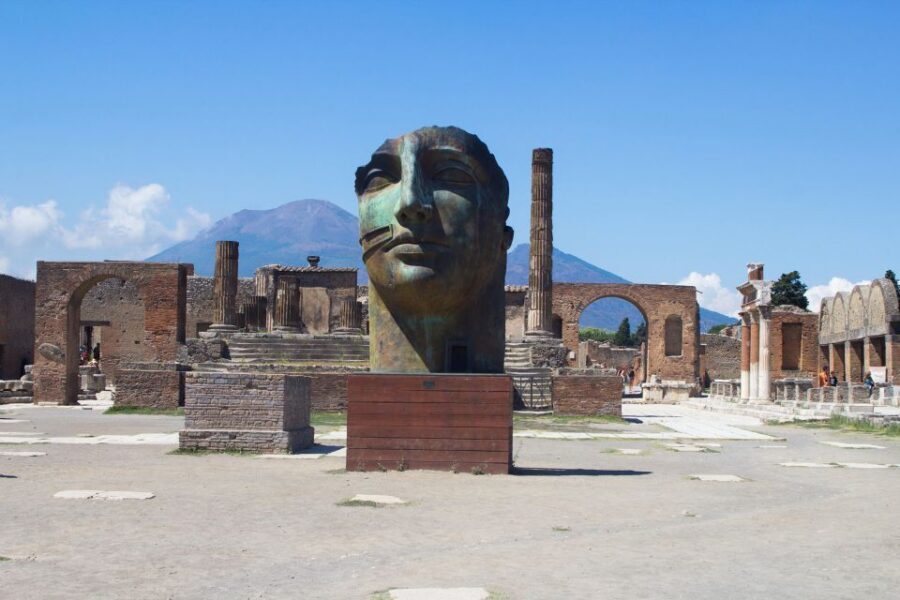
From there, you walk the main streets and head toward the forum, Pompeii’s central civic space. This is where the city starts to feel like a place people actually managed day to day, not just a background for dramatic tragedy. Even if you’ve seen photos of the forum, the scale and layout make more sense when you’re walking it with an explanation.
Why this order works for first-timers
Pompeii can feel like a choose-your-own-adventure without a map. This tour helps you build the story in the right order:
- Gate and city flow
- Forum as civic hub
- Key activity areas and art in context
And when you hit viewpoints, it’s not just pretty scenery. It’s geography—helping you understand why Mount Vesuvius matters to the city’s fate.
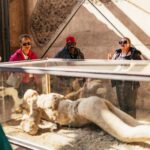
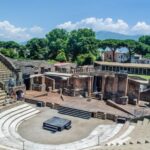
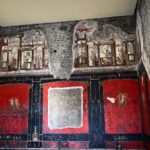



Forum + Mount Vesuvius views: connecting place to story
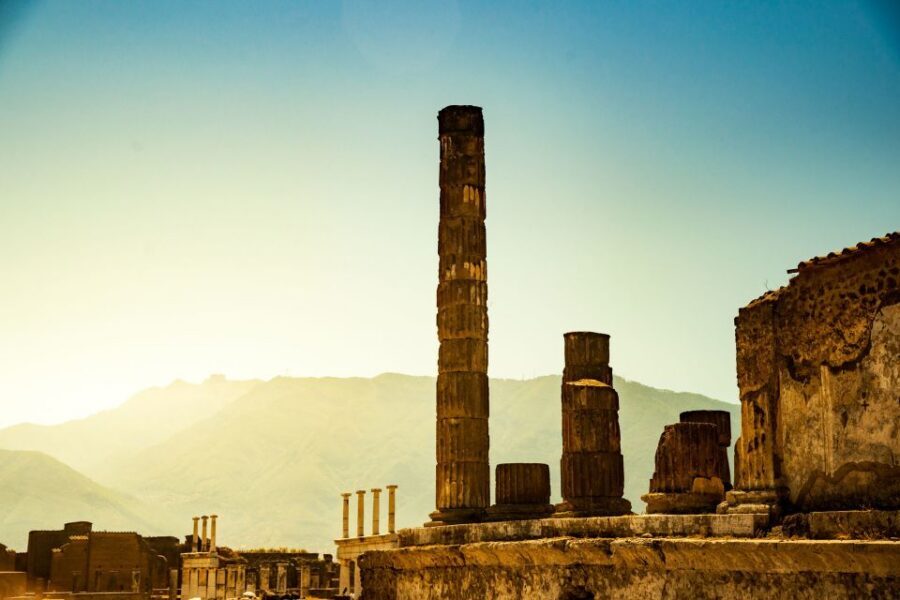
You’ll get views of Mount Vesuvius beyond the city. That’s more than a photo moment. Seeing the volcano relative to the urban footprint gives you instant context for the scale of what happened here—and why Pompeii became such a preserved record rather than a lost one.
The forum stop is also valuable because it’s the social “center of gravity.” Public buildings, movement, and community life all cluster around this kind of space in Roman cities. A guide’s job is to point out the function of what you’re standing in front of, so you’re not just admiring stonework. You’re learning how people used these places.
The big stops: baths, temples, bakery, theater, and brothel
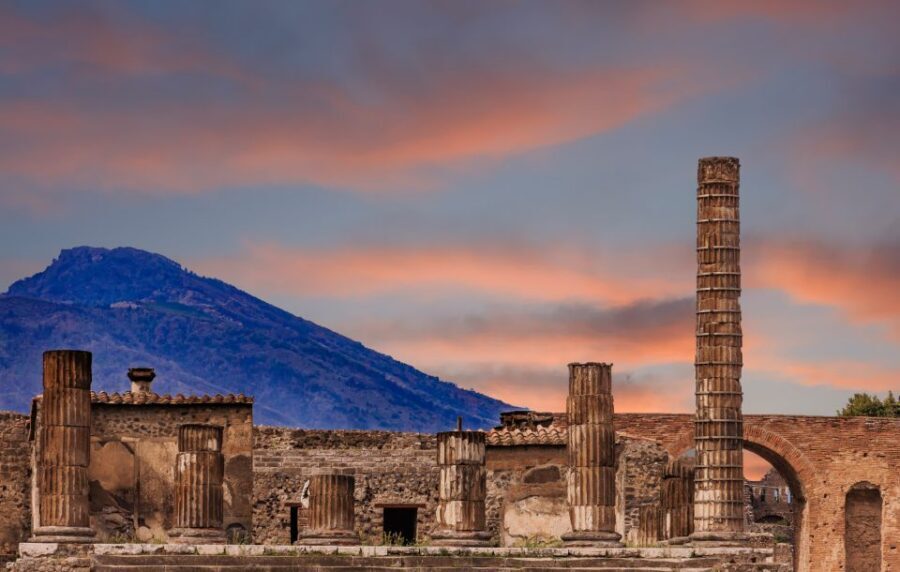
One of the reasons this tour is a strong use of limited time is that it hits a spread of building types. You don’t just see elite houses and art. You see a snapshot of an actual town’s rhythm.
Here’s what you can expect the guide to cover:
- Baths: where routine hygiene and social life overlapped
- Temples: religious practice and civic identity tied together
- Bakery: food production and everyday logistics
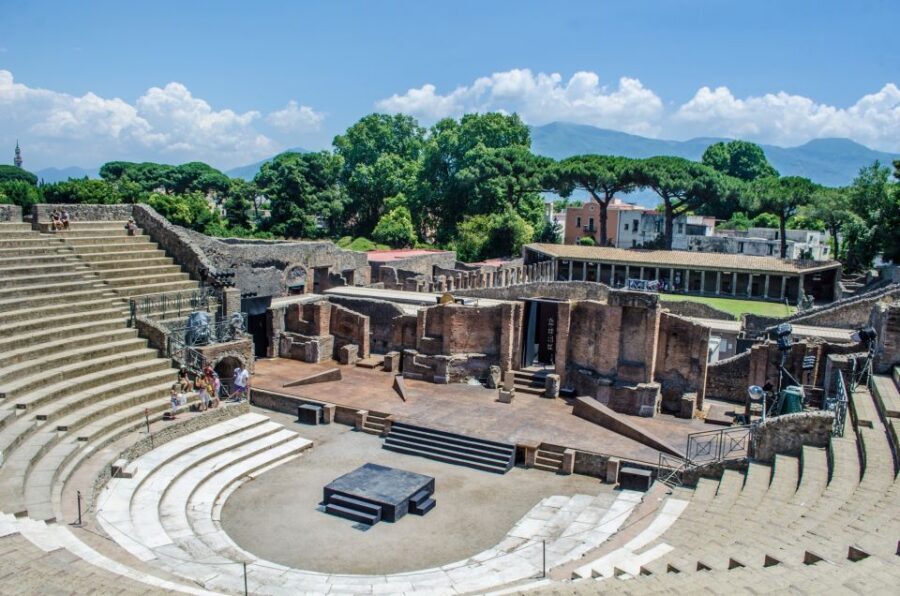
- Great theater: public entertainment and social gathering
- Brothel: a blunt reminder that Roman urban life included all kinds of services
Some stops can feel a little strange emotionally, especially the brothel. But that honesty is part of why Pompeii is so fascinating. It’s not sanitized history. It’s lived-in history.
Art up close: frescoes, mosaics, and what they mean
This is one of Pompeii’s main superpowers. The city preserves frescoes, mosaics, and artwork, and this tour focuses on getting you close enough for the details to land.
What I like about this approach is that it’s not just about saying these were decorative. A guide explains what the art suggests—status, taste, the way homes performed identity, and how public and private aesthetics worked together.
You’ll also learn to look beyond the obvious. A mural isn’t only a pretty wall. It’s part of how people dressed their spaces and communicated ideas to visitors and neighbors. The best guides also help you spot repeating themes and materials so you start recognizing patterns as you move.
Semiprivate option up to 12 people: better hearing, better pacing
If you’re given the option for a smaller group (up to 12 people), I’d lean toward it. Pompeii pathways can get narrow, and big groups can turn a “guided” experience into a slow shuffle with occasional loud commentary.
A smaller group tends to mean:
- Less time waiting for everyone to catch up
- Easier listening, even with headsets
- A guide who can adjust on the fly
Headsets are included anyway, which helps a lot. But smaller groups still make the experience feel less hectic, and you’re less likely to miss details while staying anchored to the crowd.
Language options: English, French, Spanish, Italian
The tour is offered with live guides in Italian, French, Spanish, and English. If you’re sensitive to accents or fast speech, it’s worth choosing your language carefully. The most important thing is clarity, because Pompeii is visual—and the explanations help you connect the visuals to meaning.
Guides you may encounter include Diana, Ester, Roberta, Paul, Liliana, Marcela, and Valentina. A consistent theme with these guides is organization: they cover key areas, keep groups together, and answer questions without turning the walk into a lecture hall.
Duration and coverage: what 2 hours can realistically do
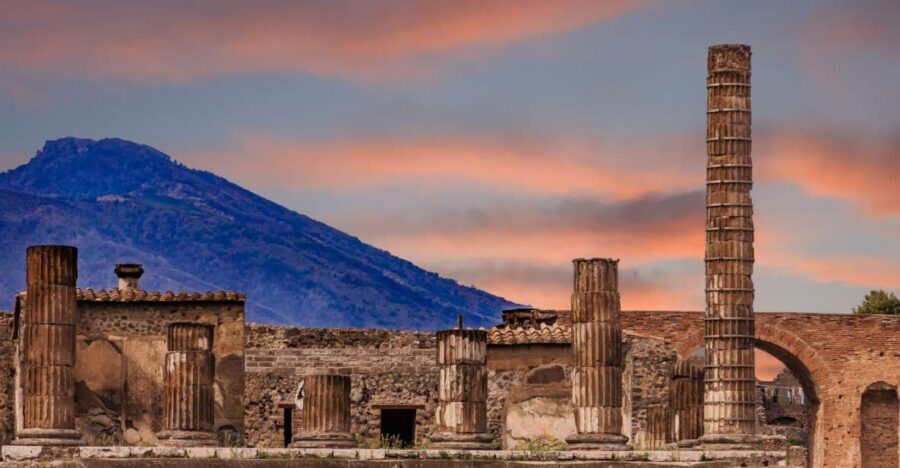
Let’s talk reality. 2 hours is enough to see the tour’s top highlights and get a real overview of the city structure and major sites. It’s not enough to absorb every single detail in a place as large as Pompeii.
So I suggest you treat the tour as your “first map.” After it ends, you’ll know what to return to if you want more time at a particular mosaic, street segment, or public building.
Also, because you’re on a fixed guided route, you’ll sacrifice some spontaneous detours. That trade-off is often worth it for first-timers. If you already know Pompeii well and crave total freedom, you might prefer a self-guided plan plus targeted stops.
Practical do’s and don’ts inside the ruins
Pompeii rules are straightforward, but they affect comfort:
- Bring a passport or ID card (ID required for all participants)
- No luggage or large bags
- No umbrellas or oversize luggage
- No smoking
- Pets aren’t allowed, but small dogs are permitted if they’re on a leash and carried inside when you enter buildings
That means you should pack light and plan for what you can carry comfortably. Wear shoes you’ll be happy in for a walk across uneven ancient surfaces.
Price and value: is $64 worth it?
For $64 per person, you’re getting:
- The Pompeii entrance ticket (skip-the-line)
- A 2-hour guided tour
- Headsets and a city map
- Wi-Fi and assistance at the tourist office
Value comes from avoiding two common costs: time lost to entry lines and confusion lost to self-guided wandering. Pompeii’s scale is the real expense—your attention. A good guide converts attention into understanding.
That said, some people feel the price is high for two hours. If you’re already comfortable reading guide plaques, have a history background, and don’t mind waiting for your own pace, you might get by without a guide. But if you want Pompeii to feel like a story rather than a stop-and-stare photo shoot, the guide is the point.
Should you book this Pompeii skip-the-line guided tour?
Book it if:
- You want an efficient first visit with context, not just photos
- You appreciate frescoes and mosaics and want to understand what you’re seeing
- You like having a plan for how to walk Pompeii’s key areas
- You can use the guide’s help to connect Pompeii’s buildings to daily life
Skip it or add a plan if:
- You want to spend extra time in one area with no schedule pressure
- Your schedule is tight and you’re relying on train times that might not line up with your tour start
- You need wheelchair-friendly access, since the tour is not suitable for wheelchair users or people with mobility impairments
If you’re on the fence, here’s my simple rule: if you only have a couple hours, this kind of guided, headsets-included tour is one of the best ways to make Pompeii feel understandable quickly.
FAQ
How long is the Pompeii skip-the-line guided tour?
The tour lasts 2 hours.
Where do I meet the guide?
Meet at the Office IBT Center/Touristation next to Chalet Donna Lucia.
What’s included in the price?
You get a Pompeii archaeological area skip-the-line ticket, a 2-hour guided tour, headsets, a city map, assistance at the Tourist Office, and Wi-Fi.
Is Villa dei Misteri included?
No. Entrance to Villa dei Misteri is not included.
What should I bring with me?
Bring your passport or ID card. ID is required for all participants.
Are there restrictions on what I can bring?
Yes. Smoking is not allowed, and you can’t bring luggage or large bags, umbrellas, oversize luggage, or pets. Small dogs are allowed if leashed and carried when inside buildings.
What languages are available for the live guide?
The live guide is available in Italian, French, Spanish, and English.
Is this tour suitable for wheelchair users or mobility impairments?
No. It is not suitable for people with mobility impairments and wheelchair users.
Is the tour refundable?
The activity is listed as non-refundable.