REVIEW · POMPEI CAMPANIA
Pompeii 3hours Villa of Mysteries tour with an Archaeologist
Book on GetYourGuide →Operated by Askos Tours · Bookable on GetYourGuide
Pompeii hits different with an archaeologist. This small-group Pompeii tour takes you through key ruins and saves time for the scary-cool Villa of the Mysteries, with an expert guiding your questions and your pace. You start at Porta Marina Superiore and move through the site with a plan designed to keep you away from the worst crowd crush.
I especially like the way the tour mixes domestic life and public life. In the houses, you’ll focus on how Romans lived day to day, and in the forums and civic spaces, your guide connects architecture to the everyday stuff: politics, trade, and religion.
One heads-up: this is not wheelchair friendly and it’s a lot of walking on uneven ground. Wear solid closed-toe shoes, because you’ll be on cobblestones and stone steps for the full 3 hours, rain or shine.
In This Review
- Key highlights worth your attention
- Why the Villa of the Mysteries stop is the whole point
- Starting at Porta Marina Superiore: get your bearings fast
- 3 hours of Pompeii with an archaeologist: what “small group” changes
- The tour’s house sequence: Roman daily life, not just pretty walls
- Public Pompeii stops: theatre, baths, and civic power
- Villa of the Mysteries: famous frescoes, guided context
- Price and value: what $88 gets you
- Who should book this Pompeii tour
- Which guide style you’ll likely feel (based on past departures)
- Should you book this 3-hour Villa of the Mysteries tour?
- FAQ
- How long is the Pompeii tour?
- Where do you meet the tour guide?
- What’s included with the tour ticket?
- Do I skip the ticket line?
- What should I bring?
- Is the tour outdoors?
- Is this tour wheelchair accessible?
- Are pets allowed in the Archaeological Park?
Key highlights worth your attention

- Small group pacing that aims to help you see more without constant stopping and waiting
- Archaeologist-led commentary that turns ruins into real places where people worked, ate, argued, and worshipped
- Villa of the Mysteries access tied to Pompeii Plus admission, so you’re not piecing tickets together
- Crowd-smart timing so key stops happen when the site feels calmer
- Q-and-A friendly guiding style, with guides who actively answer questions and keep the group moving
Why the Villa of the Mysteries stop is the whole point

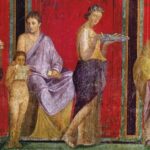
If you only have a few hours in Pompeii, the Villa of the Mysteries is the payoff. This is where you go for the famous frescoes, and the tour is built so you don’t just stand there and guess what you’re looking at. Your archaeologist guide gives the context that makes the images feel less like random decoration and more like a window into ceremony, symbolism, and belief.
The value here isn’t only access. It’s the order and the attention. You visit as part of a structured circuit that includes major houses and civic spaces first, then lands you at the villa with your brain already in Roman mode.
If you're still narrowing it down, here are other tours in Pompei Campania we've reviewed.



Starting at Porta Marina Superiore: get your bearings fast
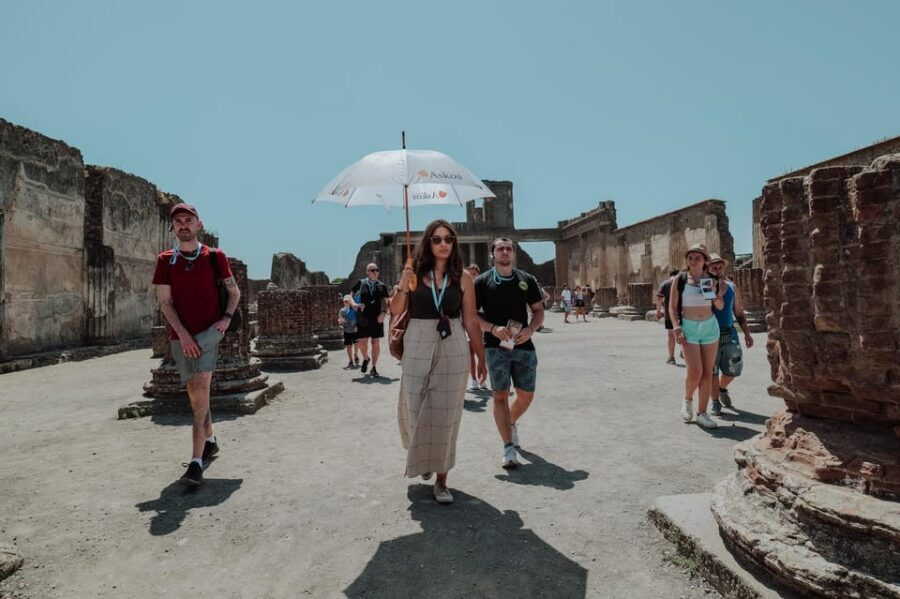
You meet at the entrance gate called Porta Marina Superiore, with the guide holding an ASKOS TOURS sign. Knowing exactly where to meet matters at Pompeii, because the site sprawls and you do not want to waste energy figuring it out mid-morning.
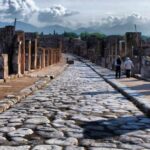
Your starting point is also a smart choice: you begin at a gateway tied to the city’s internal movement, then you walk cobbled streets away from the heaviest foot traffic. That’s a big deal on a short tour, because 3 hours disappears quickly when you’re stuck in lines or going the wrong direction.
Practical tip: do your bathroom stop before you start. Pompeii is big, and once you’re inside the flow of the tour, you won’t want to hunt for a break.
3 hours of Pompeii with an archaeologist: what “small group” changes

Small group tours sound like marketing until you feel the difference. On this one, the archaeologist-led format changes three things for you:
1) You’ll notice details faster. With a guide pointing out what matters, you won’t just see walls and doorways. You’ll start connecting frescoes, layout, and objects to how people lived.
2) The pacing stays human. The tour is timed to experience several stops in quieter conditions, so you’re less likely to spend your time stuck behind a wall of tour groups.
3) You can ask questions. Many guide reports mention fast, friendly Q-and-A. If you like to learn as you go, this is exactly the format that keeps answers from turning into a ten-minute detour.
A couple of review notes also mention ear pieces being used so you can hear clearly. Even if that’s not always the case on every departure, the intent is the same: you should be able to follow the story without straining.
The tour’s house sequence: Roman daily life, not just pretty walls
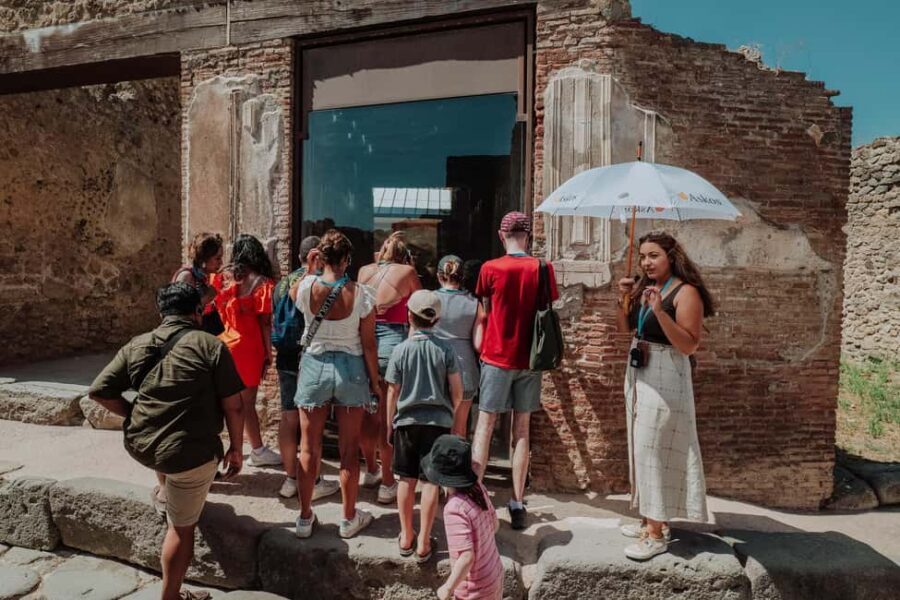
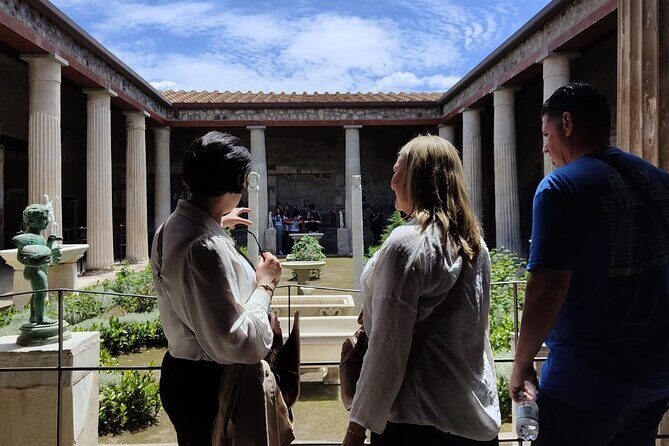
The tour spends a meaningful chunk in domestic spaces, starting with a guided look at a Pompeian house and continuing through major homes such as the House of the Vettii, the House of the Faun, and the House of Menander. This matters because Pompeii is not only temples and streets. It’s kitchens, bedrooms, reception rooms, and public-facing corners where households showed off wealth, taste, and status.
Here’s what you can expect from the house-focused part of the route:
- Your archaeologist will connect frescoes and artifacts to daily routines and home life.
- You’ll look at Roman architecture and household layout as a system, not as isolated walls.
You’ll also pass by the Lupanare, which is often a pause-and-think stop because it represents a very human side of city life. On a guided tour, the point is not shock; it’s understanding how the city functioned and who served what needs.
And near the end of the circuit, you’ll reach the House of the Tragic Poet. Even though the tour time is short, this stop is included because the archaeology and decorative elements help show how art lived alongside ordinary life.
If you’re the kind of traveler who likes seeing how people actually lived, these house stops are where your understanding starts to click.
Public Pompeii stops: theatre, baths, and civic power
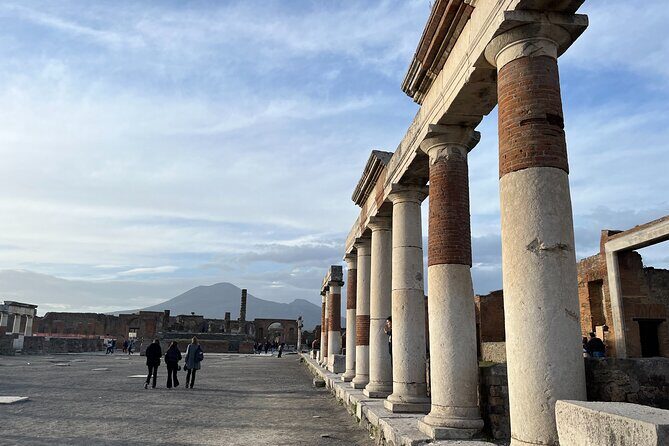
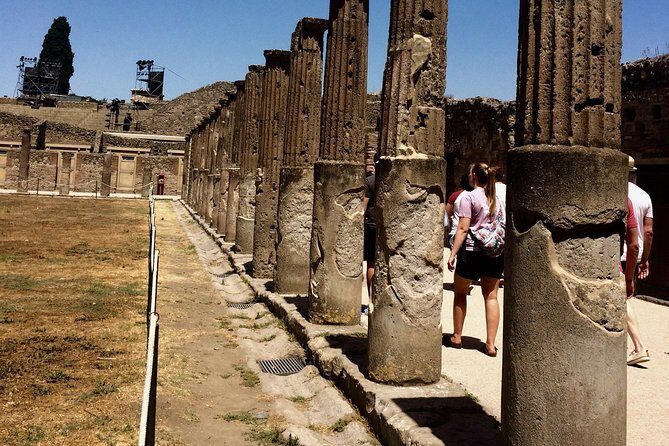
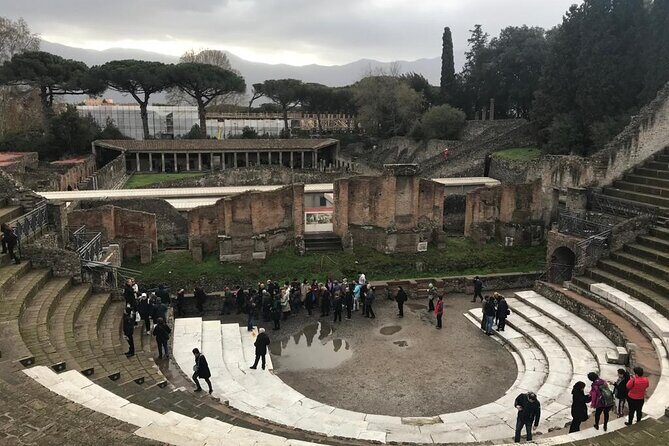
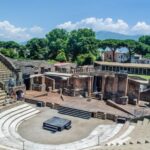
Then the tour shifts from homes to public spaces. You’ll visit places like the Large Theatre, the Forum Baths, and the Basilica, plus the Foro Civile di Pompei and the Temple of Apollo.
On your own, Pompeii can feel like a long walk of ruins with no structure. With this tour, those public stops have a job: they show you how the city worked as a place for entertainment, hygiene, civic debate, commerce, and religious activity.
A theatre and baths tell two different stories. The theatre points toward public gathering and performance. The baths point toward daily routines around bathing and socializing. The forum areas and civic buildings connect the dots to public authority and public decision-making. The temple stop adds the religious lens, so you see Pompeii as a complete society, not just a collection of buildings.
Practical reality: these stops involve more open space, which can mean sun exposure. If you’re visiting in warm months, plan for heat, pace yourself, and don’t skip water breaks when you have them.
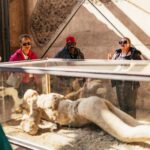



Villa of the Mysteries: famous frescoes, guided context

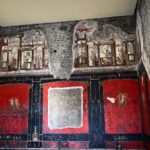
When you finally arrive at the Villa of the Mysteries, you’re not just touring a building. You’re focusing on the frescoes that made this site famous, with expert commentary from your archaeologist guide.
This is where the earlier house and public stops pay off. You’ll be better at noticing patterns: the way art connects to beliefs and rituals, how decorative programs can carry meaning, and why the villa is called a “mystery” in the first place.
This is also a rare moment to slow down slightly. The tour format keeps you moving, but this stop is treated as a key learning point rather than a quick photo-op.
Price and value: what $88 gets you
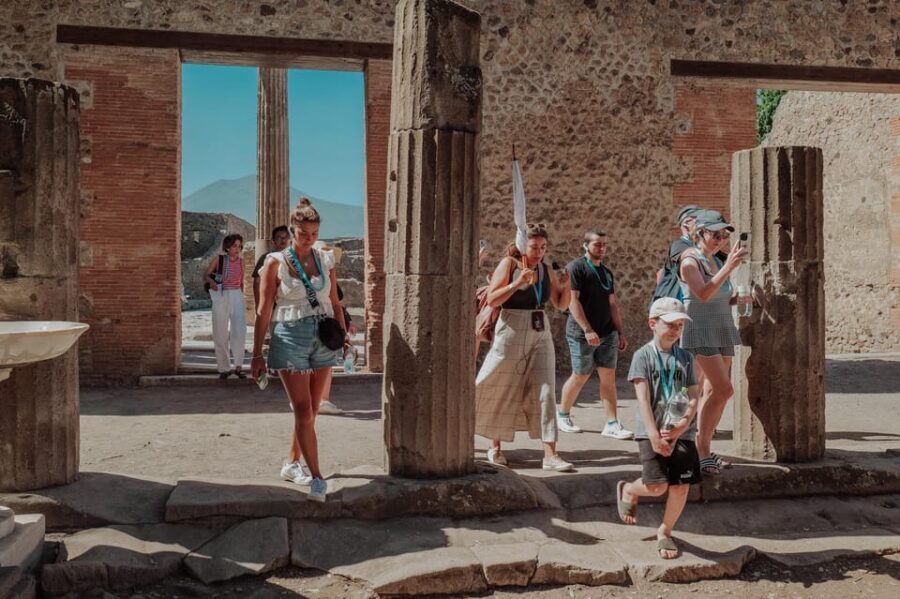
At $88 per person for a 3-hour tour, this price only feels reasonable if the ticket and time savings are part of your plan. The tour includes the Pompeii Plus entrance ticket, which covers the Archaeological Park + the Villa of the Mysteries. It also includes the guide-led tour time and specifically notes skip-the-ticket-line.
So the value isn’t only the guide. It’s that you’re combining:
- paid entrance access (including the villa component),
- a guided route that helps you prioritize,
- and less wasted time navigating ticket lines and site logistics.
If you were going to visit Pompeii anyway and you care about the villa frescoes, this package-style setup often makes more sense than cobbling together separate entries plus a self-guided route.
Also, you’re not stuck on a full-day commitment. For many people, that’s the sweet spot: enough time to see core highlights, without turning Pompeii into a 6- to 8-hour grind.
Who should book this Pompeii tour
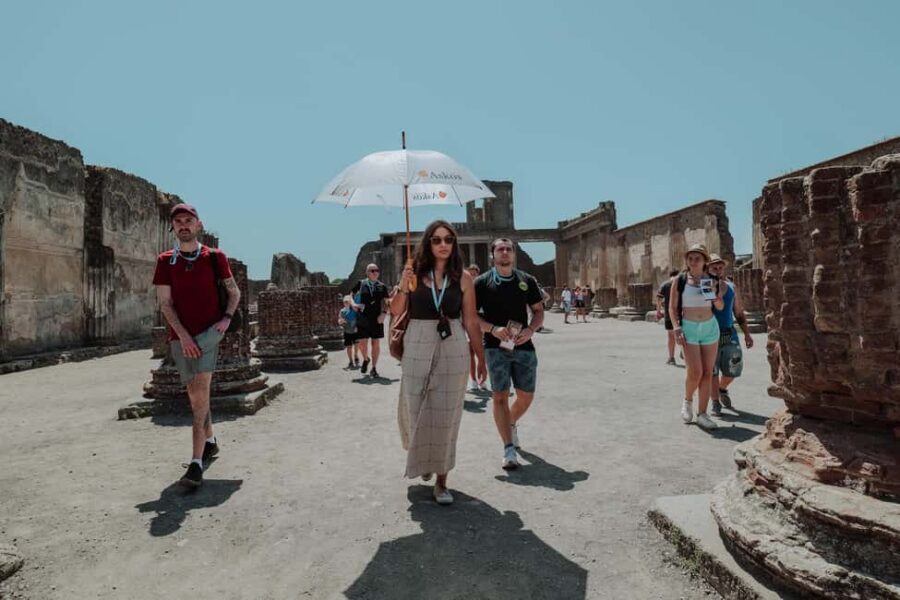
This one is a great fit if you:
- want an archaeologist-led Pompeii tour rather than a surface-level walk
- care about the Villa of the Mysteries and want help interpreting the frescoes
- like a structured route when you’re short on time
- prefer small-group energy over large crowds
It may not be ideal if you:
- need wheelchair access or have mobility limitations (the tour is not suitable for those needs)
- expect a leisurely pace with frequent long breaks (3 hours is focused and moving)
Language coverage is broad too. The live guide is available in German, Italian, French, English, Spanish, and Portuguese, so you’re likely to find a comfortable match.
Which guide style you’ll likely feel (based on past departures)
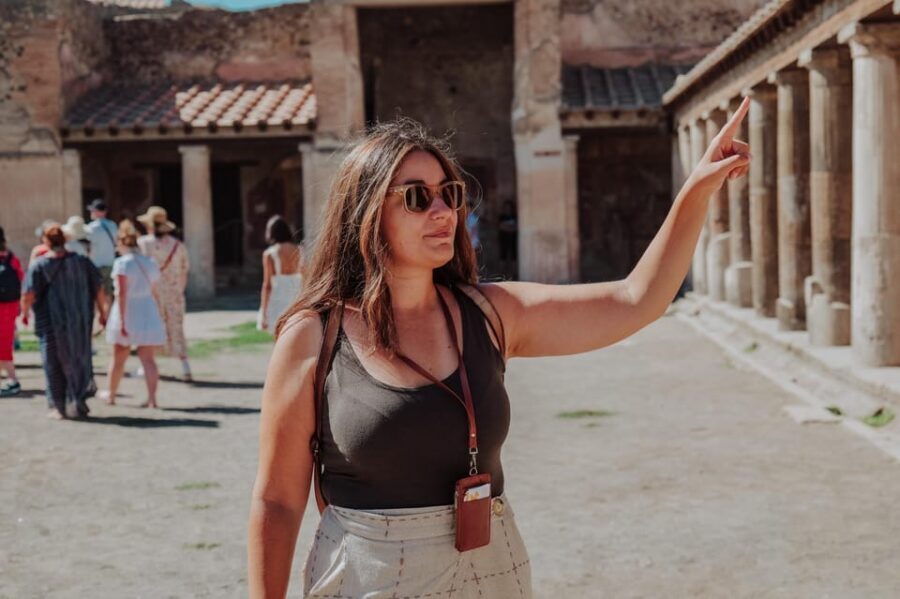
Even though guide assignments vary by day, the tour’s reputation tends to rhyme. Names that have come up include Sarah, Theresa, Yolanta/Yolanda, Rafael, Antonella, Alexandra, Michele, Roberta, GianCarlo, Rafaella, Julia, and Ana. Many reports mention guides who stay active in Q-and-A, keep the group engaged, and use their experience to cut down crowd time.
A couple of reports also suggest that some guides have worked on Pompeii-related projects. That kind of background shows up in how they explain what you’re seeing and how they answer follow-up questions.
Should you book this 3-hour Villa of the Mysteries tour?
If Pompeii is on your bucket list and you want the Villa of the Mysteries without spending your whole day figuring out priorities, I think this tour is a smart booking. The price is more defensible because it bundles the Pompeii Plus ticket and villa access, while the archaeologist-led format helps you understand what you’re walking past.
Book it if you want clarity, pace, and interpretation in a short window. Consider a different option if you need lots of accessibility support or you’re determined to roam without structure. For most people making a first visit, this is a strong way to see the essentials and leave Pompeii with something more than photos.
FAQ
How long is the Pompeii tour?
The tour lasts 3 hours.
Where do you meet the tour guide?
You meet at the entrance gate called Porta Marina Superiore, and the guide holds a sign with ASKOS TOURS.
What’s included with the tour ticket?
The tour includes the Pompeii Plus entrance ticket, which covers the Archaeological Park + Villa of the Mysteries, plus a 3-hour guided tour with an archaeologist.
Do I skip the ticket line?
Yes, the tour includes skip the ticket line.
What should I bring?
Bring your passport or ID card. You should also wear comfortable, closed-toe shoes. In summer, a hat is recommended, and flip-flops are not suitable.
Is the tour outdoors?
Yes. The tour runs rain or shine.
Is this tour wheelchair accessible?
No. It’s listed as not suitable for wheelchair users and people with mobility impairments.
Are pets allowed in the Archaeological Park?
Small pets are allowed in the Archaeological Park if they are within 10 kg and kept on a leash.