REVIEW · POMPEI CAMPANIA
From Herculaneum to Pompeii: Audioguides + Entrance Tickets
Book on GetYourGuide →Operated by Tempio Travel Pompei Tickets · Bookable on GetYourGuide
One day, two ancient cities—loudly educational. This combo packs Herculaneum and Pompeii into a 7-hour, self-paced plan with entrance tickets and an audioguide device, so you can move when you want and still get the story.
I like that the visit is set up to minimize friction: you get skip-the-line entry with a separate entrance, plus a map to help you not feel totally lost. The audio commentary is the real draw here, since it’s built to walk you through highlights at both sites. One thing to consider: the Pompeii audioguide pickup can be confusing on a huge site, and some explanations lean on architectural terms that may need a little extra attention.
In This Review
- Key points to know before you go
- Two Parks, One Audio Day: Herculaneum Then Pompeii
- What You Actually Get: Entrance Tickets + Audioguide Device + Map
- Starting at Herculaneum: How the Day Kicks Off
- A small planning note for your shoes
- Getting From Herculaneum to Pompeii by Train (No Group Herding)
- Pompeii Audio Pickup: The One Logistics Spot to Watch
- Pompeii Highlights: Seeing More With Less Confusion
- The Audioguide Experience: What’s Great and What Needs Patience
- 1) Technical terms without plain-English shortcuts
- 2) Directions that depend on vanished or changed landmarks
- Included vs Not Included: Earphones, Villa dei Misteri, and What to Expect
- Included
- Not included
- Price and Value for a 7-Hour Self-Paced Plan
- Who This Day Works Best For (And Who Should Rethink It)
- Small Tips That Make the Day Smoother
- Should You Book This Herculaneum + Pompeii Audioguide Combo?
- FAQ
- What’s included in the ticket for Herculaneum and Pompeii?
- How long does the experience take?
- Do I need a guided tour with this booking?
- Are earphones included?
- Where do I pick up the audioguide in the beginning?
- Is access to the Villa dei Misteri area included?
- What languages are available for the audioguide?
- Is the experience wheelchair accessible?
Key points to know before you go
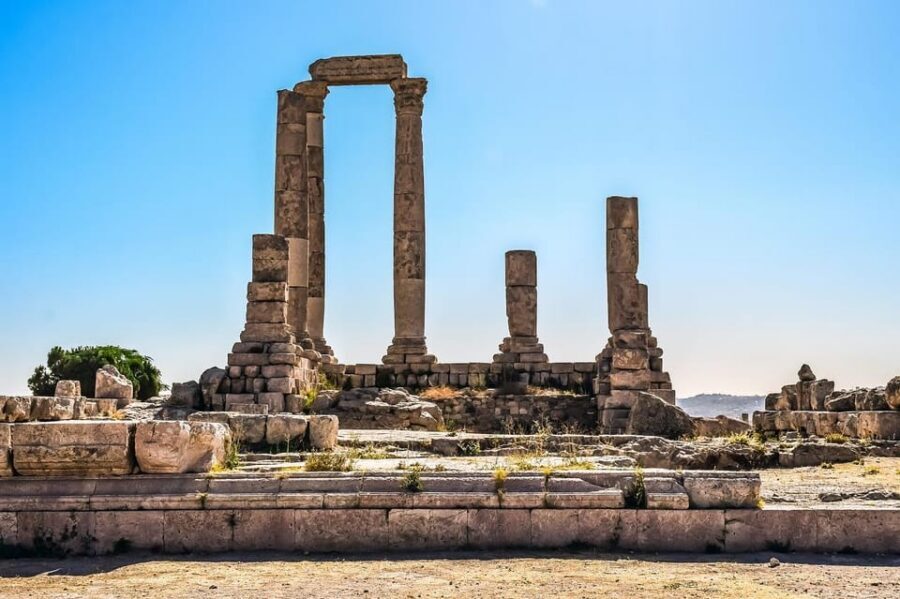
- Two sites in one day: Herculaneum first, then Pompeii, both with included admission.
- Self-guided with audioguides: you’re in charge of pace, stops, and time.
- Skip-the-line entry: separate entrance helps you start faster.
- Pompeii pickup may take effort: the second audioguide desk isn’t as obvious as the first.
- Earphones aren’t included: bring your own so the audio works for you.
- Villa dei Misteri area is excluded: your ticket doesn’t cover that specific zone.
Two Parks, One Audio Day: Herculaneum Then Pompeii
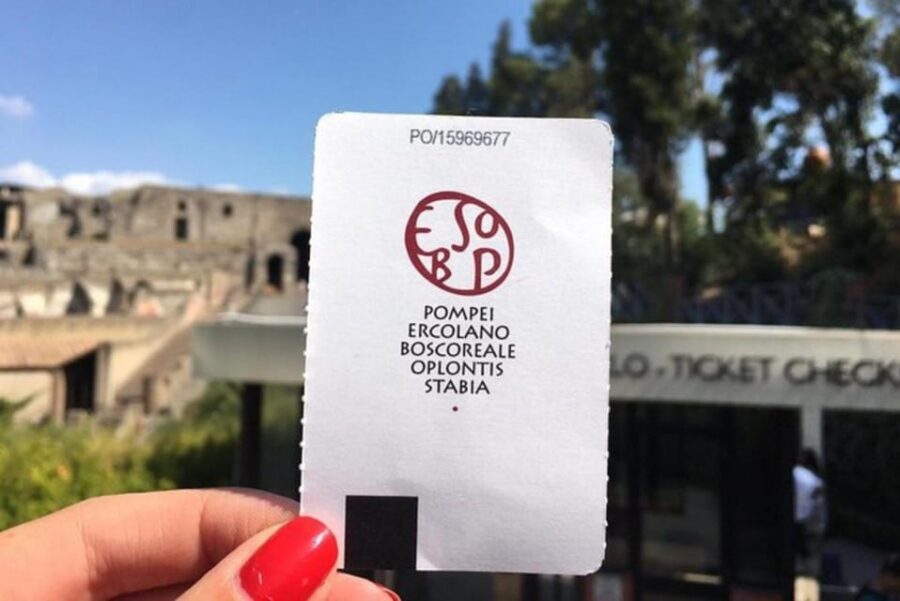
If you want one day in Campania that feels like a real history lesson instead of a checklist, this is the kind of plan that can work. You start at the archaeological site of Herculaneum, then you head to Pompeii afterward. It’s built for independent touring, but the audioguide keeps you anchored with the why behind what you’re looking at.
What makes this setup especially useful is that the two parks complement each other. They’re different in layout and vibe, and seeing them back-to-back helps you compare how daily life looked before the eruption. With an audioguide in your hand, you’re not just walking through ruins—you’re following a guided narrative, at your own speed.
Still, you’re planning a full day across two major sites. You’ll want to keep your expectations realistic: you’re not going to see every nook and cranny in 7 hours. You’ll do best if you treat this as a guided highlights day, not an everything day.
If you're still narrowing it down, here are other tours in Pompei Campania we've reviewed.



What You Actually Get: Entrance Tickets + Audioguide Device + Map
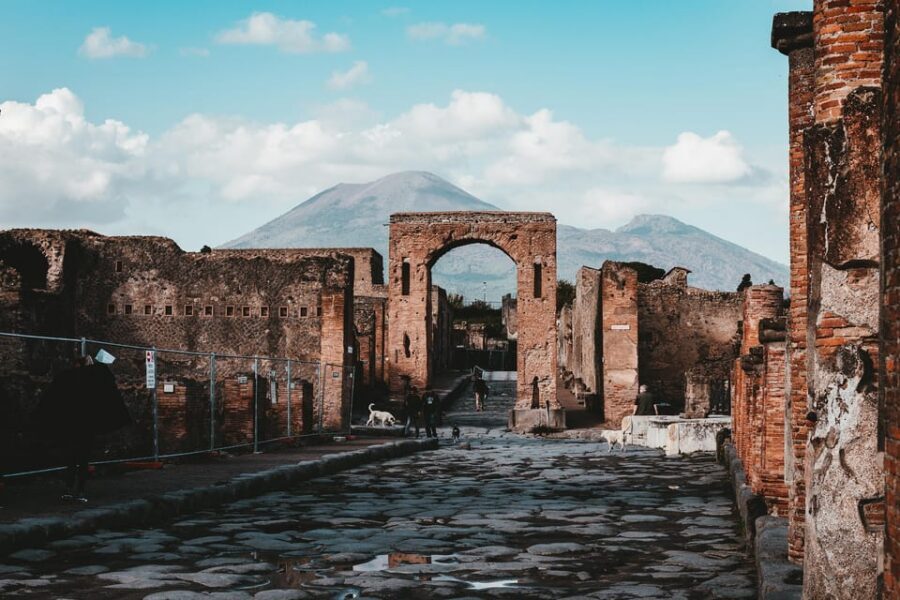
This experience includes the practical basics that matter most on big archaeological sites:
- Entrance ticket for admission
- Audioguide device
- Map
That combination is where the value starts. Entrance tickets for Pompeii and Herculaneum add up quickly when bought separately, and the audioguide is the thing that turns ruins into meaning. The map is also more than decorative. Even with audio, a map helps you stay oriented when streets and building outlines start to look similar.
What’s not included is also important. Earphones are not included, and you’ll notice this fast because audio devices without sound shared through a speaker usually require headphones. Bring your own (or be ready to buy simple ones on arrival if that’s an option near the desk).
Also, the Villa dei Misteri area is not included. That matters if you’ve been specifically hoping to walk through that section. If that’s high on your personal must-see list, you may want a different ticket type or an add-on.
Starting at Herculaneum: How the Day Kicks Off
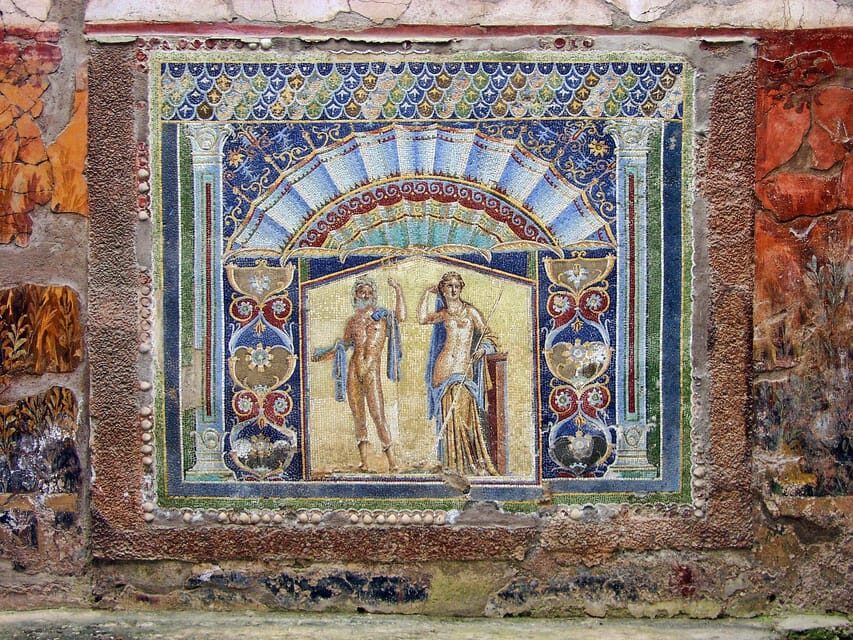
Your meeting point is straightforward: go to the Entrance and look for the Audioguide Desk. That’s where you pick up your first audioguide for Herculaneum and get the experience rolling.
In Herculaneum, the audio experience is designed for self-guided touring. In practice, that means you’ll rely on the guide to tell you what you’re looking at and why it mattered, then you move through the site at your own pace.
A smart way to approach Herculaneum with audio is to pick a rhythm:
- Listen while you’re standing in front of the feature
- Don’t rush the audio just to finish it
- When you find a building or street scene that grabs you, pause your walking and stay with it for the full explanation
The site is archaeological, so some structures are stable, some are partially conserved, and some areas can feel visually confusing at first glance. The audioguide is meant to reduce that stress. If you like understanding context rather than just photos, this part of the day should feel productive.
A small planning note for your shoes
Even with a guide, you’re still walking between highlights. Comfortable shoes are not a suggestion here—they’re how you make the day enjoyable instead of painful.
Getting From Herculaneum to Pompeii by Train (No Group Herding)
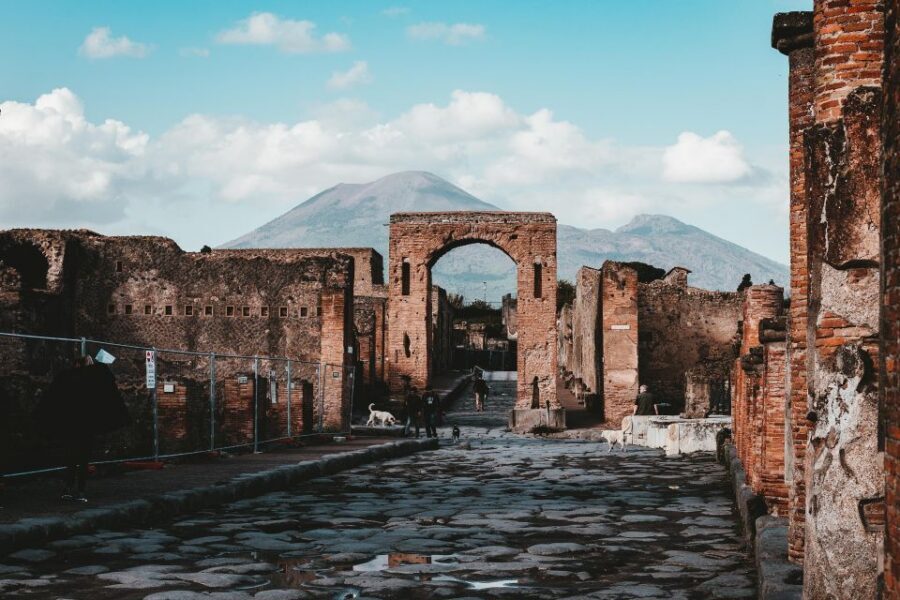
Here’s a big benefit of this format: you’re not locked into a bus schedule. The information you’re given says it’s easy to reach Pompeii by train using the Circumvesuviana line, direction Sorrento.
That’s the kind of tip that can save time and headaches. A self-guided itinerary can feel stressful if you’re unsure how to move. Here, at least the route method is clear: train, then Pompeii.
What you’ll want to keep in mind:
- You’re responsible for your timing between the parks.
- Station-to-entrance walking time can matter, especially if you arrive at Pompeii and still need to find the right pickup point for your second audioguide.
You’ll be happiest if you treat the train as part of your plan rather than an afterthought. Give yourself buffer time so the day doesn’t turn into a scramble.




Pompeii Audio Pickup: The One Logistics Spot to Watch
This is where you’ll probably spend the most mental energy all day, not because Pompeii is hard, but because it’s big.
The audio guide pickup at Herculaneum is described as clearly indicated. The catch is that the second pickup point in Pompeii can be harder to spot. On a huge site, even a small delay adds up.
So here’s the practical approach I recommend:
- Plan to arrive with a calm mindset.
- As soon as you enter Pompeii, scan for the Audioguide Desk signs or staff help.
- If you don’t see it quickly, ask immediately rather than walking deeper first.
This one adjustment can protect your schedule. If you lose 20–30 minutes chasing the pickup, the rest of the day feels rushed, and you’ll miss the point of having audio explanations.
Pompeii Highlights: Seeing More With Less Confusion
Once you have the second audioguide device, you’re back in self-guided mode—audio explanations as you explore. Pompeii can feel like a maze if you’re not following a structure, so audio is the trick that helps you “read” the ruins instead of just staring.
Pompeii is also full of landmarks that can look different depending on conservation work. In the reviews summary, there’s a specific issue raised: some directions in the audio reference physical landmarks that no longer match what you see on-site. For example, you might hear something like look to the right of a barrier when retracting—but conservation can change what’s present.
If that happens to you, don’t panic. Use the guide as a starting point, then rely on your map and nearby signs:
- Find the general building/street the audio is describing
- Use the map to confirm you’re in the right zone
- If a landmark doesn’t exist, keep moving to the next described feature
That’s the best way to keep the experience flowing when Pompeii’s physical setup doesn’t line up perfectly with the audio’s earlier examples.
The Audioguide Experience: What’s Great and What Needs Patience
The reviews’ overall tone is positive about the audio itself. The commentary is described as pretty well done and complete and interesting—so you’re not just listening to trivia. You get explanations that connect buildings and streets to how people lived.
But there are two clear “tweak it in your head” considerations.
1) Technical terms without plain-English shortcuts
One review calls out that some explanations use technical architecture terms without explaining them—things like what an atrium is. If you’re not an architecture person, you might still understand enough from context, but you may want a mental approach like this:
- If a term is new, keep listening for context rather than stopping.
- Treat definitions as bonus, not as required understanding.
- Focus on what the space is doing in daily life: how people moved, where they gathered, what it looked like.
That keeps you from getting stuck mid-route with your brain running a dictionary.
2) Directions that depend on vanished or changed landmarks
The second issue is the mismatch between audio directions and the current conservation environment. Pompeii is an active site. Stuff changes. When the audio says look for a specific barrier or reference point that isn’t there anymore, you might lose a few minutes.
Again, the fix is simple:
- Use the map included in the package
- Don’t treat audio directions as absolute when the site has changed
- If you feel lost, reorient and continue listening from the closest relevant stop
This is still a good audio guide experience, but it asks for a little patience and flexibility—especially in Pompeii.
Included vs Not Included: Earphones, Villa dei Misteri, and What to Expect
This experience is built around self-guided touring, so inclusions matter.
Included
- Entrance tickets
- Audioguide device
- Map
Not included
- Guided tour
- Earphones
- Access to the Villa dei Misteri area
The biggest “not included” for most people is earphones. Since audio is the point, you want it to be clear and personal. If you bring decent headphones, the day becomes smoother right away.
The second not-included item is the Villa dei Misteri area. If that’s a key attraction for you, check whether your priorities can shift toward other highlights. The rest of the parks still offer plenty of major scenes—you just won’t have access to that specific zone with this ticket type.
Price and Value for a 7-Hour Self-Paced Plan
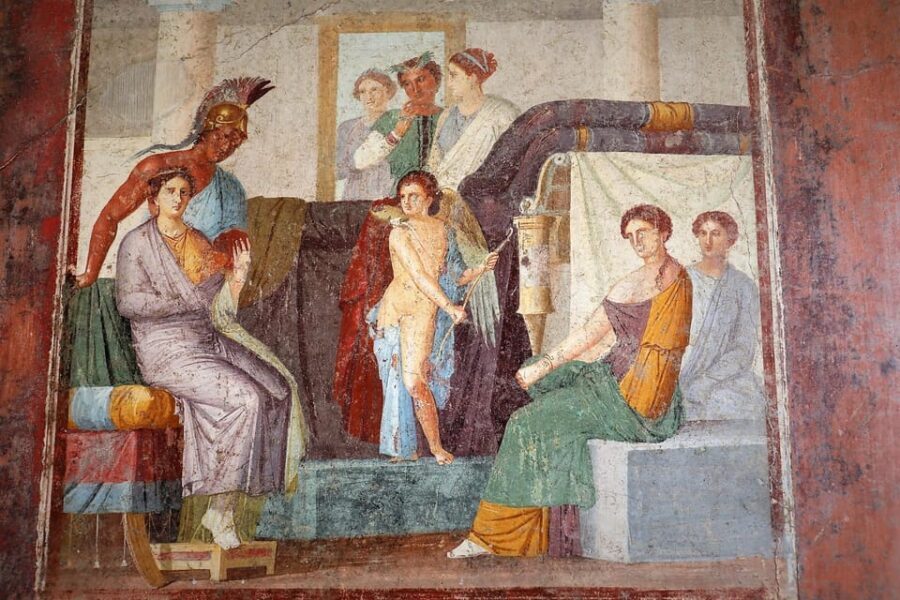
The price listed is $66.84 per person for a 7-hour experience. That may look like a “ticket + audio” deal, because that’s essentially what it is. The value depends on what you’d otherwise spend and how you like to travel.
Here’s why it can be good value:
- You’re paying for entry to both archaeological parks in the same day.
- You get an audioguide device and a map, which helps you get more from the entrances.
- Skip-the-line entry means less wasted time early on.
Here’s the tradeoff:
- It’s not a guided group tour, so you have to manage your own pacing and logistics.
- You’ll need earphones on your own.
So my practical take: this is a good deal for travelers who are comfortable navigating big sites and want guided audio explanations more than a human guide. If you need constant hand-holding, you may find a fully guided tour better. If you’re happy with self-guided touring, this can feel efficient and cost-smart.
Who This Day Works Best For (And Who Should Rethink It)
I’d aim this at people who like control. You’ll probably love it if:
- You want Herculaneum + Pompeii in one day
- You enjoy audio storytelling at your own pace
- You’re okay figuring out a second pickup point and then moving through ruins
It may not be ideal if:
- You get frustrated when signage or desks are not obvious
- You really dislike technical explanations and want everything simplified on the spot
- The Villa dei Misteri area is a must-do for you
Also consider languages. The host/greeter and the audio guide are available in English, Italian, French, Spanish, and German. That’s a strong range, and it makes the audio format workable for many visitors.
Small Tips That Make the Day Smoother
Based on the setup and the couple of real-world friction points, here are the practical moves that help most:
- Bring your own earphones so the audio is usable from the start.
- In Pompeii, don’t wander too long before finding the Audioguide Desk.
- When the audio gives directions tied to physical references, use your map if something doesn’t match.
- For unfamiliar architectural terms like atrium, keep listening for context rather than pausing to figure it out perfectly.
- Wear shoes built for walking—this is a long, active day across two sites.
If you follow those, the “self-guided but supported” format feels like a win instead of a chore.
Should You Book This Herculaneum + Pompeii Audioguide Combo?
Book it if you want a straightforward day: tickets + audio + map for Herculaneum then Pompeii, with the time-saving benefit of skip-the-line entry. For the price, that package is hard to beat if you’re comfortable traveling independently and using the audio guide to structure your visit.
Pass or look for an alternative if:
- You specifically need the Villa dei Misteri access included
- You want a human guide to clarify technical terms on the spot
- You know you’ll be stressed by locating the second audioguide pickup in a very large site
If your style is self-guided with meaningful commentary, this is a solid way to see both parks without paying for a more expensive guided arrangement.
FAQ
What’s included in the ticket for Herculaneum and Pompeii?
The experience includes entrance tickets, an audioguide device, and a map.
How long does the experience take?
It’s listed as 7 hours. Starting times depend on availability.
Do I need a guided tour with this booking?
No. It’s self-guided with an audioguide device, not a guided group tour.
Are earphones included?
No. Earphones are not included, so you’ll want to bring your own.
Where do I pick up the audioguide in the beginning?
Go to the entrance and look for the Audioguide Desk to start at Herculaneum.
Is access to the Villa dei Misteri area included?
No, access to the Villa dei Misteri area is not included.
What languages are available for the audioguide?
The audioguide is available in English, Italian, French, Spanish, and German.
Is the experience wheelchair accessible?
Yes, it’s listed as wheelchair accessible.