REVIEW · POMPEI CAMPANIA
Pompeii: 2-Hour Guided Tour with an Archaeologist
Book on GetYourGuide →Operated by Askos Tours · Bookable on GetYourGuide
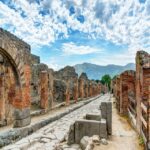
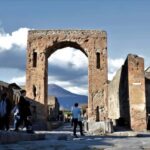
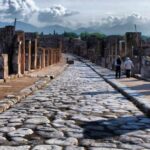
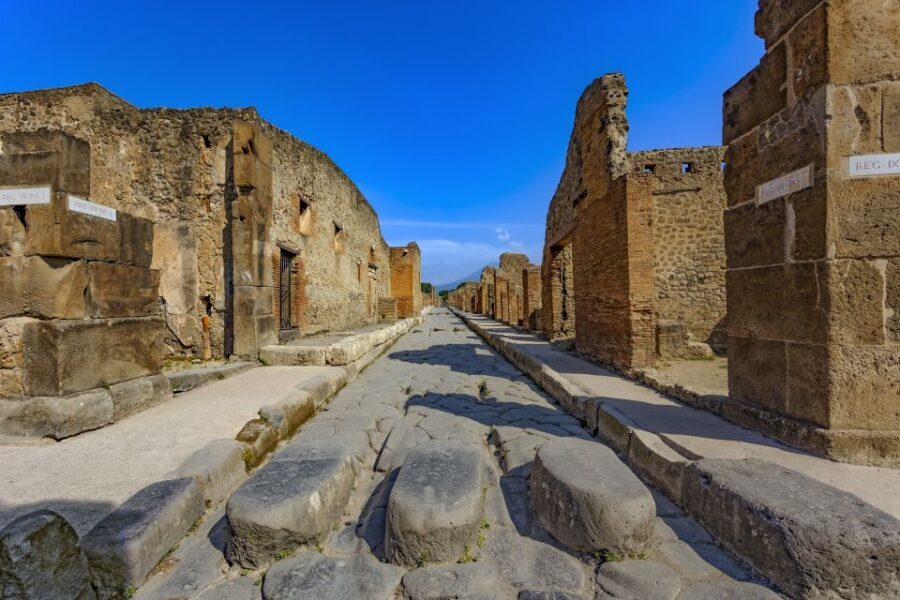
Pompeii is stone—but it feels human. This 2-hour guided tour walks the western side of Pompeii with an archaeologist-style lens, so the eruption of Vesuvius (79 AD) stops being a chapter in a textbook and starts reading like a lived-in place. You’ll trace streets that Romans actually walked, then connect the big buildings to everyday routines.
I especially love how the route targets the city’s main public core—the Forum and Basilica—so you quickly understand how Pompeii functioned politically, socially, and commercially. I also like the emotional punch of the plaster casts (people and animals captured at the moment of death), plus the chance to see structures and “how it worked” details in between.
One drawback to plan for: the start area can be a little tricky to locate. One review note flags that the meeting point may not show up well in GPS, so give yourself extra time and use the exact meeting address rather than trusting your phone.
In This Review
- Key things you’ll notice on this tour
- Pompeii in Two Hours: why an archaeologist guide is worth it
- Getting your bearings at Porta Marina Superiore
- The eruption story: ash, lava, and why UNESCO still matters
- Forum highlights: Basilica, Forum space, and how politics felt
- Temples and everyday rhythms: Apollo and the mix of sacred and practical
- Homes with personality: Menander, the Faun, Vettii
- Baths and the daily “pause”: Forum Baths and public life
- Eating, snacks, and the bakery where details survive
- The Lupanar and the theaters: social life, spectacle, and shock
- The plaster casts: what the guide can make you feel
- Pompeii’s restored layers: how the site was rediscovered
- Price and value: how $175.74 makes sense (or doesn’t)
- What to bring, and how to avoid the common Pompeii annoyances
- Who this Pompeii tour fits best
- Should you book this 2-hour Pompeii archaeologist tour?
- FAQ
- What is the duration of the Pompeii guided tour with an archaeologist?
- Where do I meet the guide, and where does the tour end?
- Is Pompeii entry included, and are earphones provided?
- What languages are available for the live guide?
- What should I bring for the tour?
- Is entry free on any days?
- Is the tour wheelchair accessible?
Key things you’ll notice on this tour
- Archaeologist-led storytelling that connects monuments to daily Roman life
- Forum and Basilica focus to understand public power fast
- Lupanar brothel visit for a blunt look at Pompeii’s social world
- Plaster casts of people and animals that make the 79 AD disaster immediate
- Earphones included for clearer guide audio in a larger group setting
Pompeii in Two Hours: why an archaeologist guide is worth it
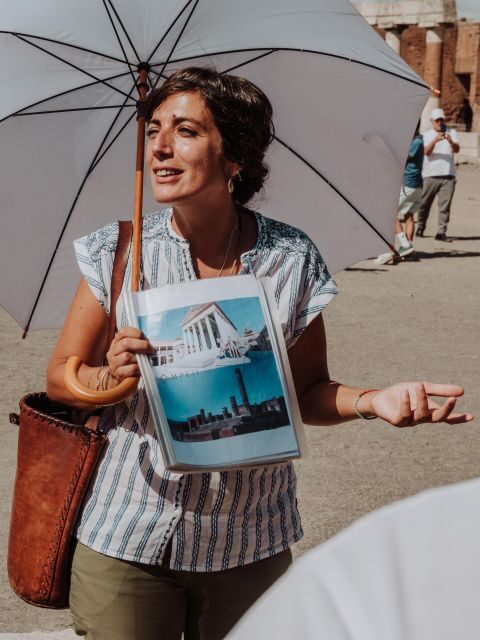
Pompeii can overwhelm you fast. The site is big, and without context it’s easy to end up just pointing at walls. This tour solves that by choosing a tight slice of the city—especially the western area where the “big public Pompeii” lives. In two hours, your guide isn’t just naming places. They’re explaining what you’re looking at and how it fit into Roman routines.
That matters because Pompeii isn’t only about impressive ruins. It’s about a whole society frozen mid-life. When your guide frames the streets and buildings as living space—shops, baths, theaters, homes—you get a faster, more accurate sense of how people moved through their days.
If you're still narrowing it down, here are other tours in Pompei Campania we've reviewed.



Getting your bearings at Porta Marina Superiore
Your tour begins near Porta Marina Superiore, the gateway tied to the western route through Pompeii. The meeting points list two options, including Pompei – Porta Marina, Via Villa dei Misteri 2, so you’ll want to confirm which one you’re assigned.
Here’s the practical part: Pompeii ruins are not laid out like a neat indoor museum. The benefit of a guided start is that you don’t waste energy “figuring it out.” You also avoid wandering into the wrong zone before the guide can set the story. And since one review mentions the meeting location being hard to reach via GPS, I strongly suggest you show up early enough to walk the final bit comfortably.
At the end, the tour finishes back at Pompei Scavi – Villa Dei Misteri, which makes it easier to continue exploring on your own without backtracking.
The eruption story: ash, lava, and why UNESCO still matters
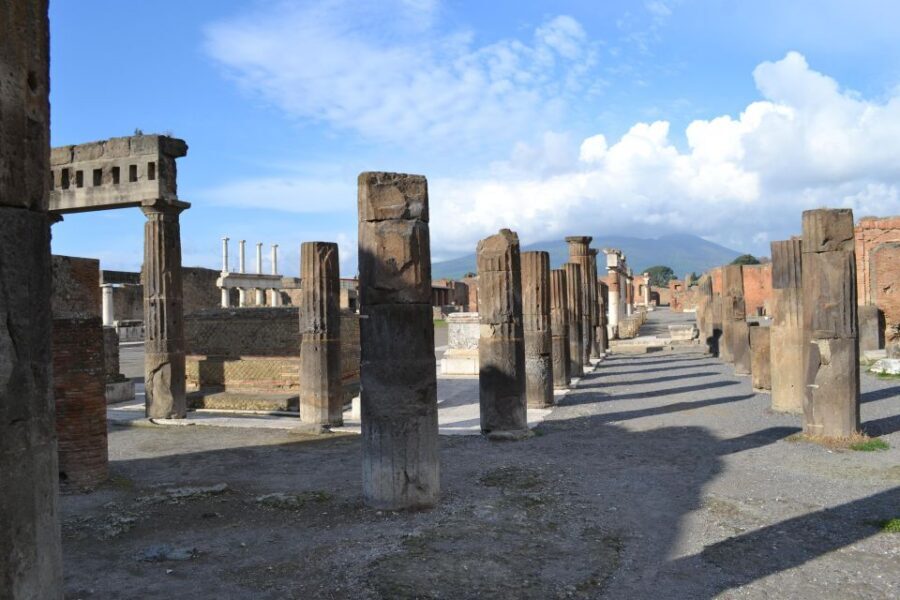
A good Pompeii tour doesn’t just point at ruins. It explains the mechanism of preservation—why this place survived to be seen. Expect your guide to walk you through how Pompeii was buried under molten ash and lava from Vesuvius in 79 AD. That quick disaster explanation is the thread that ties everything together afterward: why plaster casts exist, why walls and floor patterns stayed, and why everyday objects sometimes survived.
You’ll also hear why UNESCO lists both Pompeii and Herculaneum for their “complete and vivid picture of society and daily life at a specific moment in the past.” It’s not a vague compliment. It’s a reminder that Pompeii is valuable because it’s not just monuments—it’s the whole texture of daily living, preserved in place.
Forum highlights: Basilica, Forum space, and how politics felt
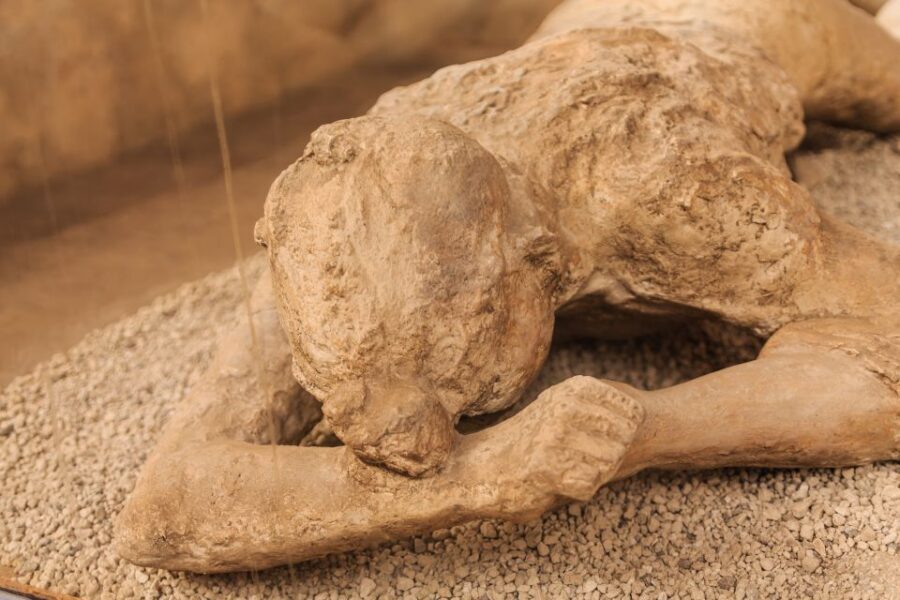
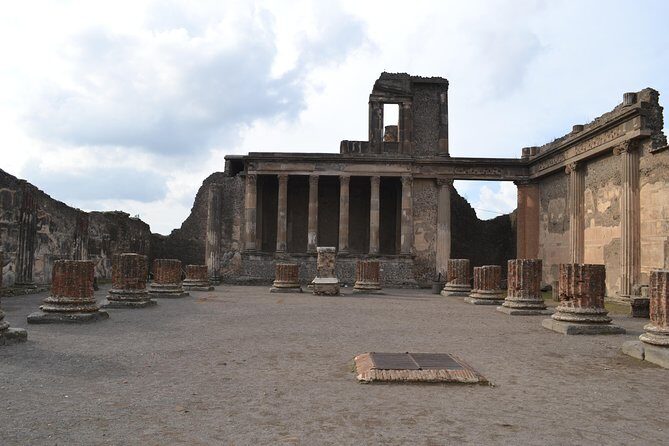
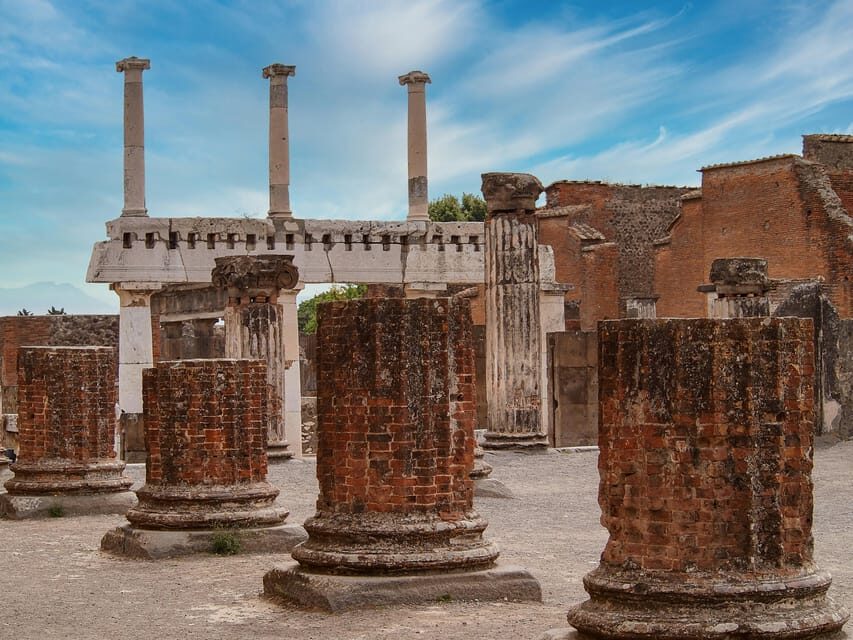
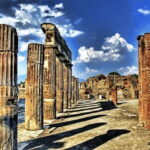
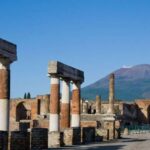
The tour’s public heart centers on the Forum and key civic buildings. You’ll visit the Foro Civile di Pompei and the Basilica, including the court-house function that made this space central to Roman civic life.
What I like about this part is that the guide usually turns “big stone rooms” into social geography. The Forum wasn’t only where laws were argued. It was where people showed up, traded information, handled business, and demonstrated status. Seeing the Basilica in that context makes the architecture feel less like museum décor and more like a machine for public life.
If you have limited time (you’re here for a day trip, or you’re also juggling Naples/Vesuvius plans), this focus is a smart way to get the Pompeii big picture without trying to cover everything.
Temples and everyday rhythms: Apollo and the mix of sacred and practical
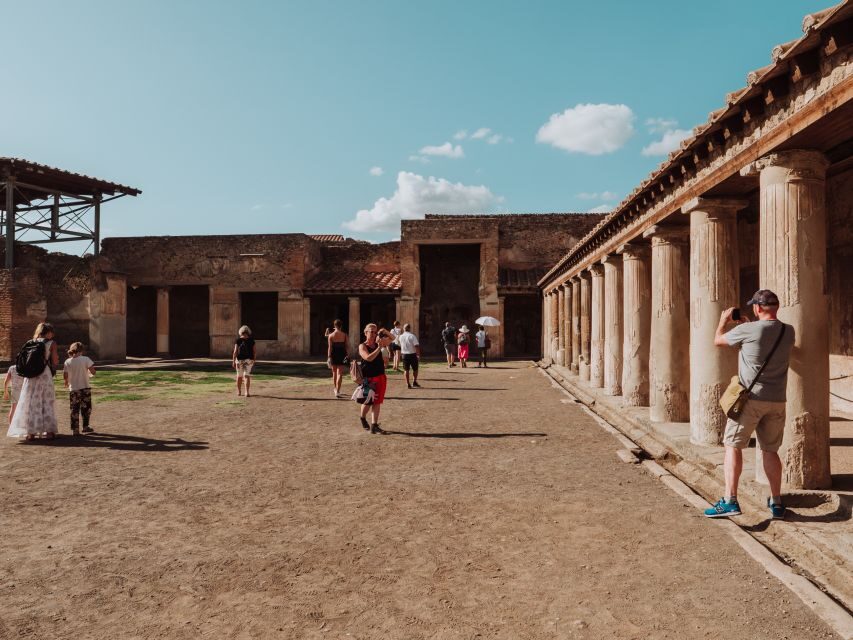
You’ll also stop at the Temple of Apollo. Even in a compact route, a temple stop helps you understand that Pompeii wasn’t just civic and commercial. Religion shaped the city’s calendar and its worldview.
And then you shift back into daily rhythms. Pompeii’s value is that you can move from major public spaces to the smaller commercial and domestic details that show how people ate, shopped, relaxed, and socialized.
This tour reflects that balance with stops that include commercial stops and homes, not only government buildings.



Homes with personality: Menander, the Faun, Vettii
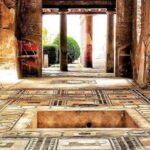
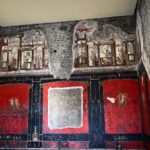
Pompeii’s best “wow” moments often come from houses—because houses show private taste and private routines. On this tour you’ll visit several, including the House of Menander, the House of the Faun, and the House of the Vettii.
What makes these stops work in a short tour is that you’re not looking at a single room in isolation. The guide can help you connect what you see to what mattered to Roman families: layout, how rooms were used, and how public life and private life overlapped.
If you love architecture but also care about how people lived, you’ll probably find these house stops are where Pompeii starts feeling most real.
Baths and the daily “pause”: Forum Baths and public life
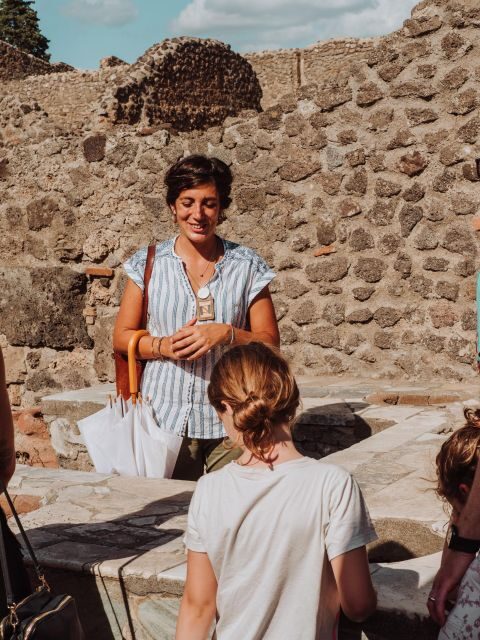
You’ll visit the Forum Baths. Baths are one of the best lenses for understanding Roman daily life because they blend routine, leisure, and social behavior. A guided stop here is useful because it’s easy to overlook the function of spaces if you’re only scanning for “pretty ruins.”
Even in two hours, baths help you build a sense of the city’s tempo—what life looked like between civic meetings, work, and family life.
Eating, snacks, and the bakery where details survive
One of the most vivid details in the tour description is a stop at a bakery area, where you can still see the remains of utensils, and even the food. That is the kind of moment that turns ruins into evidence.
This isn’t only interesting for food lovers. It’s valuable because it shows how archaeologists interpret Pompeii: objects in context, not objects in a display case. When you see the everyday tools of production still there, you start noticing other clues too—like why spaces are shaped the way they are.
The Lupanar and the theaters: social life, spectacle, and shock
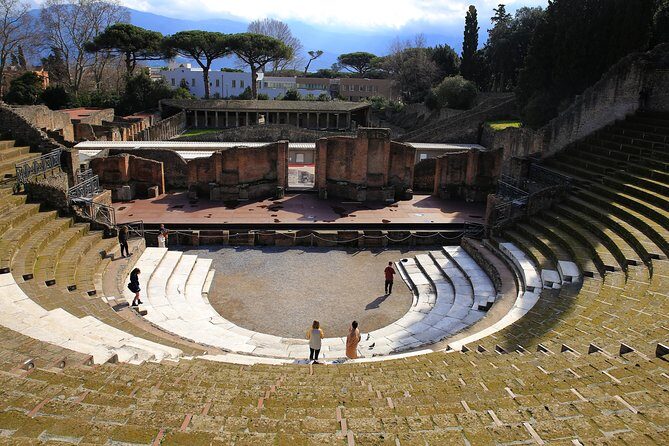
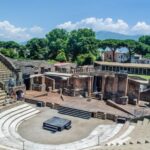
You’ll visit the Lupanare, often called Pompeii’s brothel (the Lupanar), plus major performance sites such as the Large Theatre and the Amphitheater of Pompeii.
This is where the tour becomes emotionally honest. Pompeii includes work, pleasure, and exploitation in the same streetscape. Seeing the Lupanar in particular helps you understand that the city’s social world wasn’t polite or sanitized—Pompeii was a real society with real edges.
Then the theaters and amphitheater flip the tone toward spectacle. Roman leisure mattered, and these stops help show that Pompeii wasn’t only surviving day to day; it was also built to gather and watch.
The plaster casts: what the guide can make you feel
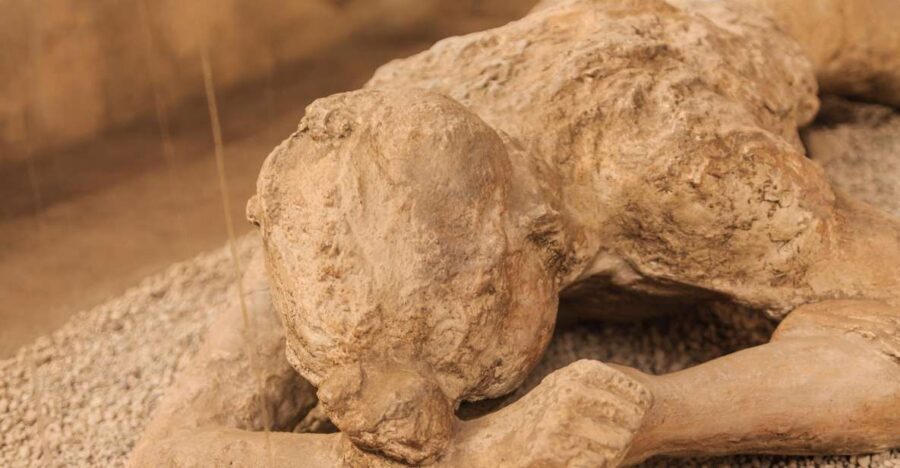
The plaster casts of humans and animals at the moment of death are one of the most talked-about parts of Pompeii, and this tour includes that experience. These casts aren’t just “an exhibit.” They’re a reminder that the eruption wasn’t abstract.
This is also where a strong guide earns their fee. The best archaeologist-style guides don’t try to make it dramatic for effect; they guide your attention so you understand what you’re seeing and what it means historically.
Pompeii’s restored layers: how the site was rediscovered
You’ll learn how Pompeii was rediscovered in the 18th century after centuries of being buried and forgotten. That’s not trivia fluff. It helps you understand why we have plaster casts, why archaeologists are still uncovering details, and why interpretation matters.
Pompeii isn’t a time capsule sealed forever. It’s a site uncovered by people over time, shaped by methods, priorities, and questions from different eras. Knowing the rediscovery story makes the present-day ruins feel less accidental and more human-made in their study.
Price and value: how $175.74 makes sense (or doesn’t)
At $175.74 per person for a 2-hour visit, you’re paying for three things that add up fast: Pompeii entry tickets, a live guide, and disposable earphones for bigger groups.
This is also a private group format. In real terms, that usually means a tighter pace and more control over where you spend time, which matters in a place that can otherwise feel like a blur. Reviews include examples of guides keeping groups engaged and helping avoid the worst congestion on hot busy days, with guides adjusting routes to keep the flow manageable.
Is it expensive? Yes. But if you’re the type who wants meaning instead of just sights, the archaeologist-led framing can be the difference between “I saw ruins” and “I understand what I saw.”
What to bring, and how to avoid the common Pompeii annoyances
Pompeii is outdoors and exposed. Bring comfortable shoes, sunglasses, a sun hat, and water. If you skip one of these, you’ll feel it more than you think you will.
Also, since your route is packed into two hours, be ready for steady walking. This isn’t a sit-and-smell-the-coffee tour. It’s a “see the key parts with an explanation” tour, designed for speed and clarity.
Finally, if you’re sensitive to heat, choose your day carefully. One review mentions quieter routes during a busy hot day, which is exactly the kind of advantage a guide can bring when conditions get uncomfortable.
Who this Pompeii tour fits best
This tour is a good fit if:
- You want the main highlights without trying to cover the entire site
- You like your history with context—how Romans lived in public and private
- You’d rather spend the time asking questions than wandering between plaques
It’s also a smart choice if your schedule is tight. Two hours won’t make you an expert on Pompeii, but it can give you a reliable foundation that makes the rest of your time on-site click.
If you hate crowds, a guided route can help you pace yourself, and the earphones help keep the guide audible when groups get larger.
Should you book this 2-hour Pompeii archaeologist tour?
If you want a fast, structured Pompeii experience that turns ruins into a believable city, I’d book it. The strongest reason is the combination of expert-style storytelling, a high-impact route through the civic core, and the unforgettable evidence moments like the plaster casts. You’ll come away with a cleaner mental map than you’d get from wandering on your own.
Skip it only if you’re the rare person who wants to go fully unsupervised and doesn’t care about interpretation. Pompeii is beautiful, but without guidance it’s easy to miss what matters.
FAQ
What is the duration of the Pompeii guided tour with an archaeologist?
The tour lasts 2 hours. Starting times vary, so you’ll need to check availability to see when tours run.
Where do I meet the guide, and where does the tour end?
You meet the guide near Porta Marina Superiore. The options listed include Pompei – Porta Marina, Via Villa dei Misteri, 2. The tour finishes back at Pompei Scavi – Villa Dei Misteri.
Is Pompeii entry included, and are earphones provided?
Yes. Your ticket includes Pompeii entry, and you also get disposable earphones to help you hear the guide in bigger groups.
What languages are available for the live guide?
The guide is available in French, German, Spanish, Italian, and English.
What should I bring for the tour?
Bring comfortable shoes, sunglasses, a sun hat, and water.
Is entry free on any days?
Yes. On the first Sunday of each month, entrance is free. However, tickets can’t be reserved in advance, so entry is not guaranteed.
Is the tour wheelchair accessible?
The information provided includes both that it is wheelchair accessible and that it is not suitable for wheelchair users. Because of this mismatch, it’s best to check with the tour operator before booking if accessibility is a priority for you.