REVIEW · POMPEII
Pompeii Tour with experienced guide
Book on Viator →Operated by Roberta Avilia Guida Turistica · Bookable on Viator
Pompeii feels huge until the right guide arrives. Roberta Avilia turns the ruins into a clear, human story, and you’ll hit top sights like the Amphitheater and the Gym of the Gladiators. One thing to plan for: the entrance ticket is not included, so you’ll pay an extra €19 per person on top of the tour price.
I like this format because it’s tight and practical: about 2 hours, in English, and designed to get you oriented fast without wasting time wandering in the wrong direction. You’ll start at Piazza Immacolata, 2 and finish at Piazza Esedra, which is handy if you’re lining up lunch or a next stop right after.
In This Review
- Key Highlights You’ll Actually Feel During the Walk
- A 2-Hour Pompeii Route That Doesn’t Waste Your Time
- Entering Pompeii: From Piazza Immacolata to a Proper Start
- What You’ll See at Pompeii (and Why These Stops Work)
- The Amphitheater: Where Entertainment Was a City Event
- The Gym of the Gladiators: Training and Status
- Houses with Gardens: Private Space, Public Reality
- Shops Along the Main Street: Life You Could Nearly Hear
- The Forum and City Center: Where the City Sorted Itself
- The Unfair Advantage: Seeing Pompeii Through Roberta Avilia’s Lens
- Pace, Language, and Group Setup: What It Means for Your Day
- Price and Value: What You Pay, What You Still Need to Budget
- Tips to Get the Most From Your 2 Hours
- Who Should Book This Pompeii Tour
- Should You Book Roberta Avilia’s Pompeii Tour?
- FAQ
- How long is the Pompeii tour?
- What is included in the price?
- Do I need to buy the Pompeii entrance ticket separately?
- Where do we meet, and where does the tour end?
- Is the tour offered in English, and is it suitable for most travelers?
- Is free cancellation available?
Key Highlights You’ll Actually Feel During the Walk
- Roberta Avilia’s story-first guiding helps you picture daily life in a buried city
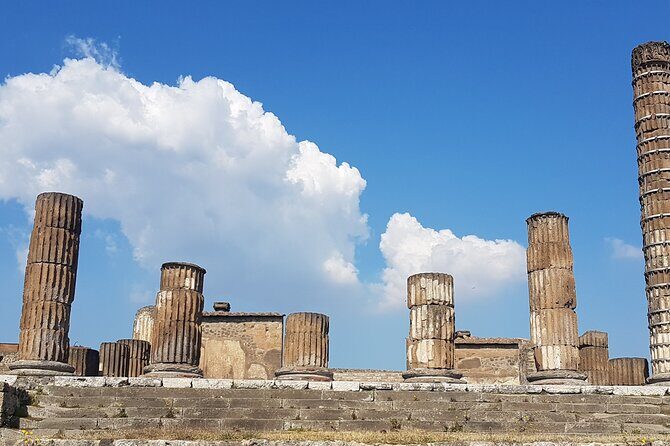
- Big-ticket ruins in 2 hours: Amphitheater, Gladiators’ Gym, Forum area, and more
- Main street to the Forum route gives you a sense of how people moved through the city
- Houses, gardens, and shops show the contrast between public life and private space
- You may be shown areas with active excavation, so Pompeii feels present, not frozen
- English tour with a focused pace (and a private setup so your group stays together)
A 2-Hour Pompeii Route That Doesn’t Waste Your Time

Pompeii can overwhelm you fast. You’re surrounded by walls and openings that look similar, and without context it’s easy to lose the thread. This tour solves that with an experienced guide who puts the pieces in order: what you’re seeing, what it was for, and how people would have lived around it.
You’re not trying to see every corner of Pompeii in one go. Instead, you’re getting a high-impact walk through the places that tell the clearest story—public buildings, entertainment spaces, everyday streets, and the city center.
The result is that you leave with something useful: a mental map. Not just photos.
Other guided tours in Pompeii

Entering Pompeii: From Piazza Immacolata to a Proper Start
You meet at Piazza Immacolata, 2, 80045 Pompei NA, Italy. The tour ends at Piazza Esedra, 80045 Pompei NA, Italy. That matters more than it sounds. Finishing at a different piazza can make the rest of your day smoother, especially if you’re heading for food, a museum, or transit afterward.
Also, this timing lines up well with daytime hours. The available hours listed are Monday through Saturday, 9:00 AM to 2:00 PM, across the broader season window shown. With an “approx. 2 hours” duration, you’re typically not forced into an awkward late slot.
If you’re traveling with a service animal, that’s allowed. The experience also notes it’s near public transportation, which helps if you don’t want to rely on private cars.
What You’ll See at Pompeii (and Why These Stops Work)
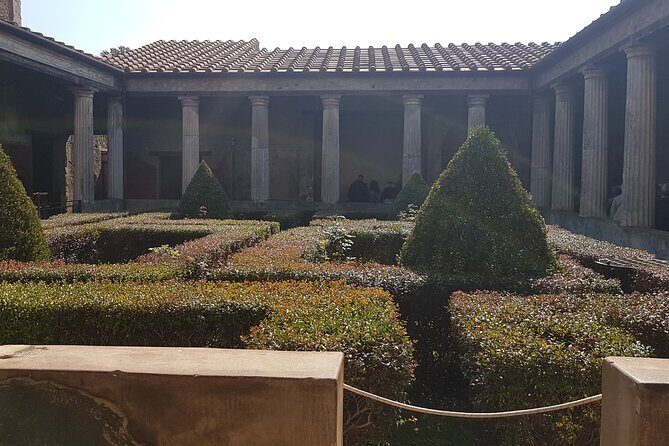
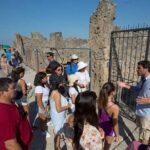
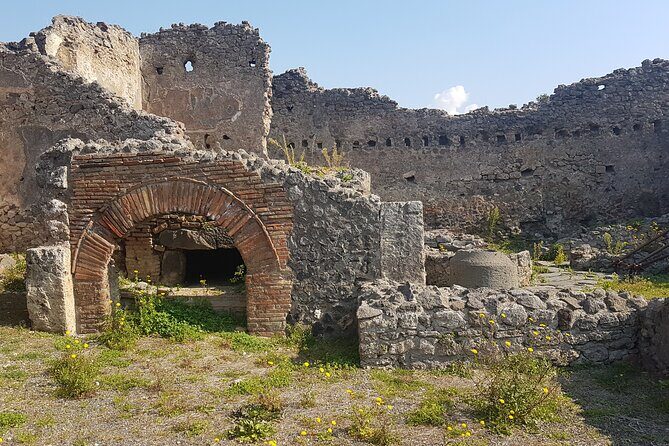
The heart of this tour is the Archaeological Park of Pompeii. Your guide meets you at the entrance and brings you into the ancient city buried after the eruption of Mount Vesuvius in 79 A.D. The focus stays on highlights you can actually connect to one another.
The Amphitheater: Where Entertainment Was a City Event
The Amphitheater is the kind of place that instantly makes Pompeii feel real. It’s not just architecture; it’s a statement about how Romans organized public life around spectacle. When your guide explains how the space functioned, you start to understand where crowds would gather and how the flow of people would work.
This is one of those sights where an explanation changes everything. Without it, you might stare at stone seating. With it, you see the social purpose of the whole venue.
The Gym of the Gladiators: Training and Status
Next comes the Gym of the Gladiators. This stop matters because it shifts the story from the fight you might imagine to the routine that made it happen. It also helps you understand the labor and preparation behind public entertainment.
Your guide’s job here is to connect details to the bigger picture: why these spaces existed and what they suggest about daily schedules in the city.



Houses with Gardens: Private Space, Public Reality
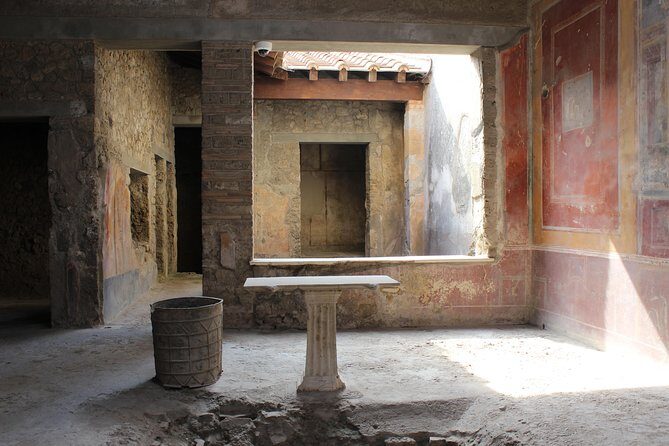
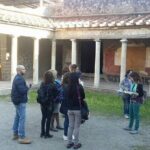
Pompeii isn’t only about crowds and ceremonies. You also get a look at houses, including areas with gardens. That contrast is a big reason I like guided Pompeii.
A garden in a ruined city sounds simple until you’re told what these homes signaled—comfort, status, and how people shaped their surroundings even when the city’s public face was on display.
Shops Along the Main Street: Life You Could Nearly Hear
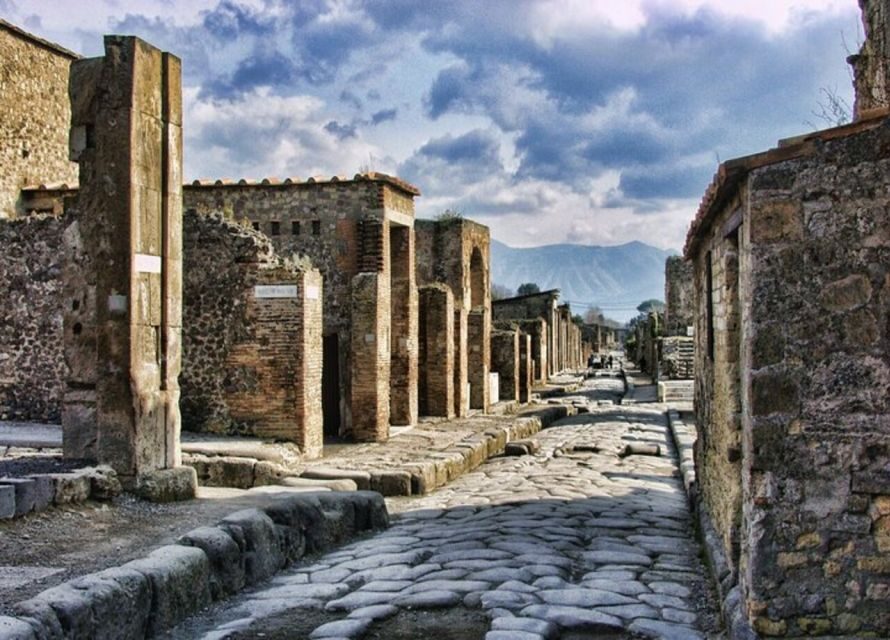
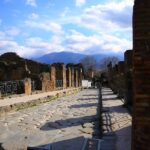
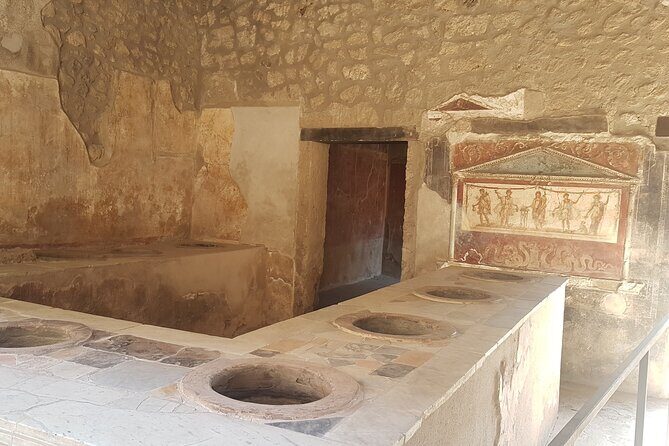
Walking through the main street area and spotting the shops gives you a different kind of Pompeii experience. You’re no longer just looking at major monuments. You’re watching the city become practical—where people would browse, buy, and pass the time.
This is the part where you start to feel the city’s rhythm. Your guide helps you interpret the spaces so they don’t read like random openings in walls.
The Forum and City Center: Where the City Sorted Itself
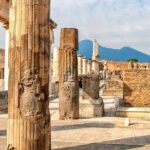
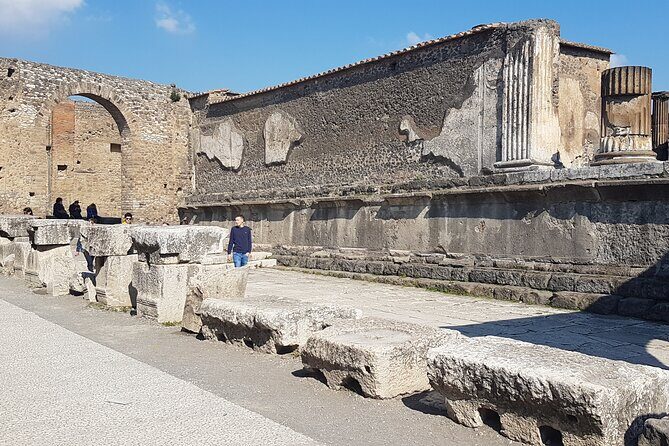
Then you work your way toward the Forum and the city center, with public buildings that show how authority and civic life were organized. This is where Pompeii starts to feel like a functioning place rather than a historical snapshot.
Guides earn their pay here by explaining how public spaces created order—socially and politically—and how visitors and residents would experience that daily.
The Unfair Advantage: Seeing Pompeii Through Roberta Avilia’s Lens
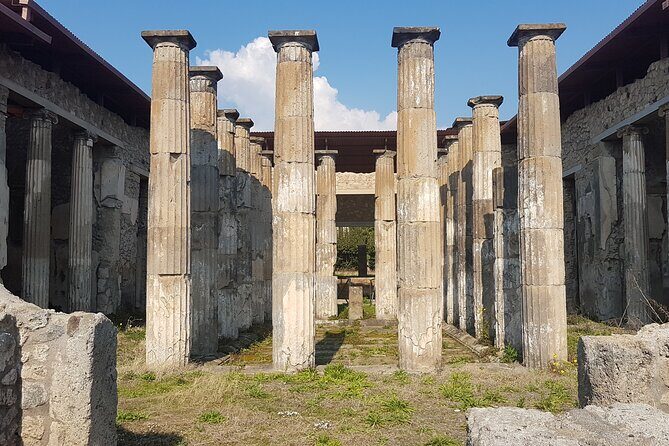
What repeatedly stands out with Roberta Avilia’s guiding style is how practical it is. She doesn’t just toss dates at you. She helps you build a story you can hold in your head while you walk.
A detail that can make a huge difference: she’s known for choosing different focus areas and, in some cases, leading people to areas where an active dig is happening. That’s not something you’d reliably stumble upon on your own. It also adds a layer of realism. Pompeii isn’t just a finished museum piece—it’s still being uncovered, still changing as new evidence comes to light.
If you’re worried that Pompeii will be too academic, this guiding approach is exactly what you want. It’s also helpful for families, because the pacing stays clear and the story stays human.
Pace, Language, and Group Setup: What It Means for Your Day
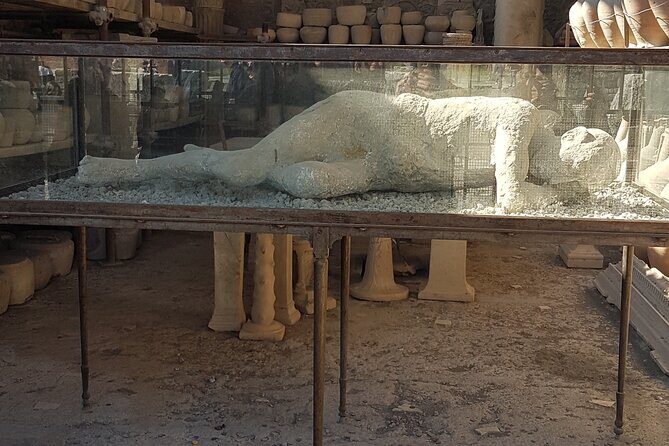
This tour is offered in English. If that’s your comfort zone, you can relax. You won’t need to piece together explanations from signage while you’re trying to track where you are.
It’s also described as a private tour/activity, meaning only your group participates. That usually matters because you can ask questions without having to wait for the next “batch” of visitors, and your guide can adjust the flow if your group has a few different interests.
The duration is about 2 hours, which is a sweet spot. It’s long enough to see several major highlights and still short enough that you won’t feel like you’re stuck inside an all-day tour machine.
Price and Value: What You Pay, What You Still Need to Budget
The tour price is listed at $133.01 per person for the Pompeii experience with an authorized tour guide. Entrance to the Archaeological Park of Pompeii is not included.
So you should plan for an additional €19 per person for the entrance ticket. When you’re budgeting, that means the real “all-in” cost is the guide price plus the park admission.
Is it worth it? In my view, it is when you value:
- orientation plus context (so you understand what you’re seeing, not just that it exists)
- a guided route through the key areas you might miss or misread
- a story-led pace that makes the ruins easier to remember later
If you’re someone who likes to wander alone and read every sign slowly, you might not need a guide. But if you want your time to count—and you’d rather leave Pompeii with real understanding—this is the kind of guided format that tends to deliver.
Tips to Get the Most From Your 2 Hours
You’ll enjoy this tour more if you treat it like a guided walk, not a checklist. The guide will help you see connections between spaces, so don’t try to speed-run photographs at the expense of the explanation.
Also, bring a little patience for the environment. Even without making it dramatic, Pompeii can feel physically demanding—stone, uneven ground, and lots of standing. Wearing comfortable shoes is not a fashion choice here. It’s the difference between enjoying the story and counting minutes.
One more practical idea: if you want to keep learning after the tour, it can help to plan a follow-up activity the next day (for example, a museum visit). A good guide often points you in that direction because the museum can reinforce what you saw in the streets.
Who Should Book This Pompeii Tour
This experience is a strong fit if you:
- want Pompeii explained in English
- prefer a 2-hour introduction that hits the biggest highlights
- want a guide who tells stories in a way that works for different ages
- like the idea of seeing Pompeii with a route and context rather than signage-only
It’s also a good choice if you’re traveling with a small group that wants private time together. And if you need service animal support, that’s part of what’s listed as allowed.
Should You Book Roberta Avilia’s Pompeii Tour?
Yes—if you want your Pompeii visit to feel organized and memorable. This is the kind of tour where the guide makes the stones meaningful, and where you get a balanced mix of entertainment (Amphitheater and gladiator-related spaces), everyday life (shops and main streets), and civic purpose (the Forum and public buildings).
Book it especially if you’re short on time or you don’t want to spend your first hour trying to figure out what matters. Just remember the one key catch: the entrance ticket is extra, so budget for the €19 per person admission when you’re calculating the total cost.
If you can handle a focused two-hour walk and you’d rather learn than guess, this is a smart way to start Pompeii.
FAQ
How long is the Pompeii tour?
The tour lasts about 2 hours.
What is included in the price?
The tour includes an authorized tour guide. Admission to the park is not included.
Do I need to buy the Pompeii entrance ticket separately?
Yes. The entrance fee is listed as €19.00 per person and is not included.
Where do we meet, and where does the tour end?
You start at Piazza Immacolata, 2, 80045 Pompei NA, Italy. You end at Piazza Esedra, 80045 Pompei NA, Italy.
Is the tour offered in English, and is it suitable for most travelers?
The tour is offered in English. The experience notes that most travelers can participate, and service animals are allowed.
Is free cancellation available?
Yes. Free cancellation is available if you cancel up to 24 hours in advance for a full refund.