REVIEW · POMPEI CAMPANIA
Pompeii & Herculaneum: Skip-the-line & Digital Guide App
Book on GetYourGuide →Operated by inStazione · Bookable on GetYourGuide
Wandering through buried Roman streets still feels like time travel. This self-guided day gives you skip-the-line entry and a smart phone guide that helps you move through Pompeii and Herculaneum at your own rhythm. It’s a smart way to see two major sites without the pressure of a fixed-group tour.
I like how fast you can get going once you collect your tickets at the FS train station office in Pompei—no long wait for paperwork. I also love that the digital guide walks you through what you’re looking at, from streets and temples in Pompeii to preserved houses, mosaics, and everyday objects in Herculaneum.
One thing to consider: doing two sites in one day can feel tight, and if you’re driving, you may find parking around Herculaneum tricky. If you want slow, deep wandering at just one site, this format might not be your best match.
In This Review
- Key Points You’ll Care About
- Getting Your Day Started at the FS Station Office
- Skip-the-Line Entry: Why It’s Worth Paying For
- Pompeii: Using the Digital Guide Without Feeling Rushed
- Walking Pompeii’s Streets, Temples, and Houses
- Herculaneum: When Preservation Feels Personal
- Doing Two Sites in One Day Without Burning Out
- What’s Included (and What You Must Bring)
- Languages and Accessibility: Make It Work for Your Trip
- Price Breakdown: Is $72 Good Value?
- Who This Tour Fits Best
- FAQ
- FAQ
- Where do I collect my tickets?
- Do I meet a host or greeter in person?
- What’s included in the price?
- How long is the experience?
- What do I need to bring?
- Are headphones included?
- Is lunch included?
- Are trains included?
- What languages are available?
- Is this wheelchair accessible?
- Should You Book This Pompeii and Herculaneum Digital Day?
Key Points You’ll Care About
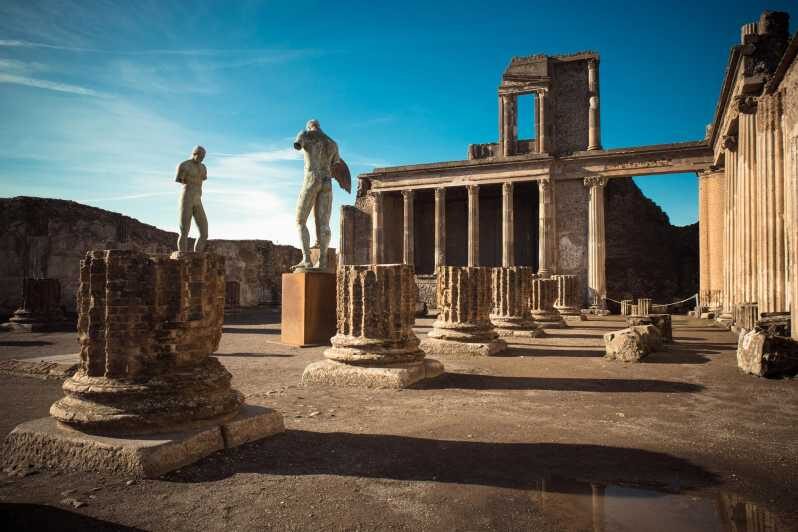
- Skip-the-line tickets for both sites, so your time goes to ruins, not queues
- Digital guide app that keeps things self-paced on your phone
- Pompeii and Herculaneum in one day, letting you compare styles and preservation
- Tickets are collected at the FS train station office in Pompei, with info handled via WhatsApp
- You’ll need to bring headphones and a charged smartphone
- The tour is wheelchair accessible
Getting Your Day Started at the FS Station Office

This experience is designed to cut friction before you even reach the first ruin. You’ll collect what you need from the provider’s office at the FS train station in Pompei, and you’ll receive key info/tickets in advance through WhatsApp the day before. The practical result: you should spend less time sorting details and more time walking.
Also note the walk to Pompeii’s entrance: it’s under ten minutes on foot from there. That matters because you’re not burning half your day on transport. It’s one of those small logistics wins that makes a big difference when you’re trying to fit two sites into one day.
If you're still narrowing it down, here are other tours in Pompei Campania we've reviewed.



Skip-the-Line Entry: Why It’s Worth Paying For

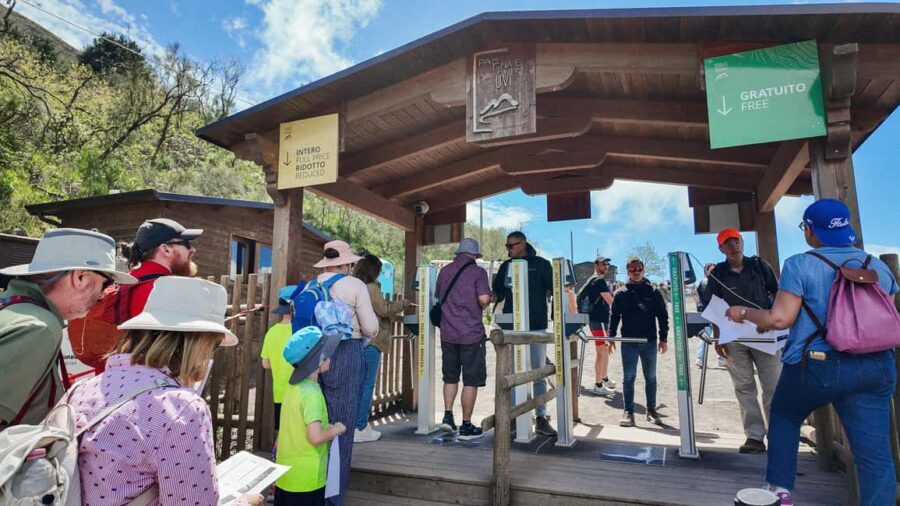
Skip-the-line usually sounds like a luxury until you’re standing in line under an Italian sun. Here, the skip-the-line benefit applies to both Pompeii and Herculaneum, which is a big deal because the sites can be busy.
At $72 per person for a one-day pass with the app included, you’re paying for three things at once:
- the two skip-the-line entries
- the digital guide app on your phone
- a smoother, less stressful arrival process in Pompeii
Lunch, headphones, and train travel aren’t included, so budget for those separately. Still, as a bundle, it’s a solid way to turn a limited day into real sightseeing time.
Pompeii: Using the Digital Guide Without Feeling Rushed

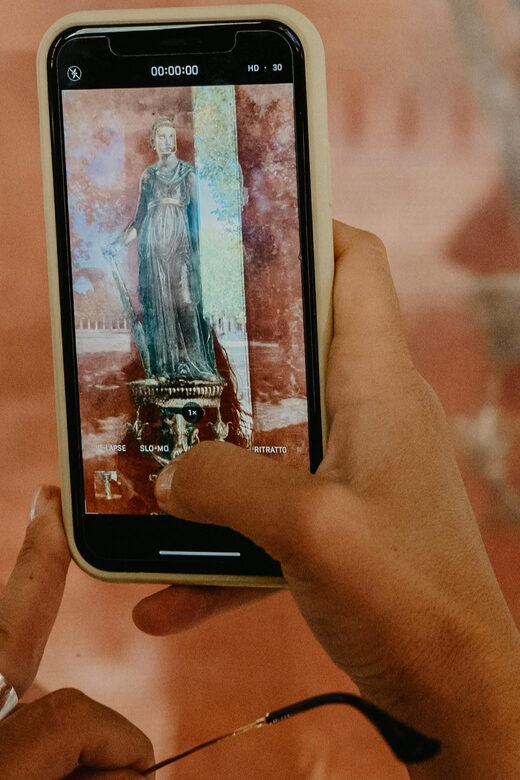
Once you’re inside Pompeii, you’re in charge. The smart guide app is meant to guide you through what you’re seeing as you walk—ancient streets, temples, and houses—while keeping the pace comfortable. That’s a major advantage compared with tours where you’re always waiting for the slowest person or trying to keep up with the fastest.
You’ll want headphones (they’re not included) and a charged smartphone (also your job to bring and keep it powered). If you forget either, your experience gets worse fast, because the guide is the heart of this tour.
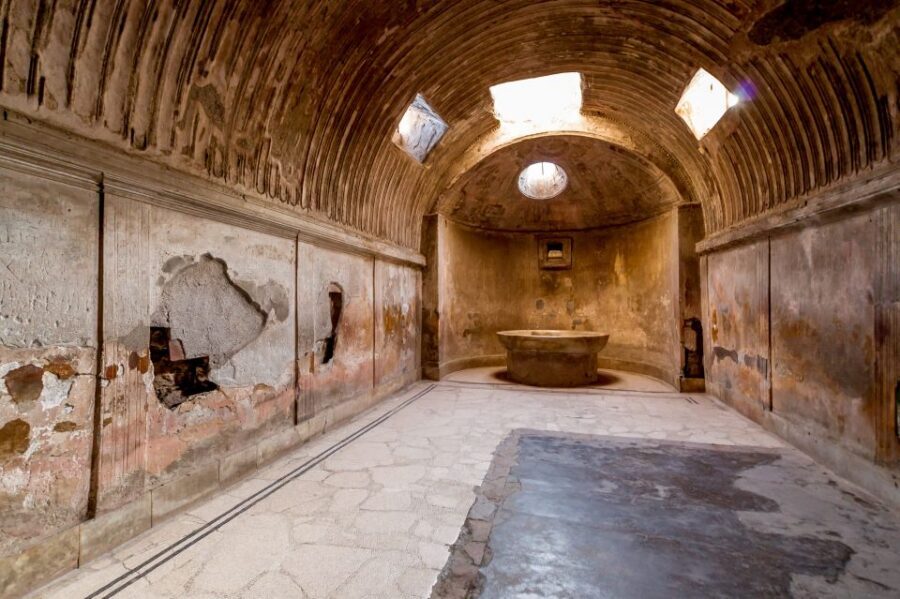
I like self-guided days best when the site itself is huge. Pompeii definitely qualifies. A phone guide helps you connect what looks like scattered stones to the daily life that once filled these blocks—markets, homes, and civic spaces—so you don’t just “see ruins,” you understand them as a living town that got preserved by disaster.
Walking Pompeii’s Streets, Temples, and Houses
Pompeii is at its best when you can stop often. The ruins spread out, and your attention has a way of snapping from one detail to the next—doorways, wall paintings, the angles of streets. With the app, you can pause when something catches your eye and restart when you’re ready.
Here’s how to think about your route: don’t force a “checklist sprint.” Instead, use the guide as a chain that links the highlights together:
- Ancient streets help you understand how people moved through the city
- Temples give you context for public life and religious space
- Houses (and the way they’re laid out) help you picture domestic routines
Because you’re self-paced, you can spend more time where the details feel meaningful to you. If you’re more interested in art and rooms, linger on the house sections. If you want public architecture first, head toward temples earlier.
Herculaneum: When Preservation Feels Personal

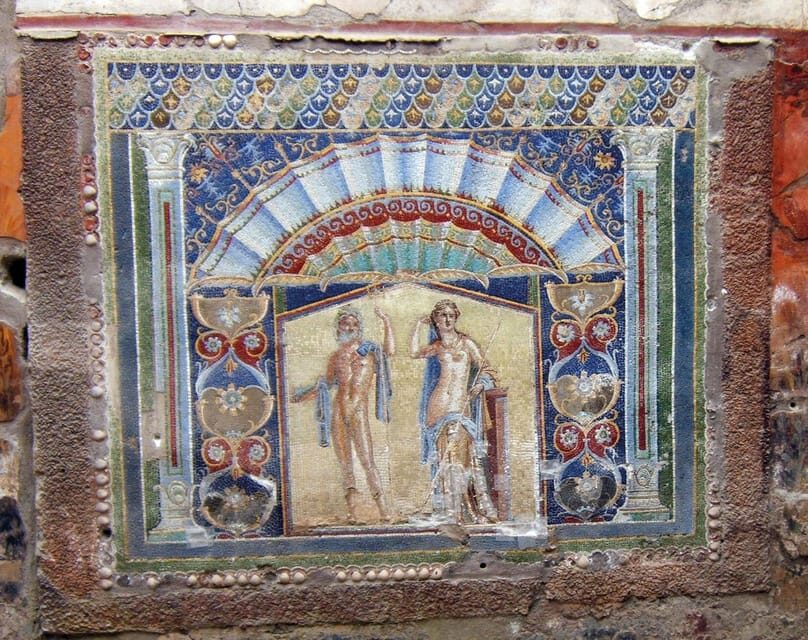
Herculaneum is often described as quieter in comparison, and the ruins can feel even more intimate. Your app carries you here too, and it focuses on what’s especially well preserved: houses, mosaics, and the survival of everyday objects.
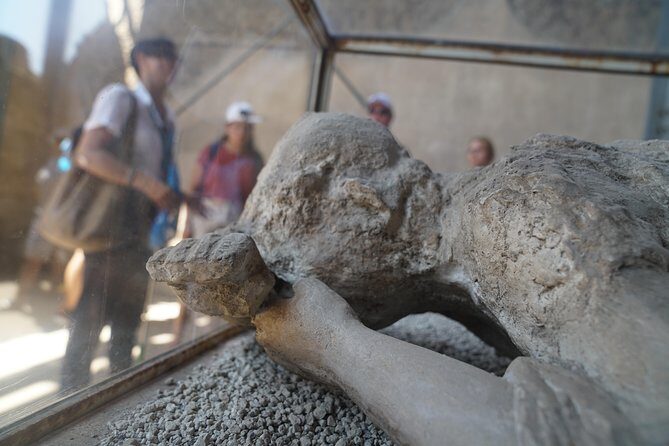
That last part is what makes Herculaneum different. Pompeii can feel like a city’s skeleton—important, dramatic, and huge. Herculaneum can feel more like you’re stepping into a home where the ordinary items stayed in place long enough to tell their story. It’s a subtle shift, but it changes how the site lands emotionally.
One practical tip: because you’re doing both sites in one day, Herculaneum can be a little harder to savor if your energy runs low. Plan to bring your enthusiasm with you, not just your ticket.





Doing Two Sites in One Day Without Burning Out

This is a one-day experience that covers two separate archaeological areas. That’s the appeal—and the challenge. The best strategy is to treat the day like a marathon with breaks, not a sprint with stops.
Your self-guided setup helps because you’re not stuck waiting for a group timeline. Still, you should plan realistically: you’ll want enough stamina for long walking, uneven ground, and plenty of time at the more interesting spots.
To keep the day enjoyable, I’d do this:
- Start with Pompeii as your anchor (it’s the bigger draw for many people)
- Use the app to stop where you feel curious, not where you feel obligated
- Keep a little energy in reserve for Herculaneum, even if you choose to spend less time there
If you find Herculaneum less engaging, you’re not doing anything wrong—you’re just letting your interests guide the balance.
What’s Included (and What You Must Bring)
The included parts are refreshingly straightforward:
- Digital guide app for your smartphone
- Skip-the-line entry ticket for Pompeii
- Skip-the-line entry ticket for Herculaneum
What you need to bring or arrange:
- Headphones (not included)
- A charged smartphone
- Lunch (not included)
- Train travel (not included)
If you’re traveling with a power bank, bring it. You’ll be using your phone for navigation, audio, and context—so it’s worth keeping it alive.
Languages and Accessibility: Make It Work for Your Trip
The guide app is available in multiple languages: English, French, Italian, German, and Spanish. That’s a helpful detail because it means you can match your comfort level and actually use the guide, not just half-listen while guessing.
The experience is also wheelchair accessible. That’s meaningful for a site like this, where uneven ground and crowds can be the difference between an enjoyable day and a frustrating one.
Price Breakdown: Is $72 Good Value?
For many visitors, the question isn’t just whether $72 is “cheap.” It’s whether you’re getting the right mix for your time and energy.
In your case, you’re paying for:
- two skip-the-line tickets (one major queue relief)
- one digital guide app that’s central to how the tour runs
You still pay separately for lunch and headphones, and you handle your own transit. But if you value time savings and want flexibility, the structure is good value. It’s especially strong if you’re the type who likes to wander and then stop when something grabs your attention.
If you prefer a strict, guided narrative with a person speaking in real time, you might feel this is more DIY than you’d like. But for self-directed travelers, this price makes sense.
Who This Tour Fits Best
This experience is best for people who:
- want freedom to move at your pace
- like learning via an audio guide rather than a live group tour
- can comfortably spend a full day walking across two sites
- travel with a smartphone they’re happy to use for guided content
It’s also a good match if you’re short on time in the area. Instead of choosing only one site, you’re comparing Pompeii and Herculaneum in the same day—two different ways of seeing how Roman life survived.
FAQ
FAQ
Where do I collect my tickets?
You collect your tickets from the provider’s office at the FS train station in Pompei.
Do I meet a host or greeter in person?
No personal meeting is included. You receive your tickets the day before via WhatsApp.
What’s included in the price?
You get the digital guide app plus skip-the-line entry tickets for Pompeii and Herculaneum.
How long is the experience?
It’s valid for 1 day.
What do I need to bring?
Bring headphones and a charged smartphone.
Are headphones included?
No, headphones are not included.
Is lunch included?
No, lunch is not included.
Are trains included?
No, train transport is not included.
What languages are available?
The digital guide is available in English, French, Italian, German, and Spanish.
Is this wheelchair accessible?
Yes, the activity is wheelchair accessible.
Should You Book This Pompeii and Herculaneum Digital Day?
If you want a practical day plan—skip-the-line for both sites plus an app that helps you read the ruins as you walk—this booking is a strong choice. The structure rewards travelers who enjoy self-guided pacing and who are willing to do the simple prep: charged phone, bring headphones, and collect tickets at the FS station office.
I’d skip it if you hate phone-based audio learning or if you want someone guiding every turn with a live group narrative. And if you’re sensitive to packed schedules, remember you’re covering two big places in one day, so you’ll need energy and flexibility.
Bottom line: book this if you want maximum ruin time with minimum waiting—and you’re happy to let the phone guide help you notice the details that make Pompeii and Herculaneum click.