REVIEW · POMPEI CAMPANIA
Amalfi Coast: Pompeii Ruins Guided Tour
Book on GetYourGuide →Operated by Enjoy Pompeii · Bookable on GetYourGuide
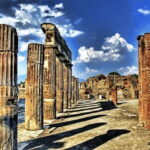
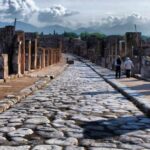
Pompeii is old, but it hits hard. This guided trip from the Amalfi Coast pairs easy pickup with a skip-the-line entry plan, so you spend your limited time where it matters: inside the UNESCO-listed ruins. You’ll follow an archaeologist guide who explains what you’re seeing, from the Basilica and Forum to the thermal baths, plus the homes that show daily life before Vesuvius changed everything.
I also like how the pacing is built around a human scale. The group stays small (limited to 10), and the on-site tour runs 2 hours, which is a sweet spot if you want context without getting stuck in a giant crowd. One thing to consider: since you’re doing a full round-trip transfer, the van timing can be tight, and a late return can happen.
You’ll likely hear different guide styles, but the common thread in the guide lineup is real communication. People talk about guides such as Angelo, Frankie, Sasa, and Francesca—each bringing lots of answers and good humor to the ruins. If you’re sensitive to long drives, plan on treating this as a structured day rather than a free-roam outing.
In This Review
- Key Highlights to Know Before You Go
- Getting to Pompeii: air-conditioned pickup from the Amalfi towns
- Skip-the-line entry and a 2-hour archaeologist-led walk
- Basilica, Forum, and thermal baths: the Roman core you cannot miss
- Houses and daily life before Vesuvius changed everything
- Small group size (up to 10): why it feels calmer at Pompeii
- Price and value: is $143.48 worth it?
- What the full day rhythm feels like (van, ruins, van)
- Tips to make your 4.5-hour Pompeii plan feel smooth
- Should you book this Pompeii guided tour?
- FAQ
- How long is the Pompeii guided portion?
- Where does pickup happen on the Amalfi Coast?
- Do I get skip-the-line entry into Pompeii?
- Is the tour guide available in English?
- How many people are in the group?
- Are food and drinks included?
Key Highlights to Know Before You Go
- Skip-the-line entrance: You avoid the worst of the queues with a separate entrance route into Pompeii.
- Archaeologist-led 2-hour walk: You get a guided route through the big highlights instead of wandering blind.
- Basilica, Forum, and thermal baths: The tour focuses on the Roman city center and the daily-life infrastructure.
- Small group size (up to 10): Easier questions, better control of pace, more time in the shade.
- Pickups and drop-offs across the Amalfi Coast: Multiple towns are covered, with pickup starting about 30 minutes before departure.
- 4.5 hours total duration: A concentrated half-day that fits well between beach time and dinner plans.
Getting to Pompeii: air-conditioned pickup from the Amalfi towns
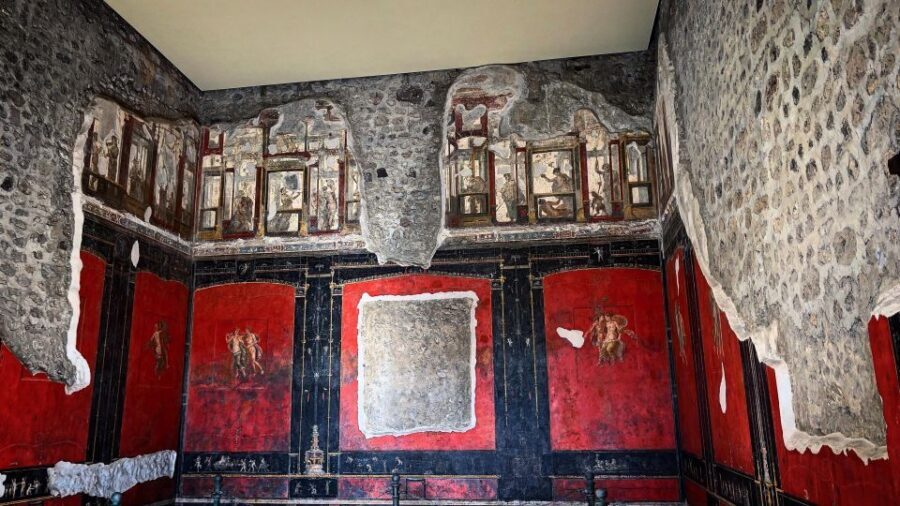
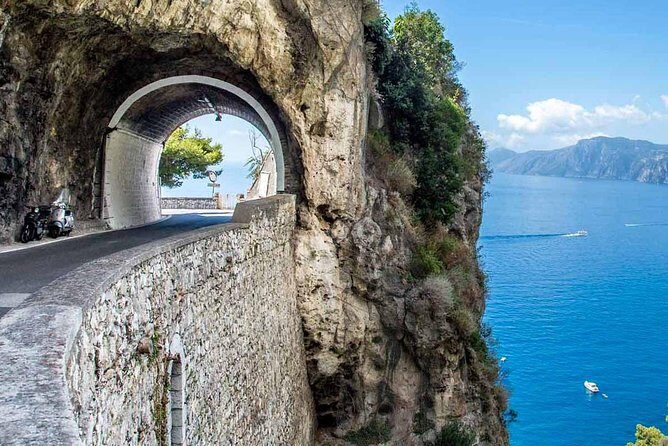
The biggest win here is that you don’t have to wrestle with transit. Your van picks you up at your accommodation on the Amalfi Coast (or at the nearest option in the pickup network), and the drive is in air-conditioned comfort. That matters because by the time you reach Pompeii, you want your energy for walking, not for commuting.
The pickup options cover seven towns: Vico Equense, Ravello, Sorrento, Positano, Amalfi, Praiano, and Maiori. Pickup starts about 30 minutes before the scheduled departure, so keep your plans flexible at the start of the day. You’ll then have about one hour in the van on the way to the Pompeii Archaeological Site.
This arrangement is especially practical if you’re staying in places like Positano or Amalfi where getting to Pompeii on your own can mean multiple legs, schedule worries, and parking headaches. The return mirrors the process with drop-offs in seven places: Maiori, Praiano, Ravello, Positano, Amalfi, Vico Equense, and Sorrento.
The only real drawback is simple: this is a fixed-time tour. You’re committing to the van schedule, so you’ll want to keep dinner plans realistic for a day like this (and be ready for the occasional late return, since one review noted a delay on the trip back).
If you're still narrowing it down, here are other tours in Pompei Campania we've reviewed.



Skip-the-line entry and a 2-hour archaeologist-led walk
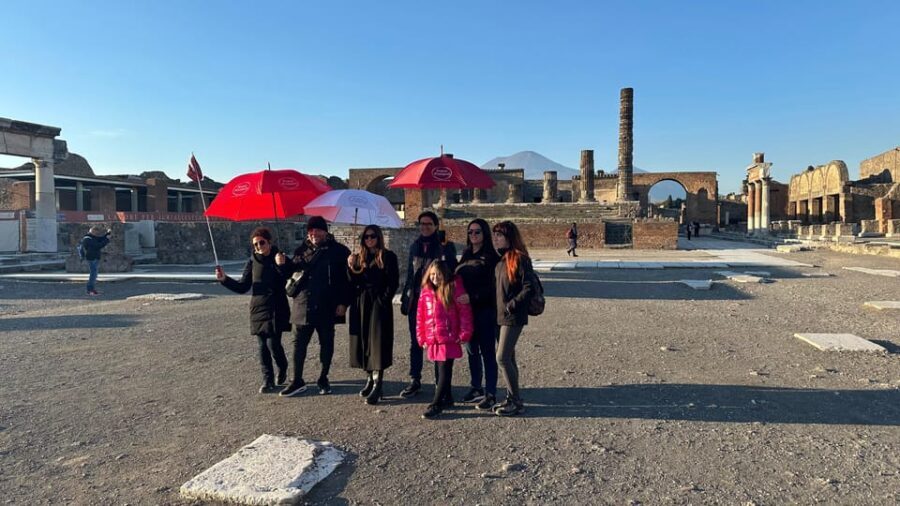
Once you arrive, the tour starts with an efficient entry approach. You get skip-the-line entry through a separate entrance route, which is a big deal at Pompeii. The ruins are popular, and the time you save can be the difference between feeling rushed and actually enjoying the experience.
Then comes the core of the day: a live archaeologist guide and a 2-hour guided walk. This is the sweet spot of guided travel. Long enough to understand what you’re seeing—without burning your legs on a marathon. And because you have an expert giving context, you’re less likely to miss the meaning behind what looks like a pile of stones.
The guide’s job is to connect the layout of the site to real Roman life: how people moved through the city, what areas were used for public business, where people gathered for events and worship, and how daily routines played out in built spaces. You’ll also get the rhythm of Pompeii travel: short segments of explanation, then a walk to the next landmark, with enough pacing that you don’t feel like you’re only rushing for photos.
You’ll get this in English, with a live guide. Based on the way guides are described—patient, funny, and able to answer lots of questions—you should expect more than a basic script. When the guide can respond to what you notice in real time, the ruins turn from background scenery into a story you can follow.
Basilica, Forum, and thermal baths: the Roman core you cannot miss
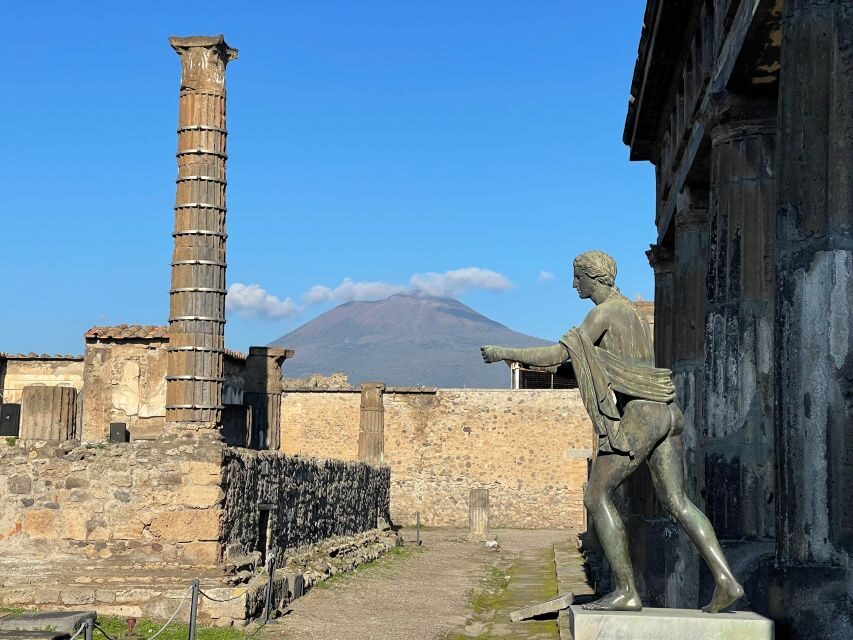
Pompeii is huge, so it helps that this tour focuses on the city’s most recognizable, meaningful areas. Expect to see the Basilica, the Forum, and the thermal baths. These places aren’t random stops; they’re the Roman city in action.
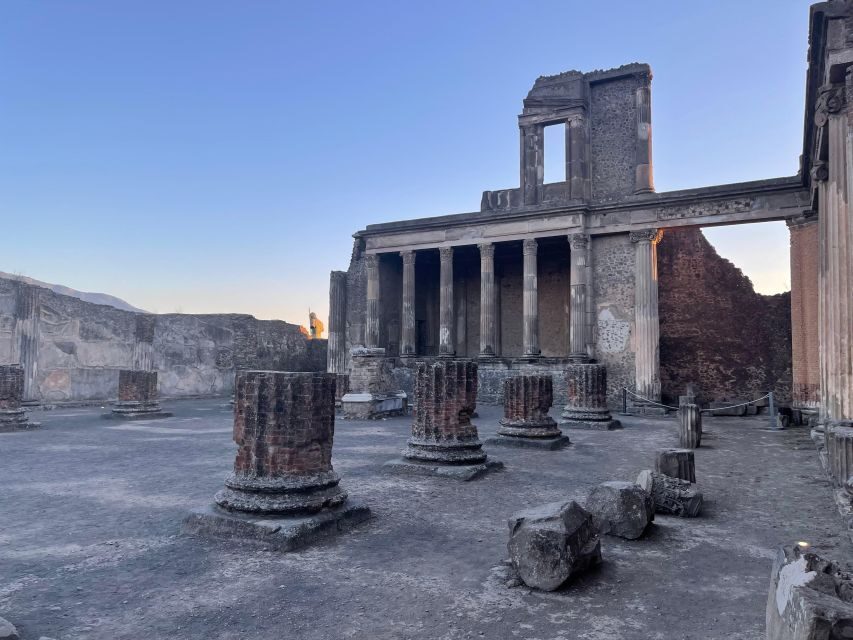
The Basilica is one of those spaces that instantly tells you Pompeii was designed for public life. Think of it as a major civic building—somewhere people would gather for business and community matters. Seeing it with guidance makes a big difference. Without context, you might just register it as an impressive structure. With guidance, you start to understand why it sat where it did and how it fit into the flow of the city.
Then you’ll move to the Forum. This is the center of gravity for Roman social and political life. Here you learn what made the Forum more than a plaza: it was a place where civic identity played out through architecture, movement, and public routines.
Next up: the thermal baths. This is where Pompeii becomes very human. Roman bathing wasn’t only about cleanliness—it was a social routine, part of how people spent time, talked, and relaxed. Watching your guide explain the layout and function of the baths helps you picture how residents used the spaces day after day.
It’s also a nice sequence because each landmark represents a different slice of life: public business, civic gathering, and leisure routine. That variety keeps the 2-hour tour from blending into one long stone walk.
Houses and daily life before Vesuvius changed everything
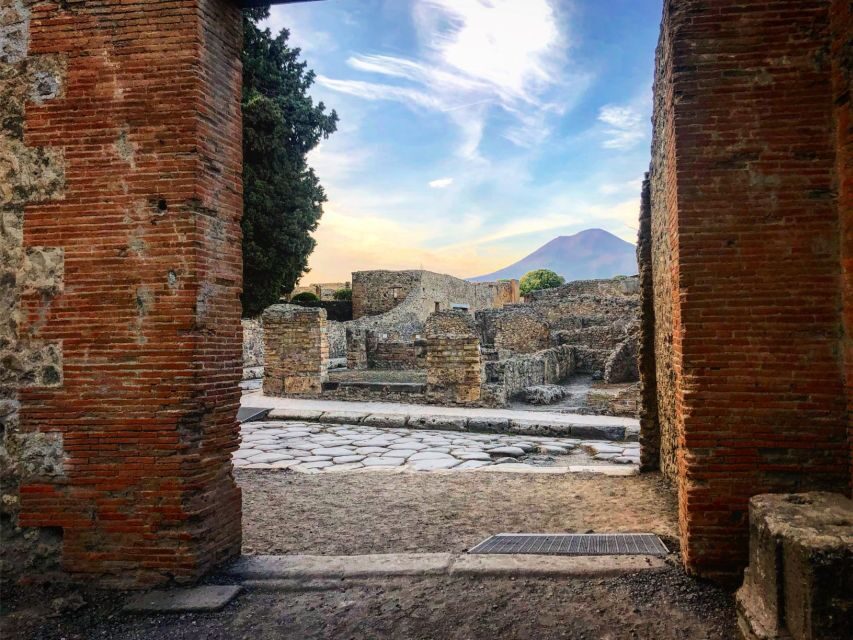
After the headline landmarks, you’ll shift into the residential side of Pompeii—places that help you answer a deeper question: what was life really like here before the eruption?
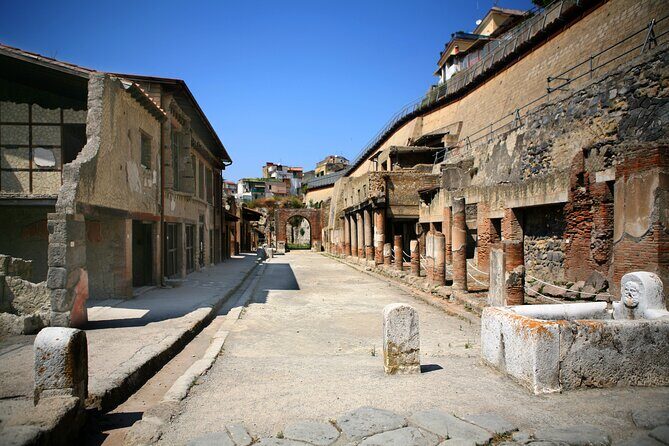
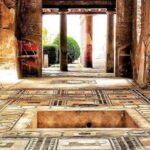
You’ll explore residential houses and walk through parts that help you picture everyday routines in a Roman city. You get to see the built remnants that hint at family life, household space, and how people used rooms for different purposes. The contrast is striking: public buildings show the city’s official face, while houses bring you close to private behavior.
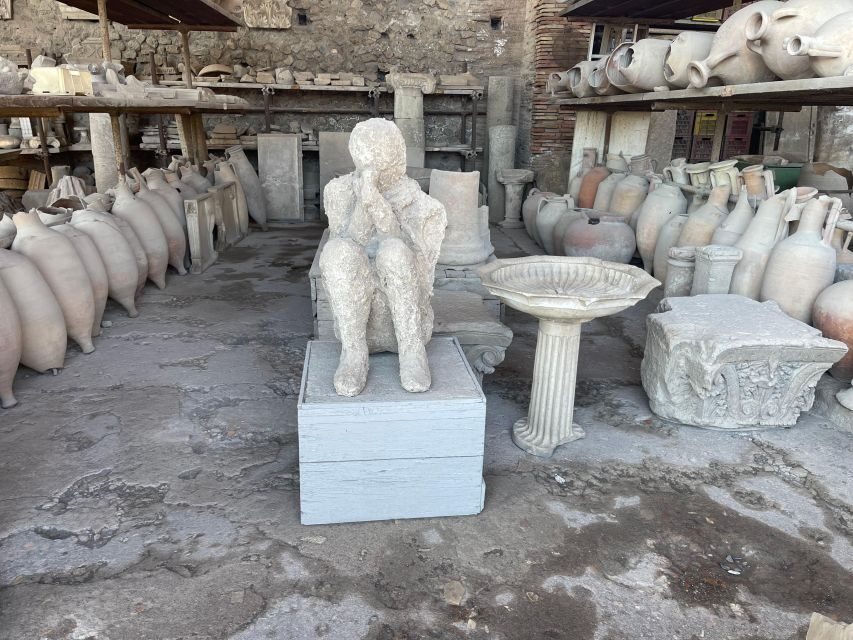
And this tour doesn’t treat the eruption as a distant textbook date. You’re guided through the reality of Pompeii up to the catastrophic event in 79 AD, so the story has a clear timeline. The eruption becomes part of what you’re seeing, not a random fact tacked on at the end.
This is the value of an archaeologist-led format. You’re not just looking at ruins; you’re learning how the ruins were organized—how streets, squares, and buildings worked together as a functioning city. If you’ve only ever seen Pompeii through photos, this guided approach helps you build mental maps fast.
Small group size (up to 10): why it feels calmer at Pompeii
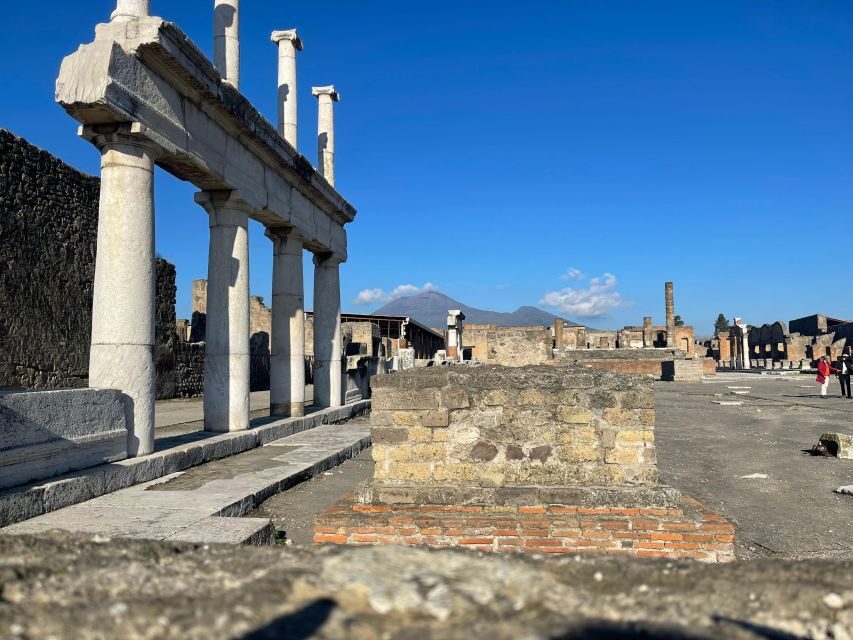
Pompeii can be chaotic on your own. This tour gives you the opposite setup: a small group limited to 10 participants, with a guide who can manage pacing.
That small size changes the experience in practical ways. You’re more likely to hear your guide clearly, ask questions without feeling like you’re interrupting, and move as a unit rather than being left behind. People also mention guides adjusting the walk to comfort—stopping in the shade when possible—so you’re not always baking in full sun while trying to follow along.
The other practical benefit is time control. A 2-hour guided segment works well with a group of this size. You can cover important areas without needing to sprint between stops, and you can still enjoy what you’re seeing instead of treating it like a checklist.
The one caution is that a small group still doesn’t mean slow-motion. Pompeii has uneven ground and lots of walking. If you’re expecting a totally leisurely stroll, you might find the pace a bit brisk, especially during peak periods. The good news is that with an efficient guide and tight itinerary, you should get real value without losing half your day to inefficiency.




Price and value: is $143.48 worth it?
At $143.48 per person, you’re paying for more than entry tickets. You’re paying for the whole package: hotel pickup and drop-off, a skip-the-line ticket, and a 2-hour guided walk with an archaeologist guide in English.
Here’s how I’d judge the value if you’re trying to decide quickly:
- If you’d otherwise spend time figuring out transit, the guided transfer can save stress and reduce the chance you miss your preferred entry time.
- If you hate queues, the skip-the-line access is the kind of perk that feels worth it fast once you see how long lines can be.
- If you want interpretation, the guide is doing the heavy lifting—turning ruins into a city you can understand.
What’s not included is also clear: no food or drinks. That means you’ll want to plan a snack and water on your own. If you arrive hungry or under-hydrated, you’ll feel it during a 2-hour walk in the open.
Also note the total duration: about 4.5 hours. You’re not buying an all-day excursion. You’re buying a focused half-day with a defined shape, built around efficiency. For many Amalfi Coast stays—where you’re balancing beaches, boats, and evening plans—this kind of time-to-value ratio is exactly what you need.
What the full day rhythm feels like (van, ruins, van)
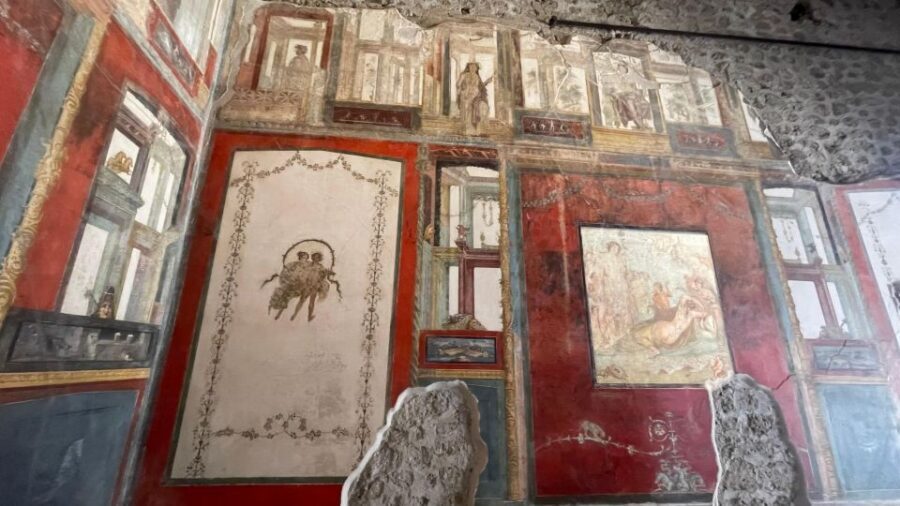
The flow is straightforward and easy to picture:
1) Pickup window begins about 30 minutes before departure, with multiple town options.
2) Van ride to Pompeii takes about 1 hour.
3) Pompeii site time includes a guided walk of about 2 hours.
4) Return van ride runs about 70 minutes back to your drop-off town.
That structure matters because Pompeii is best enjoyed when you’re not spending your mental energy on logistics. The tour is designed so your time at the site is the highlight, not a tiny window sandwiched between long transfers.
Still, be realistic about one thing: the van timing can be affected by road traffic. The experience is generally tight and smooth, but one review flagged a return delay of at least an hour and a half. If your schedule is extremely strict later that night, leave breathing room.
If you’d like your day to feel smoother, treat this as a planning-friendly option: eat before pickup, bring water, and keep your next commitment flexible for post-tour return time.
Tips to make your 4.5-hour Pompeii plan feel smooth
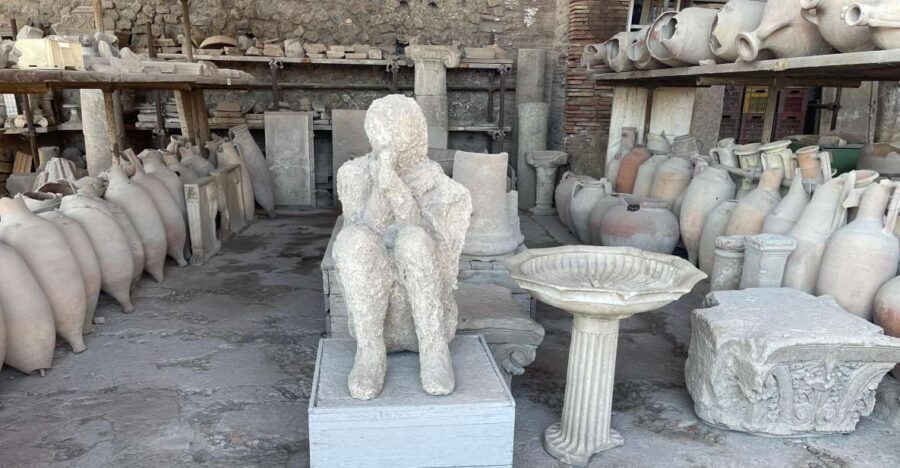
Here are a few practical moves that will help you get more from the time you’re spending.
- Bring water and a simple snack. Food and drinks aren’t included, and the walk is long enough that waiting for a shop can cut into the tour vibe.
- Wear shoes that handle uneven ground. Pompeii isn’t a flat museum floor; it’s a real archaeological site with rough terrain.
- Plan for sun and wind. Pompeii is open. Even if the guide stops in shade when possible, you’ll still want sun protection.
- Use the guide’s questions as a feature, not a distraction. When a guide like Angelo, Frankie, Sasa, or Francesca is good at answering, you’ll get more out of the stops you notice most.
- Don’t overbook right after. Even with a well-run route, a transfer-based tour can run behind.
Should you book this Pompeii guided tour?
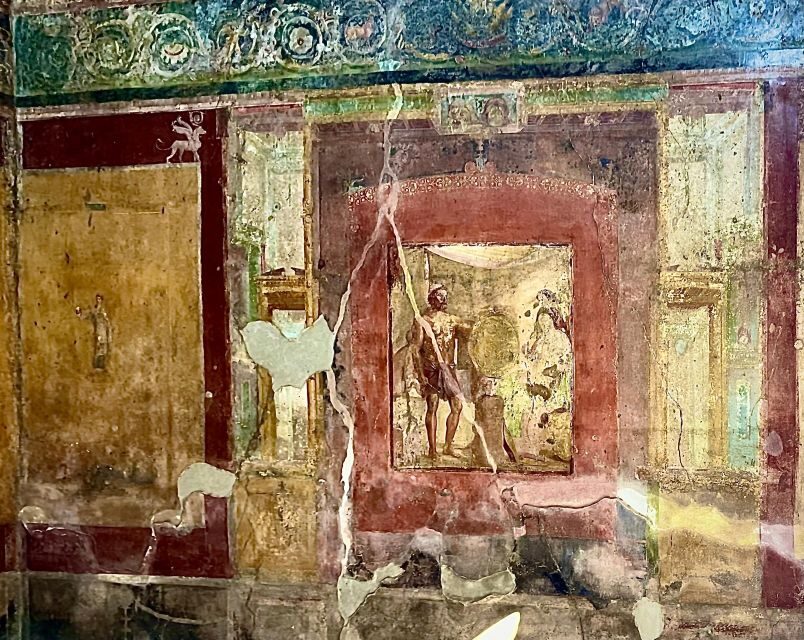
You should book if you want Pompeii explained well, with skip-the-line entry and an archaeologist guide, without turning your Amalfi day into a travel puzzle. It’s also a strong choice if you’re staying in towns like Sorrento, Positano, Amalfi, or Ravello and want a clean pickup-and-drop-off setup.
Skip it (or look for another format) if you prefer full independence at your own pace, or if you’re looking for something longer than a half-day plan. With a 2-hour guided segment inside a 4.5-hour total experience, you’ll get major highlights and solid context—but you won’t cover every corner of Pompeii.
If your goal is understanding what you’re seeing—rather than just collecting landmarks—this is a well-tuned way to do it.
FAQ
How long is the Pompeii guided portion?
The tour includes a guided walk of about 2 hours at the Pompeii Archaeological Site.
Where does pickup happen on the Amalfi Coast?
Pickup is available from multiple locations on the Amalfi Coast area, including Vico Equense, Ravello, Sorrento, Positano, Amalfi, Praiano, and Maiori. Pickup starts about 30 minutes before departure, and you’ll be collected from your accommodation or the nearest available place.
Do I get skip-the-line entry into Pompeii?
Yes. You receive a skip-the-line entry ticket, using a separate entrance route.
Is the tour guide available in English?
Yes. The live tour guide provides the experience in English.
How many people are in the group?
This is a small group limited to 10 participants.
Are food and drinks included?
No. Food and drinks are not included, so plan to bring or buy your own.