REVIEW · POMPEII
Sharing Tour of Pompeii
Book on Viator →Operated by Tours Pompei · Bookable on Viator
Pompeii gets real fast. This 2.5-hour small-group visit hits three major Pompeii sights with a private tour guide, and you’ll see how everyday Roman life froze under Vesuvius and then got uncovered. I especially love how the stop at Casa dei Vettii puts first-century Roman art and domestic luxury in your hands, and how the lupanari shows the city’s less-practical side. One thing to plan for: the €20 Pompeii entrance ticket isn’t included in the tour price.
The format is made for people who want meaning without wasting half a day. You get a mobile ticket, the tour runs in English, and pickup is offered, with the meeting point at Pompei Scavi Villa Dei Misteri. The group size is capped at up to 8, so you’re not stuck listening to a guide talk past you.
The one possible drawback is also the biggest practical one: you’re buying admission separately. If you’re on a tight budget or want everything bundled, this can feel a bit annoying—though the good news is the tour operator handles the daily ticket purchase for you.
In This Review
- Key things I’d watch for
- Why This Pompeii Tour Works in 2.5 Hours
- Meeting at Pompei Scavi (Villa Dei Misteri): Find the Guide Fast
- The Buried Roman Temple Stop: Sacred Space Under Ash
- Casa dei Vettii: Roman Art and the Feel of First-Century Wealth
- The Lupanari: Understanding Everyday Life You’d Prefer to Avoid
- Price and Entrance Tickets: What You’re Actually Paying
- Group Size and Pace: Easy to Keep Up, Hard to Overdo
- Who This Tour Suits Best
- Should You Book This Pompeii Tour?
- FAQ
- Where does the Pompeii tour start?
- Does the tour offer pickup?
- What’s the duration of the tour?
- What language is the tour in?
- Is the Pompeii entrance ticket included in the price?
- How big is the group?
- What’s the cancellation policy?
Key things I’d watch for
- Small group size (up to 8): you’ll get more “show me this” attention, not just a lecture.
- English guide: clear explanations of what you’re seeing and why it survived.
- Mobile ticket: less fuss once you arrive.
- Three high-impact sites: a buried Roman temple, Casa dei Vettii, and the lupanari.
- Admission not bundled: you’ll pay about €20 per person separately for entry.
Why This Pompeii Tour Works in 2.5 Hours

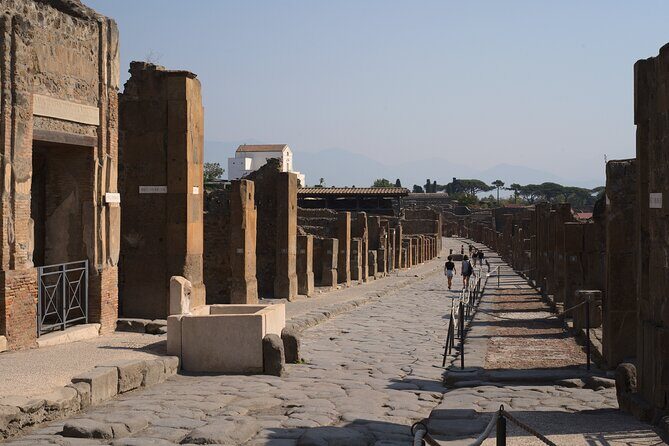
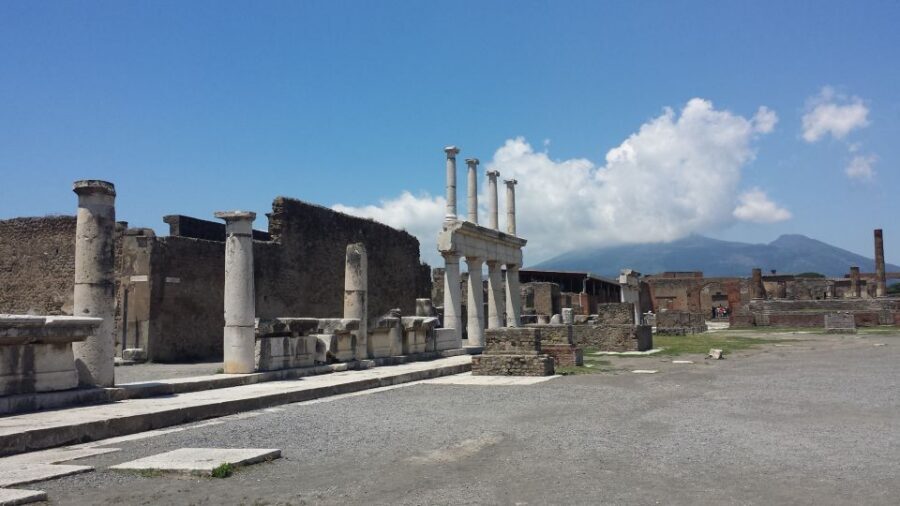
Pompeii is huge, and time disappears fast once you’re walking the streets and stepping in and out of small spaces. This tour is built for momentum: you start with a sacred site, move into a wealthy home, then end with a place people usually avoid talking about. That mix makes the ruins feel complete instead of just scenic.
I like that the focus stays on interpretation. The “buried then recovered” story isn’t just a fun fact; it’s the reason Pompeii looks the way it does. You’ll be shown evidence of daily life before the eruption and then how excavation brought it back to view—so you’re not just taking photos, you’re learning how the site is organized and what each building tells you.
It’s also a good match if you don’t want to play admission-and-navigation roulette all on your own. With a private guide and a capped group, you can move briskly while still hearing why details matter.
If you're still narrowing it down, here are other tours in Pompeii we've reviewed.



Meeting at Pompei Scavi (Villa Dei Misteri): Find the Guide Fast
You’ll meet at Pompei Scavi Villa Dei Misteri, 80045 Pompei, in the Naples area. Pickup is offered, and if you’re not picked up, you’ll still meet at the start point.
When you arrive, look for the guide holding a sign that says Sharing Tour of Pompei. That small detail helps a lot here because the area around Pompeii entrances can feel like a maze, especially if you’re trying to match a person to a booking on a busy day.
The tour ends back at the meeting point, which is practical. You don’t have to plan a second exit or second transport arrangement. You can also keep your timing simple if you’re doing Pompeii as part of a day trip.
The Buried Roman Temple Stop: Sacred Space Under Ash

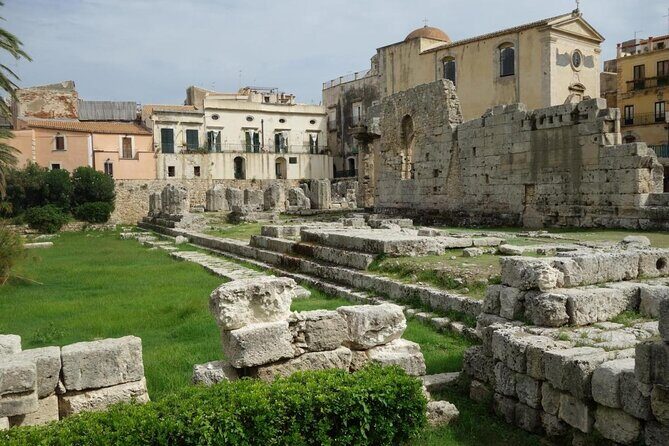
The first ruin stop is a Roman temple—one that was buried by the eruption of Vesuvius in 79 and later recovered through archaeological excavations. Even without a fancy modern description, temples in Pompeii work as a powerful starting point.
Here’s what you can expect to get out of this stop:
- A clearer sense of how Roman cities organized public and sacred life.
- A guided look at how the ruin’s layout connects to the original purpose of the building.
- Context for why Pompeii’s survival is so visually strong at places like this.
Temples also help you “read” Pompeii. Once you understand that buildings were built for specific functions—worship, civic gathering, domestic life—you start noticing patterns everywhere. That makes the later stops easier to understand, not harder.
A small consideration: temples can be visually subtle compared with homes packed with famous artwork. The guide’s job is to point out what’s meaningful, so if you’re the type who likes learning fast, pay attention early. This stop is best when you treat it like a warm-up to the rest.
Casa dei Vettii: Roman Art and the Feel of First-Century Wealth
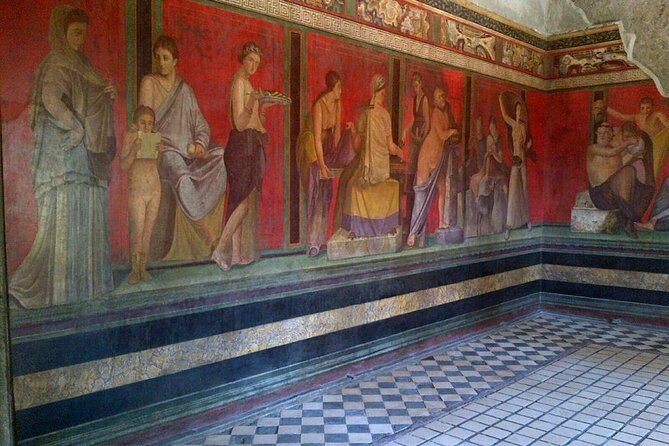
Then you’ll head to Casa dei Vettii, a Roman domus (a private house). This is one of the more emotionally satisfying stops because it doesn’t feel like a random pile of stones—you can feel the idea of a home.
Casa dei Vettii was also buried by Vesuvius in 79 and uncovered later by excavation. It’s known for being one of the greatest examples of Roman art of the first century, and it’s named after the name of the owners. That naming detail matters: it reminds you that Pompeii wasn’t just a museum. It was full of people with identities, money, and taste.
Why this stop is such a win:
- It shows how Romans decorated daily life, not just official buildings.
- The domus format helps you understand how families lived around shared spaces.
- Roman art here isn’t decorative fluff; it’s part of the story the house tells about status and culture.
I especially like this stop because it gives you a sense of contrast. You start with a temple (public meaning), then you move into a private space (personal meaning). If you want Pompeii to feel like living history, this is where it clicks.
Possible drawback: Casa interiors can make you want to rush. Don’t. Give yourself a little time to follow the guide’s pace. The “point” of domus ruins is how rooms connect and how people moved through them.
The Lupanari: Understanding Everyday Life You’d Prefer to Avoid
Finally, the tour visits the lupanari. The name comes from the Latin word lupa, meaning prostitute. During the Roman period, these were places dedicated to mercenary sexual pleasure—basically appointment houses, or brothels.
This is the stop where Pompeii stops being tidy.
What makes the lupanari visit useful isn’t salacious curiosity. It’s the fact that it’s part of the real economic and social fabric of the city. Rome had rules, norms, and businesses like any other place. Seeing how it still reads in ruins helps you understand how people organized commerce and services in everyday life.
It also changes how you see the rest of Pompeii. After this, the temple and wealthy home stops don’t feel isolated. They feel like different layers of the same city—built close enough that the contradictions existed side by side.
One consideration: this is adult-themed subject matter. If you’d rather avoid anything related to prostitution, you may want to think twice before booking. If you can handle it, though, it’s one of the clearest ways to understand Pompeii as a complete society, not a curated postcard.





Price and Entrance Tickets: What You’re Actually Paying
The tour price is listed at $193.49 per group for up to 8 people. Duration is about 2 hours 30 minutes. That’s a lot of “guided Pompeii” for a short window, especially if you’re traveling with at least a couple of people.
Here’s how to think about value:
- If you fill the group (8 people), the base cost per person is about $24.19 each, before admission.
- Then add the Pompeii entrance ticket: €20.00 per person isn’t included in the tour price.
- So your true per-person cost depends on how many seats you book.
This is the main financial catch. If you’re traveling solo or as a couple, you’ll likely feel the group price more than a family or small group of friends would. Still, you’re paying for a private tour guide, pickup option, and a tight structure that keeps you moving with explanations.
One more practical note: the entrance ticket is purchased daily for customers. That’s helpful because you’re not stuck trying to coordinate admission on your own, but you still should budget for the €20 entrance fee.
Group Size and Pace: Easy to Keep Up, Hard to Overdo
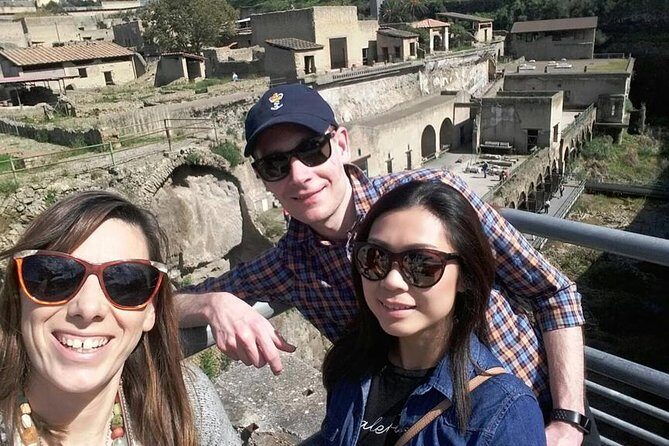
You’re capped at up to 8 people, and the booking is described as a private tour/activity where only your group participates. Translation: you won’t be swallowed by a giant crowd while the guide talks to 40 strangers.
That matters in Pompeii. The site has lots of turning points, doorways, uneven surfaces, and spots where everyone wants to stop at once for a photo. A small group makes it easier to keep your footing and stay with the guide.
The tradeoff is that Pompeii is still Pompeii. You’ll be walking through ruin paths and moving between stops, so plan comfortable shoes. If your schedule is tight, you’ll appreciate that the tour is short enough to fit before or after another activity.
Who This Tour Suits Best
This is a strong pick if:
- You want an efficient Pompeii experience that focuses on meaningful stops.
- You like a guided explanation more than self-guided wandering.
- You’re traveling in a small group that can spread out the group cost.
It’s also a good match if you’re nervous about where to go. The fixed meeting point (Pompei Scavi Villa Dei Misteri) and the “find the guide with the sign” approach reduce stress.
I’d think twice if:
- You need a fully bundled price with admission included.
- You want to avoid the lupanari stop due to its adult subject matter.
Should You Book This Pompeii Tour?
I think you should book it if you want Pompeii that feels guided, structured, and human-sized. The combination of a Roman temple, Casa dei Vettii, and the lupanari hits a wide slice of what made Pompeii a real city—public, private, and uncomfortable truths included.
The decision comes down to one thing: entrance cost. If you’re okay budgeting an additional €20 per person for admission, the $193.49 group price can feel like good value, especially with up to 8 people. If you’re hoping for everything included in one clean checkout, you may feel the nickel-and-diming even if the tour itself is well-rated and tightly organized.
If you’re booking with a couple friends, this becomes even more appealing. Small group tours in Pompeii are where you get the best “I understand what I’m looking at” payoff.
FAQ
Where does the Pompeii tour start?
The tour starts at Pompei Scavi Villa Dei Misteri, 80045 Pompei, Metropolitan City of Naples, Italy.
Does the tour offer pickup?
Yes, pickup is offered. If not picked up, you’ll meet the guide at the start location and look for the Sharing Tour of Pompei sign.
What’s the duration of the tour?
The tour lasts about 2 hours 30 minutes.
What language is the tour in?
The tour is offered in English.
Is the Pompeii entrance ticket included in the price?
No. The tour price does not include the Pompeii entrance ticket. The entrance ticket is listed as €20.00 per person, and the ticket is not included in the tour price.
How big is the group?
The price is per group for up to 8 people.
What’s the cancellation policy?
You can cancel for free up to 24 hours in advance of the experience for a full refund. The experience may also require a minimum number of travelers, and if it’s canceled for that reason you’ll be offered another date/experience or a full refund.
If you want, tell me your group size and travel dates, and I’ll help you estimate the real per-person cost with the €20 entrance fee.