REVIEW · POMPEI CAMPANIA
Pompeii: Private Guided Tour with an archeologist
Book on GetYourGuide →Operated by Around Amalfi Coast · Bookable on GetYourGuide
Pompeii clicks faster with an archaeologist at your side. A private guided tour like this keeps the focus on what you’re seeing—ancient streets, well-preserved houses, temples, and standout frescoes and mosaics—with an expert who can explain everyday Roman life instead of just pointing things out. I especially like how the experience is designed to be customizable, and the guide’s knack for making the ruins feel readable, with a steady mix of facts and fun.
One thing to think about: this tour involves walking in uneven ancient areas, and it’s not suitable for people with mobility impairments. If your mobility is limited, you’ll want to choose a different visit style.
In This Review
- Key highlights worth your attention
- Why an archaeologist-led Pompeii tour feels different
- Meeting at Coffee Shop Vittoria: the meetup rhythm that saves time
- The 2.5-hour private pacing: enough time for meaning, not too much time for fatigue
- Pompeii’s ancient streets: seeing daily life, not just ruins
- Houses and temples: how the tour keeps architecture understandable
- Frescoes and mosaics: spotting art details you might miss on your own
- The tragic story of a city that stopped: why the guide’s context matters
- Seeing ongoing digging: the perspective you get from walking with an archaeologist
- Private guide value: what $451.69 per group buys you
- English tour, real conversation energy, and a pace that doesn’t drown you
- Who this Pompeii tour is best for (and who should choose another option)
- Should you book this Pompeii private archaeologist tour?
- FAQ
- FAQ
- How long is the Pompeii private guided tour?
- Is the tour private or shared?
- Where do we meet the archaeologist guide?
- What should I bring?
- Is entry included in the tour price?
- What language is the tour provided in?
- What group size is this tour priced for?
- Is the tour suitable for people with mobility impairments?
- Can I cancel for a refund?
- Can I pay later?
Key highlights worth your attention
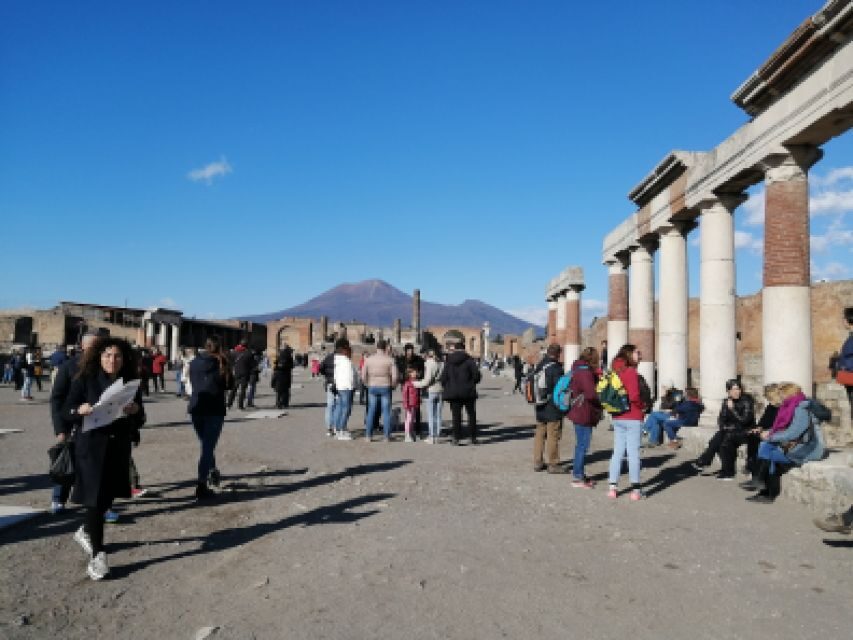
- Private archaeologist guide explaining architecture, daily life, and what Pompeii reveals
- Customizable route, so you can spend more time on what you care about most
- Well-preserved ruins including homes, temples, public buildings, and private residences
- Art on the walls with attention to frescoes and mosaics
- A chance to see ongoing digging from above, depending on the day and where the guide leads you
Why an archaeologist-led Pompeii tour feels different
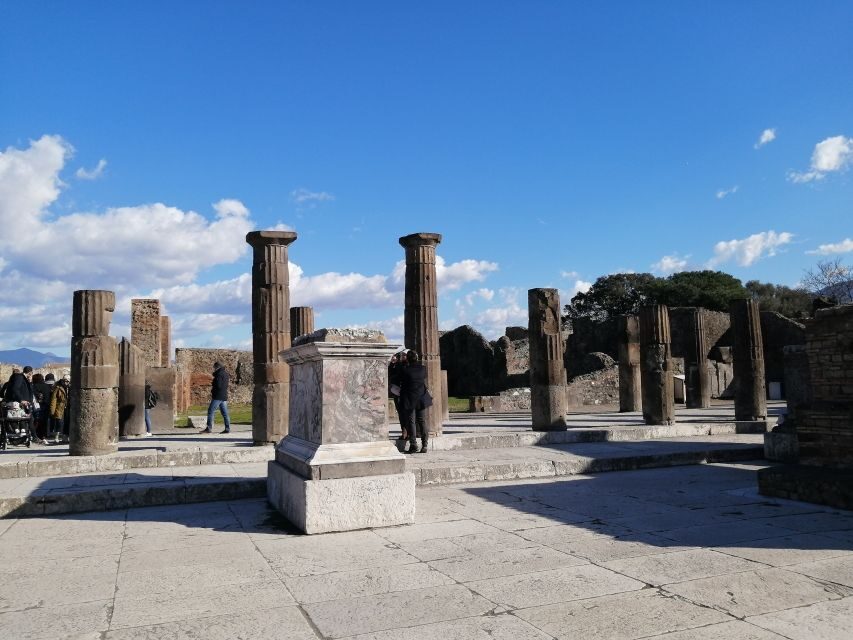
Pompeii can overwhelm you fast. There’s a lot of stone, a lot of signage, and it’s easy to drift from “wow” to “wait, what am I looking at?” An archaeologist guide helps you turn the ruins into context—what these spaces were for, how buildings were laid out, and how daily life actually worked in a city that got stuck in time.
What I like most is the way this kind of guide brings Pompeii down to human scale. You don’t just hear dates or big claims. You get stories about architecture and the day-to-day rhythm of Roman life—then the guide connects that to the dramatic end of the city, the tragic events that befell it. That combination matters because Pompeii isn’t only about ruins; it’s about people using streets, rooms, and public spaces right up until disaster.
Another strong point: the tour aims to match your interests. If you’re more into art, you can spend extra time with the preserved frescoes and mosaics. If you’re more into how a city worked, you can focus on public buildings and the design of private homes.
If you're still narrowing it down, here are other tours in Pompei Campania we've reviewed.



Meeting at Coffee Shop Vittoria: the meetup rhythm that saves time
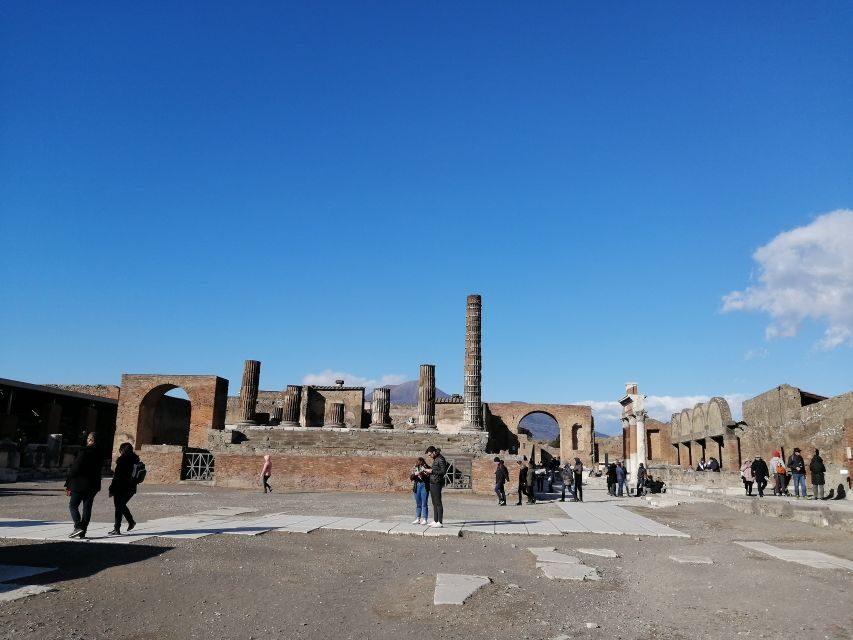
The tour starts at Coffee Shop Vittoria, where you meet your private archaeologist just outside the shop. They’ll have a sign with your name, and the guidance is to show up about 5 minutes early so you’re not stressed when you arrive.
That may sound small, but it matters. Pompeii is one of those places where arriving scattered and unorganized can steal your energy. When the meeting point is clear and the guide is waiting for your name, you get to begin right away—no wandering around trying to figure out which tour group is yours.
Practical tip: wear comfortable shoes. Pompeii is not museum-floor easy. Even in a shorter 2.5-hour format, you’ll be on your feet enough that good footwear changes the experience.
The 2.5-hour private pacing: enough time for meaning, not too much time for fatigue
This is a 2.5-hour private tour. That duration is a sweet spot for Pompeii because it’s long enough for explanation, but short enough that you’re not stuck in a full-day commitment if your energy is limited.
You also get a benefit that often gets overlooked: starting with a good guide gives you a mental map. Once you understand what you’re seeing—how homes and public areas connect, why certain rooms mattered—you can continue on your own with much better instincts. It’s the difference between walking through a forest of facts and recognizing the shape of the trail.
The route is also described as walk-based with sightseeing along the way, which tells you the guide will keep things moving while still stopping at the parts that need real interpretation.
Pompeii’s ancient streets: seeing daily life, not just ruins
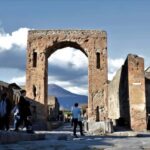
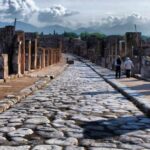
The walk through Pompeii’s ancient streets is one of the core reasons to book a guide like this. The streets are where the city becomes real. You’re not only looking at buildings; you’re stepping into the movement patterns of an ordinary day—routes people used, how neighborhoods felt, and how public space sat alongside private life.
An archaeologist guide is helpful here because they can point out what you might otherwise miss: how spaces relate to each other, what different structures were likely used for, and how the city’s layout supported everyday activity. When the explanation is specific—rather than general—you start to see the city as a lived-in environment.
I also like that the tour targets both public and private worlds. Pompeii isn’t only temples and big entrances. It also includes homes, rooms, and domestic settings that show how people worked, ate, relaxed, and decorated their spaces.
Houses and temples: how the tour keeps architecture understandable
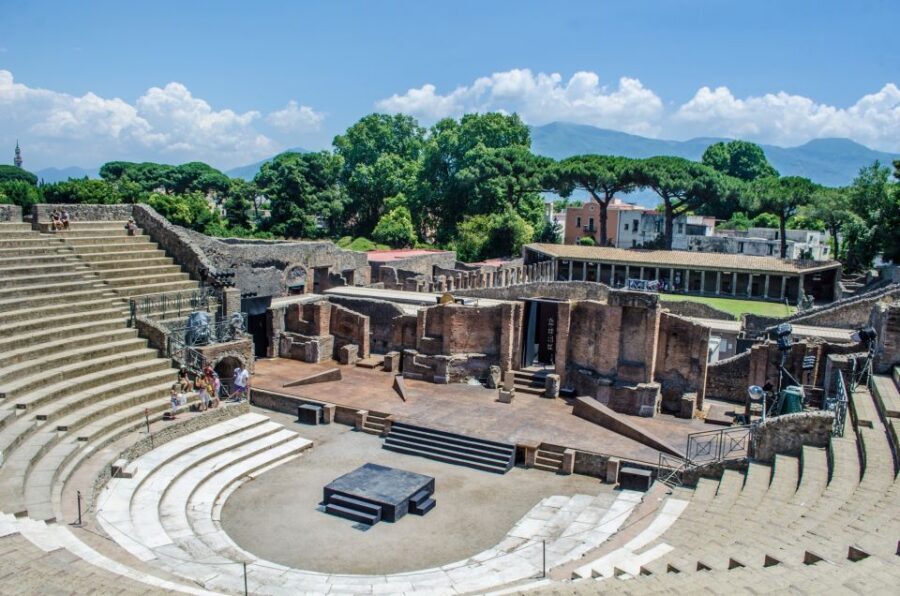
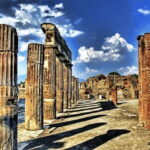
Pompeii’s ruins can look like random piles of stone if nobody guides you. This tour specifically includes houses and temples, and that’s a smart way to balance big and small. Temples and public structures help you understand civic life. Houses help you understand personal life and design choices.
A key value of an archaeologist is that you’re not left with vague explanations. The guide’s job is to reveal stories hidden in the preserved ruins—how buildings were shaped, and what those shapes suggest about use. That makes the architecture feel less like sightseeing and more like evidence.
The tour is described as immersive in the sense that it’s an up-close walk with expert interpretation. You can expect to spend real time in the parts that matter instead of doing a fast scan and moving on.
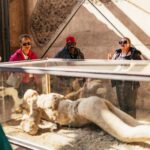
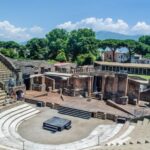
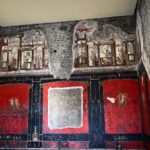



Frescoes and mosaics: spotting art details you might miss on your own
This tour highlights well-preserved frescoes and mosaics, and that’s a big win for anyone who likes art but doesn’t want to guess what you’re looking at.
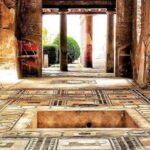
Even when you don’t know Roman iconography, art in Pompeii has clues you can learn to read: color choices, layout patterns, and placement that suggests how spaces were meant to feel. An archaeologist guide can connect those art details to the rooms around them, so the art doesn’t feel like detached decoration—it feels like part of daily life.
If you’re the kind of person who enjoys looking closely but worries you’ll miss the point, this is your kind of tour. With a guide, you don’t just see images. You learn how to interpret why they were there.
The tragic story of a city that stopped: why the guide’s context matters
Pompeii’s tragedy can turn into a grim theme if it’s handled like a headline. Here, the tour frames the story in a more human way—by explaining daily life, architecture, and what the city was like before disaster.
That matters because it changes your emotional response. Instead of feeling only shock at what happened, you also feel the weight of what was lost: a thriving city, with people moving through streets, living in homes, and using public spaces.
You’ll also get stories hidden beneath the preserved ruins. That phrasing is important, because an archaeologist guide isn’t just describing what’s visible. They’re helping you understand what the ruins imply—how excavation and preservation work together to reveal a past that can be reconstructed.
Seeing ongoing digging: the perspective you get from walking with an archaeologist
One of the standout takeaways from the experience is the chance to walk in ways that show you the relationship between what’s preserved and what’s still being discovered. You may get moments where you’re positioned above areas associated with current excavation.
That perspective is powerful. Pompeii isn’t a finished picture. It’s a living archaeological site where understanding keeps improving. When you’re walking with an archaeologist, it’s easier to notice what the site is teaching right now, not just what it taught in the past.
Private guide value: what $451.69 per group buys you
The price is $451.69 per group up to 4, for a 2.5-hour English-language private tour with an archaeologist guide and entry tickets included.
Here’s how I think about value:
- If you book as a group of 4, the cost is roughly $112.92 per person.
- If you book as 2 people, it’s about $225.85 per person.
That per-person math matters because Pompeii is one of those places where a guided approach can save you time and make your self-guided time better. You’re paying for interpretation and the freedom to tailor stops to your interests—not just for someone to walk beside you.
This price tends to make the most sense when you:
- want a calmer, private pace rather than a bigger group schedule
- have art + history interests and want help connecting the two
- care about the “why” behind what you see, not only the “what”
If you’re traveling solo and your budget is tight, a private format costs more per person. But if you’re two people who want a focused experience, this can feel like a smart splurge rather than an extravagance.
English tour, real conversation energy, and a pace that doesn’t drown you
The tour runs in English with a live archaeologist guide. The tone goal is clear: explanation that keeps you engaged without turning into an information dump.
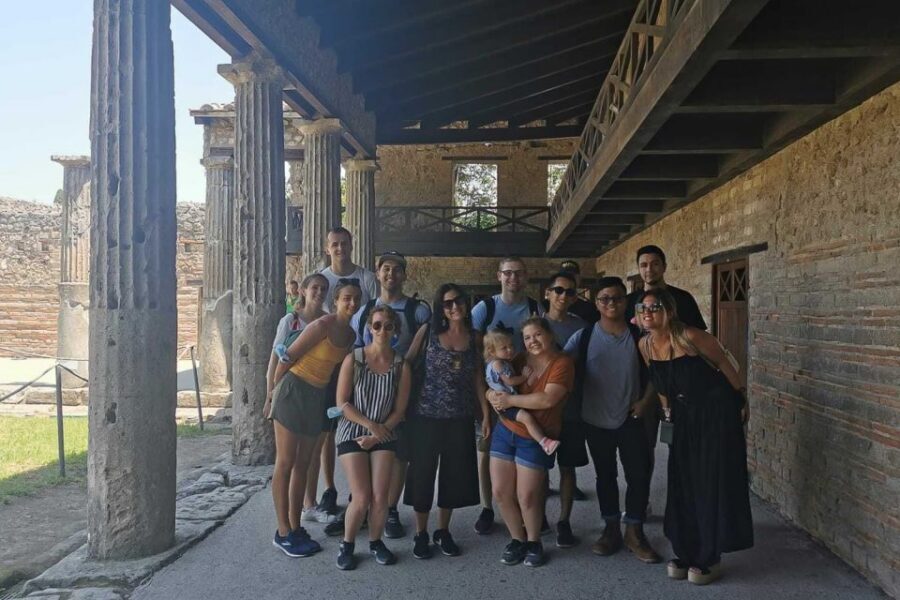
Guides attached to this experience have a reputation for balancing facts with storytelling. Some guides, such as Lello (sometimes referred to as Lelo/Lallo), are described as passionate and entertaining, and the experience includes laughs along the way. That kind of pacing matters at Pompeii. When you’re walking and stopping in ruins, a guide who can keep things human makes the site feel less like homework.
Also, since the tour is private and customizable, you can ask questions naturally as you move. If you want more time on frescoes, you can steer that way. If you want architecture and city layout first, you can put your attention there.
Who this Pompeii tour is best for (and who should choose another option)
This tour is a strong fit if you:
- love archaeology and want context for what you’re seeing
- care about daily life details, not just major landmarks
- enjoy art and want a guide to help you read frescoes and mosaics
- want a private pace so you can spend time where your curiosity pulls you
It’s less ideal if:
- you need an option designed for people with mobility impairments, since it’s not suitable
- you dislike walking for any length of time, even at a moderate 2.5-hour pace
If you’re coming from another day-trip style schedule in Campania, this is still a solid choice because the duration is manageable and the guide helps you get the most out of your limited time.
Should you book this Pompeii private archaeologist tour?
I’d book this tour if you want Pompeii to make sense quickly and you like the idea of custom stops with a real archaeologist explaining the city’s clues. The entry tickets being included and the private format add real comfort and value, especially if you’re traveling as a small group up to 4.
Skip or consider alternatives if your mobility is limited or you want a mostly self-guided visit with minimal talking. In that case, you might feel constrained by a structured 2.5-hour guide-led walk.
FAQ
FAQ
How long is the Pompeii private guided tour?
The tour lasts 2.5 hours.
Is the tour private or shared?
It’s a private group tour.
Where do we meet the archaeologist guide?
You meet your guide just outside Coffee Shop Vittoria. The guide will have a sign with your name.
What should I bring?
Bring comfortable shoes.
Is entry included in the tour price?
Yes. Entry tickets are included.
What language is the tour provided in?
The live guide speaks English.
What group size is this tour priced for?
The price is listed per group up to 4.
Is the tour suitable for people with mobility impairments?
No, it’s not suitable for people with mobility impairments.
Can I cancel for a refund?
Yes. You can cancel up to 24 hours in advance for a full refund.
Can I pay later?
Yes. It offers reserve now & pay later, so you can book without paying today.
If you tell me how many people are in your group and what you most want to focus on (art, architecture, or daily life), I can help you decide whether this 2.5-hour private format is the best match for your day in Pompeii.