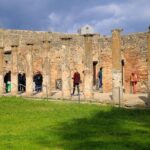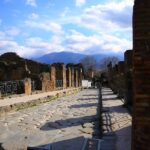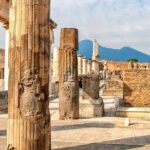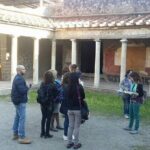
Pompeii hits hard—in the best way. This private, English-guided visit focuses on the sights that help you understand daily life in a wealthy Roman town just before disaster struck. You’re not just walking ruins; you’re learning what you’re looking at and why it mattered.
I especially like the mix of private Roman residences and everyday spaces like shops and baths. You get to see painted frescoes, original mosaics, major temples, and even the plaster casts of victims—details that make the story feel personal, not abstract. And the guide factor is a big part of the value, with Francesco specifically called out as fantastic and well prepared.
One thing to plan for: Pompeii entry tickets are not included in the tour price, so your total cost will be higher once you add admission. Also, the site involves walking on uneven ground, so go in with a moderate fitness level and comfortable shoes.
In This Review
- Key things I’d plan around
- A 2-hour Pompeii plan that keeps you moving smart
- Archaeological Park of Pompeii: what the guide really helps you see
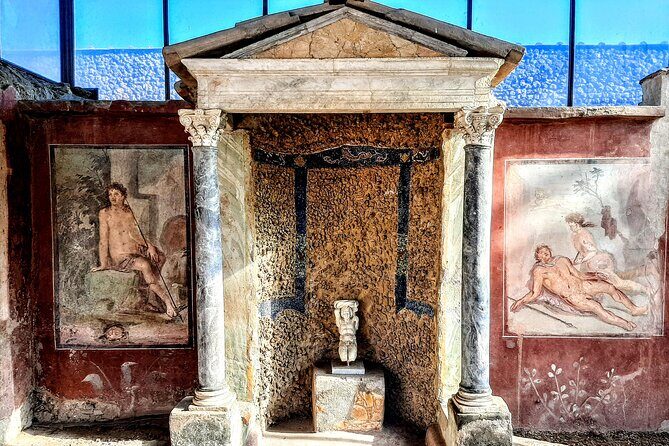
- Private Roman residences with frescoes and mosaics
- Roman shops and the everyday rhythm of the city
- Temples and public life: religion you can point to
- Thermal bath time: leisure, routine, and social life
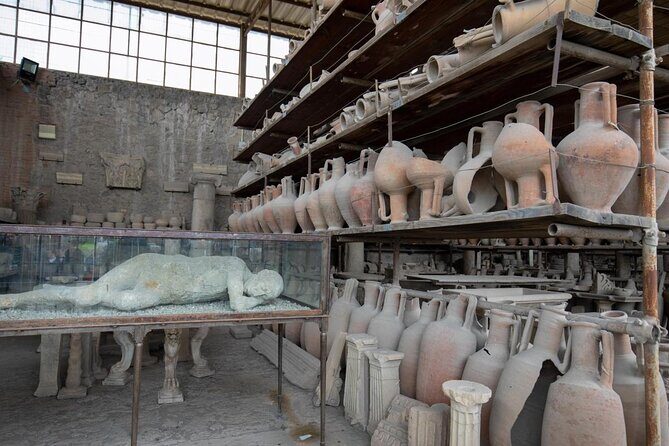
- The plaster casts and the 79 AD moment
- Price and value: how $36.04 fits with real costs
- English private tour logistics that actually matter
- What kind of visitor should book this?
- Should you book Exploring Pompeii?
- FAQ
- Is admission to Pompeii included in the tour price?
- How long is the Exploring Pompeii tour?
- What language is the tour offered in?
- Is this tour private?
- Is there a physical requirement?
- Are service animals allowed?
- What is the cancellation policy?
Key things I’d plan around
- A focused 2-hour route through Pompeii’s top categories: homes, temples, baths, and the casts
- Frescoes and mosaics in private residences, which are often the highlights for first-time visitors
- Roman shops and public-religious spaces that explain how the city worked day to day
- Thermal bath area included in the route, so you see leisure and routine, not just monuments
- Plaster casts tied to 79 AD and Vesuvius for the emotional, unforgettable moment
- Private group with an English-speaking guide, so you can ask questions at your pace
A 2-hour Pompeii plan that keeps you moving smart
Pompeii is huge, and it’s easy to waste time wandering. This 2-hour private tour is built for efficiency: you get a curated route that hits the most meaningful places without turning your day into a blur. For first-timers, that matters because the town can feel like a maze once you’re on-site.
The tour runs in English, and it’s set up for a private group—meaning you’re not sharing the guide’s attention with strangers. That helps, especially at Pompeii, where people often want quick clarity on what they’re seeing and how the buildings fit together.
You should note the entry ticket point right away. The tour covers the guiding and experience, but biglietti/tickets are not included, so you’ll want to buy those separately and arrive ready to enter the archaeological park.
If you're still narrowing it down, here are other tours in Pompeii we've reviewed.



Archaeological Park of Pompeii: what the guide really helps you see
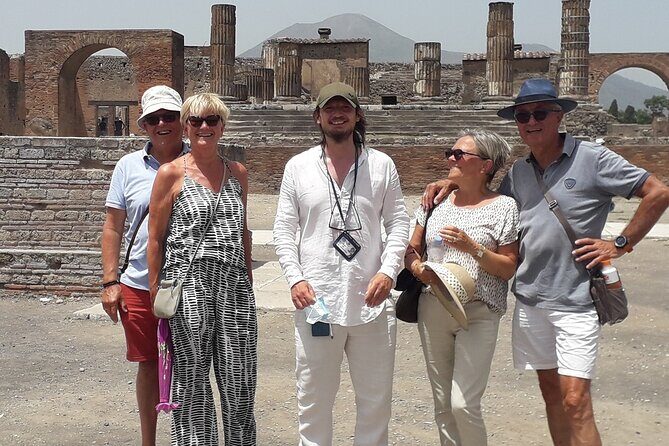
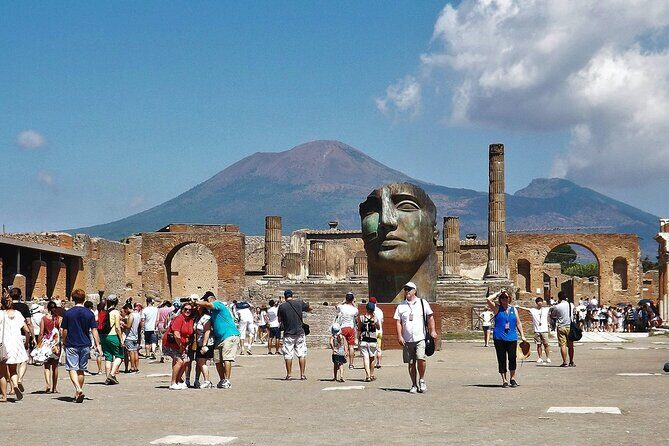
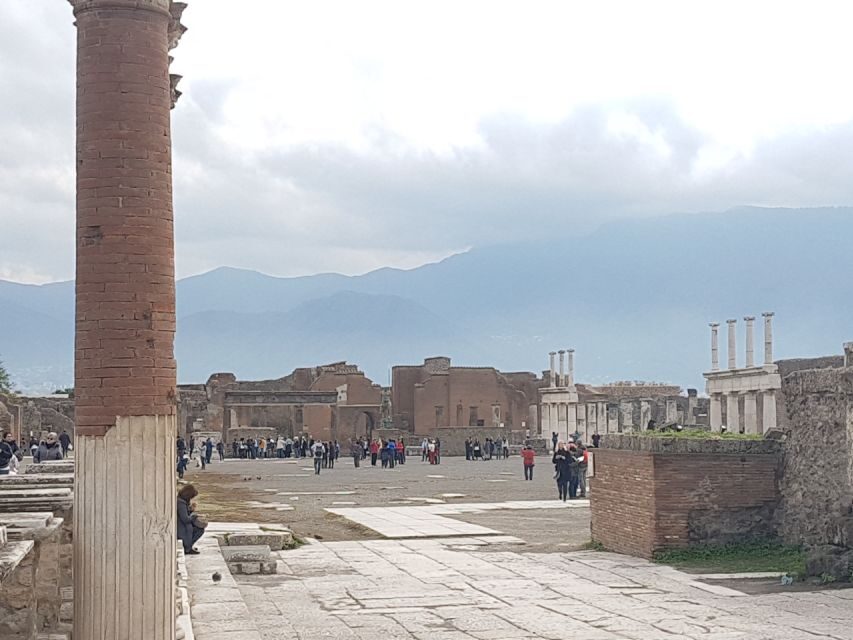
Your entire visit centers on the Archaeological Park of Pompeii, and the tour’s logic is simple: start with daily life, then widen out into religion and public spaces, and end with the tragedy. That flow is useful because it keeps you connected to the people who lived here—not just the stones.
You’ll see the remains of a wealthy Roman town and learn about habits and customs of that era. The best part is that the route isn’t only about big temples. It also includes the smaller, more human touches—painted wall scenes, floor design, and the settings for work and leisure.
Because Pompeii is outdoors, timing matters. Aim to be on-site with enough daylight and energy left for walking between areas. And bring water, even if you think you won’t need it—Pompeii can surprise you with how much sun you’re in during a short visit.
Private Roman residences with frescoes and mosaics
One of the reasons this tour can feel so satisfying is how it emphasizes private homes. These residences give you a window into taste and status. When you stand in front of frescoed walls or mosaic floors, you start to understand that the city wasn’t just stone streets—it was lived-in decoration and personal space.
Frescoes in particular can be tricky on your own. A guide’s role here is to help you connect the imagery to daily life and Roman culture, rather than treating it like random art on a wall. The same idea applies to mosaics: you’ll get a better sense of how they were used and what they were meant to communicate.
If you love visual details—colors, figures, and floor patterns—this stop style is a great match. Even in a short window, you’ll get enough context to look longer and feel like your time actually counted.
Roman shops and the everyday rhythm of the city
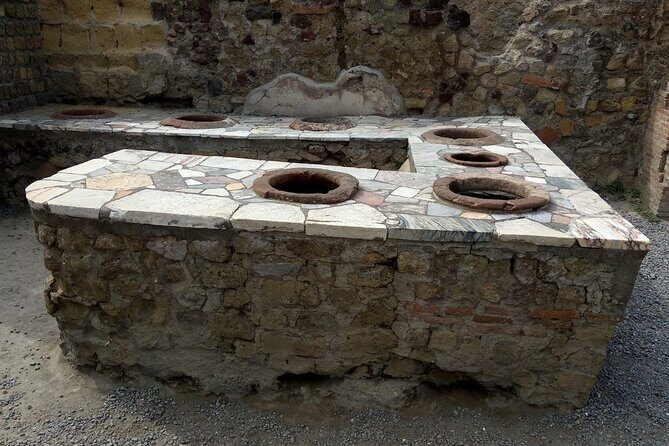
This tour doesn’t keep you locked in elite spaces. It also includes Roman shops, which add texture to the picture of Pompeii. Shops help you understand movement: where people went, what they bought, and how the town supported work.
On your own, you might notice the structures but miss the function. With a guide, the point is to connect the layout to behavior—where transactions happened, how frontage spaces would have worked, and how everyday commerce fit into the larger city plan.
This is a big value area for first-timers. It turns Pompeii from a set of famous sights into a functioning town concept—something you can mentally map as you walk.
Temples and public life: religion you can point to
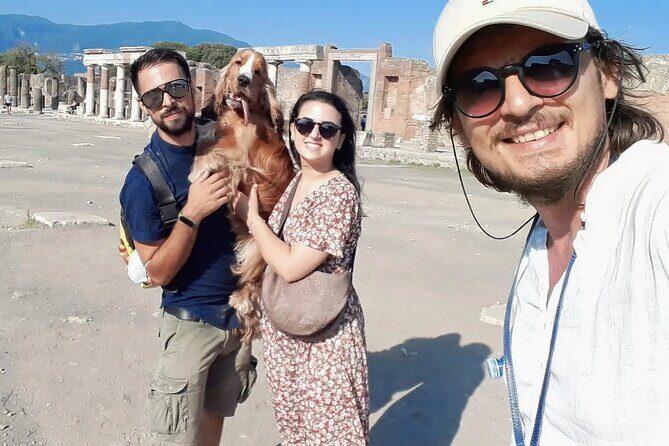
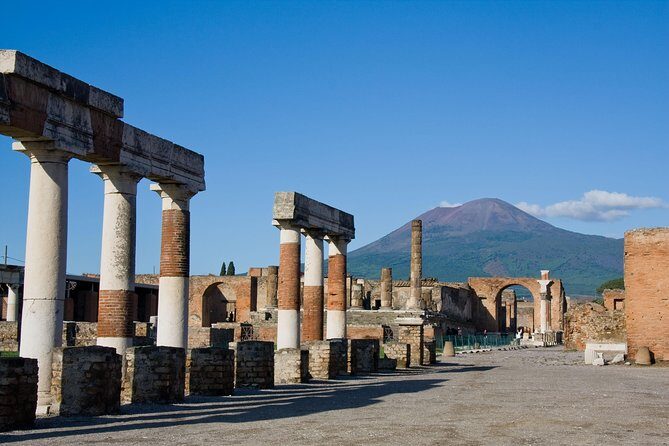
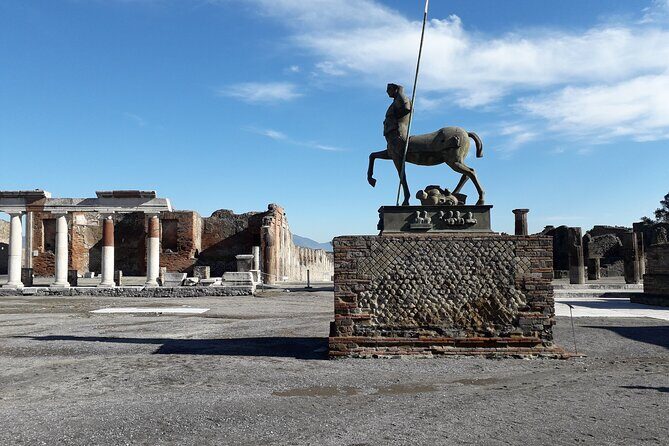
You’ll also visit the most important temples on the route. Temples are where the city’s public-religious identity shows up clearly in stone. They’re not just impressive; they give you a reference point for how Roman civic and spiritual life overlapped.
A good tour guide can help you interpret what you’re seeing without turning it into a textbook. The value here is in quick, practical explanations that help you stand in the right spots and notice the cues that matter—so the temples feel like places people used, not museum backdrops.
If you prefer architecture and civic layouts, you’ll likely appreciate this portion. It’s also a nice balance after the intimate scale of homes and art details.



Thermal bath time: leisure, routine, and social life
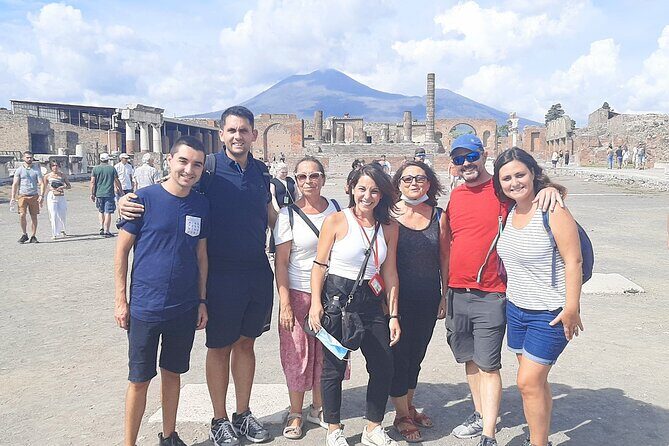
The itinerary includes the thermal bath area, which is one of the best ways to understand how Pompeii handled leisure and routine. Baths in Roman life weren’t only about cleanliness; they were a social setting and part of everyday schedule.
Bath ruins can look confusing if you’re not sure what rooms were for. With guiding, you’ll have a better chance of recognizing how spaces would have been used and how bathing fit into life for different classes.
This is also a good stop if you want variety. You get art and decoration in residences, then you shift to a place built for repeated daily use. That change keeps the tour from feeling like it’s repeating the same kind of stone.
The plaster casts and the 79 AD moment
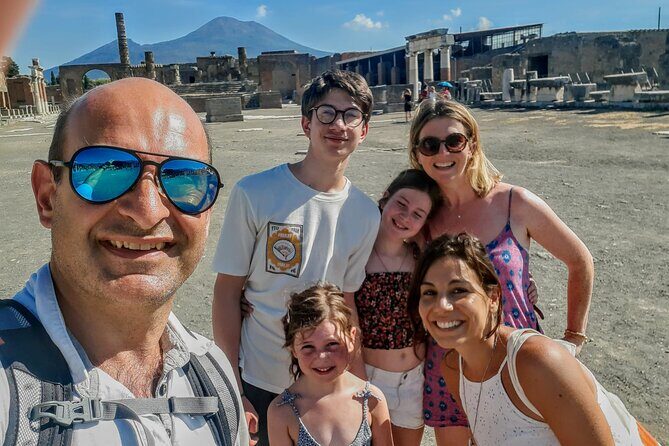
No matter what you think you’re ready for, the plaster casts of the victims’ bodies stop you. This tour includes that brutal reminder of the last moments of Pompeii’s tragedy, tied to the eruption of Mount Vesuvius in 79 AD.
What makes this part worth having a guide is that it helps you frame what you’re seeing. Otherwise, the shock can become numbness, where you look but don’t process. A guide’s explanations can keep the moment human and grounded—focused on what happened and what the site represents.
This is the emotional peak of the visit. If you tend to feel things strongly, go gently with yourself here. Wear comfortable shoes and keep your breathing easy—this is not a quick photo-op moment.
Price and value: how $36.04 fits with real costs
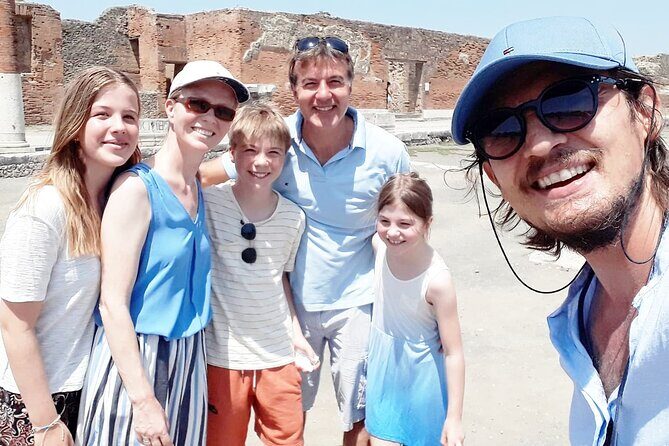
The tour price is $36.04 per person for about 2 hours, and it’s offered in English. That’s fairly approachable for a private, guided Pompeii experience, especially since the guide route focuses on high-value sights rather than trying to cover everything.
But the key value math includes one important detail: entry tickets are not included. So your true total depends on the ticket price you pay separately. If you arrive without planning for that, you’ll feel the pinch instantly.
One more value note: private tours tend to cost more than group options, yet this one stays at a reasonable level because the time is tight and the route is focused. If you want a short, structured visit that helps you make sense of the park, you’ll likely feel good about the price.
English private tour logistics that actually matter
This is a private tour/activity, so only your group participates. For Pompeii, that can reduce stress, because you can pause when you need to read signs or catch up on what the guide just explained.
The tour also notes it’s near public transportation. That’s helpful because Pompeii is easiest when you’re not constantly recalculating how to get between parking and entrances.
It allows service animals, and it expects a moderate physical fitness level. So if you have mobility limitations, you should think carefully about uneven surfaces and the fact that your time is spent walking through a large outdoor site.
What kind of visitor should book this?
I think this tour fits best if you want structure. If Pompeii feels overwhelming and you’d rather have a clear route with explanations, this 2-hour private format is a strong choice.
It also suits you if you care about the visual side—frescoes, mosaics, and the feel of private homes. Those details are a major part of the experience, and a guide helps them click into place fast.
If you’re traveling with someone who likes both art and history, this balance is helpful. You get residences and decoration, then you shift to temples, shops, baths, and the casts. It’s a full city snapshot in a limited time window.
Should you book Exploring Pompeii?
If you want an organized Pompeii visit that covers the most meaningful categories in two hours, I’d lean yes. The emphasis on homes with frescoes and mosaics, plus the inclusion of temples, shops, baths, and the plaster casts, gives you a well-rounded experience without pretending you can see all of Pompeii in a short visit.
Just do one thing before you commit: budget for Pompeii admission tickets since they’re not included. And wear shoes you trust on rough ground. If you take care of those two points, this is a sensible, high-value way to experience Pompeii with an English-speaking guide at your pace.
FAQ
Is admission to Pompeii included in the tour price?
No. The tour price does not include Biglietti/Tickets. You’ll need to purchase Pompeii entry tickets separately.
How long is the Exploring Pompeii tour?
It runs for about 2 hours.
What language is the tour offered in?
The tour is offered in English.
Is this tour private?
Yes. It’s a private tour/activity, and only your group participates.
Is there a physical requirement?
The tour states that moderate physical fitness is required.
Are service animals allowed?
Yes. Service animals are allowed.
What is the cancellation policy?
You can cancel for a full refund up to 24 hours in advance of the experience start time. If you cancel less than 24 hours before, the amount paid is not refunded.