REVIEW · SORRENTO
Pompeii and Herculaneum small group excursion from Sorrento
Book on GetYourGuide →Operated by Askos Tours · Bookable on GetYourGuide
Pompeii feels like time travel. This small-group excursion from Sorrento pairs an archaeologist-led walk with the comfort of a modern air-conditioned minivan. You’ll see two Roman sites shaped by the same volcanic disaster, but experienced in very different ways.
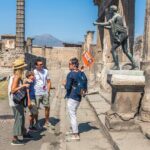
What I like most is the archaeologist guide—you can get real context fast, not just a list of sights. Guides such as Guiliana, Paulo, Sergio, Davide, and Vincenzo have a knack for making daily Roman life click, and the pace tends to feel just right for a full day.
One thing to weigh: this is an active day with lots of walking, and the tour is not suitable for wheelchair users or people with mobility impairments. If you want long, slow wandering with minimal steps, you may feel a bit compressed.
In This Review
- Key things to know before you go
- Why Pompeii and Herculaneum make sense together
- Leaving Sorrento: how the day starts (and what to watch for)
- Pompeii Express entry and a guided walk through the city
- The 30-minute break: use it wisely
- Ercolano (Herculaneum): where preservation makes the past feel close
- The group size and pace: comfortable, but still active
- Price and value: what you’re really paying for
- Who this tour suits best (and who should think twice)
- Practical tips to make the most of your day
Key things to know before you go
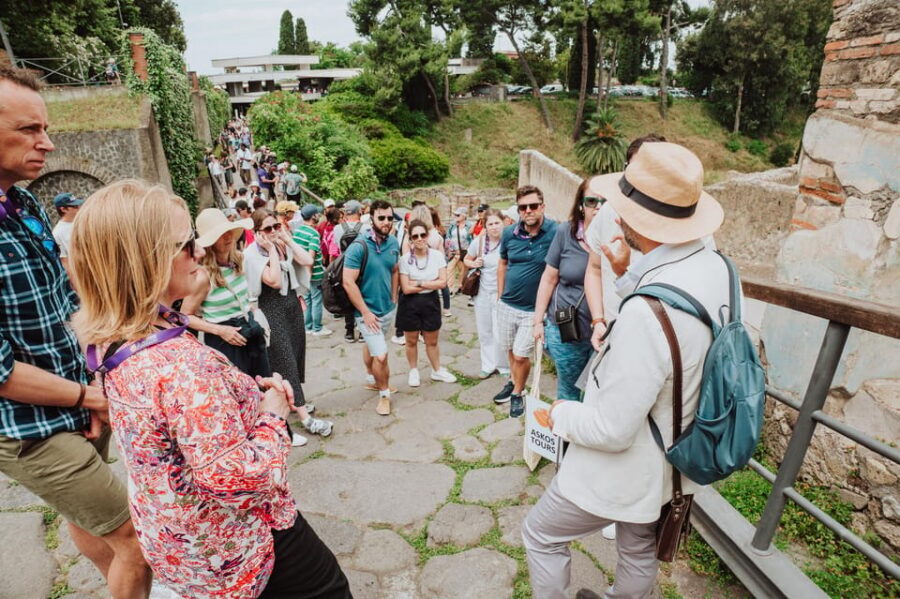
- Small-group feel (usually up to 8 in the minivan) for easier questions and a more relaxed rhythm.
- Certified archaeologist guide in English helps you connect what you see to how Romans actually lived.
- Skip-the-line entry setup with Pompeii Express tickets, plus Herculaneum tickets included.
- Headsets for groups over 6, so you can hear the guide without craning your neck.
- Two very different ruins: Pompeii for scale, Herculaneum (Ercolano) for preservation and frescoes.
- Short breaks, not free-floating time, so wear shoes you trust.
Why Pompeii and Herculaneum make sense together
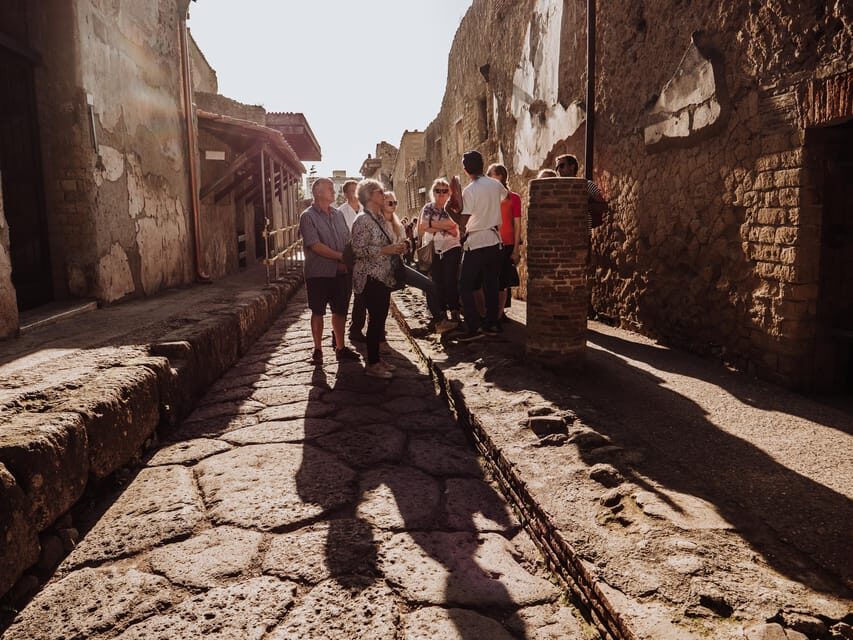
I like this pairing because it shows the same event through two different lenses. Pompeii gives you the big-picture city layout—streets, forums, and public spaces—so you understand how a Roman town worked as a system. Herculaneum is smaller, but it’s famous for how much detail survived, which is why frescoes and building interiors can feel shockingly close.
You’ll also get a smoother story arc. Both sites were buried by the eruption of Mount Vesuvius, but the way people built, lived, and stored goods differed by place. When your guide connects everyday routines to what’s still visible, the ruins shift from “cool stones” to a snapshot of real life.
And from Sorrento, the day isn’t a DIY ordeal. You’re not figuring out trains, schedules, or ticket lines. The tour handles the between-site logistics so you can focus on reading the ruins the way they’re meant to be read: by context.
If you're still narrowing it down, here are other tours in Sorrento we've reviewed.


Leaving Sorrento: how the day starts (and what to watch for)
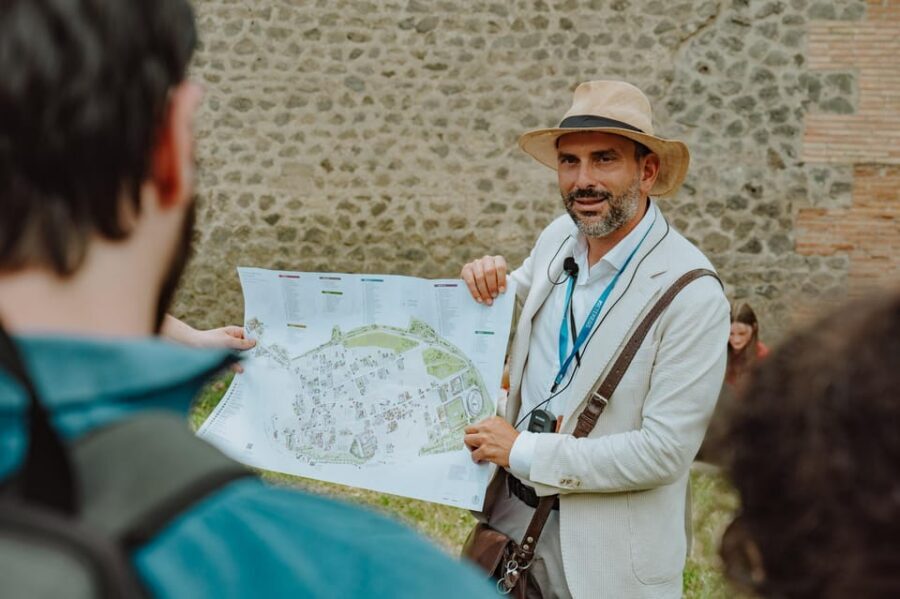
The meeting point is Piazza Angelina Lauro, 27, near the fountain. The driver will be holding an ASKOS TOURS sign, so look for that early—morning arrivals can get busy, and it’s easy to lose a few minutes searching.
Once you’re onboard, you’ll ride in an air-conditioned minivan designed for a small group. The plan keeps travel time manageable, with a few staged transfers between Pompeii and Herculaneum. This matters because both sites are spread out, and the walking is real once you arrive.
One more small but useful detail: if your group size grows, you’ll likely get headsets for clear audio. That’s a big deal at open-air sites where guides often have to speak over wind and footsteps.
Pompeii Express entry and a guided walk through the city
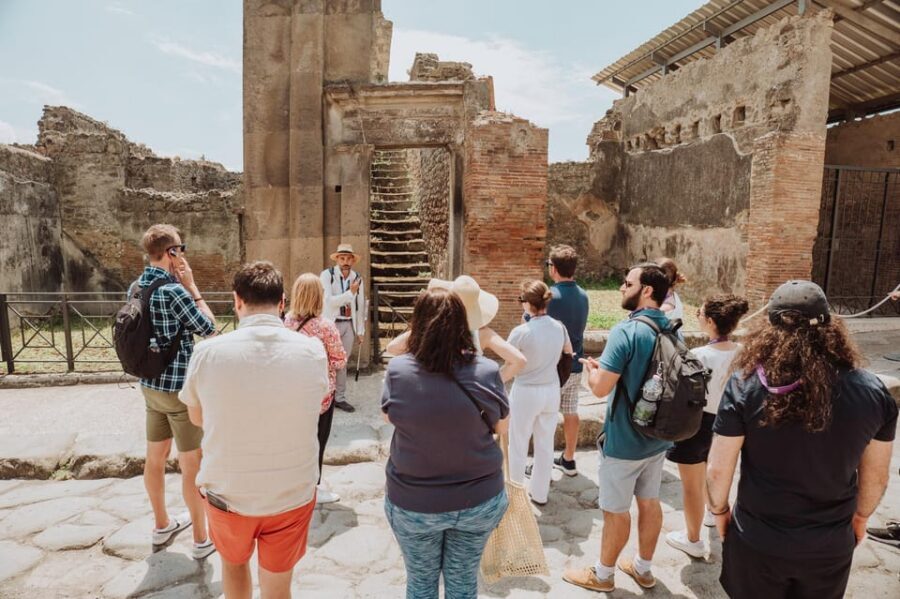
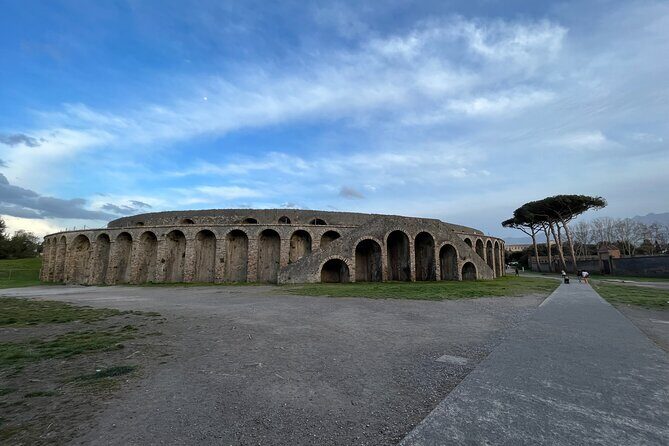
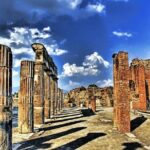
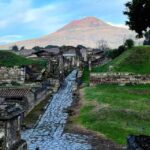
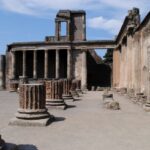
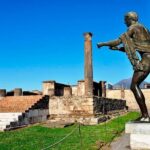
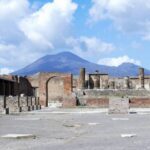
Pompeii is the place most people picture—dense, dramatic, and massive. With a guide leading you, you’re not just wandering and hoping things line up. Instead, you’ll follow a path that highlights how the city functioned: streets for movement, forums for civic life, and baths for public social routines.
The time with your guide is long enough to feel like you learned something meaningful, not just skimmed highlights. That’s especially important in Pompeii, because it’s easy to get lost in the scale. A structured route helps you connect visible remains to what they would’ve been doing when the city was alive.
One practical tip: bring your curiosity, but also bring your patience. Even on a guided schedule, Pompeii demands attention. You’ll want to look closely at the way spaces are arranged and how different buildings relate to one another. If you’re the type who likes to ask questions, this format is good—small groups keep the Q-and-A from turning into a waiting game.
The 30-minute break: use it wisely
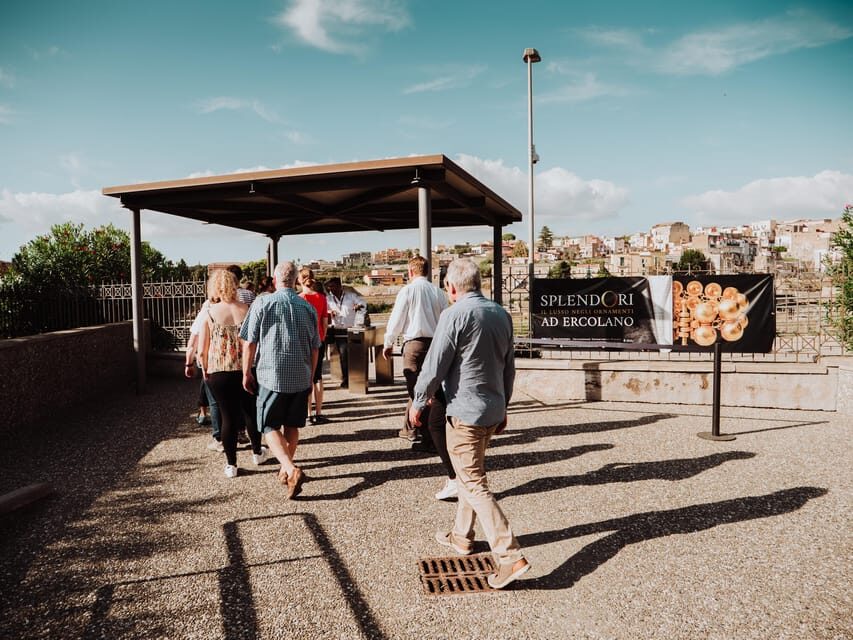
You’ll get a break mid-morning/early afternoon—about 30 minutes—before continuing on. This is enough time to reset, grab water, and find the bathroom if you need one.
Because food and drinks aren’t included, I treat this pause as a quick provisioning window. Pompeii can be hot, and the ruins don’t care about your plans. If you tend to get hungry fast, plan to buy something simple and easy to eat on the move.
Also, keep your sun protection ready. Even when the schedule feels paced, Pompeii is still outdoors most of the day. A hat and sunscreen aren’t luxuries here.
Ercolano (Herculaneum): where preservation makes the past feel close
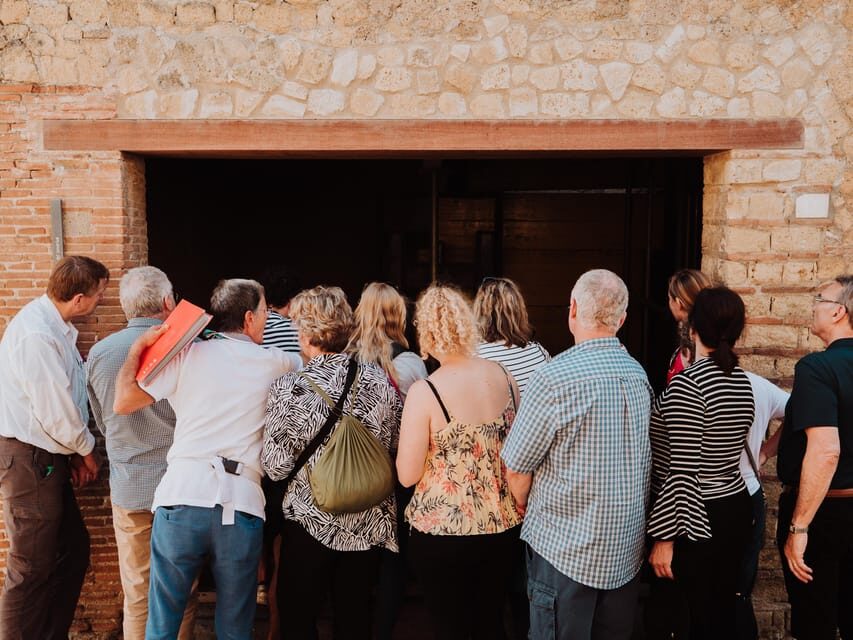
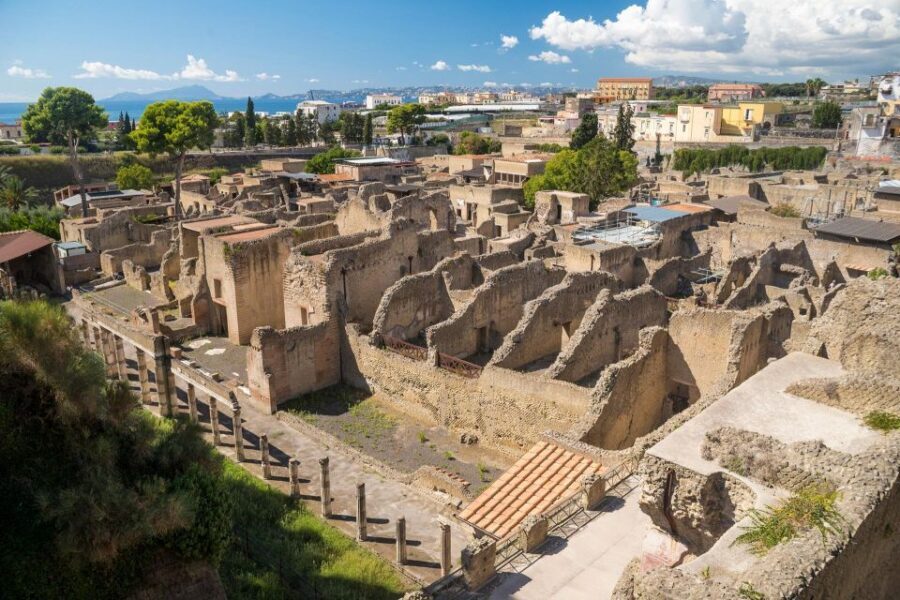
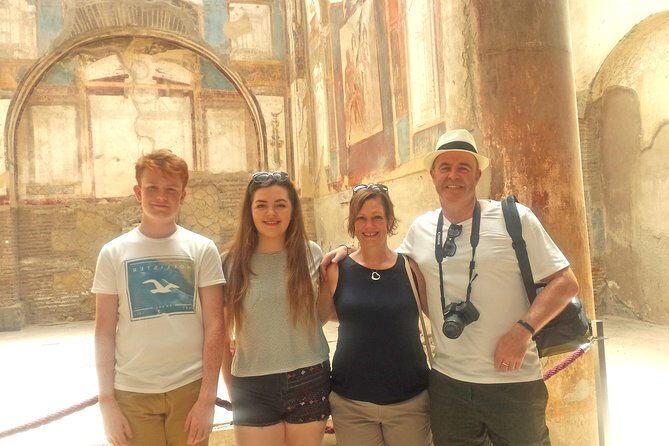
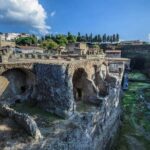
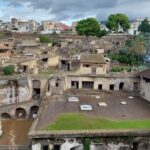
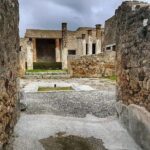
If Pompeii is about scale, Herculaneum is about feeling the moment. Herculaneum (Ercolano) is known for extraordinary preservation, including frescoes and structures that can read like interiors rather than ruins.
What makes this stop special is how clearly it can show ordinary spaces: rooms, wall surfaces, and the relationship between buildings and daily life. When your guide points out what survives and what it tells you, Herculaneum often lands as the more emotional visit—even though it’s not as large.
A good guide turns that into more than “look at the walls.” The best explanations connect art and surfaces to the people who chose to display them. That’s where you start to see the city not just as an artifact, but as a lived environment.
It’s also worth knowing the time allocation is structured. You’ll get a guided visit long enough to notice details, but not so long that you can completely ignore the clock. If you love solo wandering, you may crave a little extra room to roam, since the day is built around guided interpretation.
The group size and pace: comfortable, but still active
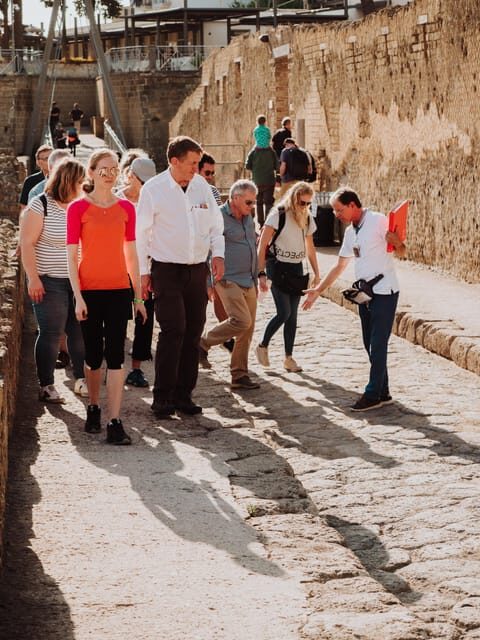
This is marketed as small group, and the setup mostly delivers. The transportation is typically for up to 8 people in the minivan, but the overall tour limit can go higher (around 20 participants), and in some cases you may ride in a larger vehicle that can accommodate up to 16.
So here’s the reality check: it’s still a full-day walking experience. The tour isn’t designed for a slow, stroller-friendly pace. In fact, baby strollers and non-folding strollers aren’t allowed. That policy alone tells you the movement needs are more important than “bring everything with you.”
Your best move is simple: wear comfortable shoes with solid grip. Bring layers if the day shifts from warm mornings to cooler late afternoon. And keep expectations aligned with a guided format: you’ll learn a lot from the structure, but you won’t have hours and hours of unsupervised roaming in either site.
Price and value: what you’re really paying for
At $168.79 per person for an 8-hour, archaeologist-led day, the value comes from four areas:
- Tickets are handled for you
You get Pompeii Express entry tickets and Herculaneum entry tickets included (Herculaneum tickets are listed at 16.00 euros each). That reduces friction and helps you avoid ticket-line stress.
- Special access is baked into the setup
The tour includes skip-the-ticket-line entry. Even a small time saving matters when you’re trying to fit two major sites into one day.
- You’re paying for interpretation, not just transportation
A certified archaeologist guide isn’t an add-on. It’s the product. The difference shows up when you start recognizing patterns in the ruins: civic spaces, daily routines, and how preservation changes what you can learn.
- Comfort and logistics are managed
Air-conditioned transport from the heart of Sorrento means you’re not stitching together multiple transfers. For a day with a lot of walking, that’s money well spent.
The main “cost” isn’t the price—it’s time. You’re choosing a guided structure over extra free time. If you want the maximum amount of independent wandering, a custom private approach might be more your style. But if you want context and an efficient route, this pricing looks fair for what’s included.
Who this tour suits best (and who should think twice)
This works especially well if you:
- love Roman history but want a guide to connect the dots quickly
- prefer small group pacing and clearer audio (headsets for larger groups)
- want a single day that covers both Pompeii and Herculaneum without stressful planning
I’d think twice if you:
- need step-free or wheelchair-friendly access, since the tour is not suitable for mobility impairments
- rely on strollers, since baby and non-folding strollers aren’t allowed
- want lots of unscheduled time to wander and photograph without a schedule
If you’re the type who likes to ask questions while you walk, this format is one of the better options from Sorrento because the guide time is real, not just a quick stop-and-point.
Practical tips to make the most of your day

Here are the small choices that make a big difference:
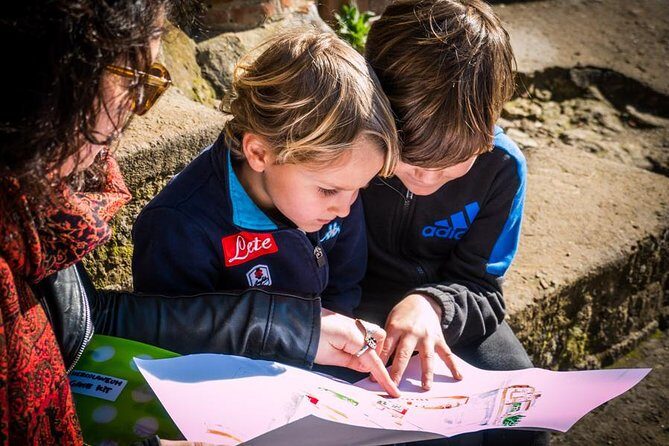
- Bring your ID for children (passport or ID card). Adults should also travel with an ID, even if it isn’t explicitly listed.
- Use comfortable shoes. Pompeii and Herculaneum involve uneven surfaces and long walks.
- Pack sunscreen and water. The tour doesn’t include food and drinks.
- Arrive a few minutes early at Piazza Angelina Lauro so you can easily spot the ASKOS TOURS sign.
- Keep your expectations realistic: you’ll see the key highlights with expert context, but you won’t “see everything” at Pompeii at a leisurely pace.
Final thoughts: should you book this Pompeii and Herculaneum tour from Sorrento?
If you want the two classic sites in one day with a certified archaeologist guide, a small-group feel, and tickets plus skip-the-line entry handled, I think this is a smart choice. It’s built for efficiency without turning into a frantic sprint, and Herculaneum’s preservation is the kind of contrast that makes the day memorable.
Book it if you value learning and a guided route. Pass if you need wheelchair access, stroller freedom, or long stretches of independent wandering.