
REVIEW · ERCOLANO
Herculaneum: Skip The Line Entrance ticket + Audioguide
Book on GetYourGuide →Operated by Tempio Travel Pompei Tickets · Bookable on GetYourGuide
Herculaneum feels like Rome on hold. With a skip-the-line entrance ticket plus an audio guide, you can explore the buried city on your own schedule instead of getting swept along with a group. The audio narration is paired with a map and helps you move through the streets and alleys of the archaeological park.
I really like two things about this setup. First, it’s self-guided, so you can slow down for the houses, villas, and mosaics that catch your eye and skip what doesn’t. Second, the audio guide covers the site in a structured way that helps when on-site information feels limited, and it points you toward where to look as you walk.
The main drawback to plan for is simple: headphones are not included, and the audio guide equipment needs proper handling and return before closing time. If you forget earphones or expect to connect Bluetooth like at home, that can add stress right when you want to focus on the ruins.
In This Review
- Key things to know before you go
- Herculaneum’s self-guided flow is the real value
- Getting in: the Entrance desk and the audioguide handoff
- What you’ll actually see: houses, villas, mosaics, and buried streets
- How the audio guide helps you navigate (and where it can frustrate)
- Timing your 3 hours: enough for highlights, tight for everything
- Value for $35: what you get versus what you skip
- Making the most of your route: practical tips that save time
- Who this is best for (and who might want a different option)
- Should you book this skip-the-line ticket + audioguide?
- FAQ
- Is this tour self-guided?
- What’s included in the ticket?
- Where do I pick up the audio guide?
- Does the ticket include skip-the-line entry?
- How long should I plan for?
- What languages are available for the audio guide?
- Do I need to bring headphones?
- What ID do I need for the audioguide hire?
- Is the visit rain or shine?
Key things to know before you go
- Skip-the-line entry: You get faster access at the entrance, so you spend more time underground-in-your-mind and less time waiting.
- Self-paced route: You’re not on a fixed tour path. You can shape the visit around your interests within opening hours.
- Audio guide + map: The guide is designed to help you navigate streets and alleys, not just play general commentary.
- Compact but not quick: Herculaneum is smaller than Pompeii, yet preservation can make you want extra time.
- Bring ID and shoes: You’ll need a valid ID for the audioguide hire and comfortable shoes for the walking.
- Expect basic on-site refreshment options: There’s no café or restaurant listed here, so plan your food and water accordingly.
Herculaneum’s self-guided flow is the real value
Herculaneum is one of those places where the details hit hardest when you’re walking slowly. This ticket-and-audioguide combo is built for that. You don’t have to keep up with a group or hear the same script from the same angle every time.
I also like that the experience is designed around “your pace.” You can jump to the areas that speak to you, then come back later if you realize you missed something. In practice, this matters if you’re doing Herculaneum as part of a day that also includes another stop in the area, because you can manage your time better than a strict tour rhythm.
One more thing: the ruins can be emotionally heavy. The preserved remains make the tragedy feel close, which is part of why people find the visit so sobering and memorable. Going self-guided lets you take a breath when you need it, rather than pushing through on schedule.
If you're still narrowing it down, here are other tours in Ercolano we've reviewed.



Getting in: the Entrance desk and the audioguide handoff

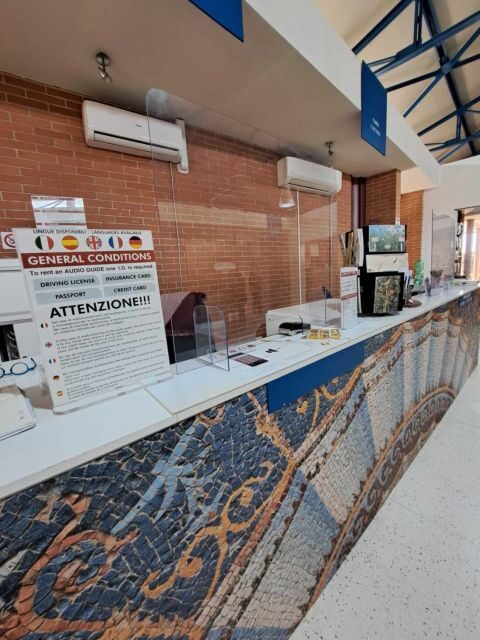
Your meeting point is straightforward: go to the entrance and look for the Audioguide Desk. That’s where you’ll pick up the audio device tied to your ticket. If you’re arriving with limited time, this small detail pays off because you’re not hunting around after you’ve already reached the site.
You’ll also need a valid passport or identity card (driving licence also works per the rules) for the audioguide hire. Bring your ID even if you think you won’t need it. The rule is clear: without a valid document, you may not be able to borrow the device.
Practical tip: the site experience is rain or shine. Plan on walking, and keep the audioguide unit protected if it’s wet. Comfortable shoes are a must, since you’ll be moving around uneven ground and along the ancient streets.
What you’ll actually see: houses, villas, mosaics, and buried streets
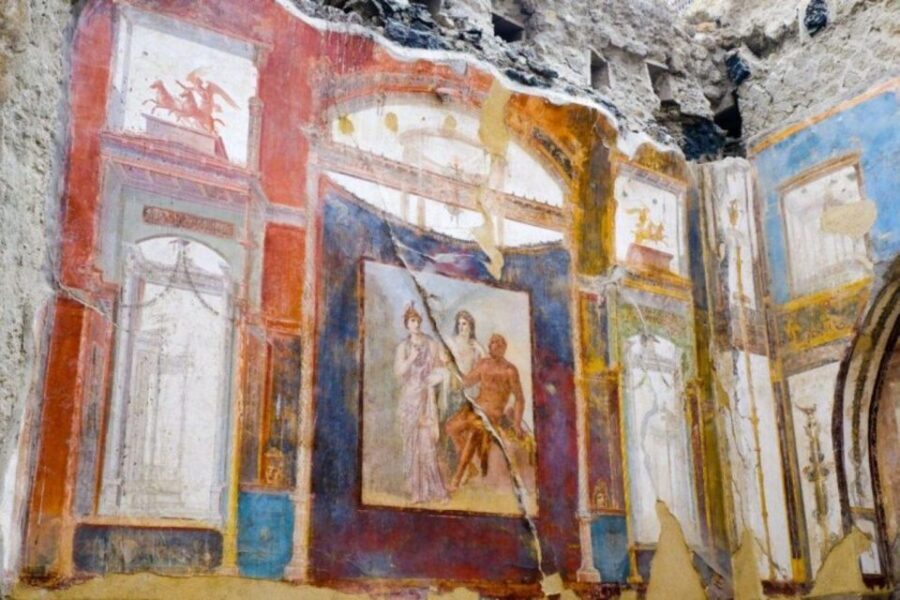
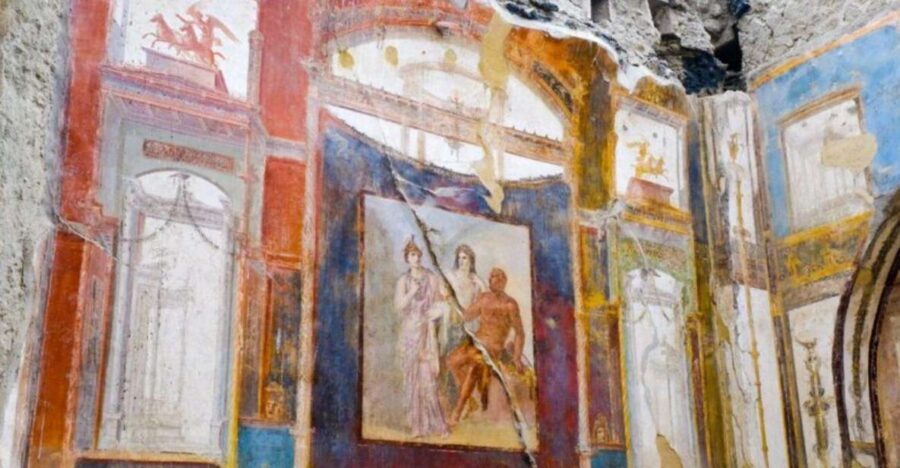
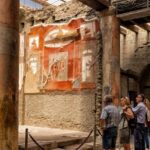
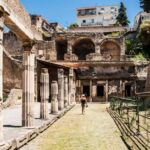
Herculaneum preserves the ruins of a Roman town buried by Mount Vesuvius in 79 AD. What makes it special is that many structures are still recognizable enough to help you picture how daily life worked—so when you look at a room or a corridor, it’s easier to imagine people moving through it.
As you wander, you’ll focus on well-preserved houses, villas, and mosaics. This is exactly the kind of site where a self-guided approach shines, because you can spend extra time at a mosaic panel if it interests you, or you can move quickly past a space that feels less relevant.
You’ll also be walking through the ancient layout: streets and alleys that guide the route through the park. The audio guide is designed around that movement, so you’re not just standing in one spot for a photo. You’re learning as you go.
A useful reality check: the site can feel compact, but preservation encourages longer attention spans. Some people find 2 to 3 hours gets them through the highlights; others want more time if they truly want to see everything.
How the audio guide helps you navigate (and where it can frustrate)
This combo includes an audio guide and a map. The idea is that the narration supports the physical layout of the park, helping you understand what you’re looking at as you move between numbered points and areas.
From experience with sites like this, I think the biggest win is orientation. Without context, ruins can become a jumble: walls, thresholds, corners, and open spaces. With the audio guide, it turns into a storyline—this building once served this role, this space once looked like that, and this is why the layout matters.
Now the honest part. People have noted that audio can feel a bit confusing if the pickup spot or instructions aren’t obvious right away. One person even mentioned using the guide in the wrong direction at first due to entrance signage. So if you arrive and something feels off, don’t panic. Pause, re-check where you are relative to the guide points, and keep going.
Also, headphones aren’t included. One reviewer mentioned Bluetooth pairing didn’t work as expected, and another said using ear buds was tricky without the right fit. My advice is simple: bring your own headphones/ear buds and have a backup if you can. If you’re picky about audio, test your setup before you leave for the park.
Timing your 3 hours: enough for highlights, tight for everything
The duration listed here is 3 hours, and you can check starting times based on availability. That range is helpful for planning, but it’s not a guarantee you’ll see every corner at a relaxed pace. Herculaneum is smaller than Pompeii, yet it’s still easy to get caught up because the preservation is so striking.
A common strategy that works well: treat 3 hours as a “best-of” window. If you’re hungry for full depth, plan more time when you can. One reviewer also pointed out the site is about a half mile walk downhill from the station area, which matters for your day logistics.
Food is another timing factor. There’s no café or restaurant noted here, and some people reported only vending machines for drinks/snacks. So pack a simple lunch or at least plan for vending options, especially if you’re combining Herculaneum with another major site.



Value for $35: what you get versus what you skip
At about $35 per person, you’re paying for three things: skip-the-line entry, the audioguide, and a map. You’re not paying for a live guide, and that’s the trade-off.
If you like flexibility, this is good value. You can choose when to slow down and when to move on, without having to hear the same commentary at the same time as everyone else. That’s also handy when schedules are tight. One review highlighted how the self-guide format helped them cover what mattered most when rail timing limited their window.
If you want a human explanation, your money may feel better spent on a guided tour instead. But for many visitors, Herculaneum’s physical clues are strong enough that guided audio bridges the gap. It’s also a great match if you want to walk through at your own pace rather than being herded.
One more value note from the reviews: a few people mentioned that buying through a third party can complicate what should be simple pricing rules. To avoid surprises, I’d make sure you understand what you’re paying for and whether any special days change the price. If you’re visiting on a day when the site might offer free entry, it’s worth double-checking your best route to tickets.
Making the most of your route: practical tips that save time
A smart way to do Herculaneum with this ticket is to start strong and then adapt. Use the audio guide to get your bearings fast, then spend extra time where the narration makes you want to look closer.
Here are a few practical habits that help:
- Start with the map: Don’t wait until you’re lost. Get oriented early at the entrance desk and use the map while you listen.
- Plan for walking pace: Even if you’re not hurrying, you’ll cover a lot of ground. Wear shoes you can handle on uneven surfaces.
- Bring your own headphones: The listing says earphones aren’t included, and people have had mixed experiences with the device if they weren’t prepared.
- Pack your own food or plan vending: No café/restaurants are indicated, so treat lunch as your responsibility.
- Return the device on time: Devices must be returned before office closing time, so don’t wander so long that you’re stressed at the end.
If you’re combining Herculaneum with Pompeii or a Vesuvius day, this self-guided combo can fit well. Herculaneum is often described as more manageable in size than Pompeii, which makes it easier to place into a busy day.
Who this is best for (and who might want a different option)

This audio-guide ticket is ideal if you:
- Want flexibility and hate being rushed.
- Like learning at your pace rather than on a group timetable.
- Prefer spending more time with the parts of a site that genuinely interest you.
- Are doing multiple activities in Campania and need control over your time.
It may be less ideal if you:
- Want a live guide to answer questions in real time.
- Are uncomfortable managing audio equipment on the go.
- Rely on a specific headphone type and don’t want to deal with possible pairing issues.
Should you book this skip-the-line ticket + audioguide?
Yes, if you want independence. For a Roman site like Herculaneum—where the ruins reward slow attention—this ticket format makes a lot of sense. The audio guide + map combo does the heavy lifting of interpretation, so you’re not walking through walls and wondering what they were meant to be.
I’d book it particularly if you’re working with limited time due to transport schedules, because skip-the-line entry and self-paced navigation help you protect your hours. Just go in prepared: bring your ID, wear good shoes, and pack headphones plus a plan for food.
If you want a guided group experience with a person leading the story, then choose a live tour instead. But if you’re aiming for calm, flexible learning among the buried streets of 79 AD, this is a smart, practical way to do it.
FAQ
Is this tour self-guided?
Yes. You enter Herculaneum and explore on your own pace using the included audio guide.
What’s included in the ticket?
The package includes an entry ticket for Herculaneum, an audioguide, and a map.
Where do I pick up the audio guide?
Go to the Entrance and look for the Audioguide Desk.
Does the ticket include skip-the-line entry?
Yes. The ticket is described as skipping the ticket line.
How long should I plan for?
The total duration is listed as 3 hours. You can check availability to see starting times.
What languages are available for the audio guide?
The audioguide is available in Italian, German, English, French, and Spanish.
Do I need to bring headphones?
Yes. Hearphones are not included.
What ID do I need for the audioguide hire?
A valid passport, identity card, or driving licence is required for audioguide hire.
Is the visit rain or shine?
Yes, this experience takes place rain or shine.