REVIEW · ERCOLANO
Ercolano: Herculaneum Entry Ticket with Optional Audio Guide
Book on GetYourGuide →Operated by GetYourGuide Tours & Tickets GmbH · Bookable on GetYourGuide
Herculaneum hits hard in the best way. This UNESCO site feels eerily human, because you’re not just looking at ruins—you’re seeing everyday life from Roman times, preserved by Vesuvius ash. I love how well-preserved rooms and objects let you picture real routines, from doors and beds to food and frescoes. I also like that the ticket keeps things flexible, so you can go at your pace instead of being herded through.
The one drawback is the audio guide experience can be hit-or-miss. If you choose the phone app, it can be data-hungry and navigation may frustrate you, so plan to download and bring headphones before you enter.
In This Review
- Key Things That Make This Herculaneum Ticket Worth It
- Herculaneum Entry Ticket: Why Ercolano Feels Different
- Redeeming Your Mobile Voucher at the On-Site Ticket Desk
- Your Self-Guided Walk Through Roman Streets and Intact Buildings
- Start with the cobbled streets and the town layout
- Move into intact buildings and preserved rooms
- Look for frescoes and everyday details
- Add the public-life stops: gymnasium and baths
- What the Preservation Really Means (Roofs, Beds, and Those 79 AD Traces)
- Audio Guide Choice: Phone App vs Physical Device, and How to Avoid Frustration
- If you use the phone app, download ahead of time
- Expect navigation issues in some spots
- Consider a real guide if you want deep interpretation
- Time on Site: How Long This Ticket Really Takes
- Crowds, Heat, and Comfort Tips That Actually Help
- Price and Value: Is $21 Worth It With or Without the Audio Guide?
- Who This Herculaneum Ticket Suits Best
- Should You Book This Ercolano Ticket?
- FAQ
- What’s included with the Ercolano Herculaneum ticket?
- Where do I redeem my mobile voucher?
- How long is the visit valid?
- What languages are available for the audio guide?
- What are the opening hours?
- Do I need a guided tour?
- Is there free cancellation?
Key Things That Make This Herculaneum Ticket Worth It

- A smaller, calmer alternative to Pompeii with a similar range of baths, shops, and architecture
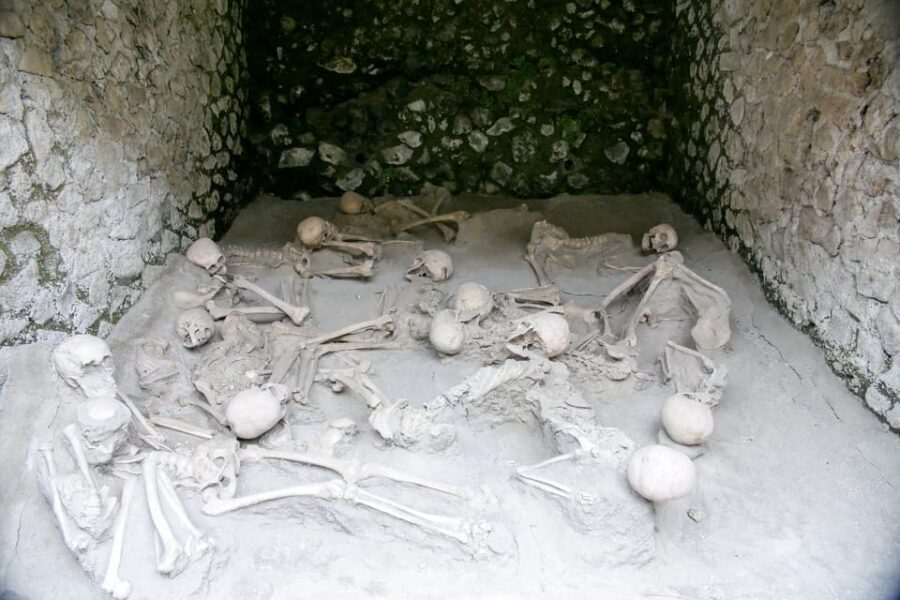
- Preservation you can actually see: roofs, beds, doors, food, and even about 300 skeletons
- Self-paced walking through intact spaces instead of only viewing stones from behind ropes
- Optional digital or physical audio guide in English, French, German, Italian, and Spanish
- Plan around the exit time so you don’t get stuck trying to sprint the last rooms
Herculaneum Entry Ticket: Why Ercolano Feels Different
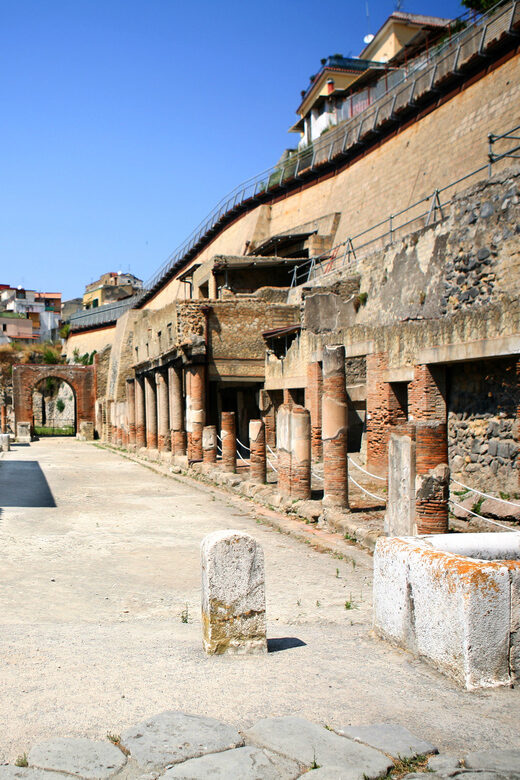
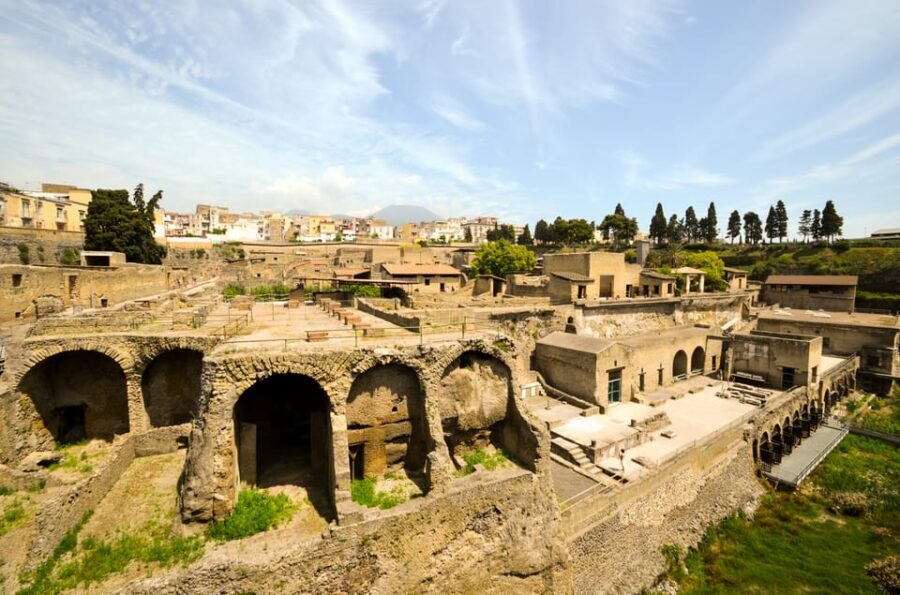
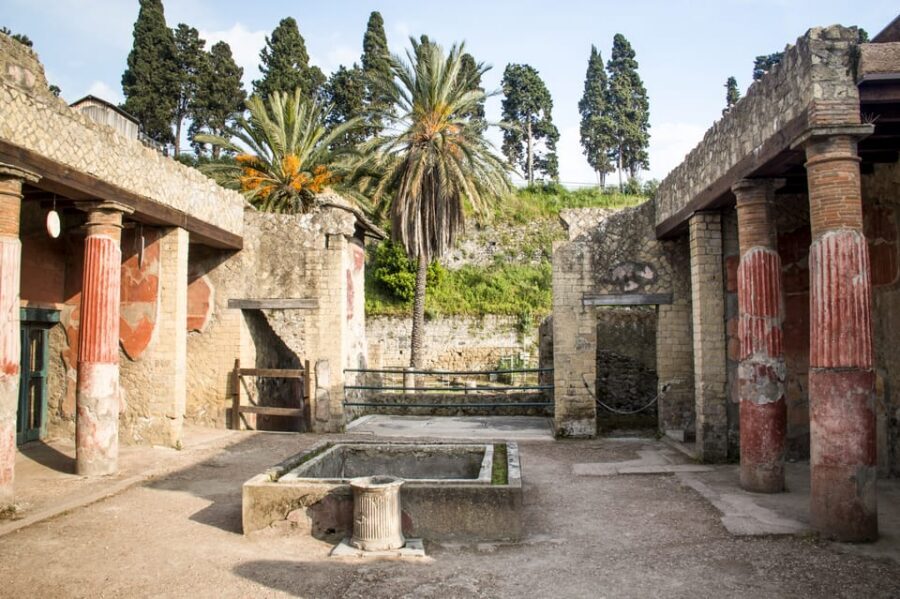
Herculaneum—often spelled Ercolano—is one of those places where your brain stops treating it like a museum. The town was buried under ash after the 79 AD eruption of Mount Vesuvius, and unlike the better-known Pompeii, a lot of the settlement stayed remarkably intact. That means you get a strong sense of lived-in space: you’re walking down cobbled streets, then stepping your attention into houses where the layout still makes sense.
What I like most is the emotional impact. You’re not just learning about an eruption; you’re walking through an ordinary town that stopped mid-day. The presence of roughly 300 skeletons adds weight, and the preserved details make the tragedy feel close rather than abstract.
The ticket itself is simple value: you’re paying for entry, and the optional audio guide is there to help you make sense of what you’re seeing. If you enjoy history but don’t want a full-day guided tour, this setup is a good match.
If you're still narrowing it down, here are other tours in Ercolano we've reviewed.



Redeeming Your Mobile Voucher at the On-Site Ticket Desk

This is one of the easier “ticket moments” on a Naples-area trip. You redeem your booking by showing your mobile voucher at the online ticket desk on site. There’s no need to hunt for a separate office or shuffle paperwork—just plan to arrive with your voucher ready on your phone.
A small practical tip: keep your phone charged. If you’re also using the digital audio guide, you’ll want battery life for photos, maps, and the audio app. Some audio experiences depend on connectivity, and the site isn’t designed around everyone having perfect mobile service.
Your Self-Guided Walk Through Roman Streets and Intact Buildings
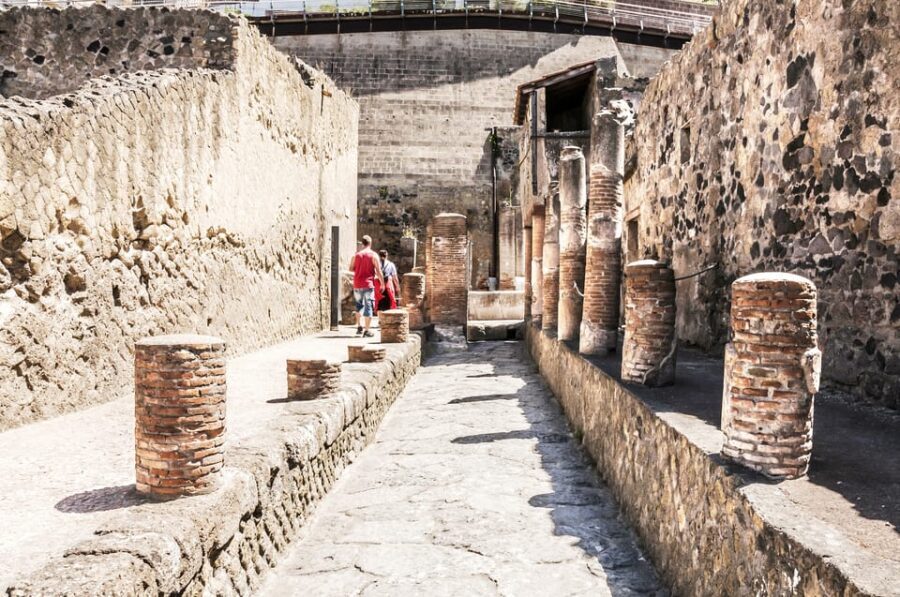
This visit is built for slow, thoughtful walking. With your entry ticket, you explore the archaeological area on your own schedule. The key is knowing what kind of experience you’re buying: not a staged show, but a preserved town where you can still make sense of daily life.
Here’s what your route typically turns into once you’re inside:
Start with the cobbled streets and the town layout
You’ll begin moving through cobbled streets and open spaces where buildings sit in a readable grid. This matters more than it sounds. When ruins keep their proportions, your imagination works better. You can picture routes people took, where traffic would have flowed, and where people likely gathered.
Move into intact buildings and preserved rooms
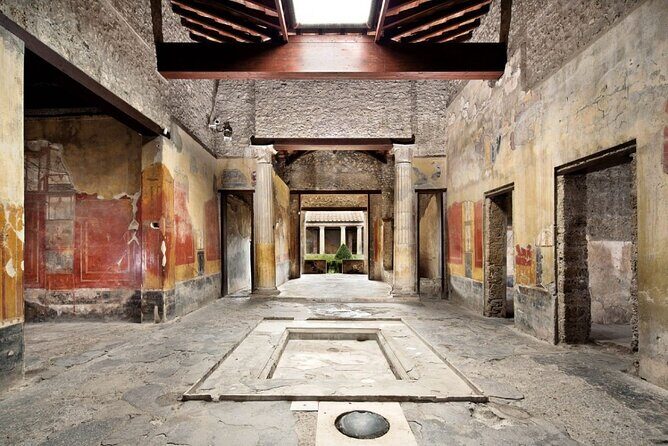
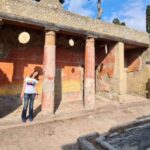
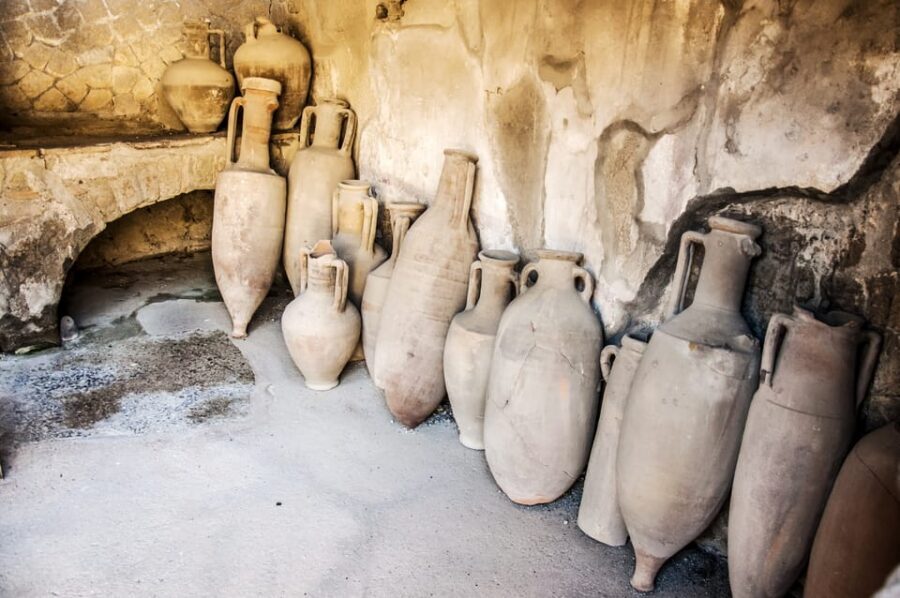
The big “wow” factor is how much remained: roofs, beds, doors, and even food traces are part of the story. You’re meant to pause and look around, not just pass through. The preservation helps you understand how a home functioned—where daily tasks happened and how rooms connected.




Look for frescoes and everyday details
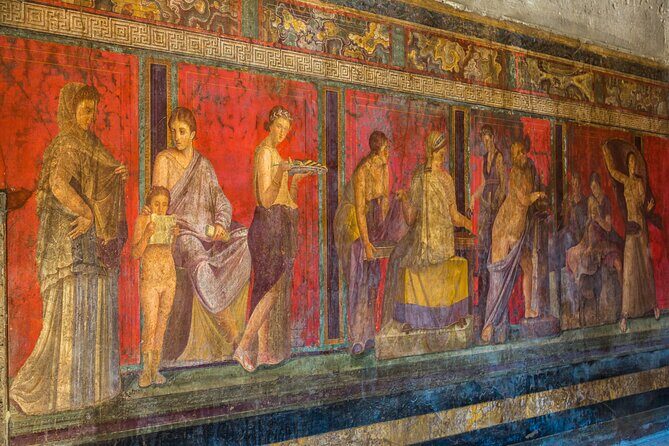
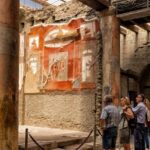
Herculaneum is known for well-preserved frescoes, and they’re a major reason the site feels personal. Art inside rooms turns ruins into homes again. If you like archaeology, focus on surfaces and placement: patterns, wall decoration, and how areas were used.
Add the public-life stops: gymnasium and baths
The experience isn’t only domestic. You can still see public spaces like a public gymnasium and public swimming baths. That gives you a fuller picture of how Roman life blended work, sport, washing, and social time. It’s also a nice way to break up the “house after house” pacing.
What the Preservation Really Means (Roofs, Beds, and Those 79 AD Traces)
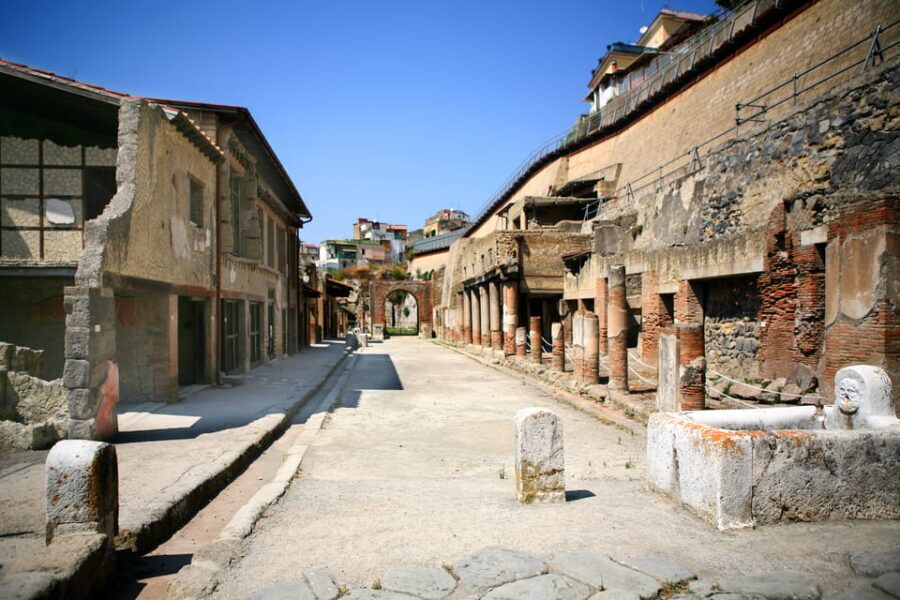
It’s one thing to read that ash preserved artifacts. It’s another to stand close to what’s left and realize you’re looking at an actual house boundary. Herculaneum can show you the scale of daily objects: beds, doorways, and the way rooms were arranged for routine use.
That preservation creates three big benefits for you:
1) You understand how space worked
When roofs and doors are still there, rooms aren’t just impressive—they’re understandable. You can spot where entry points would have been and how people moved.
2) Your mental timeline becomes clearer
Instead of thinking in centuries, you think in moments: entering, cooking, resting, cleaning, socializing. The site helps you shift from facts to a believable daily rhythm.
3) You notice human scale
The town feels smaller than Pompeii, and that helps. You can actually spend time looking at features without feeling like you’re racing through a checklist.
Also, take a minute to reflect on the site’s tragedy. The preserved human remains (around 300 skeletons) are difficult to ignore. But that heaviness is part of why Herculaneum stands out: it doesn’t treat catastrophe like a headline.
Audio Guide Choice: Phone App vs Physical Device, and How to Avoid Frustration
You get two options with this ticket: a digital audio guide app or a physical audio device (if that option is selected). Languages listed include English, French, German, Italian, and Spanish.
Here’s the practical reality I’d plan for:
If you use the phone app, download ahead of time
One clear tip from experience at the site: the audio app can be data-hungry, and coverage may be spotty. So download before you arrive and bring headphones. If you rely on streaming audio, you risk hitting dead zones right when you want the narration.
Expect navigation issues in some spots
The app is sometimes hard to line up with where you’re standing. If the audio track doesn’t match your current location, it can feel confusing fast. In that case, don’t force it. Step back, refocus on the room layout, and try again when you reach a clearer landmark.
Consider a real guide if you want deep interpretation
If you’re a serious history buff and you want expert interpretation, an audio guide can only go so far. The audio helps, but a knowledgeable guide can make connections instantly—especially between buildings, social life, and how the town functioned.
My balanced advice: use the audio guide as a helpful layer, not as your only source of understanding. If the audio gets annoying, you can switch gears and simply read the spaces around you.
Time on Site: How Long This Ticket Really Takes
Your ticket is listed as valid 1 day, with starting times based on availability. You’re also expected to respect final entry and closing rules. Planning time is key because the archaeological area has to be left before closing.
Opening hours shift seasonally:
- March 16 to October 14: 9:30 AM–7:30 PM, last admission 6:00 PM, and you must leave by 7:00 PM
- October 15 to March 15: 8:30 AM–5:00 PM, last admission 3:30 PM, and you must leave by 4:40 PM
In practice, many visitors find they can do a satisfying visit in around 3 hours if they keep moving and hit the major building clusters. If you’re the type who stops for frescoes, reads small details, and revisits rooms, you might stretch longer. Either way, build in buffer time for entry, finding your bearings, and pausing when the site makes you stop.
Crowds, Heat, and Comfort Tips That Actually Help
Herculaneum tends to be quieter than Pompeii, and that’s a big part of its appeal. You get to focus more on what you’re seeing instead of dodging crowds every 30 seconds. That said, it can still be warm in summer, and the streets and interior spaces can feel hot.
So bring a plan:
- Wear comfortable shoes. You’re on cobbles.
- Consider an umbrella for shade on bright days (it can make a difference).
- Wear clothing that lets you move and stand comfortably in indoor/outdoor transitions.
If you can visit out of peak heat and peak season, the experience feels calmer and easier to absorb. Even if you can’t, going early in the day helps you avoid that late-afternoon push.
Price and Value: Is $21 Worth It With or Without the Audio Guide?
The ticket price is listed as $21 per person, with an optional audio guide add-on and either a digital app or physical device option. The value here comes from what you gain with entry alone: preserved structures and everyday Roman life made visible in a way you just don’t get at most ruins.
Audio guide value depends on what you want:
- If you want context while you walk—what you’re looking at and why it matters—the audio can be worth it.
- If you prefer reading signage and looking closely without extra narration, entry-only may be enough.
One caution: there are cases where people ended up paying extra for an audio option that didn’t work smoothly at the site (for example, issues with activation or QR handling). If you choose the audio add-on, make sure you understand what you’re selecting and double-check your audio access after you redeem.
Also, compare this to Pompeii on an effort-to-reward basis. Herculaneum is smaller, so you can often see a lot more with less fatigue. That matters when you’re on a short Naples trip.
Who This Herculaneum Ticket Suits Best

This is a great fit if you:
- Want a high-impact ancient site without needing an all-day guided tour
- Like preserved ruins where you can interpret space, not just view blocks of stone
- Prefer a more manageable size than Pompeii
- Want to learn about daily life—homes, public bathing, and social routines
It may be less ideal if you:
- Need the audio guide to function perfectly for you to enjoy the experience
- Get frustrated when an app doesn’t match exactly where you’re standing
If you’re traveling as a history-first solo traveler or as a couple, you’ll likely like the flexibility. It also works well as a “main site” day inside a broader Naples-and-Vesuvius schedule.
Should You Book This Ercolano Ticket?
Yes—if you want a powerful visit where preservation does the heavy lifting. Your entry fee buys you access to a Roman town that feels shockingly intact, and the self-paced format gives you control over your pace. If you’re choosing the optional audio guide, download the app before you arrive, bring headphones, and keep your expectations realistic.
If you’d rather avoid any tech stress, consider entry-only and spend your money on time—slow stops in the houses and public spaces. Either way, Herculaneum earns its reputation. It’s not just impressive. It’s human.
FAQ
What’s included with the Ercolano Herculaneum ticket?
The ticket includes entry. Depending on the option you choose, it also includes a digital audio guide app (available in English, French, Italian, and Spanish) or a physical audio guide device.
Where do I redeem my mobile voucher?
Redeem your ticket by showing your mobile voucher at the online ticket desk on site.
How long is the visit valid?
The ticket is valid for 1 day. You’ll check availability to see starting times.
What languages are available for the audio guide?
The audio guide is available in English, French, German, Italian, and Spanish.
What are the opening hours?
From March 16 to October 14: 9:30 AM–7:30 PM (last admission 6:00 PM; leave the archaeological area by 7:00 PM).
From October 15 to March 15: 8:30 AM–5:00 PM (last admission 3:30 PM; leave by 4:40 PM).
Do I need a guided tour?
No. A guided tour is not included. This is a self-guided entry ticket with optional audio.
Is there free cancellation?
Yes. You can cancel up to 24 hours in advance for a full refund.