REVIEW · ERCOLANO
Herculaneum: Private Walking Tour with Archeologist Guide
Book on GetYourGuide →Operated by Askos Tours · Bookable on GetYourGuide
A buried city that feels uncomfortably real. This private Herculaneum walk pairs a licensed archaeologist guide with the story of Vesuvius, and I love that the main sights connect to why this town was saved—thanks to volcanic ash and mud preserving everyday Roman life, including wood, paintings, and mosaics. The one drawback: it moves fast, because you’re fitting a lot of highlights into just two hours.
You’ll get a true private-group feel, with a live guide who can switch tone and pacing to match your questions. Guides such as Antonio and Luciano are known for making the place feel alive (including for kids and teens), while Paola focuses on pointing out the big moments and keeping you in the shade when possible.
Logistics are simple but worth noting. You’ll start at one of the Parco Archeologico di Ercolano meeting options on Via dei Papiri Ercolanesi, then finish back at the meeting point. The tour is listed as wheelchair accessible, but it also notes it may not be suitable for wheelchair users—so check before you book, and plan on comfortable shoes since oversize luggage isn’t allowed.
In This Review
- Key things to know before you go
- Why Herculaneum feels different from Pompeii
- What “private in 2 hours” really means on this tour
- Starting at the Parco: getting oriented fast
- The Forum and public life: where the city met itself
- Casa del Salone Nero: the Black Saloon home
- Thermopolium and everyday rhythm: food, drink, and the street
- Houses that show status: Casa dell’Albergo, Neptune and Amphitrite, and the deer house
- The bakery and the terrace: work, leisure, and power
- House of Skeletons and the beach: the human cost
- Sacellum of the Augustales: belief in a city under threat
- Price and value: what you’re really paying for
- Who this private tour suits best
- A practical checklist for your walk
- Should you book this Herculaneum private walking tour?
- FAQ
- How long is the Herculaneum private walking tour?
- Is this tour private?
- What’s included in the price?
- Do you skip the ticket line?
- Where does the tour start and end?
- What languages are available for the guide?
- What should I bring, and what’s not allowed?
- Is entrance free on the first Sunday of the month?
- Is the tour wheelchair accessible?
Key things to know before you go
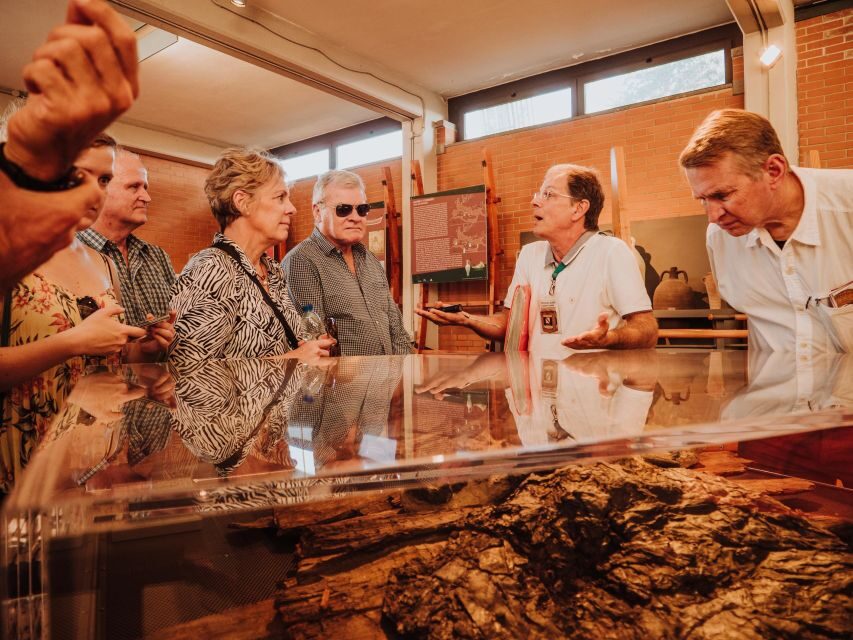
- A licensed archaeologist guide helps you make sense of what you see, not just read labels.
- Herculaneum’s preservation is the star: ash and mud held onto wood, paintings, and mosaics in a way Pompeii didn’t.
- You’ll hit major named sites like the Forum, House of the Black Saloon, the Thermopolium, and the House of Skeletons.
- The emotional core is handled well through the House of Skeletons and the beach where victims were found.
- Private and flexible: you can ask questions while you move from stop to stop.
- Shade matters in practice, and some guides actively time their explanations to keep you comfortable.
Why Herculaneum feels different from Pompeii
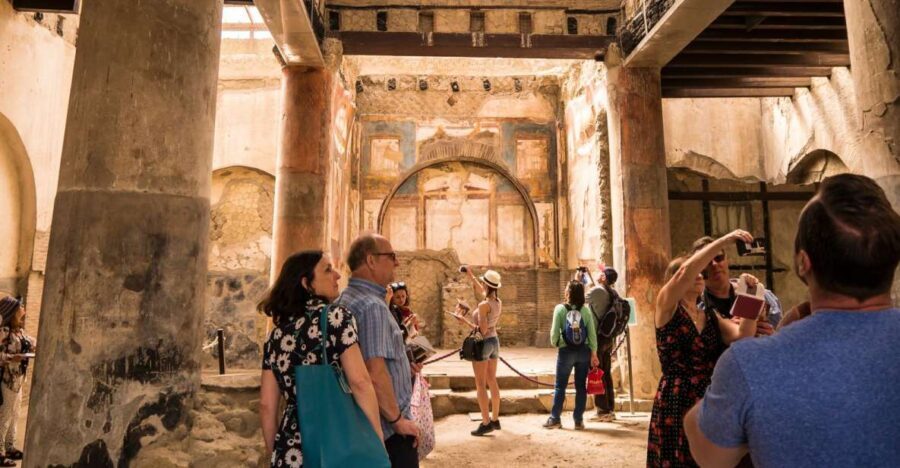
If you’ve seen Pompeii, you’ll still be surprised here. The big reason is what covered the towns in 79 A.D. Pompeii was buried under several meters of ash, while Herculaneum was overwhelmed by a heavy mud avalanche—about 20 meters deep. That mud “sealed” the site in a way that helped preserve materials that usually don’t survive.
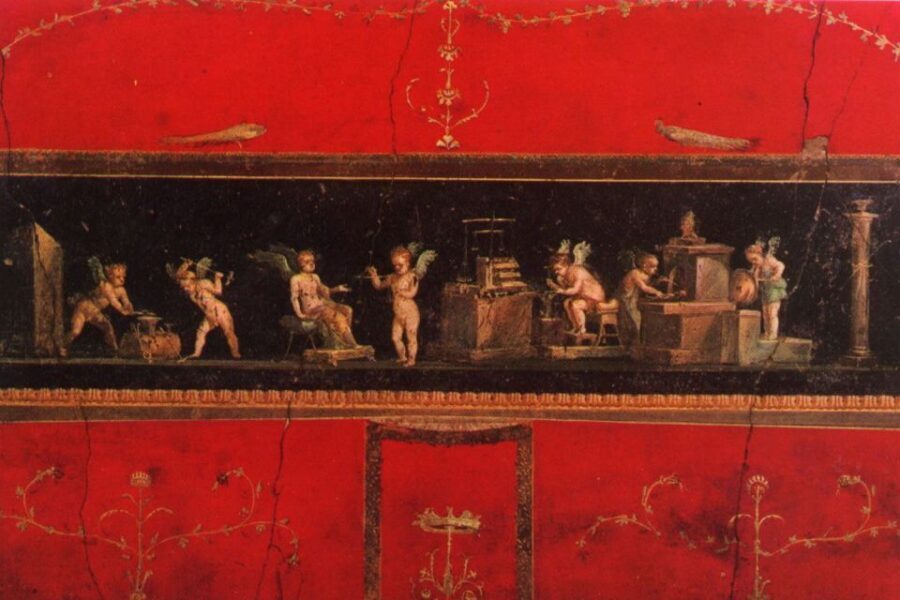
So at Herculaneum, you don’t just look at stone walls and columns. You also get to encounter the remnants of daily life that survived surprisingly intact, including wooden objects and wall decoration like paintings and mosaics. That changes the whole tone of the visit. Instead of feeling like you’re studying ruins from a distance, it often feels like you’re glimpsing rooms mid-life, frozen by disaster.
If you're still narrowing it down, here are other tours in Ercolano we've reviewed.



What “private in 2 hours” really means on this tour
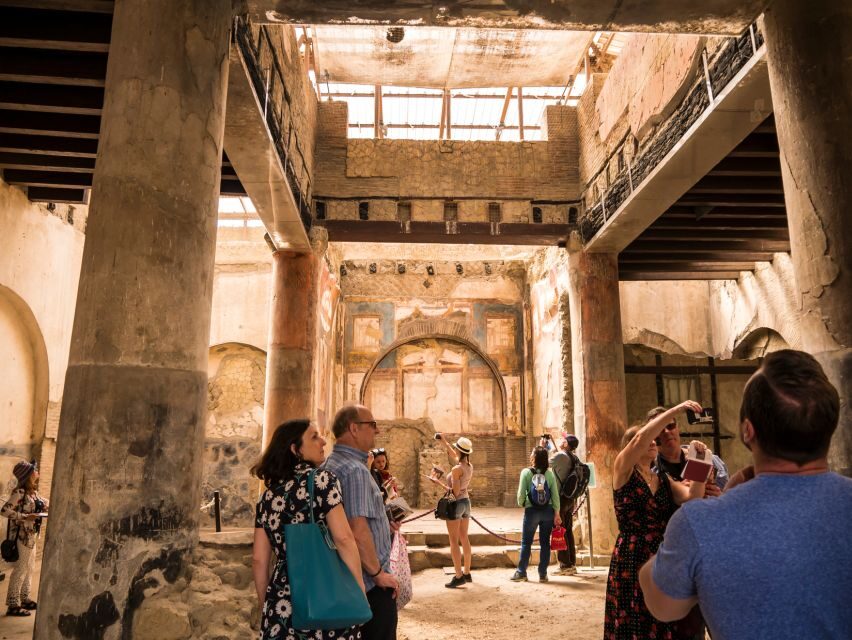
This is built as a private walking tour with a licensed archaeologist guide for about 2 hours. That time pressure is real—so the format is designed to give you the highlights with enough context to understand them as you walk, rather than turning it into a long, slow museum day.
You’ll also skip the ticket line, which is a practical win. When you’re working with limited time, saving that waiting time buys you more actual viewing and fewer “standing around” moments.
Language options are wide: the guide can work in Italian, Spanish, English, Japanese, Russian, French, Portuguese, Chinese, or German. If you’re traveling as a family or a mixed-language group, this kind of flexibility is often the difference between a tour that works and one that feels like it’s happening at your side.
Starting at the Parco: getting oriented fast
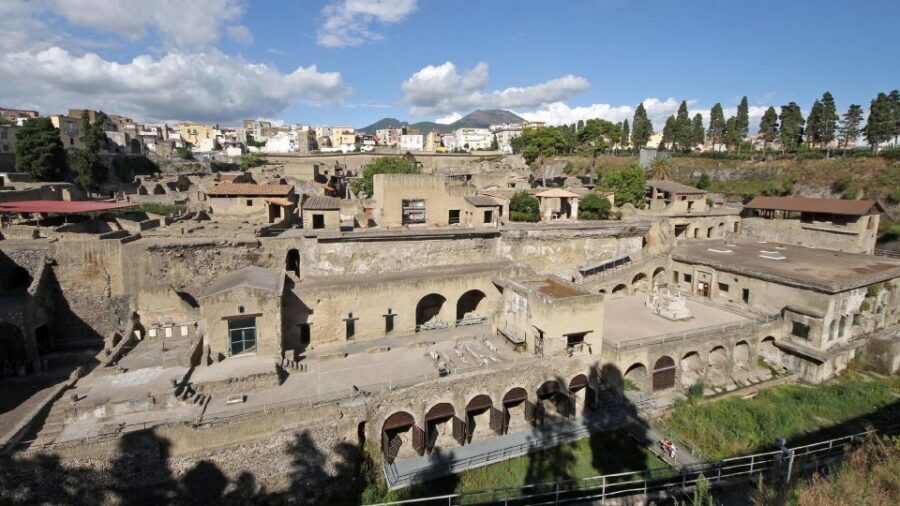
Your tour begins at the Parco Archeologico di Ercolano, at a meeting point that’s specifically on Via dei Papiri Ercolanesi. Expect the guide to get you oriented quickly—where you are in the site, what to look for, and what story connects the next stops.
That orientation matters because Herculaneum is a ruin you can easily misread if you only rely on signs. Once you understand what the eruption did and how the mud helped preservation, each space starts to make more sense. You’re basically building a mental map while you walk, which makes the rest of the visit feel far more coherent.
You’ll also end back at the meeting point, so there’s no complicated transportation puzzle mid-visit. If you’re pairing this with other stops in the area, it keeps your schedule tidy.
The Forum and public life: where the city met itself
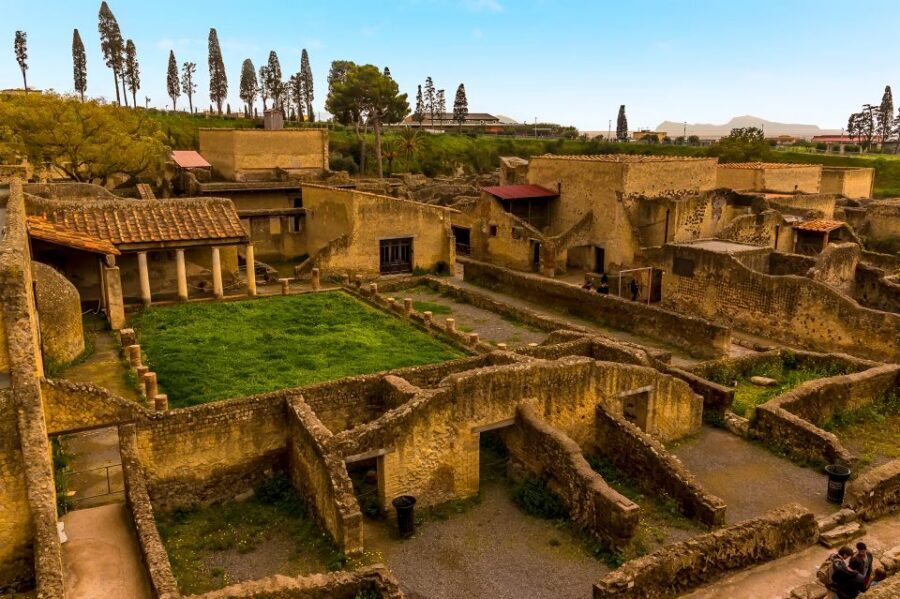
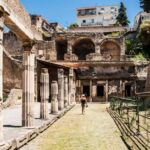
One of your early anchors is the Forum area, where the tour’s story shifts from “what happened” to “how people lived.” In Roman towns, public spaces were about more than buildings—they were where business happened, where civic life played out, and where people saw one another.
With an archaeologist guide, the Forum isn’t treated like a checkbox. You’ll hear how Herculaneum functioned as a sister city to Pompeii, and how the eruption abruptly ended routines that would’ve felt normal just hours earlier. That context makes the empty spaces hit harder, in a good way. You understand the scale and purpose rather than just staring at stones.
Casa del Salone Nero: the Black Saloon home
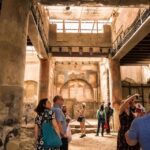
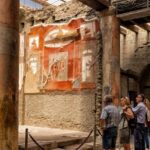
Casa del Salone Nero is one of the stops that tends to leave a strong impression. Even if you don’t know Roman architecture, a guide can help you read what you’re seeing: where people gathered, where decoration mattered, and why certain rooms were designed to show status.
The name alone points you toward the character of the space. A room like this wasn’t casual. It was built for social display, and the fact that so much detail survived gives you a rare chance to connect design choices to daily life. If you like the “how did they live” side of history, this is the moment where it clicks.
One practical consideration: these are not places where you’ll want to rush. Because the tour is private and timed, you can ask one or two targeted questions without slowing down the whole group. That’s a big reason the private format feels worth it.


Thermopolium and everyday rhythm: food, drink, and the street
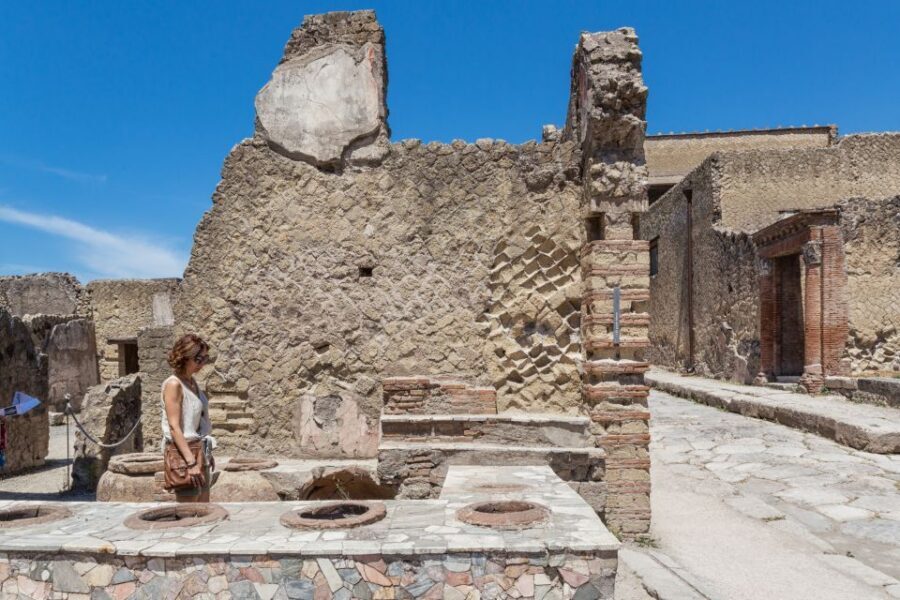
Next up is the Herculaneum Thermopolium, a type of Roman shop with heated beverage and food service. This is where the city shifts from big houses and public areas to the everyday rhythm of eating and buying on the go.
The guide’s job here is to translate objects and layout into behavior. You’re not just looking at a counter; you’re connecting it to routines—people stopping by, grabbing something quick, and moving on. The preservation of the site helps you imagine the flow of a street life that would’ve been loud and busy, long before the eruption ended it.
If you’re visiting with kids or teens, this is often a smoother sell. Food and everyday stop-and-go spaces make history feel less abstract.
Houses that show status: Casa dell’Albergo, Neptune and Amphitrite, and the deer house
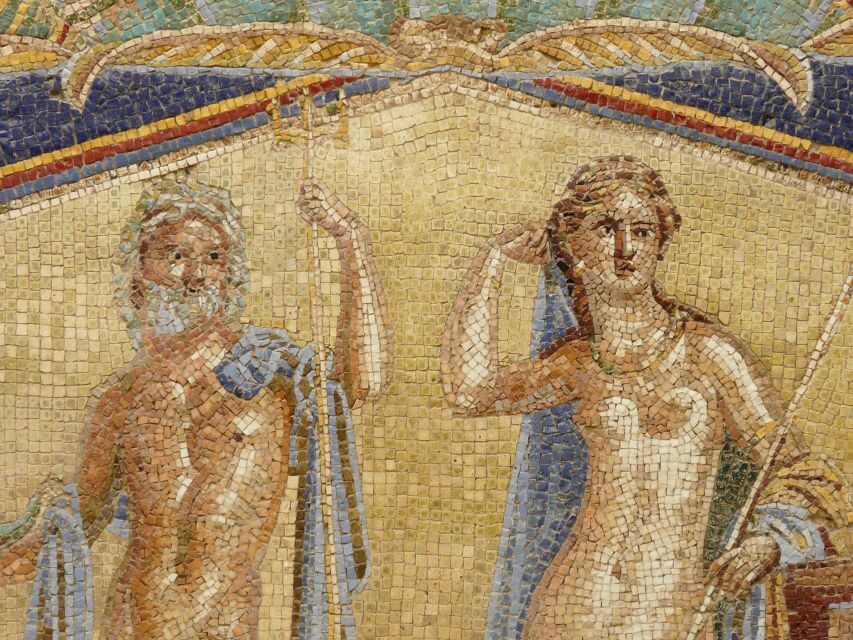
After the street-level experience, the tour moves into more domestic spaces. You’ll visit Casa dell’Albergo, Casa di Nettuno ed Anfitrite, and Casa dei Cervi, which together paint a picture of how different households expressed identity through architecture and decoration.
The value here isn’t only seeing rooms. It’s understanding what a well-preserved ruin can tell you. At Herculaneum, wooden objects and wall art survive in ways that are unusual at comparable sites, which means the “feel” of a home can be clearer.
Here’s the key takeaway for your visit: pay attention to how rooms connect. In Roman houses, movement from one space to another wasn’t random. A good archaeologist guide helps you spot those transitions and explain why the layout mattered—socially, practically, and even symbolically.
The bakery and the terrace: work, leisure, and power
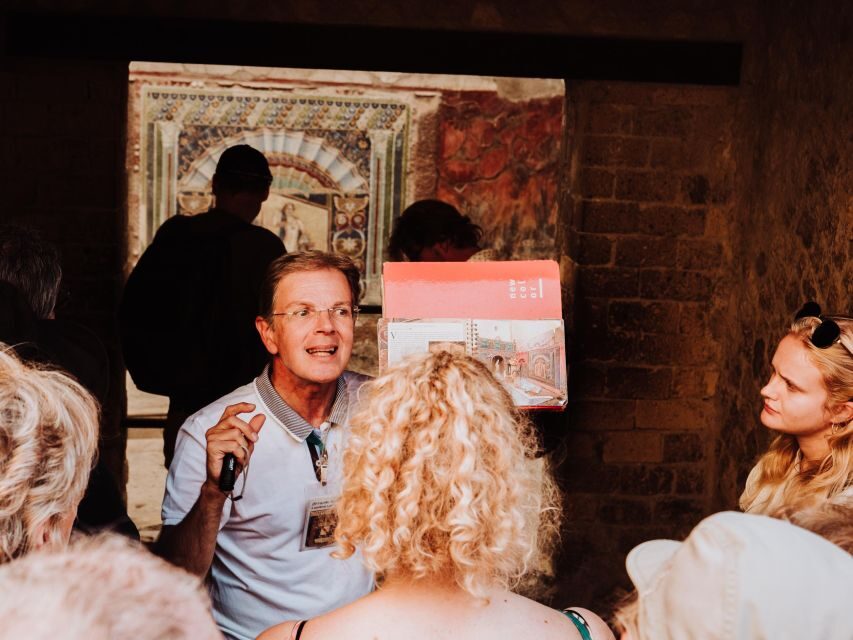
Your route also includes major highlights like the bakery and the Terrace of Marcus Nonius Balbus. These stops add two different angles to your understanding.
A bakery reminds you that cities run on food production and distribution, not just politics and big parties. A terrace connected to a named figure brings the “status” side into focus—how people used space for display and influence. When you connect these areas, the city stops being a collection of famous rooms and starts becoming a working system.
House of Skeletons and the beach: the human cost
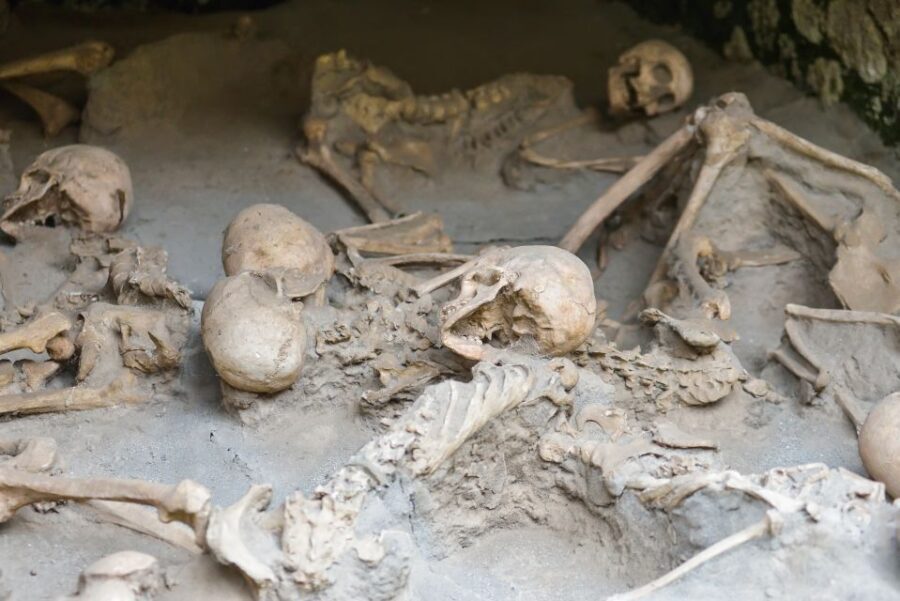
This part is heavy, and the tour doesn’t shy away from it. You’ll visit the House of Skeletons, and you’ll also see the beach area where hundreds of victims were discovered.
I like how this is handled as part of the site story, not a separate shock stop. When your guide has already explained the mechanics of preservation and the eruption’s impact, the human remains don’t feel like a jump scare. They feel like the final page of a disaster that cut off normal life.
If you’re sensitive to emotional content, you can also pace yourself during this section. Because the tour is private, you have more control over how quickly you move through the most intense moments.
Sacellum of the Augustales: belief in a city under threat
The Sacellum of The Augustales rounds out the tour by returning you to something Roman towns had in common: public religious life. Even if you’re not a Roman history specialist, a guided stop here helps you understand that faith wasn’t only about grand temples. It also lived in smaller, organized spaces tied to civic groups and roles.
This is a good contrast after the domestic and street-focused rooms. It helps you see how varied the city’s spaces were—and how the eruption reached every part of civic life, not just homes.
Price and value: what you’re really paying for
The tour costs $317.76 per group (up to 1). That sounds steep until you break down what’s included. Admission to Herculaneum is included (16.00 euros each), and you also get a licensed archaeologist guide. Since transportation isn’t included, what you are buying is access + expertise + a timed route that hits the big rooms efficiently.
So the real question is: do you want an expert explaining what you’re seeing, while you walk? If you’re the kind of person who reads signs and then still wonders what matters most, a private guide is often the best value. If you’d rather wander independently and take your time at your own speed, this format may feel limiting.
Also remember the tour is about highlights, not an all-day dig. If you have a tight schedule and want your time to count, it’s a smart match. If you’re visiting with plenty of time and you enjoy quiet, unguided exploring, you might prefer a longer self-paced visit.
Who this private tour suits best
This tour fits best if you want:
- A guided explanation from an archaeologist, not just a casual walkthrough.
- A short visit that still covers the essential stops, including both public spaces and private rooms.
- An engaging guide style—names like Antonio and Luciano show up as example leaders known for keeping things interesting, including for younger visitors.
- The emotional context of the House of Skeletons and the beach, with guidance that keeps it coherent.
It may be less ideal if you:
- Prefer to linger for long periods in just one or two rooms.
- Have mobility constraints and need extra clarity on accessibility. The information is mixed: it’s listed as wheelchair accessible, yet it also notes not suitable for wheelchair users.
A practical checklist for your walk
Bring comfortable shoes. You’ll be walking through archaeological areas where stability and footing matter. Oversize luggage isn’t allowed, so travel light if you can.
Weather matters too, even if the tour isn’t focused on it. One of the guide strengths is trying to keep you in the shade when possible, and that’s a real comfort issue at outdoor sites.
If you’re going on the first Sunday of the month, note the entry angle: it’s free of charge, but because tickets can’t be reserved ahead of time, entrance isn’t guaranteed. If that day matters to your plan, keep a backup approach in mind.
Should you book this Herculaneum private walking tour?
I’d book it if your priority is understanding what you’re seeing in a short window, especially the reason this site preserves so much Roman life. The combination of a licensed archaeologist guide, admission included, and a route through the Forum, major houses, the Thermopolium, and the House of Skeletons makes the experience efficient without feeling like it’s rushed for the sake of rushing.
Skip it if you want a long, slow walk with no time limits, or if you’re already totally set on independent exploration and don’t care much about guided context. Also double-check accessibility details for your situation, because the notes on wheelchair fit are inconsistent.
If you land in the middle—short on time, curious about how Romans actually lived, and willing to be moved by the disaster story—this private format is a strong match.
FAQ
How long is the Herculaneum private walking tour?
The tour lasts about 2 hours.
Is this tour private?
Yes. It’s a private group.
What’s included in the price?
Included are a licensed archeologist guide and admission fees to Herculaneum (16.00 euros each).
Do you skip the ticket line?
Yes, the tour includes skipping the ticket line.
Where does the tour start and end?
It starts at a meeting point that may vary by the option booked, and it ends back at the meeting point.
What languages are available for the guide?
The guide can operate in Italian, Spanish, English, Japanese, Russian, French, Portuguese, Chinese, and German.
What should I bring, and what’s not allowed?
Bring comfortable shoes. Oversize luggage is not allowed.
Is entrance free on the first Sunday of the month?
Entrance is free on the first Sunday of each month, but because tickets can’t be reserved ahead of time, entry is not guaranteed.
Is the tour wheelchair accessible?
The activity is listed as wheelchair accessible, but it also states it is not suitable for wheelchair users. You should verify which applies to your needs before booking.