REVIEW · NAPLES
Pompeii with Wine Tasting and Lunch from Naples
Book on Viator →Operated by Napoli City Vision · Bookable on Viator
Wine, then ruins, with Vesuvius watching. I love the guided Pompeii walk that turns the big site into something you can actually follow, and I like that the day continues with a vineyard stroll, lunch, and wine tasting at Mt. Vesuvius. One catch to plan for: Pompeii entrance tickets are not included, so expect an extra cost on the day.
This is a smooth one-day combo built for limited time, with modern coach transport and live onboard commentary. The ruins and the vineyard walk are fully open air, it’s about 7 hours, and the tour caps at 30 people, which helps you move without feeling swallowed by a sea of strangers.
In This Review
- Key points before you go
- Naples-to-Pompeii: how the day actually runs
- Pompeii guided walk: what you’ll get out of the ruins
- The Cameos & Corals workshop stop (and why it can feel optional)
- Campania Ars Vinearia on Vesuvius: volcanic soil, farming, and wine
- Lunch and wine tasting: what the meal is like
- Transportation, group size, and comfort tips
- Price and value: is $130.33 actually a good deal?
- Who should book this Pompeii and Vesuvius wine day?
- Should you book it?
- FAQ
- Is Pompeii entrance included in the tour price?
- How long is the Pompeii with wine tasting and lunch tour?
- What is included in the lunch and wine tasting?
- Do I get a guide at Pompeii?
- Can I choose the start time based on where I’m staying?
- What is the vineyard portion like?
- Is this tour suitable for people with limited mobility?
Key points before you go
- A guided Pompeii route you can follow: you’re not just wandering; you get a structured walk through the highlights.
- Cameos & Corals workshop stop: a quick detour into Neapolitan craft, including carved sea-shell cameos.
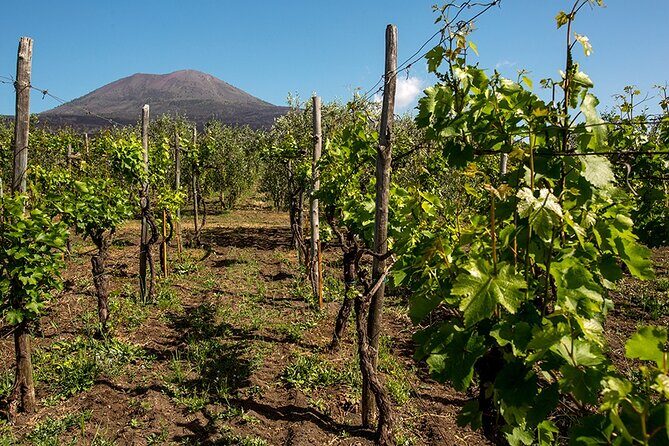
- Campania Ars Vinearia vineyard walk: you’ll learn how volcanic soil and plant variety affect the wine.
- Lunch with wine built into the meal: each course is served with a different wine.
- Real small-group feel: maximum 30 people, with guide support (and audio-guide support when groups are smaller).
- Budget extra for Pompeii tickets: tickets cost extra and vary by visitor type.
Naples-to-Pompeii: how the day actually runs
The day starts in Naples, with pickup coordinated around where you’re staying. That matters more than it sounds. When you can choose a start time that fits your lodging (or cruise port timing), you lose less time to transfers and waiting around in the city.
You’ll ride in a modern coach with an assistant on board offering live commentary. It’s a practical touch: by the time you reach Pompeii, you’re already primed on what you’re about to see, instead of staring at ruins with zero context. The tour is timed as a full day experience at roughly 7 hours, so it’s long enough to feel complete, but short enough to keep your energy for the next part of your trip.
This matters for value. A lot of Pompeii tours are either half-day history with no extras, or an all-day day trip that runs you ragged. This one tries to stitch the two big cravings together—ancient Roman sites plus Campania wine—without turning it into a three-bus slog.
One more reality check: this is a walking day. Pompeii involves uneven ground, and the vineyard part is outdoors the whole time. It’s listed as moderate physical fitness and not suited to people with walking difficulties. Wear shoes you can trust.
If you're still narrowing it down, here are other tours in Naples we've reviewed.
Pompeii guided walk: what you’ll get out of the ruins
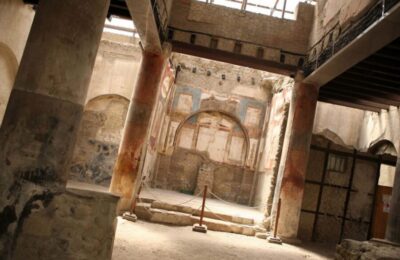
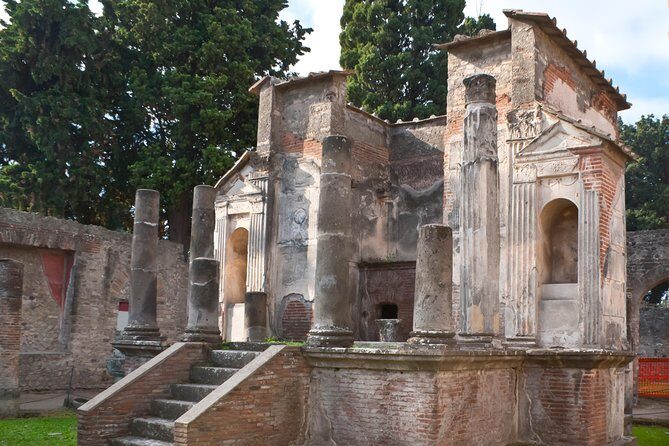
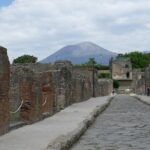
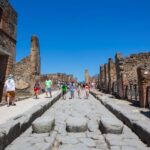
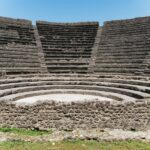
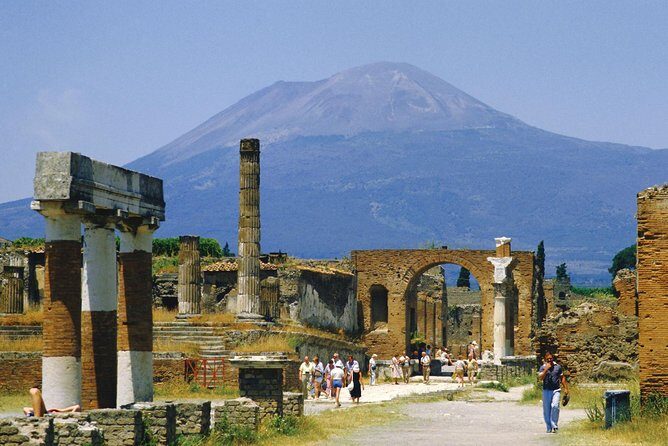
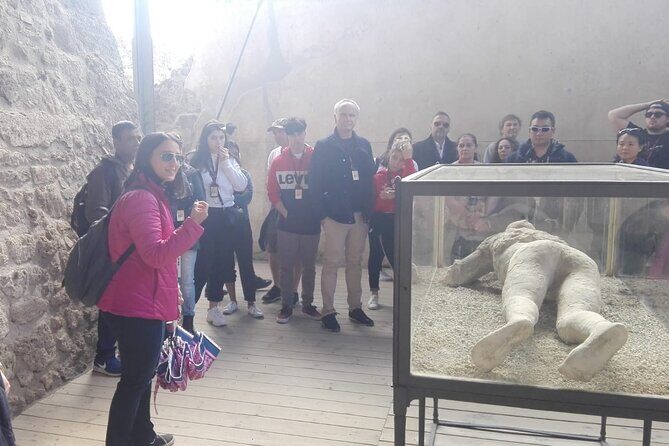
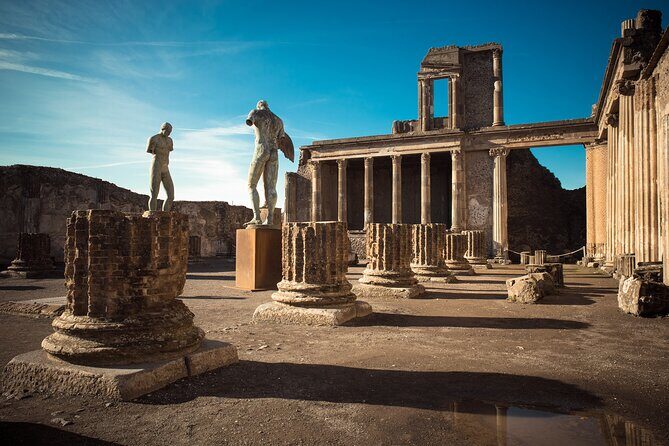
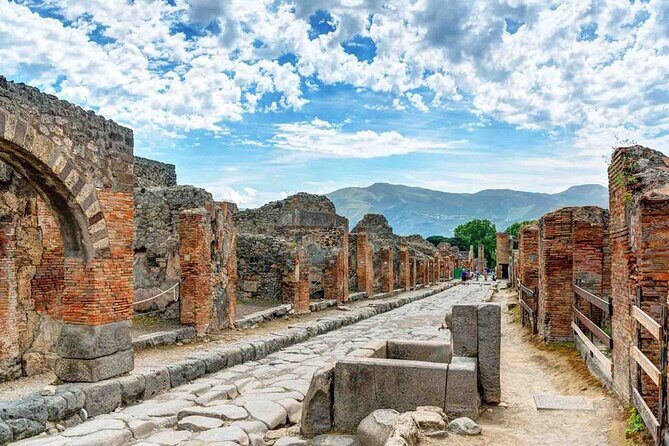
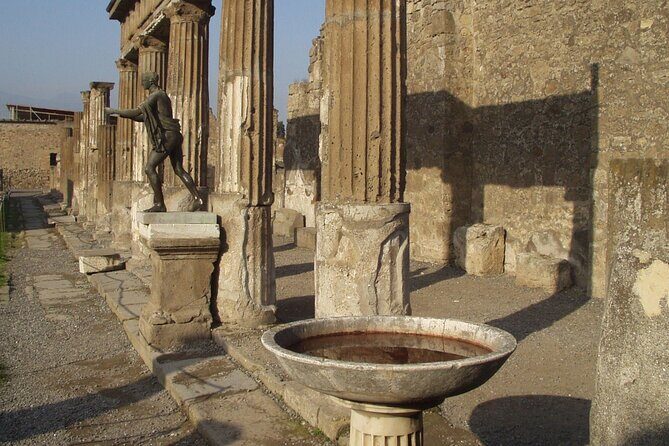
Pompeii is a UNESCO World Heritage Site for a reason. The city’s story runs from early settlement (dating back to the 6th century BC) to the catastrophic eruption in 79 AD, when Pompeii was buried under meters of ash within hours. That scale can feel abstract until someone helps you connect buildings, streets, and everyday life.
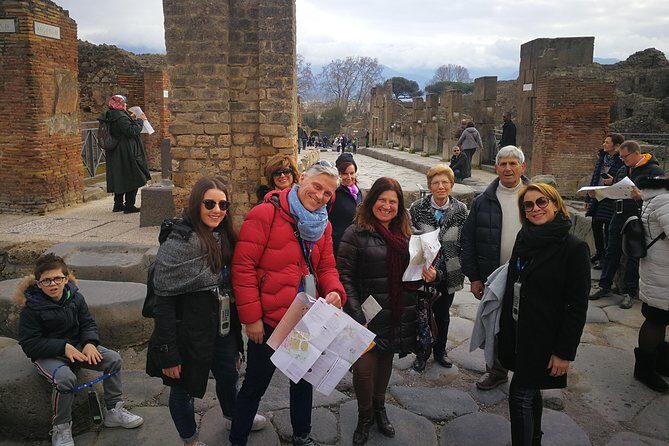
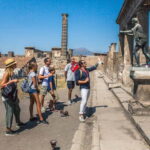
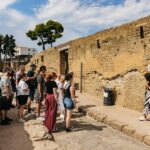
That’s the point of the guided walk here. You get a tour through Pompeii’s key areas led by a guide, designed around what the site is best at communicating. In practice, that means you’ll spend your time looking at meaningful parts of the ruins, not just collecting random photos.
Timing-wise, this portion is about a couple of hours. Several guides on the day are reported by name—Christian is one you might encounter, and you may also be led by people such as Fabio, Francesco, or other Pompeii guides. The guide style can matter at Pompeii because the site gets loud. If you’re sensitive to noise, try to position yourself closer to the front so you can actually hear.
Crowds are part of Pompeii. Even with a guide, you may share the space with other groups and guide calls competing with each other. It’s not a reason to skip Pompeii—just a reason to go in with the right expectations. If you want the calmest possible Pompeii visit, you may prefer a smaller group and earlier time. If you want a one-stop day that gets you the essentials plus lunch and wine, this fits well.
Tickets note (important): Pompeii entrance tickets are not included. The cost can vary, and the provided info lists a single ticket at 15 € (double-check current pricing for your exact situation on the official Pompeii site). Expect to pay extra unless you already have tickets sorted.
Restroom reality: at Pompeii, restroom conditions can be inconsistent. I’d plan like you’re going to need a quick stop, but not like you’re headed for a modern restroom facility.
The Cameos & Corals workshop stop (and why it can feel optional)
Between Pompeii and the vineyard part, there’s a stop for a craft workshop. The focus is cameos and corals, tied to Neapolitan traditions.
Cameos are described as carved sea shells featuring scenes of mythological deities. It’s a small cultural detour that helps the day feel more “Campania” than just monuments and food. If you like the idea of seeing how ancient themes show up in local art forms, this stop makes sense.
The drawback is time. Some people have described this as an unnecessary pause and mentioned longer waiting moments. In plain terms: it’s not the core of the day, so don’t build your expectations around it. Treat it as a bonus if it lines up with your interests.
Campania Ars Vinearia on Vesuvius: volcanic soil, farming, and wine
Now the best part for wine lovers: the day shifts from Roman ash to living vineyards.
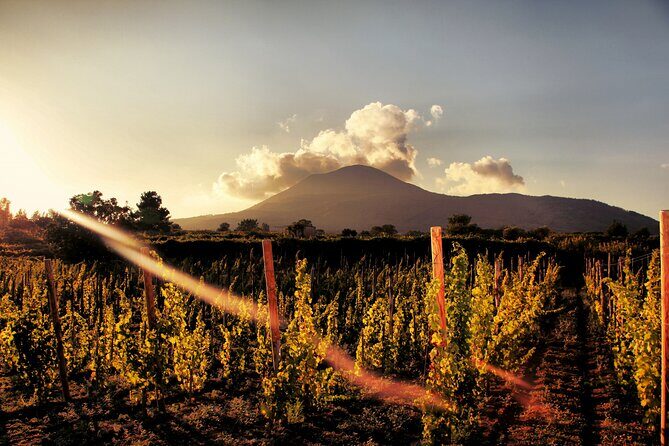
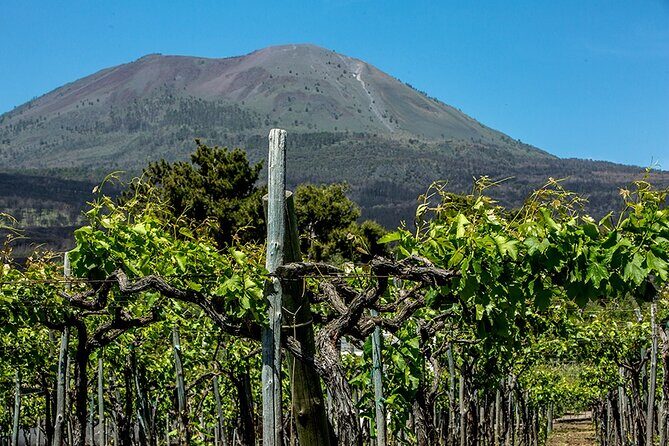
This tour takes you to Campania Ars Vinearia, vineyards planted on the slopes of Mt. Vesuvius. You’ll do a walk through the vineyard area while learning how the soil and plant mix affect the wine. Volcanic ground is the headline here, but the lesson goes further: how vines coexist with trees, plants, and herbs, plus how modern and traditional methods can both shape the final bottle.
The tour also connects the dots historically. The info provided notes that Greeks began farming vineyards on this volcanic soil, and that some early varieties still survive, including Aglianico. Even though winemaking methods and tastes have changed across centuries, the region’s long interest in wine stays constant.
In real-life terms, this vineyard walk is where you get your explanation before the tasting. You’re not handed wine and told to guess. You’re given a framework—what the environment does to the grapes and why that matters.
The setting is outdoors. If you’re doing this in warm weather, plan like it’ll be hot. The ruins have crowds and sun; vineyards have sun too. Bring water, a hat, and anything you normally use for sun protection.
Lunch and wine tasting: what the meal is like
At the winery, you get a Mediterranean lunch and wine tasting as part of the experience. The sample menu is:
- Starter: local cold cuts and cheeses
- Main: Spaghetti allo Scarpariello
- Dessert: local pastry
The key detail: each course is served with a different wine. That approach can make the meal feel more like a tasting experience rather than just a lunch with a glass of red on the side.
Some people also liked the way seating is handled. For example, family-style table service can make it easier to talk with other people at your table without needing to chase group conversations.
Now the balanced part: not everyone expects a full classroom-style wine lecture. Some reported that the wine education and pairing explanation could be lighter than they wanted, and a few noted missing a second tasting that was described in the overall experience. If your top priority is deep, structured wine education with lots of pairing detail, you might want to temper expectations. If your priority is great setting, good food, and a tasting that feels connected to the land, this hits the mark.
Also, the lunch includes local wines served with each course. That’s the practical value. You don’t have to figure out where to eat after Pompeii or worry about finding a winery reservation at the right time. You roll straight from ruins into a meal with a view.




Transportation, group size, and comfort tips
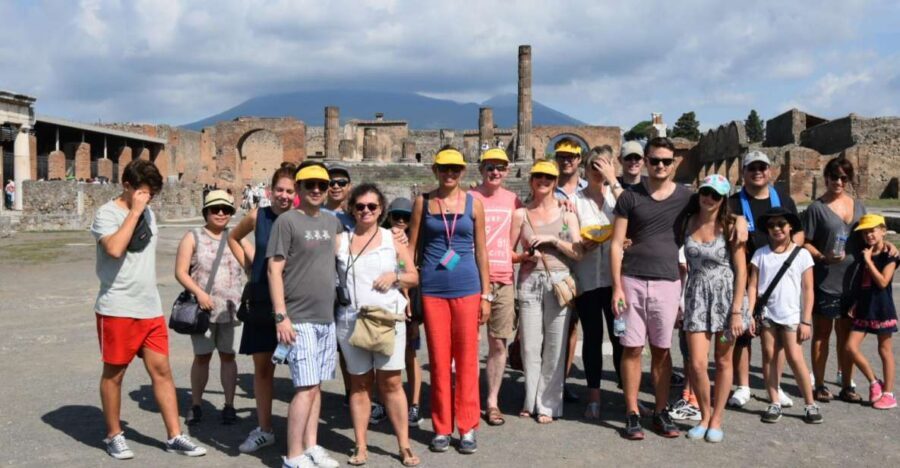
This tour runs with a maximum of 30 travelers, which is big enough for good logistics but small enough that you’re not constantly losing your group in a crowd. You’ll also have assistant help on board and guide direction on the ground.
You’ll be on modern coaches for transport. Still, comfort can be affected by heat and the specific bus assigned. One reported issue was a lack of A/C on the first bus, followed by an uncomfortable transfer when it was extremely hot. That’s not guaranteed, but it’s enough to plan for the possibility.
Here’s the practical way to show up ready:
- Wear comfortable shoes (Pompeii needs them).
- Dress for heat, but expect sun exposure in both the ruins and vineyard.
- Bring a hat and water. Pompeii has little shade, and summer heat can be intense.
- If you’re easily bothered by noise, try to get closer to the Pompeii guide at key points so you can actually hear over other groups.
If you’re traveling from a cruise port or a timed schedule, the organized pickup and return can be a huge deal. People specifically liked punctual pickup and the sense that the day used time efficiently.
Price and value: is $130.33 actually a good deal?
At $130.33 per person, this tour is best understood as a package. You’re paying for:
- coach transport
- live onboard assistant commentary
- guide and walking tours in Pompeii and the vineyards
- lunch
- wine tasting
- a winery visit tied to Mt. Vesuvius
What’s not included is Pompeii entrance tickets. The provided info lists a single entrance ticket cost of 15 € at the time of reference, with ticket price potentially varying based on age, nationality, profession, or special events. If you’re budgeting, treat Pompeii tickets as an add-on.
Does that reduce the value? Not necessarily. Pompeii access costs money either way, and the tour’s value comes from what you don’t have to arrange: guides for Pompeii and vineyards, plus the lunch and tasting in a set timeline that keeps you from hunting for reservations.
Where it’s strongest:
- If you want Pompeii plus wine and lunch in one day.
- If you’d rather pay for structure than coordinate transportation and meals.
- If you like the idea of a guided Pompeii route and a vineyard walk with context.
Where it may feel less ideal:
- If you want a deeper wine-education program with lots of pairing explanation and multiple tastings.
- If you hate extra costs you must pay on arrival (because Pompeii tickets are not bundled).
Who should book this Pompeii and Vesuvius wine day?
Book this if you want a day that combines two big Campania experiences without forcing you to stitch everything together yourself.
You’ll likely enjoy it most if:
- Pompeii is a must-do and you want a guide to make it readable.
- Wine tasting and a winery lunch are part of your travel priorities.
- You like guided walking days but you’re not trying to do everything independently.
You might skip or switch to another option if:
- You need step-by-step accessibility accommodations for walking difficulty (this one isn’t designed for that).
- You strongly prefer very quiet, uncrowded site time.
- You expect serious wine instruction that teaches you the why behind every pour, not just the experience of tasting in a vineyard setting.
Should you book it?
Yes—if you want an efficient, guided Pompeii + Vesuvius winery combination and you’ll be happy with a tasting that’s more experience-based than classroom-based. Plan for extra Pompeii ticket cost, and show up ready for open-air sun and walking.
If your idea of the perfect Pompeii day is maximum quiet and minimum crowds, then you might feel more satisfied with a different format. But if you want a single full day that hits ancient ruins, craft culture, and a vineyard lunch with wine, this one is a strong fit for most schedules.
FAQ
Is Pompeii entrance included in the tour price?
No. Pompeii entrance tickets are not included, and the fee can vary by visitor category. The provided info lists a single ticket cost of 15 € as a reference point, but you should check the official Pompeii ruins website for the latest details.
How long is the Pompeii with wine tasting and lunch tour?
The duration is listed at about 7 hours.
What is included in the lunch and wine tasting?
Lunch is Mediterranean-style and includes a starter, main, and dessert. Each course is served with a different kind of wine, and wine tasting is included as part of the winery portion.
Do I get a guide at Pompeii?
You’ll have a Pompeii tour guide or an audio guide. The provided info notes that Pompeii visits are led by a tour guide with a minimum group size, and when the group is under that number, audio-guides are provided.
Can I choose the start time based on where I’m staying?
Yes. The tour offers start times based on the hotel pickup location you’d like.
What is the vineyard portion like?
You’ll take a walking tour of the local vineyards at Campania Ars Vinearia, learning about the volcanic soil and how vines coexist with other plants and trees, and how traditional and modern techniques affect the wine.
Is this tour suitable for people with limited mobility?
No. It’s not suitable for passengers with walking difficulties, and it’s described as requiring moderate physical fitness due to open-air walking at Pompeii and the vineyards.