REVIEW · NAPLES
Naples: Pompeii and Herculaneum Private Walking Tour
Book on GetYourGuide →Operated by Askos Tours · Bookable on GetYourGuide
Hard to believe these streets survived.
This is the kind of Naples day trip that hits hard because Herculaneum is so well preserved and you can actually see second storeys and even carbonized wooden objects in the ruins. I also like that the tour then widens your view with Pompeii’s larger layout, so you get the feel of how Romans lived—public buildings, homes, and shops—rather than just a quick highlights loop. One thing to consider: this is a walking-focused outing in serious heat, so come ready for lots of sun and bring water.
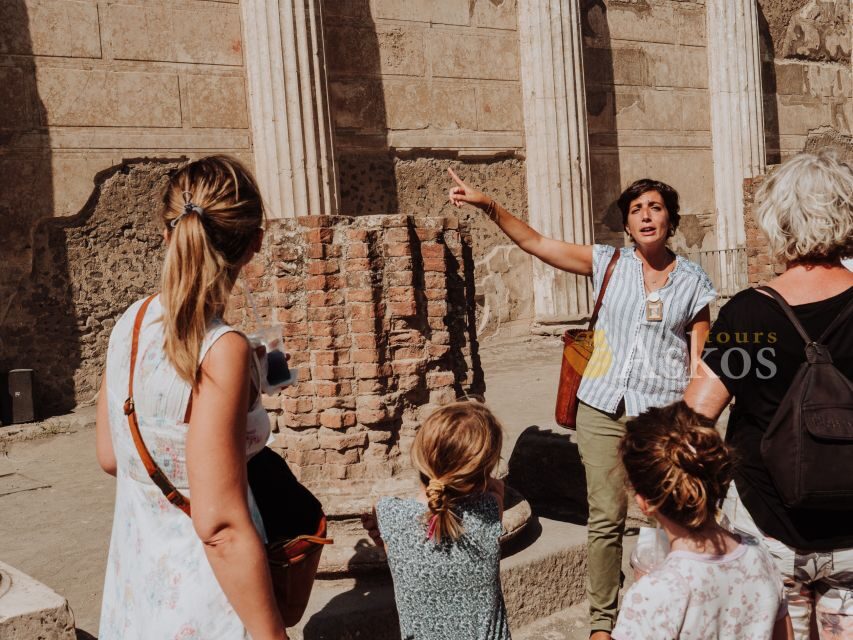
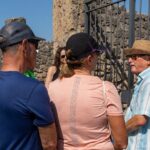
The best part is the human one: you meet your guide at the Herculaneum ticket office, and they hold a sign with your name. In past tours (including guides like Michele, Giulia, and Jasmine), the energy stays focused on making the places make sense fast, especially when you can ask questions as you walk. You’ll also get skip-the-line entry, which helps you spend more time looking up at frescoes and mosaics and less time standing around.
Plan for a straight-up, practical 5.5-hour experience: you’ll spend 2 hours guided in Herculaneum and 2 hours guided in Pompeii, plus time for moving between key areas. The tour isn’t suitable for wheelchair users, and you’re asked not to bring umbrellas or backpacks—so pack light, wear comfortable shoes, and add a sun hat to your list.
In This Review
- Key Things I’d Watch For on This Pompeii and Herculaneum Tour
- Why Herculaneum and Pompeii Feel Like Two Different Time Machines
- Meeting Point and Timing: Turning 5.5 Hours into Real Sightseeing
- Herculaneum First: Why This City Looks More Like a Snapshot
- Pompeii Second: Western Pompeii and the Roman Life You Can Actually See
- Private Guide Payoff: When Names Like Giulia or Paulo Matter
- Price and Value: What $331.36 Buys You in Campania
- What to Bring (and What to Leave at Home) for Ruins Day
- Not Wheelchair Friendly, but Great for Fit Walkers
- First Sunday Free Entry: A Small Detail That Can Change Your Plans
- Who Should Book This Private Walking Tour of Pompeii and Herculaneum
- Should You Book It?
- FAQ
- Where does the tour start?
- How long is the tour?
- How much guided time do you get at each site?
- Are entrance tickets included?
- Is transportation included?
- Is the tour private?
- Which languages are available for the guide?
- What should I bring?
- What items are not allowed?
- Is it wheelchair accessible?
- Is there a free entry day?
Key Things I’d Watch For on This Pompeii and Herculaneum Tour
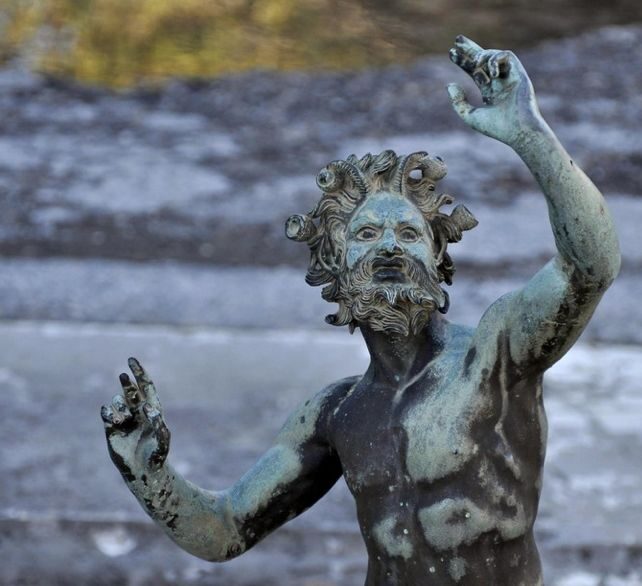
- Herculaneum’s mud burial is the real star: Pompeii was buried under ash roughly 4 to 5 meters deep, but Herculaneum was covered by a mud avalanche about 20 meters thick, which is why so much looks intact.
- Second storeys and wall art are still visible: You can see higher levels, plus carbonized wooden items, intact paintings, and mosaics.
- Pompeii is focused on the western part: You won’t see every corner, but you do get the main public buildings and a representative slice of homes and shops.
- Private guiding changes the whole visit: Guides (like Paulo, Maria Laura, and Alexander) are a big reason this runs as more than a self-guided wander.
- No food or drink is included: You’ll want to plan your timing so you’re not searching for snacks mid-ruins.
- Expect heat and steady walking: Even when you’re excited, your body will still be doing the work.
Why Herculaneum and Pompeii Feel Like Two Different Time Machines
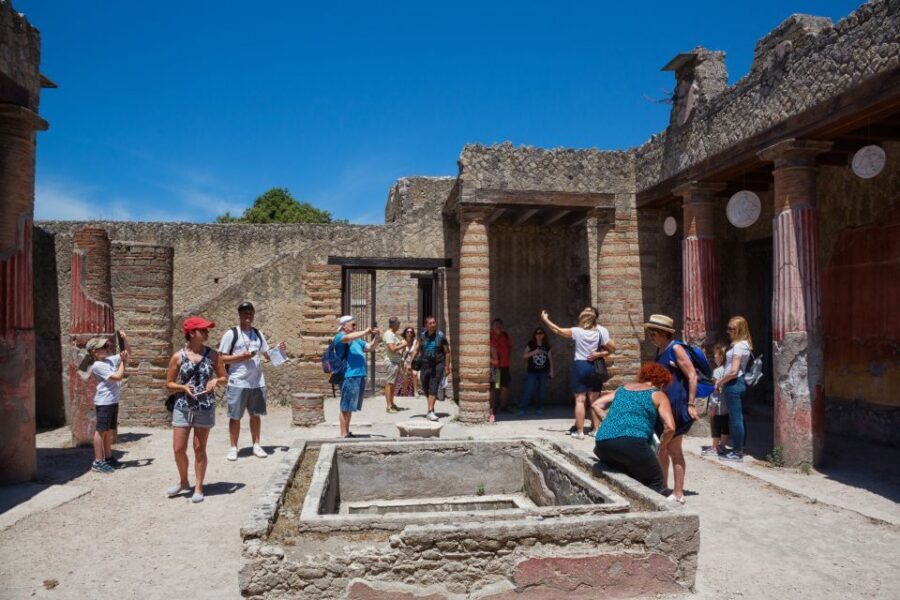
People lump Pompeii and Herculaneum together, but that’s not fair to either one. Pompeii is large, lively in layout, and easier to imagine as a real city because it stretches across a bigger footprint. Herculaneum is smaller, and that difference matters. The ruins don’t just look good—they feel easier to read, like the city got paused.
Here’s the key contrast: Pompeii was buried under volcanic ash (roughly 4 to 5 meters), while Herculaneum was swallowed by a thicker mud flow (around 20 meters). That extra weight and the way it settled is what helps explain why you can still see so much in Herculaneum—second storeys, carbonized wooden objects, and wall art like mosaics and paintings.
That preservation does something psychological in a good way. Instead of guessing what you’re looking at, you’re often seeing enough detail that you can picture daily life: where people worked, how rooms were arranged, how buildings held up. It’s not just spectacle. It’s like the ruins are doing half the storytelling, and your guide fills in the rest.
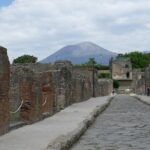
Then Pompeii comes in like the sequel. You’ll walk through the western area with a guide, focusing on major public buildings and representative homes and shops. The result is a “before and after” feeling that’s hard to get with one site alone.
If you're still narrowing it down, here are other tours in Naples we've reviewed.
Meeting Point and Timing: Turning 5.5 Hours into Real Sightseeing
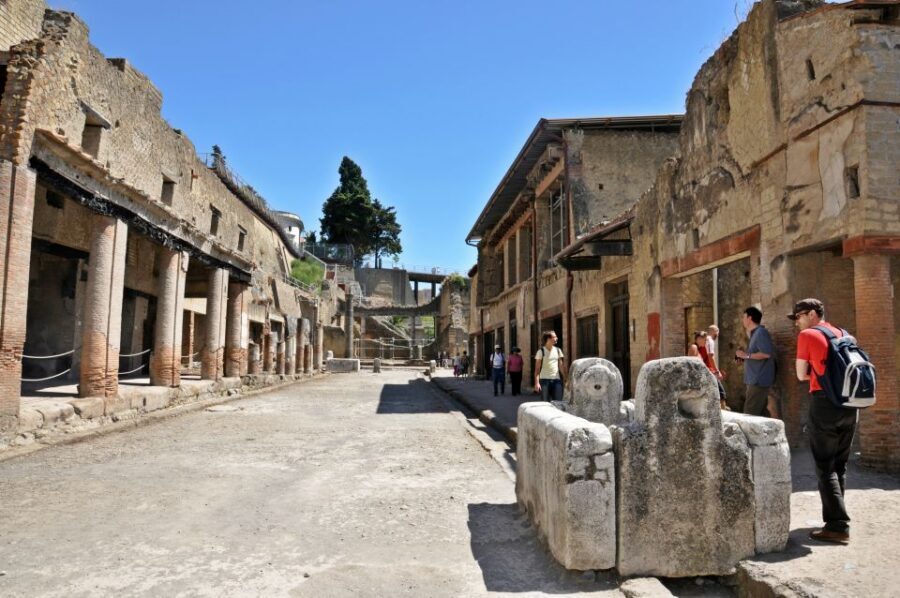
This tour is built to give you two guided ruin blocks without turning the day into a marathon. You’ll meet at the ticket office of Herculaneum Ruins, and the guide meets you at the entrance gate with a name sign. It’s a small detail, but it matters on busy ruin days: you avoid the awkward five-minute panic hunt.
The total duration is listed as 5.5 hours, and that timing is based on two guided stops—2 hours in Herculaneum and 2 hours in Pompeii—plus time to move through the sites and get your bearings. Starting times vary, so check availability before you lock in your day. If you’re arriving from Naples, give yourself buffer time so you’re not rushing straight into sun and stone.
One logistics reality: transportation isn’t included. So you’ll need a plan for getting to the start point and handling the return. The good news is that the tour ends back at the meeting point, which keeps the end-of-day routing simpler.
Also note what you can’t bring: umbrellas and backpacks are not allowed. That affects what you carry between ruins. If you’re used to having a big day bag, switch to something slimmer. I’d rather you have a small crossbody and the basics than be slowed down at every check-in.
Herculaneum First: Why This City Looks More Like a Snapshot
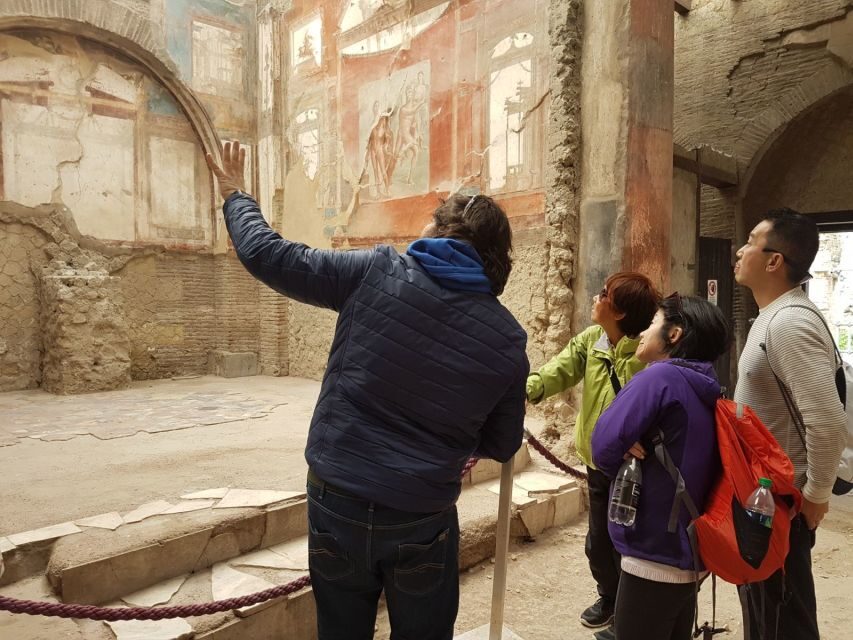
Starting with Herculaneum is a smart move because it sets expectations. Your guide’s job here is to help you read the city’s structure, not just point at walls. With Herculaneum, the ruins are smaller but richer in visible detail. That means you spend your guide time where it pays off most.
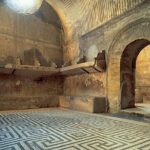
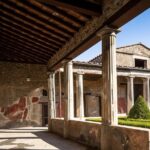
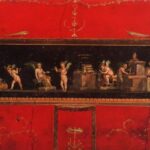
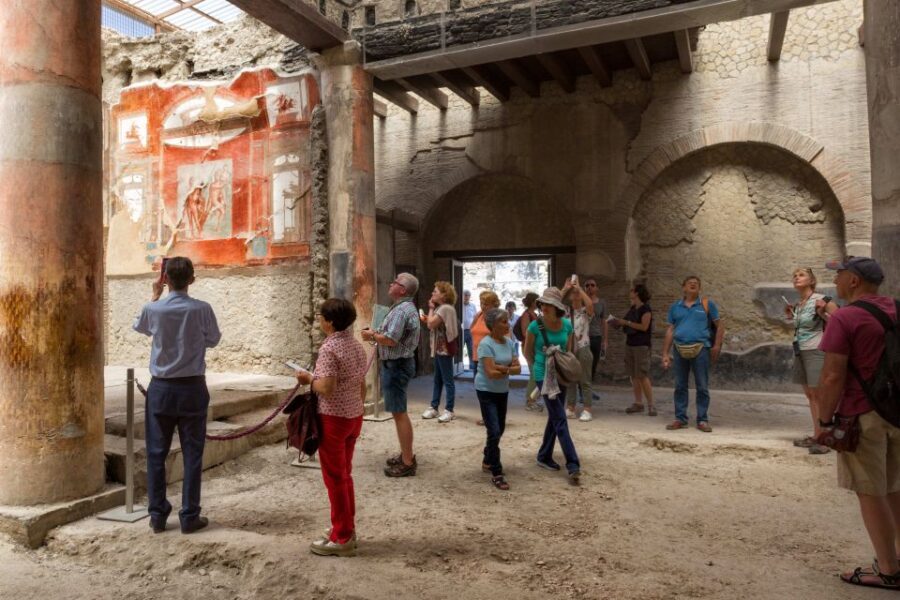
What makes Herculaneum special is the level of preservation. You’re not only seeing floors and exterior walls—you’re getting glimpses of how buildings rose upward (including second storeys). You’ll also see evidence like carbonized wooden objects, plus intact paintings and mosaics. Those details are exactly why this feels like walking through a paused moment instead of a broken foundation.
During the guided portion, you should expect an explanation that makes the place come back to life. The tour is designed so Herculaneum’s story isn’t just impressive; it’s understandable. Your guide will help connect what you’re seeing to what Roman life looked like before the eruption.
A possible drawback? Herculaneum can feel so complete that you might want more time. Still, the 2-hour guided window is usually enough to see the major highlights without turning it into a fatigue-fest. If you’re the type who reads every inscription and wants to photograph every mosaic, wear good shoes and keep a relaxed pace—this is a place where you’ll want to linger, but you’ve got two sites today.
Pompeii Second: Western Pompeii and the Roman Life You Can Actually See
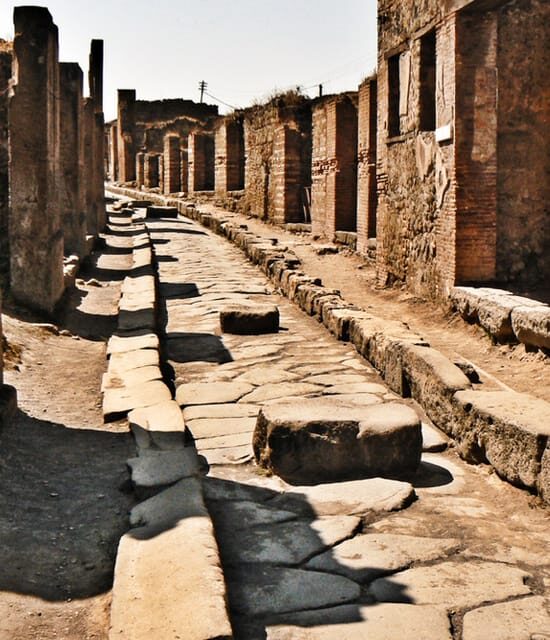
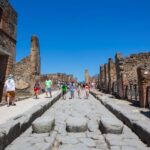
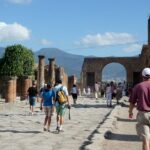
After Herculaneum, Pompeii can feel like a different kind of experience. Bigger. Busier in layout. More things to look at. The tour focuses on the western part of the ancient town, which is a practical choice. You get major public buildings and also see homes and shops, so the story includes both the civic world and daily economic life.
This is where your guide really helps. Pompeii is famous, but it’s also easy to look at stone and feel like you’re missing the plot. A good guide keeps you oriented: where you are in the city, what building you’re seeing, and what Romans used it for.
You’ll get to experience Pompeii as something close to its heyday, not just as a tragedy. The best tours do this by mixing what the site shows with what it implies. Public buildings help you understand civic order, while private houses and shop fronts make the everyday feel real. The western route keeps it manageable while still giving you a coherent view.
One thing to plan for: Pompeii’s size means you’ll likely move more than you expect, especially under hot sun. If you’re sensitive to heat, aim for a time of day that gives you the best light without the worst temperatures. And yes, you’ll want water and a hat.
Private Guide Payoff: When Names Like Giulia or Paulo Matter
A private guide isn’t automatically better. It’s better when they’re good at translation: turning ruins into a story you can picture.
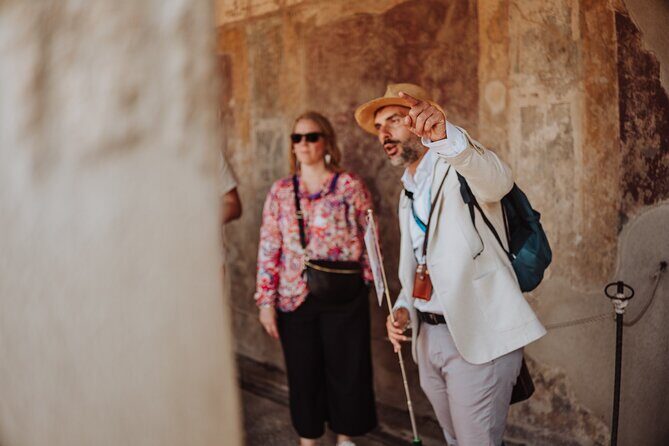
From the guide examples linked to this tour, you can see the pattern. Michele gets praised for thorough knowledge. Giulia is mentioned for being engaging and even funny in a way that keeps you comfortable asking questions. Jasmine is called out for lots of detail and for answering questions effectively. Paulo is highlighted for making it easy to imagine Roman life. Maria Laura and Alexander are also credited for detailed explanations.
What that usually means for you: you spend less time wondering what something is and more time enjoying it. Your guide isn’t just reciting dates. They’re guiding you through how the city worked—how people lived, what the spaces were for, and why certain details survived in one city more than the other.
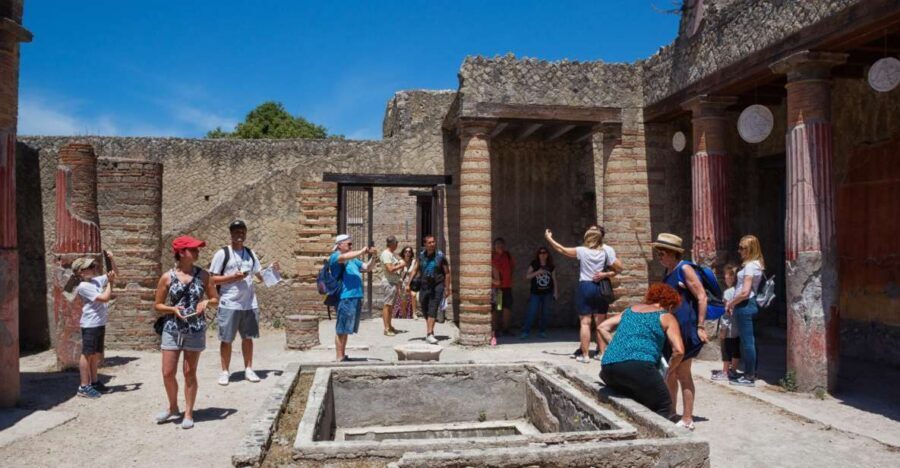
And because it’s a private group, the pacing can stay humane. You can ask follow-up questions instead of hoping your curiosity fits into a group schedule. If you’re traveling with family or friends who all want to stop and look, this format helps.



Price and Value: What $331.36 Buys You in Campania
At $331.36 per person, this is not a casual deal. You should expect to pay for a live private guide, skip-the-line handling, and paid entry components.
Here’s where the value logic comes in:
- You get a full guide block in both sites, not one and done.
- Herculaneum entrance tickets are included (16.00 euros each is specifically listed), and Pompeii entry via Pompeii Express is also included.
- Your guide time is essentially the expensive part, because it turns ruins into an understandable experience.
If you were doing this on your own, you could buy tickets and walk in. But without a guide, you’re spending a lot of energy figuring things out on the fly—what you’re looking at, where you are, and how the pieces connect. This tour pays you back in clarity, time saved, and fewer wasted moments wandering without context.
Also, you’re paying for the convenience of skipping the ticket line. That matters in high-demand areas where delays cut right into your sightseeing time.
What to Bring (and What to Leave at Home) for Ruins Day
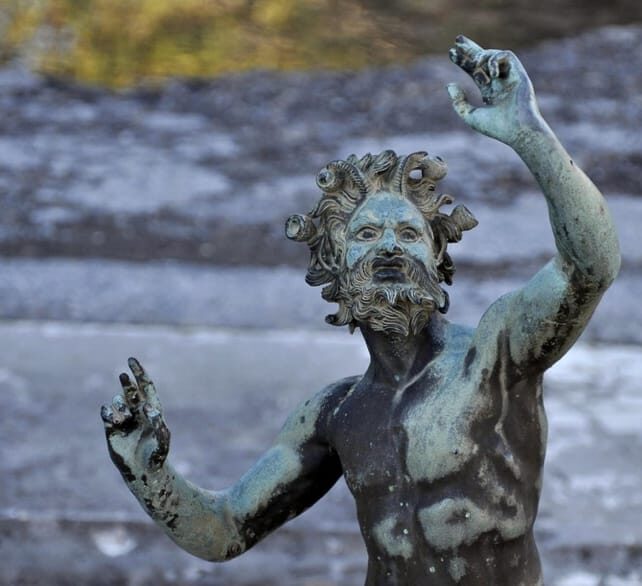
The tour gives a clear packing reality check. Bring:
- Passport or ID card
- Comfortable shoes
- Sun hat
- Water
Leave behind:
- Umbrellas
- Backpacks
That ruleset shapes how you should pack. A backpack tends to be the first thing you instinctively throw on for a long day, but if it’s not allowed, you’ll feel the scramble. Keep what you need in a smaller bag or something you can manage without stuffing up your arms.
One extra tip: aim to have your water within easy reach. These sites can be deceptively tiring. If you’re overheating, your attention drops, and you miss the details your guide is trying to point out.
Not Wheelchair Friendly, but Great for Fit Walkers
This tour is listed as not suitable for wheelchair users. So if mobility is a concern, you’ll need to look for an alternative option that explicitly accommodates it.
If you can walk comfortably and enjoy a guided pace, this fits well. It’s also a good match if you like structure—two guided ruin experiences with clear time blocks—rather than “start anytime and see what happens.”
The tour is also offered in many languages (Spanish, English, Italian, French, German, Russian, Chinese, Japanese, Portuguese). That’s a big practical advantage if you want real conversation, not just a basic audio guide.
First Sunday Free Entry: A Small Detail That Can Change Your Plans
There’s a day-of advantage hidden in the information. On the first Sunday of each month, entrance is free. But you can’t reserve entry ahead of time, so entry is not guaranteed. In other words: don’t build your whole schedule around that hope unless you’ve got a Plan B.
If you’re going on a date that’s close to that first Sunday, decide whether you prefer certainty (book a scheduled paid entry) or the chance to save money at the risk of missing entry.
Who Should Book This Private Walking Tour of Pompeii and Herculaneum
I’d point you toward this tour if you want:
- Herculaneum’s preservation with real context, not just photos
- Pompeii coverage focused on major public buildings and everyday spaces
- A private guide who can answer questions as you go
- A structured day that fits into about 5.5 hours
You might consider another format if you:
- Need wheelchair accessibility (this one isn’t suitable)
- Don’t like walking and sun exposure
- Want unlimited time in every area (this tour is timed for two sites)
For couples, friends, and families who want the story made clear, it’s a strong option. It also works well if your group is split between people who love ruins and people who need a little help connecting them to real Roman life—because the guide is exactly the bridge.
Should You Book It?
If you’re choosing between a self-guided route and paying for a private guide, this is one of the better cases to pay. You’re getting two guided ruins experiences in one day, with skip-the-line help and enough time to actually learn what you’re seeing. Herculaneum’s preserved details—second storeys, mosaics, paintings, and those striking survival clues—are exactly the kind of thing you want explained.
Just make sure you’re ready for the basics: comfortable shoes, water, hat, and heat. And since no backpacks or umbrellas are allowed, pack light and smart. If you do those things, this tour is a clear, practical way to turn Naples into a really meaningful ancient-day experience.
FAQ
Where does the tour start?
The tour meets at the ticket office of Herculaneum Ruins. The guide meets you at the entrance gate holding a sign with your name on it.
How long is the tour?
The duration is listed as 5.5 hours. Starting times depend on availability.
How much guided time do you get at each site?
You get a guided tour of Herculaneum for 2 hours and a guided tour of Pompeii for 2 hours.
Are entrance tickets included?
Yes. Entrance tickets for Herculaneum Ruins are included (16,00 euros each), and Pompeii Express entrance tickets to Pompeii are included.
Is transportation included?
No. Transportation is not included.
Is the tour private?
Yes. It’s described as a private group with a live tour guide.
Which languages are available for the guide?
Spanish, English, Italian, French, German, Russian, Chinese, Japanese, and Portuguese are listed.
What should I bring?
Bring your passport or ID card, comfortable shoes, a sun hat, and water.
What items are not allowed?
Umbrellas and backpacks are not allowed.
Is it wheelchair accessible?
No, it is not suitable for wheelchair users.
Is there a free entry day?
Yes. On the first Sunday of each month, entrance is free, but tickets can’t be reserved ahead of time, so entry is not guaranteed.