REVIEW · ARCHAEOLOGICAL SITE OF HERCULANEUM
Herculaneum: Tickets & Tour with a Local Archaeologist
Book on GetYourGuide →Operated by Grand Tour Experience · Bookable on GetYourGuide
Herculaneum reads like a crime scene from 79 AD. This 2-hour tour takes you into one of the world’s most remarkably preserved Roman towns, where volcanic burial kept more than stone—things like wood and daily-life details. I like that you get skip-the-line access and a licensed archaeologist guide, so you don’t waste time guessing what you’re looking at.
Two things I love most. First, walking through original streets and stepping into rooms with frescoes and mosaics makes the past feel concrete, not abstract. Second, the guide helps you understand the story behind the skeletons—so you see the human tragedy without it turning into a shock-fest.
One drawback to consider: the tour is short, and it moves from site to site. Also, if you’re bringing kids, you may want to choose your language carefully—some past groups have struggled to follow when an accent was strong.
In This Review
- Key points that matter
- Herculaneum’s Survival Trick: Why This Site Feels So Personal
- Biglietteria Ercolano Start: How the Tour Kicks Off
- Casa dei Cervi (House of the Deer): Why Villas Here Matter
- Casa di Nettuno ed Anfitrite: Fossilized Art and Everyday Taste
- Sacellum of the Augustales: When Religion Shows Up in Street Level
- House of Skeletons: The Moment the Past Turns Personal
- Casa dell’Albergo and the Main Walk: Baths, Streets, and Real City Life
- Roman Engineering You Can See: Water Systems and Layout
- Pace, Language, and Practical Tips for Hearing the Archaeology
- Price and Value: Is $58 Worth 2 Hours with an Archaeologist?
- Who Should Book This Tour (and Who Might Want a Different Plan)
- Should You Book This Herculaneum Archaeologist Tour?
- FAQ
- How long is the Herculaneum tickets and tour with a local archaeologist?
- Where do I meet for the tour?
- Is skip-the-line access included?
- Do I get a headset?
- Are there guided tours led by a licensed archaeologist?
- What languages are available?
- Is hotel pickup or drop-off included?
- Are food and drinks included?
- What should I bring to the tour?
- Is the tour wheelchair accessible?
- FAQ
- What is the cancellation policy?
- Is there a reserve now and pay later option?
- How much does the tour cost?
- Is a private group available?
Key points that matter
- Skip-the-line entry so you start your walk at Biglietteria Ercolano without the wait
- Licensed archaeologist guidance that explains what you’re seeing and why it survived
- Extra-preserved homes and art (frescoes, mosaics) that feel shockingly intact
- House of Skeletons and the tragedy of 79 AD handled with context and care
- Headsets for bigger groups if the tour expands beyond 11 people
- A more intimate feel than Pompeii, with time to actually look
Herculaneum’s Survival Trick: Why This Site Feels So Personal
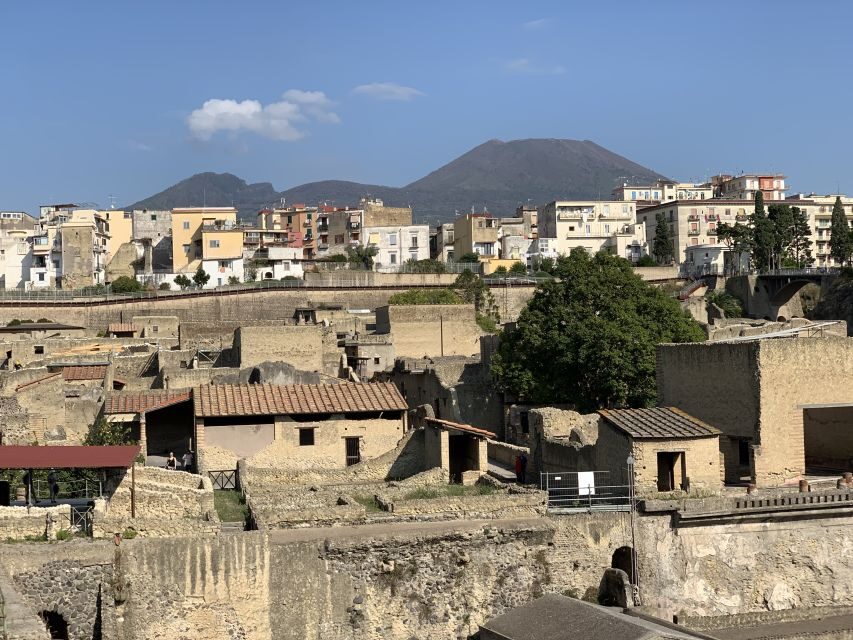
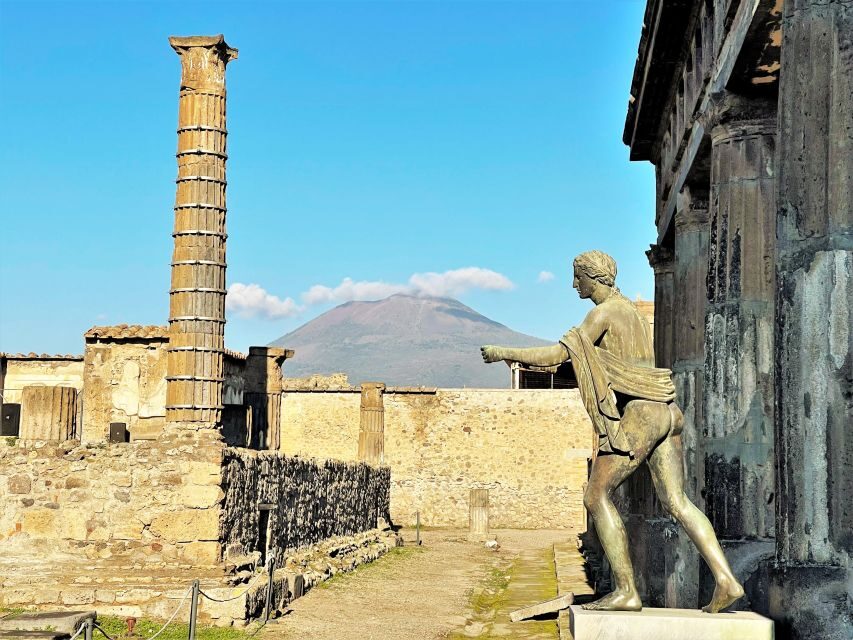
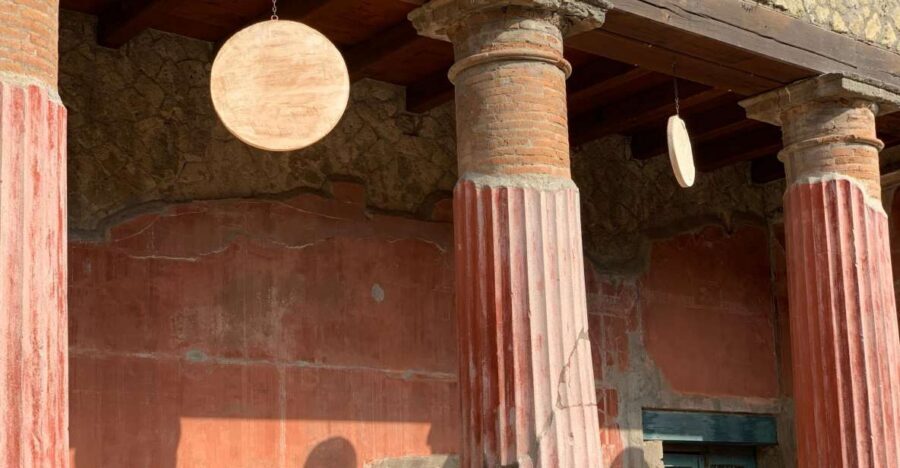
The whole draw of Herculaneum is the way it was buried. When Mount Vesuvius erupted in 79 AD, this seaside town was covered by volcanic material, and the unusual burial conditions helped preserve far more than you’d expect. That means you can still sense daily life, not just admire broken columns.
Compared with Pompeii, Herculaneum often lands differently in your mind because the scale feels more human. You walk through spaces where wooden doors, beds, furniture, and even carbonized food have been found, and the town’s final moments are remembered in the places people fell. It’s a lot to take in, which is exactly why a good guide helps.
If you're still narrowing it down, here are other tours in Archaeological Site Of Herculaneum we've reviewed.
Biglietteria Ercolano Start: How the Tour Kicks Off
Your tour begins at the Biglietteria Ercolano ticket office. Plan to arrive about 10 minutes early, not 20 minutes late—this is one of those tours where you want to be ready the moment the group gathers.
From the start, the format is built for focus. You’ll have a live guide (with languages including Spanish, English, Italian, and French), and if the group gets larger—over 11 people—you’re given a headset so you can hear the archaeologist clearly. That matters because the best parts of Herculaneum are easy to miss if you’re only half-listening.
The tour runs about 2 hours, so the beginning sets expectations: you’ll cover key areas at a strong walking pace, with guided stops where the guide points out what to notice.
Casa dei Cervi (House of the Deer): Why Villas Here Matter
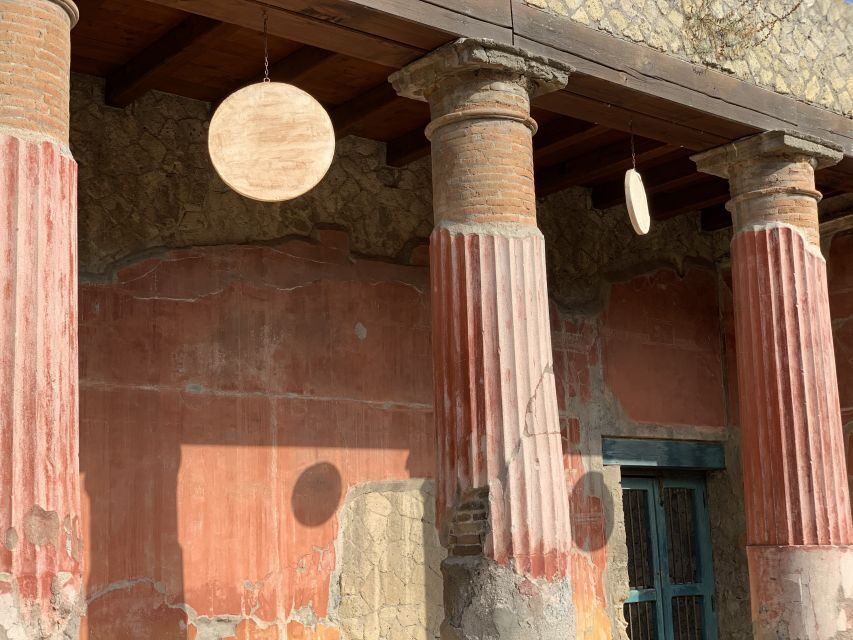
Your first major stop on the route is Casa dei Cervi (House of the Deer). This is the kind of location where a guide really earns their paycheck. In a place like Herculaneum, it’s not enough to say this was a house—you want to see how a wealthy household functioned day to day.
One reason I like this stop is the way the architecture and decoration read like a system. You’ll be shown the layout, and the guide can explain how the preserved upper levels and rooms help you imagine real movement through the home. When the guide points out what survived and where you’re standing, the space becomes legible.
A practical note: because the tour is timed, you don’t get hours in any one room. If you’re the type who wants long, quiet museum-style viewing, you may feel a little rush here. The trade-off is that you get a wider slice of the town in just two hours.
Casa di Nettuno ed Anfitrite: Fossilized Art and Everyday Taste
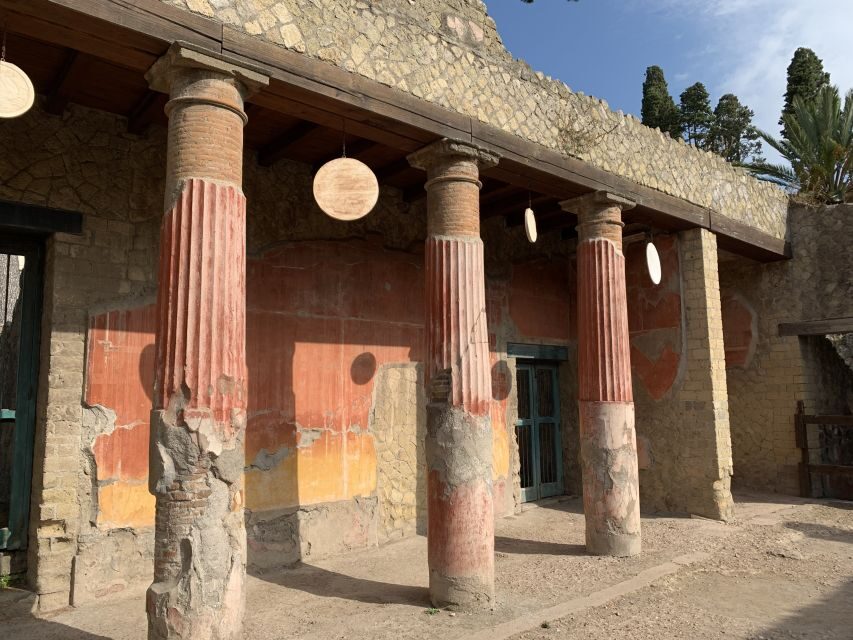
Next up is Casa di Nettuno ed Anfitrite, another guided stop where you’ll focus on household decoration. The tour description highlights frescoes and mosaics, and that’s the point of these villas: you’re not just walking through empty ruins. You’re reading visual choices that would have mattered to the people living there.
This is also where you’ll see how “preserved” changes the experience. In many archaeological sites, you picture what once was. Here, you can often see surfaces and visual design strongly enough that, with the guide’s help, your brain fills in the context faster.
One more thing I appreciate: these house stops keep you away from the most common tourist trap—treating every ruin like a photo backdrop. With a licensed archaeologist leading the walk, the rooms become evidence. That turns your attention from scenery to meaning.
Sacellum of the Augustales: When Religion Shows Up in Street Level
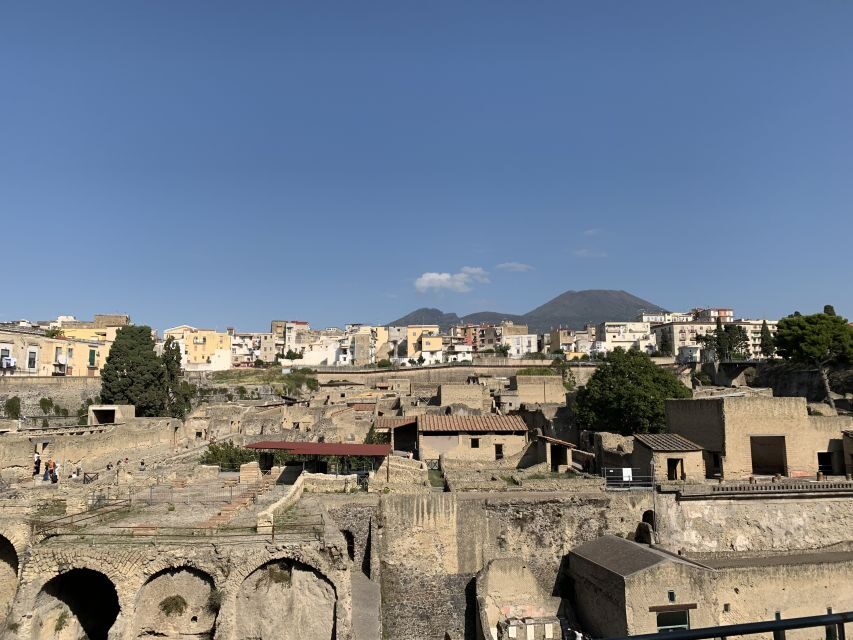
The tour includes the Sacellum of the Augustales, which is a different kind of space than the villas. This stop helps you understand that Herculaneum wasn’t only private homes and entertainment—it also had institutions and local religious practice woven into city life.
What I’d watch for here is how the guide explains the space. Even if you don’t know the names or details ahead of time, a good archaeologist can show how a sanctuary (even a small one) works socially: who used it, what it signaled, and how ordinary people would have fit belief into their routine.
A mild consideration: because this is a shorter tour, you won’t get a full lecture on every religious term. You’re going to get the “why this matters” version, and you’ll leave wanting more. If you love deep specialization, you may need a second visit later.
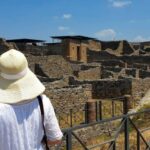
House of Skeletons: The Moment the Past Turns Personal
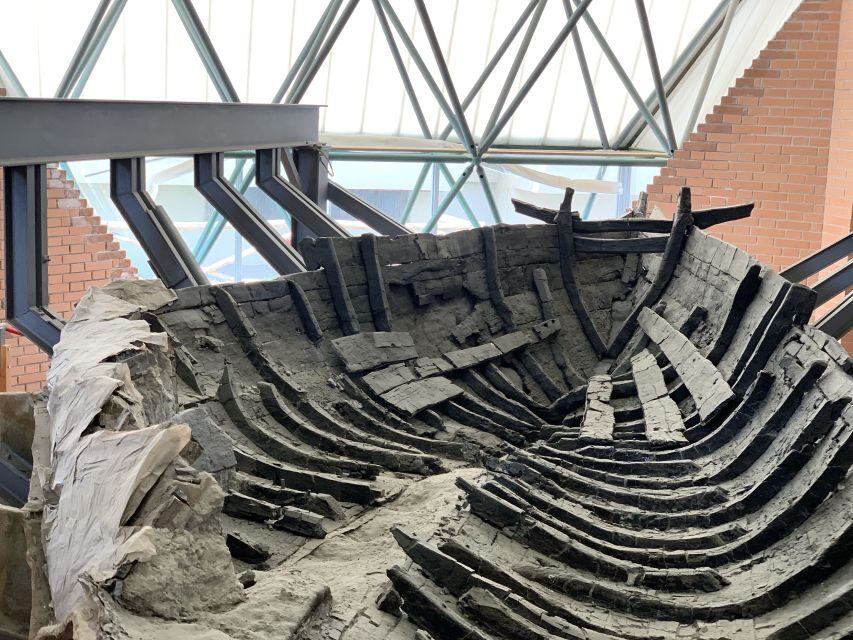
One of the tour highlights is the House of Skeletons. This is the part that makes Herculaneum feel emotionally different from many other ruins. The volcanic burial preserved skeletons where people fell, and the tour description calls out these details as something you might miss without expert guidance.
I recommend approaching this stop slowly. The best guided versions (and the strongest reviews from English-speaking groups) emphasize context and respect, not just shock. In at least one account, the guide used solemn moments here as a counterpoint to the more crowded, selfie-heavy vibe people sometimes remember from Pompeii.
This is also where your guide’s tone matters. People have praised guides like Raffaele (including references to a PhD-trained archaeologist) and others such as Giovanni and Raffaello for making the story readable and human. That’s what changes the experience: you stop thinking of skeletons as “evidence” and start seeing them as people with choices, fear, and final moments.
Casa dell’Albergo and the Main Walk: Baths, Streets, and Real City Life
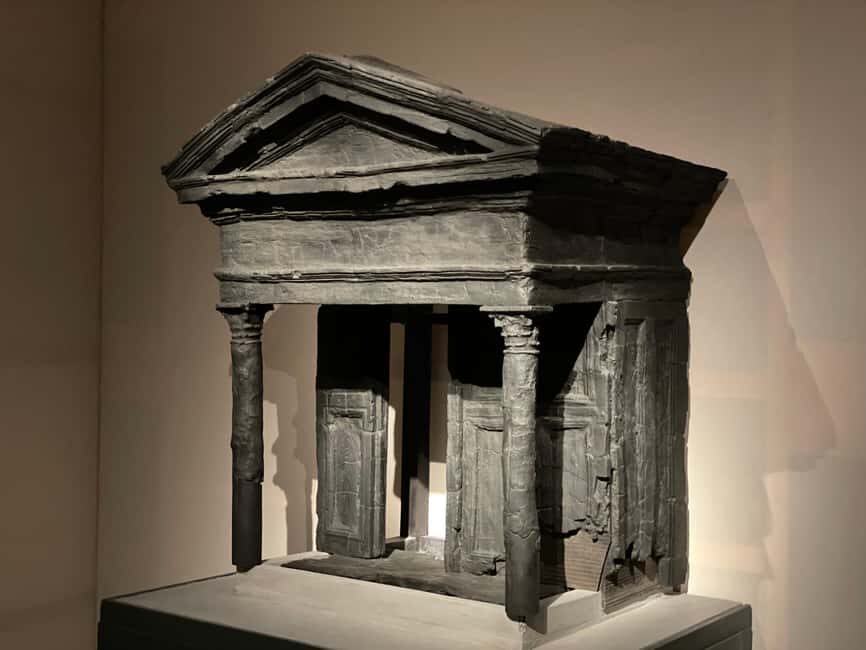
After the skeleton stop, the route continues through Casa dell’Albergo, Herculaneum, and then into the wider archaeological area for the guided walk and a photo stop. This segment is where the tour becomes about the city as a whole.
From the tour description, you can expect to see Roman streets, public baths, and spaces connected to daily routines—shops and taverns included in the narrative the guide tells. Even if you only spend a short time at each spot, walking these routes helps you understand how people moved through neighborhoods, how water and public facilities shaped life, and why certain buildings were placed where they were.
I also liked the way guides can connect the eruption to what you see. One review mentioned clear, easy-to-follow explanations that tied the 79 AD eruption and aftermath to art and history, which makes the site feel like a timeline instead of a jumble of rooms.
A realistic downside: two hours is two hours. One review noted the pacing could feel a bit slow for a small group, while another suggested there’s enough time to understand the town’s layout if your guide keeps things focused. If you’re the type who wants more than a “great hits” tour, consider booking early or pairing it with another site on a separate day.
Roman Engineering You Can See: Water Systems and Layout
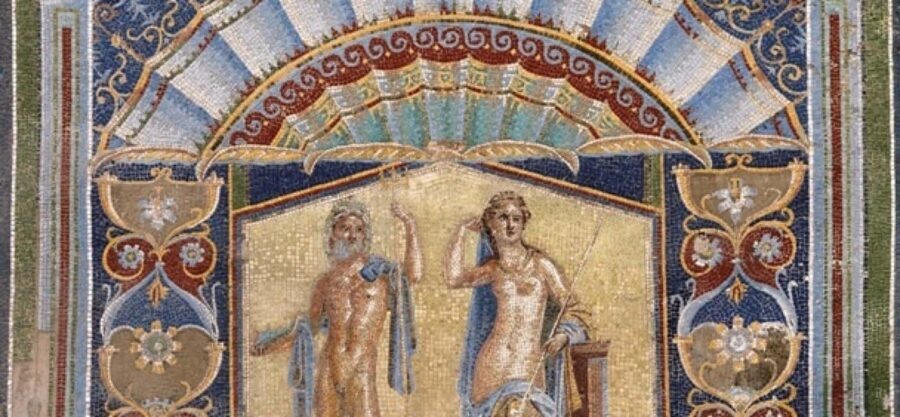
Herculaneum isn’t only pretty rooms and dramatic discoveries. It’s also engineering. The tour description highlights clever ancient water systems, and that’s a big reason this place feels believable.
When your archaeologist points out how water worked and where public bathing fit into the day, you’re suddenly thinking like a Roman—what happens when you arrive, how long you stay, what gets cleaned, what circulates through the town. That shift is why a guided visit is worth it here.
This is also the “what you’d miss alone” factor. Without guidance, you’ll see ruins and textures. With guidance, you understand the function of those spaces and how they shaped daily routines. People praised multiple guides—Carlo, Enrica, Ornella, Riccardo, Livio, and Mio—for explaining details in ways that felt practical, not just textbook-heavy.
Pace, Language, and Practical Tips for Hearing the Archaeology
This tour includes live guide narration in Spanish, English, Italian, and French. In theory, that’s straightforward. In practice, it’s worth choosing the language option that matches your comfort level, especially if kids are with you. One review mentioned difficulty following when an accent was very strong, even though the guide was otherwise excellent.
Headsets are provided if the group exceeds 11 people, which should help you catch the explanations. Still, conditions vary—noise on a site, crowd patterns, and the exact time of day can change what you hear. One review even pointed out that visiting at a quieter late-afternoon time made it easier to hear the guide.
My practical advice:
- Bring water (and plan a quick sip break if you need it).
- If you’re sensitive to noise, prioritize a departure time that fits your comfort.
- Expect uneven emotional weight at skeleton-related stops—give yourself a few seconds before moving on.
Price and Value: Is $58 Worth 2 Hours with an Archaeologist?
At $58 per person for a 2-hour guided experience, you’re paying for three things that matter in Herculaneum: expert interpretation, skip-the-line entry, and a guided route through the most meaningful areas.
Skip-the-line access sounds like a small win, but in reality it protects your time. Here, time is the product: you only have a couple hours on site. If you lose even 20 minutes waiting, your tour compresses further.
The archaeologist part is the bigger value. Herculaneum rewards close looking, but close looking needs guidance. People consistently rated this tour highly (an average score around 4.8 from hundreds of reviews), and the repeating theme is that guides make it easier to “read” the site—frescoes, mosaics, and the human details that are otherwise hard to place.
So is it worth it? If you want more than a photo stop and you like your ruins with context, yes. If you only want to wander independently and don’t care about explanation, a guided tour may feel like money you’d rather spend elsewhere.
Who Should Book This Tour (and Who Might Want a Different Plan)
This tour suits you if you:
- want a guided walk through Herculaneum’s preserved villas and public spaces
- care about the story of the eruption, especially the preserved human remains
- have already done Pompeii and want a different, more intimate contrast
It may not be the best match if you:
- need wheelchair access, since the site isn’t suitable for wheelchair users and electric wheelchairs aren’t allowed
- want a long, unhurried pace in one area (the visit is designed for coverage, not lingering)
Many reviews mention that the site feels easier to navigate than Pompeii because Herculaneum is more compact. One older couple also said they had no issue with stairs or paths, suggesting it can work for visitors with general mobility. Still, if you’re unsure, ask before you go.
Should You Book This Herculaneum Archaeologist Tour?
If you like your ruins explained and your photos backed up by meaning, I’d book this. The combination of skip-the-line tickets, a licensed archaeologist guide, and focused stops (including Casa dei Cervi, the Casa of Neptune and Amphitrite, the Sacellum of the Augustales, and the House of Skeletons) is built for what makes Herculaneum special: preservation plus a clear story.
Book it especially if you’ve been to Pompeii already. You’ll get a different emotional tone and a stronger sense of how daily life fit together in a city that ended abruptly in 79 AD.
If you’re deciding between self-guided time and guided time, go guided. In Herculaneum, the difference between seeing and understanding is the difference between staring at walls and understanding why those walls still tell you how people lived and died.
FAQ
How long is the Herculaneum tickets and tour with a local archaeologist?
It lasts 2 hours.
Where do I meet for the tour?
Meet at the Biglietteria Ercolano ticket office.
Is skip-the-line access included?
Yes. Skip-the-line entrance tickets are included.
Do I get a headset?
Headsets are included in case the group exceeds 11 people.
Are there guided tours led by a licensed archaeologist?
Yes. The tour includes a guided visit with a licensed guide/archaeologist.
What languages are available?
The live tour guide is offered in Spanish, English, Italian, and French.
Is hotel pickup or drop-off included?
No. Hotel pickup and drop-off are not included.
Are food and drinks included?
No. Food and drinks are not included.
What should I bring to the tour?
Bring your passport or ID card and water.
Is the tour wheelchair accessible?
It is not suitable for wheelchair users, and electric wheelchairs are not allowed.
FAQ
What is the cancellation policy?
Free cancellation is available up to 24 hours in advance for a full refund.
Is there a reserve now and pay later option?
Yes. You can reserve your spot and pay nothing today.
How much does the tour cost?
The price listed is $58 per person.
Is a private group available?
Yes, a private group option is available.