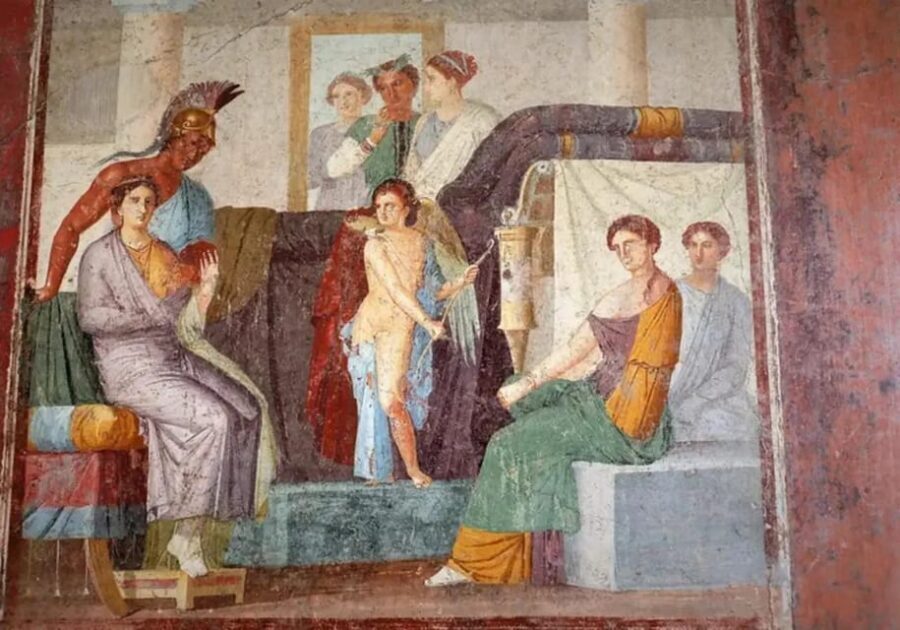
REVIEW · ARCHAEOLOGICAL SITE OF HERCULANEUM
Herculaneum: Half-Day Guided Trip from Naples
Book on GetYourGuide →Operated by BLU WELCOME TRAVEL · Bookable on GetYourGuide
Herculaneum is a time capsule under Vesuvius ash. In just a few hours, you get a guided walk through streets and houses that show what daily Roman life looked like right before 79 AD changed everything. I especially like the skip-the-line entry and the way the guide turns ruins into something you can picture.
What makes this trip practical is that it’s built for a short visit: round-trip transport from Naples plus commentary on the way, so you’re not losing your whole day getting there and back. One thing to watch for: if the group is small, you may get an audio guide instead of a live one, and that can change the feel of the tour.
In This Review
- Key takeaways
- Herculaneum Under Vesuvius: why this ruins walk hits harder
- Getting there from Naples in a 3-hour window
- Skip-the-line entry: what you actually gain (and what you should do with it)
- The guided walking tour: the highlights that shape your understanding
- House of the Mosaic Atrium
- House of the Deer
- Thermal spas of the Forum
- House of the Mosaic of Neptune and Amphitrite
- The eruption story you’ll keep hearing in context
- Live guide vs audio: group size can change your experience
- What to expect on the ground: pace, comfort, and weather
- Price and value: is $96.29 for 3 hours worth it?
- Staff quality matters: friendly, and sometimes impressively organized
- Who this half-day Herculaneum trip is best for
- Potential gotchas to plan around
- Meeting point accuracy
- Live guide expectations
- Time for your favorite stops
- Should you book this Herculaneum half-day guided trip from Naples?
- FAQ
- How long is the Herculaneum half-day guided trip?
- Do I get skip-the-line entry at Herculaneum?
- Is round-trip transportation from Naples included?
- Will I have a live English-speaking guide?
- What languages are available?
- Does this tour include hotel pickup or drop-off?
- What should I bring?
- Is the tour suitable for wheelchair users?
- What’s the weather policy?
- Can I get a refund if I cancel?
Key takeaways
- Skip-the-line entry saves time when Herculaneum is busy
- A guide (often live) helps you connect landmarks to daily Roman life
- Round-trip Naples transport keeps the day tight and easy
- The walk focuses on major highlights like house mosaics and the thermal areas
- Small-group departures may switch from live guide to audio
Herculaneum Under Vesuvius: why this ruins walk hits harder
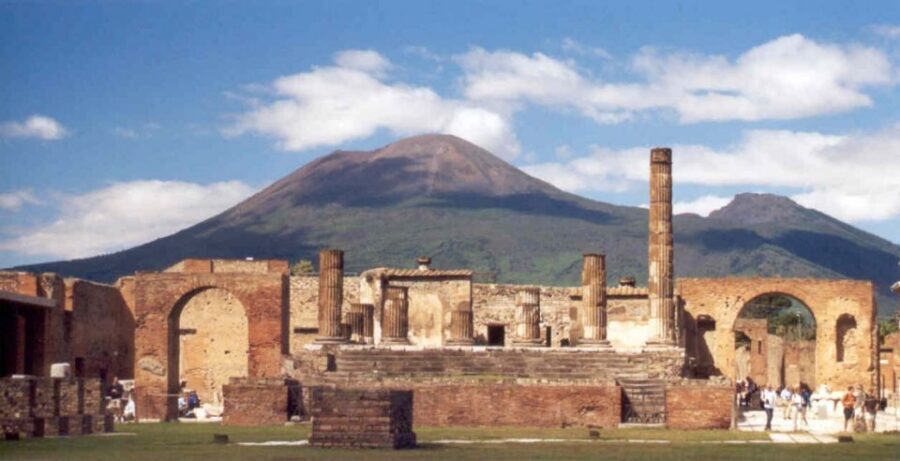
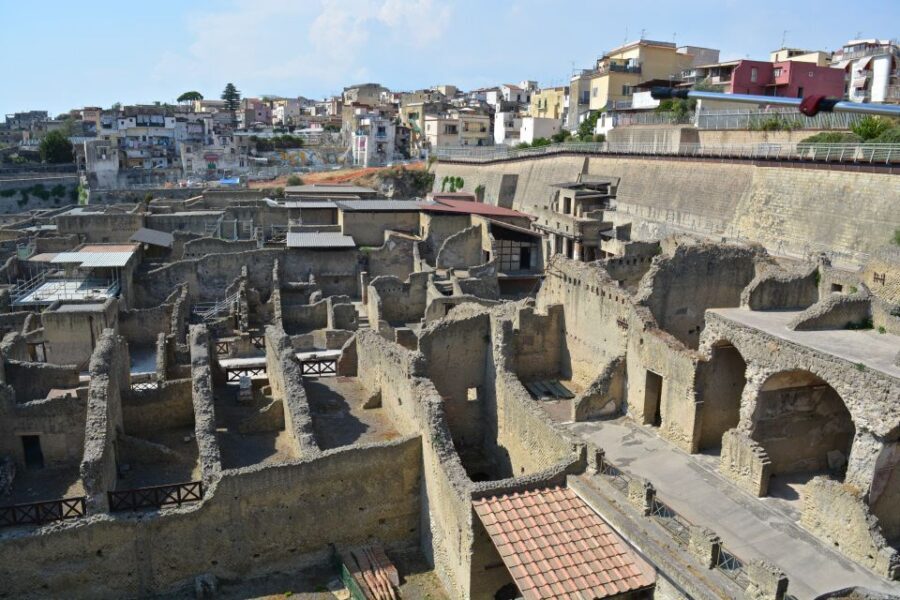
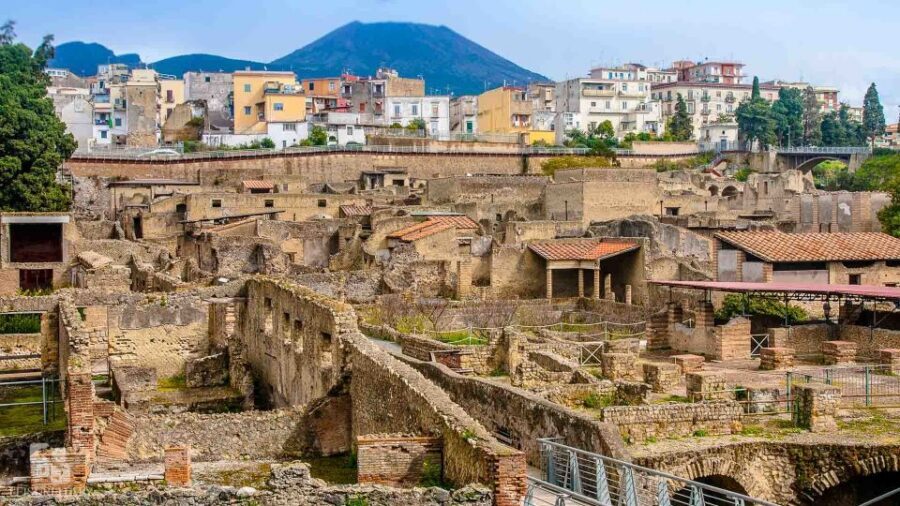
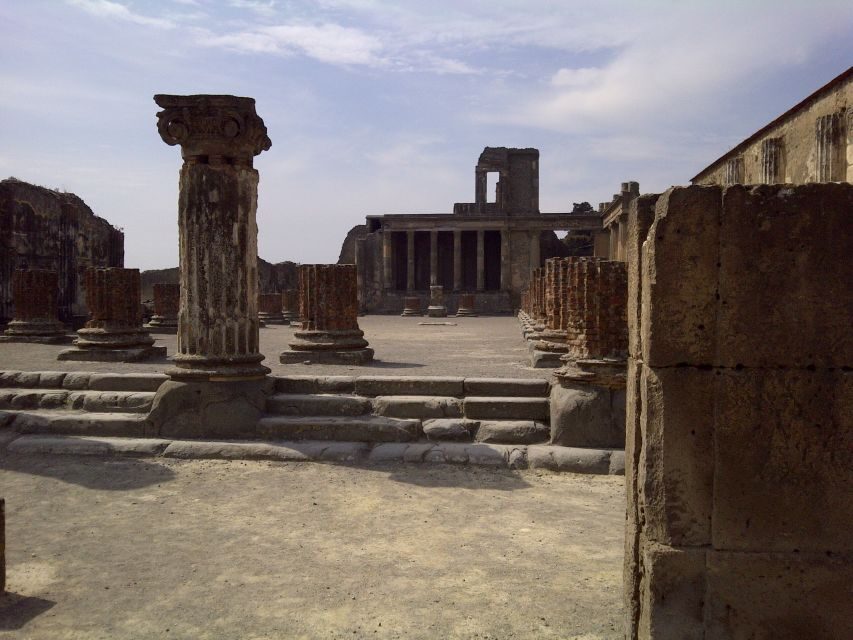
If you’ve seen Pompeii, you know the basics of the 79 AD story. What I like about Herculaneum is that it often feels more intimate. You’re not just looking at big public spaces; you’re moving through parts of a town where the layout makes it easier to imagine people living, working, and then panicking when Mount Vesuvius woke.
Here’s the core timeline your guide will connect for you: after a long sleep, Vesuvius erupted on October 24, 79 AD. It destroyed both Pompeii and Herculaneum. The difference at Herculaneum is that the site became famous partly because it was discovered in the 18th century, long after the eruption covered it and helped preserve what’s there.
During your walk, you’ll also learn how the eruption wasn’t just a distant disaster. It surprised inhabitants and left them with almost no time to react. That tension—normal life turning into sudden emergency—is what makes this place feel less like a checklist of ruins and more like a story you can follow street by street.
If you're still narrowing it down, here are other tours in Archaeological Site Of Herculaneum we've reviewed.
Getting there from Naples in a 3-hour window
This is a half-day format, so the schedule is the point. You’ll get round-trip transfer from a set meeting point in Naples, and the ride includes commentary, which helps you start understanding the site before you even step inside.
In real life, that “before you arrive” context matters. You’ll likely get less wandering and more focused movement. That’s great if you want a meaningful overview without spending the entire day waiting for buses or walking to find the entrance.
One practical caution: there’s enough compact timing here that meeting point confusion can hurt. One review noted a driver was assigned the wrong pick-up location and it took a phone call to get everyone together. So do yourself a favor: double-check the exact meeting point details and your guide instructions the day of departure. If you’re running late, message or call quickly—don’t assume the group will just “wait a bit.”
Skip-the-line entry: what you actually gain (and what you should do with it)
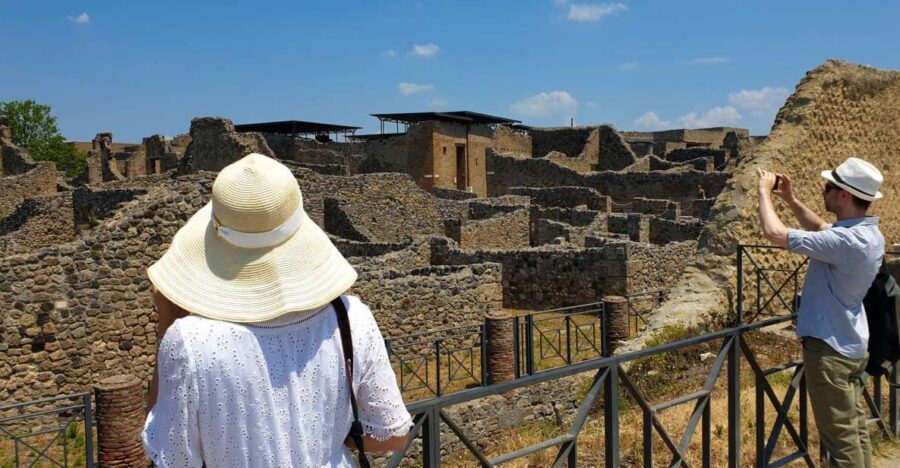
The headline perk is skip-the-line entrance at the Archaeological Site of Herculaneum. At a busy site, this can be the difference between “we’re here now” and “we’re here, but time is slipping away.”
But the real value shows up once you’re inside. When you don’t lose time at the ticket queue, you can spend your energy on the things you came for: the buildings and street-level details that make Herculaneum so gripping.
To make your skip-the-line time pay off, do two simple things:
- Wear comfortable shoes immediately—this is a walking tour, and you’ll want stable footing.
- Use your camera early, while you’re still fresh. You can always slow down later for closer looks.
Also, note that the tour runs in all weather conditions, so skipping the line won’t help if you’re miserable. Bring sun protection if it’s bright (a hat and sunscreen are smart), and dress for whatever Campania throws at you.
The guided walking tour: the highlights that shape your understanding
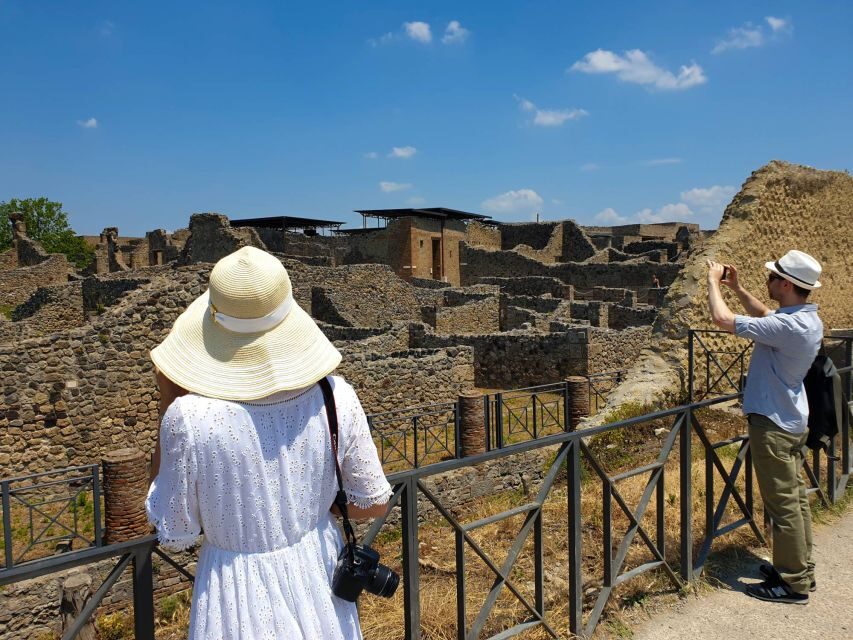
The tour is built as a walking route, and the guide’s job is to connect what you see to what it meant. Even when you’re moving fast, the guide should give you enough explanation that the ruins stop being random stone and start being a lived-in town.
Here are the landmarks and areas you can expect to hear about, tied to the story you’ll be following:
House of the Mosaic Atrium
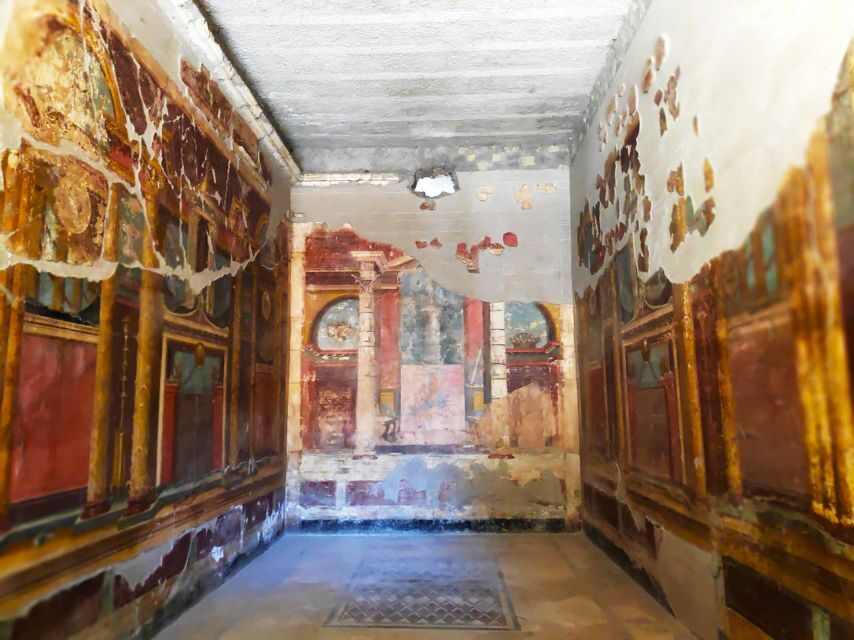
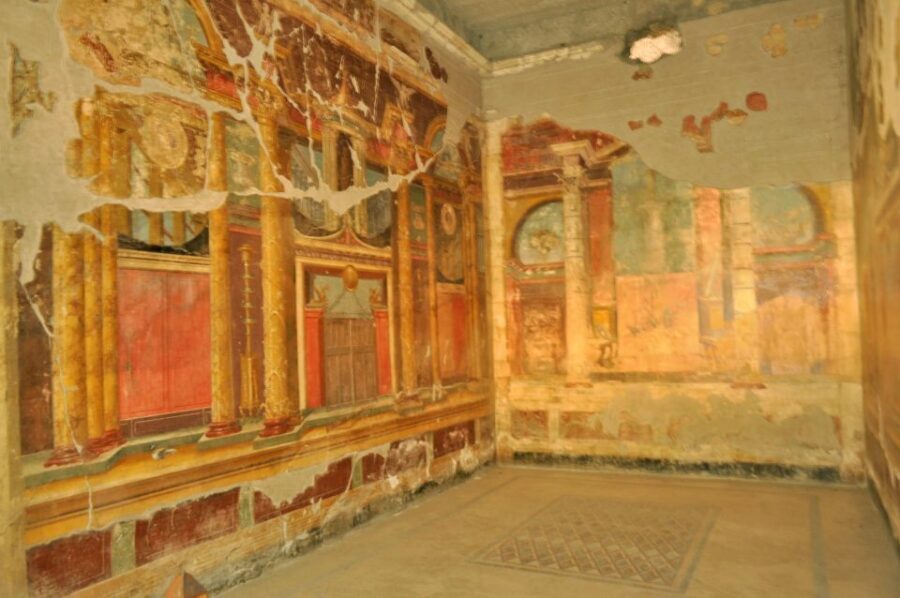
Mosaics were status and taste made visible. This kind of house shows how wealth, hospitality, and artistry worked together in Roman domestic life. In a short tour, the best guides use the mosaic and its placement to explain how entrances and gathering spaces were designed for guests.
Why you’ll care: it’s one of the fastest ways to grasp how “private life” still had public meaning in Roman culture.

House of the Deer
This is where Herculaneum’s famous decorative elements turn into a personal connection. A house like this isn’t just about the building shell—it’s about what someone chose to display for visitors. The deer imagery (and the fact that it shows up in a residence) gives you a sense of everyday Roman preferences and symbolism.
In a half-day tour, you won’t study every detail like a museum curator. But a good guide helps you read the big picture: the home was not plain; it was curated.
Thermal spas of the Forum
The thermals are a reminder that Herculaneum wasn’t only homes and temples. It also had routines, social habits, and public bathing culture. Your guide’s explanation of the thermal areas in the Forum helps you picture the town as a functioning social system, not just a preserved backdrop.
This is also a spot where you might pause for a few photos and then refocus when the tour moves on. The thermals add variety to the walk—rooms feel different than street corridors and house courtyards.
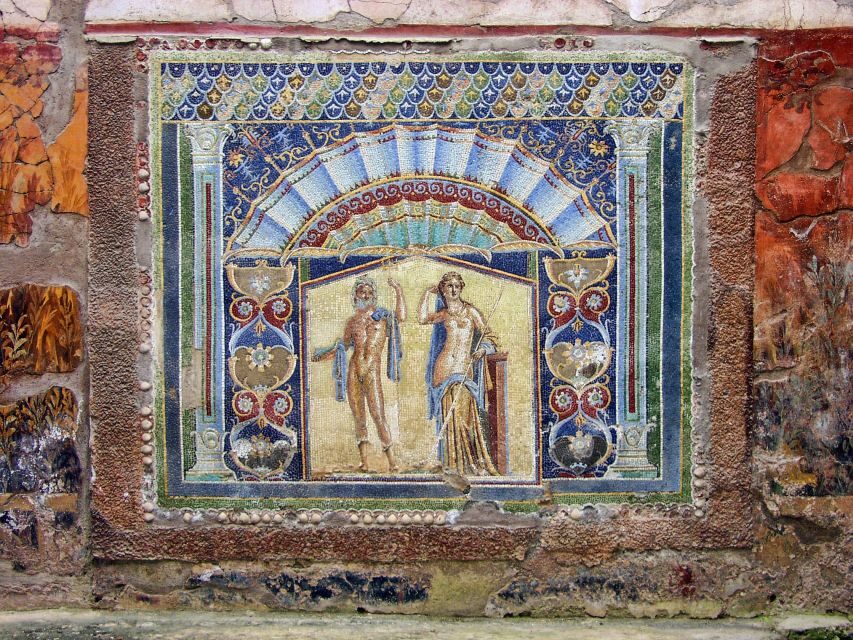
House of the Mosaic of Neptune and Amphitrite
If mosaics are your thing, this is likely one of the moments you’ll remember. Mythological scenes in mosaic form are a fast way to understand Roman worldview and taste—especially when you see them in context inside a residence. The subject matter (Neptune and Amphitrite) ties art to identity, protection, and status.
What makes it valuable on a guided tour is how the guide connects the imagery to daily behavior: who would have seen it, when, and why it mattered.
The eruption story you’ll keep hearing in context
As you move through the streets and spaces, the guide ties it all back to the volcano eruption. You’re not only learning historical facts; you’re being guided through the panic that surprised inhabitants. That narrative framing is what helps Herculaneum feel emotionally real.
If your guide is strong, you leave with the feeling that you understood both the architecture and the human timeline.
Live guide vs audio: group size can change your experience
Here’s a key detail for deciding whether this tour style fits you: a live guide is provided when the group is at least 6 participants. If the group is smaller (up to 5 people), you get an audio guide instead.
That matters because the difference isn’t small. Live guides can adapt on the fly—point out a detail you missed, answer questions, and adjust pace based on what you’re reacting to. Audio guides are helpful for facts, but they don’t read the room.
A review you should pay attention to explained that with only four people, there was no live guide—only audio—and the reviewer felt the experience wasn’t what they expected. Another review praised the live guidance and named staff members including Anna and Diana, plus the driver, for doing a great job.
So if live explanation is your priority, book with extra attention to the departure size. If you’re comfortable with audio and you like self-paced reading, the audio version can still work well—but set your expectations before you go.
What to expect on the ground: pace, comfort, and weather
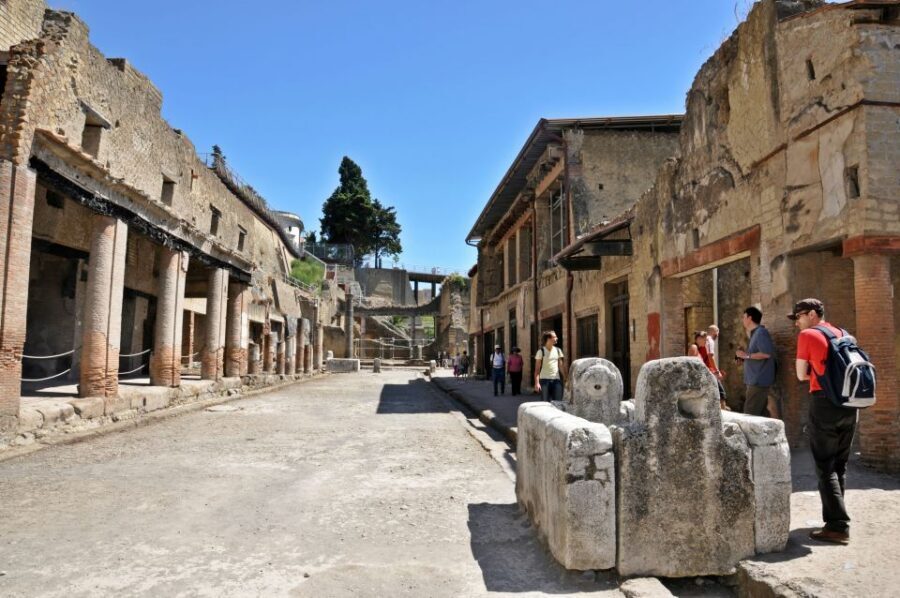
The tour runs in all weather conditions, and it’s not designed for wheelchair users or mobility-impaired visitors. Plan around stairs and uneven ground, and keep in mind that your best experience depends on comfortable movement.
Bring:
- Passport or ID card
- Comfortable shoes
- Hat
- Camera
- Sunscreen
I also suggest a small daypack with water if you know you’ll get thirsty. The tour itself doesn’t mention lunch, so you may want to eat before you start or be ready for a snack afterward.
In terms of pace, the half-day format means “see the highlights well” rather than “linger forever.” One review noted that there was a lot to pack in even within a shorter time frame and suggested that three hours would feel better than a leaner slot if you want extra moments in each area. Translation: you’ll likely feel a bit rushed if you’re a slow explorer, but you’ll still get a coherent route if you follow the guide.
Price and value: is $96.29 for 3 hours worth it?
At $96.29 per person for a roughly 3-hour guided experience, this isn’t a bargain-basement excursion. But it can be good value depending on how you hate logistics and how much you care about guided interpretation.
Here’s what you’re paying for:
- Round-trip transport from Naples (so you’re not piecing it together)
- Skip-the-line entrance (so you’re not losing half your visit waiting)
- Guide support (live or audio), plus commentary during the transfer
- Entry fee coverage
If you were to organize it yourself, you’d need transport, tickets, and navigation. The extra cost makes sense if you want to show up, walk, learn, and get back without the mental load.
The trade-off is time. This is a half-day, so you won’t see everything at an archaeological site this size. If you’re the type who wants to read every inscription and spend hours in one area, you might feel constrained.
My practical rule: if you want the best overview quickly, this price can feel fair. If you want depth and long viewing, you’ll likely want more time than this itinerary gives.
Staff quality matters: friendly, and sometimes impressively organized
What stands out from the experience reports is how human the operation feels once you’re on the move. One review described the tour as easy, with friendly staff guiding the way—specifically mentioning Anna and Diana along with the driver. That matters because Herculaneum is much easier when someone helps you find your bearings fast.
Another review credited the management of the visit to Sig. Raphael, calling the tour informative and entertaining and highlighting that Herculaneum tours can be busy but were well managed. When a guide is good at crowd flow, you spend more time looking and less time stuck waiting for the group to regroup.
So while the ruins are the star, don’t underestimate the value of how the tour is run. With a half-day schedule, the operation has to be tight.
Who this half-day Herculaneum trip is best for
This tour fits best if you want:
- A guided overview of Herculaneum’s most recognizable areas
- A short trip from Naples that still feels structured
- Skip-the-line entry so you can start seeing things faster
- Clear historical framing around the eruption and what it changed
You’ll likely enjoy it if you’re traveling with limited time in Naples and you want a focused Roman-results-and-human-story experience without extra planning.
It’s less ideal if:
- You strongly prefer a slow, linger-in-one-place style
- You’re sensitive to uneven ground and mobility challenges (the tour isn’t suitable for wheelchair users)
- You specifically want a live guide every time and would be disappointed by audio
Potential gotchas to plan around
A few issues are worth flagging so your day stays smooth:
Meeting point accuracy
The pick-up confusion noted in one review is the biggest operational risk. It sounds close, but still costs time. Confirm your exact location and arrive early enough that you’re not hunting for the group.
Live guide expectations
Because live guides depend on group size, your experience can shift. If you’re booking expecting a lively Q&A and lots of real-time pointing, aim for departures likely to reach the live-guide threshold.
Time for your favorite stops
In a half-day tour, you’ll hit key areas like major mosaic houses and the thermal zones, but you won’t have museum-level time in every space. If there’s one house you love most, be ready to prioritize it once you’re there.
Should you book this Herculaneum half-day guided trip from Naples?
If you want a high-efficiency Herculaneum visit with skip-the-line entry, round-trip Naples transport, and a guide who connects mosaics and spaces to the 79 AD eruption story, this tour is an excellent fit. The strongest version of the experience includes a live guide, and the route makes sense for seeing the essentials without turning your day into a logistics project.
I’d book it if you’re:
- Short on time in Naples
- Curious about Roman domestic life and public routines
- Happy to follow a structured walking route
I’d think twice if:
- You’re expecting a live guide no matter what group size becomes
- You need wheelchair-friendly access
- You want deep, slow study time rather than a smart overview
If you’re flexible and arrive prepared with good shoes and sun protection, you’ll likely come away feeling like Herculaneum wasn’t just preserved—it was explained in a way that helps you understand what people lived through when Vesuvius erupted.
FAQ
How long is the Herculaneum half-day guided trip?
It’s about 3 hours, depending on the starting time available.
Do I get skip-the-line entry at Herculaneum?
Yes. Skip-the-line entrance is included.
Is round-trip transportation from Naples included?
Yes. Round-trip transfer is included from a set meeting point, with commentary on board.
Will I have a live English-speaking guide?
A live guide is provided if the group has a minimum of 6 participants. If the group is up to 5 people, you’ll have an audio guide instead.
What languages are available?
The tour is offered in English and Italian.
Does this tour include hotel pickup or drop-off?
No. Pickup/drop-off at the hotel isn’t included; transfers are from a set meeting point.
What should I bring?
Bring your passport or ID card, comfortable shoes, a hat, a camera, and sunscreen.
Is the tour suitable for wheelchair users?
No. It’s not suitable for wheelchair users or people with mobility impairments.
What’s the weather policy?
The tour operates in all weather conditions, so dress appropriately.
Can I get a refund if I cancel?
Yes. Free cancellation is available up to 24 hours in advance for a full refund.