REVIEW · SORRENTO
From Sorrento: Pompeii Ruins All-inclusive Guided Tour
Book on GetYourGuide →Operated by Tempio Travel Sorrento · Bookable on GetYourGuide
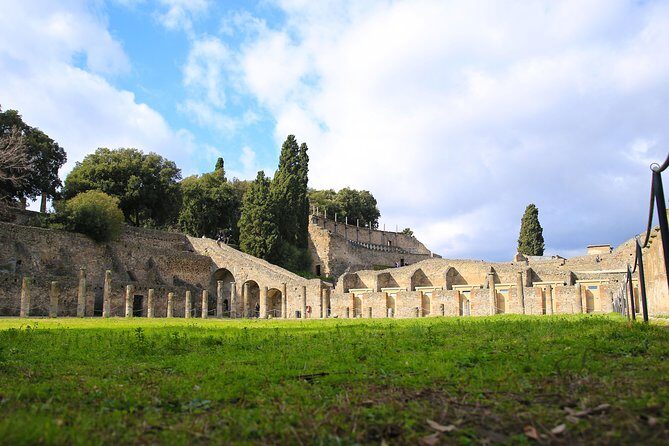
Pompeii hits hard, fast. This 2-hour guided visit from Sorrento pairs round-trip train transfers with a smart route through the city buried by Vesuvius. You’ll see major ruins like the Forum, baths, and Temple of Jupiter, plus the sights that make Pompeii unforgettable—mosaics, frescoes, and body casts connected to 79AD.
I especially like two things: the tour guides you through Pompeii’s “where am I?” maze, and you don’t lose hours hunting for the best spots. I also love that the experience is built for hearing and pacing—many groups get earphone-style audio, so the guide can actually explain what you’re standing in front of.
The main drawback is practical: this is a shared tour on a busy train, and in hot weather the day can feel rushed even if the guided portion is only about two hours. If you hate crowds or need lots of quiet time, plan for that.
In This Review
- Key Things to Know Before You Go
- How the Sorrento–Pompeii Round-Trip Really Works
- Ticket Pickup at Tempio Travel in Sorrento: Fast When It’s Clear
- 2 Hours in Pompeii: The Guided Route You’ll Actually Appreciate
- The Big Roman Stops: Forum, Baths, and the Temple of Jupiter
- Mosaics, Frescoes, and the Termopolia You Can’t Unsee
- Body Casts: The 79AD Moment That Changes the Feel of the Tour
- Listening With Earphones, Handling Crowds, and Avoiding Frustration
- Which Sights You’ll Feel “You Got It” From (and Which You’ll Want Later)
- Price and Value: Is $66.27 a Good Deal?
- Should You Book This Pompeii Tour from Sorrento?
- FAQ
- How long is the Pompeii tour from Sorrento?
- What’s included in the price?
- Where do I pick up my tickets in Sorrento?
- What languages are the guides?
- Do I need to bring identification?
- Is this tour shared with other people?
- What should I bring for comfort at Pompeii?
Key Things to Know Before You Go
- Train transfers included means less planning stress than doing Pompeii solo
- Meeting at Tempio Travel in Sorrento Circumvesuviana keeps things straightforward once you’re at the right desk
- A guided route through top ruins helps you avoid wasting time inside a massive site
- Mosaics, frescoes, and body casts are the emotional punch points of Pompeii
- Earphone audio can make a big difference in groups of 20+ people
- Two hours is an overview, not a full Pompeii day
How the Sorrento–Pompeii Round-Trip Really Works

This tour is designed around one simple goal: getting you from Sorrento to Pompeii and back without doing homework. You start by picking up your ticket at the Tempio Travel office near the Sorrento Circumvesuviana Station, then you take the train to Pompeii for the guided portion.
Once you’re at Pompeii, you’ll follow your guide through a sequence of important areas rather than roaming on your own. That matters because Pompeii is huge, and the ground-level layout can make it easy to lose your bearings. When your guide chooses the order, you spend more time looking at what’s worth your attention.
On the way back, you return by train to Sorrento, ending at the meeting point. One practical note: the train ride can be crowded, and in warm months it may feel uncomfortable—so go in knowing you’re trading comfort for convenience.
If you're still narrowing it down, here are other tours in Sorrento we've reviewed.


Ticket Pickup at Tempio Travel in Sorrento: Fast When It’s Clear
The meeting point is the Tempio Travel office in Sorrento Circumvesuviana Station. You’ll collect your ticket there before boarding the train, and you should be ready to board at least 5 minutes early.
In real life, the process can feel a bit “in motion.” Some people found the ticketing step chaotic or had to double-check where to go first, and at the gate you may still need to exchange a voucher for the actual ticket. None of that should ruin the day, but it does mean you shouldn’t show up at the last minute.
My tip: treat the ticket pickup like a small mission. Go straight to Tempio Travel, keep your ID handy (passport or ID card is required), and give yourself time to get sorted. If you’re traveling in summer heat, being relaxed at this step pays off.
2 Hours in Pompeii: The Guided Route You’ll Actually Appreciate

The tour runs for about 2 hours, which is the sweet spot for first-timers who want the best highlights without turning the day into a marathon. You’ll walk Pompeii’s ruins as your guide explains what life looked like in the Roman Republic and Roman city life—then connect it to the disaster of 79AD when Vesuvius erupted.
Your guide brings structure. Instead of trying to figure out which street leads to what, you’ll get taken through major public and everyday-use areas—temples, baths, gathering spaces, and streetscapes you can recognize as “people lived here.”
Expect a “hit list” feel in the best way. You’ll go from religion and civic life to daily routine—then end at the sections that are visually and emotionally intense, like the preserved body casts of citizens. It’s an overview, but it’s aimed at the pieces you’ll remember.
The Big Roman Stops: Forum, Baths, and the Temple of Jupiter

Pompeii isn’t just pretty ruins. The power move here is that you see how the city worked.
You’ll visit the Forum, which is the civic heart. Standing there, you can get a better sense of why this space mattered for politics, public life, and social status. Even if you don’t know Roman terms, the arrangement of buildings and open areas helps you connect the dots quickly.
You’ll also see the Roman Baths (public bathing areas). This isn’t only about architecture. It’s about routine—where people spent time, socialized, and talked. The baths ruins tend to make Pompeii feel less like a museum and more like a place with everyday rhythms.
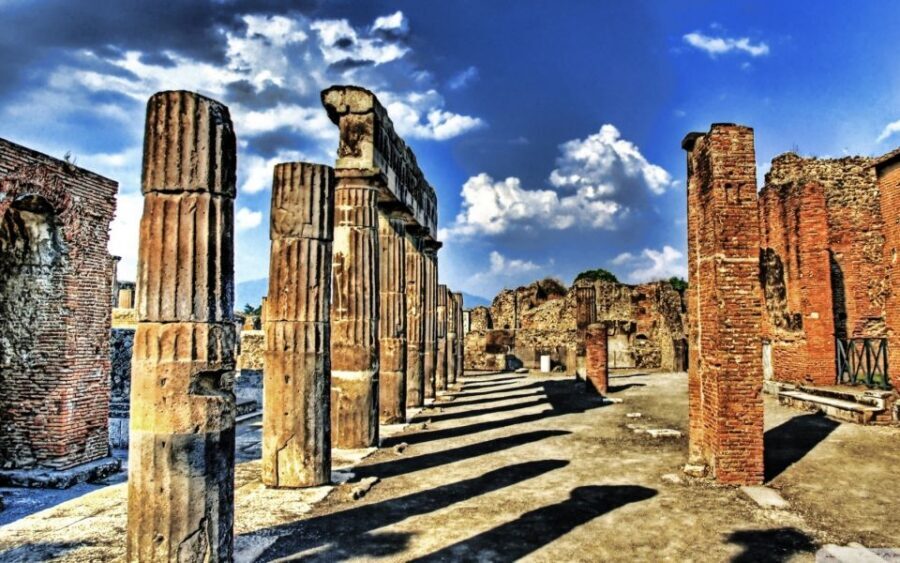
And then there’s the Temple of Jupiter, one of the major religious anchors. A guided explanation makes a difference here. The temple ruins can look like columns at a glance, but with context you’ll understand why this spot sat at the center of worship and civic pride.
You’ll also be routed through other big-ticket spaces like theaters and famous villas. Pompeii’s layout can be disorienting, so I like that the guide chooses the order for maximum impact.
Mosaics, Frescoes, and the Termopolia You Can’t Unsee
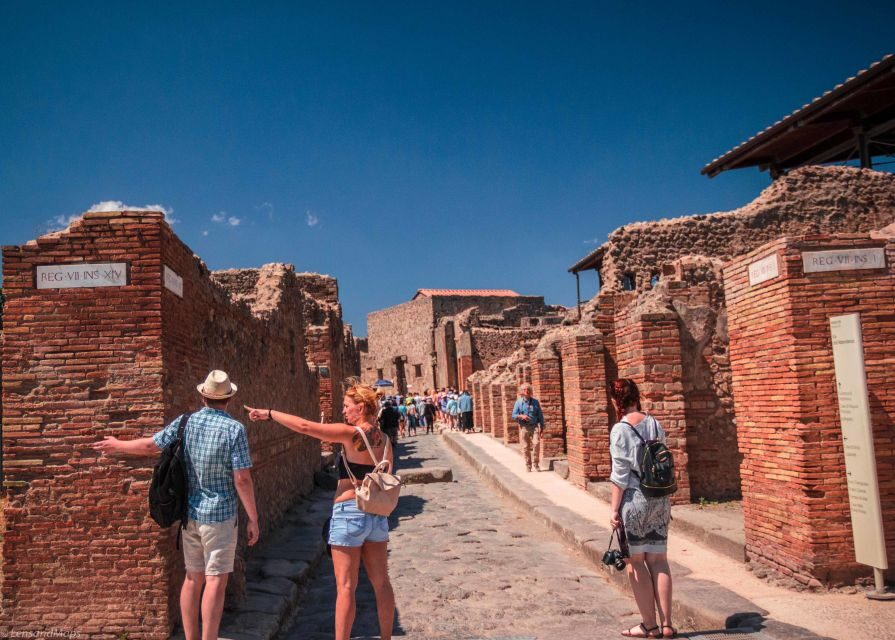
Two things make Pompeii stand out from many other ruins: people’s taste in art, and the fact that daily life has left clear traces.
You’ll see mosaics and frescoes that survive in remarkably preserved condition. Up close, they’re not just decoration—they help you understand that wealth, style, and personal identity mattered. You also get to notice how these artworks fit into the buildings rather than floating as random “pretty bits.”
The tour also includes stops at areas called termopolia, which are preserved spaces connected to everyday food and drink routines. I appreciate that your guide doesn’t treat these as side curiosities. They’re part of a “life here, not just history” story.
There’s also a bakery with cooking utensils still displayed. This is exactly the kind of detail that makes Pompeii feel real. When you see objects left behind, you stop thinking in broad eras and start thinking in ordinary moments.





Body Casts: The 79AD Moment That Changes the Feel of the Tour
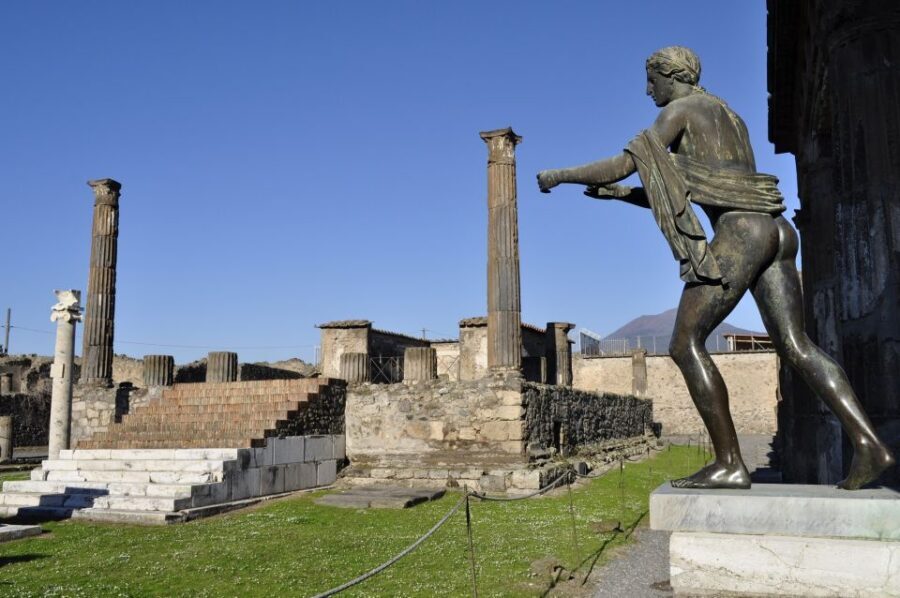
The emotional pivot of Pompeii is the story of 79AD. Your guide explains what happened when Vesuvius erupted—and then you’ll see body casts of citizens, preserved in forms that bring the tragedy into sharp focus.
This isn’t a “scary ghost story” stop. It’s more sobering than that. It turns the ruins from impressive architecture into evidence of sudden loss. If you’re the type who likes your history factual and human-scale, this part will land.
If you’re sensitive to intense scenes, I’d keep that in mind. The body cast areas can be striking, and the contrast with the earlier “here’s how people ate, bathed, and shopped” stops can feel heavy.
Still, for most people, this is the reason Pompeii is worth the effort. The guide helps you connect it to what you saw earlier so the site doesn’t feel like a checklist.
Listening With Earphones, Handling Crowds, and Avoiding Frustration
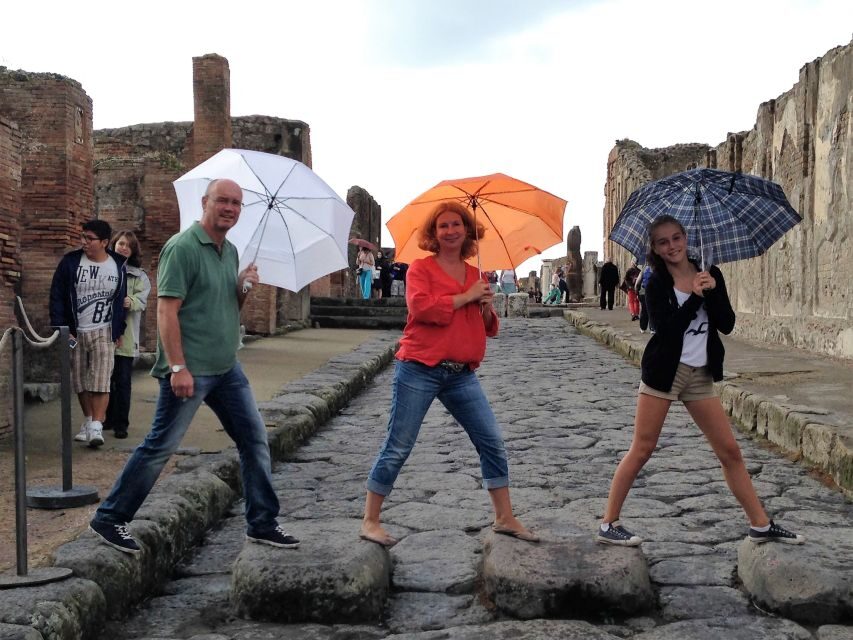
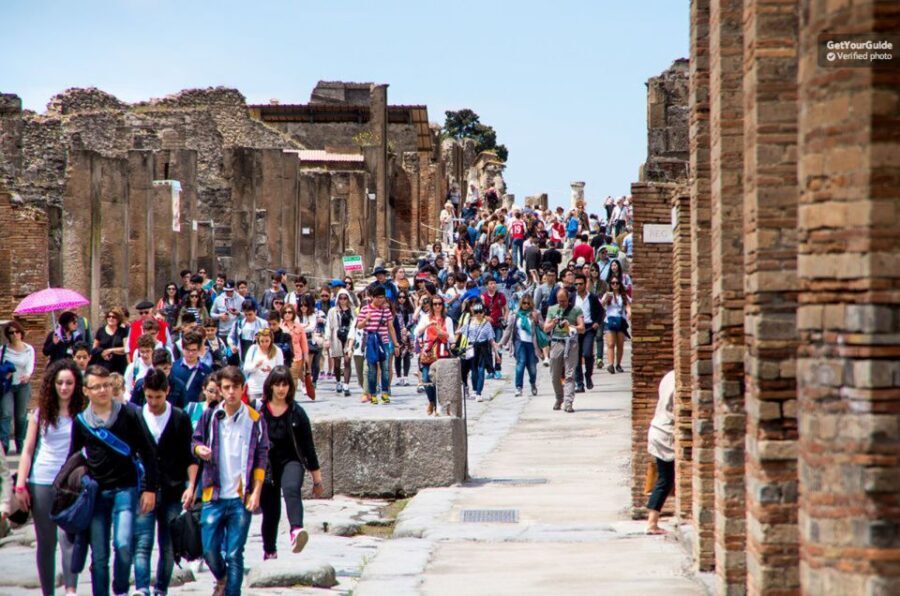
Pompeii is popular, and this is a shared guided tour. Group size can be larger than expected, and the train can be crowded. That’s not a surprise, but it can shape how much you enjoy the experience.
The good news: many groups get earphones/audio so you can hear the guide clearly even in a bigger crowd. That’s a big deal at Pompeii, where people naturally stop and start around the same structures. Clear audio helps you follow the story without constantly craning your neck.
A few people noted that sometimes the flow wasn’t perfect—like waiting after arrival for the tour to start or having to exchange vouchers at the gate. If that happens to you, don’t assume it means the whole tour will fall apart. The guided portion is where the value shows up.
Also, if you’re visiting in summer heat, pacing matters. Expect uneven ground, lots of sun exposure, and minimal places to sit. Your best move is simple: bring water, wear shoes that can handle rough stone, and take breaks when you can.
Which Sights You’ll Feel “You Got It” From (and Which You’ll Want Later)
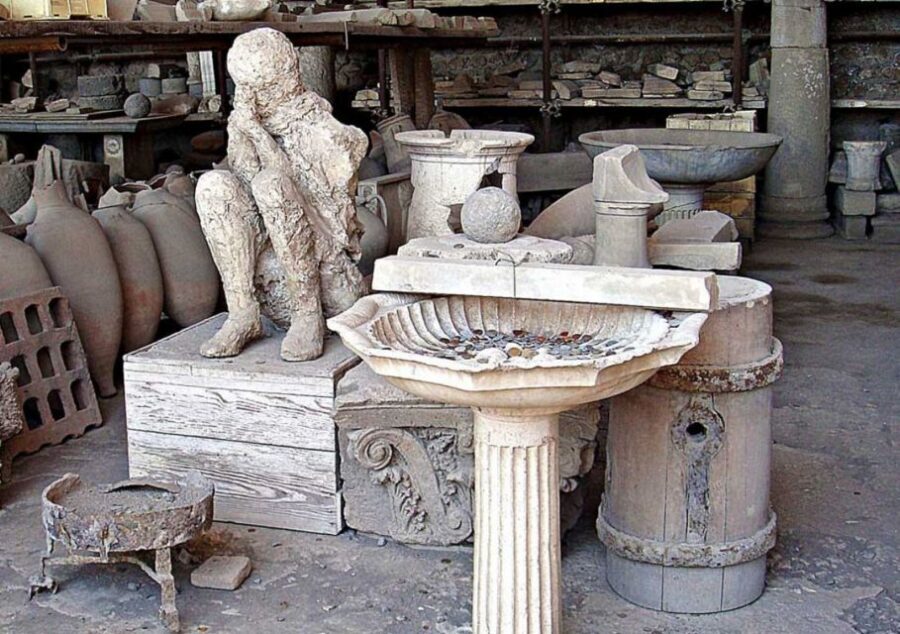
After two hours, you leave with a strong mental map of Pompeii’s most important areas. The tour route focuses on the places that give you the best sense of Roman public life and daily routine—Forum, baths, Temple of Jupiter, theaters/villas, bakery utensils, mosaics/frescoes, termopolia, and body casts.
But here’s the honest part: two hours won’t cover Pompeii in full. The site is sprawling, and your guide’s route is intentionally selective. That’s why this tour works best as your first Pompeii experience.
If you want more, you’ll likely return on your own time after the tour ends. The guide’s “you saw the main spine of the city” approach is perfect for that. Once you’ve learned what matters, you can explore deeper later with less confusion.
Price and Value: Is $66.27 a Good Deal?

At $66.27 per person, this tour has a fair “value structure.” You’re paying for:
- Entrance ticket + guided tour
- Skip-the-ticket-line
- Return train ticket from Sorrento to Pompeii and back
What makes it feel like good value is the combination. You get transportation planning handled for you, plus a guide who chooses the route so you don’t waste your limited time inside a huge archaeological site. If you tried to do Pompeii solo the same day, you’d likely spend extra time figuring things out, especially the first time.
The tradeoff is time. You’re not getting a slow, no-crowd experience. And if your group ends up large, you’ll want to rely on the audio setup and do your best to position yourself so you can hear.
For me, this price makes sense if you want a high-impact overview and a guided narrative connecting everyday Roman life to the 79AD disaster.
Should You Book This Pompeii Tour from Sorrento?
Book it if you:
- Want an efficient Pompeii introduction in about two hours
- Prefer being guided through the site instead of mapping it yourself
- Like the idea of seeing the big anchors—Forum, baths, Temple of Jupiter—plus mosaics, termopolia areas, and body casts
- Appreciate clear listening support (earphones/audio systems are often used)
Skip it or choose a longer tour if you:
- Hate crowds and long shared logistics
- Want lots of time to linger in one area
- Need a very flexible pace where you can stop often and take long breaks
One last practical note: some guides in this format are funny, calm, and engaging—names like Ciro, Maria, Laura, and Giana have been associated with strong guiding. That style helps a lot at Pompeii, because the site can otherwise feel like a lot of stone and dates.
If you’re staying in Sorrento and want Pompeii to feel meaningful rather than overwhelming, this is a solid, sensible booking.
FAQ
How long is the Pompeii tour from Sorrento?
The guided tour duration is 2 hours. The schedule includes round-trip train transfers, so the whole day experience will take longer than two hours, but the guided portion is set.
What’s included in the price?
The tour includes the Pompeii entrance ticket and guided tour, plus a return train ticket (Sorrento–Pompeii–Sorrento). It also includes skip-the-ticket-line access.
Where do I pick up my tickets in Sorrento?
You pick up your tickets at the Tempio Travel office in Sorrento Circumvesuviana Station.
What languages are the guides?
The live tour guide is available in English and Italian.
Do I need to bring identification?
Yes. You should bring a passport or ID card.
Is this tour shared with other people?
Yes. It’s a shared guided tour.
What should I bring for comfort at Pompeii?
Comfortable shoes are recommended. In summer, bring a sunhat and water.