REVIEW · NAPLES
Pompeii, Positano & Sorrento private shore excursion
Book on Viator →Operated by Askos Tours · Bookable on Viator
Pompeii plus two Amalfi towns is a great mix. I like the private driver + modern minivan setup, and I also really value the 2 hours of Pompeii guidance that helps the ruins make sense fast. One thing to plan for: the day runs about 8 hours and much of Pompeii is very exposed with minimal shade, so heat and walking pace matter.
You’ll start with a pick-up that works whether you’re coming from Naples, the coast, or a Campania port area, then you’ll move like a local: short drives, then meaningful on-foot time in Positano and Sorrento. The tour keeps admission simple—Pompeii entry is included and many other stops are listed as free, while meals are not. If you hate early starts or you want long beach time, this might feel a bit packed.
In This Review
- Key highlights I’d target before you book
- A private shore day: why this combo works
- Price and logistics: what you’re really paying for
- Stop 1: Positano Centro Storico walk (and why it’s worth it)
- Stop 2: Corso Italia in Sorrento plus an easy lunch break
- Piazza Tasso: the central living room of Sorrento
- Basilica di Sant’Antonino: a quick stop with unusual details
- Stop 3: Getting into Pompeii through Porta Marina
- Pompeii with 2 hours of guidance: how it changes everything
- Key Pompeii stops you’ll hit: from market square to baths
- Lupanar and the private homes: what these reveal (and how to handle the mood)
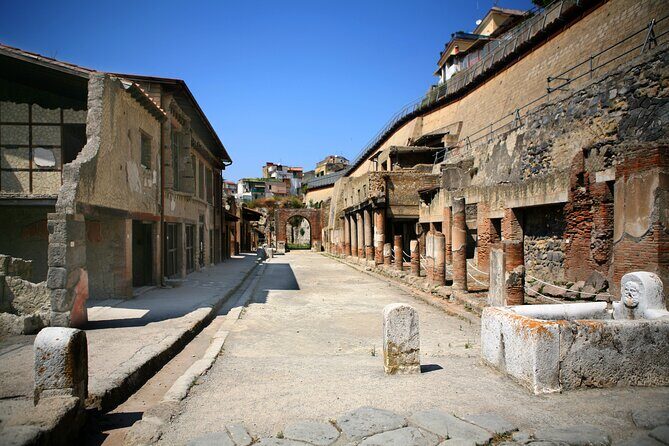
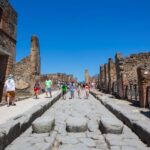
- Pompeii’s main street and the theaters: from daily life to performance
- The heat reality check: what I’d pack and how I’d pace the day
- Who this private excursion is best for
- Should you book Pompeii, Positano & Sorrento privately?
- FAQ
- How long is the Pompeii, Positano & Sorrento private shore excursion?
- Where does the tour pick you up?
- Is there a professional guide in Pompeii?
- What admissions are included?
- Are meals included?
- Is Pompeii shaded and easy to walk?
Key highlights I’d target before you book
- On-foot time in Positano and Sorrento so you’re not just staring out a window
- Professional Pompeii guidance for 2 hours, built for understanding what you’re seeing
- Comfort-first, full-day private transportation with a driver focused on logistics
- Flexible lunch option in Sorrento (quick restaurant by the sea) if you want a break
- Pompeii stops that hit the core experience: Forum, baths, major houses, theaters, and more
A private shore day: why this combo works
This is the kind of day trip that’s great on paper and in real life because it gives you three different “moods” of the same region.
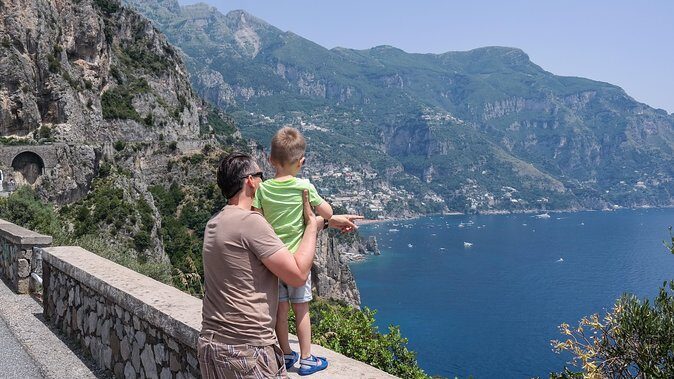
Positano and Sorrento deliver the charm: tight lanes, steep little streets, viewpoints, and that slow, coastal rhythm. Then Pompeii flips the switch—suddenly you’re walking through a Roman city preserved under volcanic ash, and a guide’s job becomes crucial. Without help, Pompeii can feel like random stone sections. With guidance, you start to read the city like a map.
The private format matters too. You’re not sharing buses with people doing their own thing. You move together with a driver who can help you manage time and traffic, and you can adjust in real moments—especially around heat, photos, and lunch timing.
If you're still narrowing it down, here are other tours in Naples we've reviewed.
Price and logistics: what you’re really paying for
At $603.80 per person for an 8-hour day, this isn’t a budget excursion. The value comes from what’s bundled:
- Full-day private transport in a modern minivan with a professional driver
- Pompeii admission included
- 2 hours of private guidance in Pompeii
Meals are not included, so you will likely add lunch on your own in Sorrento (the plan includes time for a quick one if you want it). That’s normal for private coastal tours, but it does mean you should budget extra if you’re picky about where you eat.
If you’re traveling with kids or you want fewer stress points, private often costs less than the headache factor. You’ll also have the flexibility of a mobile ticket and English service, which helps a lot for Pompeii.
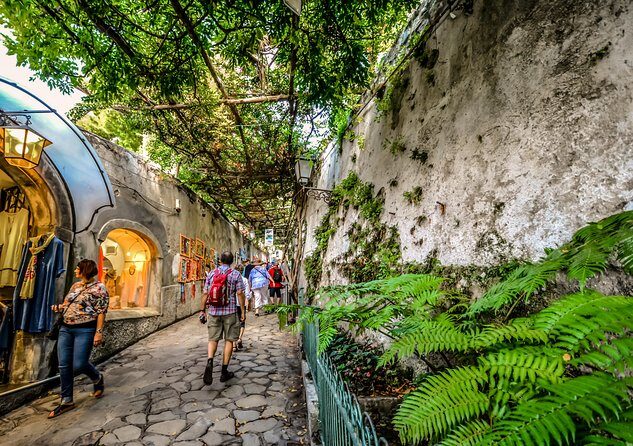
Stop 1: Positano Centro Storico walk (and why it’s worth it)
Your day starts with pick-up at your accommodation or meeting point, then a transfer to Positano and a walk downtown.
Positano is famous for looks, but the real reason this works is that you get to experience the town at street level. You’re not trying to see everything at once. Two hours gives you time to wander, pause for views, and find the lanes that feel like real life, not a postcard.
What to expect: compact streets, lots of walking, and the kind of scenery where you’ll stop without planning to. It’s a “slow and look” segment, not a checklist segment.
Possible drawback: if anyone in your group struggles with stairs or steep ground, Positano can be tough. The tour includes walking, so you’ll want to self-check your comfort level before you commit.
Stop 2: Corso Italia in Sorrento plus an easy lunch break

Next you transfer to Sorrento for time in the old town, walking through the alleys and along the main road called Corso Italia.
Sorrento works because it’s both walkable and atmospheric. Corso Italia is a useful spine: it helps you orient yourself, while the alleys let you step away from the main flow and get that local feel.
Here’s the smart flexibility built into the plan: you can choose to have a quick lunch in a restaurant by the sea instead of spending the full time just walking.
What I think you should do: if it’s hot or you’re traveling with kids, pick the lunch option. You still keep momentum, but you also lower the chance you’ll be tired at Pompeii, when the walking and sun exposure really matter.
Piazza Tasso: the central living room of Sorrento

At mid-day, you’ll arrive at Piazza Tasso, described as the central living room of town.
This is the kind of stop that makes the whole day feel connected. Piazza Tasso gives you a natural place to reset: you can take photos, regroup, and enjoy the fact that Sorrento isn’t only about streets—it’s about gathering spaces too.
Even if you don’t spend long here, a square like this helps you “locate” the town mentally before you continue.





Basilica di Sant’Antonino: a quick stop with unusual details
You also have time for Basilica di Sant’Antonino, named for Sorrento’s patron saint.
The quick version is: the outside doesn’t scream church, but the inside has more Roman and medieval character, plus a gilded ceiling. There’s also an odd detail—two whale ribs mentioned in the lobby area by the front door.
This is the type of stop that’s easy to miss if you’re rushing. But with short timed segments built into the day, you get a taste of local culture without turning the day into a museum marathon.
Stop 3: Getting into Pompeii through Porta Marina
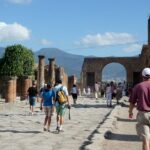
Then comes the main event: Pompeii Archaeological Park, entering from the main entrance called Porta Marina.
The tour lists Pompeii entry included, which is a big deal because Pompeii isn’t just a drive-by view. You’ll be inside the site for a long stretch, and tickets add up if you do it on your own.
What to expect when you arrive: once you’re in, the site moves fast. The plan immediately puts you into guided territory and key stop points, which helps you feel like you’re going somewhere instead of wandering.
Pompeii with 2 hours of guidance: how it changes everything
You get 2-hours private guidance in Pompeii. This is the best part of the day if you care about understanding what you’re looking at.
Pompeii is huge and exposed, and without context the buildings can blur together: temples, forums, homes, baths, and theatres all sit in blocks. A guide makes the difference between staring at stones and realizing what each space was for.
Also, a guide can help you choose what to prioritize. The site is vast—so the fact this day is planned around major zones and landmarks is exactly what you want.
Key Pompeii stops you’ll hit: from market square to baths
The Pompeii portion is packed with classic highlights, and each one tells a different story.
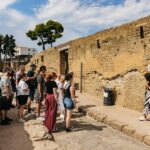
Basilica (portico shelter and merchant life): You get time for the Basilica, described as an open portico that provided shelter for merchants and other activities. It’s a reminder that this city wasn’t quiet ruins—it was commerce and daily movement.
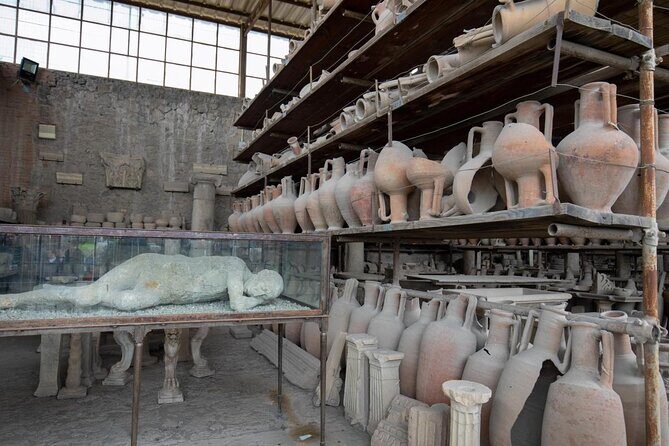
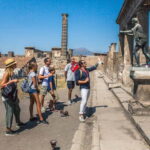
Granai del Foro (food storage and household meaning): You’ll see the Granary (Granai del Foro) with marble tables, bath areas for fountains at entrances, and casts connected to the eruption. The inclusion of casts (including a dog and a tree) helps you connect the city’s destruction to real moments rather than abstract disaster.
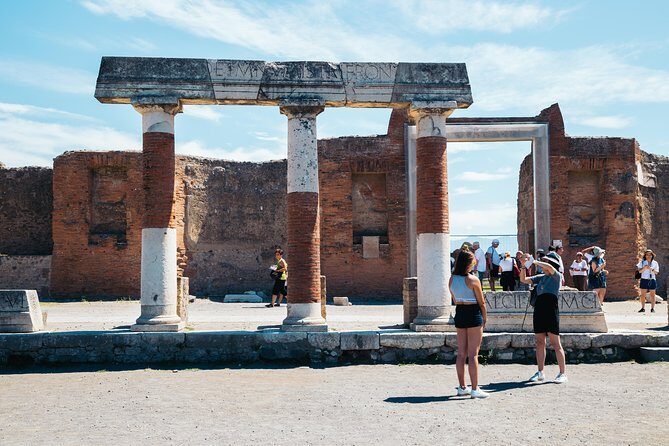
Forum (main square): You’ll have a look at the ancient main square—the Forum. This is one of those spaces where a guide can help you see how public life worked: meetings, movement, announcements, and the social rhythm of a city.
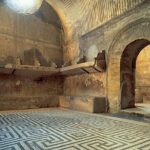
Stabian Baths (oldest thermal complex): Next up are the Stabian Baths (Terme Stabiane). This thermal complex is described as the oldest in the city. Baths matter in Pompeii because they weren’t “just hygiene.” They were routine, social time, and status.
Lupanar and the private homes: what these reveal (and how to handle the mood)
You’ll also visit:
Lupanar (Pompeii’s famous brothel): This is listed as the most famous brothel in the ruined Roman city. It’s historically significant, but it can also feel uncomfortable. If your group is sensitive, you can treat this stop as “informational” rather than anything to dwell on.
Casa del Menandro: You’ll see the house of Menander, described as one of the richest homes in Pompeii for architecture, decorations, and contents. This stop is ideal if you want to understand how wealth expressed itself in everyday domestic space.
Casa del Fauno: Next is the house of Faun, described as one of the largest and most impressive private residences. When you’re ready for a bigger scale, this is a strong “wow” moment.
A practical note: houses and detailed interiors can be emotionally draining, especially in high heat. Take breaks when you can, and use your water and shade opportunities strategically.
Pompeii’s main street and the theaters: from daily life to performance
The plan also includes walking through Pompeii’s main street, plus a focus on its entertainment and public architecture.
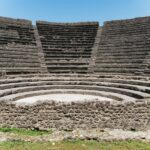
Theatre Piccolo: You’ll get time for a look at the Teatro Piccolo.
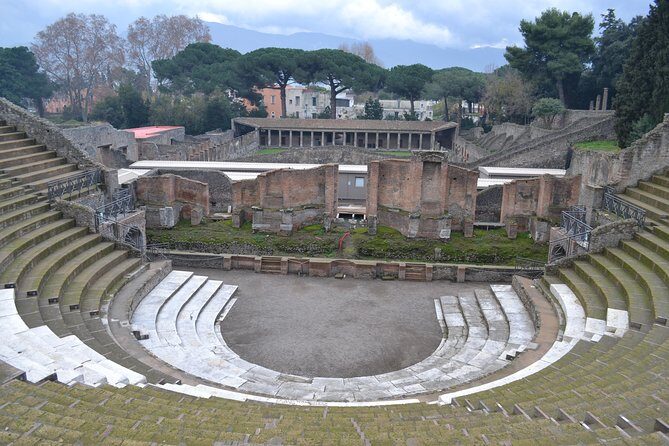
Teatro Grande (main theater): You’ll then visit Teatro Grande, described as the most important theatre in Pompeii, with about 1 hour in that area.
Theatres help you understand Pompeii as a living city. You see the scale of public performance, and with guidance you start connecting architecture to how Romans spent time and energy together.
The heat reality check: what I’d pack and how I’d pace the day
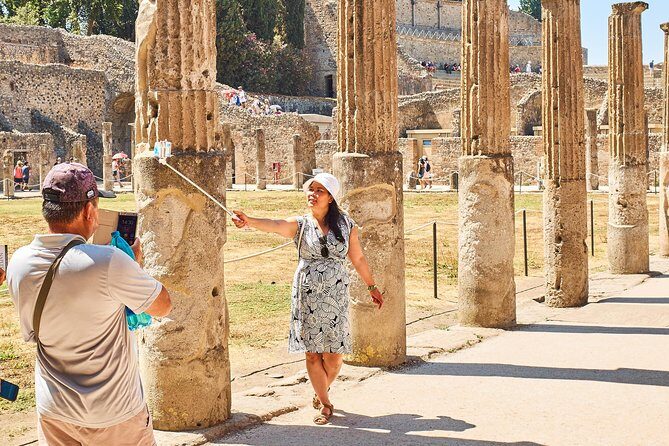
This tour spends a lot of the day outdoors, and Pompeii in particular is described as vast and very exposed with minimal shade.
So I’d plan like this:
- Sunscreen and a hat are not optional comfort items here
- Plenty of water matters
- Wear shoes you can walk in for hours, not just for photos
If you’re thinking of doing this during a very hot season, pace becomes everything. Use the Sorrento lunch break if you need energy. Then let your Pompeii time be guided and purposeful, not “wandering to see what happens.”
Who this private excursion is best for
This is a strong fit if you want:
- A single-day plan that covers Positano, Sorrento, and Pompeii without multiple transfers and confusion
- Professional Pompeii context through private guidance
- Comfort-first logistics with a modern minivan and a driver managing the day’s movement
It’s also a good choice if you’re traveling with kids and want patience built into the schedule. The day plan includes lots of short timed stops, which tends to work better for families than one long, unpredictable walk.
If you have mobility limits, the walking and steep areas in both towns plus Pompeii’s uneven ground may be a concern. The tour is designed for people who can participate, but you’ll want to be realistic about daily walking volume.
Should you book Pompeii, Positano & Sorrento privately?
I’d book this if you want a day that’s structured but not stiff—time to wander in Positano and Sorrento, then real understanding in Pompeii through 2 hours of guided time and included entry.
Skip it, or at least think twice, if you hate heat and walking. Pompeii’s exposure is real, and this day doesn’t feel like it was made for people who want constant shade and long sit-down breaks.
If your priority is value for a private day—transport + guidance + Pompeii entry—this checks a lot of boxes.
FAQ
How long is the Pompeii, Positano & Sorrento private shore excursion?
It runs about 8 hours.
Where does the tour pick you up?
Pick-up is offered from your accommodation in Naples, Sorrento, Salerno, and the Amalfi coast, and also from any port in Campania or other meeting locations.
Is there a professional guide in Pompeii?
Yes. You get 2 hours of private guidance in Pompeii.
What admissions are included?
Pompeii Archaeological Park admission is included. Other stops are listed with admission ticket free within the tour plan.
Are meals included?
No. Meals are not included, but there is time for a quick lunch by the sea in Sorrento if you choose it.
Is Pompeii shaded and easy to walk?
No. The site is described as vast and very exposed with minimal shade, so you’ll want to bring sunscreen, a hat, and plenty of water.