REVIEW · NAPLES
Herculaneum, Vesuvius and Pompeii Full Day Tour from Naples
Book on Viator →Operated by Around Vesuvio · Bookable on Viator
Three Roman cities in one long day.
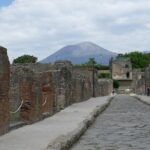
This full-day tour strings together Herculaneum, Vesuvius, and Pompeii so you can see how Mount Vesuvius changed the lives of real people in 79 A.D. You start in Naples, ride up to Vesuvius (with time for crater views), then spend set blocks of time walking self-guided ruins that are big, atmospheric, and easy to get lost in if you don’t plan your pace.
I love the practical value here: you get entry tickets for all three major stops, plus an air-conditioned vehicle doing the heavy lifting. I also like that the day is tightly timed—so even if you only have a short Naples stay, you’re still hitting the big highlights without needing to rent a car or connect multiple buses.
One possible drawback: the day leans on self-guided ruins, and the audio experience (especially at Herculaneum and Pompeii) can feel hit-or-miss depending on the device. If audio matters to you, I’d plan to rely on the provided map and your own eyes as a backup.
In This Review
- Key things I found most useful
- How This Naples Day Trip Really Feels (time, pace, and what’s included)
- Naples Pickup: Locate the van quickly and avoid the morning scramble
- Herculaneum Ruins: A calmer, clearer look at everyday Roman life
- Vesuvius National Park: Steep climb, crater views, and big-bay panorama
- Pompeii with Audio Guide and a Detailed Map: Big highlights, tight time
- Comfort, food, and your sanity on an 8.5-hour day
- Price and value: Is $153.80 worth it for three major sites?
- Who should book this tour?
- Should you book this Vesuvius–Herculaneum–Pompeii day trip?
- FAQ
- Is this tour in English?
- How long is the tour?
- Do I need audioguides for Herculaneum and Pompeii?
- What entrance tickets are included?
- Where does pickup and drop-off happen?
- What fitness level do I need?
Key things I found most useful
- Air-conditioned transportation between all three sites, which matters in peak heat
- Tickets included for Herculaneum, Pompeii, and Vesuvius National Park
- Vesuvius crater time (about 1.5 hours to reach the top area) with huge views
- Pompeii audio + detailed map for a structured way to move through the park
- Self-paced walking at Herculaneum and Pompeii, so you control your pace
- Moderate fitness required for steep routes and lots of walking
How This Naples Day Trip Really Feels (time, pace, and what’s included)
This is an all-in-one day built for people who want the big three: Herculaneum, Vesuvius, and Pompeii. It runs about 8 hours 30 minutes, with pickup and drop-off in Naples, then structured time blocks at each archaeological site. That structure is the point. Without it, you’d be coordinating your own transport, tickets, and timing—often with stress.
The tour includes an air-conditioned vehicle, entry tickets for all stops, and audio support for Pompeii. It’s also set up for a relatively small experience (the maximum size is stated as 17), which can be great for logistics—though you should still expect some crowds at the sites themselves. The physical side is real: plan on steep ground at Vesuvius and plenty of walking through ancient streets and buildings.
Also note: lunch isn’t mentioned as included. You’ll likely need to snack on the go or find something near your stops. Build in water, and plan bathroom timing—especially before Vesuvius.
If you're still narrowing it down, here are other tours in Naples we've reviewed.
Naples Pickup: Locate the van quickly and avoid the morning scramble
Pickup is near Via Galileo Ferraris, 40 (80146 Napoli NA). The provided coordinates are 40.8505189N, 14.2747942E, which is helpful if you’re using Google Maps instead of trying to interpret vague directions.
Here’s my practical tip: arrive early enough to find the exact meeting spot without rushing. One rough experience can turn an otherwise great day into a frantic one. With a shared meeting point in Naples, it’s smart to give yourself breathing room before the vans start rolling.
If you’re coming from elsewhere in the city, remember the tour is described as near public transportation, but that doesn’t mean the meeting point is “easy” without a quick map check. Do the map check the night before.
Herculaneum Ruins: A calmer, clearer look at everyday Roman life
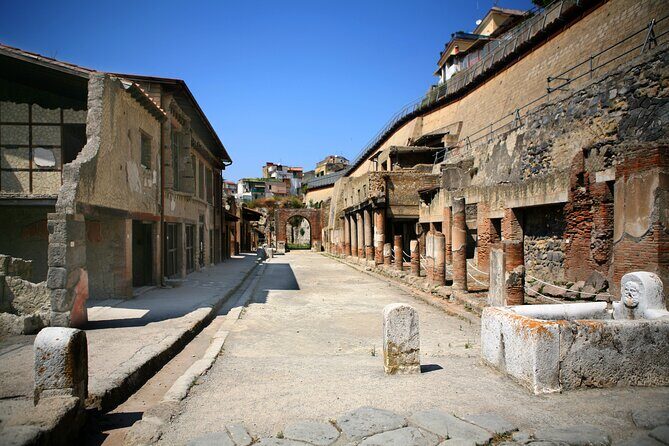
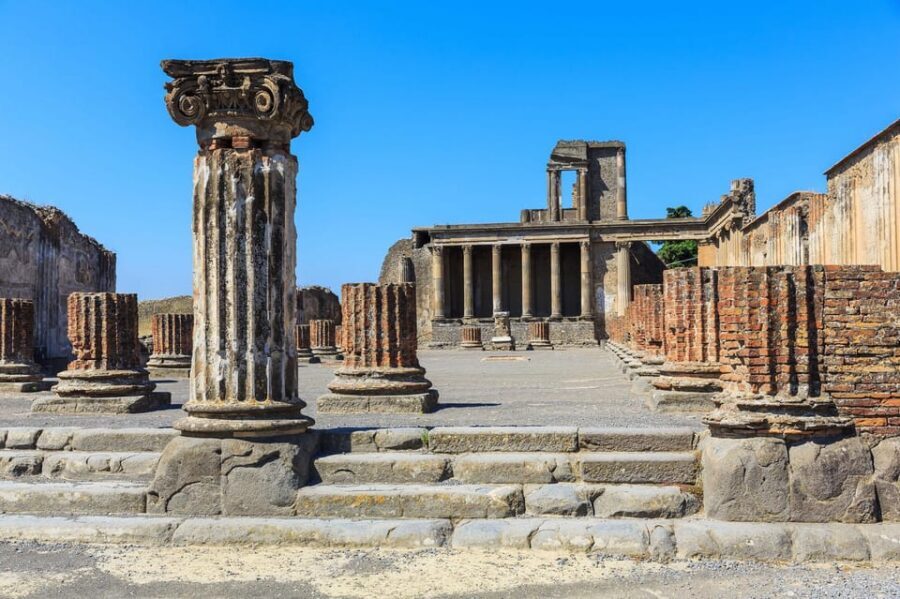
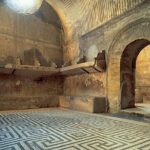
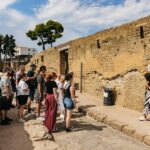
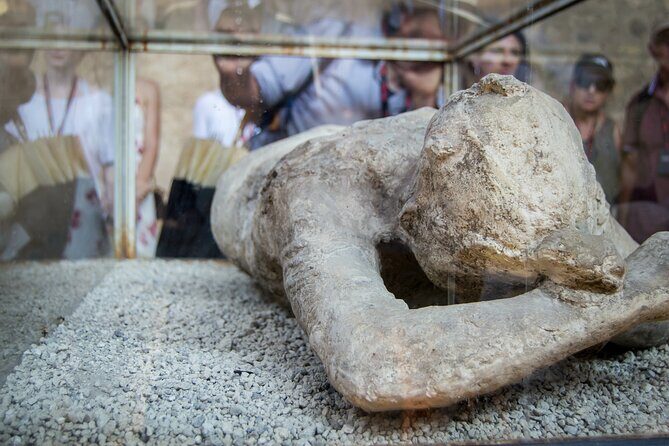
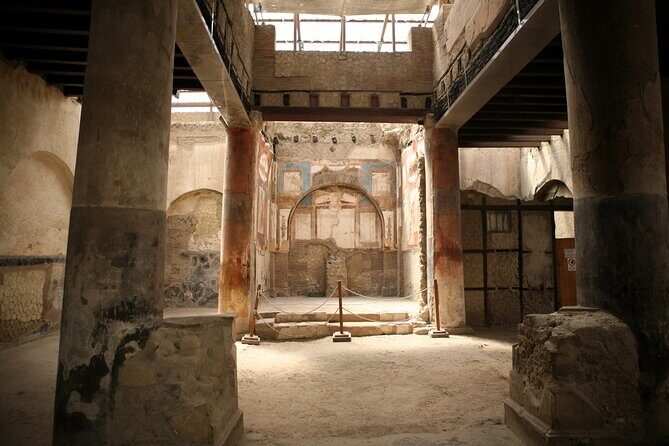
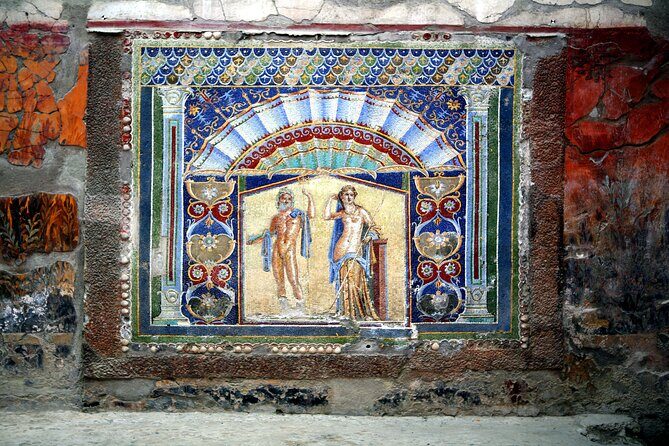
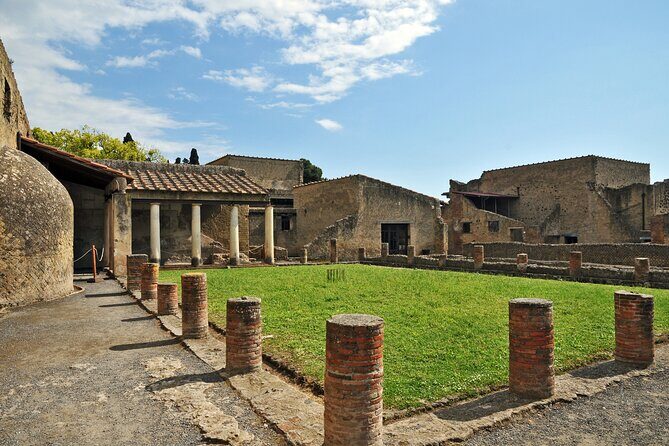
Herculaneum is the quieter, more intimate stop—and that’s a compliment. You’ll spend about 2 hours at the archaeological area. The key idea is preservation: the ruins reveal a whole town—houses, villas with frescoes, streets, and temples—lost under volcanic material after the 79 A.D. disaster.
Unlike a guided lecture, this part is set up as self-guided. The tour information for Herculaneum says there’s no audioguide as part of the visit, and it frames the site as manageable on your own. That matters, because if you prefer reading signs, wandering, and choosing what to look at closely, you’ll probably enjoy the flow.
What to watch for in the time you get:
- The frescoes and wall details that help you picture rooms as living spaces, not just “ruins”
- The layout of streets and how the town feels smaller and more walkable than Pompeii
- The temple areas, where you can connect the dots between everyday life and public religious space
Potential drawback: because it’s self-guided, you’ll get the most out of Herculaneum if you go in ready to observe. If you’re expecting an on-the-spot guide-style narration for every stop, that may not happen here.
Vesuvius National Park: Steep climb, crater views, and big-bay panorama
This is the headline physical moment. You’ll ride to Vesuvius by bus, then get a total of about 3 hours at the national park area. The plan includes 1.5 hours of free time to reach the top area and visit the crater zone, with the day’s timing built around that.
You’ll be aiming for roughly 1,000 meters of height on the route up. Translation: even if you’re fit, this is steep. Comfortable shoes matter more than you think, and the route can feel more like a workout than a scenic stroll.
What makes Vesuvius worth it:
- The crater area and volcanic features like fumaroles
- The dramatic panoramic views over Naples and out toward Capri, Ischia, Procida, Naples, and Pompeii from above
One very practical note from real-world experience: use the bathroom before you start the final push toward the top if possible. Facilities at the mountain can be limited, and once you’re moving uphill, you don’t want to spend your “crater time” detouring.
Also remember your timing. The tour allocates a set window here, so don’t waste your whole margin chatting at the mid-points. You want enough time both to climb comfortably and still stand at viewpoint areas when you get there.
Pompeii with Audio Guide and a Detailed Map: Big highlights, tight time
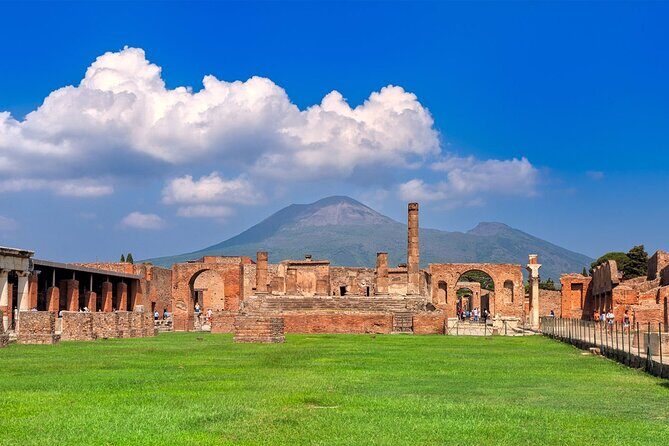
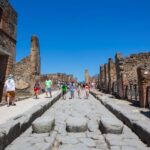
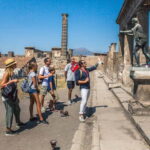
Pompeii is the largest stop, and it gets about 2 hours. Pompeii is also the place where a quick visit can feel like speed-walking through a museum the size of a small city.
The tour includes an audio guide with a detailed map for Pompeii. That structure can help a lot because Pompeii can be confusing when you’re just following signs. The audio support is meant to give you a sequence, so you don’t bounce around randomly.
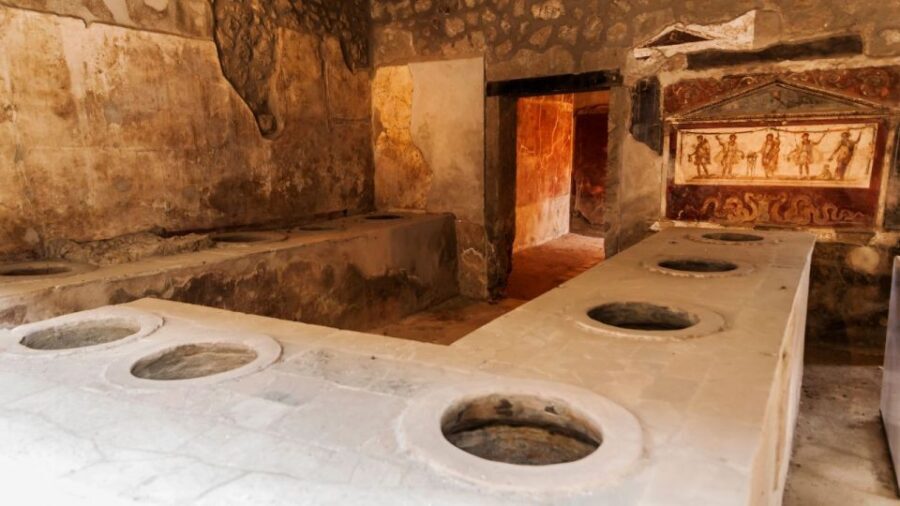
During this time block, you’ll be able to see major highlights such as:
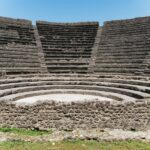
- The Amphitheater
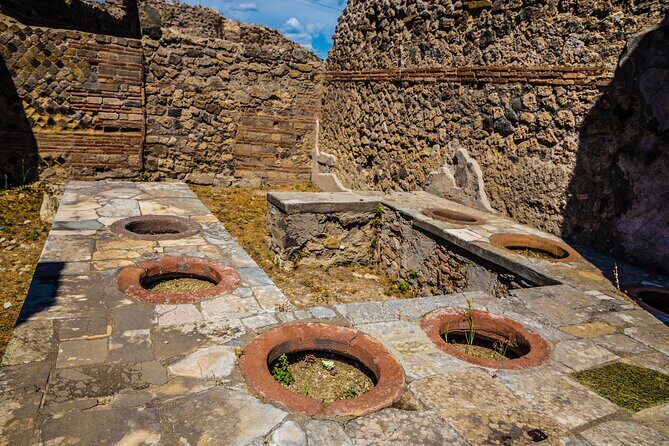
- The Thermopolis (a Roman-era food/drink counter)
- Some temples
- Famous houses, including the Casa del Fauno
Two realities to plan for:
1) Two hours is not enough for Pompeii in full. You’re choosing highlights, not “finishing” the park.
2) Audio devices can be temperamental in real-world conditions. If your device seems glitchy, you’ll still want the map and your own observational cues so you can keep moving without losing time.
My advice for getting the most from 2 hours: decide before you go which “musts” matter to you—amphitheater first? Casa del Fauno? Then follow the map/audio route to hit them without doubling back.





Comfort, food, and your sanity on an 8.5-hour day
This day is long enough that comfort becomes part of the sightseeing. The vehicle is air-conditioned, which is a big deal in warmer months when Naples heat can steam you out before you even reach the first ruin.
Bring:
- Water (you’ll need it on Vesuvius and in Pompeii)
- Sunscreen and a hat (Pompeii and Vesuvius both expose you)
- Earbuds/headphones if you’re relying on audio for Pompeii (even if the audio is included, you may not want to be stuck waiting around for the right connection)
Food isn’t listed as included. That means you should plan to grab something before you start, between stops, or near the Pompeii area when you’re done with your timed block. A quick meal matters here because if you wait too long, you’ll eat while you should be walking.
Finally, expect uneven walking surfaces. This is archaeology—some paths are paved, some are worn, and some are basically ancient leftovers. Moderate physical fitness is requested, and that’s code for: don’t plan on a slow, no-effort day.
Price and value: Is $153.80 worth it for three major sites?

At $153.80 per person, you’re paying for convenience: transportation plus all key site entry tickets for Herculaneum, Pompeii, and Vesuvius. You’re also getting a Pompeii audio guide with a map. When you add up those “separately purchased” pieces, the price looks less like a splurge and more like paying to compress logistics into one smooth day.
Where the value is strongest:
- If you don’t have a car in Naples
- If you want a plan that’s timed for a single day and you don’t want to scramble between sites
- If you like self-guided ruins but still want some structure for Pompeii
Where you might feel it’s less worth it:
- If you’re the type who wants deep, guided storytelling at every stop (this day isn’t built as a full guided tour inside every ruin)
- If you’re sensitive to audio quality and hate when tech fails (you can still enjoy Pompeii, but you’ll need to be flexible)
My bottom-line take: this is a good value for a first-time visit when your time is limited. If you have plenty of time in the area, you could also split these sites across separate days for a more relaxed pace.
Who should book this tour?
Book it if:
- You want to see Herculaneum, Vesuvius, and Pompeii in one day from Naples
- You’re okay with self-guided walking and using a map
- You can handle steep sections and lots of walking (especially the Vesuvius climb)
Consider another format if:
- You want a live guide walking you through Pompeii slowly with heavy explanation
- You need very flexible timing for mobility or endurance reasons
- You rely entirely on functioning audio and become frustrated if devices act up
This tour fits best for independent-minded sightseers who still appreciate the comfort of an organized transport plan and included tickets.
Should you book this Vesuvius–Herculaneum–Pompeii day trip?
Yes, if your priority is efficiency plus the big three. The best reason to book is simple: you trade planning headaches for a paced day that covers the essentials, with tickets handled and transportation lined up.
I’d book with eyes open, though. Vesuvius is steep, Pompeii is huge, and the day runs on set time blocks. If you go in prepared—comfortable shoes, water, and a short list of what you want most—you’ll leave with that rare combo: huge wow factor and no car-related stress.
If you want, tell me your travel month and your fitness level. I can suggest how early you should aim for pickup and how to prioritize Pompeii highlights within the 2-hour window.
FAQ
Is this tour in English?
Yes. The experience is offered in English.
How long is the tour?
It runs for approximately 8 hours 30 minutes.
Do I need audioguides for Herculaneum and Pompeii?
Herculaneum is described as without an audioguide, and you visit it on your own. For Pompeii, the tour includes an audio guide with a detailed map.
What entrance tickets are included?
Admission tickets are included for Herculaneum Ruins, Pompeii Ruins, and the Vesuvius National Park.
Where does pickup and drop-off happen?
Pickup is near Via Galileo Ferraris, 40, 80146 Napoli and the tour ends back at the meeting point.
What fitness level do I need?
The tour asks for moderate physical fitness, mainly because of walking and the steep route up toward Vesuvius.