REVIEW · SORRENTO
Pompeii Guided Walking Tour with Ticket
Book on Viator →Operated by JOE BANANA LIMOS & TRAVEL S.R.L. · Bookable on Viator
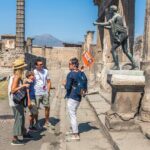
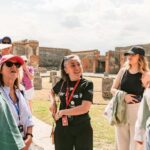
Pompeii moves faster when a guide keeps you on track. This small-group tour (15 or fewer) pairs skip-the-line tickets with an official licensed guide, so you spend more time seeing key ruins and less time stuck at the entrance. I also like that the route doesn’t play it safe: you get stops from the Roman Forum to the Roman-era brothel stop at the Lupanar.
One trade-off: you’ll be on your feet for about 2 hours 30 minutes over a ruined site, so wear supportive shoes and don’t plan for long rest breaks.
In This Review
- The highlights that make this tour worth it
- Pompeii, paced for real viewing (not sprinting)
- Getting inside fast: skip-the-line and what it buys you
- Stop 1: Pompeii Archaeological Park with houses, baths, and the brothel
- Stop 2: Foro de Pompeya (the Forum) in 15 minutes
- Stop 3: Teatro Grande (main theatre) and the Greek-Roman connection
- Stop 4: Granai del Foro and the shock of the casts
- Stop 5: Stabian Baths (Terme Stabiane), early Roman bathing
- Stop 6: Macellum, the roadside shops on the main road
- Stop 7: Lupanar (brothel) when time allows
- What the tour includes (and what it doesn’t)
- Price and value: is $112.35 a fair deal?
- How to get the most out of your 2.5 hours
- Who this Pompeii tour suits best
- Should you book this Pompeii guided walking tour?
- FAQ
- How long is the Pompeii guided walking tour?
- Where is the meeting point for the tour?
- What time does the tour start?
- How big is the group?
- Is the Pompeii entrance ticket included?
- What sights are included during the walk?
- Are food and drinks included?
- What should I wear or bring?
- Is the tour physically demanding?
- Is this experience refundable?
The highlights that make this tour worth it
- Skip-the-line Pompeii admission means you start seeing Pompeii right away.
- Small group size (max 15) keeps the pace conversational, with time for questions.
- Forum + Teatro Grande cover the city’s civic and entertainment sides in a short walk.
- Granai del Foro is a standout stop for artifacts and even plaster casts of victims and a dog and tree.
- Stabian Baths + Macellum bring daily life into focus: bathing and roadside shopping.
- Lupanar (brothel) is included when time allows, so you may see the erotic wall paintings that were once used as ads.
Pompeii, paced for real viewing (not sprinting)

Pompeii is the kind of place where the details matter. A self-guided visit can turn into wandering and guessing: What building is this? What’s special about this corner? With this tour, the pace is built around short, timed stops tied to what you’re looking at.
The best part is the format. You get a focused 2 hours 30 minutes with an official guide and a group capped at 15 people. That’s a sweet spot. Big tours often feel rushed. Totally private plans can cost more. Here, you get structure without feeling like you’re being herded.
Also, Pompeii is a walking experience. The tour explicitly calls for moderate physical fitness, so you should be comfortable covering a ruined site on foot. If you want lots of quiet time to roam, this is better as a guided “core highlights” day than an everything-in-depth day.
If you're still narrowing it down, here are other tours in Sorrento we've reviewed.


Getting inside fast: skip-the-line and what it buys you
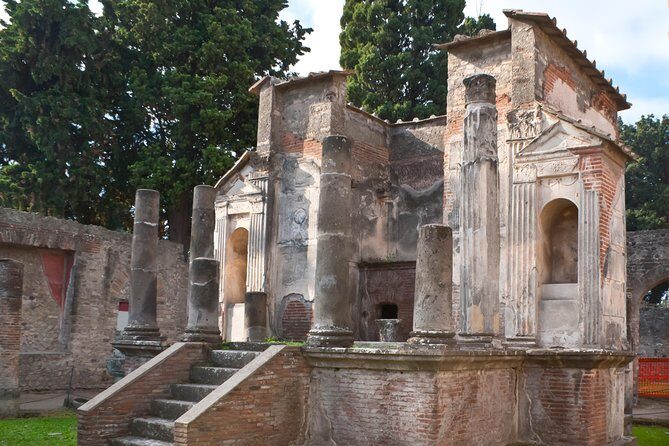
This experience includes skip-the-line Pompeii entrance tickets, which is more valuable than it sounds. Pompeii is famous, and demand is steady. If you show up without a timed plan, you can lose the beginning of your visit to waiting.
Here, you start at 10:30 am. The meeting point is Ristorante Bar Sgambati, Via Villa dei Misteri, 1, 80045 Pompei NA, Italy. The tour ends back at the same meeting point, which helps you plan the rest of your day without scrambling.
One practical bonus: because the tour is designed around entry and a set route, your time gets protected. You’re not left wondering where the group will go next.
Stop 1: Pompeii Archaeological Park with houses, baths, and the brothel
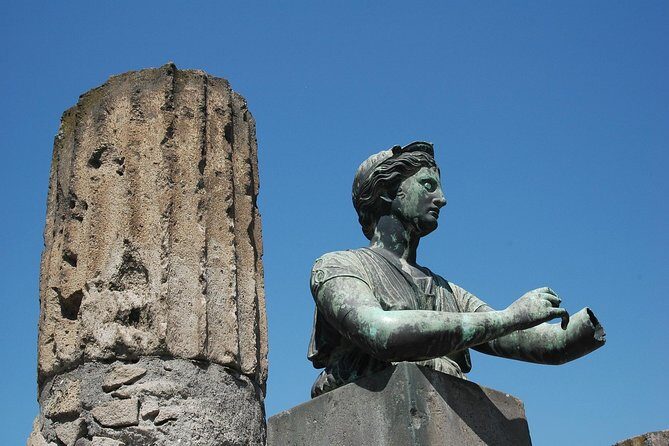
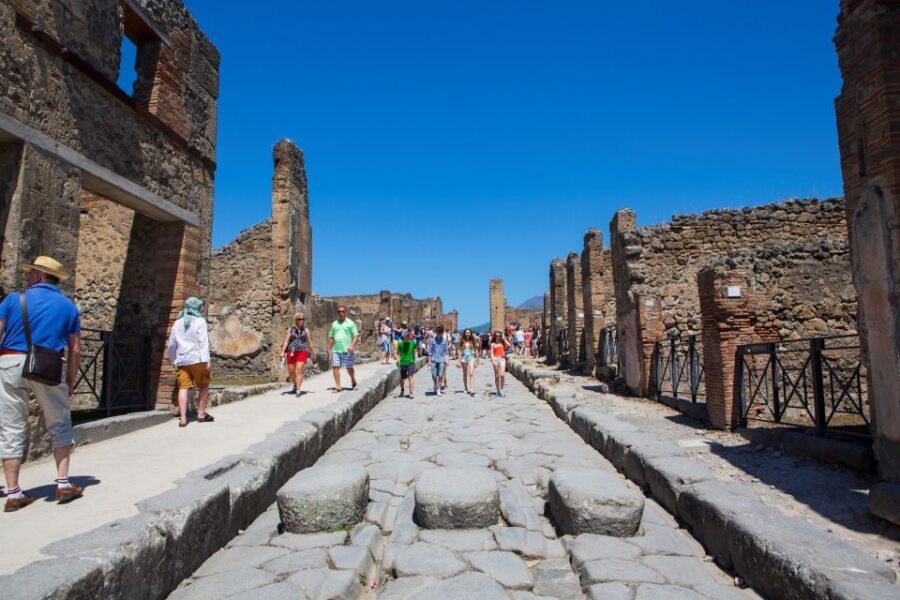
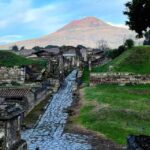
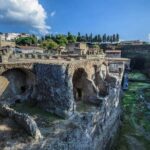
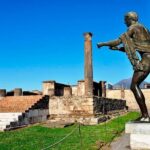
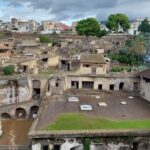
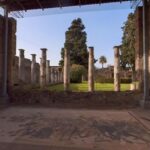
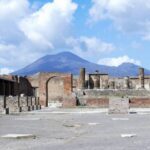
Your tour begins at the Pompeii Archaeological Park with a professional licensed guide. This first stretch is the heavy hitter, because it’s where you get the big Pompeii overview: you’ll visit ruins that include houses, baths, a theatre, and the brothel area as part of the guided walk.
Why I like this first stop: it gives you orientation fast. When you see the layout early, the later stops make more sense. Even the small things—how spaces connect, how people moved through the city—start clicking because you’ve been walked through the “what and why” from the start.
Timing matters too. You’re allotted about 2 hours 30 minutes total for the tour, and Stop 1 anchors that. Plan to use it actively: ask questions, take notes if you’re that person, and don’t just speed through the visible ruins.
Stop 2: Foro de Pompeya (the Forum) in 15 minutes
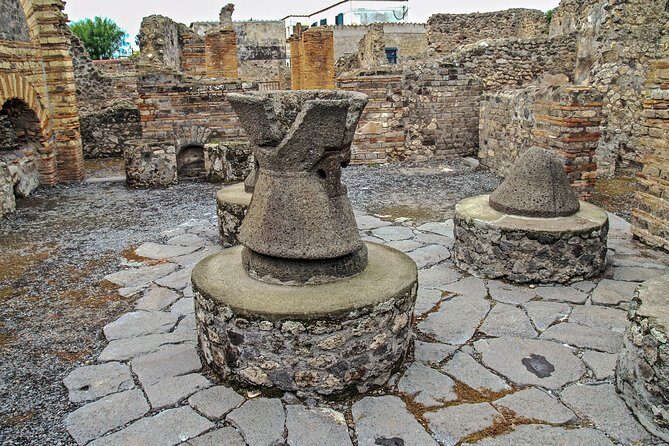
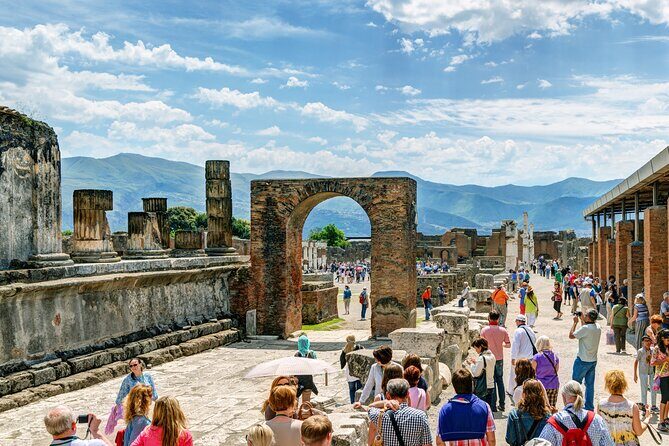
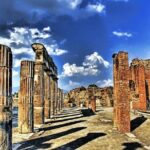
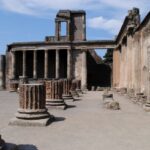
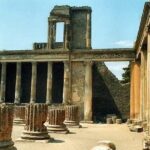
Next up is the Foro de Pompeya, the Roman Forum area. This was the main square of a Roman town and served as the commercial, political, and religious center.
Fifteen minutes doesn’t sound long, but it’s enough if the guide keeps the focus. The Forum can be overwhelming if you look at it like a pile of stones. With this tour’s short, guided stop, you get the main idea: this is where public life happened—debates, business, worship, the everyday theater of power.
If you like civic planning and how cities worked, you’ll appreciate this stop. If you prefer purely domestic life, you’ll still come away with a mental map: Pompeii’s “center” wasn’t random. It was engineered for the social life of the city.
Stop 3: Teatro Grande (main theatre) and the Greek-Roman connection
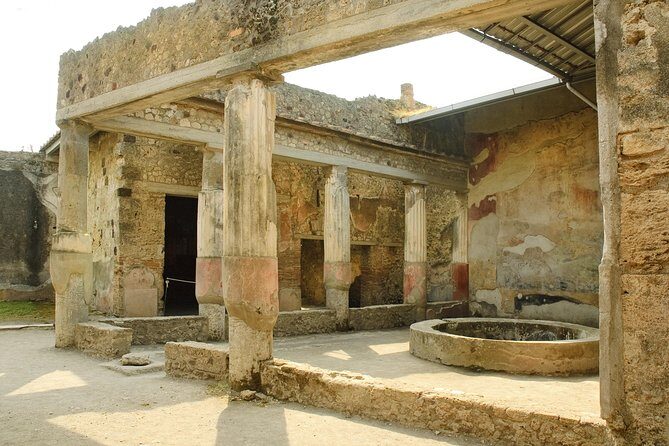
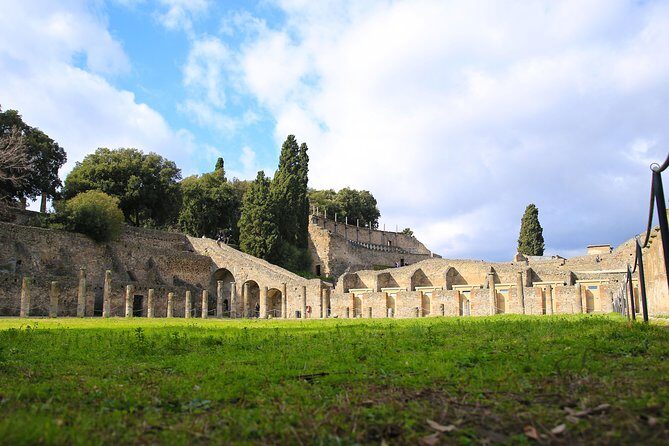
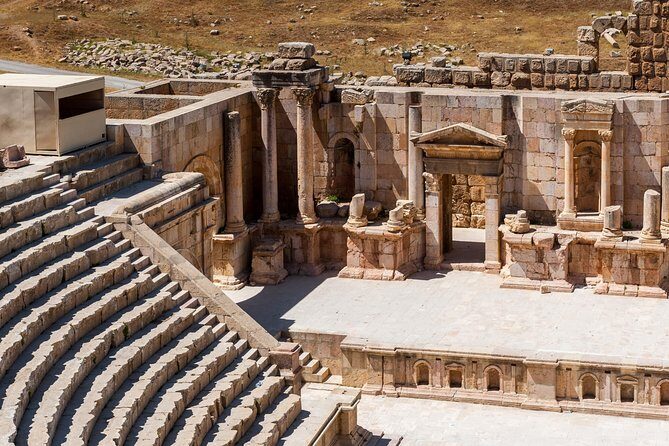
The tour then heads to the Teatro Grande, the main theatre of Pompeii. This is where plays from the Greek-Roman tradition were represented.
This stop works well because theatre is one of the easiest ways to understand Roman culture beyond architecture. You don’t just see a structure—you connect it to public entertainment and shared social experience.
Ten minutes is quick, but it’s exactly the sort of timing that keeps the day from dragging. Theatre stops can run long when you’re standing around trying to imagine the scale. The guided version helps you connect what you see to what would have happened here.
Stop 4: Granai del Foro and the shock of the casts
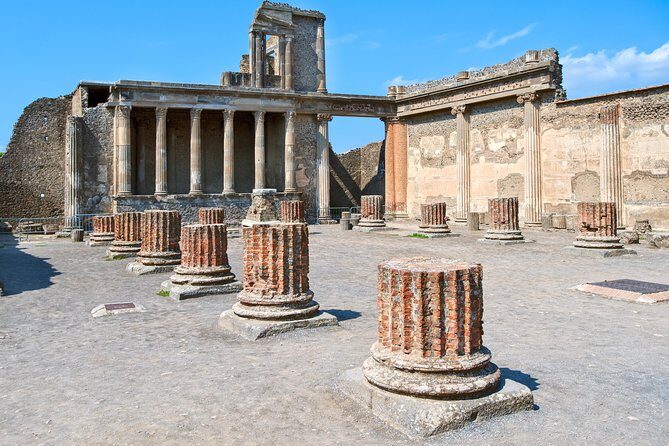
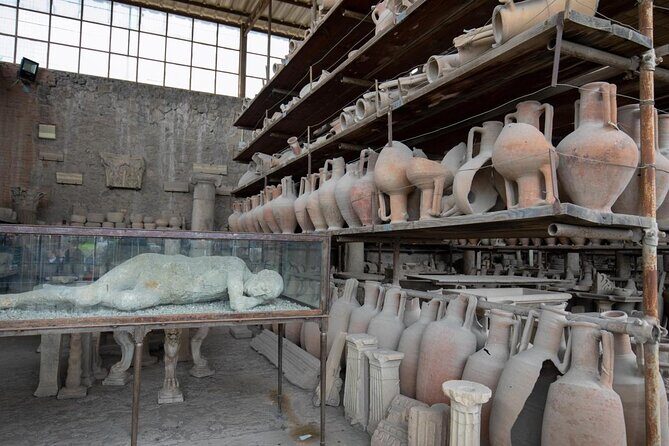
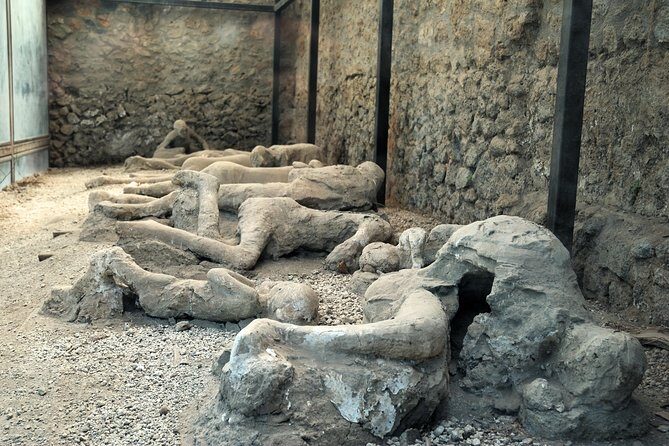
One of the most moving stops is the Granai del Foro—the Forum Granary area. It was used for the fruit and vegetable market. Today, it houses more than 9,000 artefacts, including cooking pots and kitchen items, jugs and bottles, marble tables, and baths for fountains at entrances of houses.
This stop also includes plaster casts of victims of the eruption, plus casts of a dog and a tree.
Why this part matters: it turns “ancient city” into “lived human time.” You’re not only seeing objects that survived. You’re seeing preserved moments of impact that make the site feel real instead of distant.
Fifteen minutes here can feel intense because the subject matter doesn’t stay purely archaeological. If you’re the type who needs a second to process what you’re seeing, give yourself a breath right after the casts segment—don’t rush to the next stop on autopilot.
Stop 5: Stabian Baths (Terme Stabiane), early Roman bathing
Then you’ll visit the Stabian Baths (Terme Stabiane), described as among the oldest Roman baths we know of in the Roman world.
Ten minutes is short, but baths are perfect for compact guided visits because they immediately explain daily routines. A bath complex isn’t just a room—it’s a system of spaces meant for public hygiene and social time.
If you like the mechanics of how people lived—how they moved through spaces, what daily routines looked like—this stop is for you. And because it comes after the Forum and granary, you get a helpful contrast: power and commerce earlier, body and routine here.
Stop 6: Macellum, the roadside shops on the main road
Next is the Macellum, essentially the marketplace area with shops along the main road.
Ten minutes gives you the core idea: a place where people bought and sold goods close to where they traveled and gathered. It also ties Pompeii together as a living city, not only a collection of buildings.
This stop is a reminder that Pompeii wasn’t only about big monuments. It also ran on everyday exchange—food, supplies, and the infrastructure that made a city work.
Stop 7: Lupanar (brothel) when time allows
The final thematic stop is the Lupanar, the ancient brothel. If there’s time, you’ll see it in the tour. Erotic paintings on the walls once acted as advertisements for the services offered, and some of those wall paintings remain visible.
Fifteen minutes here can be memorable for reasons beyond the obvious. It gives you another layer of daily life—what people normalized, what commerce looked like at street level, and how private commerce existed in public space.
If you’re sensitive to adult content, plan for that possibility. The tour calls it out clearly, and this stop is part of what makes the experience distinctive.
What the tour includes (and what it doesn’t)
You’re paying for a mix of logistics and interpretation:
Included:
- Skip-the-line Pompeii entrance tickets
- Official tour guide
- Small groups of 15 or fewer
Not included:
- Food and drinks
That last point matters. Two and a half hours can create hunger, especially if you’re starting around late morning. Bring snacks if your day needs it, or plan to eat immediately after—because the tour doesn’t include meals.
Price and value: is $112.35 a fair deal?
At $112.35 per person, you’re not just buying “a walk through ruins.” You’re getting:
1) Entrance tickets bundled into the price
2) An official guide doing the explaining and pacing
3) Skip-the-line help so you can start promptly
4) A small group cap (max 15), which keeps questions from getting lost
In practical terms, you’re paying to buy time. You can spend a day in Pompeii and still miss what makes the site click. This tour aims to do the opposite: it hits the Forum, theatre, granary collections and casts, baths, the market, and (time permitting) the Lupanar, without letting the day drift.
If your main goal is “see the big stuff with clarity,” the price feels more like a convenience fee than a luxury. If you want to spend hours wandering and building your own plan, a guided route may feel less efficient.
How to get the most out of your 2.5 hours
Here’s how to make this tour land well:
- Come with comfortable walking shoes. Pompeii is not a sit-and-stroll event.
- Bring bottled water. The tour recommends it.
- Use the stops actively. When you get to the Granai del Foro and the casts area, don’t rush the emotional weight—let the guide’s context do its job.
- If the Lupanar stop is time permitting, don’t assume it’s guaranteed. The best plan is to be ready for it, and if you don’t see it, you still get a full arc of Pompeii’s public and everyday life.
If you’re traveling with someone who wants history explained in plain language, a guided format is also a peace treaty. It turns the ruins into a shared story instead of a silent photo line.
Who this Pompeii tour suits best
This is a strong fit for:
- First-timers to Pompeii who want the “main beats” in one go
- People who like structured explanations more than reading everything alone
- Anyone who values a small group pace and a guide who can answer questions in detail
- Visitors who specifically want stops tied to how people lived: baths, markets, civic squares, theatre, and street-level commerce
It’s less ideal if:
- You prefer long, unguided wandering and lots of free time
- You strongly dislike tours that cover multiple sites in a set order
Should you book this Pompeii guided walking tour?
If you want Pompeii with context—Forum life, theatre culture, granary collections and the casts, bath routine, market shopping, and possibly the Lupanar—this tour is a solid choice. The pricing makes sense because the skip-the-line ticket and licensed official guide are included, and the group stays small.
Book it if your goal is clarity and momentum. Consider a different approach if you want a slower day where you can linger for as long as you want at each building.
FAQ
How long is the Pompeii guided walking tour?
The tour runs for about 2 hours 30 minutes.
Where is the meeting point for the tour?
Meet at Ristorante Bar Sgambati, Via Villa dei Misteri, 1, 80045 Pompei NA, Italy.
What time does the tour start?
The start time listed is 10:30 am.
How big is the group?
This activity has a maximum group size of 15 travelers.
Is the Pompeii entrance ticket included?
Yes. Skip-the-line Pompeii entrance tickets are included in the tour price.
What sights are included during the walk?
You’ll visit Pompeii Archaeological Park plus stops including the Foro de Pompeya, Teatro Grande, Granai del Foro, Stabian Baths (Terme Stabiane), Macellum, and the Lupanar if time allows.
Are food and drinks included?
No. Food and drinks are not included.
What should I wear or bring?
Wear comfortable walking shoes and bring bottled water.
Is the tour physically demanding?
It’s recommended for travelers with moderate physical fitness.
Is this experience refundable?
No. The experience is non-refundable and cannot be changed for any reason.