REVIEW · SORRENTO
Half Day Morning Tour of Herculaneum from Sorrento
Book on Viator →Operated by TUI italia s.r.l · Bookable on Viator
Early is a smart move here. Herculaneum is quieter than Pompeii and you start with an 8:20am departure so you see the site while it is fresh and manageable. You also get English-guided storytelling that turns preserved houses and public spaces into real daily life, not just stone and labels.
The main thing to weigh is that the time can feel a little tight on site, and in one case the headset system had technical issues, so you may need to rely more on watching and listening closely to the guide.
In This Review
- Key highlights at a glance
- Why Herculaneum feels different when you go at 8:20am
- Sorrento meeting point and the short ride that keeps things easy
- Parco Acheologico di Ercolano: from Vesuvius ashes to everyday Roman life
- What makes the site worth your time
- Quick history context you’ll actually use
- Museum time, cafe queues, and planning your 2-hour window
- Guides: the part that turns ruins into a story
- A realistic caveat: headsets and pacing
- Is the price good value for a half-day Herculaneum plan?
- What to expect from the tour day (and what to bring)
- Who this Herculaneum tour suits best
- Should you book the Half-Day Morning Tour of Herculaneum?
- FAQ
- What time does the tour start from Sorrento?
- Where is the meeting point in Sorrento?
- How long is the tour?
- Is this tour in English?
- Is a mobile ticket used?
- What is the group size limit?
- Is the admission ticket to Herculaneum included?
- What transportation do I get?
- Will I avoid midday crowds?
- What is the cancellation policy?
Key highlights at a glance
- Early start from Sorrento to dodge the worst midday crush
- English-speaking guides with lively, funny explanations (examples include Lorenzo, Carmela, and Raffael)
- Comfortable round-trip transport (often described as air-conditioned)
- Parco Acheologico di Ercolano focused time inside the archaeological park
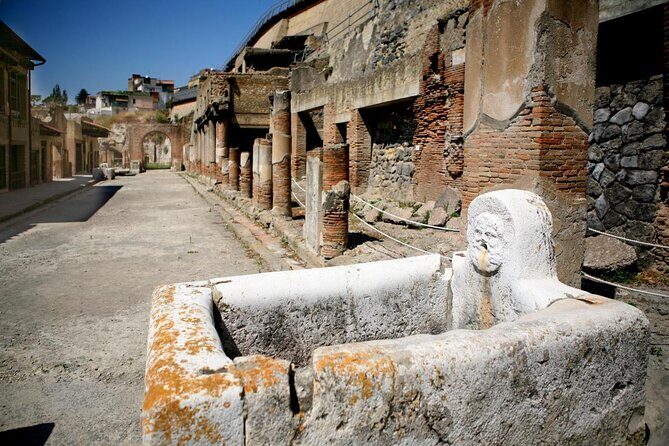
- Smaller, better-preserved feel than Pompeii—including baths, water systems, frescoes, and sculptures
Why Herculaneum feels different when you go at 8:20am
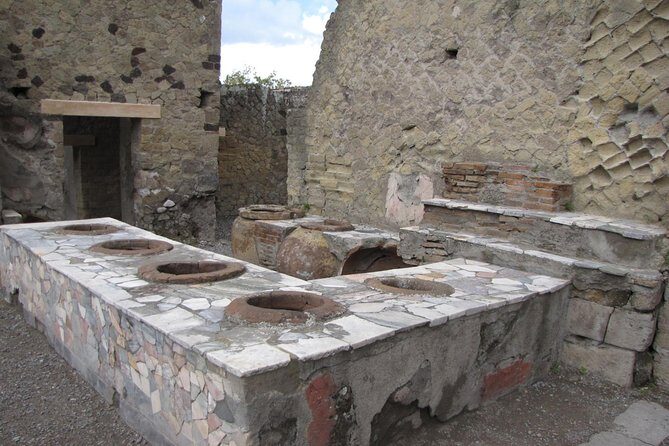
Most people think Pompeii first. Fair. But Herculaneum rewards a different strategy: go early, while the flow is light, and you can actually move through rooms, courtyards, and streets without constantly getting squeezed. This half-day plan is built around that idea. You leave Sorrento in the morning and you still have your afternoon free afterward.
What I like about starting early is the mental payoff. You arrive when the site is easier to read. You can slow down near the water channels and the remains of daily spaces, instead of sprinting just to see the biggest highlights before the crowd surge.
Also, the early format is great if you are mixing Naples-area sights. A lot of people want Vesuvius country without committing to a full day. This tour gives you the Roman-world core with less burnout. One review even noted the return to Sorrento around about 2pm, which helps keep your plans flexible.
One more plus: Herculaneum’s preservation makes timing matter even more. The ground level details—stonework, textures, and interior layout—are easier to appreciate when you’re not exhausted and walking fast.
If you're still narrowing it down, here are other tours in Sorrento we've reviewed.


Sorrento meeting point and the short ride that keeps things easy
This tour starts at Parcheggio Comunale Achille Lauro, Via Correale, 80067 Sorrento with a 8:20am start. It ends back at the same meeting point, so you do not need to solve the end-of-day transportation puzzle.
The other practical win is that the schedule is designed as a true excursion. You get round-trip transportation rather than relying on your own bus/train combinations. In the reviews, the bus ride is repeatedly described as comfortable, including air-conditioned comfort—hugely helpful in warm months.
The group size is capped at 50 people, which is a manageable number for a morning site visit. Still, one important reality: your group can be split into two, and you may end up with more than one guide depending on how the day runs. That is not necessarily bad—sometimes it means you get more individualized pacing—but it can also contribute to the feeling of being a bit rushed.
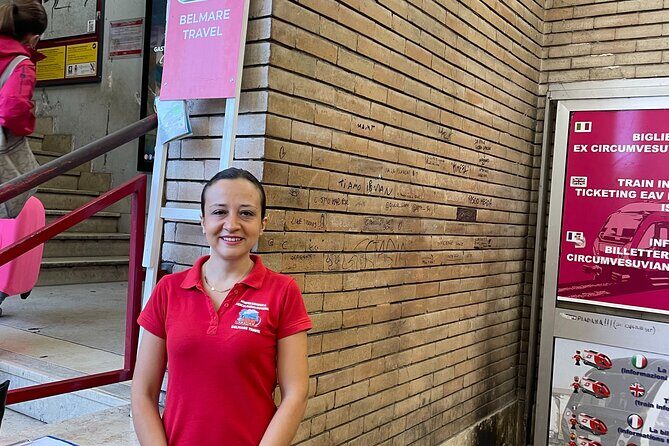
If you are the type who likes to arrive early everywhere and calmly find the exact gathering spot, give yourself a buffer. The meeting location can look similar to other tour groups nearby, so plan a little time to confirm you are standing in the right place before departure.
Parco Acheologico di Ercolano: from Vesuvius ashes to everyday Roman life
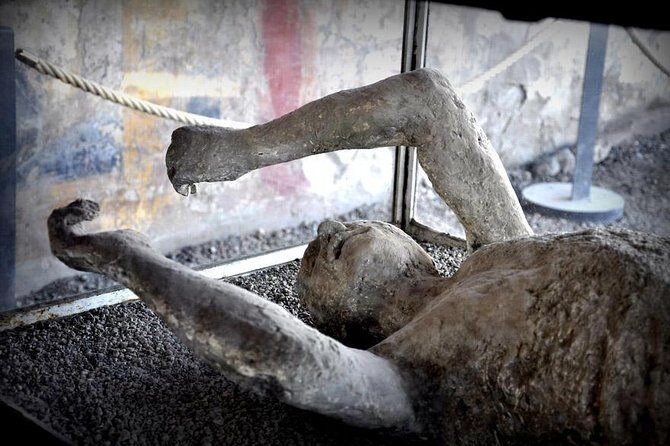
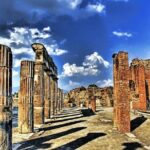
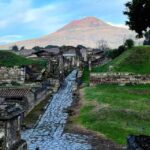
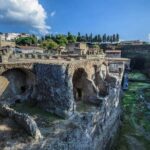
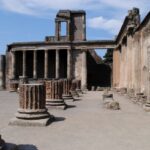
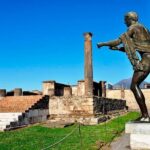
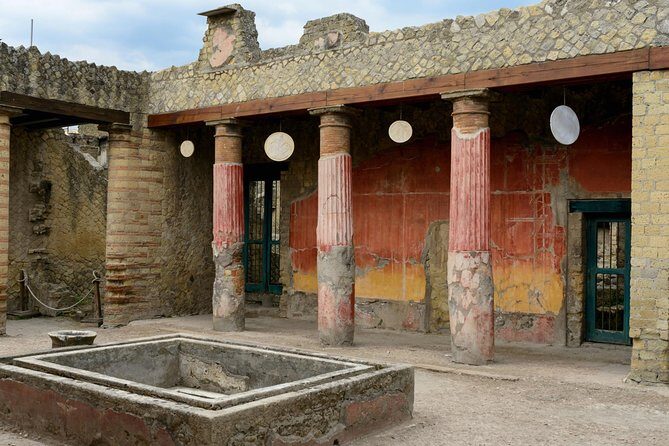
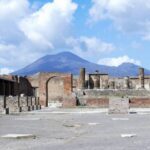
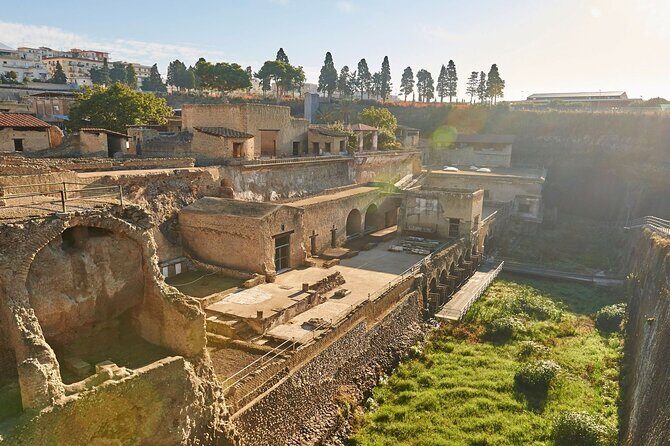
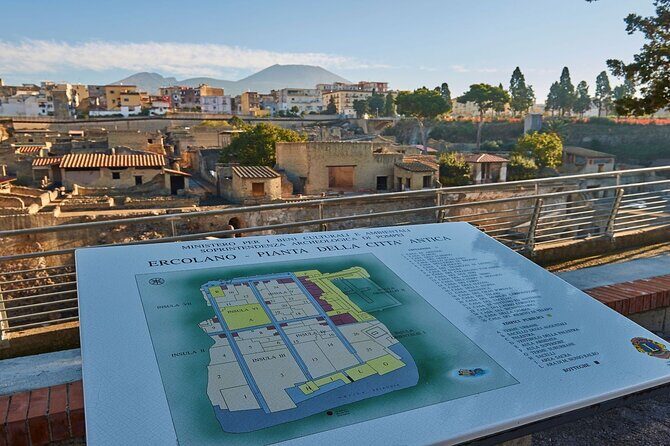
Your main time is at Parco Acheologico di Ercolano. This is the archaeological park of ancient Herculaneum—the Roman city buried by the eruption of Vesuvius in 79 AD, when it was covered under a mix of ashes, lapilli, and mud. Herculaneum was not the only place hit; Pompeii, Stabiae, and Oplonti were also affected. But Herculaneum’s specific burial conditions helped preserve more of what was inside buildings and behind walls.
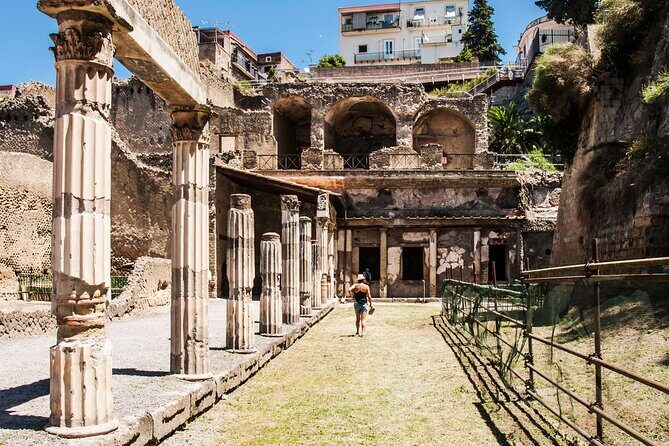
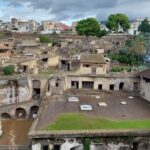
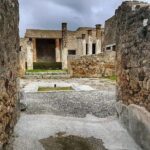
Here’s why that matters for you: in Pompeii, you can walk a huge open city and see plenty of architecture, but many interiors are gone or weathered away. In Herculaneum, the preservation gives you a more “I can picture this happening” feeling—water-related infrastructure, indoor spaces, and decor that would normally be lost.
Your guided time in the park is about 2 hours. That is a short window, so the guide’s job is critical: they help you pick up the story fast and point out what to look for. Reviews repeatedly mention the focus on real-life details—how the town worked, what people used, and how people lived day to day.
What makes the site worth your time
While you walk, you will get a sense of Herculaneum as a working community, not just a collection of ruins. Based on what the tour’s guides cover and what people highlight afterward, you can expect attention on:
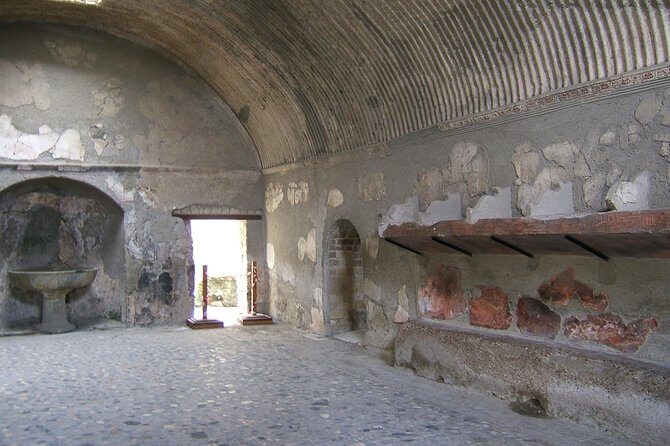
- Baths and public spaces, which help you understand daily routines
- Water mastery, including evidence of systems that served residents
- Decorative art, especially frescoes and sculptures that survive in a way that feels surprising
One review summed it up this way: the site helps you see how Roman daily life functioned, not just how it looked on a map.
Quick history context you’ll actually use
It is also helpful to know that Herculaneum was uncovered gradually. The discovery was reportedly connected to well construction around 1709, and more serious archaeological work began around 1738. That matters because you can feel the effort behind the excavation and preservation choices as you move through the park.
Museum time, cafe queues, and planning your 2-hour window
Even though the guided portion is tight, Herculaneum is not only ruins. The on-site area can include a museum where you see artifacts tied to the craftsmanship and daily world that got buried and preserved. One review specifically mentions a museum with interesting items showing the quality of local work, and it also mentions seeing jewelry-like displays that feel almost out of place next to Roman artifacts.
You may also have time around food and small breaks. One review calls out a cafe, gift shop, and ice cream stall. That sounds simple, but there is a small practical detail that can save you time: in that cafe, you go to the till and pay first, then grab your food. If you head straight to seating or the wrong line, you can waste precious minutes when your group is already trying to keep to the morning schedule.
If you want a smooth visit, I’d approach it like this:
- Use the guide time for the big interpretive points (layout, water, daily routines)
- Save museum browsing for what really interests you, since 2 hours passes fast
- Treat food stops as quick reset breaks, not long lunches
And wear the right shoes. More than one review emphasizes lots of walking, stairways, and uneven cobblestones. In warm weather, a hat is a real advantage.
Guides: the part that turns ruins into a story
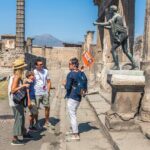
This is one of the strongest areas of the experience. Multiple guides were praised, including Lorenzo, Carmela, and Raffael. The common theme is that the guide brings Herculaneum to life with humor and clear explanations.
That matters because 2 hours is just enough time for a highlight circuit. The guide’s job is to help you understand what you are looking at without drowning you in facts. In the best moments, you leave feeling you actually learned how a Roman town worked.
One review described a guide who was funny and entertaining while also knowledgeable, and another described a guide as especially good at making the morning fly by with anecdotes that connect the dots. Even with different guide personalities, the overall effect seems consistent: you walk away with a clearer sense of how people lived.
A realistic caveat: headsets and pacing
On one occasion, headsets had technical issues and some information was missed. That does not mean it will happen to you, but it’s a useful reminder. If the guide uses audio/headsets and yours is not working, lean in closer and watch their mouth and gestures. You are still in good hands; you may just lose a small chunk of narration.
Also, because groups can be split and the tour is half-day, expect a certain pace. A slower visitor can feel the edges of the schedule. If you want to linger in one specific area, you will need to do it strategically.
Is the price good value for a half-day Herculaneum plan?
The price is $72.09 per person for about 4 hours total. On the surface, that might sound high for a “half-day,” but value here comes from three things you do not have to manage yourself:
1) Round-trip transportation from Sorrento
2) A guided visit that helps you make sense of what you see in a short window
3) Tour structure that prevents you from getting lost in the details
There is one detail worth double-checking before you go: one part of the description notes that admission ticket is not included for the archaeological park, while the overall summary says tickets are included. Because the information is mixed, you should confirm what your booking covers so you do not hit an unpleasant surprise at the entrance.
Still, compared to the cost of piecing together transport, entrance timing, and a guide yourself, this format can feel like good deal territory—especially if you only have a morning to spare.
What to expect from the tour day (and what to bring)
Think of this as a structured morning: you meet, board, ride out, visit the park, and return to the same meeting point.
From what’s been described:
- You can expect an early departure
- You’ll get English guide explanations
- The park visit is around 2 hours
- You’ll likely be back in the early afternoon
Bring:
- Comfortable, grippy shoes for uneven cobblestones and stairs
- A hat for sun and heat
- Water/snacks if you know you get hungry fast (food is available, but it can be busy and time-limited)
And mentally prep for walking. Even though it is a half-day, you still cover real ground.
Who this Herculaneum tour suits best
This tour is especially good for you if:
- You want Roman ruins without a full-day commitment
- You prefer morning sightseeing over midday heat and crowds
- You like a guide to point out what matters, so you do not miss the “how people lived” clues
It is also a strong fit if you are already doing Pompeii (or plan to). Herculaneum can complement Pompeii because it feels more preserved and more intimate in scale. One review even suggested that Herculaneum can be the best part of a Naples-area visit because it hits the daily-life details more effectively.
If you are traveling with mobility limits, this may be harder than it sounds. The site involves walking, stairways, and uneven stones, and that is not a “casual stroll” kind of place.
Should you book the Half-Day Morning Tour of Herculaneum?
Yes, I’d book it if you want the most efficient, guide-led introduction to Herculaneum from Sorrento. The early start is a real advantage, the guided explanations seem consistently strong, and the half-day format keeps you flexible for your afternoon plans.
Before you click confirm, do two quick checks:
- Confirm whether park admission is included in your specific booking (the description information is mixed)
- Note that a short time on site means you should plan how you want to spend your priorities—ruins first, museum/food second
If your priority is to wander slowly for hours and take lots of photos without any schedule pressure, you might want a longer, self-paced option instead. But if you want a smart, morning-focused win in one visit, this one makes sense.
FAQ
What time does the tour start from Sorrento?
The start time listed is 8:20am.
Where is the meeting point in Sorrento?
The meeting point is Parcheggio Comunale Achille Lauro, Via Correale, 80067 Sorrento NA, Italy.
How long is the tour?
The duration is about 4 hours total, with around 2 hours at Parco Acheologico di Ercolano.
Is this tour in English?
Yes, the tour is offered in English.
Is a mobile ticket used?
Yes, the tour features a mobile ticket.
What is the group size limit?
The experience has a maximum of 50 travelers.
Is the admission ticket to Herculaneum included?
The information provided is mixed: the park entry line says admission ticket not included, while the tour summary says tickets included. Check your booking details to confirm what your voucher covers.
What transportation do I get?
You get round-trip transportation from Sorrento as part of the excursion.
Will I avoid midday crowds?
The tour highlights specifically say it is designed to avoid midday crowds by going early and exploring as the site opens.
What is the cancellation policy?
The experience offers free cancellation if you cancel up to 24 hours in advance of the experience start time for a full refund.