REVIEW · MOUNT VESUVIUS
From Pompeii: Mount Vesuvius Guided Tour with Transfer
Book on GetYourGuide →Operated by Askos Tours · Bookable on GetYourGuide
A volcano hike with real history in your boots. You get guided access from Pompeii plus the chance to stare into the crater of the world’s most famous volcano. The experience is especially strong when it’s led by guides like Mario (or a volcanology specialist at the top) who turn the walk into a story you can understand. One catch: the climb has a steep stretch early on, so it’s not a good match if walking is hard for you.
What I like most is how the tour manages the whole day’s rhythm in just 3 hours—pickup, a timed ascent, and enough time at the rim to actually look. I also like that you’re not just bused up and dropped; you’re given route guidance and safety-minded pacing, with small breaks when the slope gets serious. If you’re hoping for a casual stroll, this isn’t that.
If you do fine with hills, you’ll love what you get: crater-edge views over the Bay of Naples, and that eerie feeling of standing at the mouth of a dormant giant while the air smells faintly of sulfur. Just plan for the fact that the mountain experience is outdoors, exposed, and physically demanding.
In This Review
- Key things to know before you go
- From Pompeii pickup to the van ride up: the real logistics
- The hike to the crater: steep minutes, smart pacing, and what to wear
- Inside the dormant crater: what you actually see at the rim
- The guide effect: why Mario (and volcanology specialists) change everything
- Views over Naples and the Sorrento coast: timing, weather, and photo reality
- How long it really takes: the 3-hour structure that keeps it from dragging
- Comfort and small realities: what to prepare for
- Price and value: is $77 a fair deal?
- Who this Pompeii to Vesuvius tour fits best
- Should you book this Vesuvius tour from Pompeii?
- FAQ
- Where do I meet the guide in Pompeii?
- How long is the Mount Vesuvius part of the tour?
- Do I get skip-the-line entrance access?
- How steep is the hike?
- What views will I see from the crater rim?
- Is there time at the top for a break or cafe stop?
- Is lunch included?
- Is the tour wheelchair accessible?
- What fitness level do I need?
- Is there any entrance fee for Vesuvius?
Key things to know before you go
- Porta Marina Superiore pickup: meet at Pompeii’s main entrance, a few steps from the Circumvesuviana Pompei-Villa dei Misteri station.
- A short but steep hike: the first stretch to the crater area is steep, and reaching the highest crater section requires extra walking.
- Crater rim time matters: you stand at the edge for wide Bay-of-Naples views, often toward Capri, Ischia, and the Sorrento coastline.
- Guides bring the eruption stories into focus: many groups highlight guides like Mario and geologist-style explanations from specialists such as Monica.
- Wear proper shoes: the route can be rocky/dusty, and you’ll want grip.
- Toilets are limited: there are no public toilets on the mountain, and you may find a long line at the starting-point café/restaurant.
From Pompeii pickup to the van ride up: the real logistics
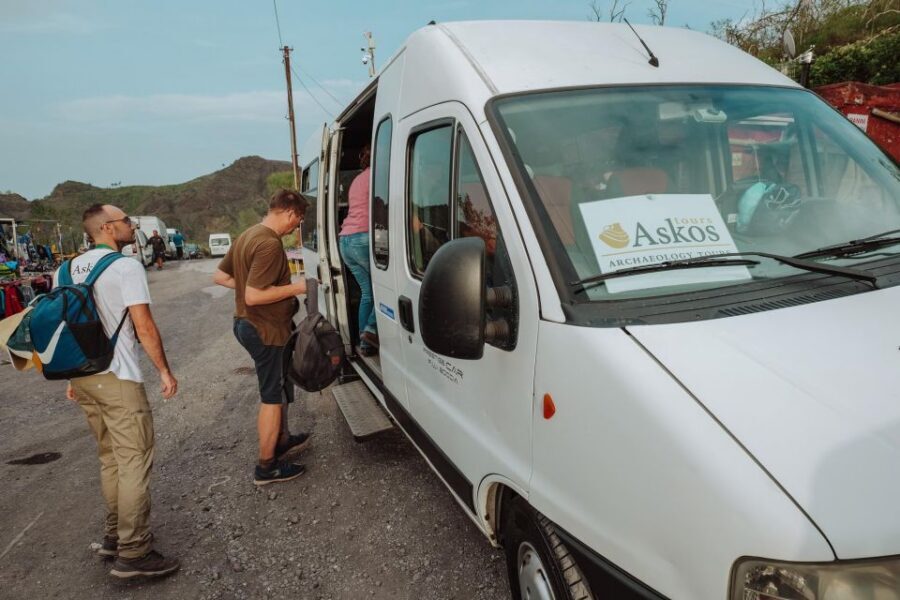
This tour is built around one simple idea: you’ll start in Pompeii, then get to Vesuvius without messing around with buses and transfers on your own. You meet the guide at Porta Marina Superiore, at Pompeii’s main entrance. The guide is holding an ASKOS TOURS sign. The meeting point is right near the Circumvesuviana train station at Pompei-Villa dei Misteri, which makes it easy to plan around train arrivals.
From there, you head out by shared van. Expect around a 30-minute transfer to the mountain base. Road conditions can be bumpy and windy, but this is also where the tour earns trust—several groups mention feeling safe during the drive up and down those switchbacks. If you get motion sick, bring what usually works for you. This is a quick ride, but it’s not a straight shot.
One practical note: the tour begins at Via Villa dei Misteri, 2, so if you’re navigating on foot, use that as your anchor. You don’t have to wander Pompeii’s whole maze trying to guess the right corner.
If you're still narrowing it down, here are other tours in Mount Vesuvius we've reviewed.


The hike to the crater: steep minutes, smart pacing, and what to wear
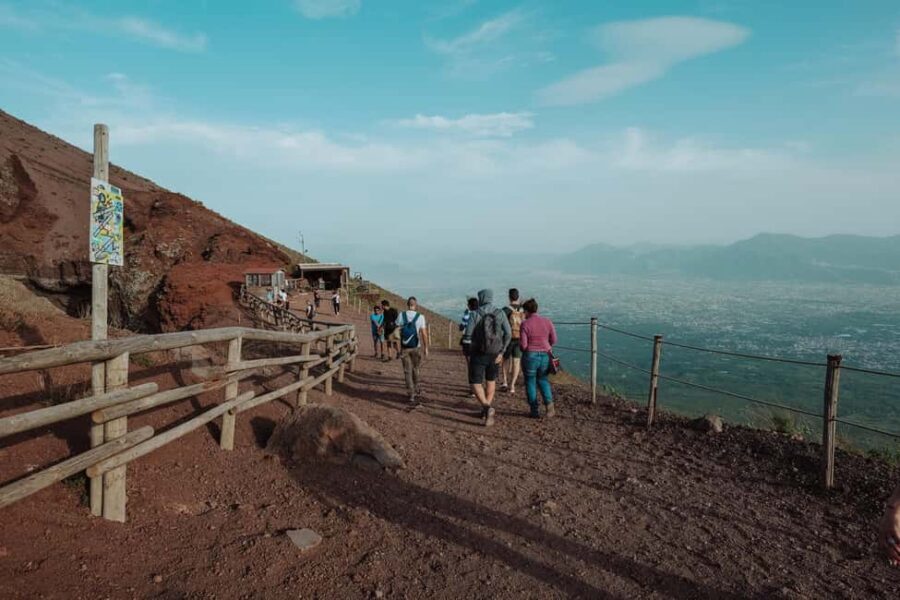
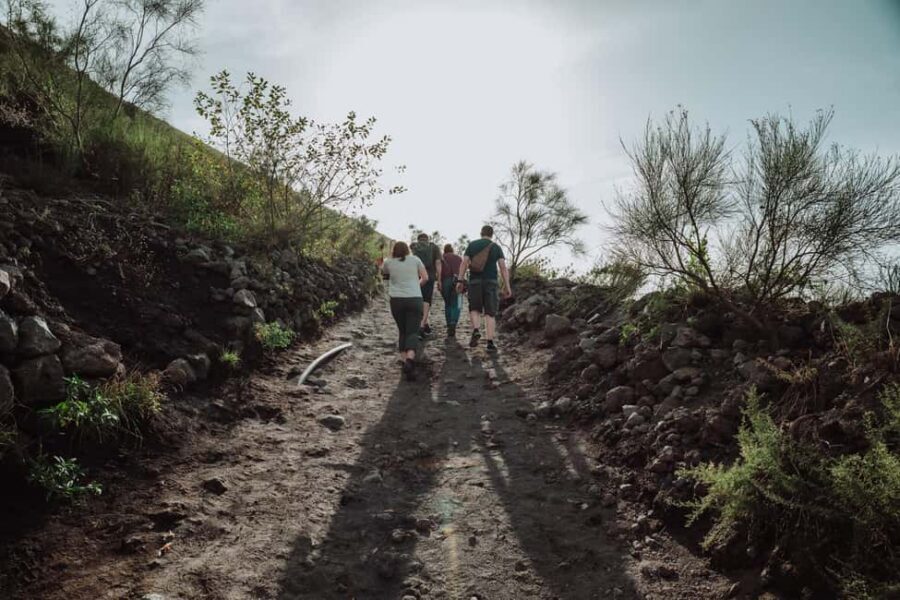
The walking is the heart of the experience. After the van drops you near the base, you’ll start climbing toward the crater area. The information you’re given up front is accurate: there’s about the first 30 minutes of steep uphill walking to reach the crater entrance area. Then there’s additional walking to reach the highest crater portion—about 20 minutes of walking on that final push.
Here’s how that plays out in real life: the climb is short, but it has enough grade that your legs feel it. Many groups describe it as manageable, especially once the guide adjusts the pace and takes small stops for explanation and photos. In one group, someone noted their pace slowed without embarrassment—exactly what you want from a good leader. Another group highlighted that the views start improving after roughly the first stretch, so your effort has payoff.
What I’d do to make the hike easier:
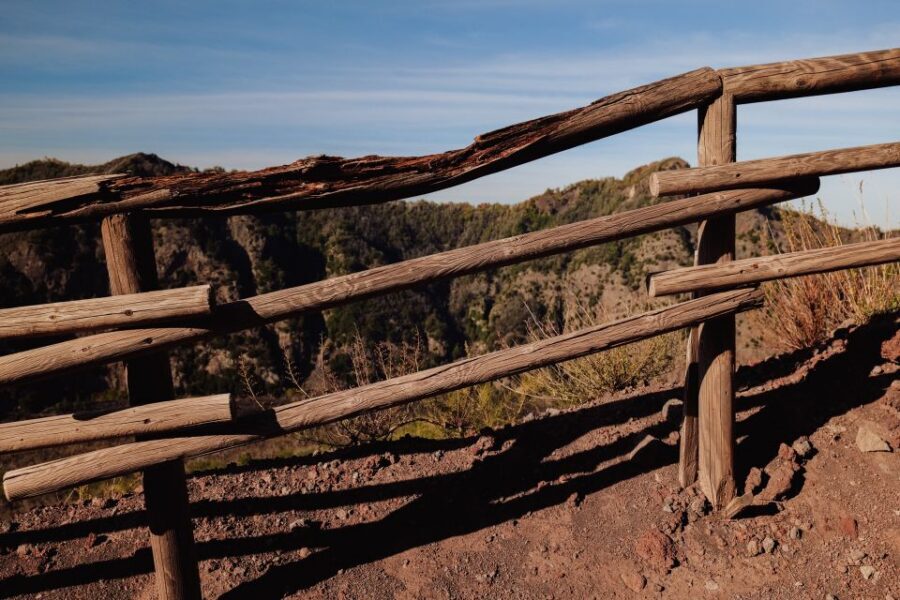
- Wear shoes with real tread. The route can be rocky and dusty.
- Plan for pauses. A guide who stops at viewpoints isn’t slowing you down—they’re making the climb safer and more enjoyable.
- Go with a steady mindset. You don’t need to race; you need to keep breathing and keep your footing.
Also, don’t overpack the day. This is a hike plus a few hours of crater time. If you start Pompeii late or spend too long in the ruins, you’ll arrive at Vesuvius already tired.
Inside the dormant crater: what you actually see at the rim
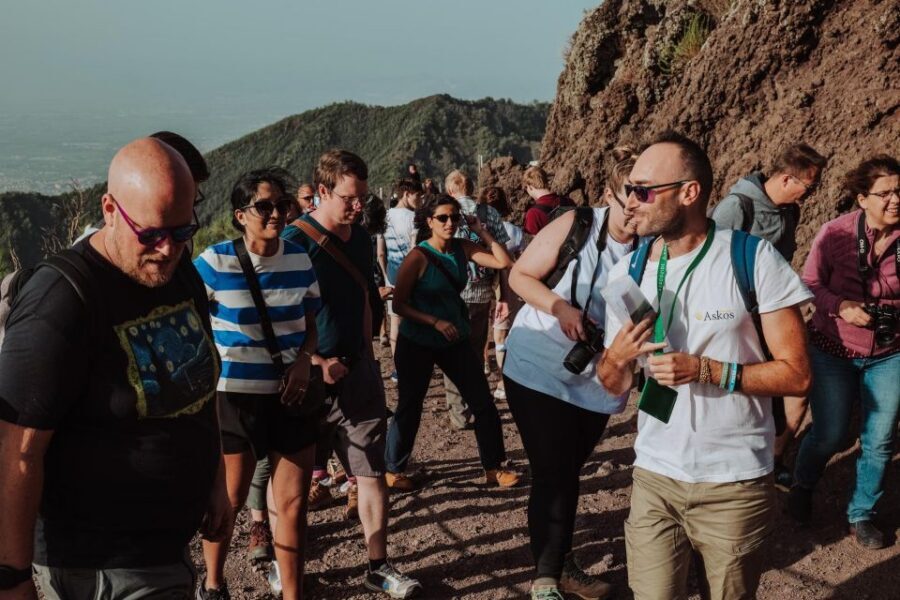
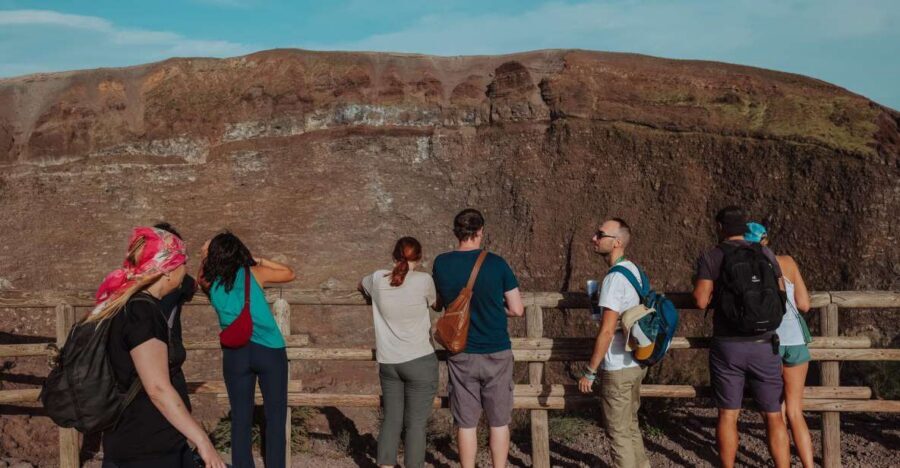
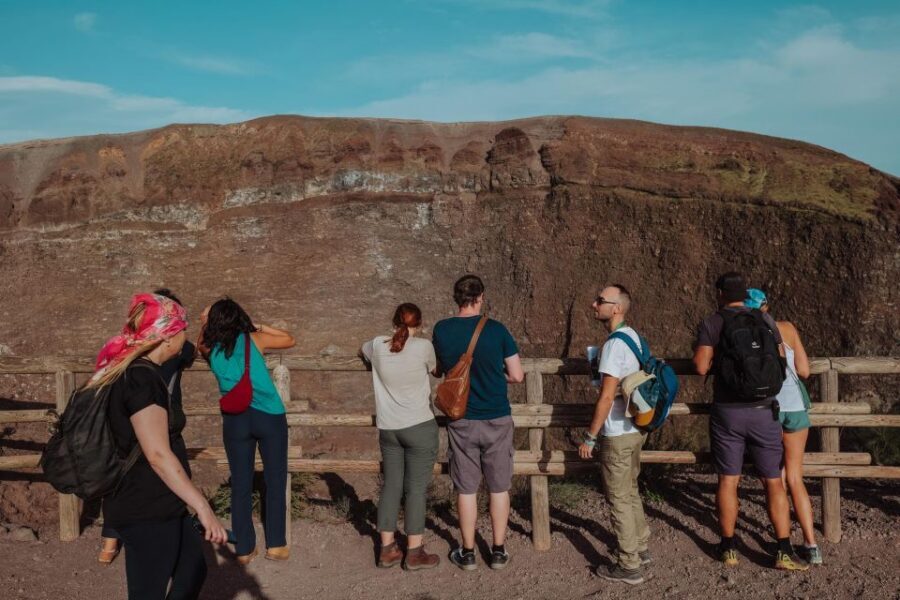
Once you reach the crater area, the tour shifts from “climb” to “look.” The goal is to get you to the crater rim so you can peer into the mouth of one of the world’s most recognizable volcanoes.
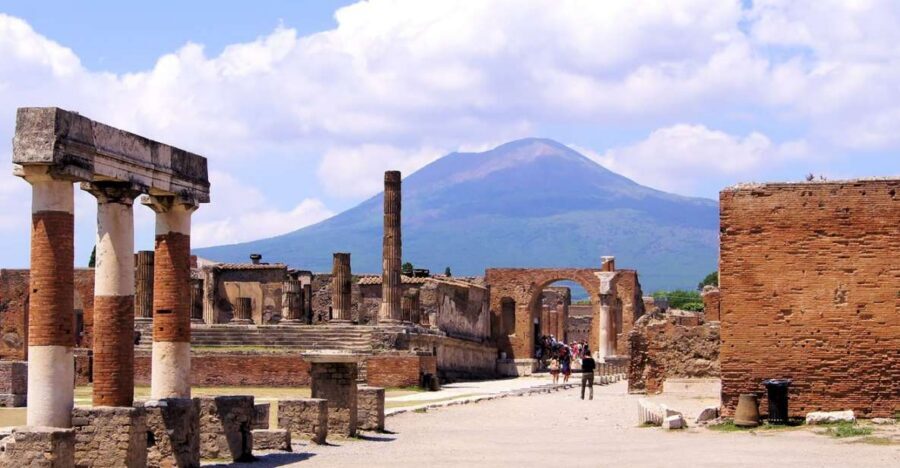
At the top, you stand at the edge and take in the panorama. The big draw here is scale: you’re looking out over the Bay of Naples, and on clearer days you can see toward Capri, Ischia, and the Sorrento coastline. That geography is a gift, because it makes the volcano feel real and local, not like a far-off science lecture.
Visibility can be a wildcard. Some groups mention thick cloud or fog and still felt it was worth it—less “postcard perfect,” more moody and dramatic. Another group noted that volcano emissions and humidity can affect what you can see, so don’t plan your happiness around only one weather outcome. If the day is clear, you’ll get the classic view. If it isn’t, you’ll still get the crater experience, which is the main event.
You may also notice that there’s a short stop near the top for a café break (some groups mention around 10 minutes). Don’t treat it like a full meal plan; think of it as a quick reset so you can enjoy the crater without feeling rushed.
The guide effect: why Mario (and volcanology specialists) change everything

A volcano tour lives or dies by the person leading the walk. The strongest praise in this experience isn’t about the mountain—it’s about the human explanations that turn the hike into understanding.
Many groups highlight guides like Mario for being passionate, organized, and very quick to answer questions. People also mention that Mario doesn’t just talk facts; he paces the group well and keeps breaks frequent enough to stay safe on the steep section. One group even mentioned he brought pictures to show changes over time, which is a smart move. When you can compare what you’re seeing now with older views, the crater stops being a “big hole” and starts being a story.
Some tours include a specialist near the top. One group specifically mentioned a volcanologist named Monica, who added more scientific clarity to what you’re seeing around the crater. That matters because Vesuvius isn’t just a viewpoint. It’s an active system with monitoring and behavior that people study for safety.
If you love context—why the eruption happened, what the region looks like, how Pompeii connects to the volcano—this guided format is exactly where the value shows up.
Views over Naples and the Sorrento coast: timing, weather, and photo reality
The crater rim is built for views, but weather decides what kind of view you get. On a good day, you’ll get broad sightlines over the Bay of Naples, plus islands like Capri and Ischia and the sweep toward the Sorrento coast.
On a bad day—fog, heavy clouds, or low visibility—you might lose some of the distant landmarks. But you still get something important: a sense of scale and position. You understand where Pompeii sits relative to the mountain. You understand that the bay isn’t background scenery; it’s part of the environment shaped by volcanic activity.
Also, plan on a photo rhythm. When you stop at viewpoints, you’ll likely have more than one chance to frame the crater and the bay. The guide’s pacing helps here—less crowding, more moments to breathe and shoot without feeling like you’re constantly chasing the group.
How long it really takes: the 3-hour structure that keeps it from dragging
The overall duration is about 3 hours, which is a sweet spot for Vesuvius when you’re starting from Pompeii. The tour time breaks down like this: pickup and van ride, then a visit period at Vesuvius that gives you time to climb, reach the crater rim, and spend enough moments looking.
In practical terms, this timing means you’re not stuck on the mountain for half the day. You can still plan the rest of your Pompeii day or add another activity afterward.
The tradeoff is that you need to show up ready to walk. There’s no “linger for hours” option. If you move slowly or need longer breaks, you’ll still likely be fine as long as you tell yourself the goal is steady progress and crater time, not speed.
Comfort and small realities: what to prepare for
This is an outdoor experience with a few gotchas that are worth respecting:
- No wheelchair access: the tour is not wheelchair accessible, and it’s not recommended if you have mobility impairments.
- No strollers: baby strollers are not allowed.
- Avoid if you have back or heart problems: the tour isn’t suitable in those cases.
- Toilets are limited: one review flagged that there are no public toilets anywhere on the mountain, and only a restaurant/café with potentially long lines at the starting point.
So the smart move is simple: handle bathroom needs before you start the hike. Also, wear layers because temperature can shift near the crater.
One more comfort note: some groups mention air-conditioned vans, which helps on the drive. Even if the van is fine, the walk is still active. Think warm up, slow down, and keep your attention on footing.
Price and value: is $77 a fair deal?
The price is listed at $77 per person for a 3-hour guided experience with transportation. On paper, that can look like “just a hike.” In practice, you’re paying for three things that cost money and time when you do them solo:
1) Transport from Pompeii without coordinating multiple public options.
2) Skip-the-line entry to Vesuvius.
3) A guide who manages the climb, safety, and the story behind what you see.
There’s also a note that the Mount Vesuvius entry ticket is listed at 11 euros. Since the tour includes a skip-the-line entrance ticket, I’d treat that 11€ figure as a reference point and confirm what’s covered in your booking. The key is that you should feel like you’re not paying for the same ticket twice.
Compared with DIY options, the value is strong if you want a guided explanation and you’d rather not spend your day figuring out logistics. Compared with hiring a private guide, it’s a good middle ground. If you’re traveling with someone who likes structure, small-group pacing, and crisp information, this price feels more like a service than a ticket.
Who this Pompeii to Vesuvius tour fits best
This is a great match if:
- You want to combine Pompeii with a volcano without building a transport plan.
- You like hearing eruption and geology explanations while you hike.
- You can handle a steep segment and standing on uneven terrain.
It’s not the best match if:
- You have significant mobility limits or need a wheelchair.
- You struggle with steep uphill walking.
- You have heart or back issues.
Kids under 4 aren’t allowed either, so plan accordingly for family trips.
Should you book this Vesuvius tour from Pompeii?
Yes, if your priority is the crater experience plus a guide who makes it understandable. The transfer keeps your day efficient, the skip-the-line access helps you start walking without wasting time, and the best part—the guide storytelling—turns a short hike into a memorable event.
Book it especially if you’re new to the area and you want someone to point out what you’re looking at: the geography, the eruption context, and why Pompeii’s fate is inseparable from Vesuvius.
Skip it if you’re expecting a casual walk, if you need wheelchair access, or if your body isn’t comfortable with steep uphill sections.
FAQ
Where do I meet the guide in Pompeii?
Meet at the Pompeii ruins main entrance called Porta Marina Superiore. The guide will be holding an ASKOS TOURS sign, and it’s a few steps away from the Circumvesuviana train station Pompei-Villa dei Misteri.
How long is the Mount Vesuvius part of the tour?
The total tour duration is about 3 hours, and the Vesuvius visit is about 1.5 hours within that timeframe.
Do I get skip-the-line entrance access?
Yes. The tour includes Vesuvius skip-the-line entrance ticket for faster access.
How steep is the hike?
The first part of the walk includes about 30 minutes of steep uphill walking to reach the crater area. Reaching the highest part of the crater requires an additional walk of around 20 minutes.
What views will I see from the crater rim?
From the crater rim, you’ll get panoramic views of the Bay of Naples, and on clear sightlines you can also see Capri, Ischia, and the edge of the Sorrento coast.
Is there time at the top for a break or cafe stop?
There can be a short cafe stop near the top during the visit time, with some groups noting about 10 minutes.
Is lunch included?
No. Lunch isn’t included.
Is the tour wheelchair accessible?
No. It is not wheelchair accessible, and baby strollers are also not allowed.
What fitness level do I need?
You should have a moderate physical fitness level. It’s not recommended for travelers with mobility or walking issues, any mobility impairment, or certain medical concerns like back or heart problems.
Is there any entrance fee for Vesuvius?
The information provided lists a Mount Vesuvius entry ticket price of 11.00 euros. Since the tour includes a skip-the-line entrance ticket, it’s worth checking what your booking voucher covers.