REVIEW · SORRENTO
Pompeii, Herculaneum, Naples from Naples, Sorrento, Amalfi Coast
Book on Viator →Operated by Mondo Guide Srl · Bookable on Viator
Pompeii and Herculaneum in one day is a lot. That’s exactly why this tour works: you get structure, plus expert guidance so the sites don’t turn into just more stone. I especially like the pairing of Pompeii’s dramatic scale with Herculaneum’s stunning preservation, and then the way Naples adds context after the ruins. One possible drawback: the day is tightly packed, and since entrance tickets and lunch aren’t included, you’ll need to budget time and money for the gaps.
What makes it feel worth it is the practical setup. You ride in an air-conditioned minivan/minibus (a real relief in summer), and you also get a consistent guide + driver so you’re not juggling logistics while walking on uneven ground. For a personal touch, there’s an option to upgrade to a private tour, which can help if your group wants slower stops or extra questions. The other consideration is that you’ll be on your feet for hours across three different places, so it helps to go in with good shoes and realistic expectations.
Here’s what you need to know before you choose this day trip.
In This Review
- Key things I think you’ll care about
- One-day Ancient City Slam: Pompeii, Herculaneum, and Naples
- Pompeii Archaeological Park: 2 Hours That Actually Make Sense
- Herculaneum’s Parco Acheologico di Ercolano: Perfectly Intact Villas
- Naples in 2 Hours: Getting Your Bearings After the Ruins
- Air-Conditioned Comfort and Smooth Day Flow
- Price and Value: What You’re Paying For
- Tips That Make This Day Trip Feel Better
- Should You Book This Pompeii–Herculaneum–Naples Tour?
- FAQ
- Can I get picked up from Sorrento, Naples, or the Amalfi Coast?
- What time does the tour start?
- How long is the experience?
- Are entrance tickets included for Pompeii and Herculaneum?
- Is lunch included?
- Do I need an admission ticket for the Naples portion?
- Is there air-conditioned transportation?
- How big are the groups?
- Are children’s entries free at Pompeii and Herculaneum?
Key things I think you’ll care about
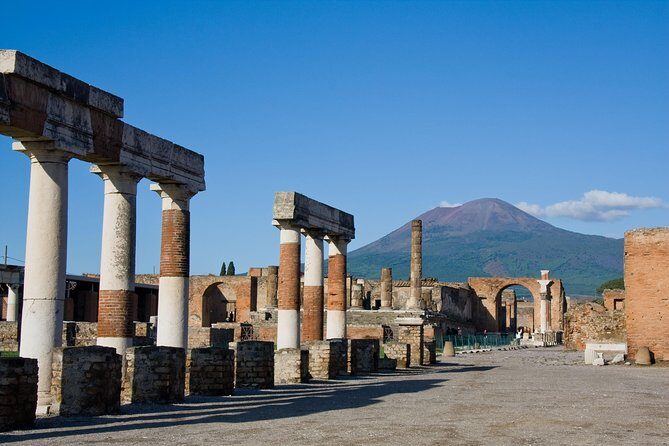
- Pompeii + Herculaneum: two sites, two very different “ruin vibes,” plus guided time at both
- Naples sightseeing: a 2-hour intro that ties what you saw back to modern life and local food culture
- Air-conditioned transport: minivan/minibus comfort from morning through the day
- Small-group feel: maximum 19 travelers, with guide/driver structure based on group size
- Guides matter: people highlight standout guides such as Andrea (Pompeii) and Manuela/Manuella (Herculaneum/Pompeii) for bringing the sites to life
One-day Ancient City Slam: Pompeii, Herculaneum, and Naples
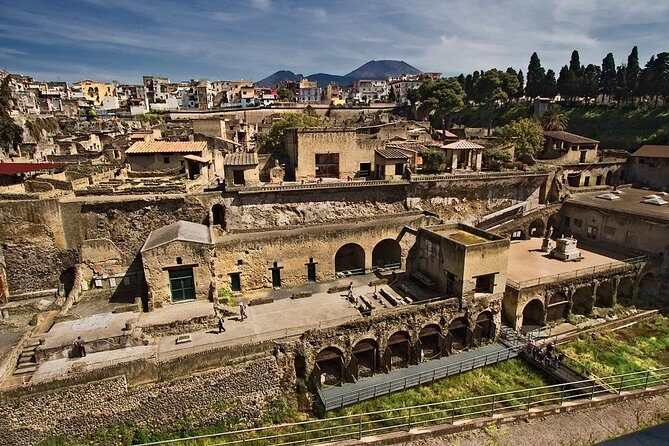
This is the kind of day trip that’s built for travelers who hate the idea of “just seeing ruins” without understanding what they’re looking at. You start early (8:00 am) and spend your morning and mid-day with two archaeological parks that people compare constantly for a reason: Pompeii is huge and dramatic, while Herculaneum is smaller and eerily intact.
Then Naples comes in as the reset button. After a day of ash and stone, the Naples portion helps you connect the dots—how this region thinks, eats, and lives. You’re not trying to become a Roman history professor by dinner, but you will come away with a clearer picture of how the past sits right underneath the present.
The value here is balance: big names (Pompeii) plus the site that often feels more personal (Herculaneum), then a guided sweep through Naples so the day doesn’t end with you still asking, Okay, what did we just see?
If you're still narrowing it down, here are other tours in Sorrento we've reviewed.


Pompeii Archaeological Park: 2 Hours That Actually Make Sense
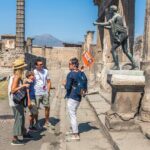
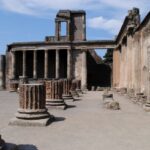
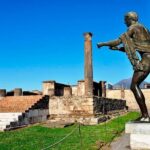
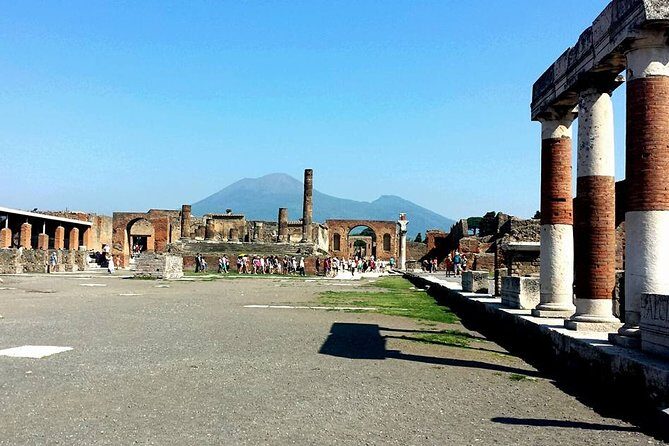
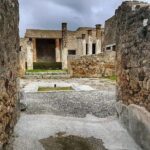
You’ll get about 2 hours at the Pompeii Archaeological Park. Pompeii is famous because it’s an open-air museum—roads, homes, shopfronts, and public spaces all preserved enough that you can walk through a whole city plan. It’s also one of those places where the scale can be overwhelming fast, unless someone helps you focus.
That’s where a good guide earns their keep. People repeatedly mention guides like Andrea bringing Pompeii to life and making the commentary feel relevant instead of list-like. With a guide, you’re more likely to notice the patterns: how streets channel movement, how homes show social status, and how daily life reads in the layout.
The big trade-off is time. Two hours is plenty to get oriented and hit key areas, but it won’t satisfy anyone who wants to wander every side street for hours. If Pompeii is your top priority and you love slow museum-style exploring, you might consider adding time on your own after the tour—only you’ll know whether “speed with guidance” is your thing.
Practical tip: wear shoes you trust. One recurring piece of advice from past groups is to bring footwear for cobblestoney streets, because you’ll be walking on uneven ground.
Herculaneum’s Parco Acheologico di Ercolano: Perfectly Intact Villas
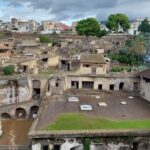
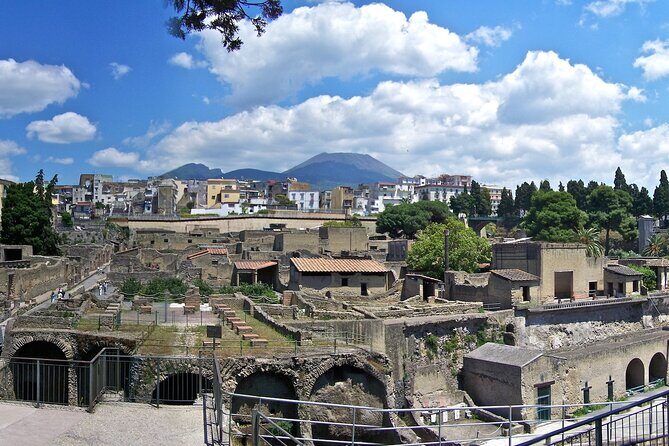
If Pompeii is the headline, Herculaneum is the detail. You’ll also get about 2 hours here, and the difference is immediate: Herculaneum is often described as the smaller sister of Pompeii, but the real story is preservation. This volcanic disaster didn’t just bury the city—it helped preserve parts of it in a way that feels almost unreal.
The provided description highlights something visitors remember: it’s not only stone walls and mosaics. You can also see evidence like wood and ropes from 2,000 years ago. That level of preservation makes it easier to picture how people lived inside those patrician villas—where you’d sit, where you’d store, what the materials looked like before time did its work.
There’s also a scientific detail that matters for understanding the site: the eruption’s volcanic flows reached around 500°C, which is part of why this preservation feels so dramatic. A guide helps you connect the science to what you’re seeing, so the site becomes more than a sad tragedy. It turns into a snapshot.
One caution: because Herculaneum can feel more intact, it can also tempt you to slow down and look at everything. That’s good—just know the schedule is still designed to fit Pompeii + Herculaneum + Naples in one day. If you’re the type who will stop every 30 seconds to read every plaque, keep an eye on the time and let the guide steer you toward the best sections.
Naples in 2 Hours: Getting Your Bearings After the Ruins
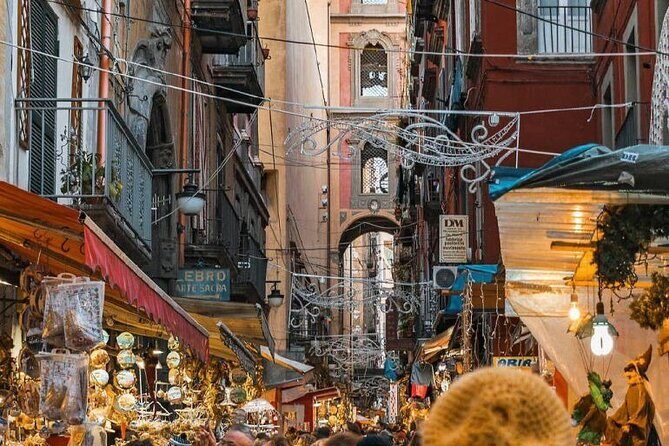
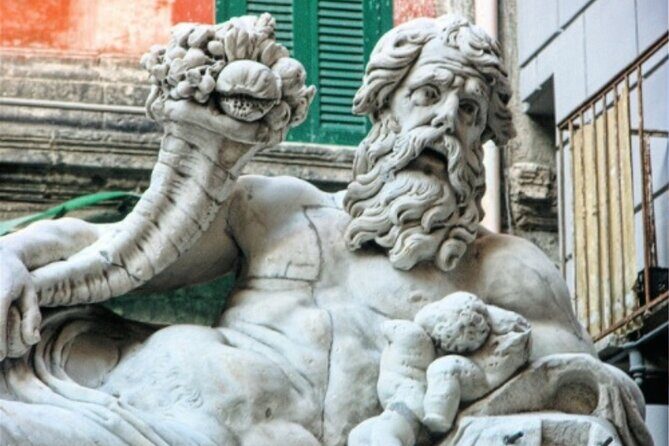
The Naples portion is about 2 hours and described as a guided sightseeing tour of top sights, focused on history, culture, and famous local cuisine. Since lunch isn’t included, the “food” angle matters in a practical way: you’ll get context and likely ideas for where to eat next—without having to spend your only day in the region stuck in a restaurant line.
What I like about a short Naples component is that it stops the day from turning into only monuments. Naples is a living city with energy, and even a tight sightseeing plan can help you understand what you’ll notice later if you wander.
Another plus: Naples is listed as having no admission ticket requirement for the tour portion, which keeps things simpler. You’re not stuck doing paperwork before you get to the fun part.
The drawback is also obvious: 2 hours won’t make you an expert. It’s more like a compass. If you want deeper dives—cathedral interiors, museums, neighborhood walks—this tour is more of a first pass that points you toward what to add afterward.
Air-Conditioned Comfort and Smooth Day Flow
This is one of those details that sounds minor until you’re in it. You travel by an air-conditioned minivan/minibus, which matters in the summer because the day runs long enough that heat can sap your energy. When your schedule includes two major walking sites, comfort in transit is not fluff—it’s what keeps you from arriving miserable.
The day also uses a guided structure so you’re not piecing things together on your own. The tour includes a driver plus an English-speaking guide:
- For groups of 6–8, the guide accompanies you for the Pompeii, Herculaneum, and Naples parts.
- For groups of 9–21, you have a driver and English-speaking guide for the entire excursion.
That matters because it affects how much time you spend waiting and regrouping. Past experiences shared by people who did similar Mondo-guided days often praise the way pickup-to-drop-off stays organized, with guides like Luca and Vincenzo noted for connecting with groups and handling the flow well.
Finally, group size caps at 19 travelers. That usually keeps the vibe more human than cattle-car large groups, and it tends to make it easier to ask questions without being shouted over.

Price and Value: What You’re Paying For
At $224.31 per person, this isn’t the cheapest way to see Pompeii and Herculaneum. But it’s priced like a guided, transportation-included day where someone else handles the hard part: moving you between sites and explaining what you’re looking at.
Here’s the real value equation:
- You’re paying for guided time at Pompeii and Herculaneum plus Naples sightseeing.
- You’re paying for round-trip transportation from Naples, Sorrento, or the Amalfi Coast.
- You’re paying for the ability to do three stops in one day, which is usually much harder with DIY planning.
What you still need to plan for:
- Entrance tickets are not included for Pompeii and Herculaneum.
- Lunch isn’t included.
- Naples sightseeing is listed as free for the tour portion, so at least one stop won’t add another entry fee.
So, when you compare this to self-guided tickets + taxis, the question isn’t only “how much is the ticket.” It’s whether you want to spend your limited time figuring out routes, timing, and what to prioritize—or have a guide do that sorting while you enjoy the sites.
Booking timing note: the tour is often booked around 69 days in advance on average. If you’re traveling in peak season or you have a tight schedule, I’d treat that as a hint to book early rather than hoping.
Tips That Make This Day Trip Feel Better
I’ll give you the practical checklist I’d use for this kind of day.
Plan for walking. Even with guides, you’re moving through large areas and navigating cobblestones. Bring shoes with grip.
Bring a day mindset, not a museum mindset. Two hours at Pompeii and two at Herculaneum will feel like “enough to understand,” not “enough to memorize.” If you want total completion, you’d add more time on separate days.
Wear light layers. Transit is air-conditioned, but archaeological parks aren’t. Weather can swing how long you feel comfortable outside.
Keep a little cash/time for food. Lunch isn’t included, and Naples is a place where you’ll probably want a real meal after the ruins. Set aside the time rather than squeezing food into the last 15 minutes.
If you’re considering a private upgrade, think about pacing. The private option is there for a reason. If your group has kids, mobility needs, lots of questions, or you simply don’t want to track a group schedule, it can make the day feel less rushed.
Should You Book This Pompeii–Herculaneum–Naples Tour?
Book it if you want a guided, efficient day that hits the big two ruins and then gives you a Naples orientation. It’s a strong pick for first-timers because the guidance helps you see the difference between Pompeii and Herculaneum instead of treating them like interchangeable ruins. Also, the air-conditioned transport and organized flow make it easier to enjoy rather than endure.
Skip it (or consider adding extra time separately) if you’re the type who needs hours of slow wandering per site. This schedule is designed to be complete in one day, not to let you fully disappear into every corner.
FAQ
Can I get picked up from Sorrento, Naples, or the Amalfi Coast?
Yes. The tour highlights hassle-free round-trip transportation from Naples, Sorrento, or the Amalfi Coast.
What time does the tour start?
The start time is listed as 8:00 am.
How long is the experience?
The duration is listed as about 8 hours.
Are entrance tickets included for Pompeii and Herculaneum?
No. Admission tickets are not included for Pompeii and Herculaneum.
Is lunch included?
No. Lunch is not included.
Do I need an admission ticket for the Naples portion?
The Naples sightseeing portion is listed as admission free.
Is there air-conditioned transportation?
Yes. You’ll travel by an air-conditioned minivan/minibus.
How big are the groups?
The tour lists a maximum of 19 travelers. The guide/driver setup also changes by group size (6–8 vs. 9–21).
Are children’s entries free at Pompeii and Herculaneum?
Yes. Children under 18 can enter for free at Pompeii and Herculaneum with a valid form of ID.