REVIEW · NAPLES
Pompeii & Herculaneum Guided Tour – High Speed Train from Rome
Book on Viator →Operated by Askos Tours · Bookable on Viator
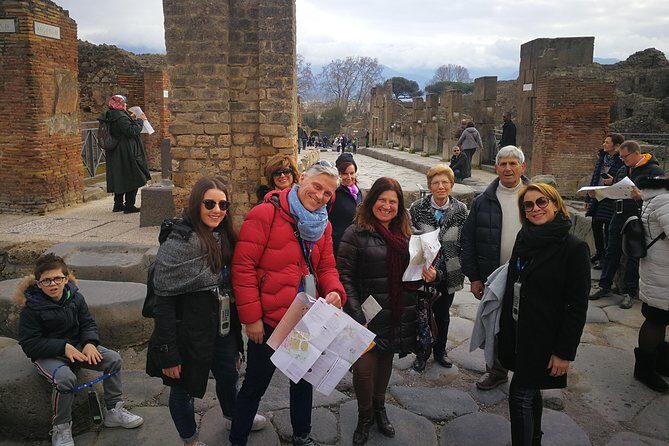
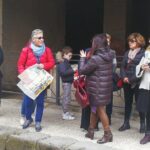
Two cities, one day, and zero long lines. I like the setup because it uses a high-speed train plus a driver in Naples, so you spend your time where it counts: in Pompeii and Herculaneum. The experience also leans on a licensed archaeologist guide with headsets, so you get more than postcard facts while you walk the streets.
Skip-the-line tickets help you start moving faster, and the group stays small (up to 20), which makes questions and pacing feel more human. One thing to keep in mind: this is a highlight route, not a slow, full-site wander through every corner of Pompeii—some stops are brief.
In This Review
- Key things I’d circle before you book
- High-speed train from Rome, then real touring in Naples
- Starhotels Terminus meeting point: where the day really starts
- Pompeii via Porta Marina: a guided highlights circuit you can actually finish
- Enter through Porta Marina and get oriented fast
- Via dell’Abbondanza: the street scale of daily life
- Houses on the route: Menander, Faun, and the Deer
- Public and civic Pompeii: granaries and forum-era power
- Stabian Baths: how Romans handled health and leisure
- Lupanar (brothel): a blunt window into society
- Theaters: Odeon and Teatro Grande for the big stage view
- Maximall Pompeii break: your practical pause point (with perks)
- Herculaneum after Pompeii: smaller, quieter, and often more intact
- Partem Domus lignea: the wooden-partition house idea
- House of the Skeleton: a reminder that this was real people
- Central Thermae: public life without Pompeii’s crowds
- Houses and courtyards: the Telephus relief, Sannitica, and fine-courtyard detail
- Grand Portal and the Black Salon: where interior drama takes over
- Getting back to Naples and returning to Rome
- Value and what you’re really paying for
- Pace, walking, and comfort: plan for your body
- Who this tour fits best (and who should consider something else)
- Should you book this Pompeii and Herculaneum guided day trip?
Key things I’d circle before you book
- High-speed roundtrip Rome–Naples train with tickets sent to you the day before
- Skip-the-line access for both Pompeii and Herculaneum ruins
- Licensed archaeologist guidance + headsets for clearer storytelling
- Small group size (max 20), which helps the day feel organized
- Pompeii route starts at Porta Marina and moves through major sites and houses
- A scheduled break at Maximall Pompeii with an exclusive welcome kit and discount card
High-speed train from Rome, then real touring in Naples
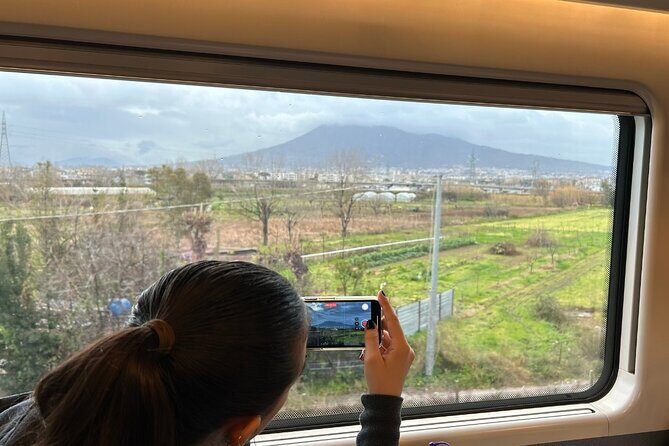
This trip is built around time. You head from Rome Termini to Naples on a high-speed train, which cuts down the drag you’d otherwise deal with on a long bus ride. The tour also handles the Naples side with a driver and minibus, so you’re not trying to map your way from station to ancient ruins after a train.
The big practical twist: you don’t meet the guide at Rome Termini. Your train tickets get sent to you one day before the tour, and you board independently. When you arrive in Naples, you join the group, and then the Askos Tours team takes over.
I also like that the Naples pickup point is very clear and easy to find: Starhotels Terminus, in Piazza Giuseppe Garibaldi, right across from Naples Central Station. That matters on a day that runs long.
If you're still narrowing it down, here are other tours in Naples we've reviewed.
Starhotels Terminus meeting point: where the day really starts

Once you reach Naples, you meet your local guide and the Askos Tours driver, then head to the archaeological areas. The transfer is short (about 30 minutes), so you get your bearings quickly and start Pompeii without a long delay.
This matters because Pompeii is not a place you can casually “sort of arrive whenever.” The site is large, the walking adds up, and the best experiences come when you’re already settled into the logic of the place. Starting with a guided orientation also helps because the ruins can feel like disconnected blocks unless someone points out how the city was laid out.
Pompeii via Porta Marina: a guided highlights circuit you can actually finish
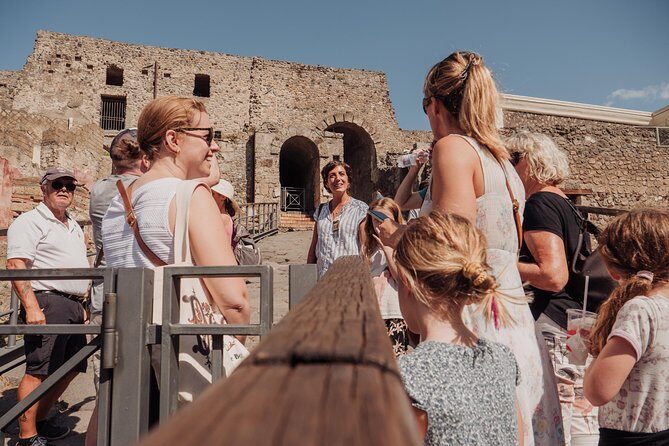
Pompeii is famous for a reason, but it’s also overwhelming. There are so many streets, houses, and public buildings that without structure you end up bouncing between the loudest sights and missing the quieter details that make the city feel real. This tour solves that by running a focused sequence.
Enter through Porta Marina and get oriented fast
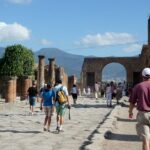
You access Pompeii through Porta Marina, one of the key city gateways. From there, your archaeologist guide sets the scene: the urban layout, how the city worked day to day, and what the eruption in 79 AD meant for the people and the streets that survived.
That orientation step is where you start feeling the city instead of just seeing it. And because you have headsets included, you’re less likely to lose the thread when you’re moving through busier spots.
Via dell’Abbondanza: the street scale of daily life
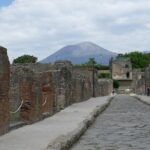
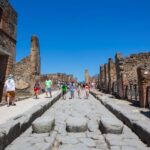
Next comes Via dell’Abbondanza, an iconic main street. Even a short walk here helps you “read” Pompeii: you can imagine foot traffic, storefronts, and neighbors moving through the same lines the Romans did.
If you’ve ever felt like Pompeii photos don’t quite show the real scale, this is the kind of stop that fixes that. The street gives you context for what you’ll see in the nearby buildings.


Houses on the route: Menander, Faun, and the Deer
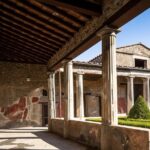
Pompeii’s preserved homes are where the city becomes personal. This tour includes multiple houses and courtyard spaces, each with its own angle.
- House of Menander: you’ll get a close look at a major residential space tied to art and domestic design.
- House of the Faun: one of the most recognizable homes in Pompeii, with enough name-recognition that it feels like a big anchor point.
- House of the Deer: later in the loop, this house gives you another look at how interiors, mosaics, and layout served daily life.
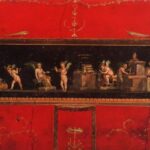
Even when you only spend around 10 minutes at each house, the archaeologist framing changes the experience. Instead of treating mosaics and rooms like isolated attractions, you start understanding what different spaces were for.
Public and civic Pompeii: granaries and forum-era power
You’ll also pass the Granaries of the Forum. Grain storage isn’t glamorous, but it’s the backbone of a city economy. A guided explanation turns this from “some buildings” into “here’s how people ate and how power moved.”
This is a theme on the route: Pompeii isn’t only about villas. It’s also about systems—food supply, civic space, and public life.
Stabian Baths: how Romans handled health and leisure
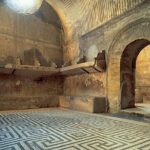
The Stabian Baths (Terme Stabiane) show the social side of everyday routine. Baths weren’t just hygiene; they were places to linger, talk, and conduct casual business.
Pompeii’s Roman life hits harder when you see a space like this because it’s less about luxury and more about habit. That’s also where the tragedy becomes more human: these were places people used right up to the eruption.
Lupanar (brothel): a blunt window into society
The tour includes the brothel of Pompeii (the Lupanar). This is not a gentle topic, but it’s one of the most direct ways to understand what people talked about and how the city served different needs.
If you’re not into adult-history content, it’s worth knowing this stop is part of the planned route. For many people, the value is educational, not titillating.
Theaters: Odeon and Teatro Grande for the big stage view
Pompeii’s entertainment spaces help you understand the city as a place where crowds gathered and culture played out in public.
You’ll see:
- Odeon – Teatro Piccolo (small theater), and
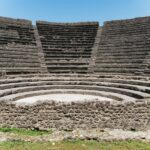
- Teatro Grande (Great Theatre), with more dramatic scale.
Because these stops are short, you won’t get a long sit-and-stare moment. Still, the guided narration helps you picture how performances and gatherings shaped life in Pompeii.
Maximall Pompeii break: your practical pause point (with perks)
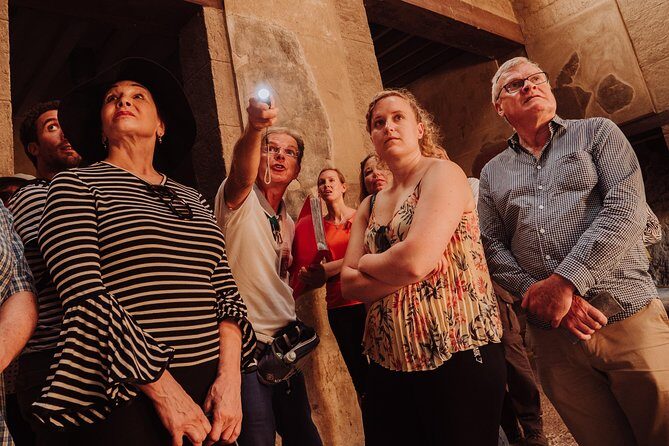
After the main Pompeii loop, you take about 50 minutes at MaxiMall Pompeii, described as the largest shopping center in the South of Italy. This is where you get a short break for air conditioning, restrooms, and food options on your own.
You also receive an exclusive branded welcome kit and a discount card for special offers at stores. Even if you skip shopping, this stop is useful because Pompeii can be tough in heat.
One extra note: Pompeii has very little shade. The break here is not just convenient; it can be the difference between a good day and a miserable one.
Herculaneum after Pompeii: smaller, quieter, and often more intact
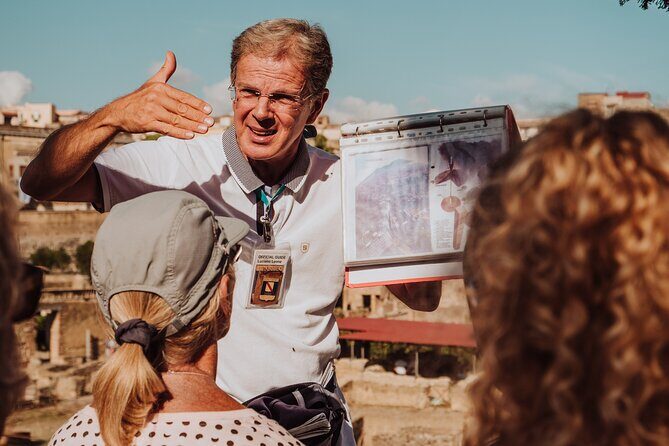
Then you switch to Herculaneum, which has a different feel. Pompeii can feel like a huge open wound of streets and walls. Herculaneum feels more enclosed and preserved, and the route on this tour leans into that.
You spend about 2 hours at the Archaeological Park of Herculaneum, with the same archaeologist guidance approach.
Partem Domus lignea: the wooden-partition house idea
The first Herculaneum stops include Partem Domus lignea – Casa del Tramezzo di Legno, known for the wooden partition concept. Even if you don’t read Italian architectural details, the guide can connect this to how rooms were organized and what ordinary spaces looked like.
House of the Skeleton: a reminder that this was real people
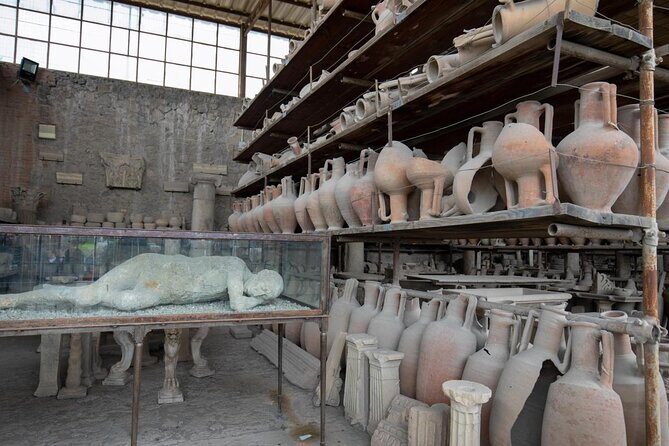
The House of the Skeleton is understandably intense. It’s the kind of place where the guide’s tone matters—because the goal isn’t shock; it’s understanding the human story behind the remains.
This stop tends to be one of the emotional anchors of the day, and it’s a strong contrast to the more everyday rooms in the route.
Central Thermae: public life without Pompeii’s crowds
You’ll also see Central Thermae. Like the Stabian Baths in Pompeii, it’s about how people lived. But in Herculaneum, the experience often feels more about daily routine and less about scale.
Houses and courtyards: the Telephus relief, Sannitica, and fine-courtyard detail
This tour then moves through several houses:
- Casa del Rilievo di Telefo (Relief of Telephus)
- Casa Sannitica
- Casa del Bel Cortile (Fine Courtyard)
Courtyards are the key to why Herculaneum can feel so “lived in.” You can better picture how light, air, and movement worked in domestic life. This is also where your archaeologist guide’s interpretation helps most, since you’re not just looking at objects—you’re learning how the layout told a story.
Grand Portal and the Black Salon: where interior drama takes over
Two of the late Herculaneum stops sound almost cinematic:
- House of the Grand Portal
- House of the Black Salon
These are indoor-facing moments. Even with short stop times, the contrast between public spaces and interior rooms makes the day feel like a true “two-city” experience rather than one long walk with a break.
Getting back to Naples and returning to Rome
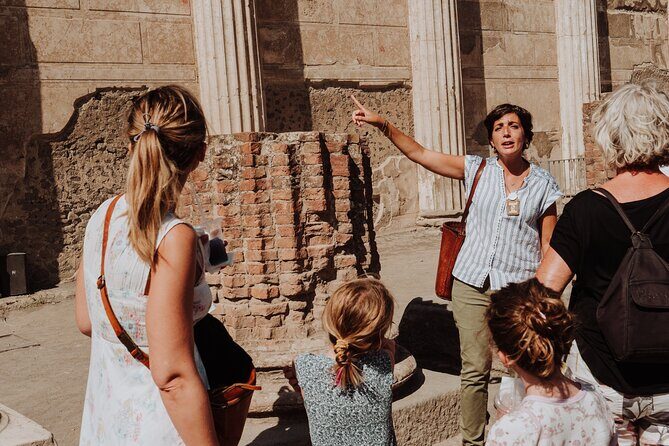
After Herculaneum, you’re driven back to Naples, leaving you near Naples Central Station so you can get to your platform and board independently for the ride back to Rome Termini. The minibus transfer is about 30 minutes.
This is one of those days where you’ll want to keep your schedule instincts sharp. You have a self-board segment both ways, so build in buffer time and follow the day’s instructions closely.
Also, a small but real tip: when taking the high-speed train from Rome to Naples, there can be multiple Napoli stops. Make sure you’re getting off at the right one so you don’t scramble at the last minute.
Value and what you’re really paying for
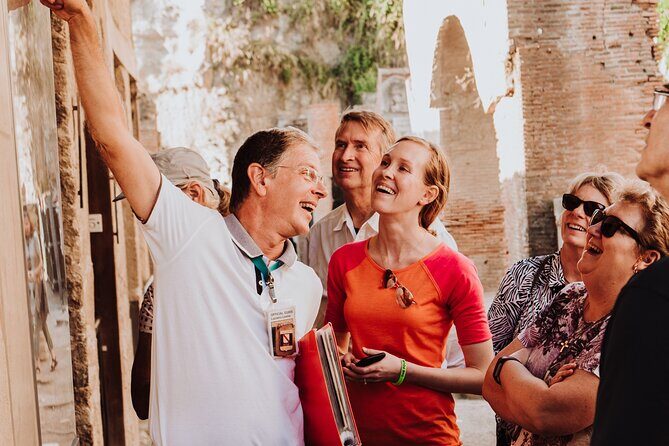
At $204.38 per person for an 11-hour-plus day, this isn’t cheap, but it’s also not just you buying entry tickets and hoping for the best. You’re paying for three main things:
- Transportation efficiency: roundtrip high-speed train from Rome plus minibus transfers in Naples. That saves real fatigue, and on a long day, fatigue costs experiences.
- Guided expertise: the guidance is led by an archaeologist in Pompeii and Herculaneum, and headsets help you follow along while moving through crowded ruins.
- Skip-the-line entry + planning: skip-the-line access to both sites reduces dead time that can steal half a day.
The entrance tickets are part of what you get. Still, it’s useful to know the typical adult ticket prices are 16 euros for Herculaneum and 20 euros for Pompeii, so you’re not double-paying for access on top of the tour price.
What’s not included is also worth stating clearly: meals and drinks are on your own. You’ll have a break at Maximall Pompeii, but you’ll still need to budget for food and water.
Finally, this tour includes a luggage note: if you’re traveling with suitcases, use a luggage deposit at or near the station. Not all minibuses can handle suitcases in the vehicle.
Pace, walking, and comfort: plan for your body
This is one of those day trips where the schedule is packed and the ground is uneven. Pompeii in particular has limited shade, and the walking adds up quickly.
Some guides handle the pacing with lots of explanation, and that matters. A few past departures have praised guides like Paolo, Michele (and even Michele Lamberti), Alfredo, Raphael, Diego Michelle, Bruno, Carmine, Gennaro, and Roberta for keeping things organized and interesting. Others have flagged issues like headsets cutting out and a guide moving too fast to ask questions. So I’d treat this as a “follow the group but bring your questions early” kind of day.
If you have leg or knee issues, or you struggle with long walking on stone streets, you may feel this more than you expect. And if you want a slow, complete Pompeii day, this might feel rushed since it’s designed to fit both cities and the train.
Who this tour fits best (and who should consider something else)
This is a great fit if:
- you want a structured plan that lets you see both Pompeii and Herculaneum in one day,
- you value archaeologist-led context rather than wandering cold through ruins,
- you care about saving time with the high-speed train and smooth Naples transfers,
- you like small groups (max 20) and using headsets to keep up.
Consider a different approach if:
- you want every hidden corner of Pompeii without time pressure,
- you know you need lots of time at each stop to absorb slowly,
- you get frustrated when a guide keeps the group moving.
Should you book this Pompeii and Herculaneum guided day trip?
Yes, if your priority is a smart one-day plan with skip-the-line access, a licensed archaeologist guide, and a low-stress train-and-transfer route from Rome. The Maximall break is also a real sanity saver in Pompeii heat.
I’d pass or think twice if you’re expecting a full, unhurried Pompeii exploration, because this is built as highlights within a tight schedule. Also, if you’re sensitive to loud outdoor crowds, unclear audio, or fast pacing, look for departures where you know the guide style works for you.
If you want the best odds of a great day: wear good walking shoes, bring water, and keep your question ready so you get answers before the group moves on.