REVIEW · TORRE ANNUNZIATA
Pompeii: Guided Walking Tour with Entrance Ticket
Book on GetYourGuide →Operated by Project Napoli Service · Bookable on GetYourGuide
Pompeii hits different when you walk it with a guide. This 2-hour tour gets you into the Pompeii Archaeological area fast and focuses on the places that bring ancient street life back to reality. You’ll cover major stops like the Forum and Thermal Baths, all while learning how daily routines shaped Roman life before Mount Vesuvius buried the city.
I especially like the skip-the-line setup, because Pompeii’s entrance can eat your time. And I really like the included headsets, which help you keep up even when the group shifts or you’re at a distance from the guide.
One thing to consider: the meeting point can be easy to miss if you arrive late or if signage isn’t obvious at first glance. A couple of people also noted late starts in a handful of cases, so plan your morning with a little buffer.
In This Review
- Key highlights worth clocking
- Skip-the-Line Entry: What Changes Your Time at Pompeii
- Where You Meet at 10:50 and How to Not Miss the Group
- The Two-Hour Route: Forum, Thermal Baths, and the Streets Between
- The Forum: Pompeii’s Public Heart
- Thermal Baths: Social Life in Brick and Stone
- Lupanare and the Tough-to-Look-Away Corners
- Streets with Shops and Signs
- How the Guide Makes Roman Daily Life Click (Without Overloading You)
- Headsets and Multilingual Guides: When Distance Would Otherwise Break the Tour
- Price Value: Why $50 Can Be Fair for Pompeii’s Time Crunch
- Heat, Footwear, and Who This Tour Fits Best
- Should You Book This Pompeii Guided Walking Tour?
- FAQ
- Is the Pompeii entrance ticket included?
- Does this tour really let you avoid the ticket line?
- How long is the guided tour?
- Where exactly is the meeting point?
- What languages is the live guide available in?
- What should I bring?
- Is the tour suitable for wheelchair users or people with mobility impairments?
- What happens if there aren’t enough participants?
Key highlights worth clocking
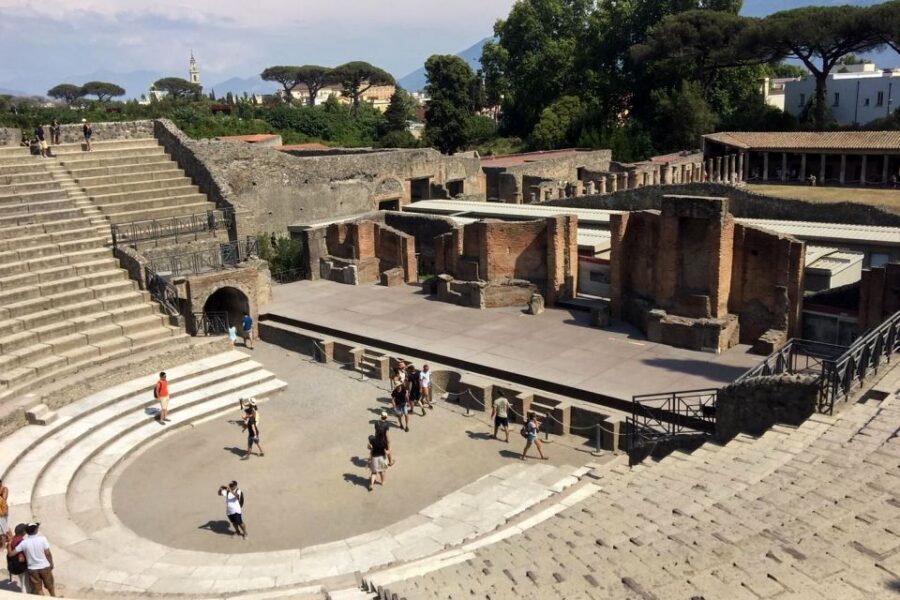
- Guaranteed entrance ticket to Pompeii Archaeological Site, included in your price
- Skip-the-ticket-line entry so you start walking sooner
- Multilingual live guides (English, French, Spanish, Italian) with headsets
- Big-name Pompeii stops: Forum, Thermal Baths, Lupanare, and everyday streets with shop signs
- A tight 2-hour route that shows what you’d otherwise miss on your own
Skip-the-Line Entry: What Changes Your Time at Pompeii
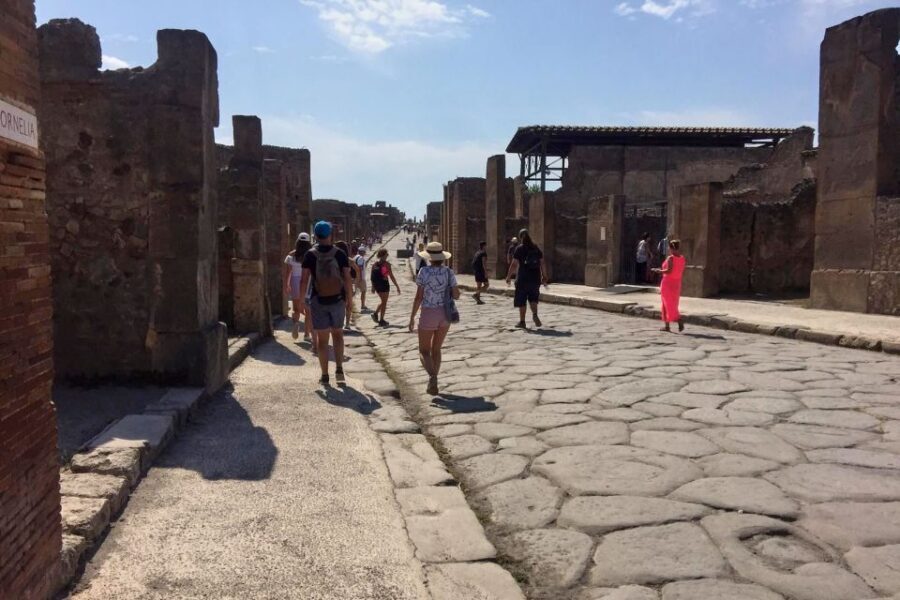
Pompeii is huge, and time disappears fast once you’re standing at entrances, sorting tickets, and trying to orient yourself. This tour is built to fix that. You get entrance included (the ticket value is listed as €20) and you’re set up to skip the ticket line, which is the difference between starting your walk on schedule vs. spending your limited time waiting.
The payoff is simple: you get more ruins, less hassle. In a place where even a “quick visit” can turn into an all-day thing, that matters.
And because the tour is only 2 hours, it’s designed as a highlights sweep. You won’t see every street, every house, or every excavation area—but you will see the major spaces that help you understand how the town functioned.
If you're still narrowing it down, here are other tours in Torre Annunziata we've reviewed.
Where You Meet at 10:50 and How to Not Miss the Group
The meeting point is very specific. You meet at 10:50am in the garden of the Hotel Vittoria, right outside the coral shop called CELLINI (Via Mare, 80045 Pompei). The guide will be there holding a sign with customers’ names.
Here’s my practical advice: treat this like a small scavenger hunt. Arrive a few minutes early, scan the area carefully for the coral shop name, and keep an eye out for the sign with your name. Some people said it was confusing at first to find their guide, so don’t rely on luck.
If you’re connecting by train or you’re navigating with a taxi drop-off, give yourself extra cushion. Pompeii mornings can be unpredictable, and you don’t want to start your day stressed before you even get inside.
The Two-Hour Route: Forum, Thermal Baths, and the Streets Between
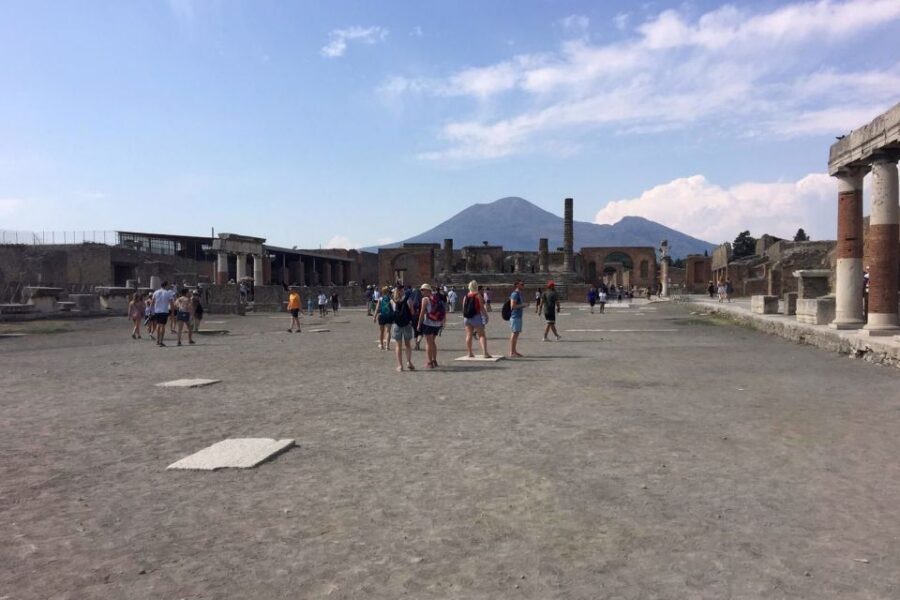
This tour is paced for comprehension, not marathon walking. You’ll move through a chunk of Pompeii’s excavated core and focus on spaces that tell you how people lived—public life, private routines, and the city’s daily rhythm.
The Forum: Pompeii’s Public Heart
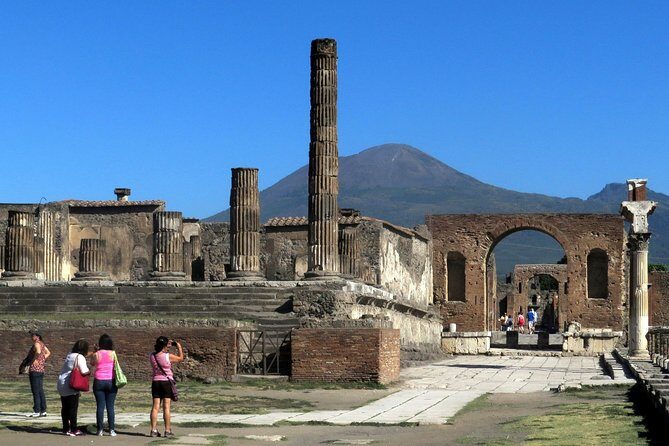
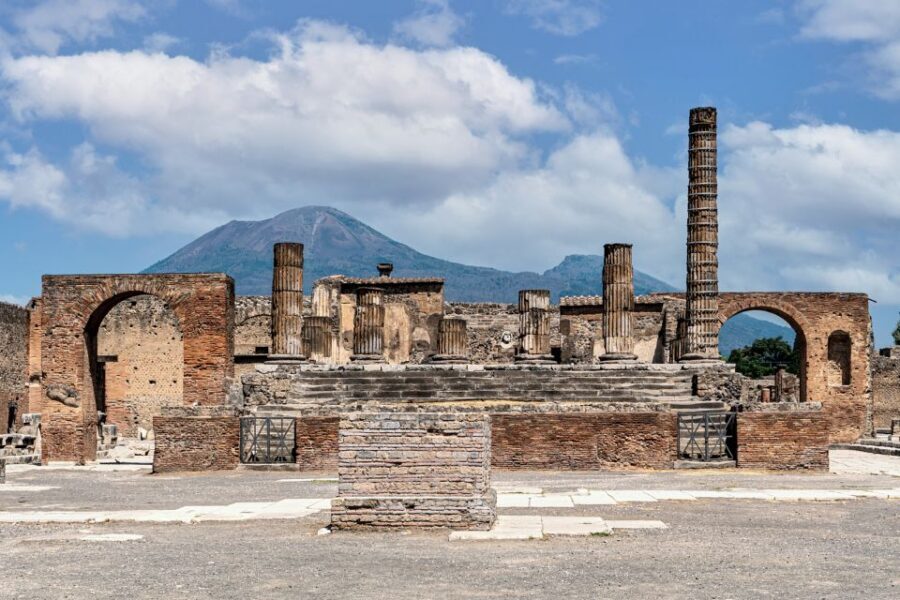
The Forum is where you learn the town’s pulse. In most Roman cities, the Forum is where politics, commerce, and community life overlap. Even without a deep academic background, it’s the kind of place that makes the empire feel real—because you’re standing in the actual civic center, not looking at a photo of it.
What I like about having this on a guided route is that the guide connects the dots: what the buildings were for, how people used them, and how that fits into what you’re seeing in the streets around you.
Thermal Baths: Social Life in Brick and Stone
The Thermal Baths are a highlight for a reason. Baths weren’t just about hygiene—they were a major social hub. In Pompeii, you get a sense of how people gathered, relaxed, and interacted as part of routine life.
On a walking tour like this, the Baths work as an “experience anchor.” You’ll grasp the theme of Roman leisure and daily structure instead of just recognizing a big ruin and moving on.
Lupanare and the Tough-to-Look-Away Corners
The Lupanare is included, and it’s one of those sites that makes Pompeii feel sharply human. It’s not tidy. It’s not sanitized. It’s a window into the town’s reality, including the parts of life that weren’t meant for polite postcards.
If you’re the type who likes your history honest—even uncomfortable—this stop is part of why this tour gets strong marks. You’re learning the town as it was, not as modern imagination wishes it to be.
Streets with Shops and Signs
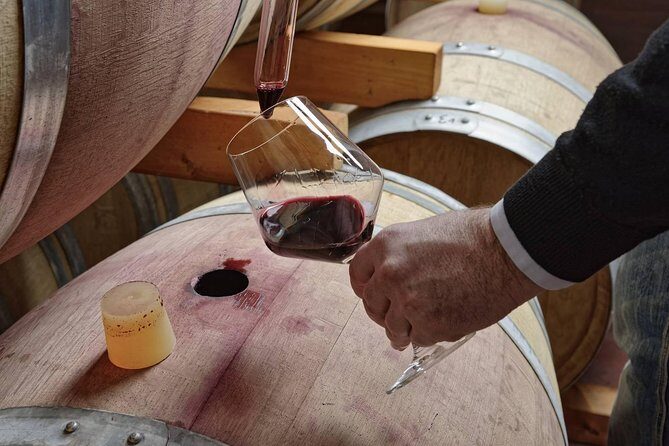
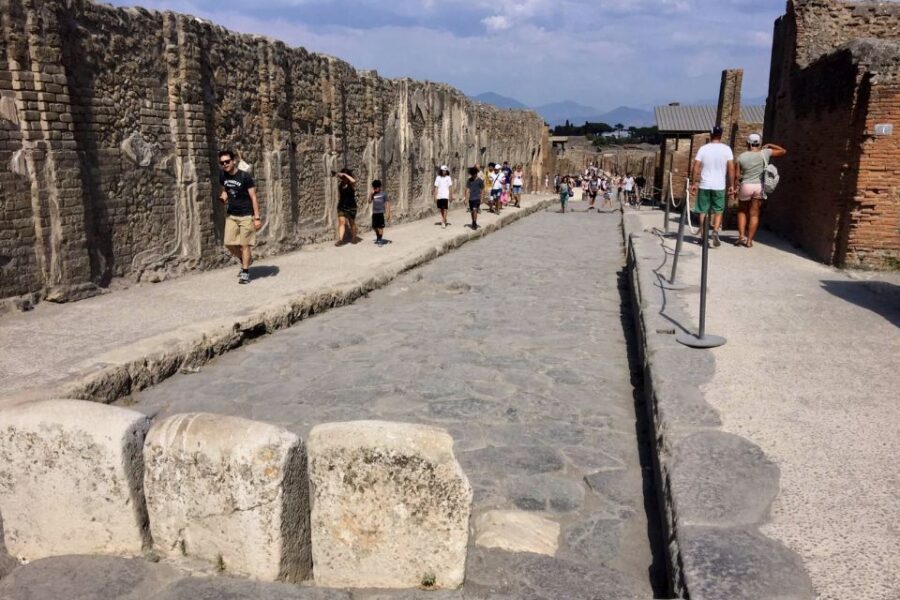
You’ll also walk through streets with shops and readable signs, including produce-style storefront references and even clues about selling wine. This is where Pompeii stops being an archaeological site and starts behaving like a lived city.
With a guide, these details matter. You’re not just seeing doorways and walls—you’re interpreting what a shopfront likely meant for the people passing by that day long ago.
How the Guide Makes Roman Daily Life Click (Without Overloading You)
One of the most repeated wins here is how the guide turns ruins into people. The tour is designed around the idea that Pompeii’s excavation is not a one-time reveal—it’s been uncovered gradually over centuries. One review notes the excavation work is around two thirds complete, which helps explain why some areas feel fully “there” and others feel like the edges of a bigger story.
In a short 2-hour window, the guide’s role is to pick the moments that explain the system:
- How public spaces supported daily routines
- How household life connected to community life
- What the city’s layout suggests about how people moved and traded
The tour also focuses on the history of the town and on what happened during the 79 AD eruption. That context is important. Without it, Pompeii can feel like “old buildings.” With it, you get the tragedy and the reason the preservation is so striking.
Headsets and Multilingual Guides: When Distance Would Otherwise Break the Tour
This tour includes headsets, which is a big quality-of-life feature at Pompeii. The site is open-air, noisy, and full of visual distractions. If you’ve ever been stuck half-hearing a guide while everyone clusters or stretches out, you know how fast comprehension drops.
Here, you’re set up to hear the guide clearly while you walk, which helps the tour stay informative instead of turning into guesswork.
The tour also runs with live guides speaking English, French, Spanish, or Italian. Based on guide names shared through past tours, you may encounter guides such as Elisa, Salvatore, Enzo (manager who coordinated help), Francesca, Erika, Miguel/Miquel, Imma, Alex, and Mattia. Hearing any of them is the best kind of “value multiplier” because a good guide makes the same stones feel completely different.
One practical caution: a small number of people found the headsets uncomfortable. If you’re picky about fit, bring a flexible mindset and adjust the headset as soon as you get it—comfort can improve fast once they’re positioned right.
Price Value: Why $50 Can Be Fair for Pompeii’s Time Crunch
At $50 per person for a 2-hour guided tour with a ticket included (listed as €20), the value is mostly about time and clarity. If you tried to do Pompeii solo in a single morning window, you’d likely spend extra energy on:
- ticket logistics and line time
- figuring out what you’re looking at
- walking the site without the “why” behind the stops
Buying a guided format turns those costs into a structured route. You pay for the guide’s ability to connect buildings to everyday life, plus the convenience of skip-the-line entry.
Is it worth it if you want to spend half a day wandering? Maybe not—you might prefer an unstructured plan. But if you want the biggest, most meaningful Pompeii highlights in two hours, this price point makes sense.
Also, the included headsets help you get more out of those two hours. You’re not paying for a “walk and hope” experience.
Heat, Footwear, and Who This Tour Fits Best

Pompeii walking is real walking. The ruins are uneven, the ground can be dusty, and you’ll be on your feet through sun and shade gaps. Wear comfortable shoes. Bring weather-appropriate clothing, because the tour operates in all weather.
This tour is also not suitable for people with mobility impairments and it’s not for wheelchair users. The walking routes inside Pompeii’s excavated areas don’t align with wheelchair access as described for this experience.
Who this suits best:
- You want a guided Pompeii highlights route without overthinking logistics
- You like your history anchored in daily life—public spaces, baths, and street-level commerce
- You’re traveling with mixed interests and want a guide to keep everyone engaged
If you’re the type who wants every last detail at a slow pace, consider pairing this with extra self-guided time afterward. Pompeii is so large that a highlights tour is more like a powerful introduction than a full course.
Should You Book This Pompeii Guided Walking Tour?

If your goal is to make the most of a limited time in Pompeii, I’d book it. The big reasons are practical: skip-the-line access, an included entrance ticket, headsets, and a route that hits the spaces most tied to Roman everyday life—Forum, Thermal Baths, and Lupanare—plus the street-level shop atmosphere.
Skip it only if:
- you want a slow, deep, no-pressure wander
- you strongly prefer to self-navigate and research on your own
- you can’t handle uneven walking routes (since it’s not set up for wheelchair use)
FAQ
Is the Pompeii entrance ticket included?
Yes. The Pompeii Archaeological Site entrance ticket is included in the tour price (listed as €20).
Does this tour really let you avoid the ticket line?
The tour is described as guaranteed to skip the long lines, with skip-the-ticket-line entry included.
How long is the guided tour?
The duration is 2 hours.
Where exactly is the meeting point?
Meet at 10:50am in the garden of Hotel Vittoria, right outside the coral shop called CELLINI on Via Mare, 80045 Pompei. The guide will have a sign with the customers’ name.
What languages is the live guide available in?
The guide is listed as speaking English, French, Spanish, and Italian.
What should I bring?
Bring comfortable shoes and weather-appropriate clothing. If booking a child fare, bring a passport or ID card for children.
Is the tour suitable for wheelchair users or people with mobility impairments?
No. It is listed as not suitable for people with mobility impairments and not for wheelchair users.
What happens if there aren’t enough participants?
The tour requires a minimum of 2 participants to operate. If the minimum isn’t met after confirmation, it’s possible the tour could be canceled, and you would be offered an alternative or a full refund.
If you want, tell me your travel month and whether you’re starting from Naples or the Amalfi Coast, and I’ll suggest a simple timing plan so you arrive at the 10:50 meeting point with less stress.