REVIEW · ROME
From Rome: Pompeii & Amalfi Coast Full-Day Trip
Book on GetYourGuide →Operated by Romaetravel · Bookable on GetYourGuide
Pompeii and the Amalfi Coast, in one long day. This tour pairs Pompeii’s volcanic tragedy with wide-open coastal views, plus door-to-door pickup so you can focus on the sights instead of logistics. I really like the small-group pace (limited to 14), and the Pompeii portion is led by a live guide who helps you read the city while you walk it.
The main thing to consider is that it is a 12-hour day and it comes at a premium price, and lunch is not included.
In This Review
- Key Things That Make This Tour Worth It
- A 12-Hour Rome-to-Coast Day: What the Timing Really Means
- Pickup, Small-Group Comfort, and the Drive Along the Bay
- Pompeii First: Skip the Line and Walk With a Real Guide
- Reading the Roman City: Market, Baths, and Wealthy Homes
- The Amalfi Coast Turn: Positano Views That Change the Mood
- Amalfi Free Time: Make It a Town Day, Not a Rush Day
- Price and Value: Paying for Time, Guidance, and Transport
- Who This Tour Fits Best (and Who Might Feel Rushed)
- Tips That Make the Day Work Better
- Should You Book This Rome Day Trip to Pompeii and the Amalfi Coast?
- FAQ
- How long is the Pompeii and Amalfi Coast full-day trip?
- Is hotel pickup and drop-off included?
- How big is the group?
- Is lunch included?
- Does the tour skip the ticket line for Pompeii?
- Is this tour wheelchair accessible?
Key Things That Make This Tour Worth It
- Hotel pickup inside the Aurelian walls cuts down your stress before you even leave Rome
- Skip-the-ticket line at Pompeii helps you start seeing things faster
- Official Pompeii guiding means you get context while walking the big highlights
- Free time in Positano and Amalfi lets you move at your own speed (and grab snacks)
- Comfortable, air-conditioned transport matters on a long coast day
- Guides by name like Anestis, Hector, Marco, Stefano, Leonardo, and Caprizio show up across past groups
A 12-Hour Rome-to-Coast Day: What the Timing Really Means
This is a full-day run: you leave Rome, reach Pompeii, then continue down to the Amalfi Coast for time in Positano and Amalfi, and finally head back to Rome. In other words, you are trading a slower travel rhythm for an efficient hit of two big regions in one go. If you only have a short visit in Rome, that trade often makes sense.
You should also expect that most of the day is spent in transit plus guided walking time. So you’ll get plenty of sights, but you won’t have the kind of slow, lingering day that lets you take 40 breaks. Wear comfortable shoes, plan to stand and walk through Pompeii’s streets, and keep your water handy.
One more practical note: the tour is described as starting from your hotel in Rome within the Aurelian walls. If you’re staying outside that area, it can affect how smooth pickup is, so double-check what your hotel location qualifies.
If you're still narrowing it down, here are other tours in Rome we've reviewed.



Pickup, Small-Group Comfort, and the Drive Along the Bay
The start matters on this one. Your tour includes pickup and drop-off at your hotel, and you’re in a small group capped at 14 people. That size is a sweet spot: big enough for a lively day, small enough for questions and photo pauses without chaos.
You’ll travel in a comfortable, air-conditioned vehicle. That may sound basic, but on a long coastal day it helps you arrive less tired and less grumpy, especially if the day is warm. One review mentioned how the driver handled the narrow Italian roads with skill, which is exactly the kind of stress you want someone else to manage.
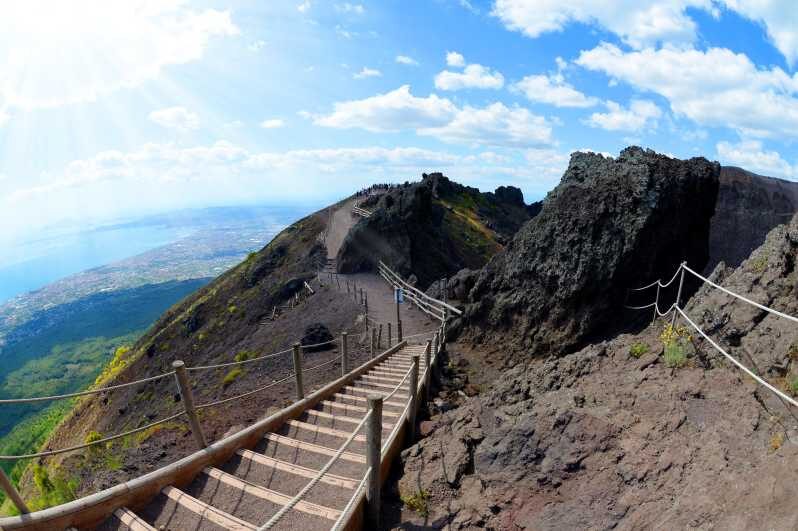
On the way from Rome toward the Bay of Naples, you also get coast views. This is not just dead time. It’s the prelude: a quick taste of why people come back to Campania again and again, even if they’re coming for Pompeii.
Pompeii First: Skip the Line and Walk With a Real Guide

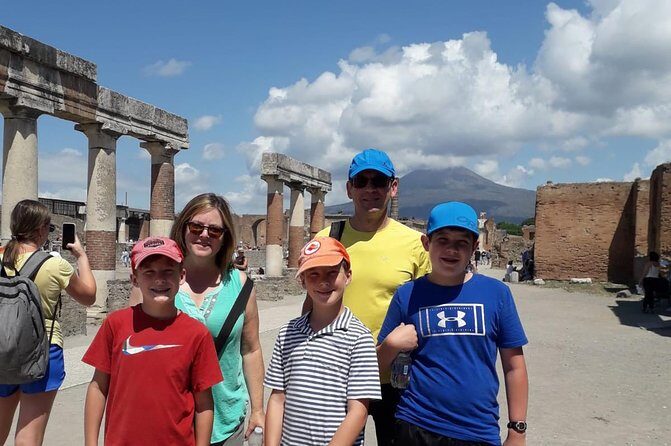
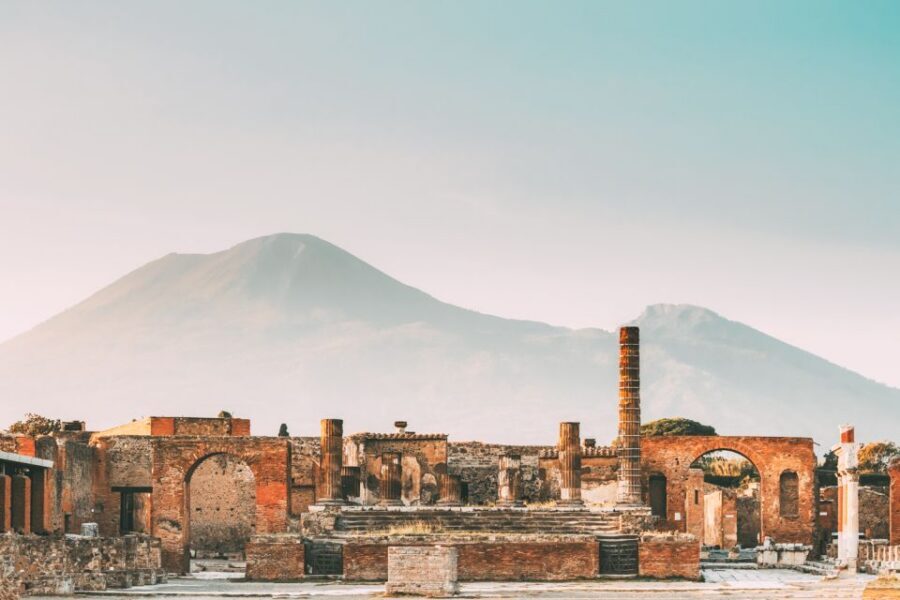
Pompeii is the headline, and the tour does a smart thing by starting there. You get an entrance fee included and skip the ticket line, which helps you spend less time waiting and more time looking.
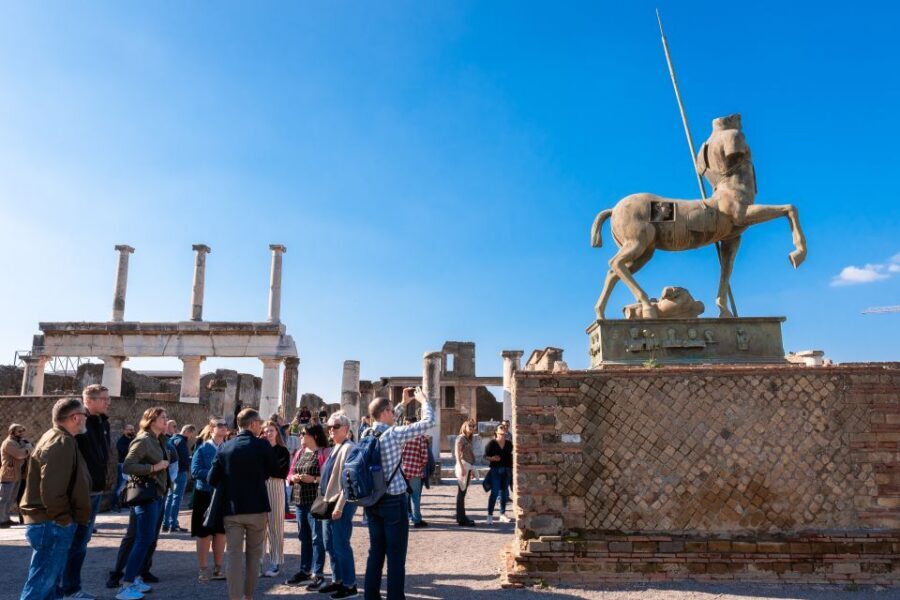
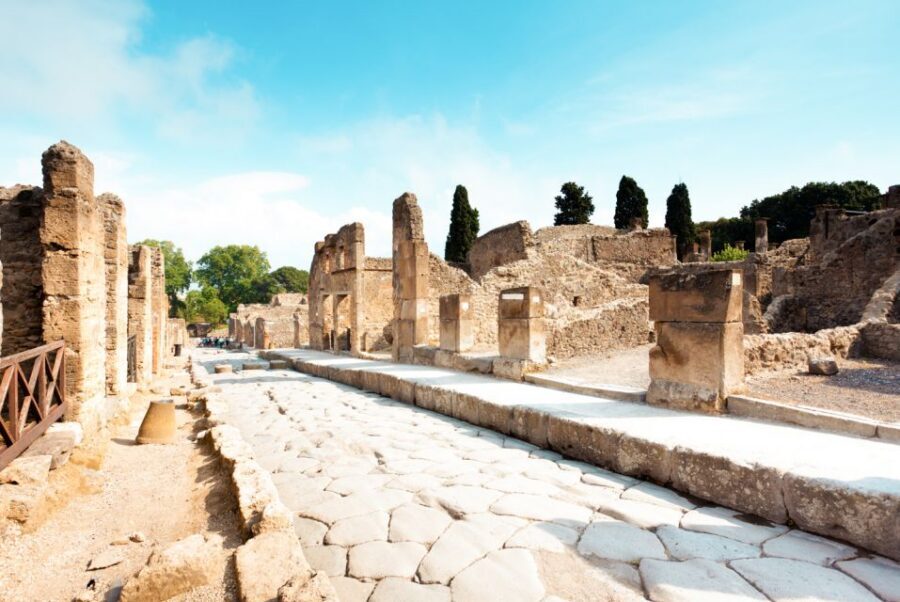
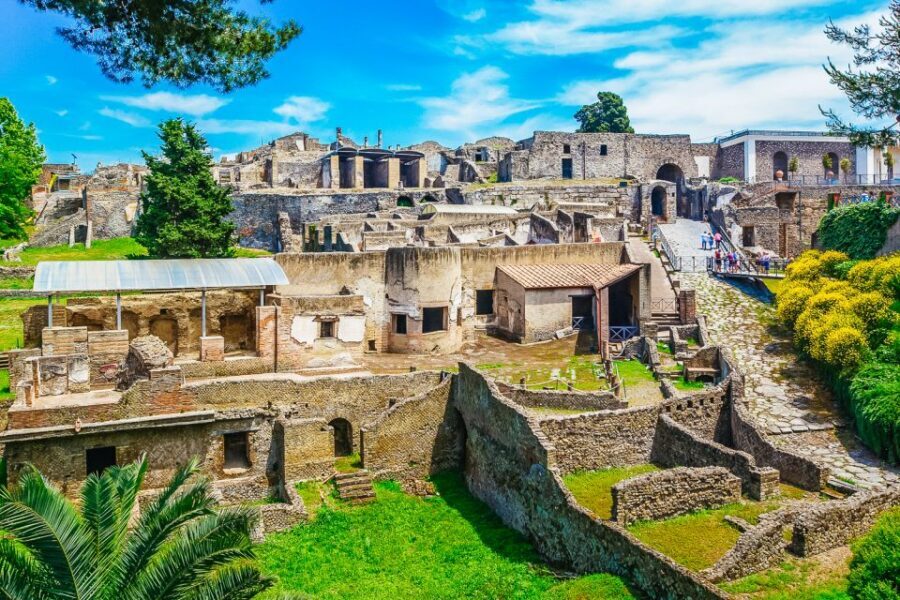
Once you’re inside, you follow a guided route through the city’s best-preserved areas. The tour notes that you’ll visit major zones such as the food market, the thermal bath, and the residences of wealthy citizens. That combination is useful because it covers different sides of daily life, not just one type of building.
The biggest value here is that you’re not walking Pompeii as a pile of ruins. A guide helps you connect what you’re seeing to how the city worked—where people shopped, how they bathed, and what wealthy homes were like.
Guides associated with past groups have included names like Hector at Pompeii. That matters because it’s not just a driver-and-audio setup; it’s a live person interpreting the place while you’re there.
Reading the Roman City: Market, Baths, and Wealthy Homes
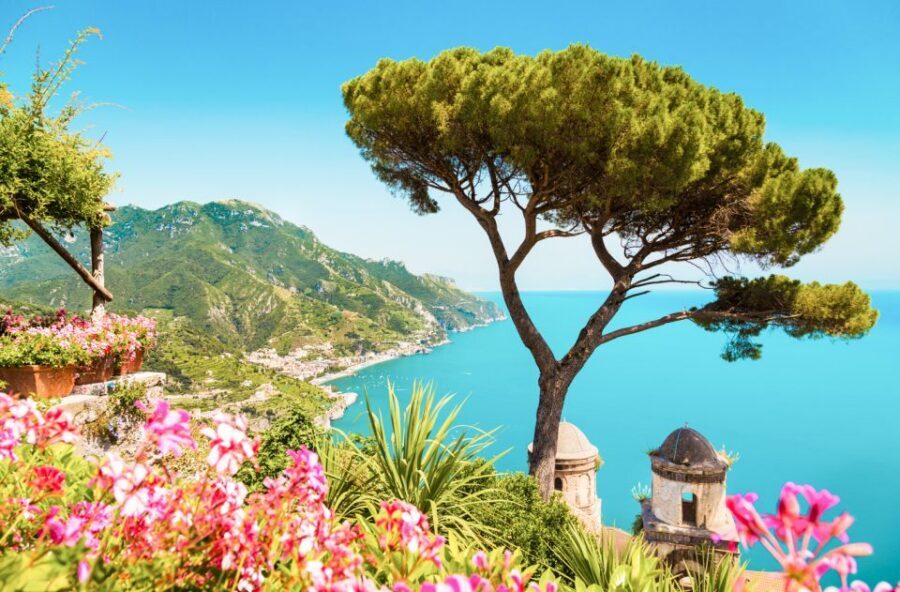
Pompeii can overwhelm you if you wander with no structure. That’s why the guided stops are a big deal. When you hit the food market, you’re seeing the everyday economy of the city. When you move to the thermal bath area, you get a sense for social life and routines—bathing wasn’t only hygiene; it was also a social habit.
Then you shift into the residences of wealthy citizens. Even without going room-by-room, these areas help you compare classes. You start to understand why certain neighborhoods developed the way they did, and you get a clearer picture of what daily life looked like for different people.
You’ll also learn how the city was lost to the violence of the volcano. That’s the emotional core of the visit. The tour’s wording points you toward that story, and it’s the part that turns Pompeii from sightseeing into something closer to human history.
Tip for your visit: take photos, yes, but also slow down for the moments your guide is explaining. Pompeii is one of those places where the best photos often happen after you understand what you’re looking at.
The Amalfi Coast Turn: Positano Views That Change the Mood
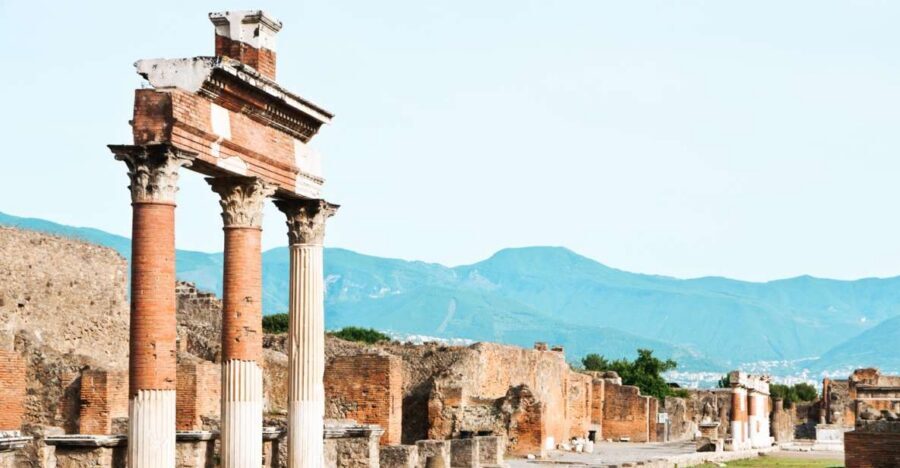
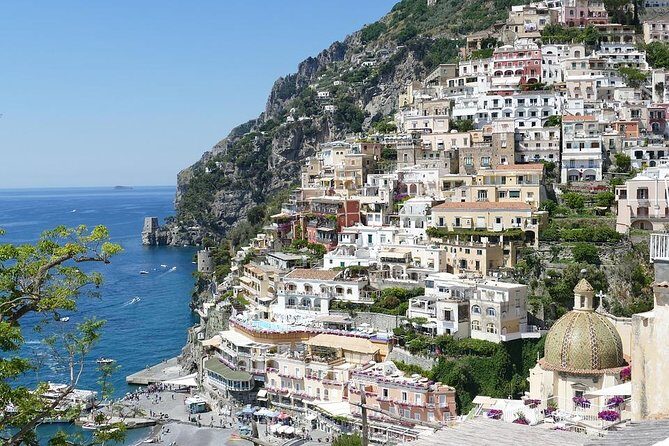
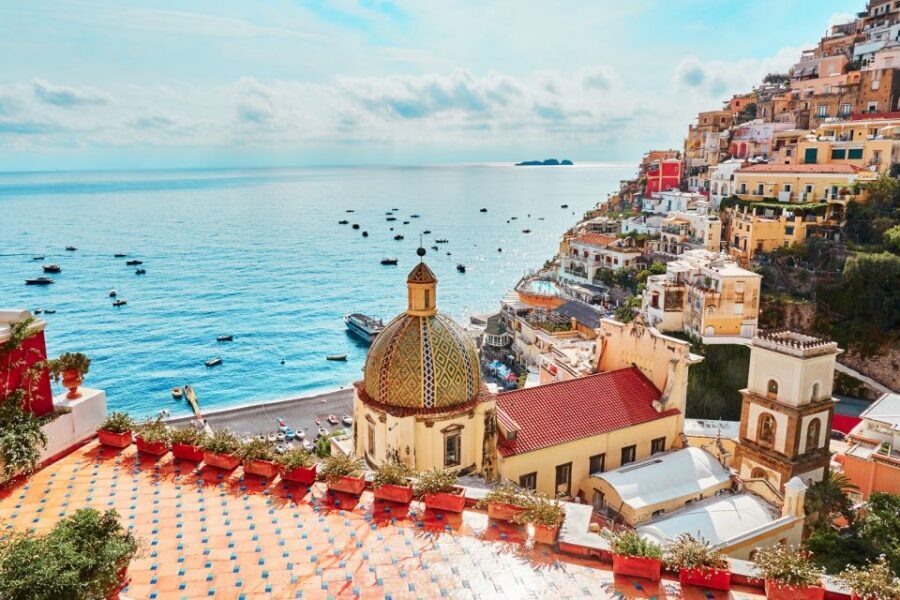
After Pompeii, you head toward Positano and Amalfi. This is a mood shift in the best way: from the heavy weight of volcanic history to the bright, dramatic coastline with towns stacked into steep cliffs.
You get free time to explore Positano and Amalfi. That’s important because these towns are best when you can choose your own pace—wander a side street, find a viewpoint, pop into a cafe, or just sit and watch boats move along the coast.
Positano is often the first place people picture, and the view angles are a big part of the magic. One highlight from past groups was that the views were breathtaking, with enough time to enjoy the scenery rather than just drive past it.
Also, if you like trying local sweets or small tastings, pay attention during breaks. One group noted that the hosts shared sfogliatelle during a stop, which is a very practical perk if you’re trying to keep the day comfortable without a full lunch plan.






Amalfi Free Time: Make It a Town Day, Not a Rush Day
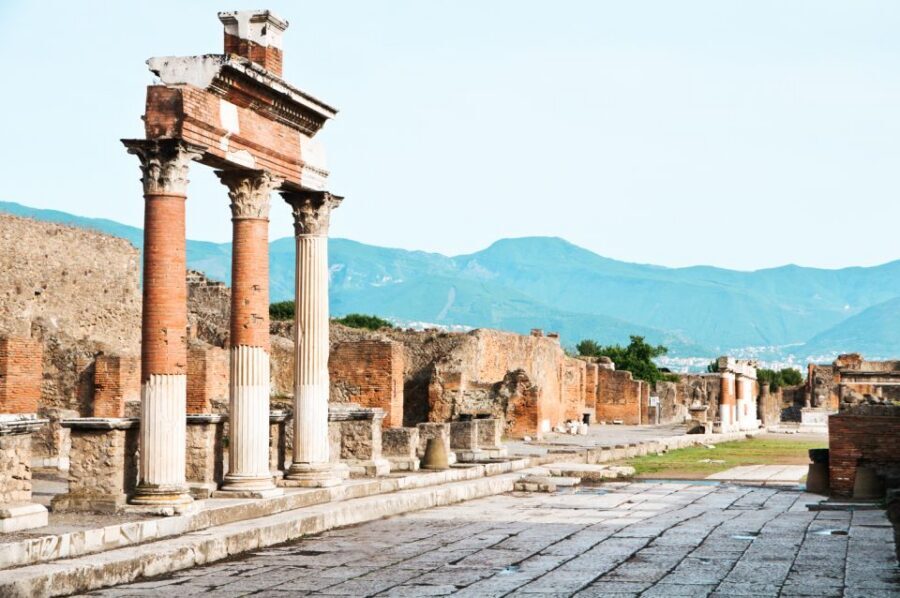
Amalfi is different from Positano in feel, and your free time lets you experience that. The tour doesn’t lock you into a rigid checklist, which gives you room to match what you want that day: a longer walk for photos, shorter strolls and people-watching, or a bit of resting if your feet are tired.
Remember: lunch isn’t included, and there are no food and drinks provided. So build your plan around that. In Amalfi and Positano, snack-and-sip options are part of the day’s rhythm. Bring cash (it’s specifically listed as something to bring) so you’re not stuck searching for an ATM when you find a place you want.
What I like about free time here is that it helps you avoid the most common mistake on this kind of itinerary: treating the coast like a museum. The point is the towns, the viewpoints, and the slow pleasure of being on this coast, even if you’re only there for a few hours.
Price and Value: Paying for Time, Guidance, and Transport
This tour costs $396.50 per person, and it’s easy to feel that in your budget. One past review even suggested it was a bit high by roughly $75 USD compared to what it felt like it should cost. That’s a fair reaction if you’re hunting for a bargain.
But you should also price it the way you actually experience it: you’re paying for door-to-door pickup, a small group, comfortable air-conditioned transport, Pompeii entrance fees, and both a live guide and an official guide at Pompeii, plus skip-the-line access. You’re also buying back your time. Driving yourself, arranging tickets, and managing a complicated route on your own is not impossible, but it can be stressful—especially if you’re doing it in a single day.
So here’s the value check: if you want Pompeii explained well and you want Amalfi and Positano time without doing the planning math, the price is easier to justify. If you’re comfortable planning and coordinating on your own and you’re trying to minimize day-trip costs, you may decide it’s more than you want to spend.
My practical take: if your schedule is tight in Rome and this is one of your only chances to hit both Pompeii and the coast, the value swings toward yes.
Who This Tour Fits Best (and Who Might Feel Rushed)
This is a strong choice if you want a structured day with expert help at Pompeii and you don’t want to drive. It also fits well if you prefer a small group and like having someone manage the timing so you can enjoy the sights.
It’s likely less ideal if:
- You hate long travel days (this is 12 hours)
- You need a fully flexible schedule to roam far off the core towns
- You’re looking for a low-cost day trip (lunch not included and the total price is high)
One clear limitation: it is not suitable for wheelchair users. If accessibility is a concern for you, I’d look for another format that explicitly matches your needs.
Also, if you’re the type who wants a late start and a slow ending, this itinerary probably won’t feel relaxed. It’s built for action, not for lounging.
Tips That Make the Day Work Better
The tour provides specific packing guidance, and you’ll feel the payoff if you follow it:
- Comfortable shoes: Pompeii requires solid footing and lots of walking
- Water: especially in summer (it’s specifically suggested)
- Umbrella: listed for winter, but you might pack one anytime if weather is unpredictable
- Cash: useful since lunch is not provided and you may want snacks or small purchases
- Comfortable clothes: you’ll be moving from vehicle to outdoor areas
And for photos: Pompeii can be busy, and the Amalfi towns can be crowded too. If you want photos without constant jostling, take a quick pause after your guide finishes explaining a spot. That usually lines up with better angles and fewer people in the frame.
Should You Book This Rome Day Trip to Pompeii and the Amalfi Coast?
Book it if you want a high-impact day: Pompeii explained with live guidance, plus real time in Positano and Amalfi without navigating the logistics yourself. The skip-line access and the official-style guiding inside Pompeii make this feel like the efficient version of seeing both places.
Skip it if you:
- Have plenty of time and would rather travel slower and cheaper
- Want lunch included in the price
- Prefer a less intense schedule (it is a long 12-hour day)
My decision shortcut: if Pompeii is a priority and the Amalfi Coast is also on your must-see list, this tour puts both in reach—fast, guided, and in a small group.
FAQ
How long is the Pompeii and Amalfi Coast full-day trip?
The duration is 12 hours.
Is hotel pickup and drop-off included?
Yes. Pickup and drop-off are included, and pickup is within the Aurelian walls.
How big is the group?
It is a small group limited to 14 participants.
Is lunch included?
No. Lunch is not included, and food and drinks are not provided.
Does the tour skip the ticket line for Pompeii?
Yes. The tour includes skip-the-ticket line service at Pompeii.
Is this tour wheelchair accessible?
No. It is not suitable for wheelchair users.