REVIEW · NAPLES
From Naples: 2-Hour Herculaneum Kid-Friendly Tour
Book on GetYourGuide →Operated by Askos Tours · Bookable on GetYourGuide
Herculaneum is built for curious kids. This 2-hour private tour helps children make sense of a buried Roman city, using tablets, reconstructions, and multimedia to keep their focus on what they’re seeing. I like that the route is built around real places kids can enter—houses, temples, and public areas—so the ruins feel less like distant artifacts and more like a town you can almost picture.
One of my favorite parts is the kid-specialized, local certified guide, who tailors explanations to children’s attention spans. You’ll also walk a tight loop that hits the places families usually enjoy most, from the House of the Skeletons to the Temple of the Augustali, with enough variety to hold interest without feeling like a slog.
The main catch is simple: it’s a walking tour with no transportation included. Also, the info on wheelchair suitability is conflicting (wheelchair accessibility is listed, but there’s a note that it’s not suitable for wheelchair users), so you’ll want to confirm before you go.
In This Review
- Key Things I’d Prioritize on This Herculaneum Kids Tour
- Why Herculaneum Works So Well With Kids
- Price and Value: What You Pay For (and What You Don’t)
- Meeting at Via dei Papiri Ercolanesi: Starting Smoothly
- The Town Layout: Northern Cardo and Getting Oriented Fast
- Houses Kids Remember: Skeletons, Black Saloon, Neptune and Amphitrite
- House of the Skeletons
- Casa del Salone Nero (House of the Black Saloon)
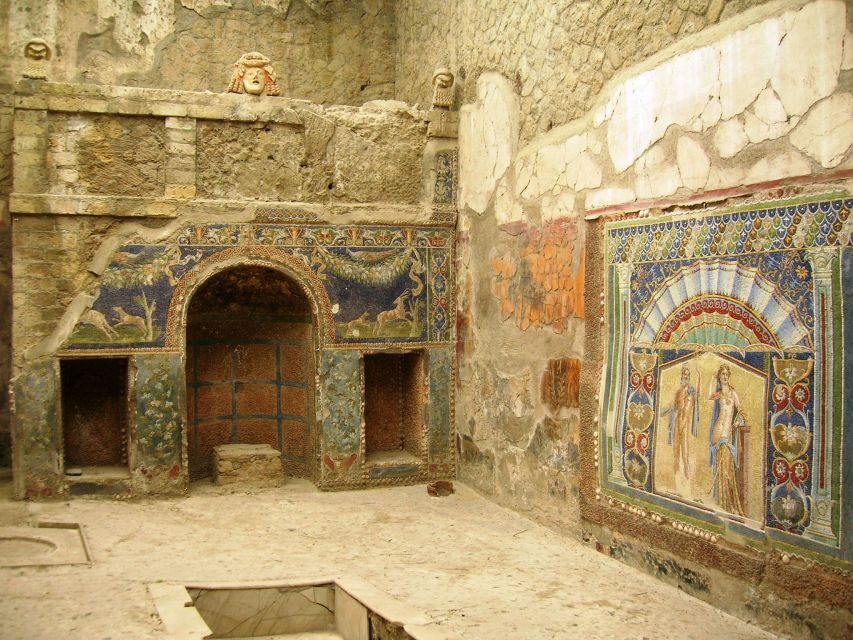
- Casa di Nettuno ed Anfitrite (Neptune and Amphitrite)
- Temples and the Forum: When Public Life Comes Into Focus
- Sacellum of the Augustales
- Forum (Main Square)
- Food, Baths, and Daily Rhythm: Thermopolium and Men’s Thermal Bath
- More Stops That Build the Full Picture
- Ending at the Beach: The Human Story Near the Victims
- Is This Tour Right for Your Family?
- Should You Book This Kids-Focused Herculaneum Tour?
- FAQ
- How long is the Herculaneum kids tour?
- Is transportation included from Naples?
- Where do I meet the guide?
- What’s included in the price?
- Which languages are available?
- Does the tour use tablets or multimedia?
- Is it wheelchair accessible?
- Is there a free entry day?
- What is the cancellation policy?
Key Things I’d Prioritize on This Herculaneum Kids Tour
- Tablets and multimedia turn hard-to-see details into kid-friendly clues
- A guide who works with children so explanations fit real attention spans
- A walk through recognizable places like forums, baths, and houses kids can enter
- A short 2-hour route that’s more doable for families than longer archaeological tours
- A clear Roman story arc, ending at the beach where victims were discovered
- Skip-the-ticket-line plus admission included, so you lose less time to logistics
Why Herculaneum Works So Well With Kids
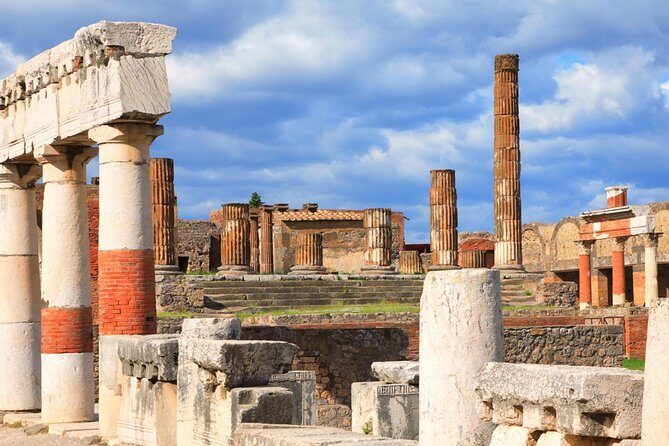
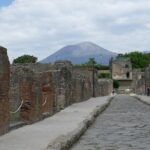
Herculaneum is famous because it’s so well-preserved. You’re not just looking at broken columns from far away; you can often see the layout of rooms, doorways, and daily-life spaces. That matters for kids because they learn faster when they can connect the dots on the ground level.
What makes this tour especially family-friendly is the way technology and reconstructions are used to bridge gaps. Ruins can be confusing if you don’t know what you’re looking at. Here, you get help visualizing how spaces likely looked and how people moved through the town.
And because this is a kid-customized format, your guide doesn’t treat the site like a lecture hall. The goal is attention, pacing, and simple explanations that match what children can handle.
If you're still narrowing it down, here are other tours in Naples we've reviewed.
Price and Value: What You Pay For (and What You Don’t)
At $206.75 per person for a 2-hour private tour, this isn’t the cheapest way to see Herculaneum. But the price makes more sense once you look at what’s bundled.
Here’s what you do get:
- A local certified guide specialized in tours with children
- Herculaneum admission fee included (listed as 16.00 euros each)
- Skip-the-ticket-line access
- A private-group experience
- Tablets plus reconstructions and multimedia support
What you don’t get:
- Transportation (you’re on foot; no pickup or drop-off)
- Meals
So the value calculation comes down to this: if you want your kids to stay engaged and you want expert help making sense of the ruins, paying for the guided, family-focused format can feel worthwhile. If your kids are independent and you already know what you’re looking for, you might save money by going on your own. But that usually takes more planning and more patience.
Meeting at Via dei Papiri Ercolanesi: Starting Smoothly
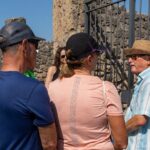
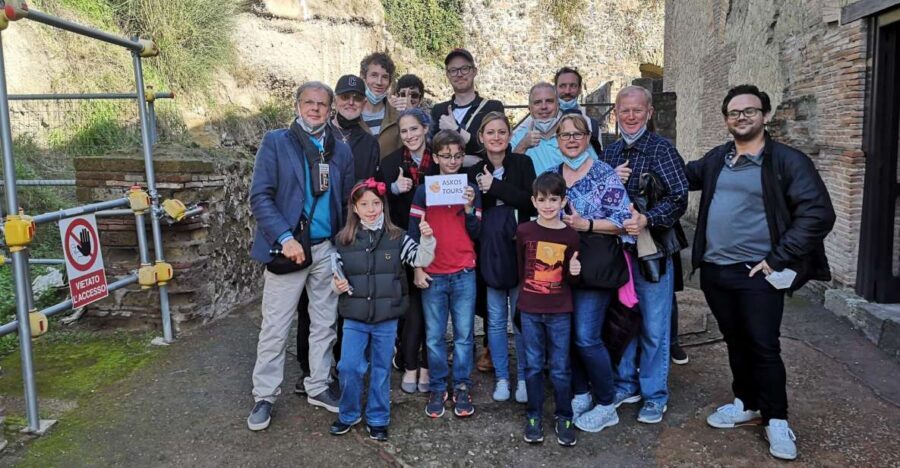
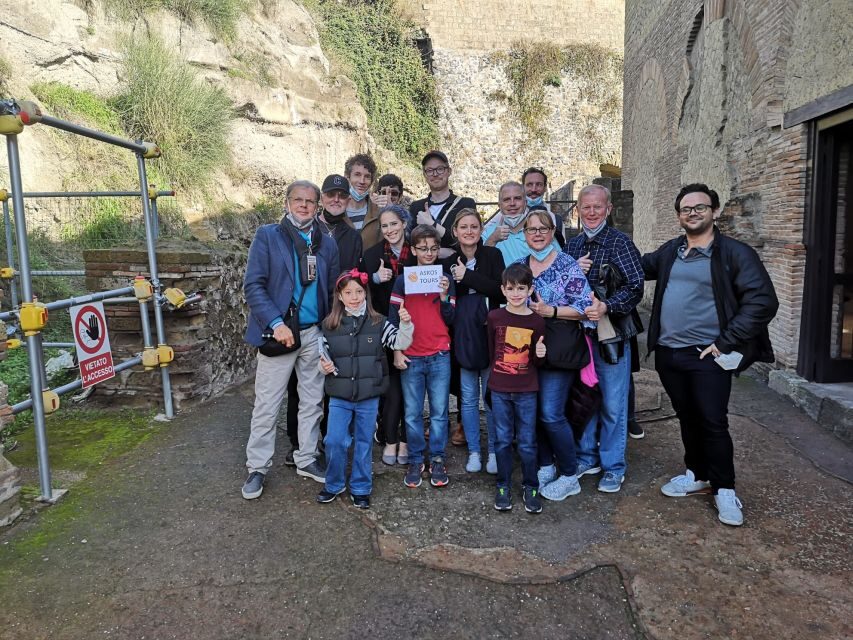
You meet at the ticket office area of the Herculaneum ruins at Via dei Papiri Ercolanesi, 21. The guide holds a sign with your name, which is a nice touch when you’re traveling with children and want less searching and more getting going.
This matters because the tour is only 2 hours total. Starting on time helps you use every minute on the best stops, rather than burning energy on logistics.
The Town Layout: Northern Cardo and Getting Oriented Fast
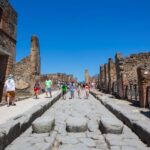
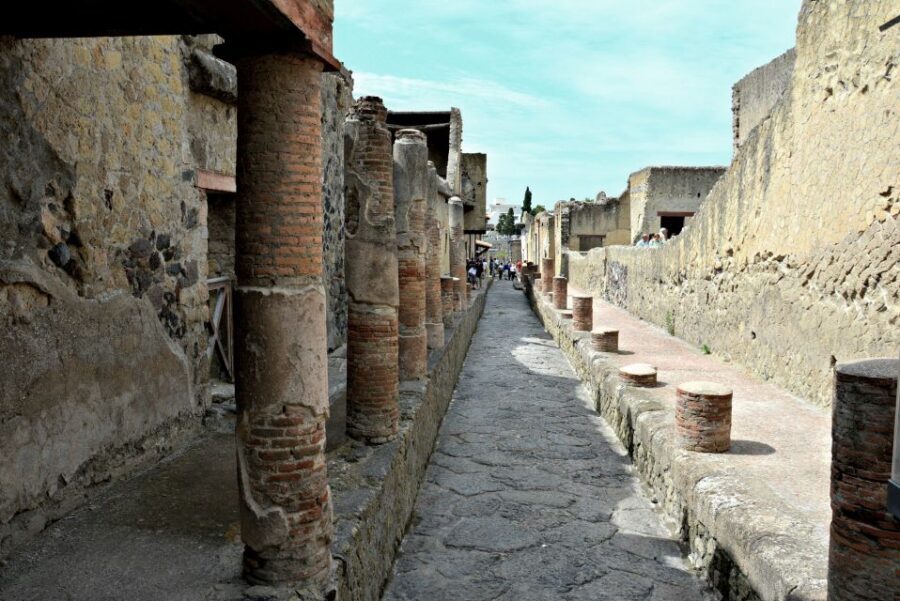
The tour focuses on the way the town was organized, starting with the Northern Cardo, a major road running north-south. For adults, that street grid gives context. For kids, it’s easier to follow a “main street” than to jump randomly between ruins.
Your guide uses tablets and multimedia to point out what this road connected and how people likely experienced daily movement through the town. It’s a practical way to get your bearings fast—without asking children to pretend they understand ancient city planning.
One small consideration: kids can get restless on straight stretches of stone. If that’s your situation, plan for short pauses and let your guide know when someone needs a breather.
Houses Kids Remember: Skeletons, Black Saloon, Neptune and Amphitrite
One reason this tour lands well with families is the variety of house types. You don’t just see one mansion. You move through several, and each one connects to a different slice of Roman life.
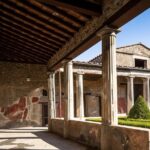


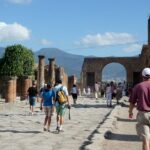
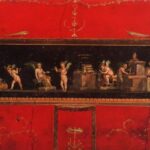

House of the Skeletons
The House of the Skeletons is understandably dramatic. But beyond the mood, it helps children grasp that Herculaneum’s disaster is also what makes the site so historically meaningful. Your guide frames what you’re seeing in a child-appropriate way, using the tech tools to explain the bigger story.
If your kids are sensitive, you can ask your guide how they’ll handle this stop. It’s best to prepare them for a sad topic without making it scary.
Casa del Salone Nero (House of the Black Saloon)
This is a great stop for architecture lovers in the family, because it adds visual contrast to the tour. Black décor and interior spaces are the kind of detail that kids can notice when someone points out what to look for—especially with tablet overlays or reconstructions.
Casa di Nettuno ed Anfitrite (Neptune and Amphitrite)
My advice here: don’t let this become a background stop. If your kids like animals, gods, or stories, ask your guide to highlight the theme and where it would have appeared in the home.
The value of visiting specific houses like this is that it makes the Roman world feel personal. Homes weren’t just shelters; they were stages for art, identity, and daily routines.
Temples and the Forum: When Public Life Comes Into Focus
Next, you move from private homes to public space. That shift is one of the strongest parts of the route, because it shows you Herculaneum wasn’t only domestic life.
Sacellum of the Augustales
The Temple/Sacellum of the Augustales adds a layer of civic or religious rhythm. Kids can grasp this better than you might expect when your guide explains what roles these places played and who would have used them.
Forum (Main Square)
The forum, as the main square, helps you understand how people gathered and how the town operated. Even if you don’t know the names yet, kids often follow crowds and roles faster than dates and dates.
This is also where reconstructions and multimedia can help the most—because public areas can be confusing when the original surfaces and structures are gone.
Food, Baths, and Daily Rhythm: Thermopolium and Men’s Thermal Bath
You’ll also get a taste of everyday routines, including a thermopolium, which was essentially a restaurant for fast, ready-to-eat food and drink. For kids, food stops are an instant attention grab. For adults, it’s a reality check that the Roman world was not just temples and emperors—it was also snacks, meals, and regular commerce.
The tour also includes the men’s thermal bath area. Baths help kids understand how “going out” worked in antiquity: people traveled within town spaces for leisure, conversation, and routine bathing. With the guide’s explanations, that’s easier to picture than a purely abstract museum stop.
More Stops That Build the Full Picture
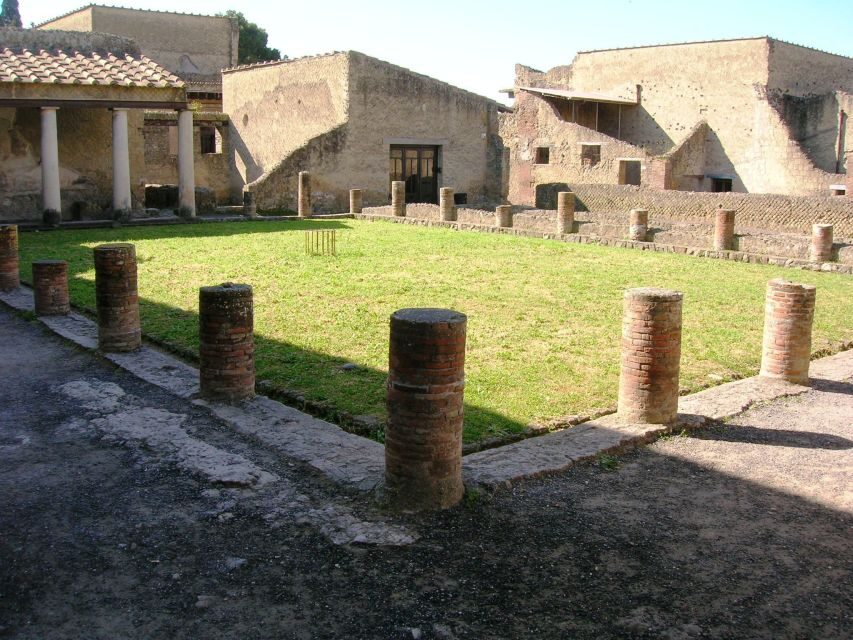
Herculaneum can feel like a maze. The tour uses that maze to your advantage by hitting a range of site elements that connect into a whole-town story.
Along the way, you may see or visit:
- The House of Bel Cortile
- The Samnite House
- The House of the Wooden Partition
- A bakery
- A gym
- The Home of the Bucks
- The Marina gate terrace of Marcus Nonius Balbus
Even if each place is only visited briefly, the benefit is the pattern. You’re not just collecting famous names; you’re seeing how different life functions fit together—work, training, food supply, domestic zones, and public routes.
A tip: if your kids ask questions, this is the moment to lean in. These stops offer more “why does this exist?” moments than big monuments.
Ending at the Beach: The Human Story Near the Victims
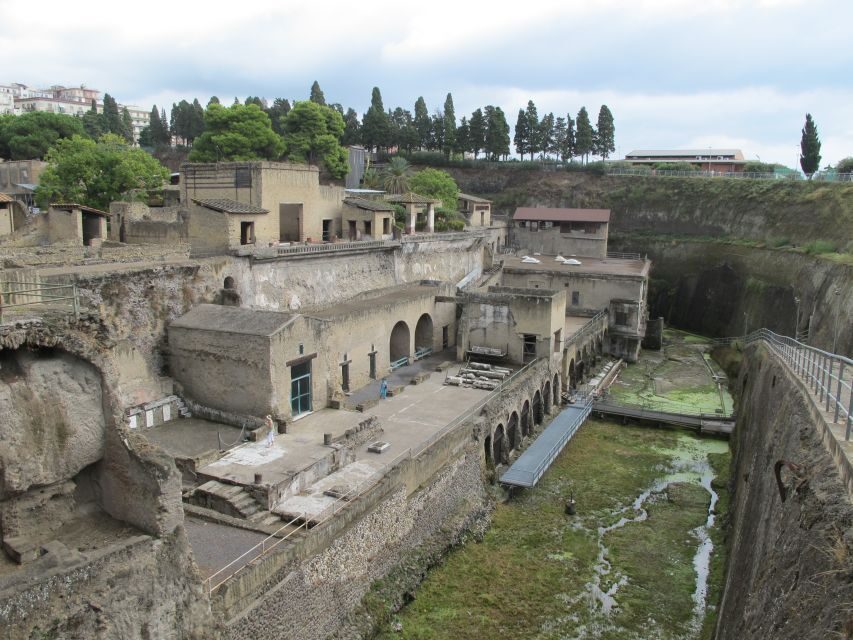
The tour culminates at the beach where hundreds of skeletons of the victims of the eruption were discovered. This stop gives the site its emotional weight and helps you connect the ruins to the real people who lived and died there.
Because the topic can be heavy, I appreciate that the tour is designed for children: your guide’s job is to handle the story in a way that doesn’t turn it into a terrifying event. Still, I recommend checking in with your kids if they get quiet or unsettled and letting the guide know.
This ending also helps many families because it gives the tour closure. You start with streets and homes, then end with the disaster’s impact—so the ruins don’t feel random.
Is This Tour Right for Your Family?
This experience fits best if:
- You want your kids to stay engaged through tablet-based support and multimedia
- You prefer a structured 2-hour route through the most memorable zones
- You value a guide specialized in children, not a general adult tour that you have to translate yourself
It may be less ideal if:
- Your kids can’t handle walking through archaeological terrain for 2 hours
- You need guaranteed wheelchair support, because the information is mixed (wheelchair accessibility is listed, yet there’s a note that it’s not suitable for wheelchair users). Confirm directly with Askos Tours before booking.
Should You Book This Kids-Focused Herculaneum Tour?
If your goal is a family-friendly, guided walk that turns Herculaneum into a story your kids can actually follow, I think this is a strong choice. The combination of a kid-focused certified guide, admission included, and the use of tablets and reconstructions makes it feel purpose-built for families, not just a regular tour with a shorter leash.
I’d only pause if you’re worried about the walking time or you’re relying on wheelchair access and need clear confirmation. If you can handle the pace and you match the tour style to your kids, booking is an easy yes.
FAQ
How long is the Herculaneum kids tour?
It lasts 2 hours.
Is transportation included from Naples?
No. It’s a walking tour, and no transportation is included.
Where do I meet the guide?
You meet at the ticket office of the Herculaneum ruins at Via dei Papiri Ercolanesi, 21. The guide will hold a sign with your name.
What’s included in the price?
A local certified guide specialized in tours with children and the Herculaneum admission fee (16.00 euros each). The tour also includes skip-the-ticket-line.
Which languages are available?
The live guide is listed as English and Italian.
Does the tour use tablets or multimedia?
Yes. The experience uses tablets, reconstructions, and multimedia material to explain what you’re seeing.
Is it wheelchair accessible?
Wheelchair accessibility is listed, but there is also a note that it is not suitable for wheelchair users. You should confirm details with Askos Tours before booking.
Is there a free entry day?
Yes—on the first Sunday of each month, entrance is free, but tickets can’t be reserved ahead of time, so entry is not guaranteed.
What is the cancellation policy?
Free cancellation is available up to 24 hours in advance for a full refund.