REVIEW · POSITANO
Explore the Pompeii Ruins from Positano
Book on Viator →Operated by Enjoy Pompeii · Bookable on Viator
Pompeii is loud with history, and time matters. I like the skip-the-line entry and the way this tour protects your schedule, so you get into the archaeological park faster than most self-guided plans. I also like the small-group format, which keeps the experience easier to follow and makes questions feel normal, even if you’re not a big archaeology buff.
The main thing to plan around is logistics: you’ll have an early, scheduled pickup window from the Positano/Sorrento area, and morning coffee may need to wait unless you build a little buffer into your day.
In This Review
- Key points before you go
- Why this Pompeii trip starts in Positano (and not at the park)
- Pickup timing, transfer style, and what to expect in the car
- The Pompeii walk: 2 hours in the western part of the city
- Skip-the-line: what you gain (and how to use it well)
- Guides make or break Pompeii: Frankie, Sasa, and the storytelling method
- Weather, rain, and heat: the real comfort checklist
- Price and value: what you’re really paying for
- How long is the whole day, really?
- Who this tour fits best
- Should you book Pompeii from Positano?
Key points before you go
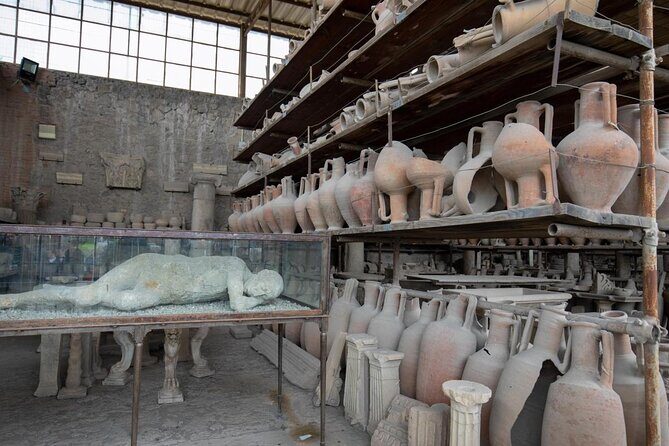
- Skip-the-line entry means less time queueing and more time inside Pompeii
- 2 hours guided through the western part of Pompeii, including big civic sites and homes
- Hotel pickup and air-conditioned transfer from the Sorrento/Positano area is included
- Small group size (maximum 15, and the tour is marketed as limited to 8) keeps things workable
- Guides bring the ruins to life with story-driven stops, humor, and crowd control
Why this Pompeii trip starts in Positano (and not at the park)
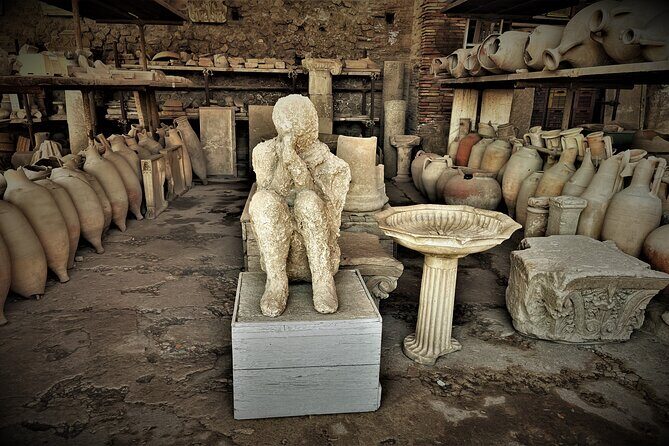
Pompeii doesn’t just take time. It also takes attention. If you arrive after the rush, you risk losing the first part of your visit to lines, ticket counters, and getting your bearings. That’s where this tour’s structure helps: you trade your independent stress for a timed transfer plus skip-the-line entry.
Starting from Positano is also a practical win. Going round-trip on your own means figuring out transportation across hilly roads, coordinating schedules, and then still doing the line game once you get to Pompeii. Here, the day is built around getting you to the ruins and back within a clear window (about 4 to 5 hours, with 2 hours actually spent on the guided walk).
One more reason it works: Pompeii is huge. Even with the best map, your brain will still drift toward the easiest buildings to spot. A guide helps you hit the most meaningful pieces of the city layout and understand what you’re looking at without needing to be an expert before you arrive.
If you're still narrowing it down, here are other tours in Positano we've reviewed.


Pickup timing, transfer style, and what to expect in the car
This is a free transfer tour. You’re picked up from your hotel in the Sorrento area (and the experience is commonly run from Positano as well), using an air-conditioned minivan. The tour also includes handoff to your guide once you reach Pompeii.
Timing is the part you should treat like the main clue for planning. The pickup start is stated as either 30 minutes or 20 minutes before the start time, so assume the earlier end of that range. In real life, that means you’ll want to be ready when you’re told, especially if your hotel is up a steep hill where car access might be tricky.
A small but useful point: if your hotel has a pedestrian-only entrance (or a “front” that cars can’t reach), keep your address details crisp and double-check the exact meetup point. One person noted confusion between different Positano addresses used for vehicle access, and the fix was contacting the company directly rather than relying on in-app messaging.
Bottom line: you don’t need to micromanage the day—but you do need to be clear about where the van should meet you.
The Pompeii walk: 2 hours in the western part of the city
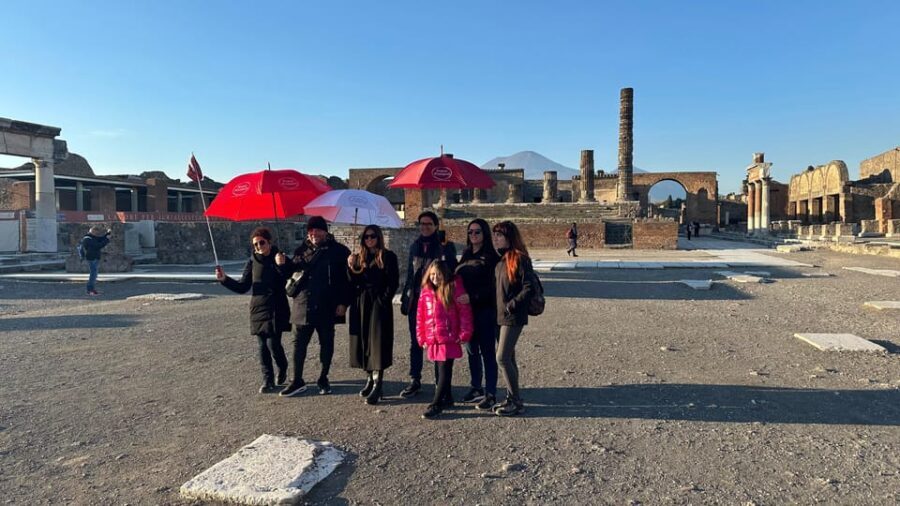
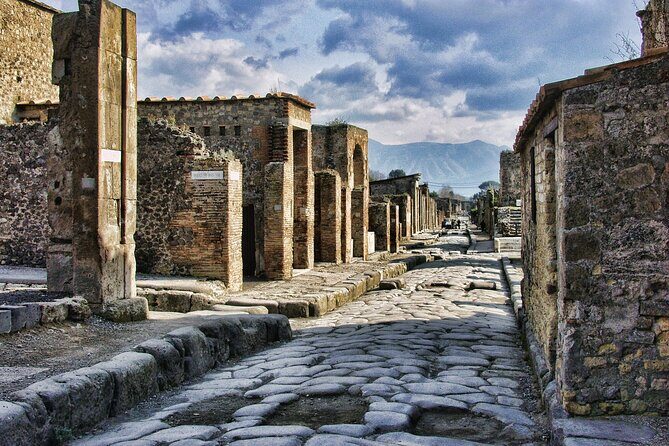
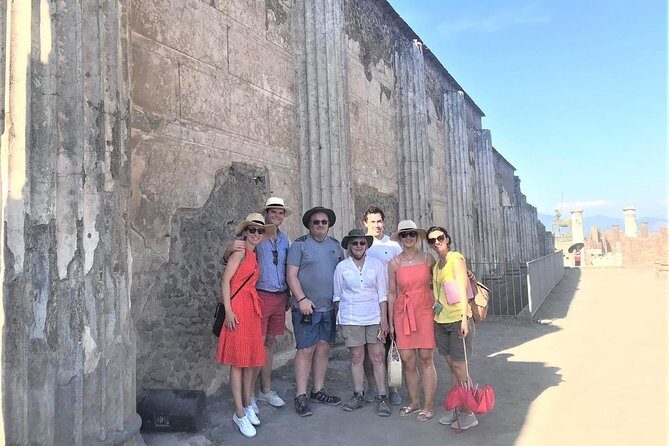
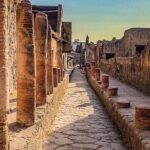
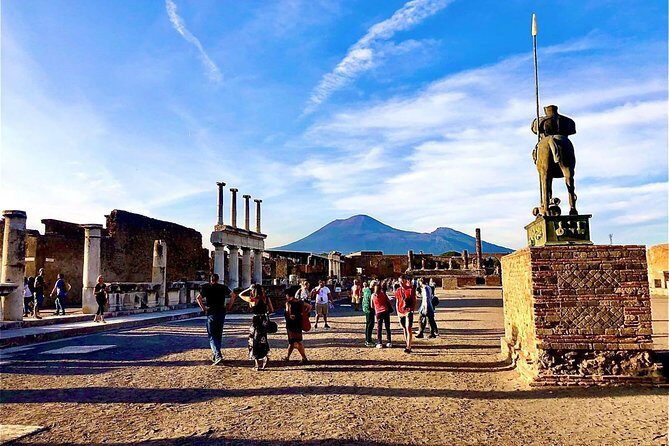
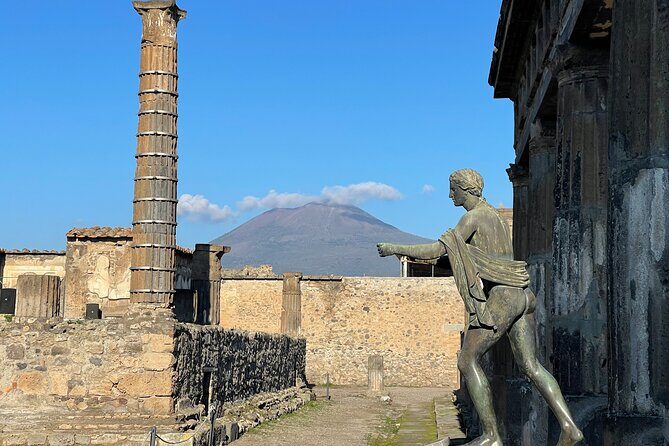
The real show is the Pompeii archaeological park stop, where you get about 2 hours with a trained guide. The tour focuses on the western part of Pompeii, which is a smart choice because it balances civic spaces with everyday life.
Here are the kinds of places you can expect to see:
- Basilica: a major public building where citizens would have gathered
- Forum: the city’s central civic area—think of it as the public heart
- Thermal baths: evidence of daily routines and how people used public spaces for health and social time
- Bakery: a reminder that Pompeii wasn’t just grand buildings—food production and labor mattered
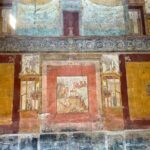
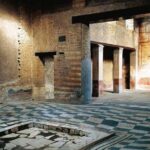
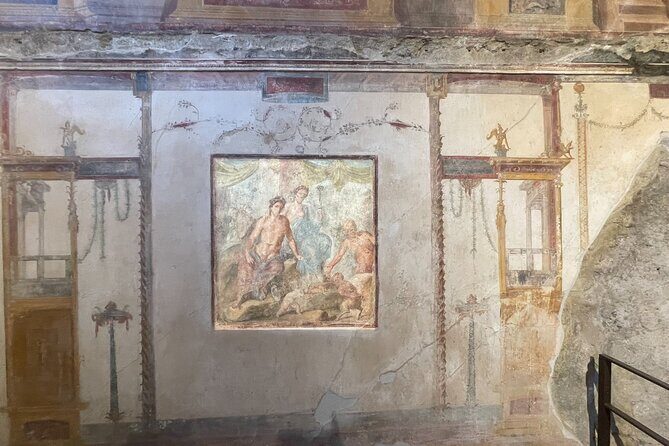
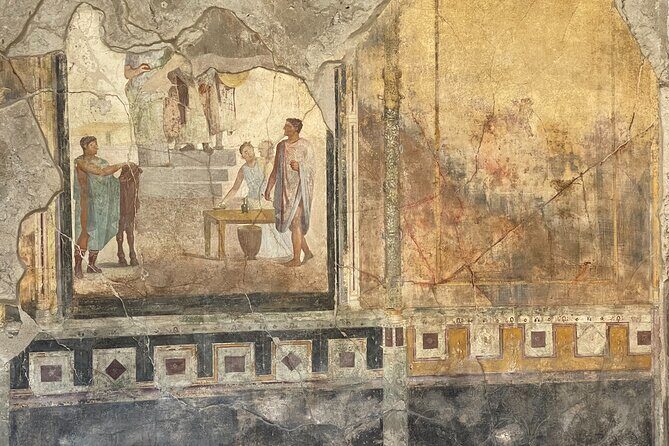
- Residential houses: glimpses into domestic life rather than only official structures
You’ll follow your guide through the ruins, with explanations tied to the buildings you’re standing in front of. The value here is not that you see everything. It’s that you see the right things in the right order, and you understand the city’s logic as you move.
Because the guide-led time is limited to 2 hours, you shouldn’t expect a full self-paced wander. This can be a benefit if you’re here for context. It can feel limiting if you want to roam and read every wall fragment for hours. Pompeii rewards both styles—but this tour clearly favors the guided highlights approach.
Skip-the-line: what you gain (and how to use it well)
Skip-the-line entry is the big ticket item on paper, but the real advantage is what it buys you emotionally: you arrive, you go in, and you start learning fast. Instead of burning your energy waiting to enter, you can spend that time orienting and stepping into the streets while your brain is fresh.
Here’s how to make the most of it:
- Wear shoes you can walk in for extended stretches. Pompeii involves uneven surfaces and steps.
- If rain is in the forecast, treat it as a real factor. One guide handled pouring rain by keeping the group moving and engaged, which is what you want.
- Keep your camera ready. Some of the best moments happen when you look up from the pavement and realize how urban the setting is.
Skip-the-line doesn’t eliminate all time inside. There’s still the pace of a guided route, and the park itself is massive. But it makes the experience start on your terms, not the crowd’s.
Guides make or break Pompeii: Frankie, Sasa, and the storytelling method
Pompeii isn’t just buildings. It’s people. The strongest reviews in the bunch point to a consistent theme: the guides don’t just name structures; they turn them into stories you can hold onto while you walk.
Names that come up again and again include Frankie (Francesco) and Sasa, plus variations like Francesca. Different personalities, same idea: humor, clear English, and a sense of pacing that keeps groups together.
A few practical examples of what this “guide style” tends to include:
- Keeping the group lively without losing factual direction
- Calling out safety issues on the ground—slippery areas and steps
- Adjusting the route when heat is brutal, with shade breaks
- Encouraging questions so you can steer your learning toward what interests you
I especially like tours where the guide handles pacing. Pompeii can be disorienting even when you can read signage. A good guide acts like a filter, deciding what’s worth your attention now versus what you can safely skip.
The caution: if you’re the type who wants to wander freely and talk only via audio, a guided route may feel slow in moments. One person felt the talking time could have been less and the walking more. So if you love independent exploration above all else, you might prefer a self-paced plan with an audio guide.




Weather, rain, and heat: the real comfort checklist

Pompeii is outdoors. So your comfort comes down to weather and your footwear.
This tour is described as requiring good weather. That matters because rain or storms can change how the operator runs things. If the experience is canceled due to poor weather, you’re offered another date or a full refund.
In the field, you’ll likely deal with sun or damp patches. One guide was praised for keeping everyone in the shade for much of the tour when it was very hot. Another mention: even during pouring rain, the guide kept the vibe up and made it work as a memorable experience.
So for your packing list, think simple:
- Comfortable walking shoes
- A light layer for shade or drizzle
- Sun protection if you’re doing a morning slot and still see strong light
- A small towel or wipe if the weather flips
You don’t need to overthink it. Just don’t assume Pompeii will be “museum smooth.”
Price and value: what you’re really paying for
At $179.01 per person, this isn’t a bargain-basement excursion. But it also isn’t just a guided walk in a parking lot.
Your included pieces are meaningful:
- Admission ticket with skip-the-line access
- 2 hours guided tour inside Pompeii
- Round-trip-style transfer (free transfer offered) in an air-conditioned minivan
If you try to DIY from Positano or the wider Sorrento area, you usually end up paying for transportation one way, then again for returning, plus you still have to handle entry and the logistics of your timing. By bundling transport and entry, you reduce decision fatigue and get a clear schedule.
That’s also why the tour works best for visitors who want a controlled day. If you’re a strict budget traveler, you may find cheaper ways to get to Pompeii and back, but you’ll be trading that savings for more planning stress and more uncertainty once you reach the park.
For most couples and history-curious groups, the value comes down to one question: do you want to optimize time and learning, or do you want flexibility even if it costs more of your mental energy?
How long is the whole day, really?
The advertised duration is 4 to 5 hours. The guided part inside Pompeii is 2 hours, and the remaining time is for travel and the handoff between transfer and guide.
So you should plan your day as a dedicated block. You’re not building a second big stop into the same window without stress. If you want to combine Pompeii with lunch, you’ll need to check your timing carefully—this tour doesn’t include lunch.
In practice, that’s okay. Many people treat Pompeii like the main event and plan food before pickup or after they’re back. One comment also pointed out that there are small food stands after arrival, but the guided schedule doesn’t give you much time to linger.
Who this tour fits best
This experience is a strong match if you:
- Want skip-the-line entry and less queue time
- Prefer a structured route that hits major sites like the Forum and Basilica without getting lost
- Like small-group energy—especially when the guide keeps things interactive
- Are okay with a limited amount of time inside Pompeii in exchange for context and guidance
It’s less ideal if you:
- Want to spend most of your day wandering without a set route
- Get frustrated when a guided tour keeps the group moving on schedule
- Are trying to build a full multi-stop itinerary around Pompeii
And yes, consider the “small group” claim. The tour is marketed as limited to 8 travelers, and the maximum listed is 15. In either case, you’ll typically be in a smaller group than standard big buses, which helps with hearing the guide and asking questions.
Should you book Pompeii from Positano?
If you want a smooth day where you trade logistics for learning, I think this is a smart booking. Skip-the-line entry, a 2-hour guided highlights route, and included air-conditioned transfer add up to real value when you’re starting from Positano instead of staying right near Pompeii.
Book it if you want the major buildings and the story of how people lived before 79 AD, guided by instructors like Frankie and Sasa who are known for pacing, humor, and keeping the walk safe and understandable.
Hold off if you’re a hardcore independent wanderer who plans to read every corner and take your time at each stop. In that case, you may feel boxed in by a timed guided route.
If you do book, do one simple thing: confirm your exact pickup meetup point well before departure—especially if your hotel has vehicle-access limits. That’s the fastest way to prevent a day from starting with unnecessary stress.